

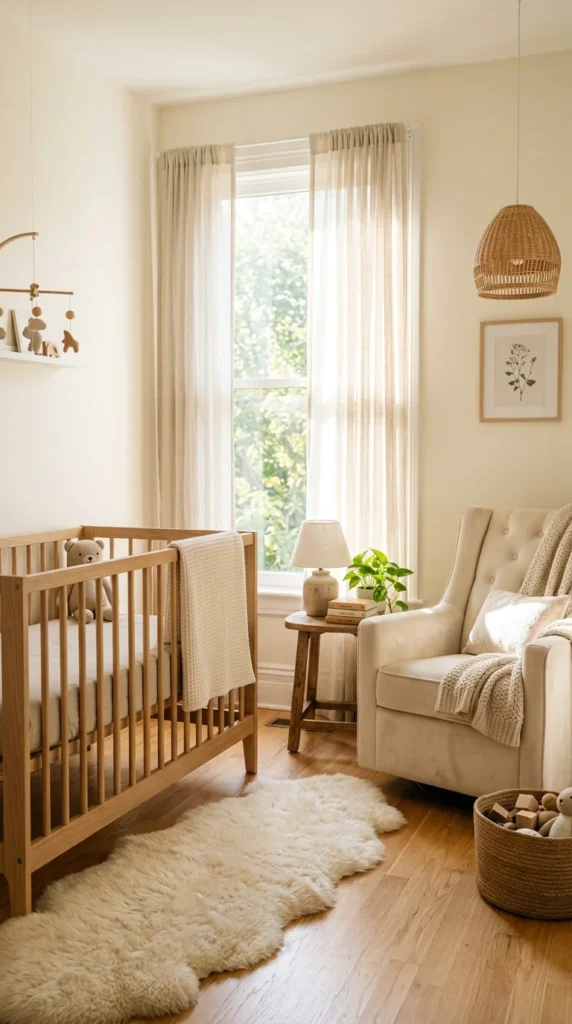
Creating a nursery is one of the most cherished milestones of parenthood. It is the first sanctuary for your little one—a space where they will dream, play, and grow. While trends come and go, the most successful nursery designs are those that prioritize comfort, warmth, and a sense of timelessness. A timeless nursery isn’t just about aesthetics; it’s about creating an environment that feels grounded and evolves with your child. By blending natural materials, soft textures, and nostalgic accents, you can curate a room that feels like a warm embrace.
Here are 12 nursery decor ideas to help you create a space that is as cozy as it is beautiful.
1. Earthy Palettes
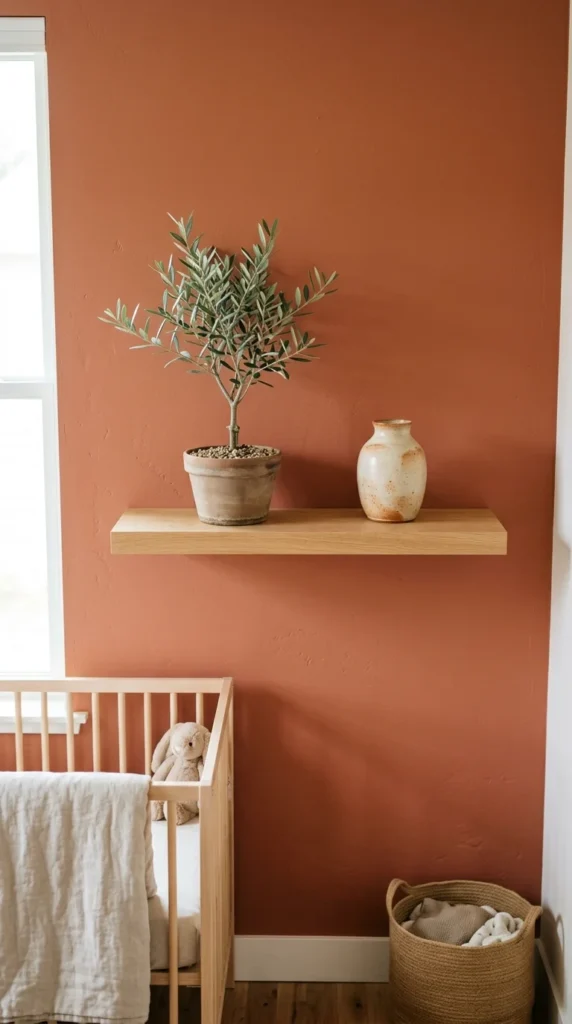
The foundation of a cozy nursery begins with color. Moving away from stark whites or high-contrast primaries, earthy palettes bring an immediate sense of calm and groundedness. Think of shades inspired by the natural world: sage green, warm terracotta, muted ochre, and soft mushroom. These colors are inherently soothing to the eyes and provide a neutral backdrop that allows furniture and decor to shine. Because these tones are found in nature, they possess a timeless quality that won’t feel dated as the years pass.
2. Vintage Furniture
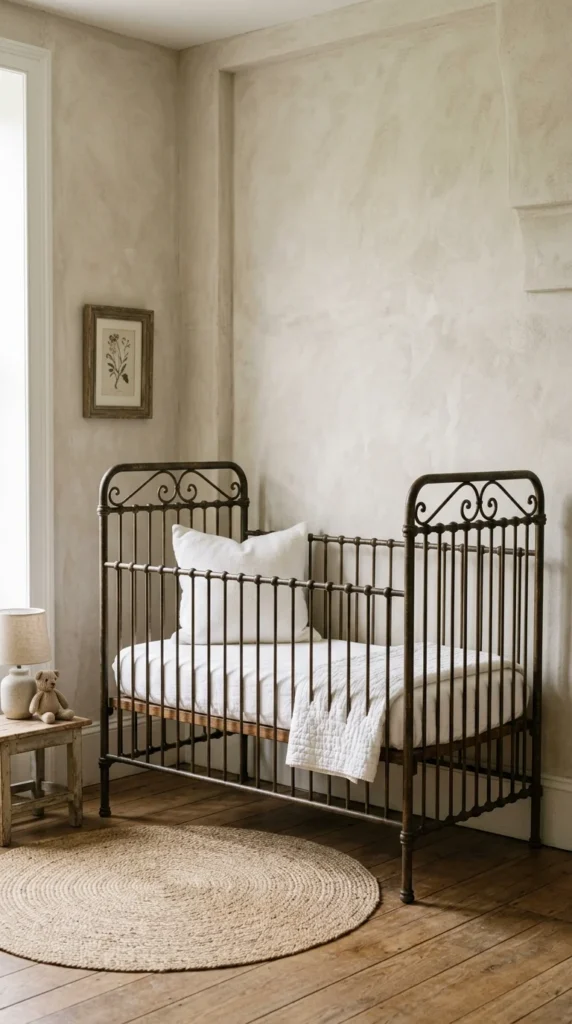
There is something profoundly soul-stirring about a piece of furniture with a history. Integrating vintage or antique pieces—like a spindle-back rocking chair or a wrought iron crib—adds character that brand-new items often lack. Vintage furniture introduces unique silhouettes and craftsmanship that feel personal and curated. If you’re worried about safety standards with antique cribs, you can always opt for “vintage-inspired” modern pieces or use vintage items for secondary furniture, such as a refurbished dresser used as a changing table.
3. Layered Textiles
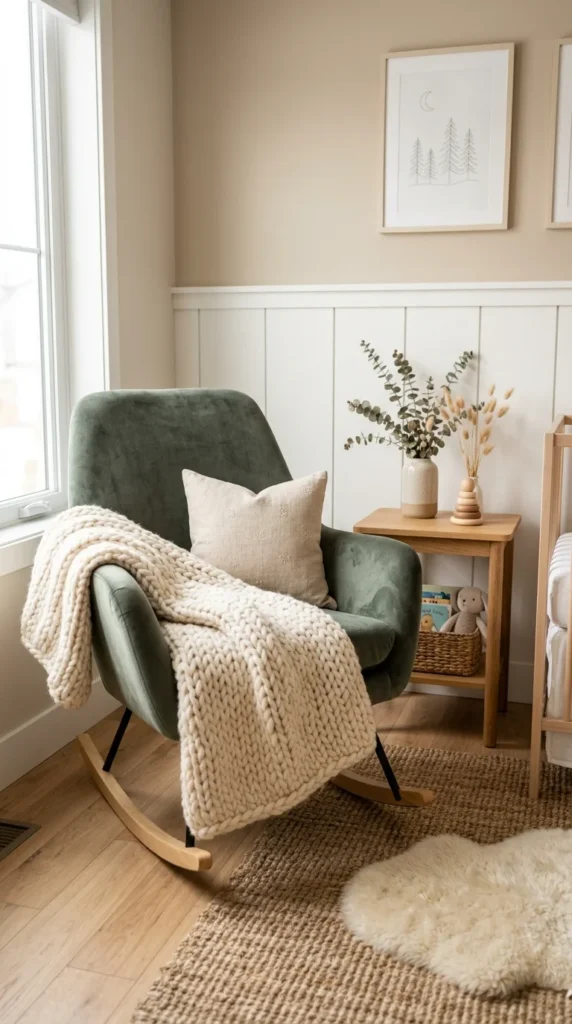
To achieve maximum “hygge” in a nursery, layering textiles is essential. Texture adds visual weight and physical warmth to a room. Combine different fabrics like linen, wool, cotton gauze, and velvet. A linen curtain paired with a chunky knit throw and a velvet pillow creates a multi-dimensional look that feels lived-in and inviting. These materials are also tactilely stimulating for a baby, offering different sensations as they begin to explore their environment through touch.
4. Whimsical Wallpaper
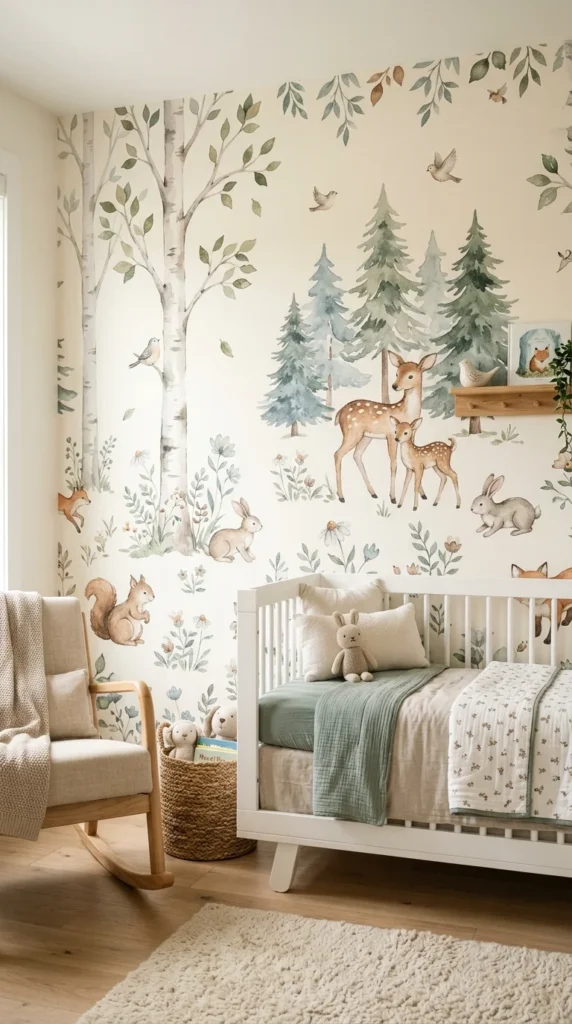
Wallpaper has made a massive comeback in nursery design, especially patterns that evoke a sense of wonder. To keep the look timeless, choose “storybook” styles—think delicate botanicals, vintage maps, or subtle woodland creatures. Avoid overly “cartoony” or bright neon patterns. A watercolor-style mural or a repeating floral print in muted tones can act as a stunning focal point without overwhelming the senses. It turns the walls into a backdrop for imagination.
5. Warm Lighting
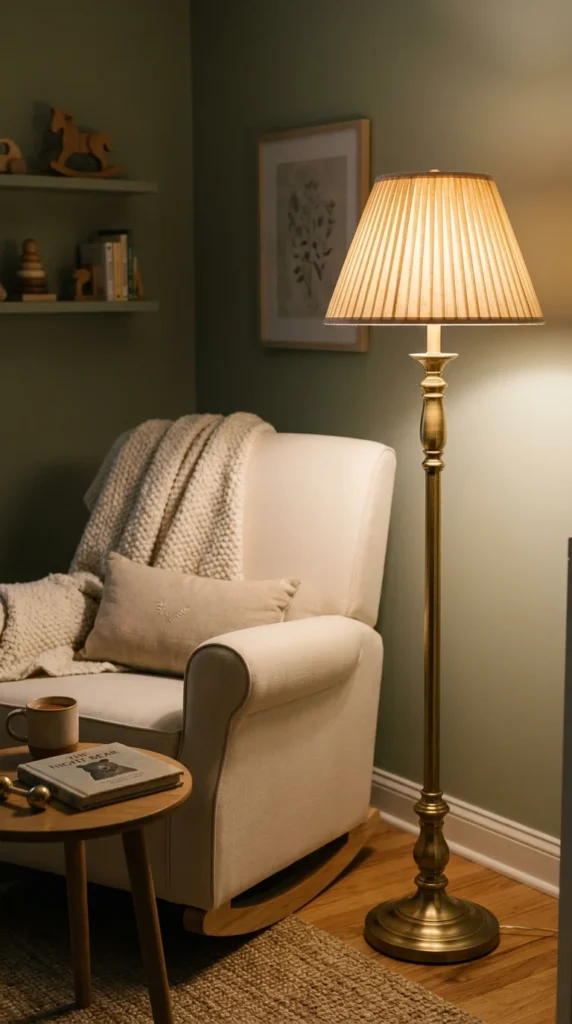
Lighting is the secret ingredient to a cozy atmosphere. Harsh overhead lights can feel clinical and disruptive, especially during late-night feedings. Instead, opt for layers of warm light. Use a combination of floor lamps with fabric shades, wall sconces with dimmers, and perhaps a small nightlight with a warm amber bulb. Soft, diffused lighting mimics the glow of sunset, helping to signal to your baby’s internal clock that it is time to wind down.
6. Natural Wood
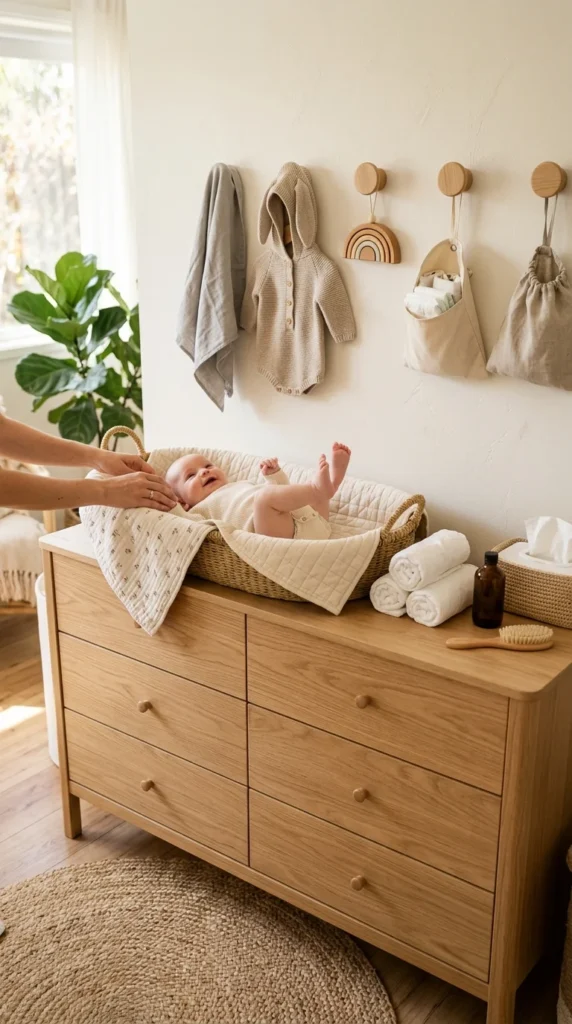
Wood is the ultimate material for creating a warm environment. Whether it’s the honeyed tones of oak, the richness of walnut, or the lightness of birch, natural wood grains bring an organic element into the home. Using wood for the crib, shelving, and even toys creates a cohesive, earthy feel. Unlike plastic or metal, wood ages beautifully, developing a patina that only adds to its charm over time.
7. Cozy Nooks
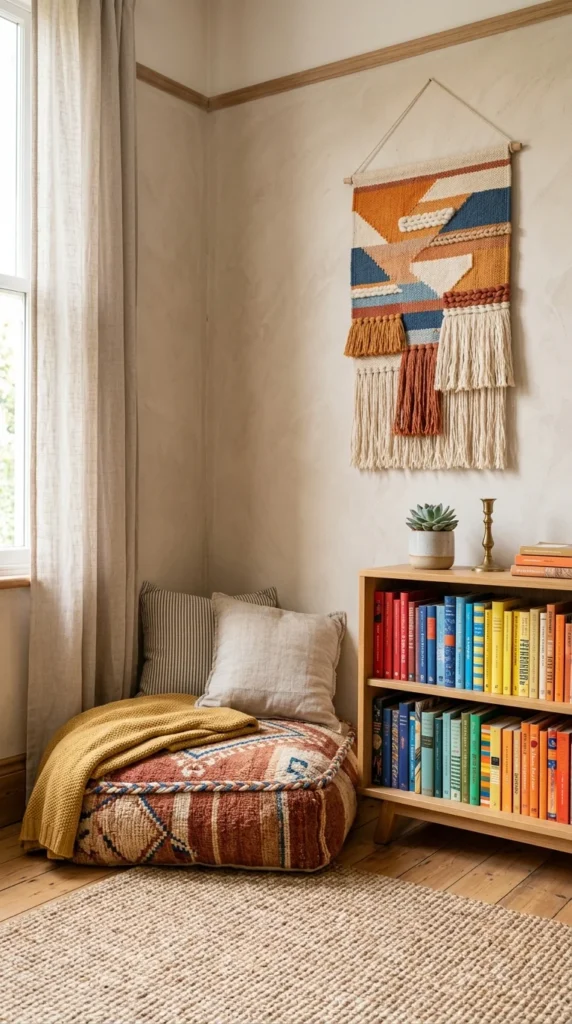
Every nursery needs a dedicated space for quiet connection. A reading nook or a “snuggle corner” encourages early literacy and provides a peaceful retreat for both parent and child. Start with a comfortable floor cushion or a low-slung chair, add a small basket of books, and perhaps a soft canopy overhead. This becomes a sacred space for bonding, separate from the more functional areas of the room like the changing station or the crib.
8. Heirloom Accents
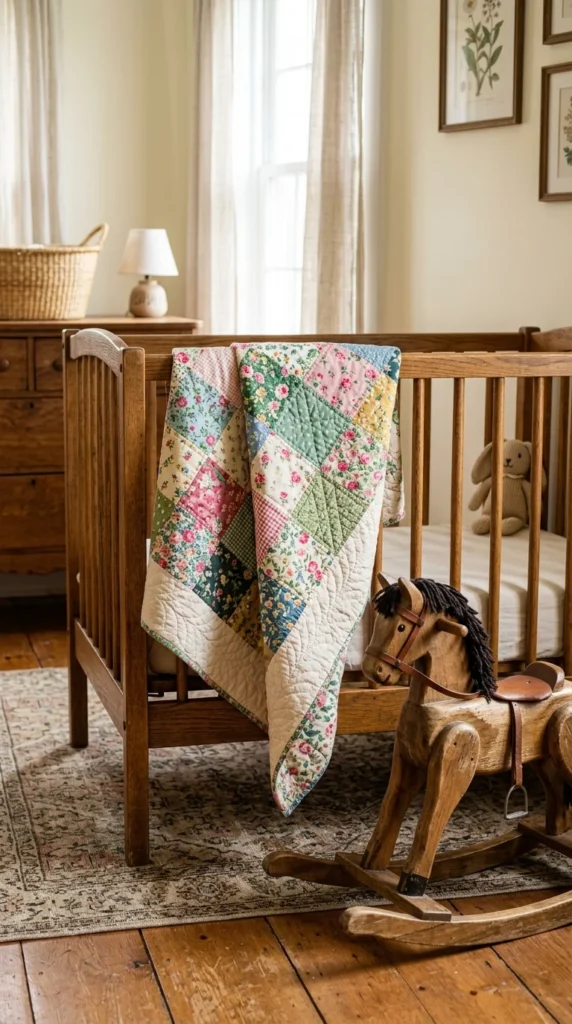
A nursery feels truly special when it tells a story. Incorporating heirloom items—such as a quilt handmade by a grandparent, a silver rattle passed down through generations, or a favorite childhood book—infuses the room with love and legacy. These items don’t have to be functional; they can be displayed on high shelves or framed as art. They ground the nursery in family history, making it feel like a true part of the home.
9. Woven Baskets
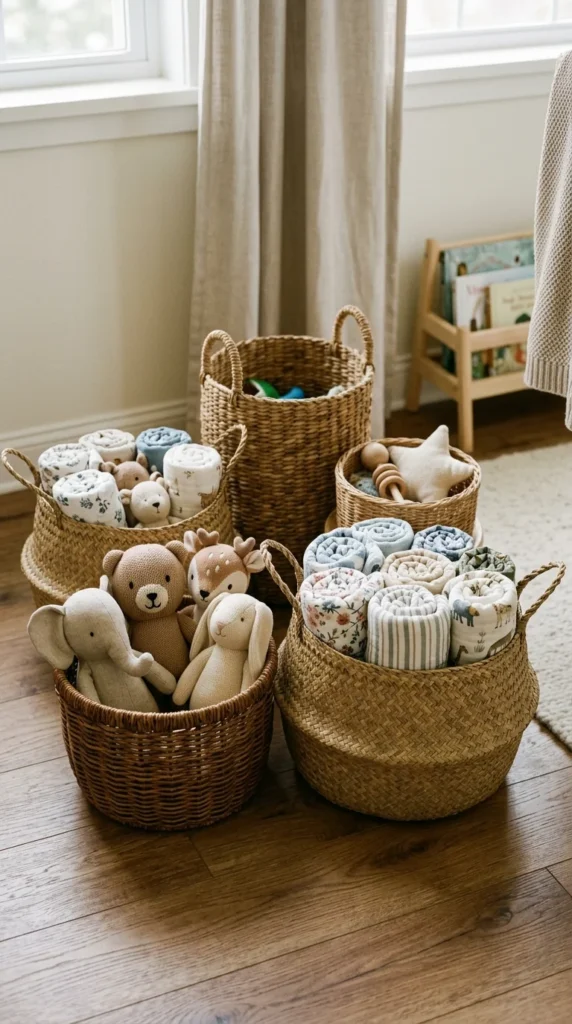
Organization is key in a nursery, but it doesn’t have to look industrial. Woven baskets made of seagrass, wicker, or jute are perfect for corralling toys, blankets, and laundry. Their natural textures complement almost any decor style and add a rustic, handcrafted feel to the room. Unlike plastic bins, woven baskets are soft-edged and breathable, making them a safe and aesthetic choice for a baby’s space.
10. Botanical Art
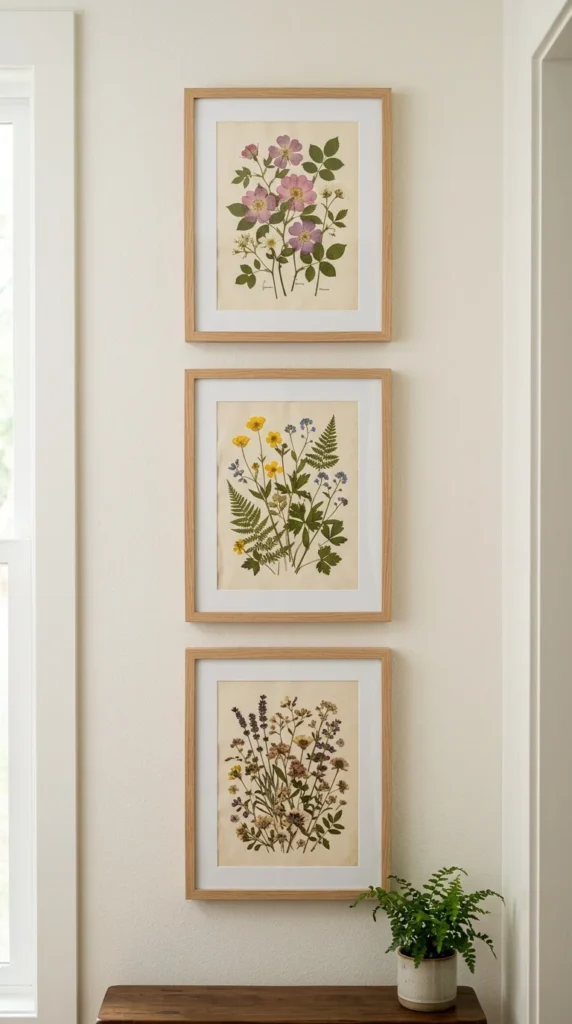
Bringing the outdoors in is a surefire way to create a serene environment. Botanical prints, whether they are vintage scientific illustrations or modern minimalist line drawings, add a touch of sophistication to a nursery. They are gender-neutral and timeless, growing with the child long after they’ve moved on from more “babyish” decor. Pairing these prints with simple wooden frames keeps the look clean and cohesive.
11. Plush Rugs
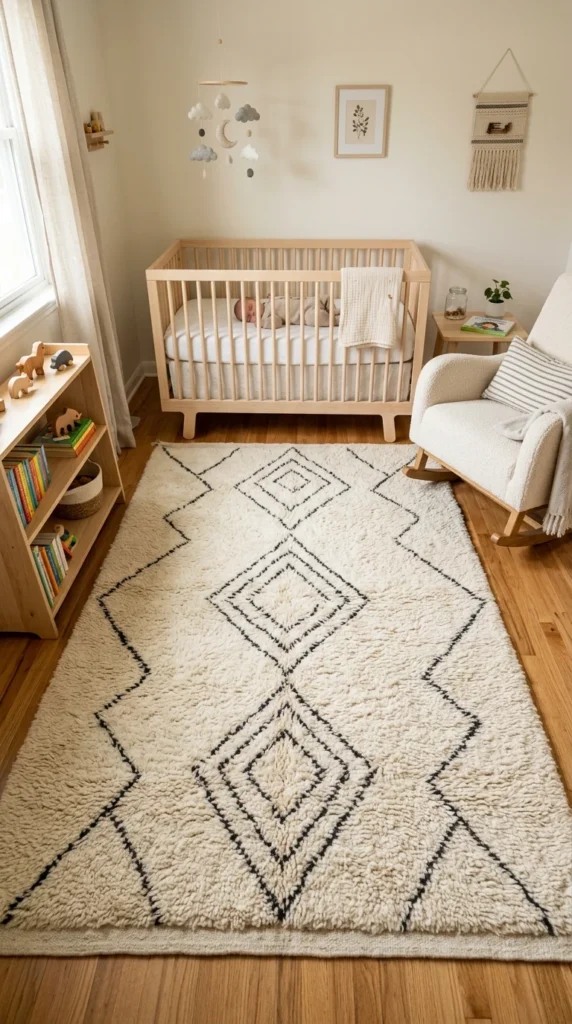
Since so much time in a nursery is spent on the floor—for tummy time, crawling, and playing—the rug choice is paramount. A plush, high-pile rug provides a soft landing spot and acts as a massive acoustic dampener, helping to keep the room quiet. Look for natural fibers like wool, which are durable and naturally flame-retardant. A rug with a subtle, timeless pattern, like a Moroccan trellis or a faded Persian design, adds warmth and luxury to the space.
12. Soft Canopies
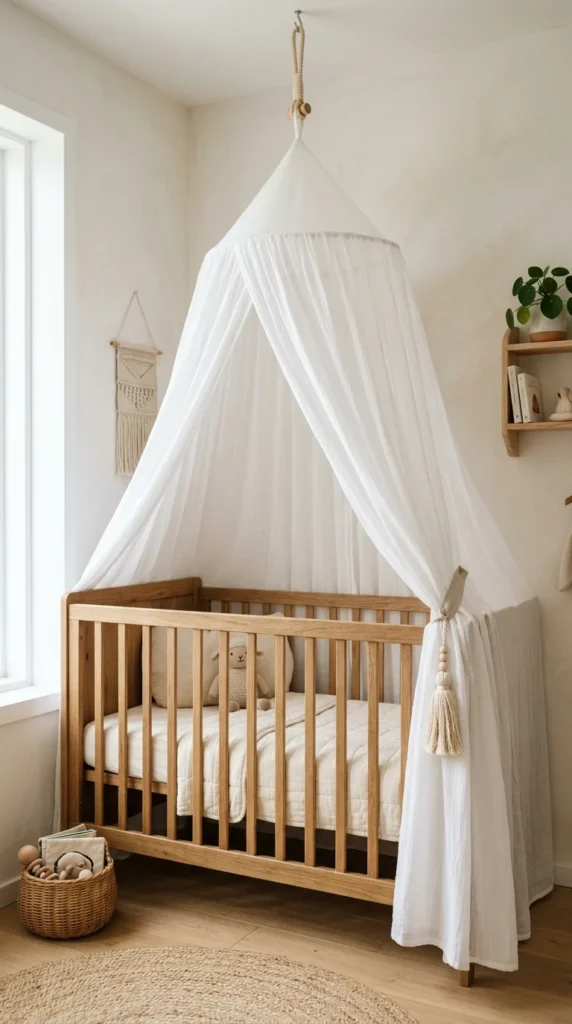
A canopy is the ultimate “cozy” accessory. Draped over a crib or a reading chair, it creates a “room within a room,” offering a sense of security and whimsy. Choose lightweight, breathable fabrics like cotton muslin or sheer linen to ensure plenty of airflow. A canopy adds height to the room’s design and softens the angles of the furniture, contributing to that dreamy, ethereal aesthetic that makes a nursery feel like a true sanctuary.