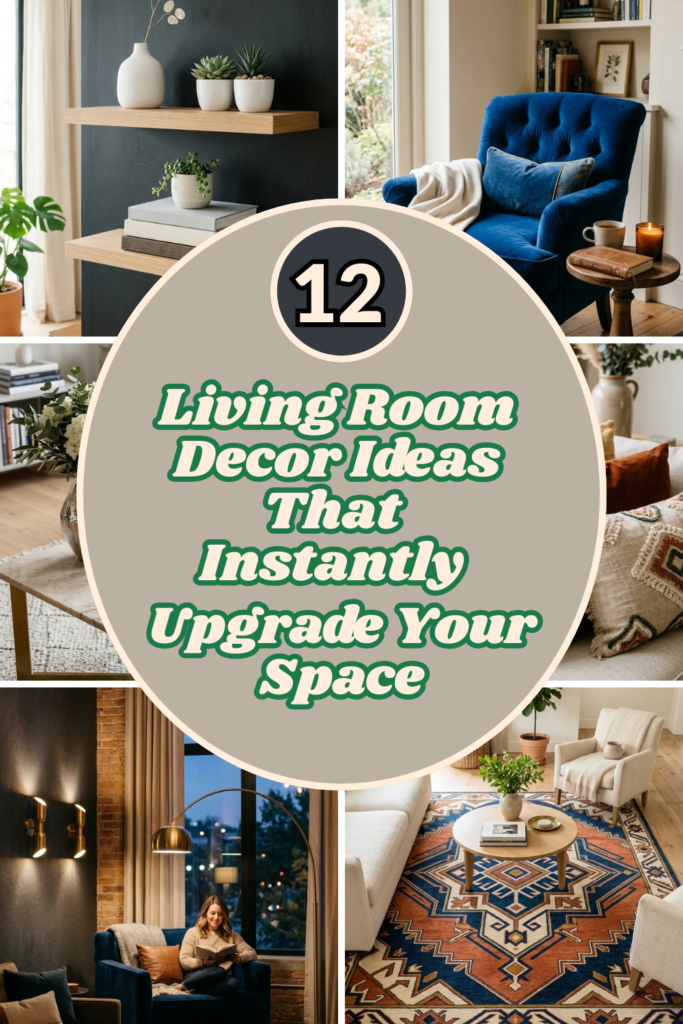

Your living room is more than just a place to sit; it is the heart of your home, the center of social gatherings, and a sanctuary for relaxation. Upgrading this space doesn’t always require a full-scale renovation. Often, the most significant impact comes from strategic decor choices that enhance the room’s aesthetic and functional appeal. Whether you are looking to add a touch of luxury, increase comfort, or inject personality into your home, these twelve design strategies will help you transform your living room into a high-end masterpiece.
1. Statement Rugs
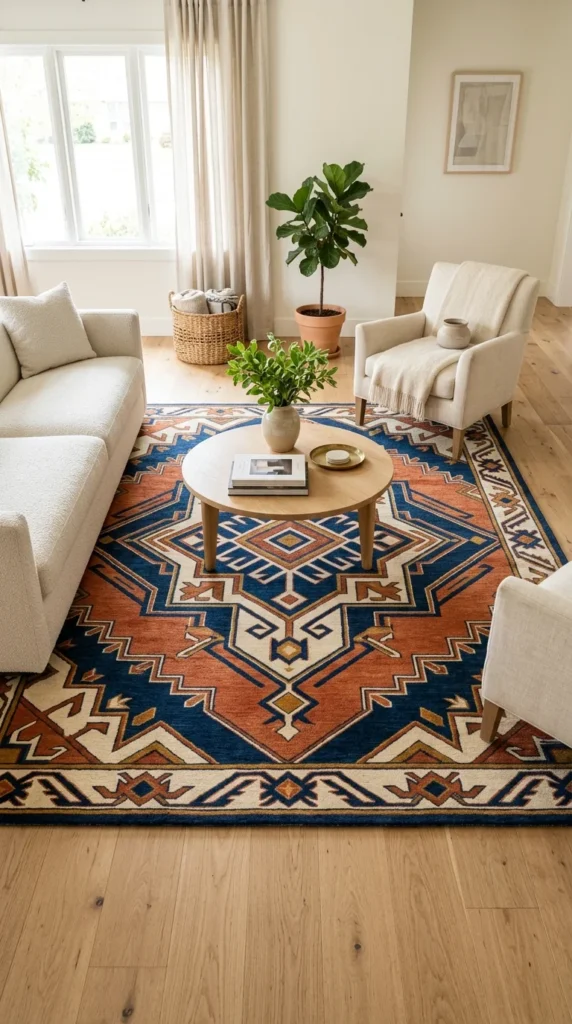
A statement rug serves as the foundation of your living room’s design. It acts as an anchor, tying together disparate pieces of furniture and defining the seating area. When selecting a rug, size is the most critical factor—a rug that is too small can make the room feel disjointed and cramped. Aim for a size that allows at least the front legs of all major furniture pieces to rest upon it.
Beyond size, consider texture and pattern. A high-pile shag rug adds warmth and coziness, while a flat-weave or Persian-style rug offers a more formal, traditional feel. Bold patterns can inject energy into a neutral space, whereas a solid, textured rug can provide a sophisticated, calming backdrop for more eclectic furniture.
2. Layered Lighting
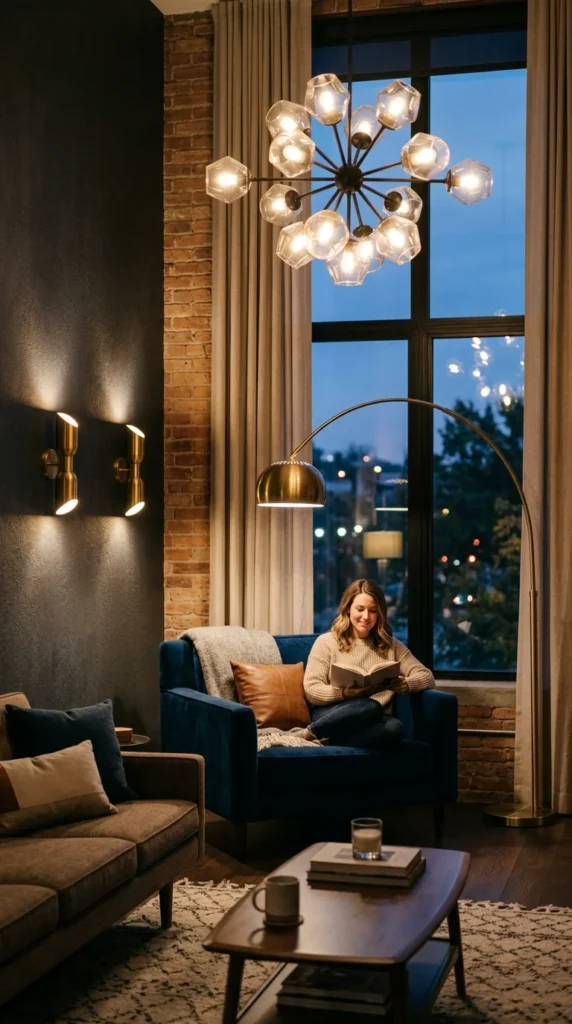
Relying on a single overhead light source is a common design mistake that can make a room feel flat and sterile. Professional designers use “layered lighting” to create depth and atmosphere. This involves combining three types of illumination:
- Ambient Lighting: The general illumination, usually from a ceiling fixture or recessed lights.
- Task Lighting: Focused light for specific activities, such as a stylish floor lamp next to a reading nook or a desk lamp on a side table.
- Accent Lighting: Used to highlight architectural features or artwork, such as picture lights or LED strips inside shelving.
By mixing different heights and intensities of light, you can shift the mood of the room from bright and functional during the day to warm and intimate in the evening.
3. Indoor Greenery
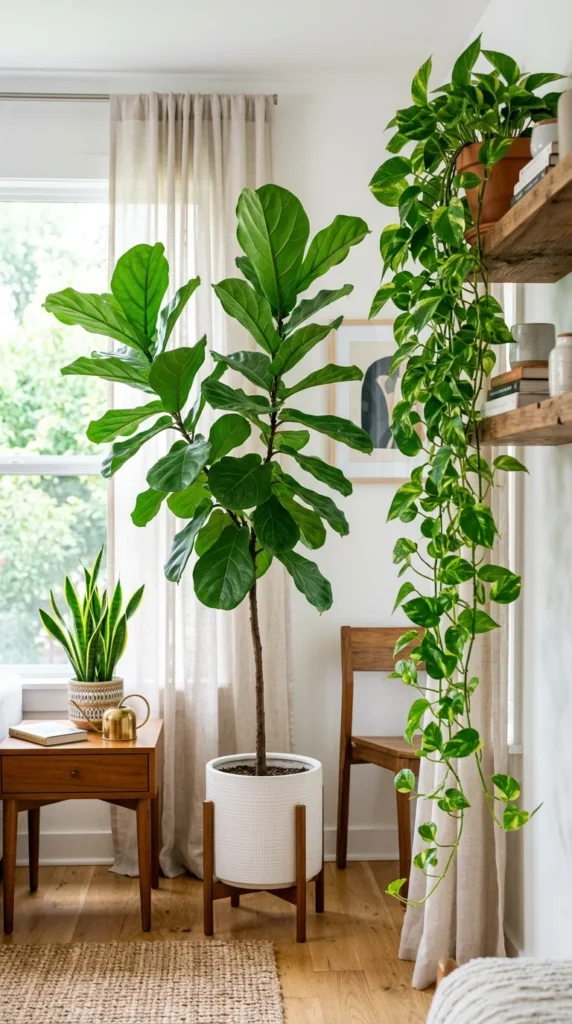
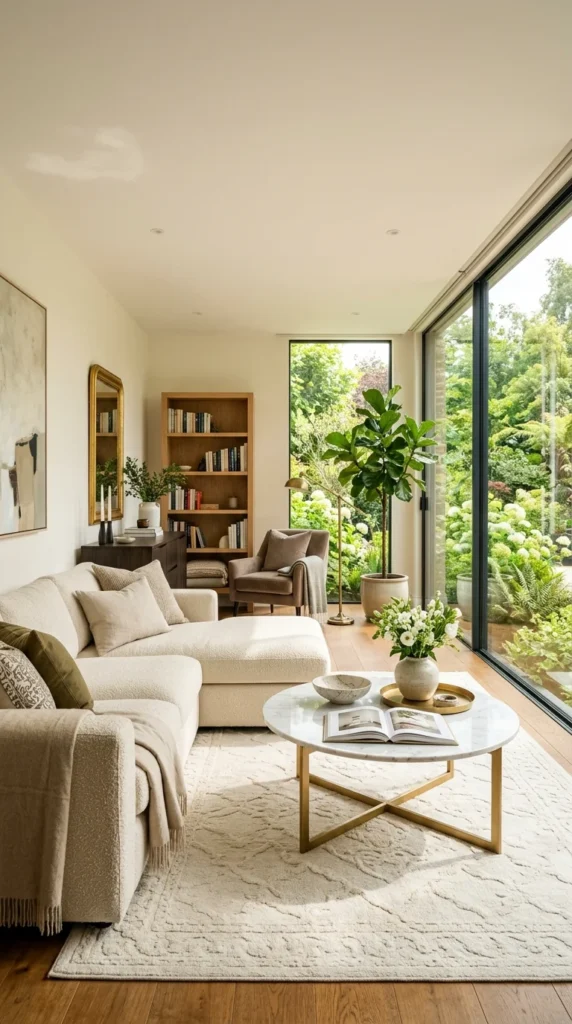
Nothing breathes life into a room quite like living plants. Greenery introduces organic shapes and vibrant colors that soften the hard lines of furniture and architecture. If you have high ceilings, a tall Fiddle Leaf Fig or a Monstera Deliciosa can provide a dramatic vertical element.
For smaller spaces, consider a collection of smaller succulents or a trailing “String of Pearls” on a mantelpiece. Not only do plants improve air quality, but they also provide a psychological boost, making the environment feel more serene and connected to nature. If maintenance is a concern, high-quality “real-touch” silk plants can offer the same visual benefits without the watering schedule.
4. Gallery Walls
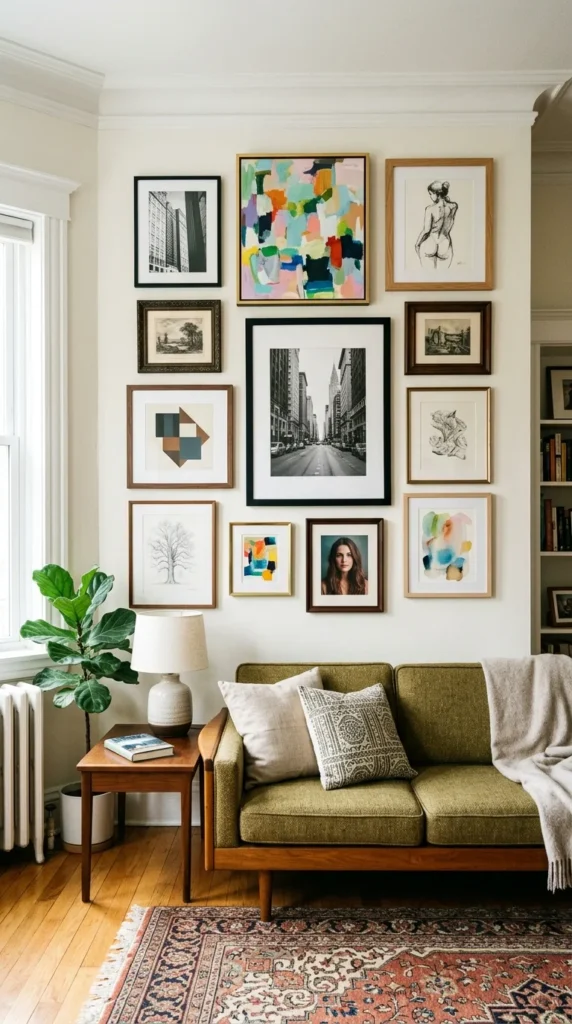
A gallery wall is a powerful way to showcase your personality and turn a blank wall into a focal point. The key to a successful gallery wall is balance. You can choose a “grid” layout with identical frames for a clean, formal look, or an “eclectic” layout with different frame styles and sizes for a more relaxed, bohemian vibe.
When planning your layout, lay the frames out on the floor first to experiment with the arrangement. Mix and match mediums—combine oil paintings with line drawings, personal photographs, and even 3D objects like decorative masks or vintage clocks. This variety creates a visual narrative that draws the eye and sparks conversation.
5. Textured Pillows
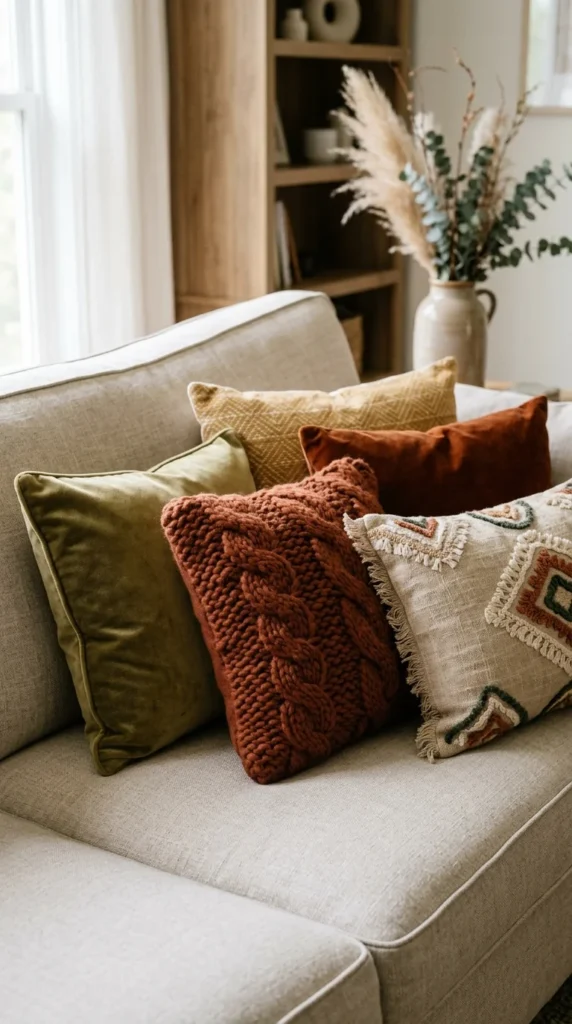
One of the most cost-effective ways to upgrade your space is by refreshing your throw pillows. The secret to a designer look is “texture mixing.” Instead of buying a matching set, look for pillows in different fabrics and finishes.
Consider pairing a smooth, heavy velvet pillow with a chunky cable-knit wool cushion and a fringe-trimmed linen piece. This variety adds tactile interest and makes the seating area look much more inviting. Stick to a cohesive color palette to ensure the different textures feel harmonious rather than chaotic. For an extra touch of luxury, opt for high-quality feather or down inserts rather than polyester fill to achieve that perfect “choppable” look.
6. Metallic Accents
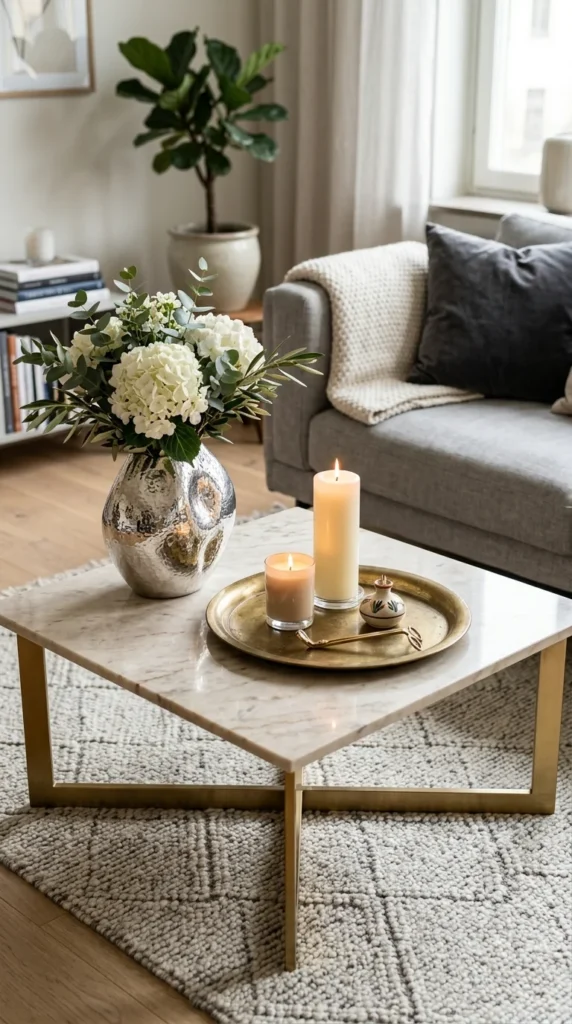
Metallics act like jewelry for a room, adding a layer of polish and sophistication. Whether it’s gold, brass, silver, or matte black, metallic finishes reflect light and add a sense of luxury to the space. You don’t have to stick to just one metal; mixing “warm” metals (like brass or copper) with “cool” metals (like chrome or nickel) is a popular contemporary trend that adds complexity to the design.
Incorporate metallics through small details: a gold-trimmed mirror, brass drawer pulls on a media console, or a silver tray on the coffee table. These small glints of shine catch the eye and elevate the overall aesthetic without overwhelming the senses.
7. Architectural Mirrors
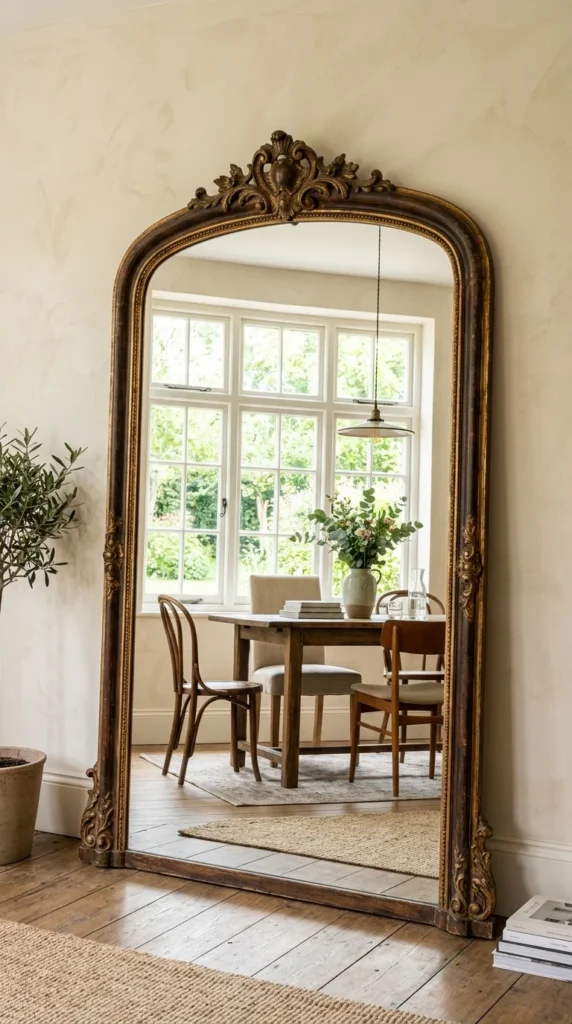
Mirrors are a designer’s secret weapon for making a room feel twice as large and significantly brighter. An architectural mirror—one with an interesting shape or a bold frame—acts as both a functional tool and a piece of art.
Placing a large mirror opposite a window will bounce natural light throughout the room, instantly lifting the mood. If you have a small living room, a floor-to-ceiling leaning mirror can create the illusion of an extra doorway, tricking the eye into perceiving more depth. Look for mirrors with unique details like beveled edges, antique glass finishes, or window-pane framing to add character.
8. Oversized Art
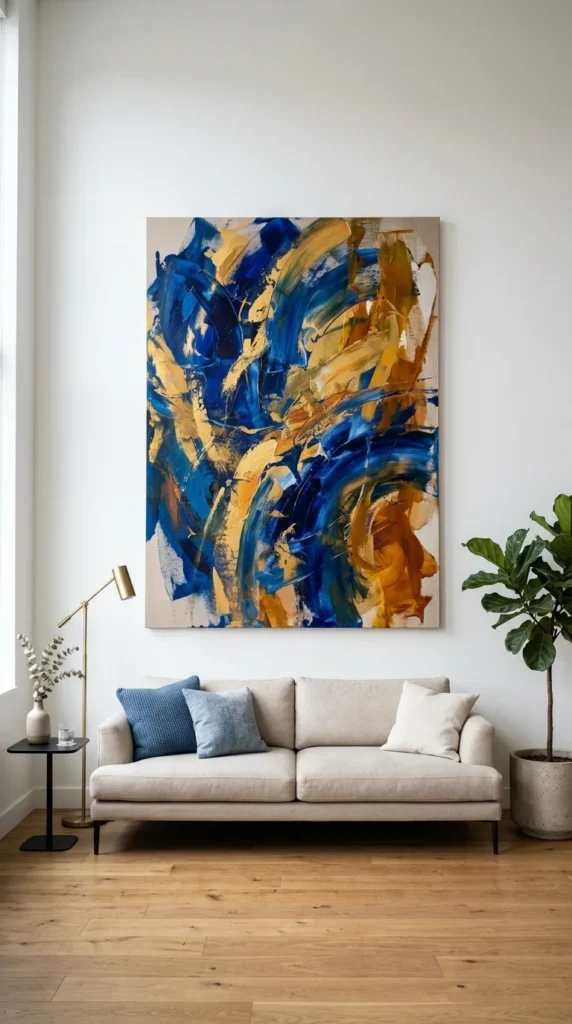
While gallery walls are great for variety, a single piece of oversized art can make a powerful, sophisticated statement. A large-scale painting or photograph creates a singular focal point that commands attention and defines the room’s color story.
Choosing one large piece rather than several smaller ones can actually make a small room feel more spacious because it reduces visual clutter. When hanging oversized art, ensure it is placed at “eye level”—generally about 57 to 60 inches from the floor to the center of the piece. If you’re placing it above a sofa, it should ideally span about two-thirds the width of the furniture to maintain proper proportions.
9. Floating Shelves
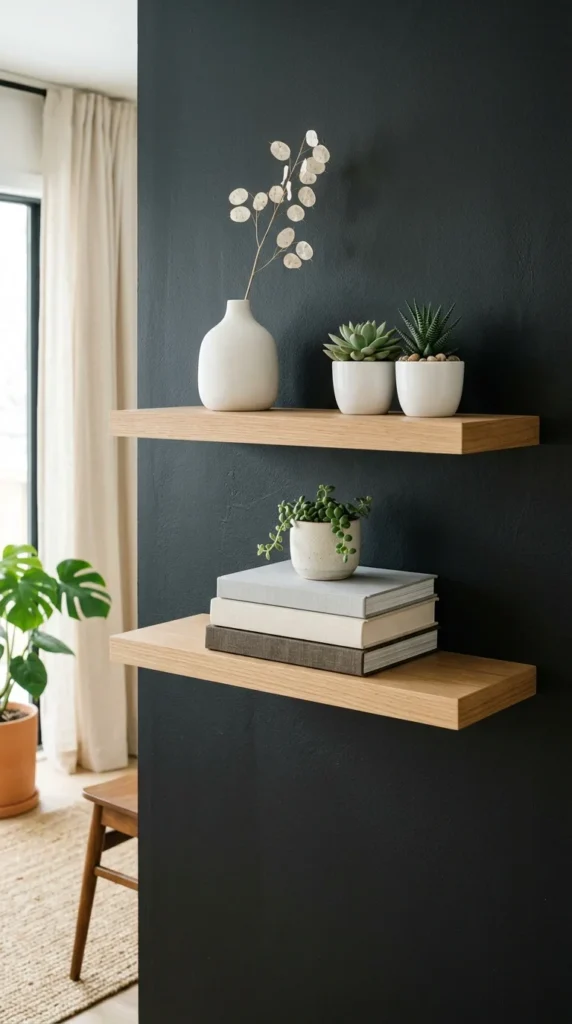
Floating shelves offer a sleek, modern way to display decor without the bulk of a traditional bookcase. They provide a platform for “shelfie” styling, allowing you to curate a rotating collection of your favorite items.
The trick to styling floating shelves is to avoid overcrowding. Use the “rule of three” by grouping items in odd numbers, and vary the heights of the objects to create visual rhythm. Combine functional items like books with decorative objects like small sculptures, vintage cameras, or organic elements like a piece of driftwood. By keeping the floor space clear, floating shelves contribute to a breezy, open feel in the living room.
10. Velvet Seating
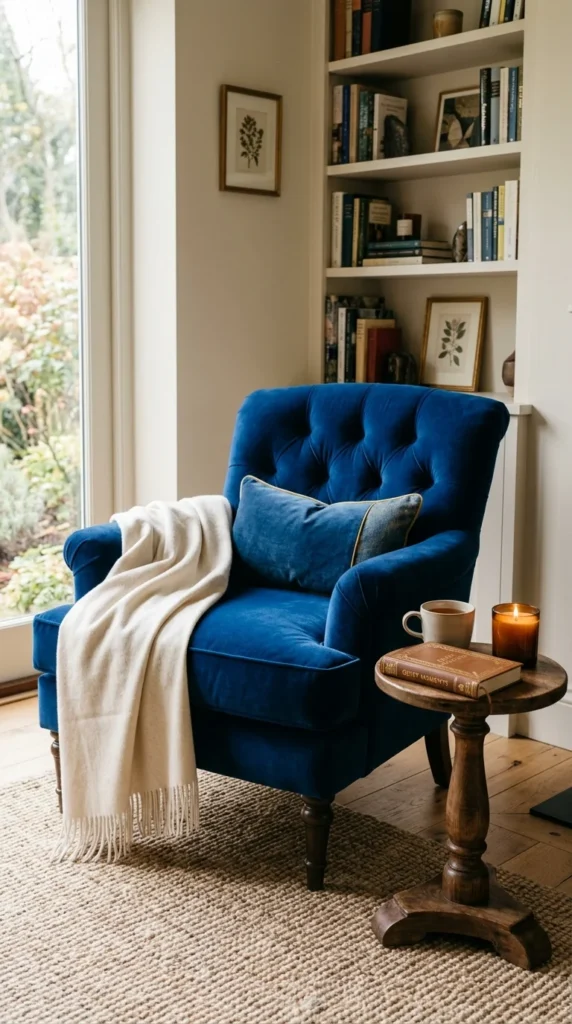
Velvet is a fabric that instantly communicates opulence and comfort. Its deep, reflective sheen adds a layer of visual “weight” and richness that flat fabrics simply cannot match. If you aren’t ready to commit to a full velvet sofa, a single velvet accent chair or a tufted ottoman can serve as a stunning luxury upgrade.
Velvet is also surprisingly durable and, in the case of performance velvet, easy to clean, making it a practical choice for busy households. Choosing velvet in a jewel tone—such as emerald green, sapphire blue, or burnt orange—can turn a simple piece of furniture into a standout design element that defines the room’s character.
11. Natural Wood
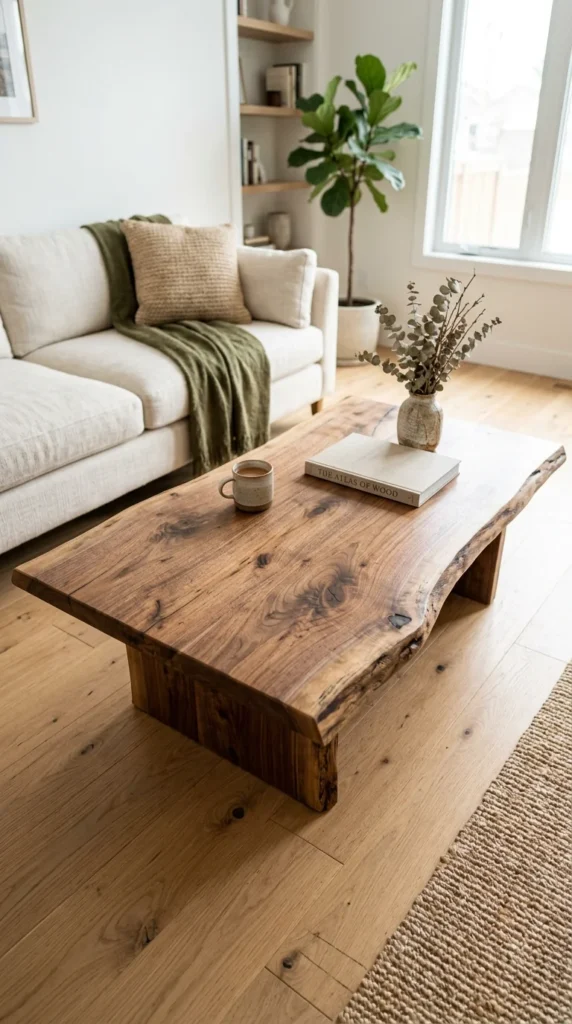
Incorporating natural wood elements brings a sense of warmth and groundedness to a living room. Whether it’s a reclaimed wood coffee table, a set of oak side tables, or exposed ceiling beams, the organic textures of wood provide a beautiful contrast to modern materials like metal and glass.
The imperfections in natural wood—knots, grain variations, and live edges—add a “wabi-sabi” element of beauty in imperfection. This connection to the natural world makes a space feel more lived-in and comfortable. To keep the look modern, look for wood pieces with clean lines and matte finishes rather than high-gloss or overly ornate carvings.
12. Coffee Table Books
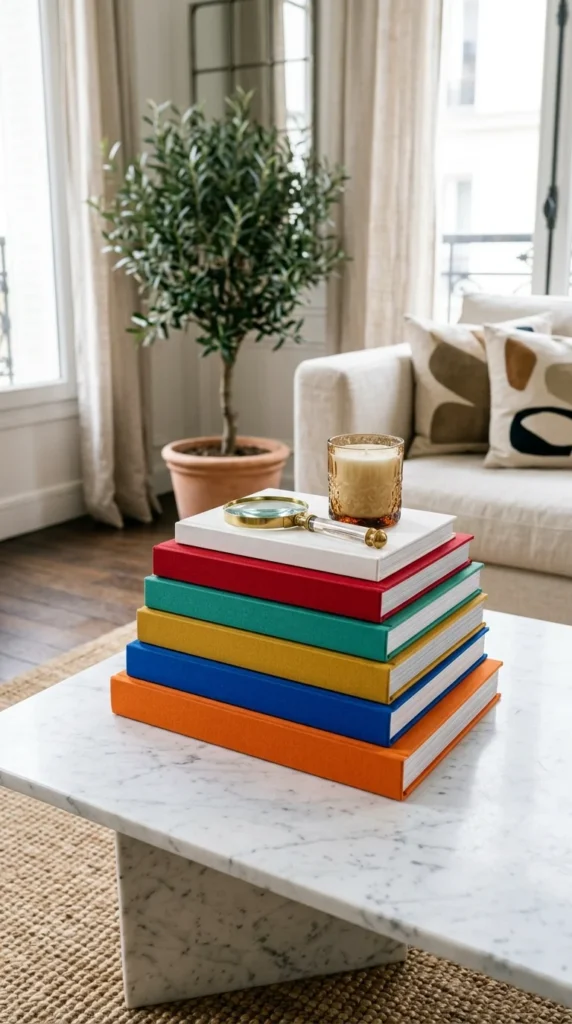
Coffee table books are the ultimate finishing touch for a well-designed living room. They are not just for reading; they are sculptural objects that add color, height, and interest to your table surfaces. Curation is key—choose books that reflect your genuine interests, whether it’s architecture, fashion, travel, or photography.
Stack two or three books horizontally to create a platform for smaller decorative items, like a crystal geode, a small bowl, or a candle. This creates “levels” on your coffee table, making the arrangement look more dynamic. The spines of the books also offer an opportunity to introduce subtle pops of color that tie into the rest of your room’s decor.