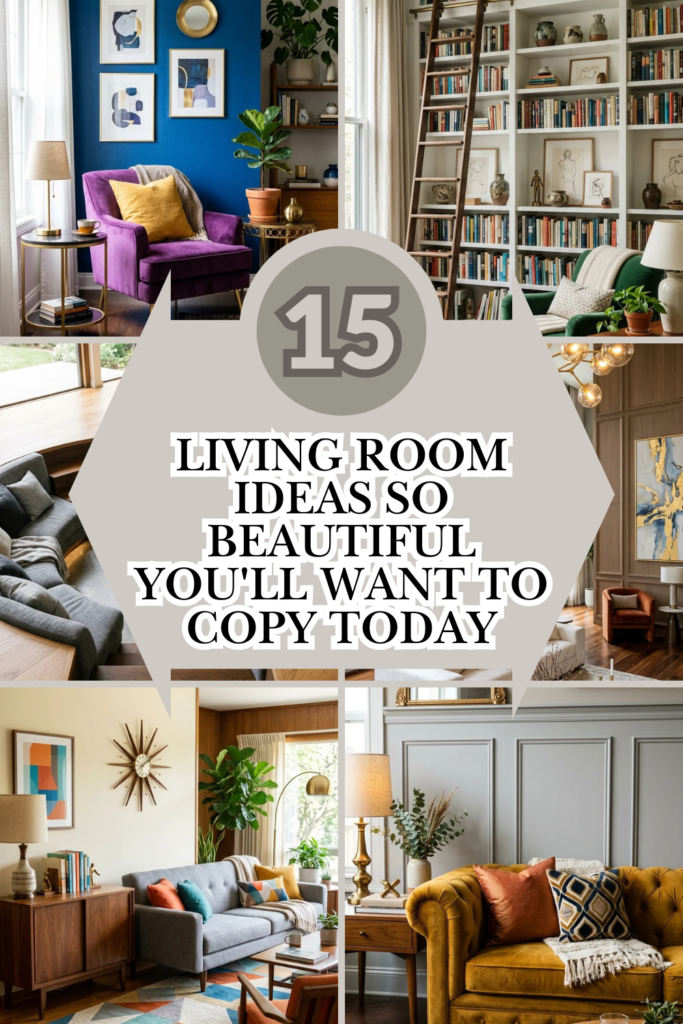

The living room is the undisputed soul of the home. It is the sanctuary where we retreat after a long day, the social hub where we host friends, and the versatile stage where movie nights and morning coffees unfold. Creating a space that feels both aspirational and deeply personal is a delicate art form. Whether you are working with a sprawling open-concept floor plan or a cozy urban nook, the right design choices can transform a mundane room into a breathtaking masterpiece.
From the revival of moody color palettes to the timeless appeal of natural textures, the current landscape of interior design offers endless inspiration. If you are looking to refresh your space, these fifteen stunning living room ideas provide a roadmap to a home that is not just stylish, but truly soul-stirring.
1. Earthy Neutrals
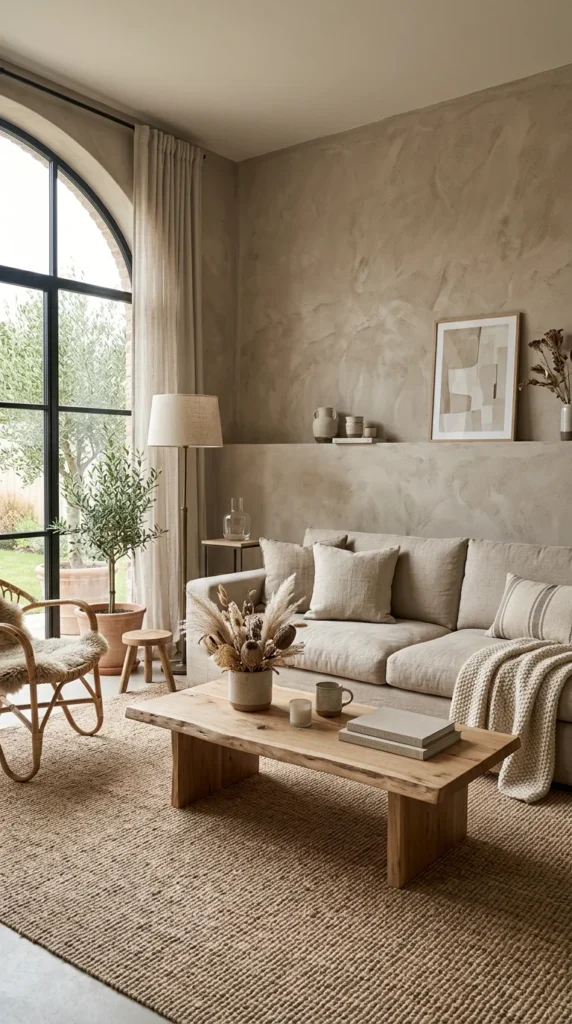
The era of sterile, cold white is fading, making way for the warmth of earthy neutrals. This aesthetic focuses on “warm minimalism,” utilizing shades of mushroom, oatmeal, and terracotta to create a grounded atmosphere. The key to mastering this look is texture. By mixing materials like reclaimed wood, matte plaster, and chunky wool knits, you prevent a monochromatic palette from feeling flat. It’s about creating a tactile experience that invites you to touch and feel the space around you.
2. Moody Maximalism
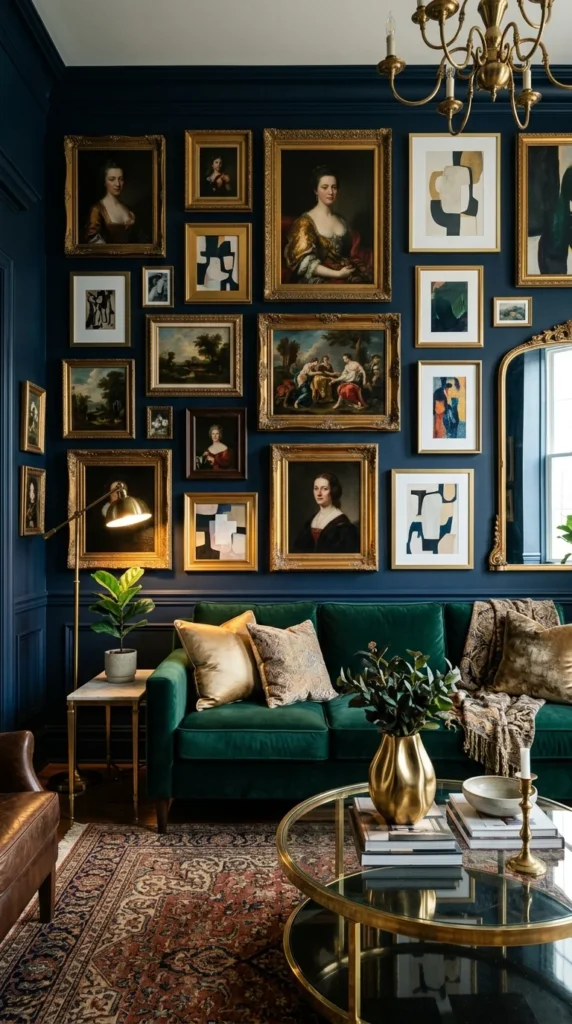
Maximalism is not about clutter; it’s about curation and character. Moody maximalism takes this a step further by using dark, saturated wall colors—think charcoal, forest green, or midnight blue—to create a “jewelry box” effect. Against these dark backdrops, colorful artwork and metallic accents pop with incredible intensity. This style allows for a fearless display of personality, where vintage finds and modern sculptures live side-by-side in a rich, cinematic environment.
3. Biophilic Design
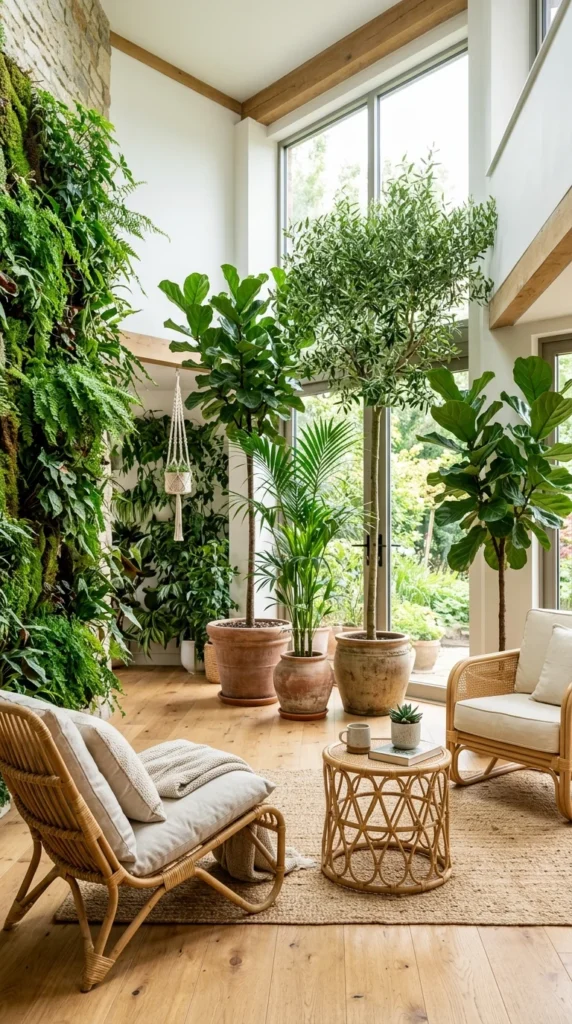
Biophilic design is more than just adding a few houseplants; it is the intentional integration of nature into the built environment. To copy this look, prioritize natural light and use organic materials that mimic the outdoors. Incorporate varying heights of greenery, from towering fiddle leaf figs to cascading pothos. This approach has been scientifically proven to reduce stress and increase creativity, making your living room not just a beautiful space, but a wellness retreat.
4. Velvet Textures
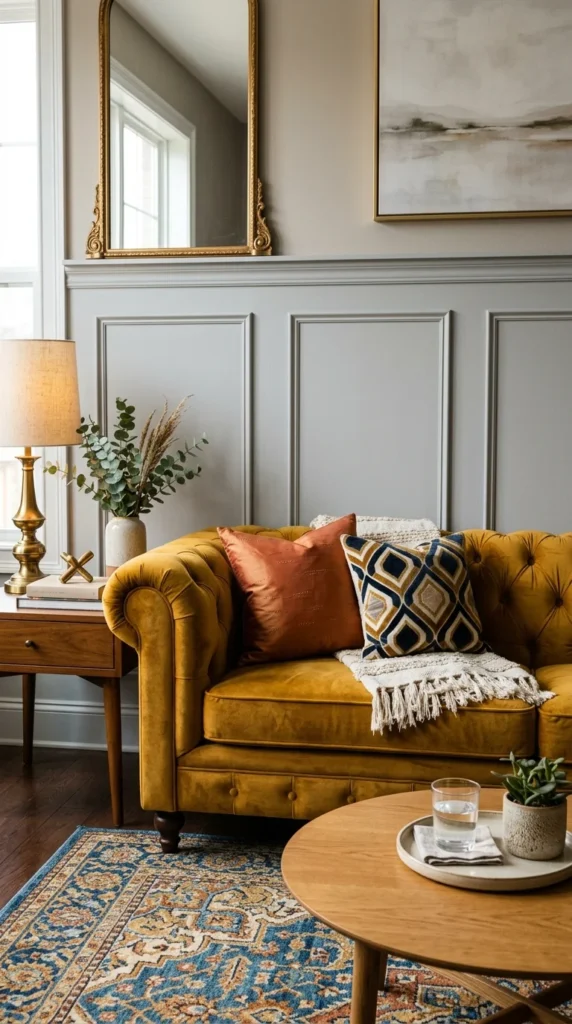
Velvet remains the gold standard for adding instant glamour and depth to a living room. Whether it’s a sprawling sectional or a pair of accent chairs, the way velvet catches the light adds a layer of visual interest that flat fabrics simply cannot match. For a modern twist, look for velvet in unconventional colors like burnt orange, olive green, or dusty rose. Pairing these plush pieces with hard surfaces like glass or steel creates a sophisticated balance of “soft” and “hard” design elements.
5. Gallery Walls
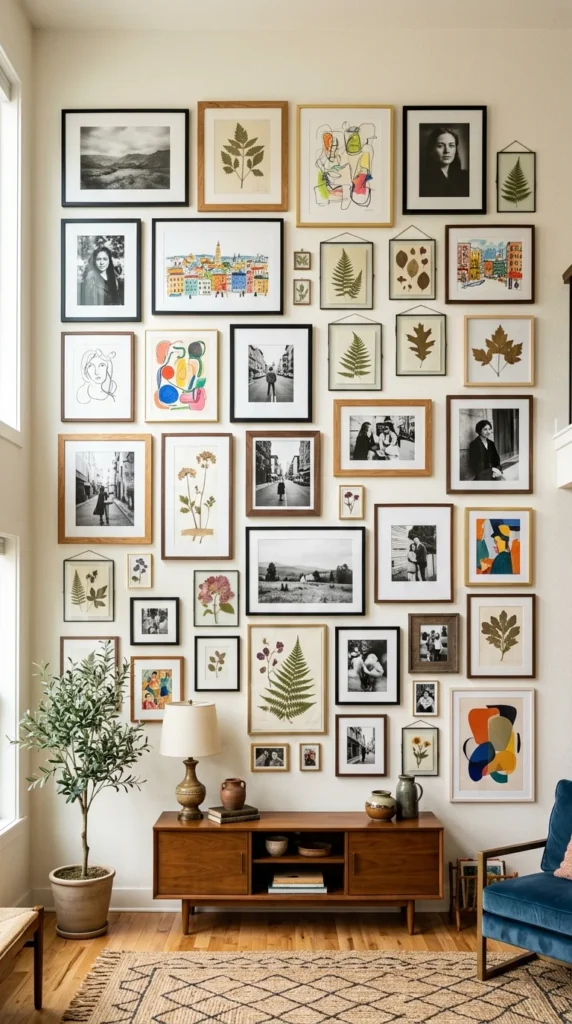
The gallery wall is a timeless way to tell your personal story. Instead of a single large piece of art, a curated collection of smaller works creates a focal point that keeps the eye moving. To make it look professional, maintain a consistent theme—such as all black-and-white photos or a specific color palette—or go for an eclectic mix with varying frame styles. Spacing is crucial; aim for two to three inches between frames to keep the arrangement looking intentional rather than chaotic.
6. Mid-Century Modern
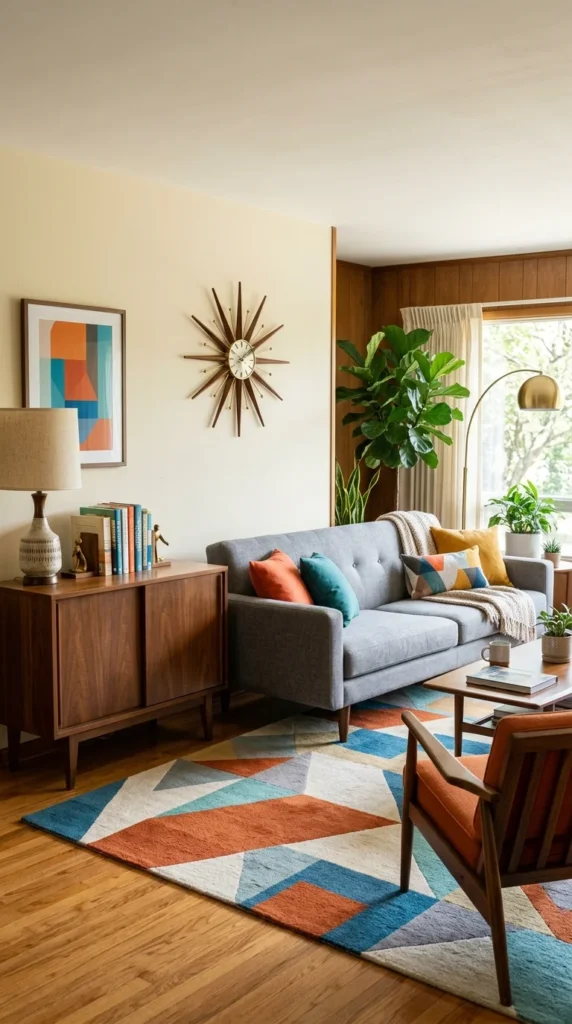
Mid-century modern design continues to captivate because of its clean lines and functional beauty. This style celebrates the “form follows function” philosophy, featuring furniture with low profiles and iconic silhouettes. To copy this today, look for pieces crafted from warm woods like teak or walnut. The goal is to create a space that feels uncluttered and airy, utilizing “floating” furniture that reveals the floor beneath it, which helps small living rooms feel significantly larger.
7. Coastal Calm
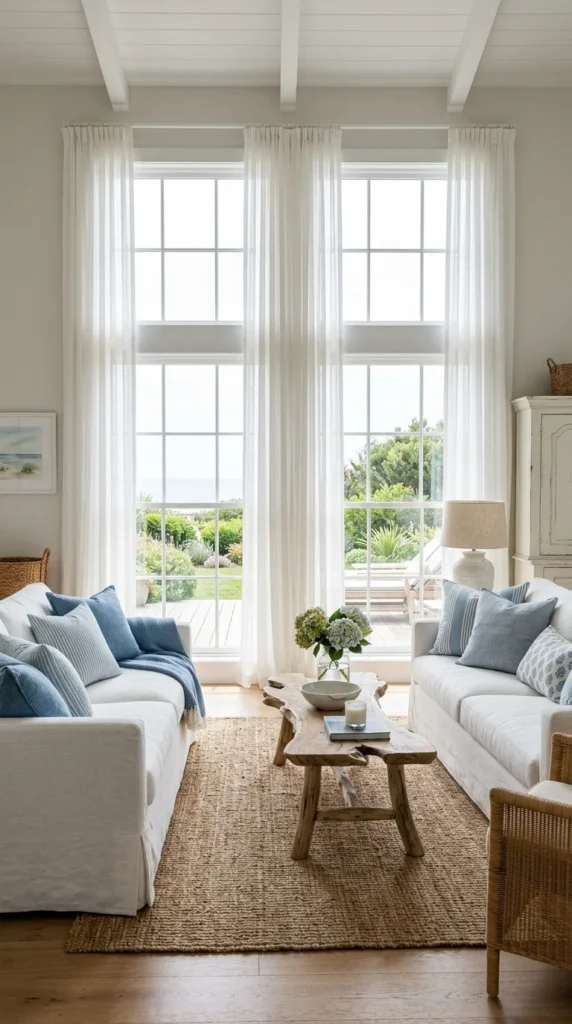
Forget the kitschy seashells of the past; modern coastal design is all about airiness and light. It utilizes a palette of crisp whites, soft blues, and sandy beiges to evoke the feeling of a permanent vacation. Natural textures are essential here—think seagrass rugs, linen upholstery, and light-washed woods. The key is to keep the decor sparse and focused on comfort, allowing the natural light to be the primary “accessory” in the room.
8. Industrial Chic
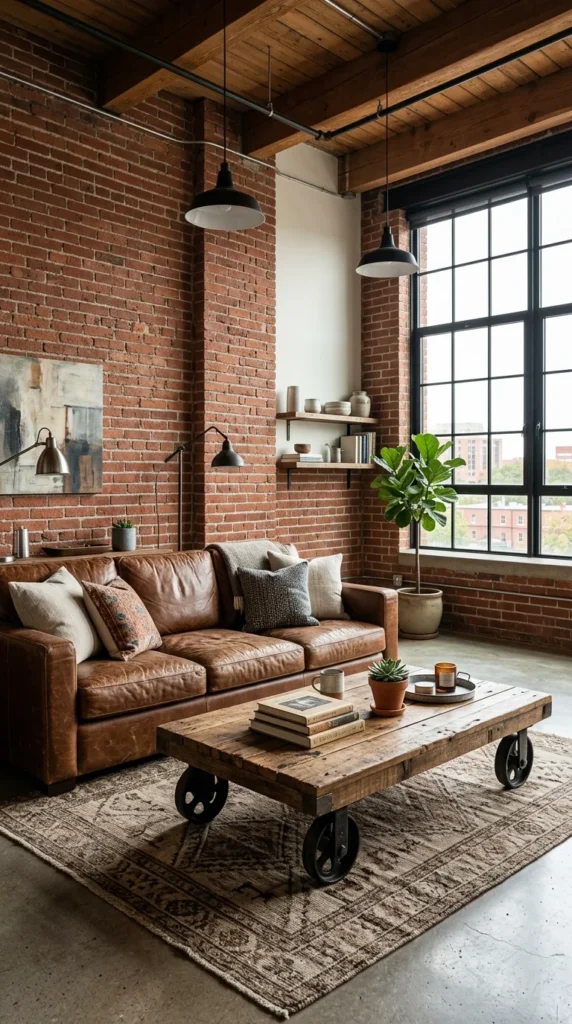
Industrial chic celebrates the raw and the rugged. This style works beautifully in urban spaces or homes with architectural character. To achieve this look, emphasize structural elements like exposed pipes, brickwork, or concrete floors. Balance the “coldness” of metal and stone with warm leather and soft textiles. A cognac-colored leather sofa is a staple of this aesthetic, providing a rich, lived-in feel that only gets better with age.
9. Sunken Seating
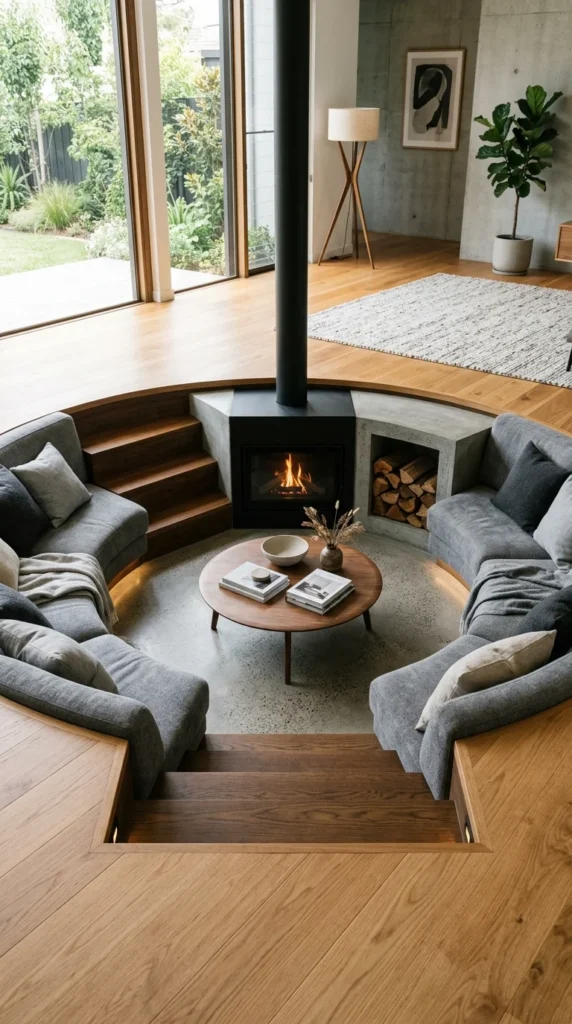
Sunken living rooms, often called “conversation pits,” are making a massive comeback. They offer a sense of intimacy and architectural intrigue that standard floor plans lack. If you aren’t ready for a full renovation, you can mimic this feeling of enclosure by using a large, plush U-shaped sectional and a central coffee table to create a “room within a room.” This layout naturally encourages face-to-face interaction and makes the seating area feel like a dedicated zone for relaxation.
10. Layered Rugs
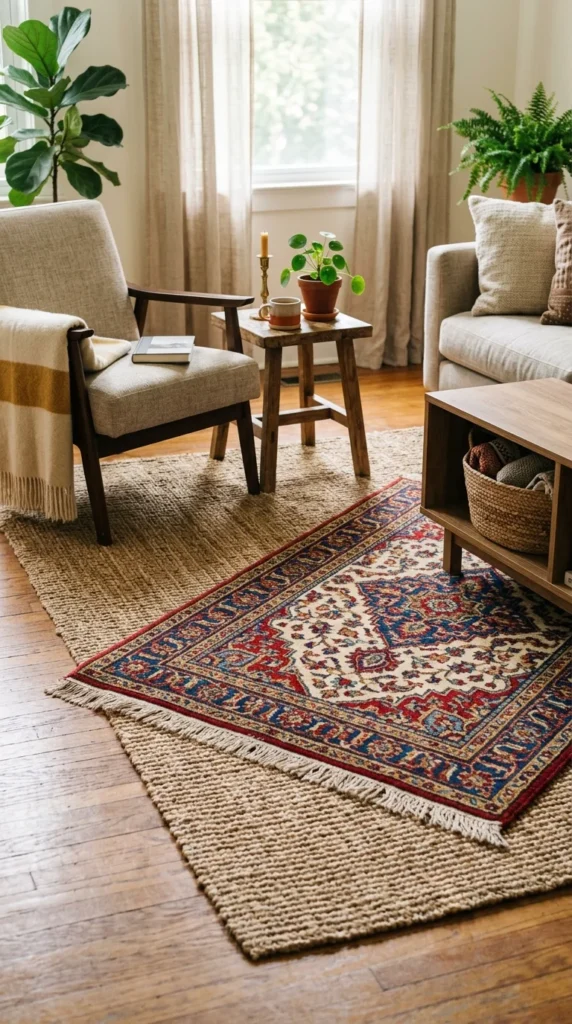
One of the easiest ways to add designer-level depth to your living room is by layering rugs. Start with a large, neutral base—like a flat-weave sisal or jute rug—that covers most of the floor. Then, layer a smaller, more decorative rug on top, such as a vintage Turkish rug or a faux cowhide. This technique adds texture, defines the seating area, and allows you to introduce color and pattern without overwhelming the entire space.
11. Statement Lighting
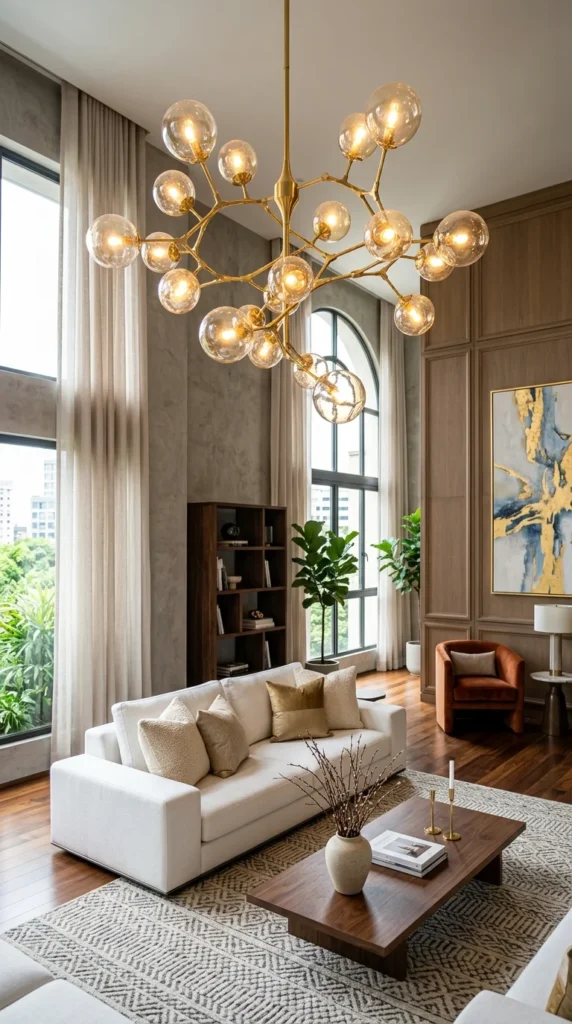
Lighting should never be an afterthought; in a truly beautiful living room, the light fixture is a work of art. An oversized pendant, a sculptural floor lamp, or a dramatic chandelier can serve as the room’s primary focal point. Look for fixtures that play with scale—larger than what you think you might need. When the light is off, the fixture acts as a sculpture; when it’s on, it sets the entire mood of the space.
12. Scandi Simplicity
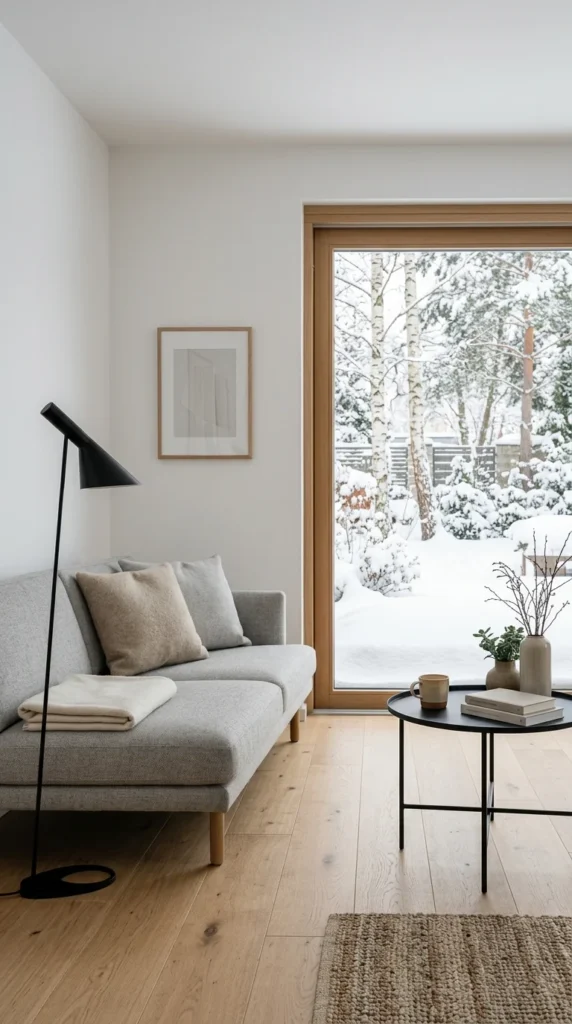
Scandinavian design, or “Scandi,” is centered on the concept of hygge—a quality of coziness and comfortable conviviality. This look is achieved through a monochromatic palette, clean-lined furniture, and a “less is more” approach to decor. To make it feel copy-worthy, focus on high-quality materials and intentionality. Every piece of furniture should have a purpose, and the clutter should be non-existent, creating a peaceful, breathable environment.
13. Architectural Bookshelves
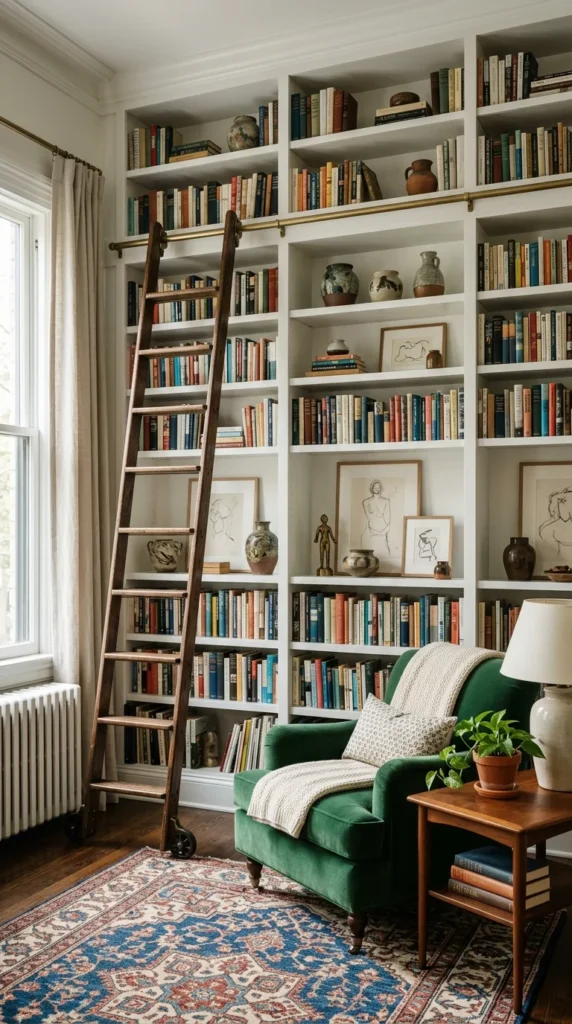
Bookshelves are no longer just for storage; they are architectural features that add immense personality and “visual weight” to a room. Custom built-ins that frame a fireplace or a window can make a living room feel high-end and established. Styling is key: mix vertical and horizontal stacks of books with “negative space” and decorative objects like sculptures or bowls to create a balanced, curated look that reflects your interests.
14. Jewel Tones
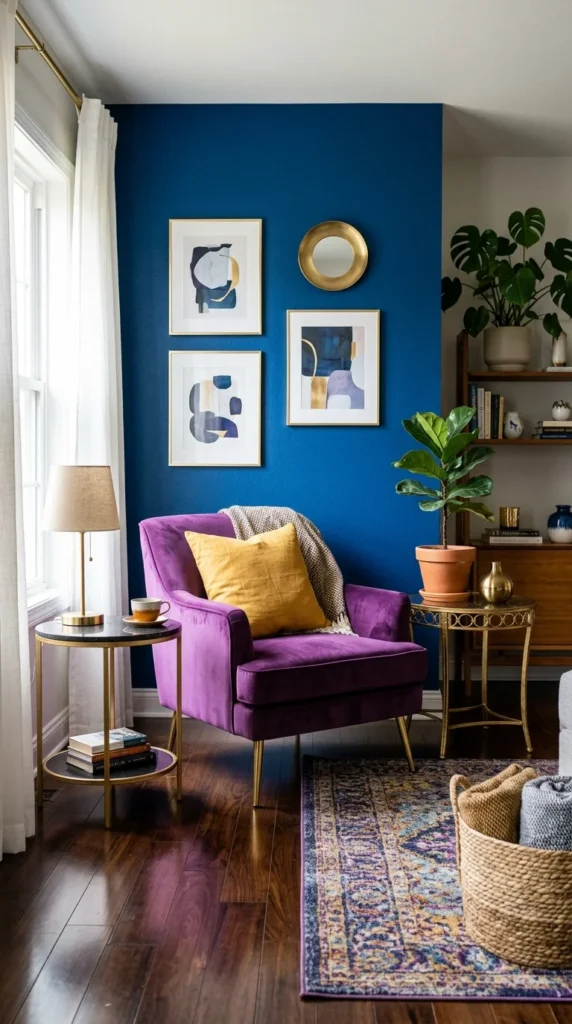
If neutrals aren’t your style, embrace the richness of jewel tones. Ruby red, emerald green, sapphire blue, and amethyst purple bring a sense of luxury and energy to a space. You don’t have to paint the whole room; even a single accent chair or a collection of throw pillows in these colors can transform the atmosphere. These colors pair exceptionally well with metallic finishes like brass or gold, which enhance their royal, saturated quality.
15. Indoor-Outdoor Flow
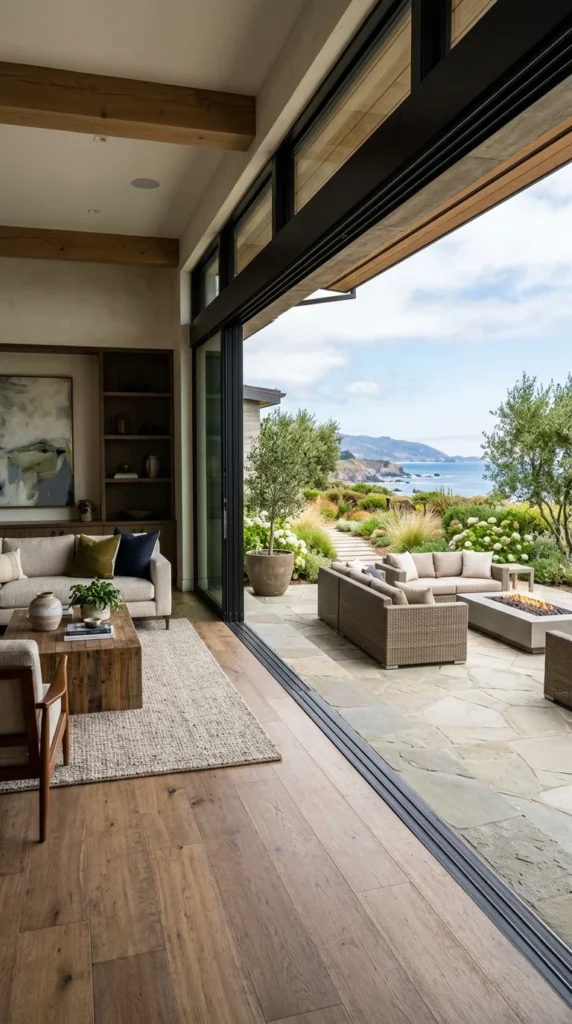
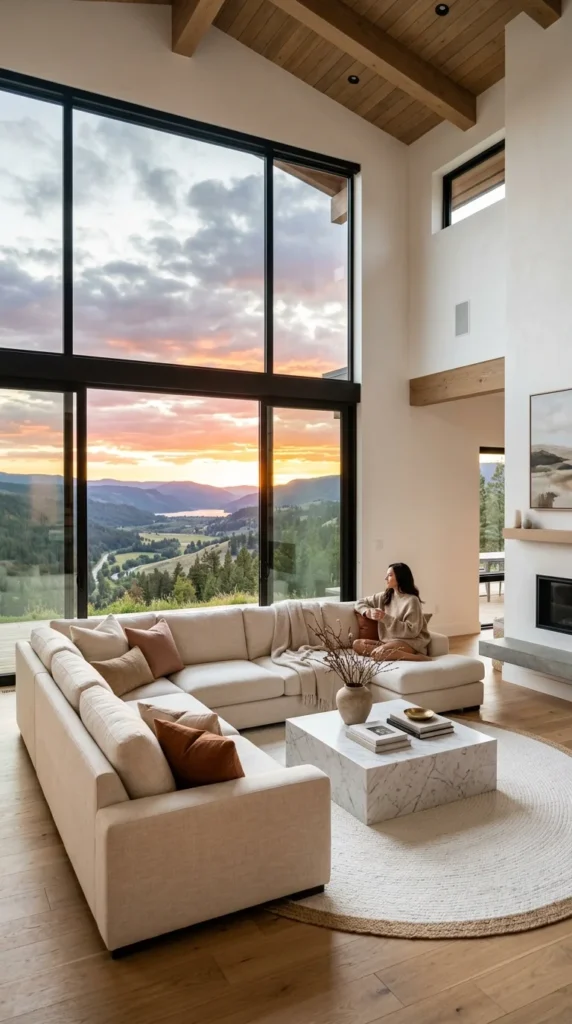
The most beautiful modern living rooms often blur the line between the interior and the exterior. This is achieved through large-scale glass doors, consistent flooring materials that extend from the inside to the outside, and a similar color palette for both indoor and outdoor furniture. By treating your patio or deck as an extension of your living room, you effectively double your living space and create a seamless connection with the environment, making your home feel expansive and harmonious.