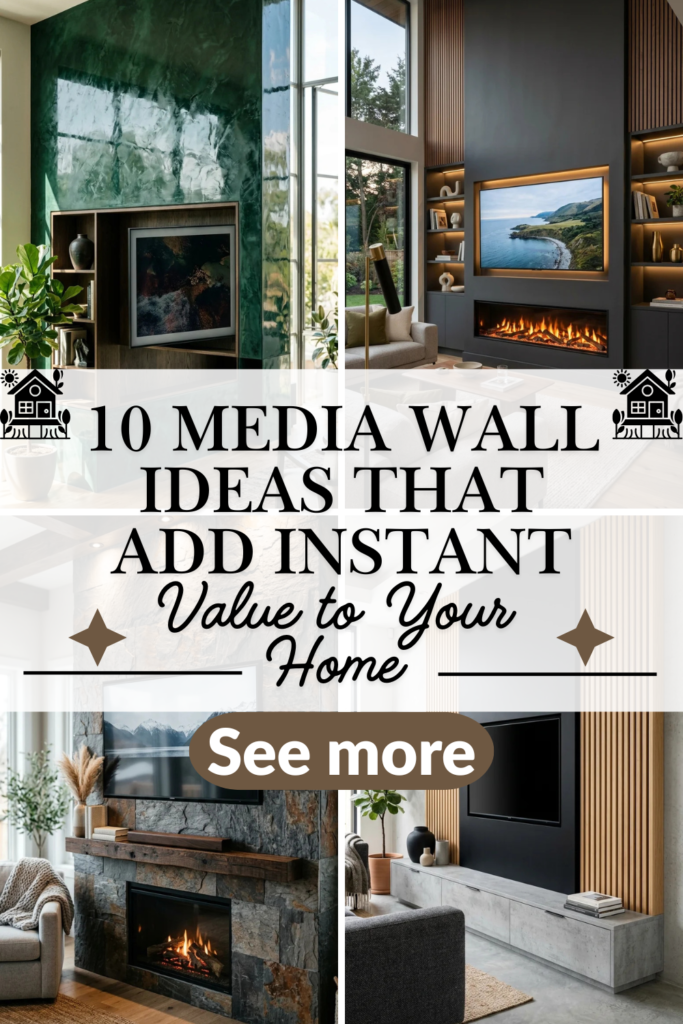

In the world of modern interior design, few features make as much of an impact as a well-executed media wall. Once considered a luxury reserved for dedicated home cinemas, the media wall has evolved into a multifunctional centerpiece that blends technology with high-end aesthetics. Beyond the visual “wow” factor, a bespoke media wall is a strategic investment that can significantly increase a property’s market value by providing built-in storage, architectural interest, and a cohesive focal point.
If you are looking to transform your living space from ordinary to extraordinary, here are 10 media wall ideas that provide instant value and style.
1. Fireplace Integration
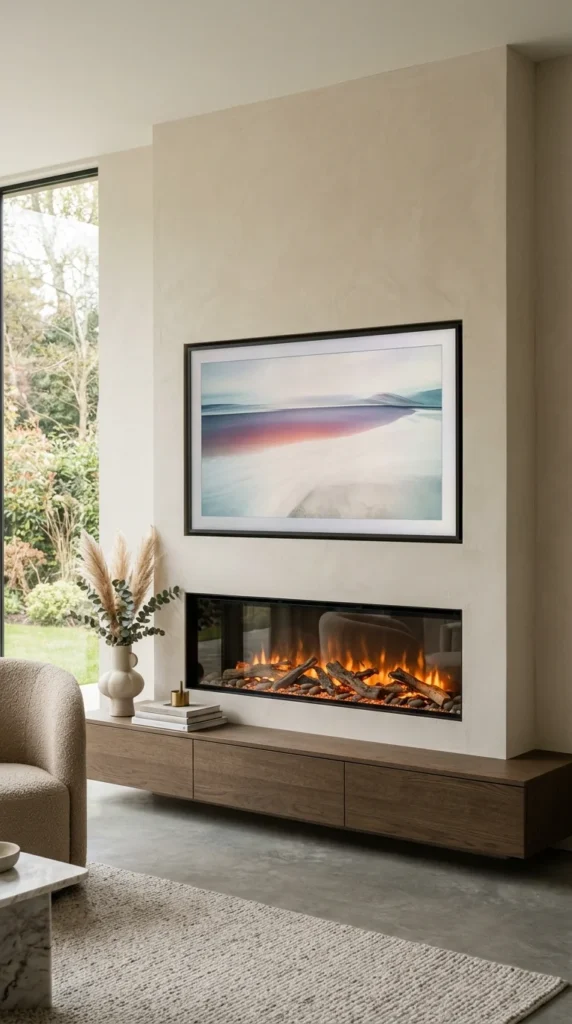
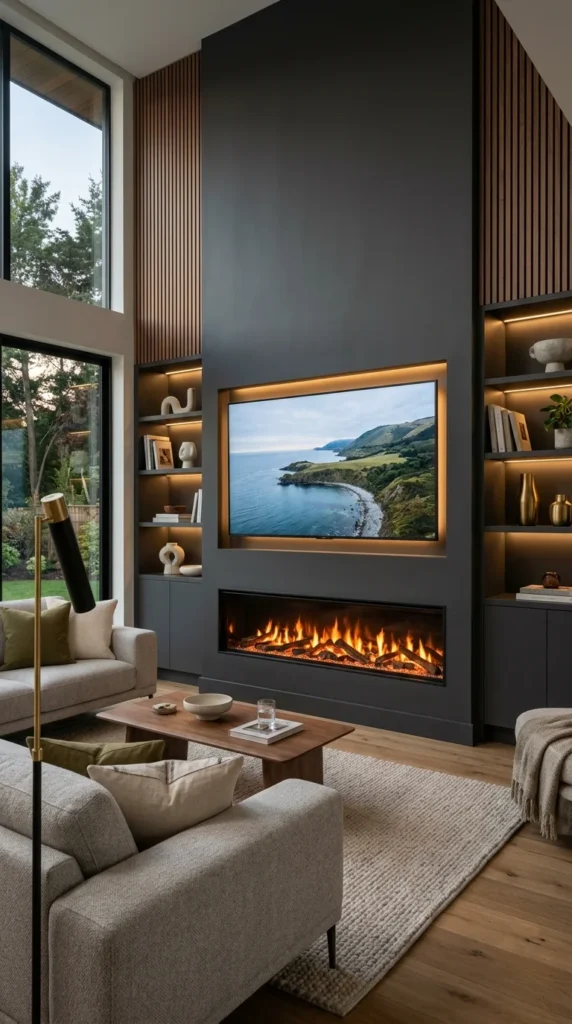
Combining fire and film is the ultimate way to create a cozy yet sophisticated atmosphere. Integrating an electric fireplace into your media wall is one of the most popular ways to add “perceived value” to a home. Modern electric fireplaces are sleek, often ventless, and can be operated independently of the heat setting, allowing you to enjoy the ambiance year-round.
When designing this, ensure the television is recessed slightly or protected by a mantle to prevent heat damage. This setup creates a singular focal point, preventing the room from feeling “split” between the TV and a traditional hearth.
2. Wood Slats
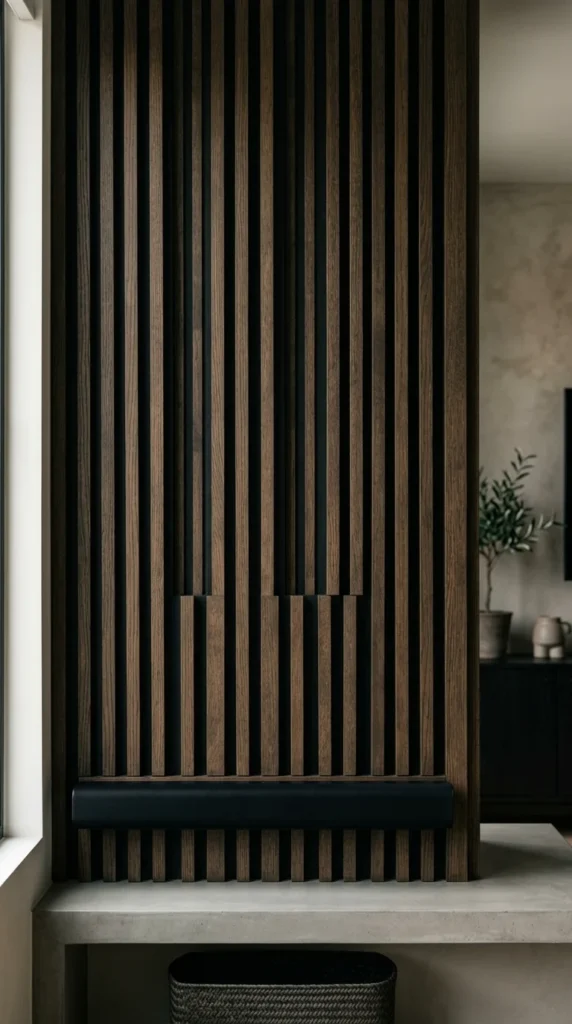
Acoustics and aesthetics meet in the use of vertical wood slats. This trend, heavily influenced by Scandinavian and Japandi design, adds organic texture to a room that is often dominated by hard surfaces and glass screens.
Wood slats (or “acoustic panels”) serve a dual purpose: they break up sound waves to improve the audio quality of your home theater and provide a high-end, custom-built look. Opting for walnut or oak finishes adds a sense of warmth and luxury that paint alone cannot achieve.
3. Built-in Storage
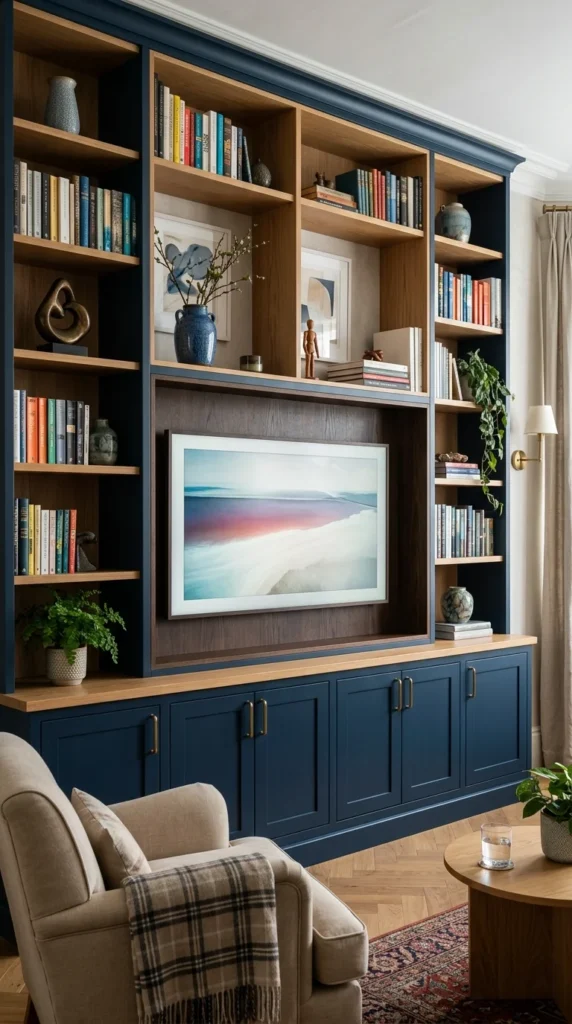
Clutter is the enemy of home value. A media wall that incorporates floor-to-ceiling cabinetry provides essential storage for gaming consoles, cables, and remote controls, keeping the living area pristine.
By choosing “handle-less” push-to-open doors, you maintain a streamlined, minimalist appearance. Custom cabinetry is viewed by buyers as a permanent upgrade to the home’s infrastructure, making it a high-ROI (Return on Investment) project.
4. Backlit Panels
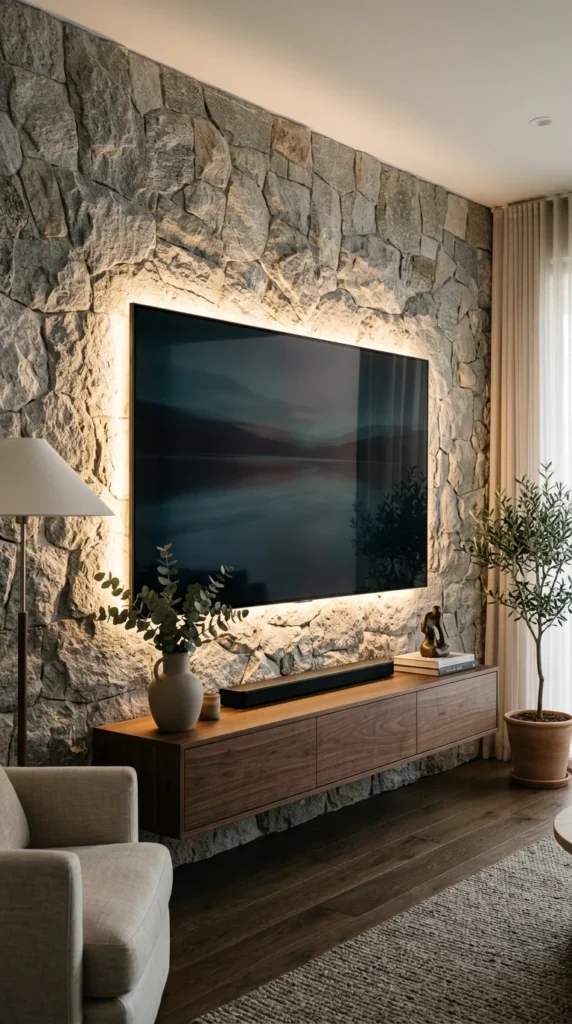
Lighting is often the difference between a DIY project and a professional installation. Adding LED backlighting behind the TV or within recessed shelving adds depth and drama.
This isn’t just about looks; backlighting (often called bias lighting) can reduce eye strain by providing a soft contrast to the bright screen in a dark room. Smart LED systems that sync with the colors on the screen can further enhance the immersive experience of watching movies.
5. Stone Cladding
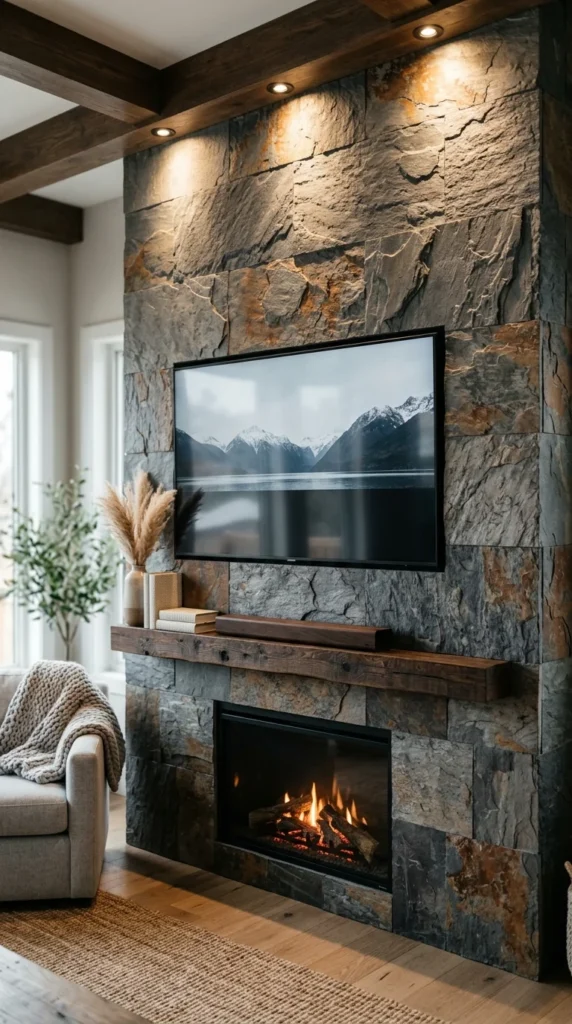
To add a sense of permanence and grandeur, stone cladding is an excellent choice. Whether you use natural slate, marble slabs, or high-quality porcelain tiles, stone brings a tactile, premium element to the room.
Marble or quartz slabs offer a sleek, “penthouses” vibe, while stacked stone or brick slips lend themselves to a more rustic or industrial aesthetic. Because stone is durable and timeless, it appeals to a wide range of future homeowners.
6. Floating Shelves
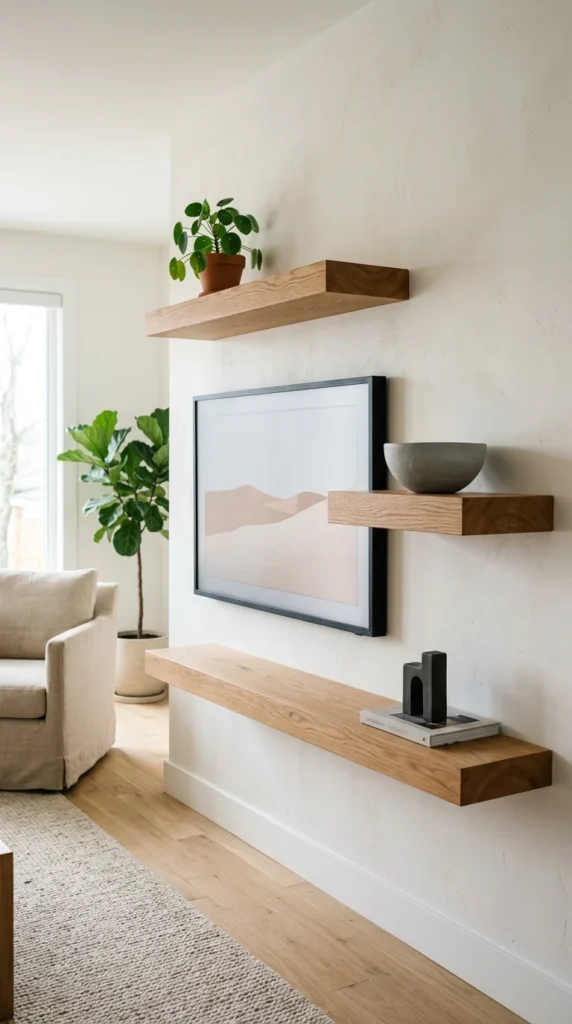
If you want a media wall that feels light and airy rather than imposing, floating shelves are the answer. By removing the “legs” or visible brackets, the shelves appear to grow out of the wall, maintaining a sense of floor space.
This design works particularly well in smaller rooms where heavy cabinetry might feel claustrophous. It allows you to personalize the space with art and greenery, softening the “tech-heavy” feel of the television.
7. Hidden Wires
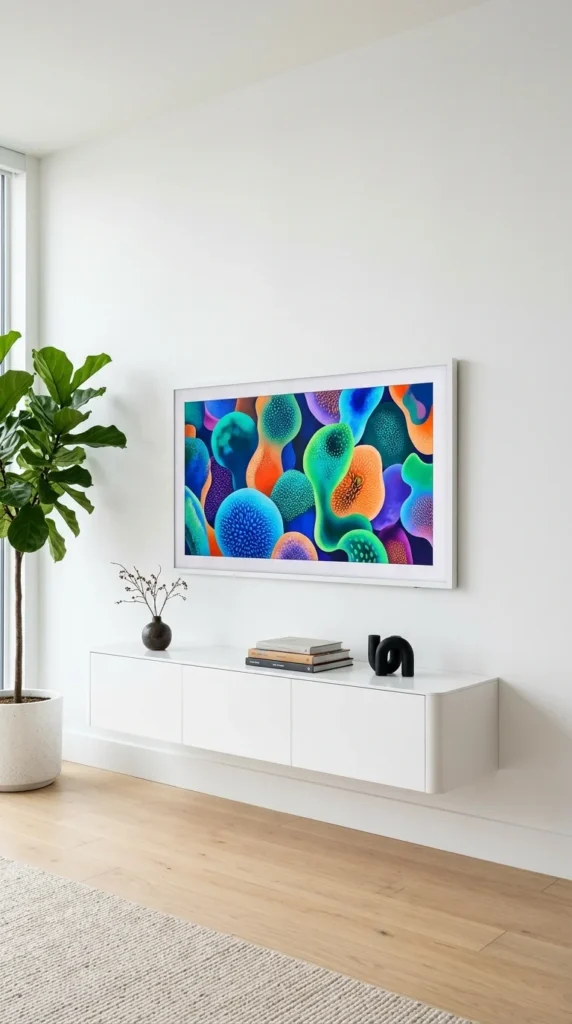
Nothing devalues a home renovation faster than a “spaghetti” mess of black cables hanging from a screen. A high-value media wall must include a sophisticated cable management system.
This usually involves building a “false wall” (stud wall) a few inches out from the original. This cavity allows for all power leads, HDMI cables, and internet wires to be tucked away out of sight. A clean, cable-free finish is the hallmark of a professional installation and is a major selling point.
8. Venetian Plaster
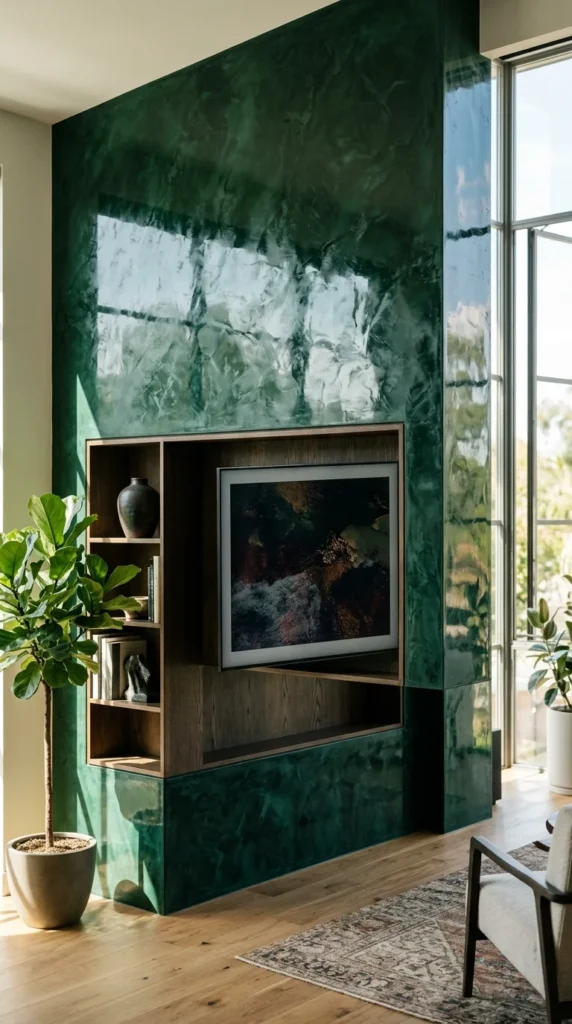
For those who want a bespoke, artisanal look, Venetian plaster (or polished plaster) is a top-tier choice. This finish is applied by hand in layers, resulting in a surface that has immense depth, movement, and a slight shimmer.
It is incredibly durable and becomes a piece of art in its own right. In a media wall context, a dark, moody plaster finish helps the TV blend into the wall when turned off, preventing it from looking like a “black hole” in the middle of the room.
9. Recessed Nooks
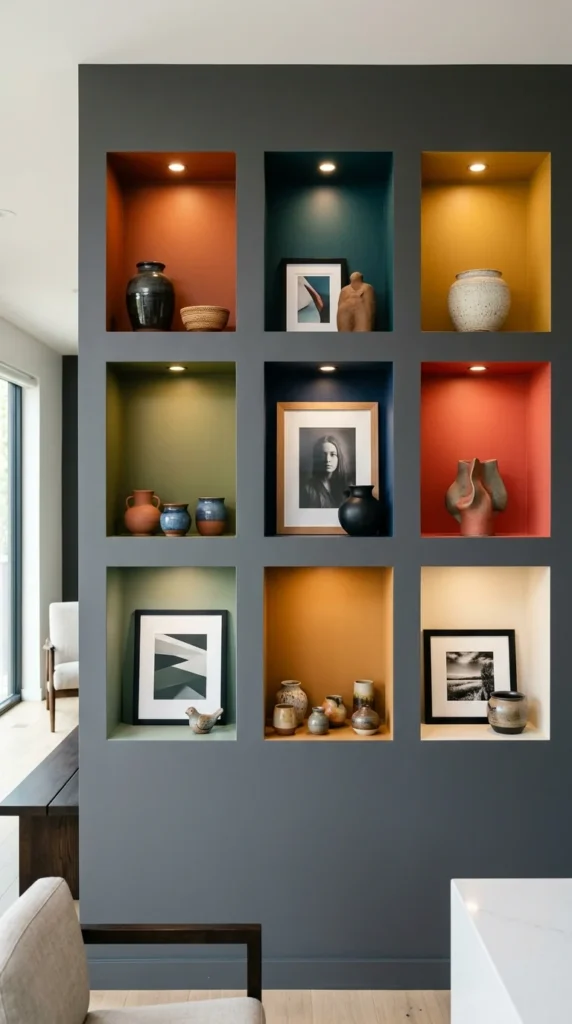
Recessed nooks (or alcoves) add architectural “rhythm” to a flat wall. Instead of having items sitting on top of shelves, they are housed within the wall itself.
This technique creates a gallery-like feel. You can use these nooks to house soundbars, speakers, or curated decor. By painting the interior of the nooks a contrasting color or lining them with wood, you add another layer of visual interest to the design.
10. Mixed Textures
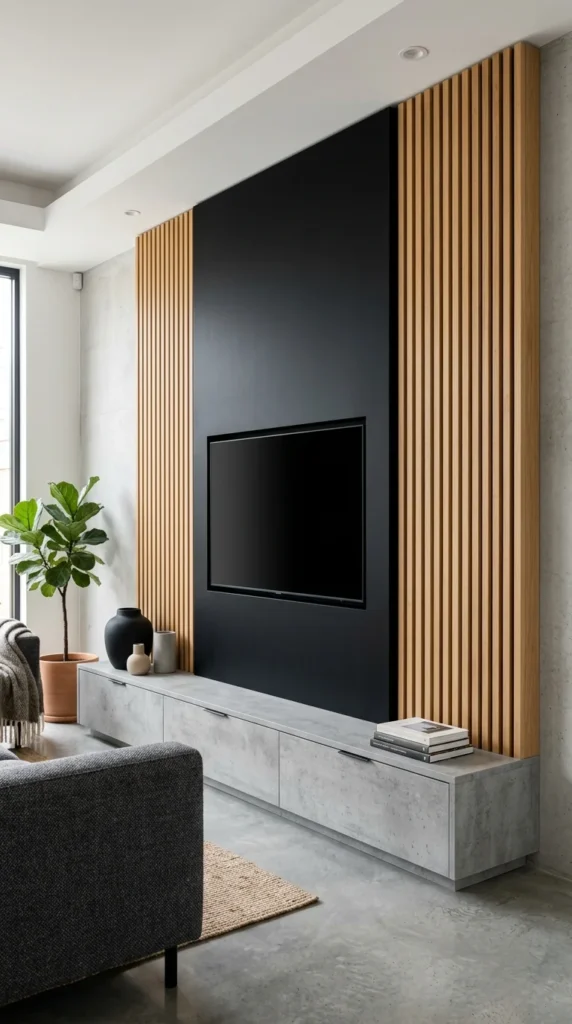
The most successful media walls use a combination of materials rather than just one. Pairing the warmth of wood with the coldness of stone, or the softness of fabric panels with the hardness of glass, creates a rich, designer look.
For example, a media wall might feature a marble backdrop for the TV, flanked by charcoal-painted cabinets and topped with warm timber shelving. This “layered” approach suggests a high level of custom design, which translates directly into increased home desirability and value.