
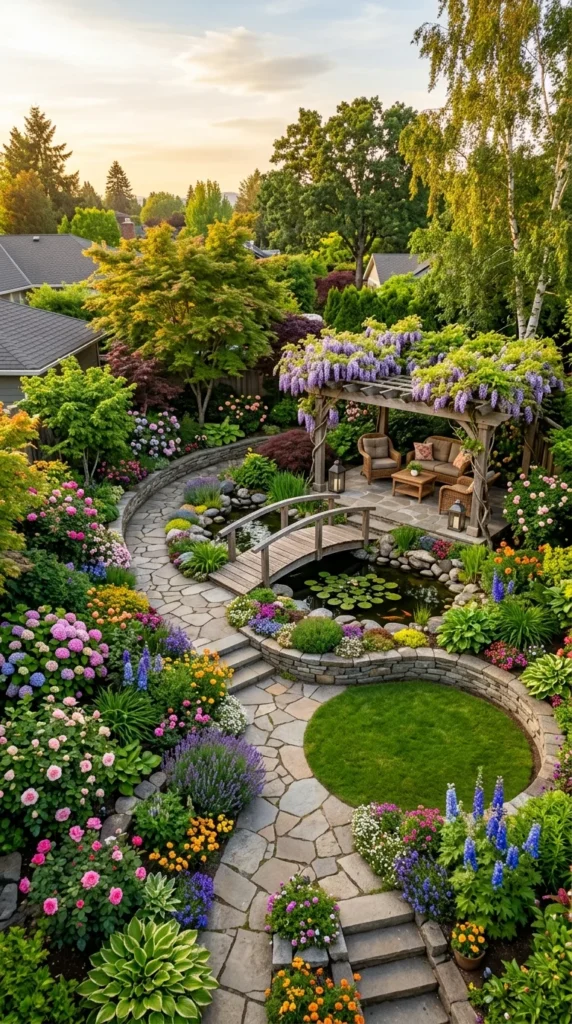
Transforming a backyard into a personal sanctuary is more than just a landscaping project; it is an exercise in creating a living, breathing extension of your home. Whether you have a sprawling estate or a compact urban patch, the right design elements can turn an ordinary lawn into a breathtaking paradise. Here are fifteen transformative ideas to help you cultivate your own slice of heaven.
1. Vertical Gardens
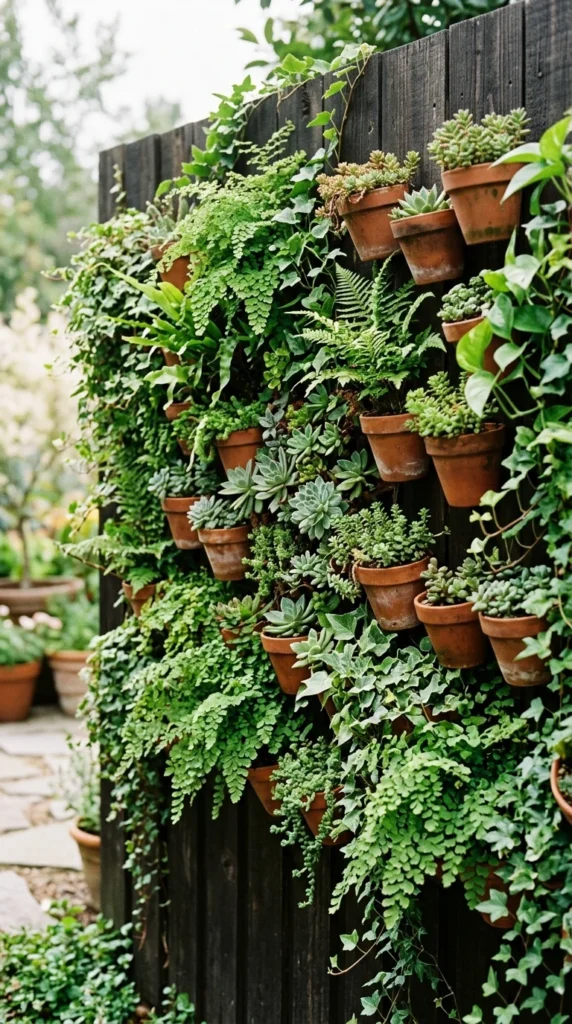
When ground space is at a premium, the only way to go is up. Vertical gardens, or “living walls,” are a spectacular way to introduce greenery without sacrificing square footage. By using modular wall planters, hanging pockets, or even repurposed wooden pallets, you can create a tapestry of textures and colors. This approach is perfect for covering unsightly fences or adding a layer of privacy to a balcony. Choose a mix of trailing plants like Pothos or Creeping Jenny and structured plants like ferns to create a dynamic, three-dimensional look that breathes life into any corner.
2. Fire Pits
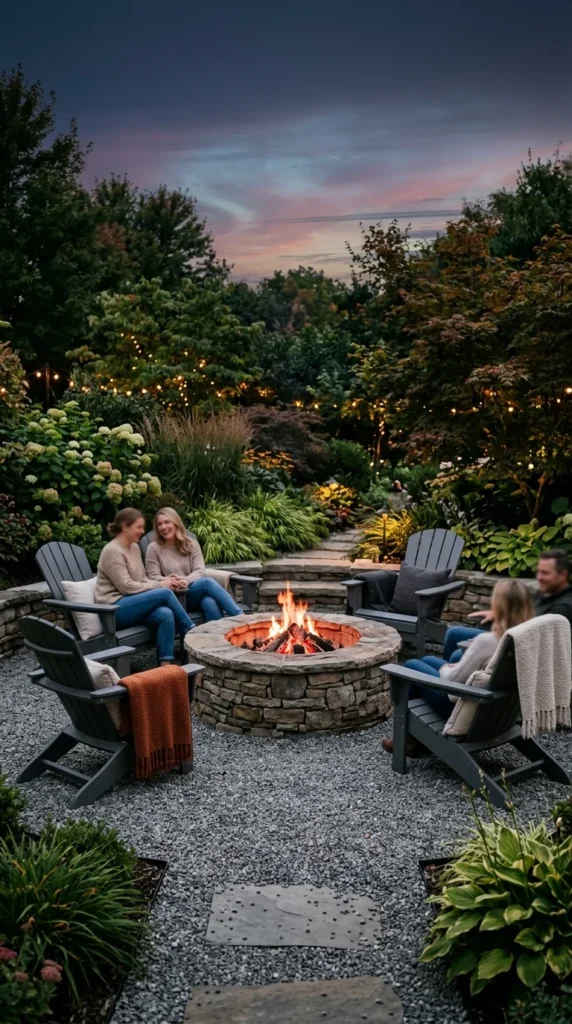
Few things evoke a sense of paradise like the crackle of an open flame. A fire pit serves as a natural focal point, drawing people together for conversation and relaxation. You can opt for a permanent stone structure or a portable metal bowl, depending on your style. Surround the area with pea gravel or flagstone to define the space and pair it with comfortable seating. Adding soft outdoor cushions and warm blankets ensures that your garden remains a destination even as the temperature drops, extending your outdoor enjoyment into the crisp autumn months.
3. Water Features
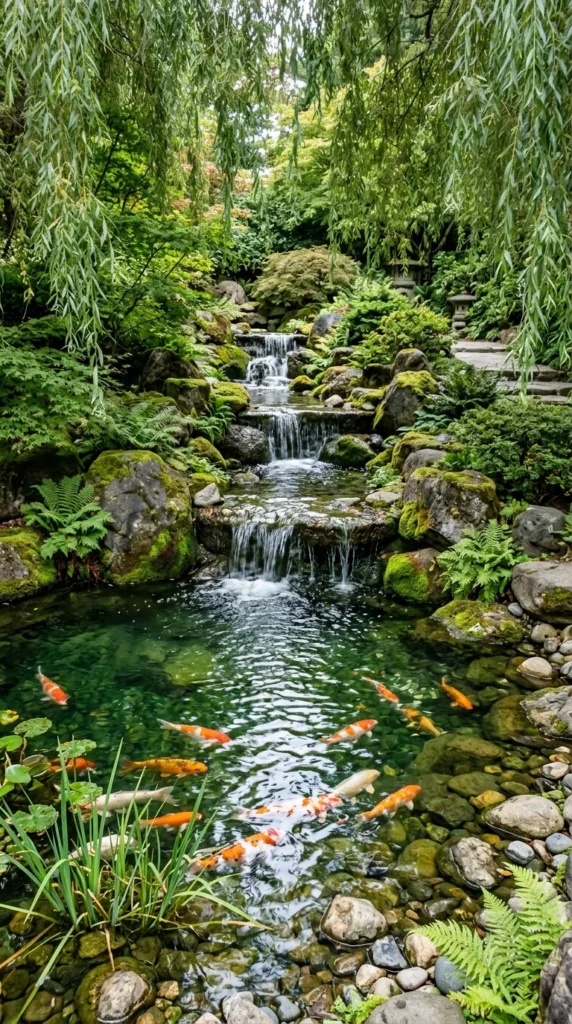
The sound of running water is scientifically proven to reduce stress, making a water feature an essential element for a backyard paradise. From grand koi ponds to simple basalt columns or wall-mounted fountains, water adds a sensory layer that masks neighborhood noise and attracts local birds. If you are concerned about maintenance, a “pondless” waterfall provides the visual and auditory benefits without the need for a standing pool of water. The reflection of sunlight on moving water creates a mesmerizing dance of light that enhances the overall tranquility of your space.
4. Layered Lighting
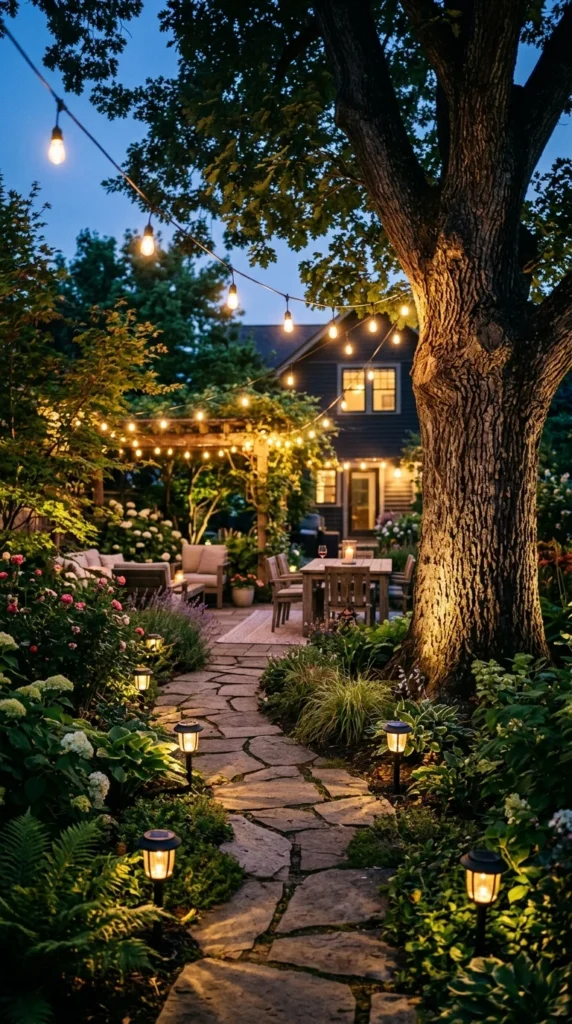
A garden should not disappear when the sun goes down. Effective lighting design transforms a daytime retreat into an enchanting evening escape. Instead of one harsh floodlight, use a layered approach. String “bistro” lights overhead to create a festive canopy, use low-voltage path lights for safety, and employ uplighting to showcase the silhouettes of architectural trees or sculptures. This “moonlight” effect adds depth and mystery, allowing you to enjoy the cool evening air in a space that feels magical and safe.
5. Raised Beds
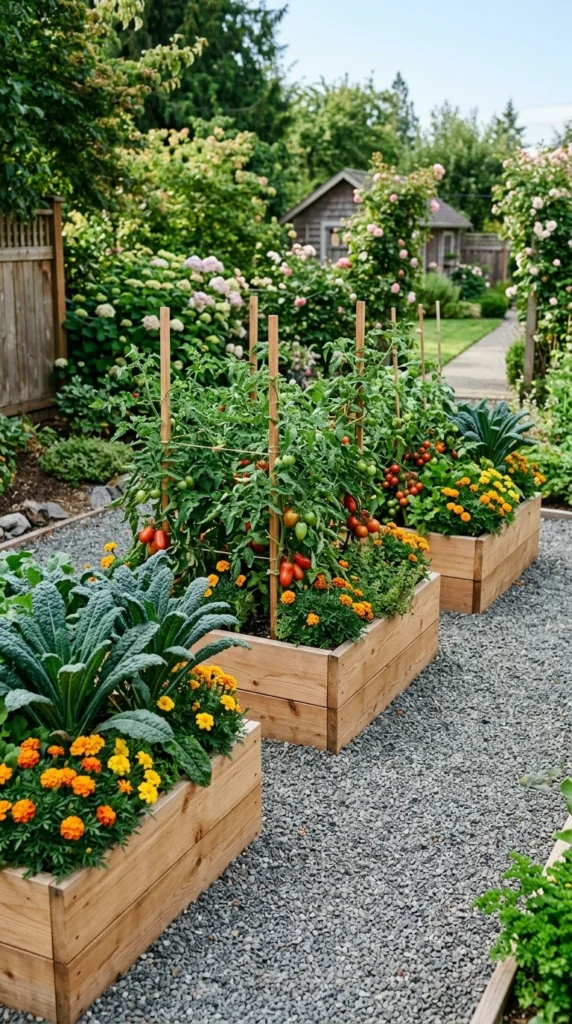
Raised garden beds offer both aesthetic and practical benefits. Architecturally, they provide clean lines and structure to a yard. Practically, they offer better drainage, warmer soil temperatures, and a barrier against certain pests. They also save your back by reducing the amount of bending required for weeding and harvesting. You can build them from cedar, stone, or even corrugated metal to match your garden’s aesthetic. Fill them with a mix of vegetables and cutting flowers like zinnias for a functional space that is as beautiful as it is productive.
6. Perennial Borders
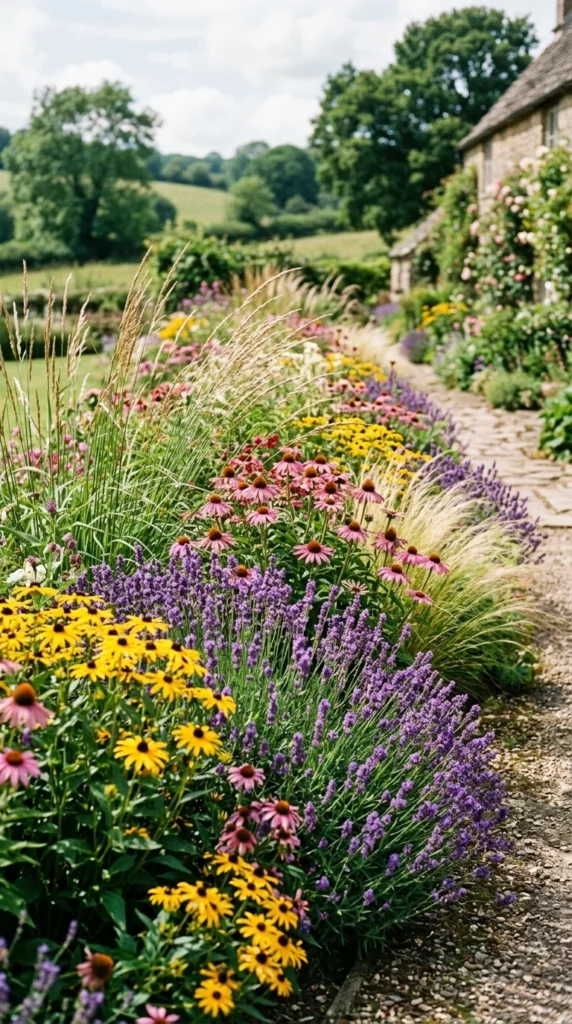
For a garden that evolves with the seasons, perennial borders are a must. Unlike annuals that need replacing every year, perennials return with more vigor each season. The key to a professional-looking border is layering: place taller plants like Delphiniums or Foxgloves at the back, mid-height plants like Peonies in the middle, and low-growing groundcovers like Sedum at the front. By selecting plants with staggered bloom times, you ensure that your garden is bursting with color from early spring through the first frost of winter.
7. Zen Gardens
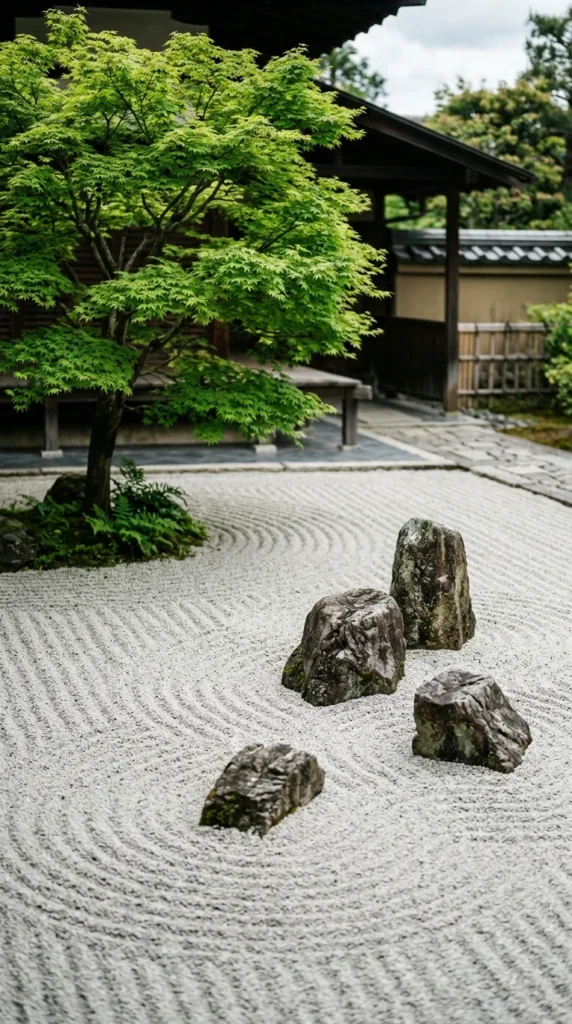
If your goal is ultimate peace, a Zen-inspired garden focuses on simplicity and mindfulness. These spaces often use “kare-sansui” (dry landscape) techniques, where raked sand or gravel represents water and large stones represent mountains. Incorporating a few well-chosen elements—like a bamboo “shishi-odoshi” (water fountain), a stone lantern, or a meticulously pruned bonsai—creates a space for meditation and reflection. The lack of clutter in a Zen garden allows the mind to rest, making it a true sanctuary from the chaotic outside world.
8. Dining Nooks
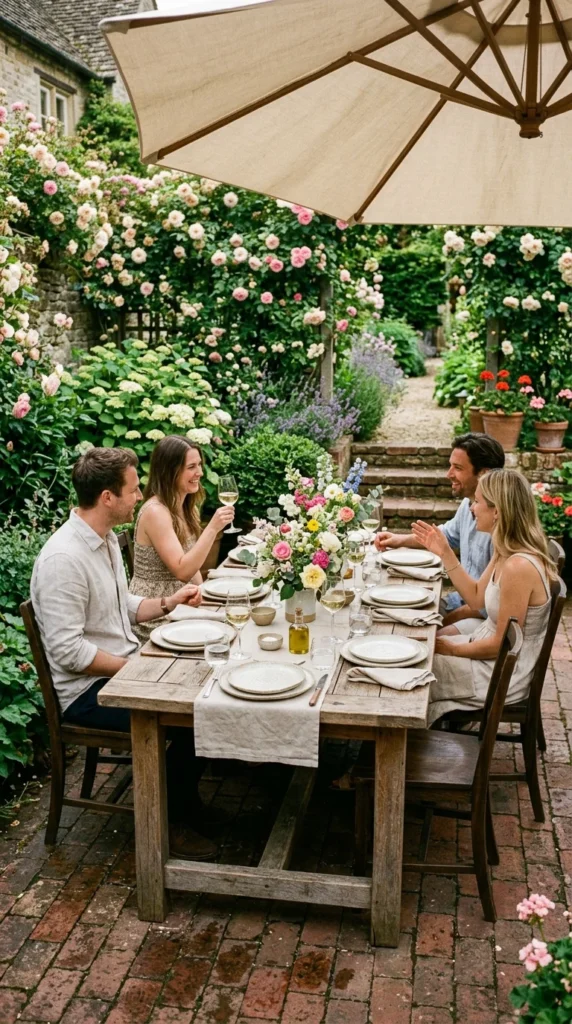
Paradise is best shared with good food and great company. Creating a dedicated area for “al fresco” dining turns your backyard into a five-star restaurant. Whether it’s a small bistro set for morning coffee or a large farmhouse table for family feasts, the placement is key. Try to tuck the dining area into a semi-enclosed space, perhaps near a fragrant herb garden or under the shade of a large tree, to create a sense of intimacy. Adding an outdoor rug can help define the “room” and add a pop of pattern and texture.
9. Wildlife Havens
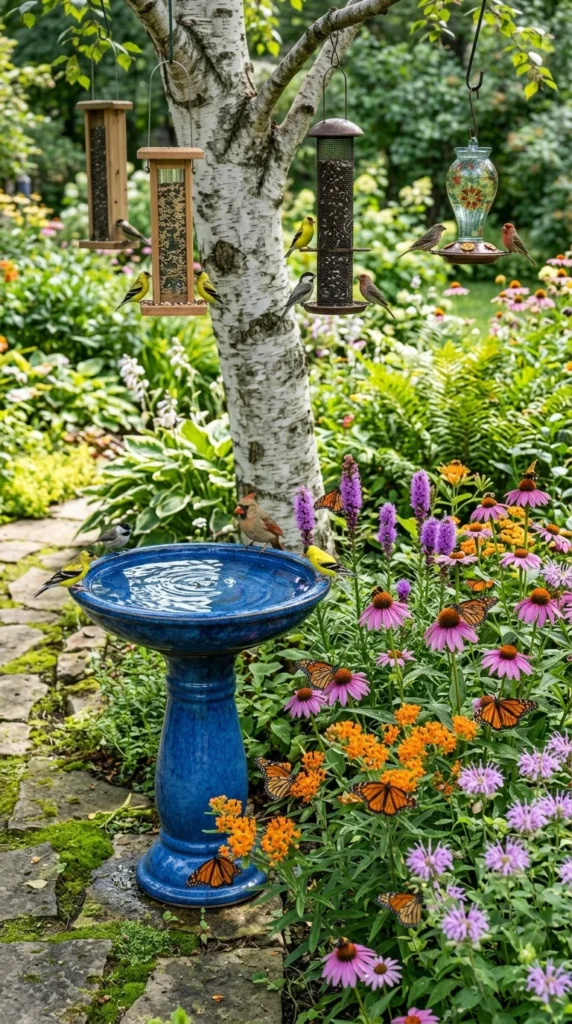
A garden truly comes alive when it supports the local ecosystem. By choosing native plants, you provide food and habitat for pollinators like bees, butterflies, and birds. Incorporating a birdbath provides a vital water source, while “insect hotels” or simple log piles offer shelter for beneficial bugs. A wildlife-friendly garden is a dynamic environment where you can observe the rhythms of nature up close, adding a layer of educational wonder and environmental stewardship to your backyard paradise.
10. Secret Paths
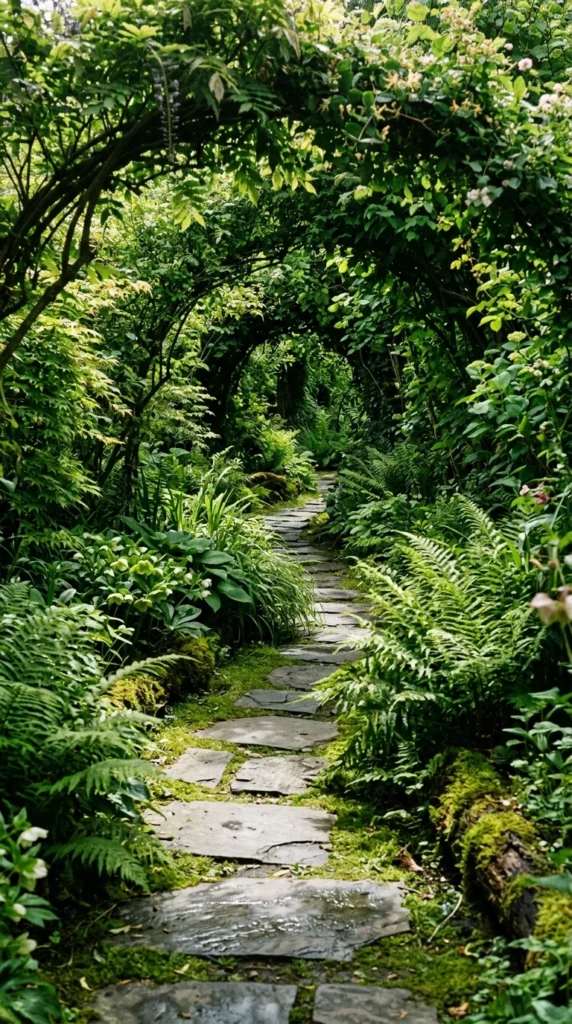
There is something inherently romantic and adventurous about a hidden path. Instead of straight concrete sidewalks, use stepping stones, mulch, or gravel to create a winding trail that leads to different “rooms” of your garden. Lining the path with tall grasses or flowering shrubs creates a sense of discovery, as the entire garden isn’t visible at once. These paths encourage slow movement and exploration, making even a small yard feel much larger and more mysterious.
11. Herb Spirals
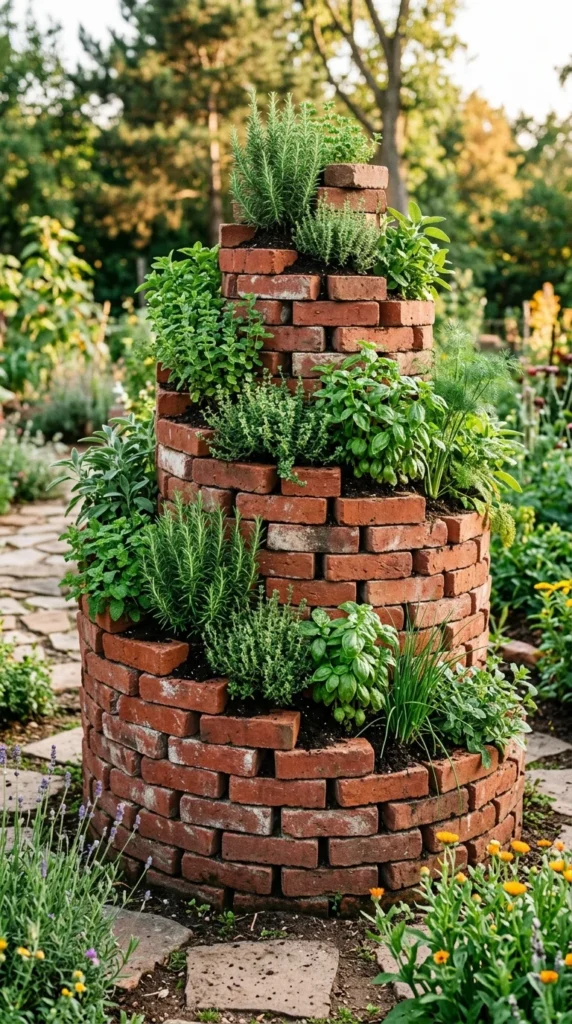
An herb spiral is a brilliant permaculture design that packs a lot of utility into a small footprint. By building a mound of soil in a spiral shape supported by stones or bricks, you create multiple microclimates. The top is dry and sunny (perfect for rosemary and oregano), while the bottom is cooler and moister (ideal for mint and parsley). Not only is it a stunning architectural feature, but it also provides fresh, aromatic ingredients just steps away from your kitchen, engaging both your visual and culinary senses.
12. Modern Minimalism
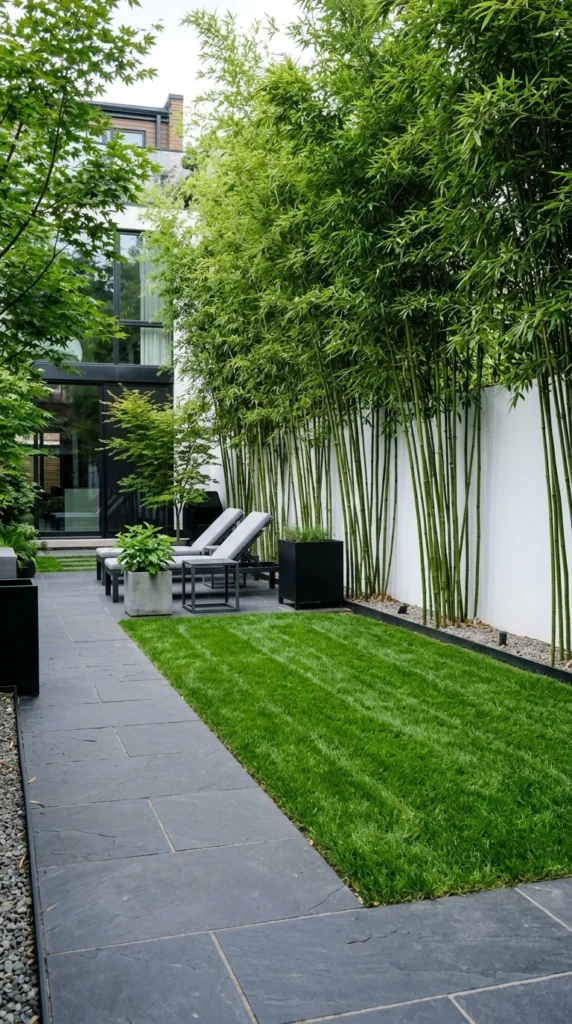
For those who prefer a “less is more” approach, modern minimalist gardens focus on form and structure. This style utilizes a limited color palette—often shades of green, gray, and white—and emphasizes hardscaping materials like smooth concrete, steel, and dark wood. Instead of a riot of flowers, choose plants with strong architectural shapes, such as Agave, Boxwood hedges, or Horsetail grass. The result is a clean, sophisticated space that feels organized and calming, perfect for a high-end contemporary home.
13. Garden Archways
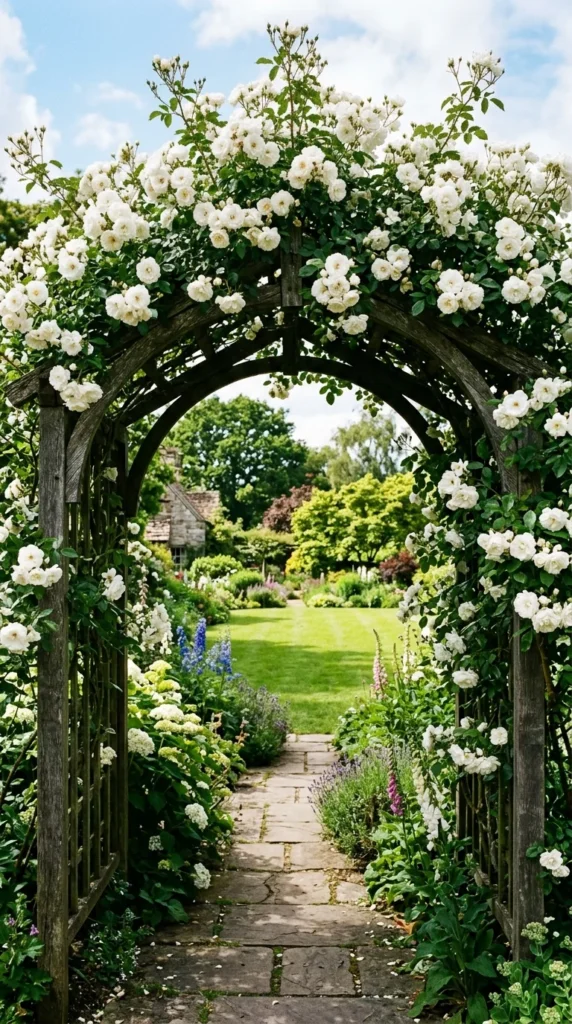
Archways and pergolas act as the “doorways” of your garden, signaling a transition from one space to another. When draped in climbing plants like Clematis, Wisteria, or climbing roses, they add height and a sense of old-world charm. Walking through a flower-covered archway is an immersive experience that engages the sense of smell and sight simultaneously. These structures also provide essential shade during the heat of the day, making them the perfect spot to place a comfortable garden bench.
14. Potting Stations
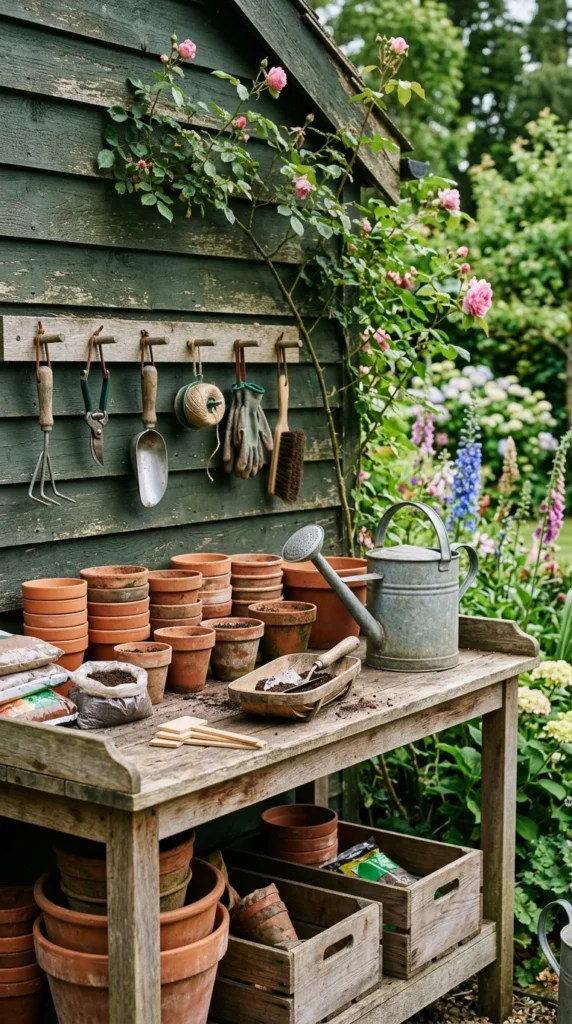
Every gardener needs a headquarters. A dedicated potting station isn’t just a place to work; it can be a beautiful design feature in its own right. Use a vintage workbench or a purpose-built station to organize your trowels, seeds, and pots. Adding a small sink or a dedicated hose attachment makes the space highly functional. By keeping your tools organized and accessible, you make the act of gardening more efficient and enjoyable, ensuring your paradise stays well-maintained and thriving.
15. Native Meadows
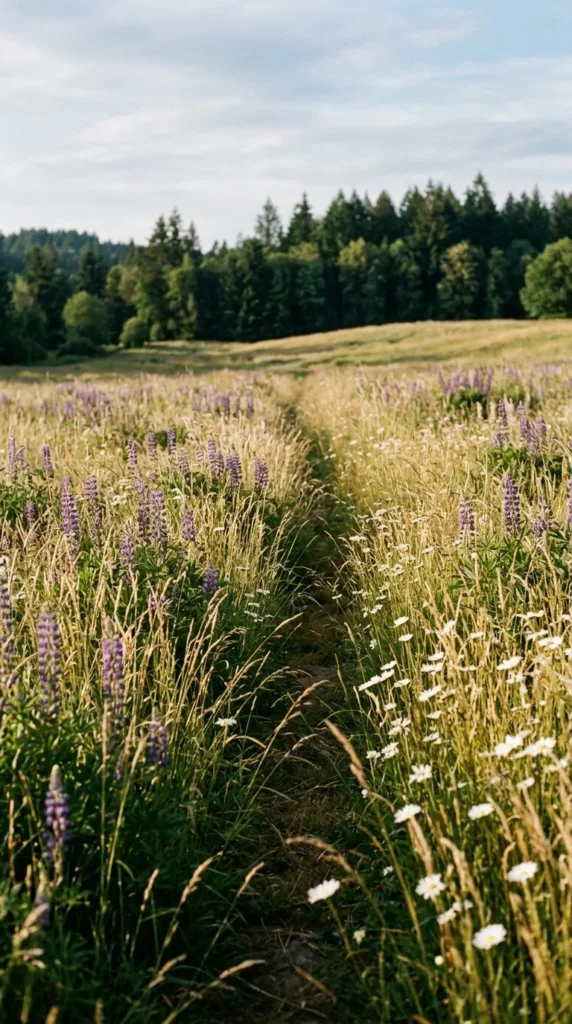
If you have a larger area and want to reduce maintenance while maximizing beauty, consider a native wildflower meadow. Unlike a traditional lawn that requires constant mowing and chemicals, a meadow celebrates the local flora. It provides a shifting palette of colors throughout the year and requires very little water once established. The soft, billowy texture of a meadow creates a relaxed, naturalistic vibe that feels worlds away from the stresses of urban life, inviting you to sit back and watch the grass sway in the wind.