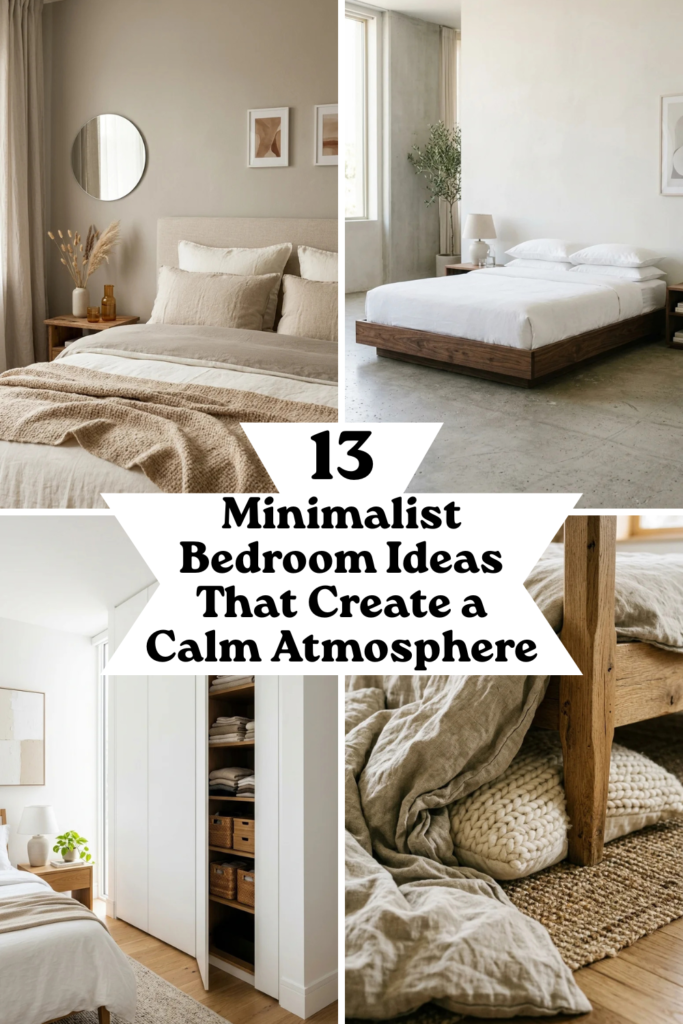

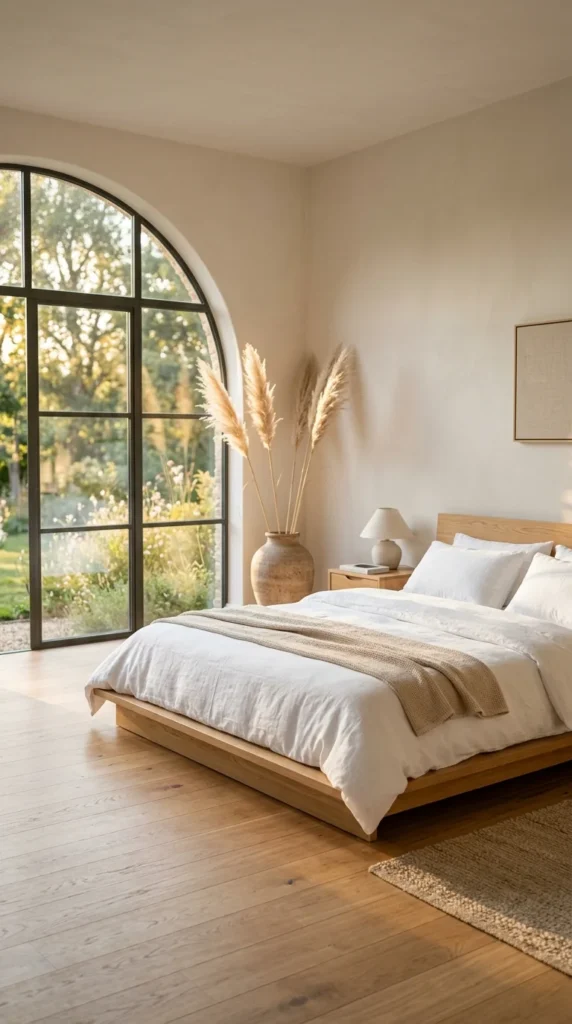
The bedroom is more than just a place to sleep; it is a sanctuary, a transition zone between the chaos of the waking world and the profound stillness of rest. In an era defined by digital noise and constant stimulation, the concept of a minimalist bedroom has shifted from a mere design trend to a psychological necessity. Minimalism isn’t about living in a cold, empty box; it is about the intentional curation of your environment to foster mental clarity and emotional peace.
By stripping away the superfluous, you allow the mind to decompress. When your eyes aren’t jumping from a pile of laundry to a cluttered nightstand, your nervous system can finally signal that it is safe to relax. Achieving this calm atmosphere requires a delicate balance of light, texture, and space. Here are 13 minimalist bedroom ideas to help you craft a space that breathes.
1. Neutral Palette
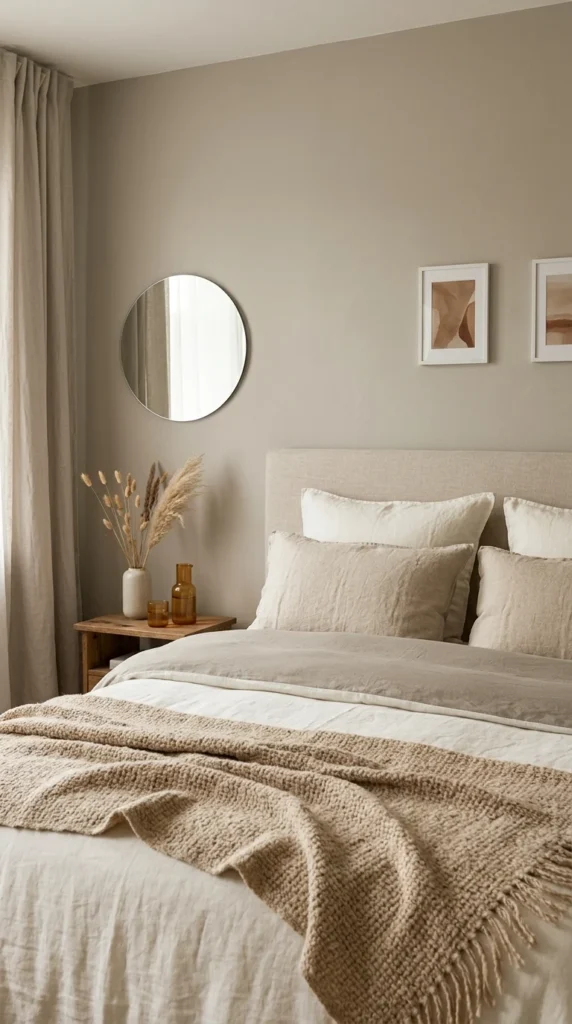
The foundation of any calm atmosphere is the color story. Bright, high-contrast colors stimulate the brain, while a neutral palette provides “visual silence.” Think beyond clinical white; explore the world of “off-whites,” warm greys, soft beiges, and muted taupes. These shades reflect natural light beautifully during the day and take on a cozy, enveloping quality under warm evening lamps. By keeping the walls and large furniture pieces in a similar tonal range, you eliminate harsh visual boundaries, making the room feel more expansive and fluid.
2. Platform Beds
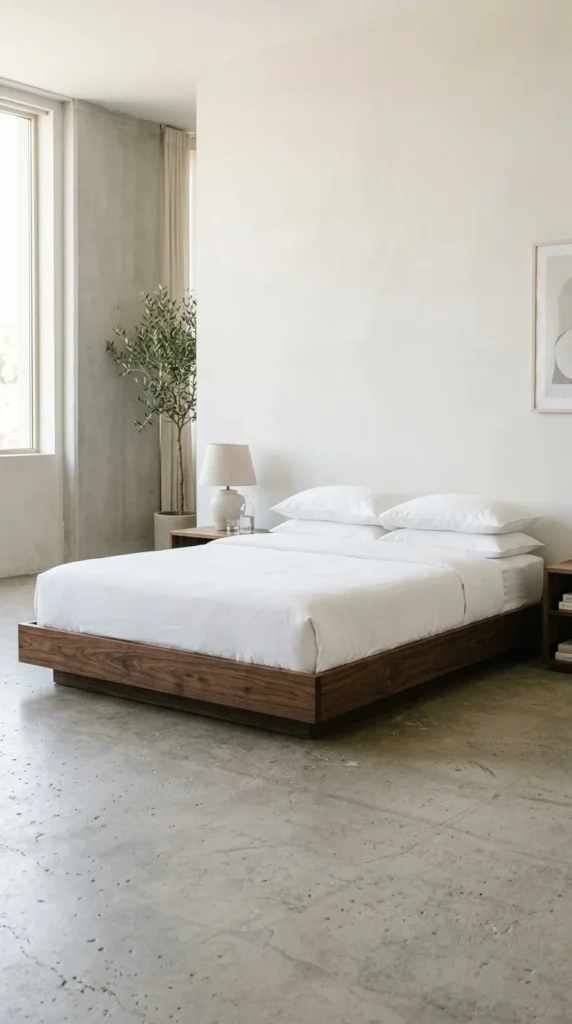
In minimalist design, the height of your furniture significantly impacts the “energy” of the room. A low-profile or platform bed creates an immediate sense of groundedness. By lowering the focal point of the room, you increase the vertical space, making the ceiling feel higher and the air feel more circulate. This “Zen” approach to furniture layout removes the bulkiness of traditional bed frames and box springs, replacing them with clean, horizontal lines that soothe the eye.
3. Hidden Storage
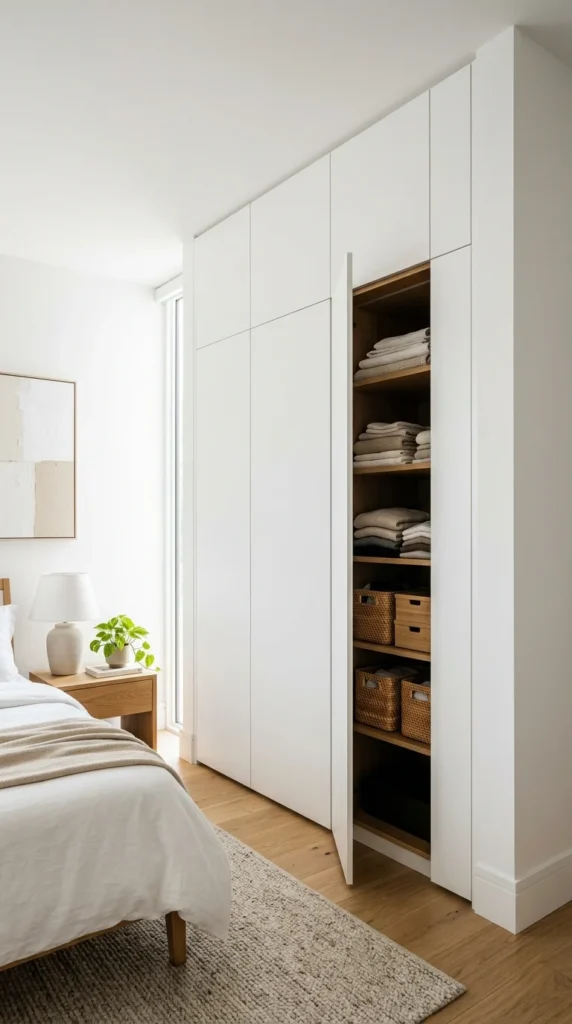
Visual clutter is the enemy of a calm mind. Even if your belongings are organized, seeing them can create a sense of “to-do” lists. Minimalist bedrooms rely heavily on clever, hidden storage solutions. This might mean floor-to-ceiling built-in wardrobes that look like part of the wall, or beds with integrated drawers underneath. The goal is to ensure that every item has a home that is out of sight, leaving only the most beautiful and essential items on display.
4. Organic Textures
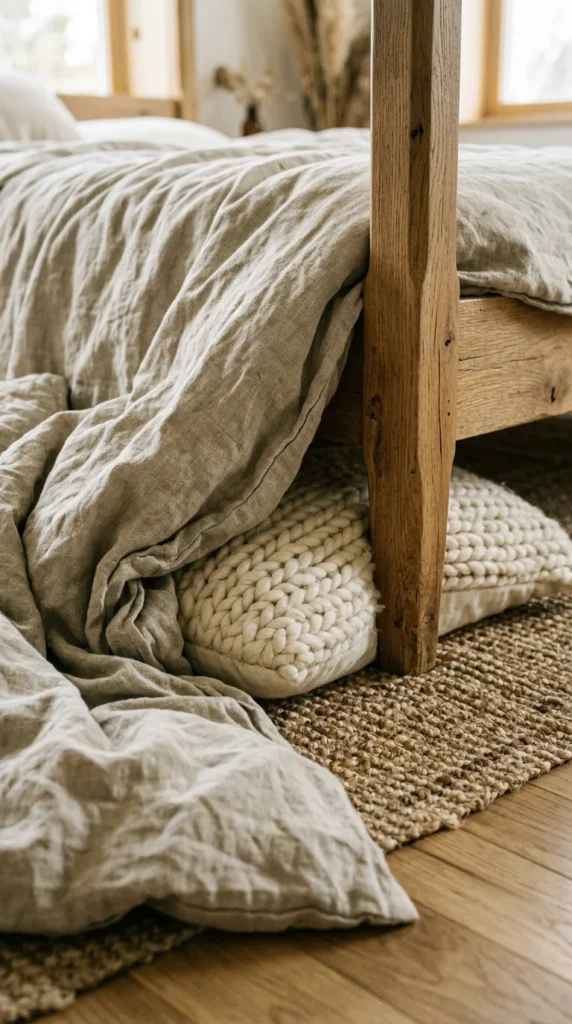
Minimalism can sometimes feel “cold” if you only focus on hard surfaces. To create a calm, inviting atmosphere, you must introduce organic textures. Tactile elements like 100% Belgian linen, a chunky wool knit throw, or a jute rug underfoot add depth and warmth without the need for busy patterns. These materials connect the indoor space to the natural world, which has a scientifically proven grounding effect on the human psyche.
5. Statement Lighting
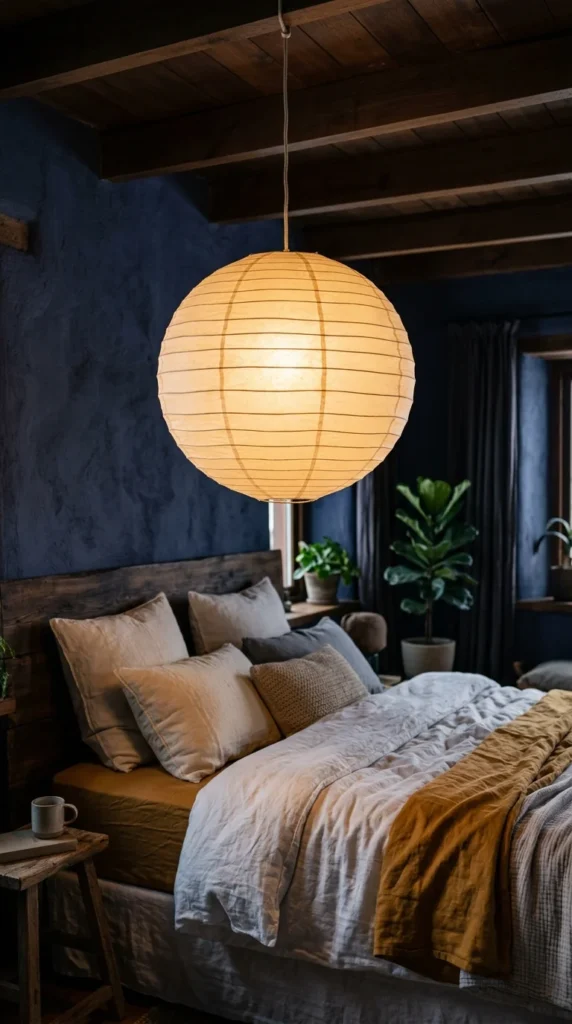
Lighting is the most powerful tool for setting a mood. In a minimalist bedroom, avoid harsh overhead “boob lights” or recessed lighting that feels industrial. Instead, opt for a single statement piece—like a large paper globe pendant or a sleek, matte black floor lamp. Use warm-toned bulbs (2700K or lower) to mimic the setting sun, which helps trigger the body’s natural melatonin production. The interplay of light and shadow on bare walls can be more decorative than any wallpaper.
6. Indoor Greenery
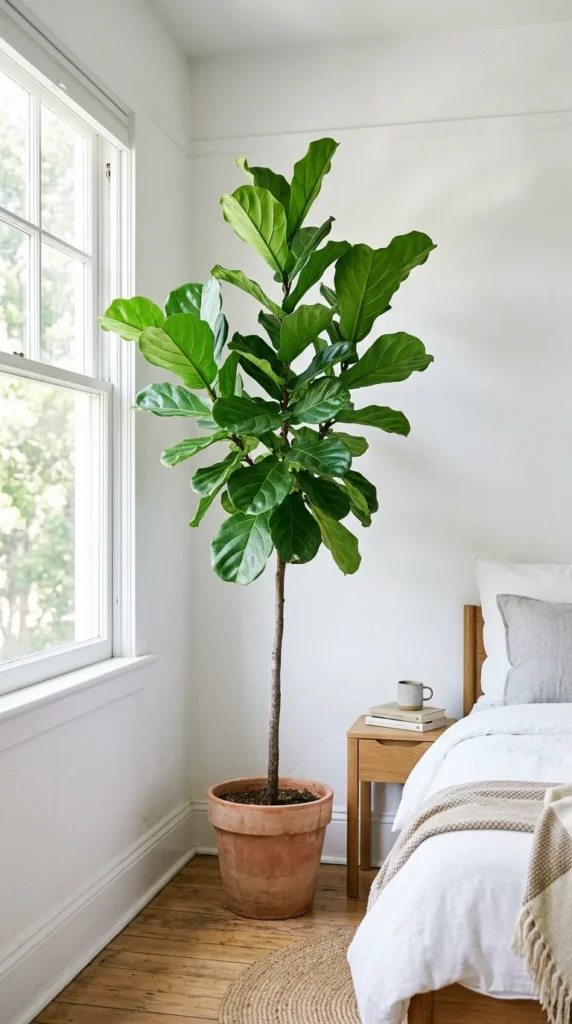
Bringing a touch of the outdoors inside is a hallmark of “biophilic design,” which complements minimalism perfectly. A single, large potted plant—like a Monstera or a Dracaena—acts as a living sculpture. Plants not only purify the air but also provide a soft, organic contrast to the straight lines of minimalist furniture. The presence of green has been shown to reduce cortisol levels, making it the perfect addition to a sleep sanctuary.
7. Monochromatic Art
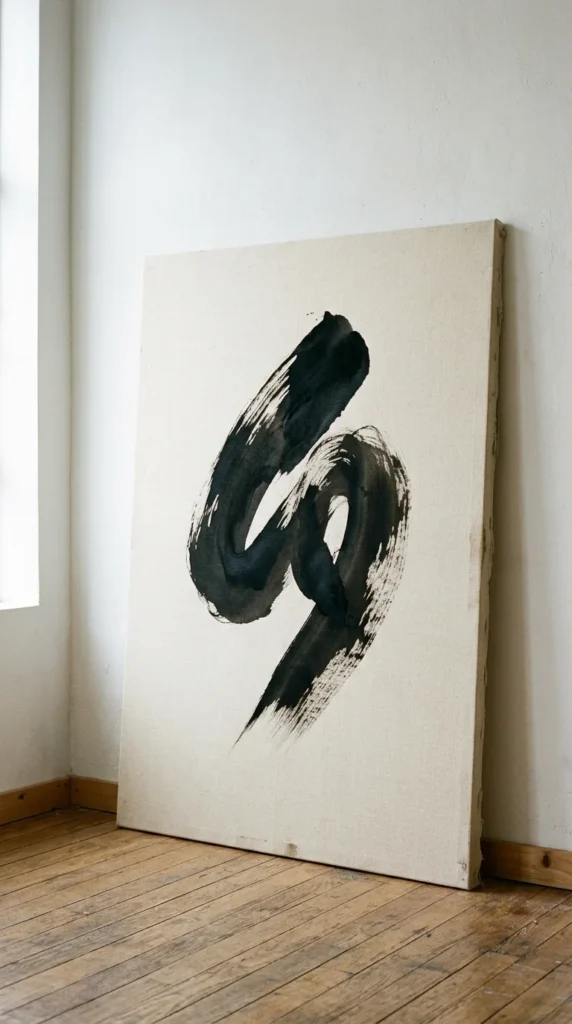
You don’t have to leave your walls completely bare, but the art you choose should be intentional. A single large-scale piece of monochromatic or abstract art creates a focal point without overwhelming the senses. Avoid “busy” gallery walls or high-energy colors. Instead, look for pieces that evoke a sense of movement or stillness—ink washes, line drawings, or textured white-on-white canvases.
8. Floating Furniture
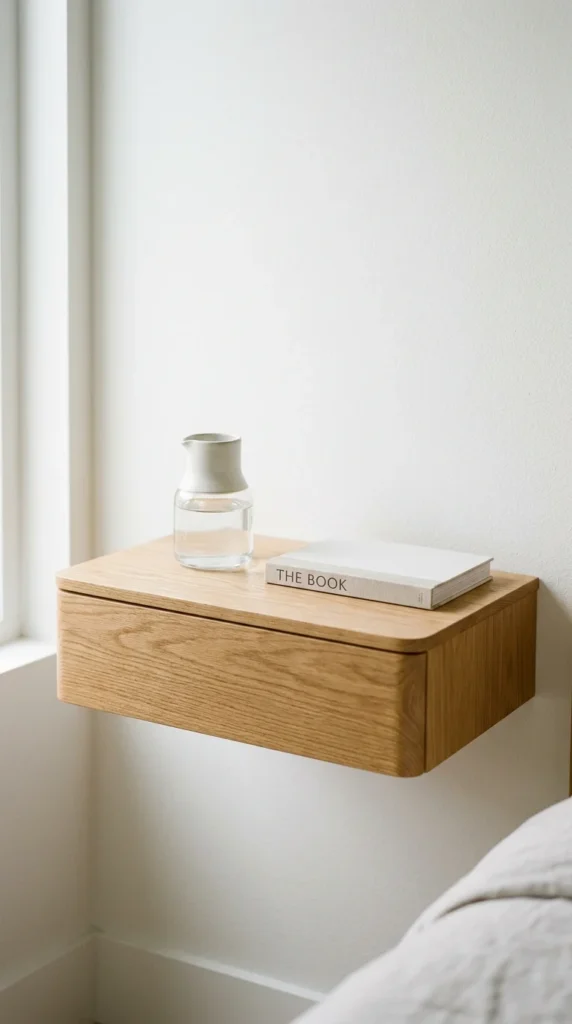
To maximize the feeling of space, look for furniture that doesn’t touch the floor. Floating nightstands or wall-mounted vanities create an unbroken line of flooring, which tricks the eye into seeing the room as larger and less cluttered. This also makes cleaning easier, ensuring that dust bunnies (a hidden source of stress) have nowhere to hide. The “weightless” look of floating furniture contributes to the overall airy atmosphere of the room.
9. Quality Linens
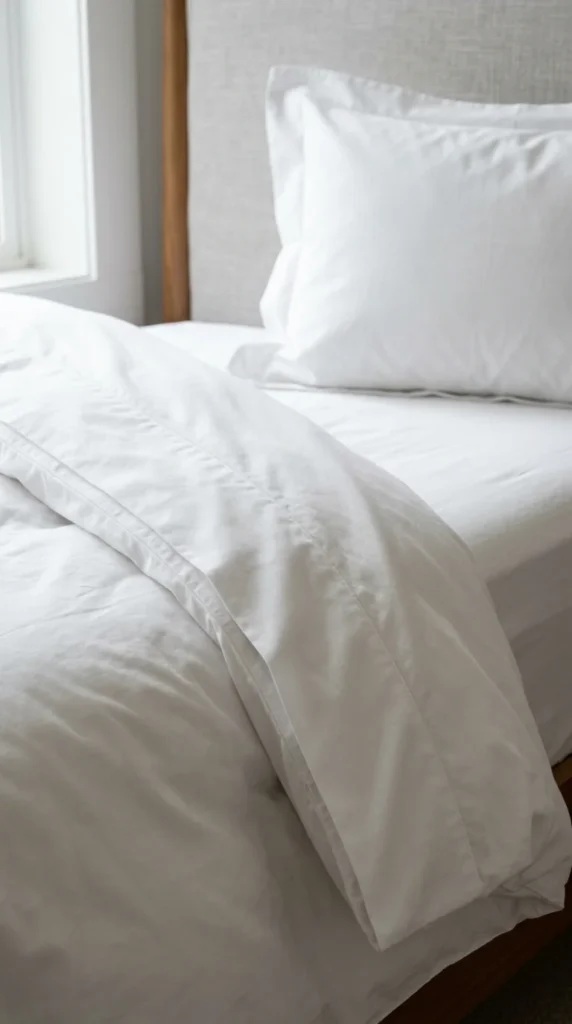
In a minimalist room, the bed is the star of the show. Since you are using fewer decorative items, the quality of the items you do have becomes paramount. Investing in high-quality, natural fiber bed linens—such as long-staple cotton, Tencel, or linen—transforms the act of going to bed into a luxury experience. Stick to solid colors or very subtle pinstripes to maintain the visual calm. The way the fabric feels against your skin is just as important as how it looks.
10. Floor-to-Ceiling Drapes
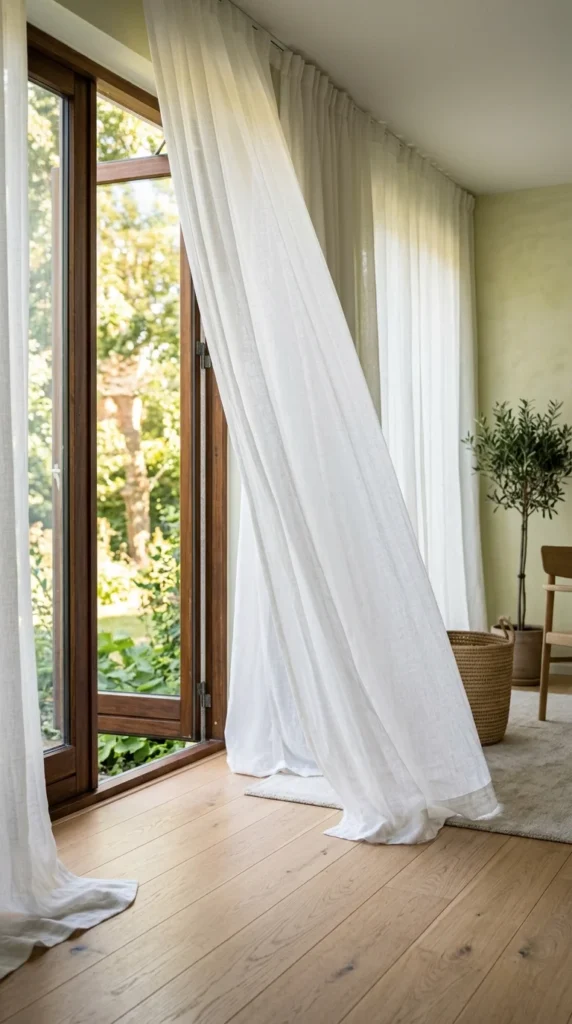
Window treatments in a minimalist bedroom should be functional yet soft. Floor-to-ceiling drapes in a fabric that matches the wall color can make the room feel taller and more cohesive. Using sheer fabrics allows natural light to filter in while maintaining privacy, whereas heavy blackout curtains in a neutral linen can add a sense of security and enclosure at night. The soft folds of the fabric break up the hard lines of the windows and walls.
11. Wood Accents
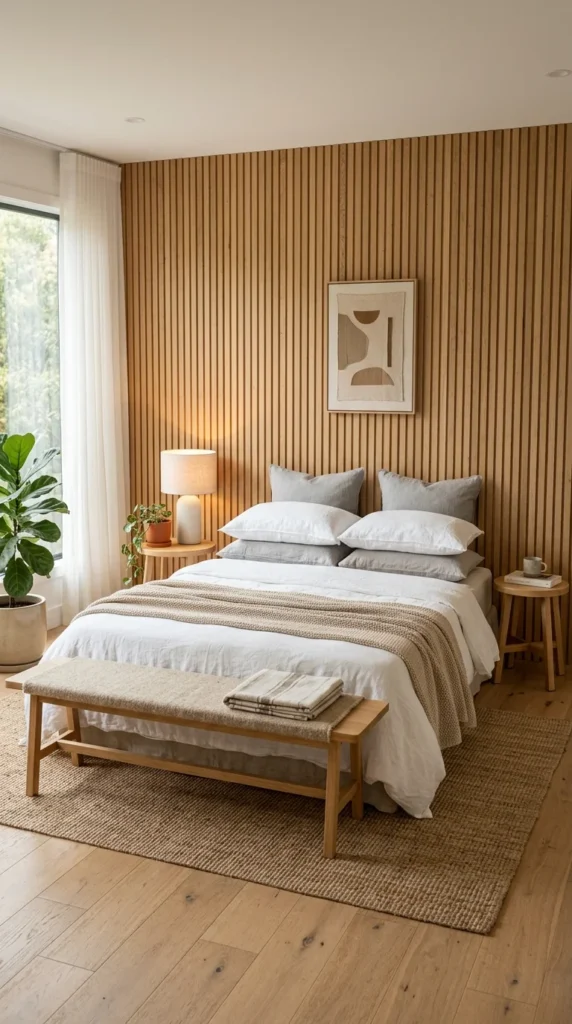
Wood brings an essential element of warmth to the minimalist aesthetic. Whether it’s a light Scandinavian pine, a mid-tone oak, or a rich walnut, the natural grain of wood provides visual interest that feels peaceful rather than distracting. Try to keep the wood tones consistent throughout the room to maintain a sense of harmony. A simple wooden bench at the foot of the bed or a set of nesting wooden stools can serve as functional art.
12. Minimalist Nightstands
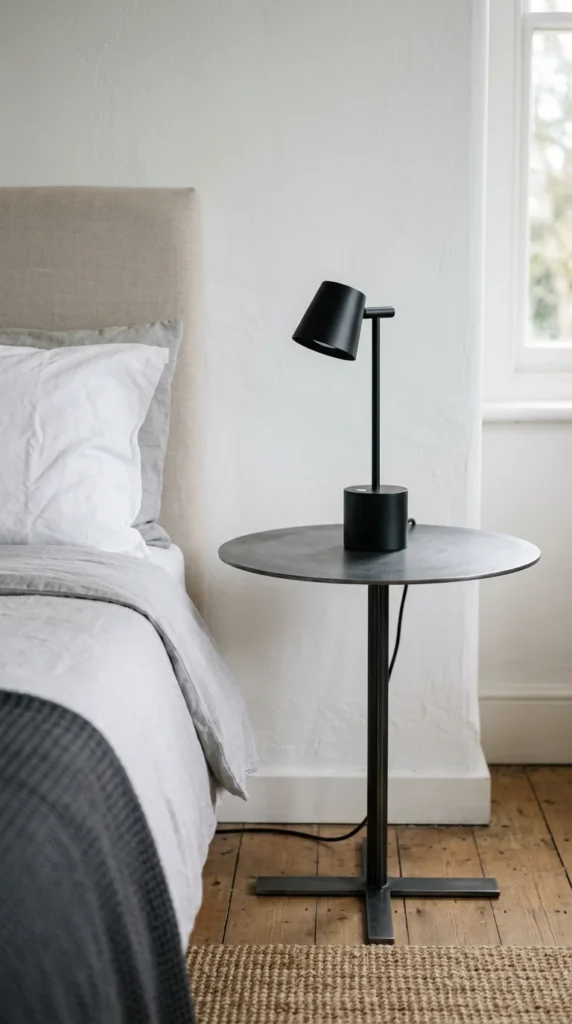
The nightstand is often where clutter accumulates—phones, chargers, glasses, and half-read books. To maintain a calm atmosphere, choose a nightstand with a very small footprint or a single drawer. The goal is to limit the surface area available for clutter. By keeping your bedside essentials to a bare minimum (perhaps just a lamp and a glass of water), you ensure that the last thing you see before closing your eyes is a clear, organized space.
13. Large Mirrors
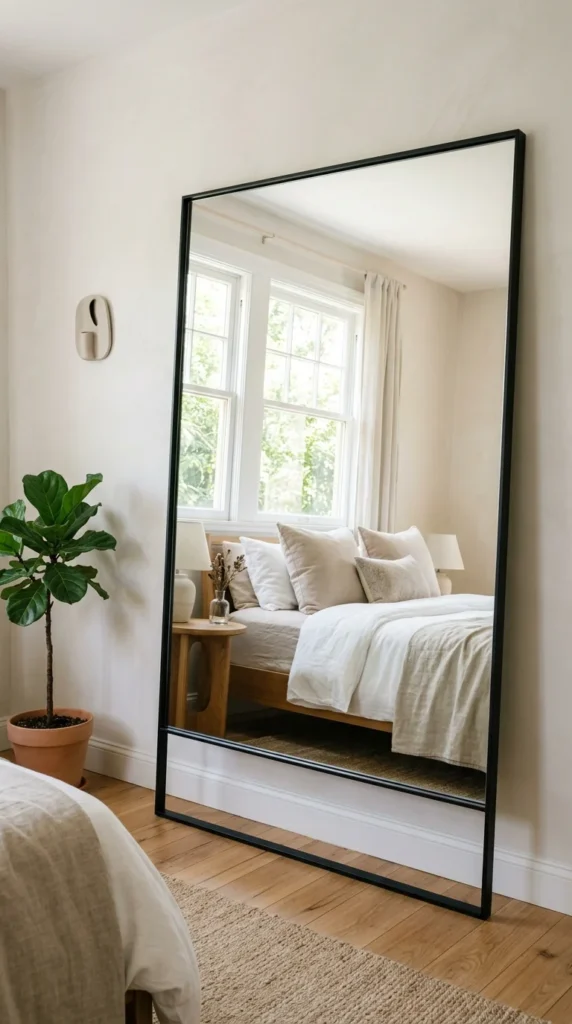
Mirrors are a classic minimalist trick for doubling the light and the perceived space in a room. A large, floor-leaning mirror with a thin, unobtrusive frame can make a small bedroom feel like a sprawling suite. By reflecting the most minimalist parts of your room, the mirror reinforces the sense of order and openness. It also helps bounce natural light into darker corners, ensuring the room feels bright and uplifting even on cloudy days.