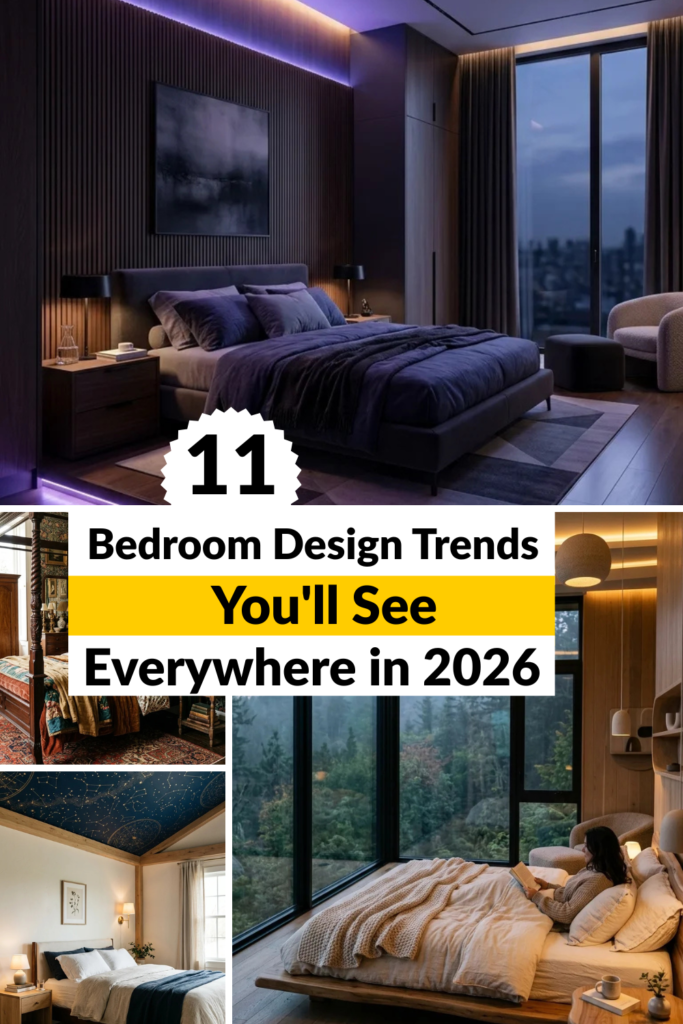

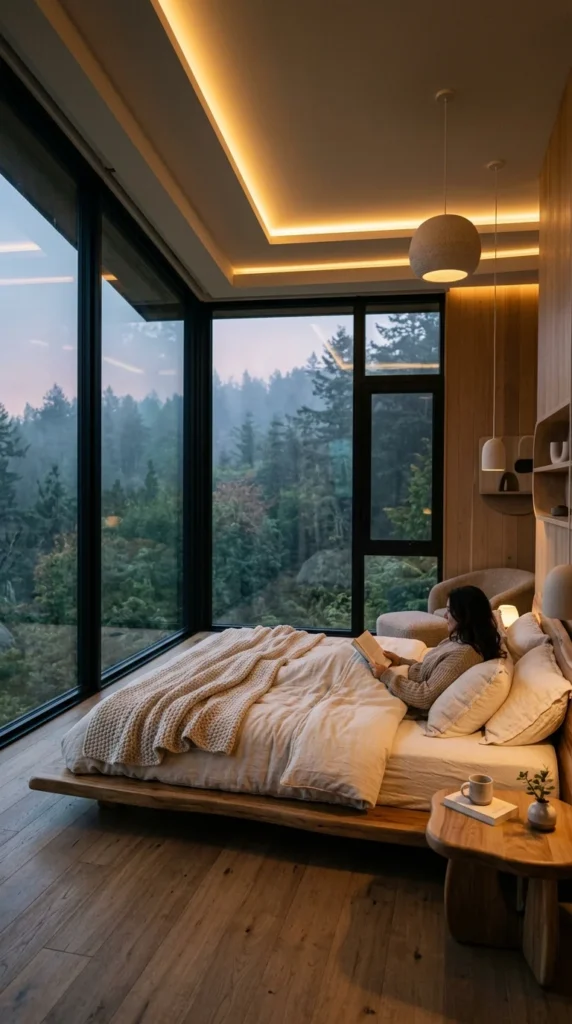
The bedroom is no longer just a place to sleep; it has evolved into a multi-sensory sanctuary, a high-tech recovery zone, and a canvas for bold personal expression. As we look toward 2026, the shift in interior design moves away from the sterile minimalism of the past decade toward “Curated Comfort”—a blend of cutting-edge technology, ancient wellness practices, and deeply tactile materials.
Homeowners are increasingly prioritizing sleep hygiene and emotional well-being, leading to design choices that soothe the nervous system while dazzling the eye. From living walls to “stealth” technology, here are the eleven trends set to define the bedroom landscape in 2026.
1. Biophilic Walls
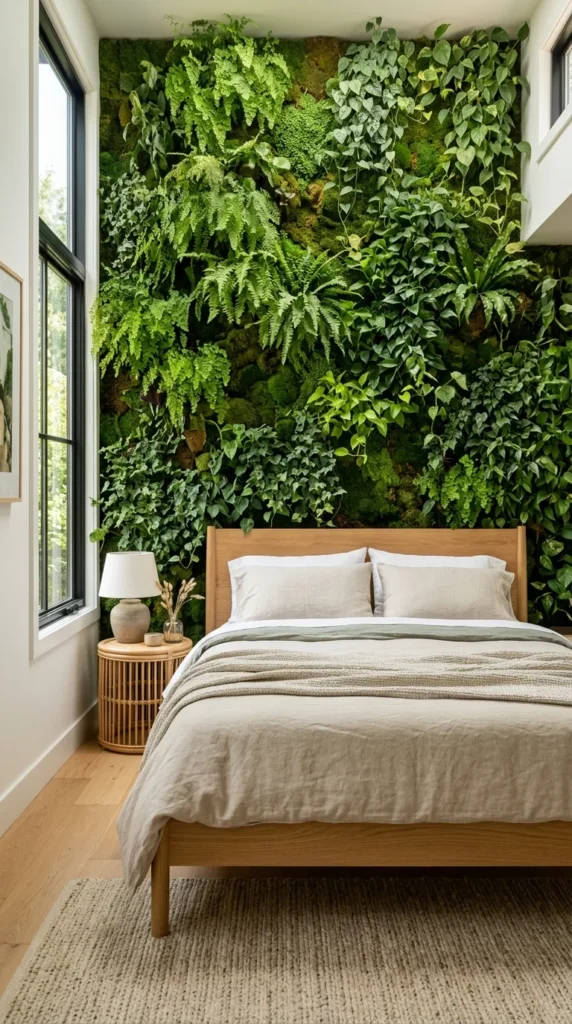
Biophilic design is moving beyond a few potted plants on a dresser. In 2026, we are seeing the rise of “Living Headboards” and integrated vertical gardens. These installations don’t just look stunning; they act as natural air purifiers, increasing oxygen levels and humidity within the sleeping space.
Architects are now building recessed niches specifically designed for automated irrigation systems, allowing lush greenery to thrive indoors with minimal maintenance. For those not ready for live plants, preserved moss walls and hyper-realistic botanical murals provide the same psychological grounding effect, connecting the sleeper to the rhythms of nature.
2. Kinetic Furniture
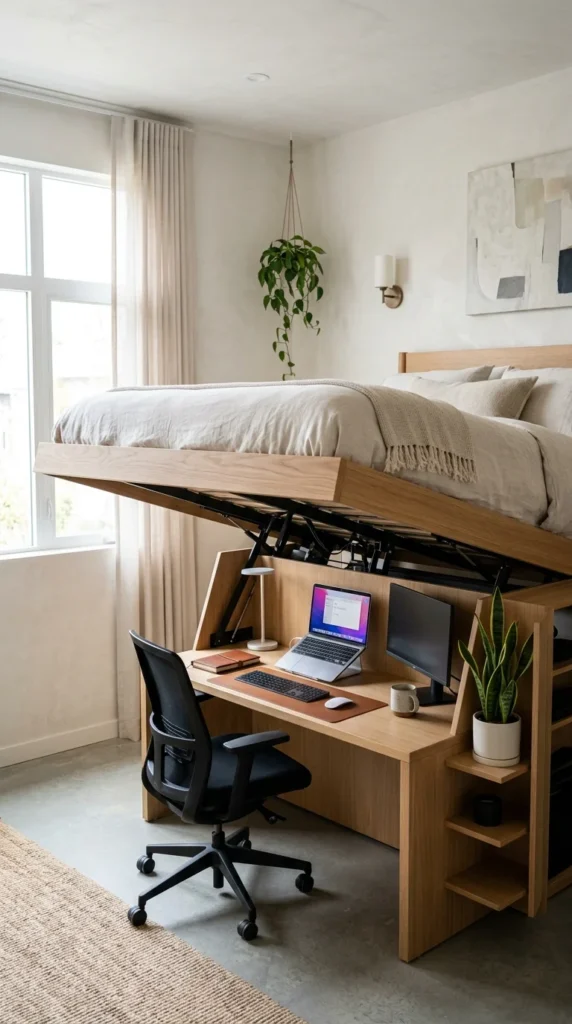
As urban living spaces continue to compact, 2026 marks the era of “Kinetic Furniture”—pieces that move and adapt to the time of day. This goes far beyond the traditional Murphy bed. We are seeing motorized bed frames that glide into the ceiling to reveal a lounge area, or nightstands with disappearing panels that hide charging stations and medical devices.
These pieces are designed with “fluidity” in mind. A vanity might transform into a standing desk with a simple gesture, or a headboard might feature sliding acoustic panels that can close around the sleeper to dampen sound. The goal is to maximize utility without sacrificing the serene aesthetic of the room.
3. Monochromatic Textures
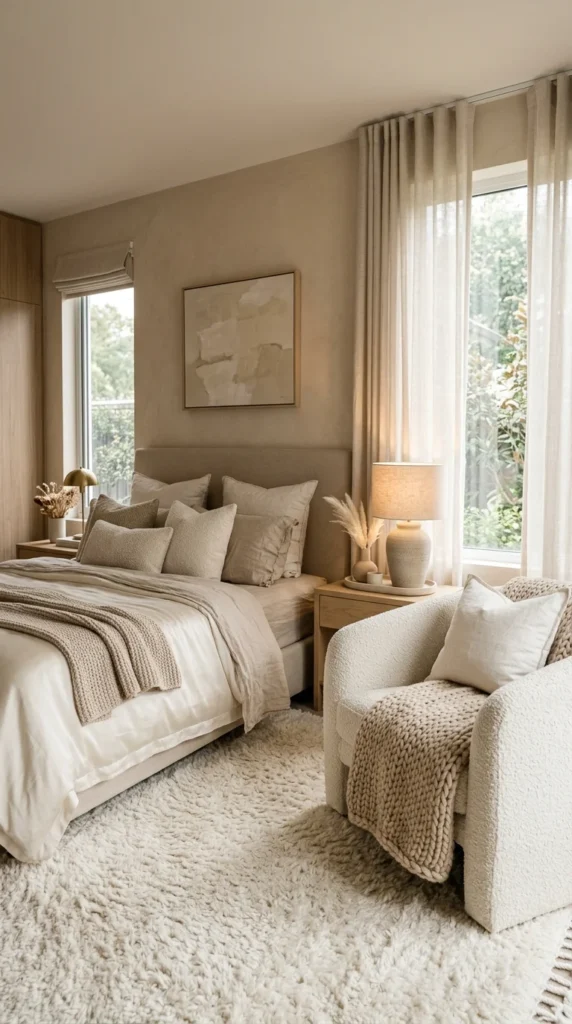
The “All-White” bedroom is being replaced by the “All-Texture” bedroom. In 2026, designers are leaning into monochromatic color palettes—think sands, terracottas, or charcoal greys—but layering them with an intense variety of fabrics.
The visual interest comes not from color contrast, but from the way light hits different surfaces. You might see a velvet-upholstered wall paired with a raw linen duvet and a hand-knotted wool rug. This “tactile minimalism” creates a sense of profound luxury and physical comfort, encouraging the occupant to slow down and engage their sense of touch.
4. Chromotherapy Lighting
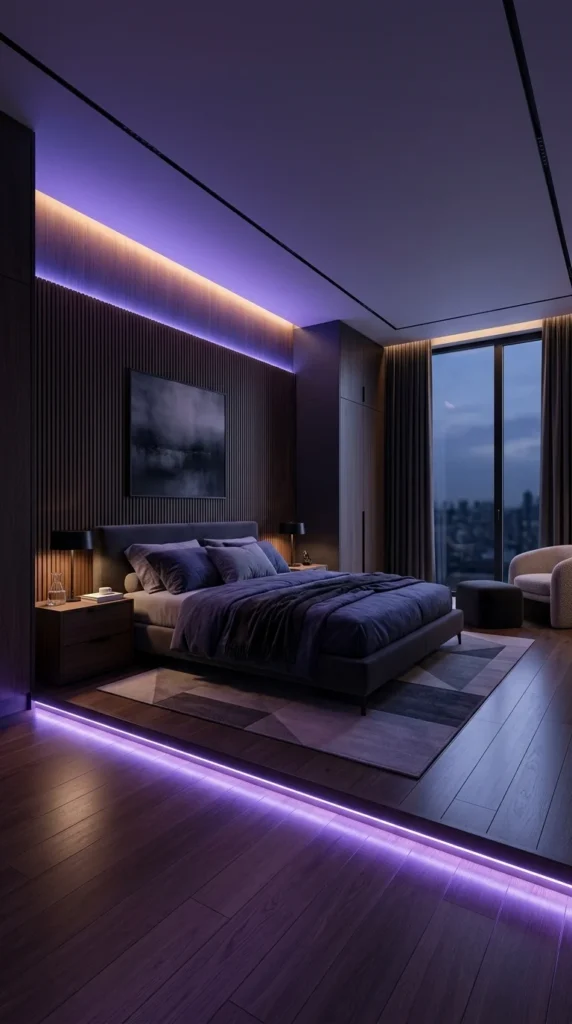
Gone are the days of a single overhead bulb. 2026 is the year of “Circadian Lighting” systems that utilize chromotherapy (color therapy). These smart systems are programmed to mirror the natural sun cycle: bright, blue-toned light in the morning to suppress melatonin and wake you up, and warm, amber hues in the evening to prepare the brain for rest.
Beyond biology, these systems allow users to “paint” their rooms with light. Whether it’s a calming deep sea blue for meditation or a vibrant sunset orange for a morning workout, the atmosphere of the bedroom can be changed instantly via voice command or bio-sensor feedback.
5. Curved Architecture
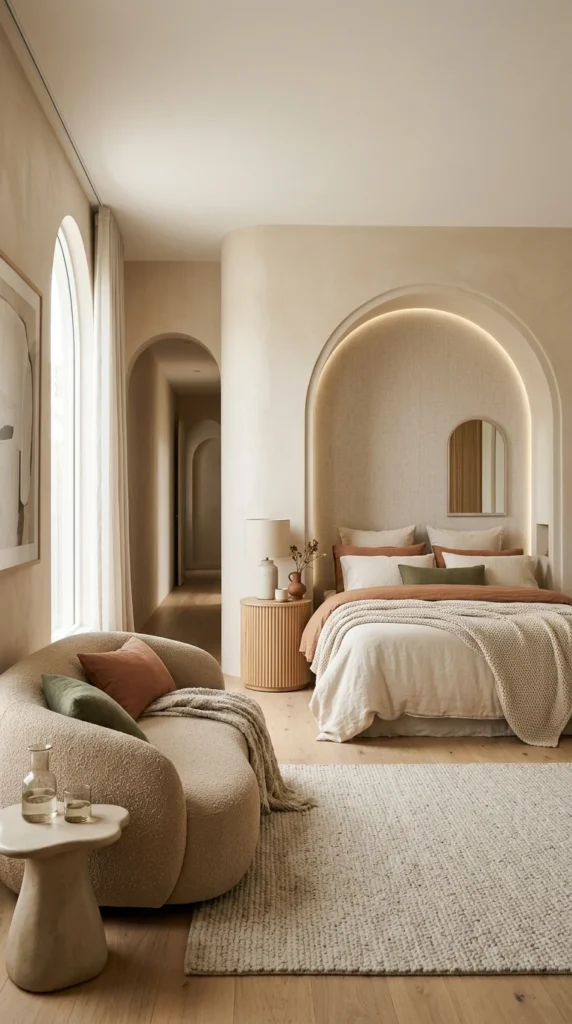
The harsh, sharp angles of mid-century modern design are softening. 2026 will see a massive influx of “Soft Architecture.” This includes arched entryways, vaulted ceilings, and curved walls that lead the eye gently around the room.
Rounded forms are psychologically proven to reduce stress and promote feelings of safety. This trend extends to the furniture as well—pill-shaped mirrors, circular headboards, and “cloud” sofas are becoming the standard. The lack of sharp corners creates a “womb-like” environment that is inherently more conducive to relaxation and deep sleep.
6. Heritage Maximalism
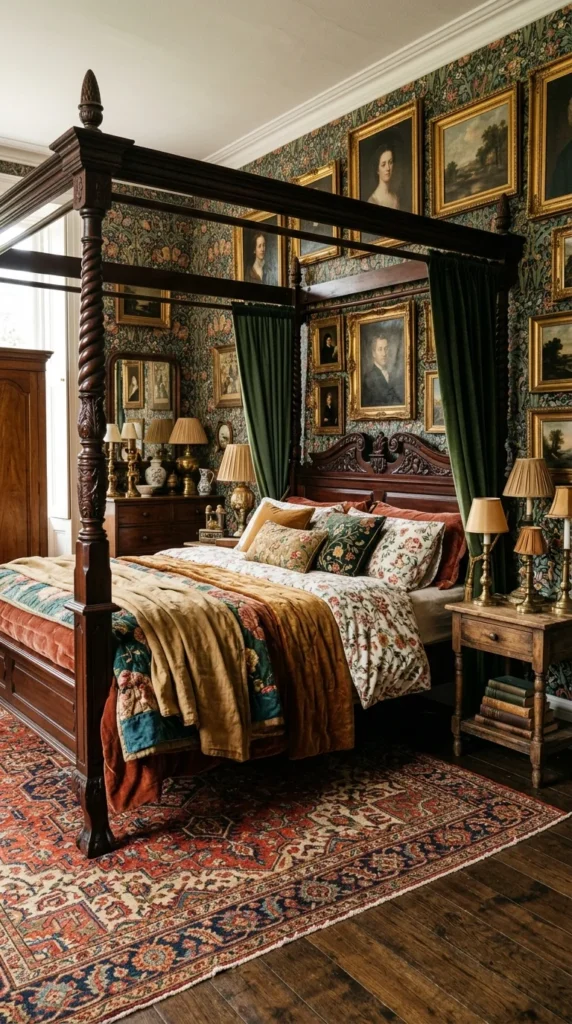
Countering the minimalist movement is “Heritage Maximalism,” a trend that celebrates history, craftsmanship, and “more-is-more” storytelling. This style pulls from Victorian, Edwardian, and Art Deco influences but updates them for the modern day.
Expect to see bold, small-scale floral patterns on both walls and bedding, curated “gallery walls” of vintage art, and heavy, heirloom-quality furniture. The key to making this work in 2026 is the “Curated” aspect—it’s not about clutter, but about surrounding yourself with objects that have a soul and a history, creating a bedroom that feels like a private museum.
7. Bio-Materials
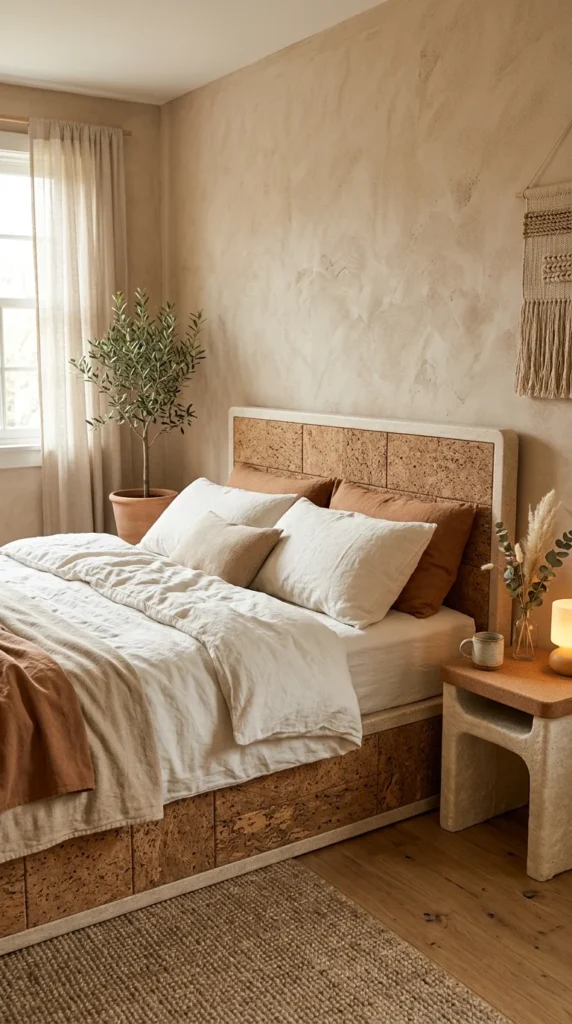
Sustainability has moved from a buzzword to a fundamental design requirement. In 2026, the “Vegan Bedroom” is gaining traction, utilizing innovative bio-materials. We are seeing bed frames made from mycelium (mushroom roots) that are as strong as wood but entirely compostable.
Other popular materials include cork flooring for its natural antimicrobial properties, hemp linens that grow softer with every wash, and “leather” accents made from pineapple or cactus fibers. These materials bring an earthy, grounded aesthetic to the room while ensuring the indoor air quality remains free of toxic off-gassing.
8. Deep Jewel Tones
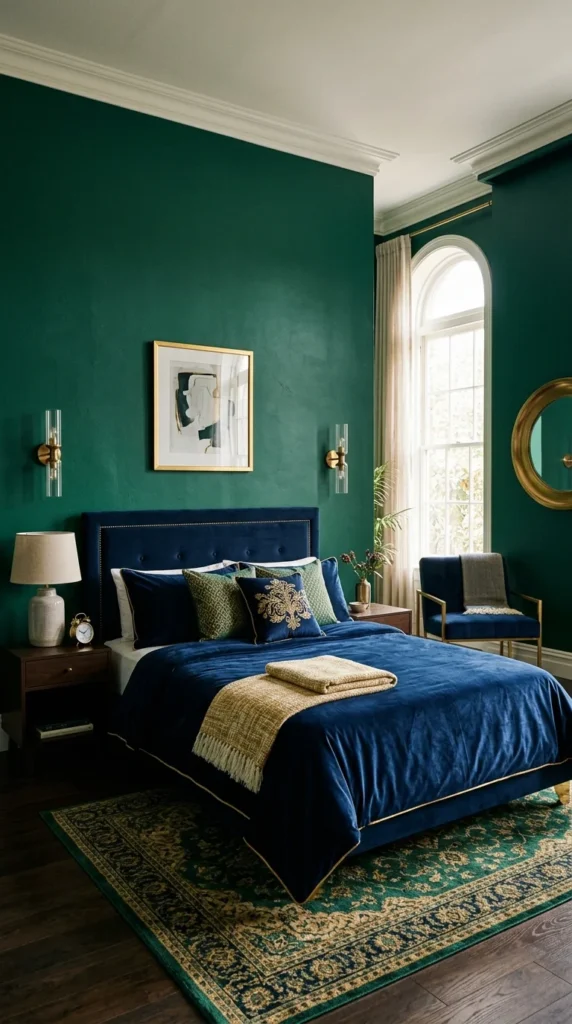
While neutrals will always have a place, 2026 is seeing a surge in “Atmospheric Darks.” Deep jewel tones like midnight sapphire, forest emerald, and spiced plum are being used on all four walls to create a “cocoon” effect.
These colors are particularly effective in bedrooms because they recede visually, making the walls feel further away and the space more expansive, despite the richness of the hue. When paired with metallic accents like brushed gold or blackened steel, these colors transform the bedroom into a sophisticated, high-end retreat.
9. Stealth Tech
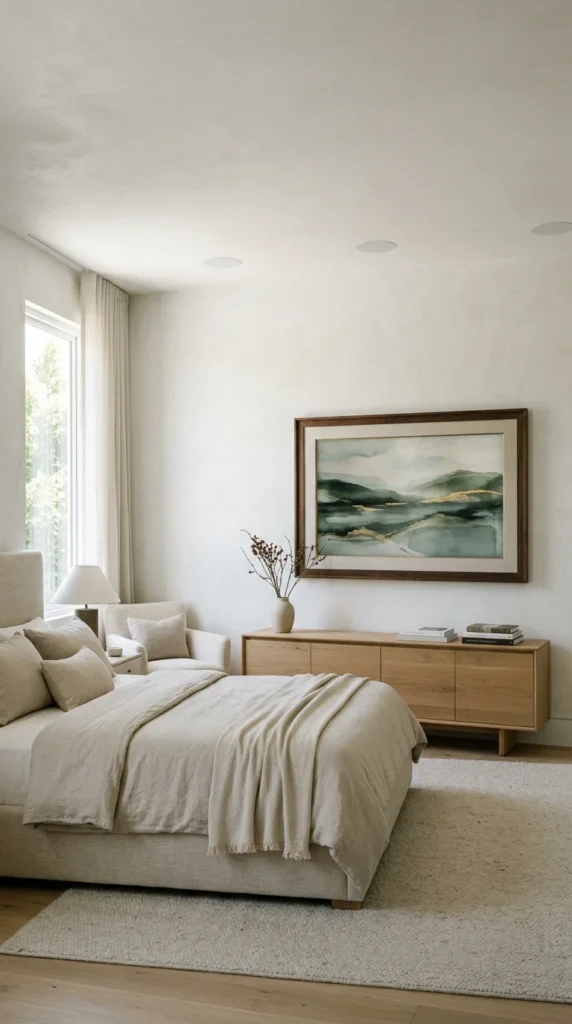
The most advanced technology in 2026 is the kind you can’t see. “Stealth Tech” focuses on removing the visual clutter of wires, screens, and black boxes. TVs are being replaced by ultra-short-throw projectors that disappear into a slim mantle, or screens that look like high-definition oil paintings when not in use.
Speakers are now “invisible,” vibrating through the wall panels themselves to provide 360-degree spatial audio without a single visible grate. This allow homeowners to enjoy the benefits of a smart home—automated shades, climate control, and soundscapes—without the bedroom feeling like a laboratory.
10. Multi-Sensory Sanctuaries
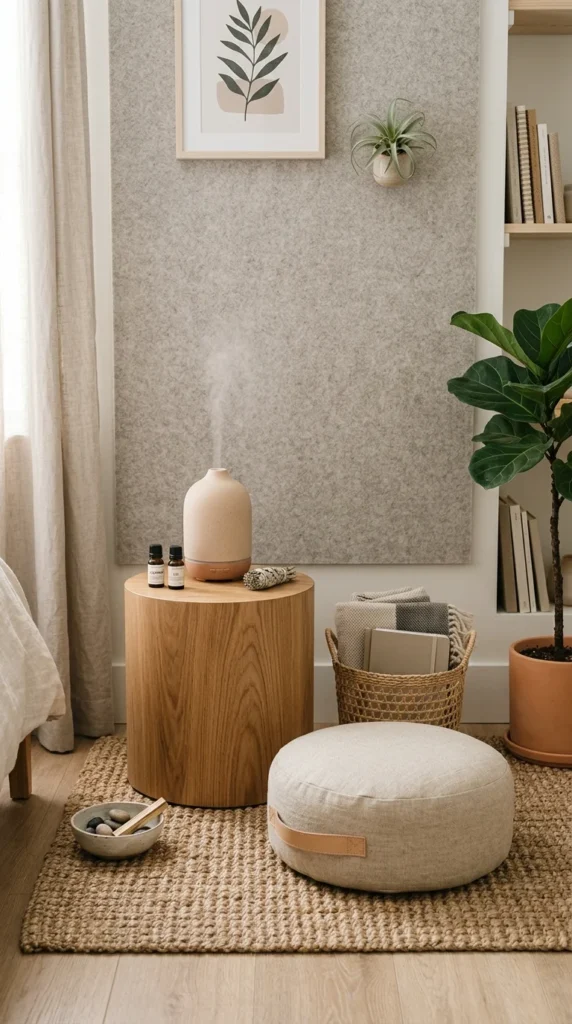
Design in 2026 is looking at the bedroom through a holistic lens. A “Multi-Sensory Sanctuary” addresses smell, sound, and touch as much as sight. This trend introduces “Sound-Bathing” zones with integrated acoustic baffling to ensure total silence from the outside world.
Scent is also being integrated into the architecture via “Scent HVAC” systems that release micro-mists of lavender or sandalwood at programmed intervals. Every element, from the weight of the gravity blanket to the cooling properties of the mattress topper, is calibrated to lower the heart rate and induce a state of “Theta” brainwave activity before sleep.
11. Bold Ceiling Statements
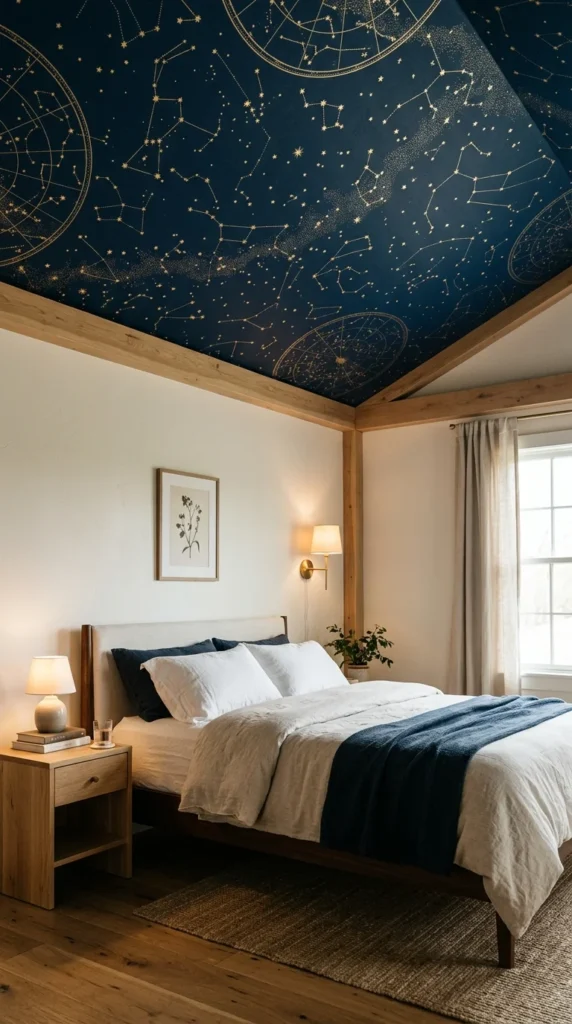
The “Fifth Wall” is finally getting the attention it deserves. In 2026, the ceiling is the primary focal point of bedroom design. This is the last thing you see before you close your eyes, so designers are making it spectacular.
From hand-painted murals and intricate crown molding to bold, oversized wallpaper patterns, the ceiling is being used to add depth and drama. Some designers are even installing upholstered ceiling panels to improve the room’s acoustics while adding a soft, luxurious feel to the overhead space. Whether it’s a faux-sky mural or a dark, moody wood slat installation, the ceiling is where the personality of the 2026 bedroom truly shines.