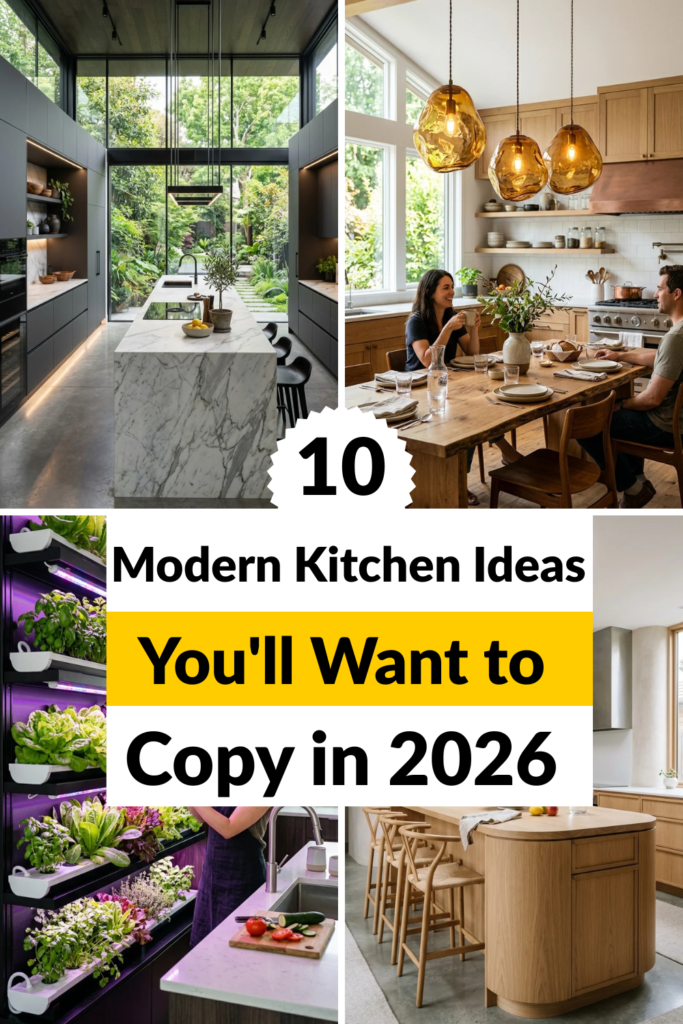

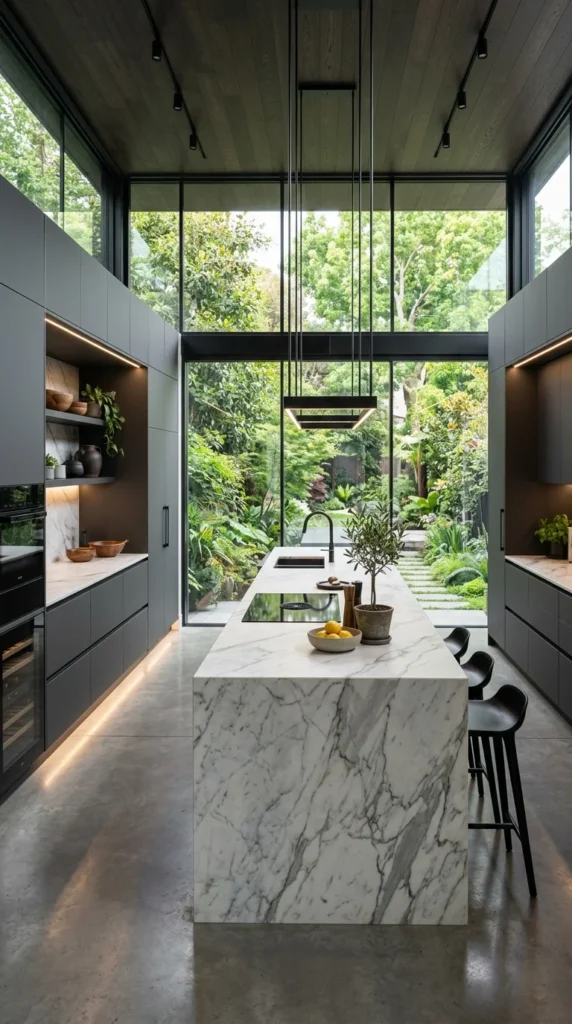
The kitchen has long been considered the heart of the home, but as we move toward 2026, it is transforming into something much more: a high-tech sanctuary of sustainability and seamless design. The trends of the future move away from cluttered surfaces and generic finishes, leaning instead toward “invisible” technology, organic shapes, and materials that tell a story. If you are planning a renovation or building a new home, these ten concepts represent the pinnacle of kitchen evolution.
1. Integrated Tech
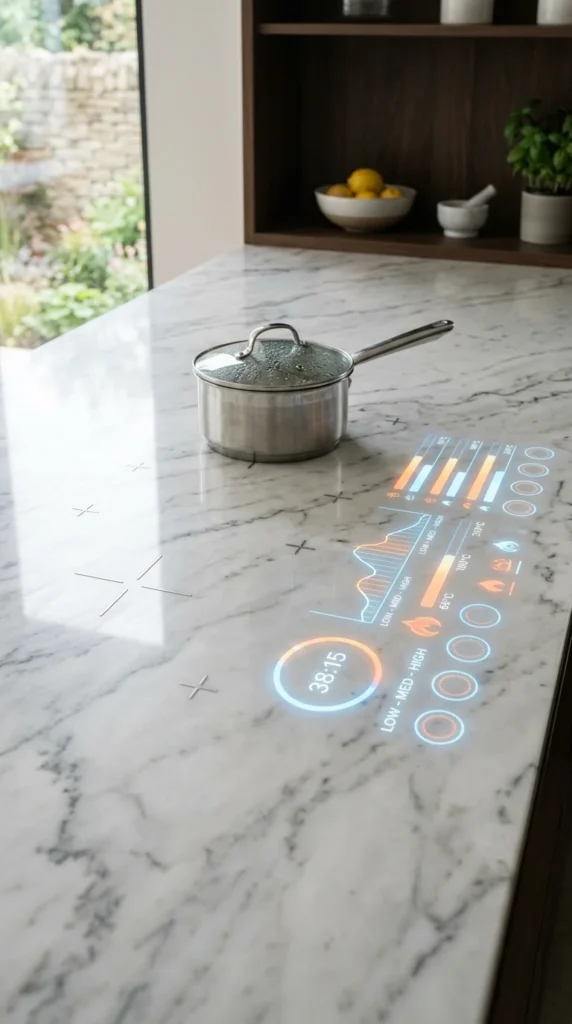
The kitchen of 2026 is defined by “invisible technology.” Gone are the bulky appliances that break up the visual flow of your cabinetry. Instead, we are seeing the rise of induction cooktops integrated directly into the stone countertops themselves. When not in use, the surface is a beautiful, flat expanse of porcelain or granite; when turned on, the stone itself becomes the cooking surface.
Beyond the stove, expect to see voice-activated faucets that dispense exactly one cup of boiling water on command, and smart refrigerators that use AI to track expiration dates and suggest recipes based on what’s inside. The goal is a workspace that feels like a living room but functions like a laboratory.
2. Organic Curves
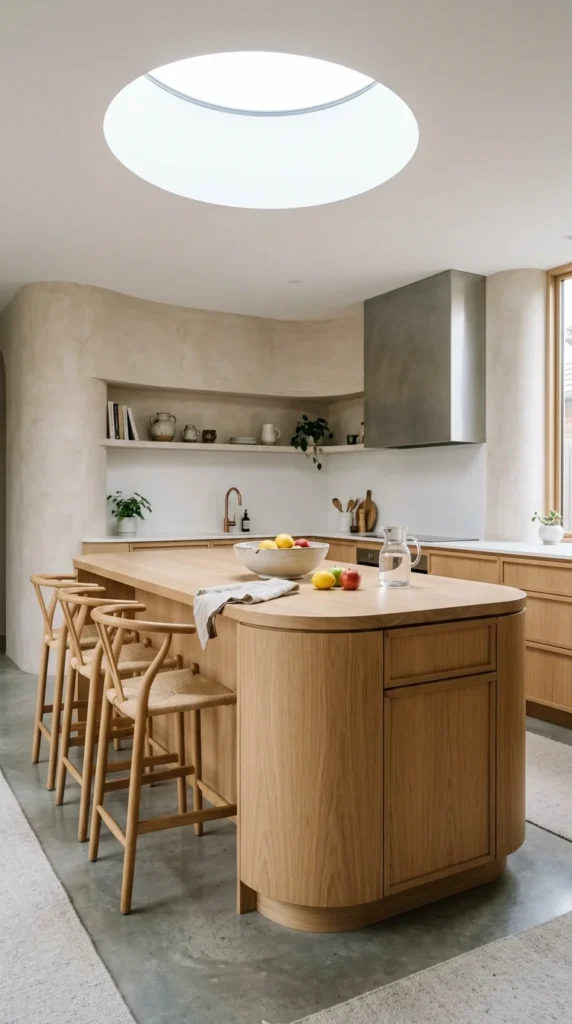
For decades, the modern kitchen was defined by sharp angles and clinical lines. In 2026, the “soft modern” look takes over. Designers are embracing organic curves to create a more welcoming, fluid environment. This manifests in rounded island corners, arched doorways, and even circular breakfast nooks.
Curvaceous furniture and cabinetry do more than just look good; they improve the “flow” of the room, making it easier to navigate during busy meal prep. These soft edges are often paired with tactile materials like lime wash or Venetian plaster to create a space that feels grounded and serene.
3. Bio-Materials
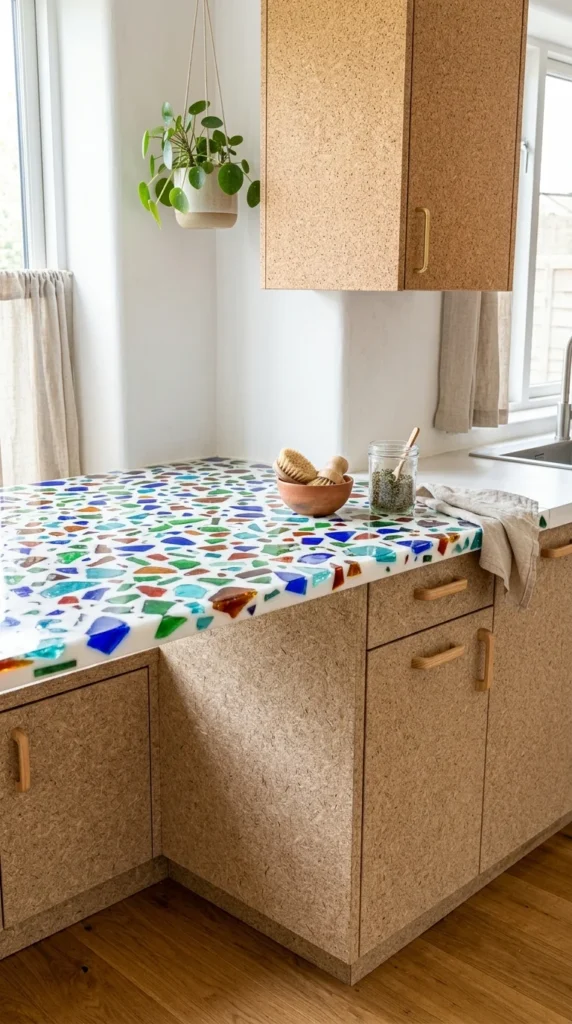
Sustainability is no longer an afterthought; it is the foundation of design. In 2026, we are seeing a shift toward bio-materials that reduce the carbon footprint of a renovation. This includes cabinetry made from mycelium (mushroom root), countertops crafted from recycled ocean plastics, and flooring made from carbon-neutral cork.
These materials bring a unique, artisanal texture to the kitchen. Instead of the uniform look of mass-produced laminate, bio-materials offer variations in color and grain that make every kitchen feel like a one-of-a-kind gallery piece.
4. Hidden Pantries
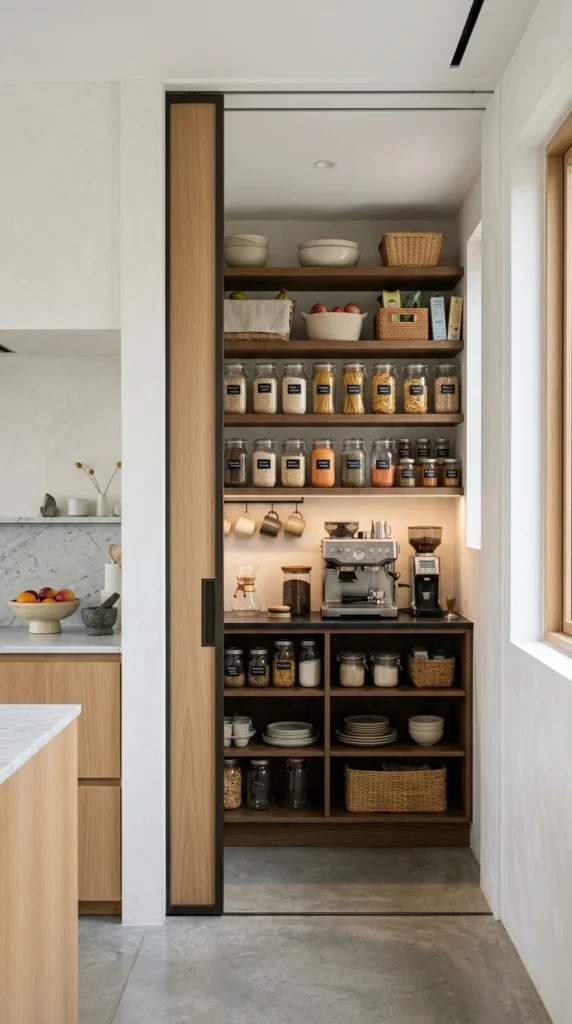
The “scullery” or “butler’s pantry” is making a massive comeback, but with a 2026 twist. Homeowners are opting for a “kitchen within a kitchen.” The main area remains a pristine zone for entertaining, while the heavy lifting—toasting bread, brewing coffee, and storing dry goods—happens behind closed doors.
These hidden pantries often feature pocket doors that slide away to reveal a fully functional workspace. This allows the main kitchen to maintain a minimalist aesthetic, free from the visual clutter of blenders, toasters, and spice racks.
5. Bold Monochromes
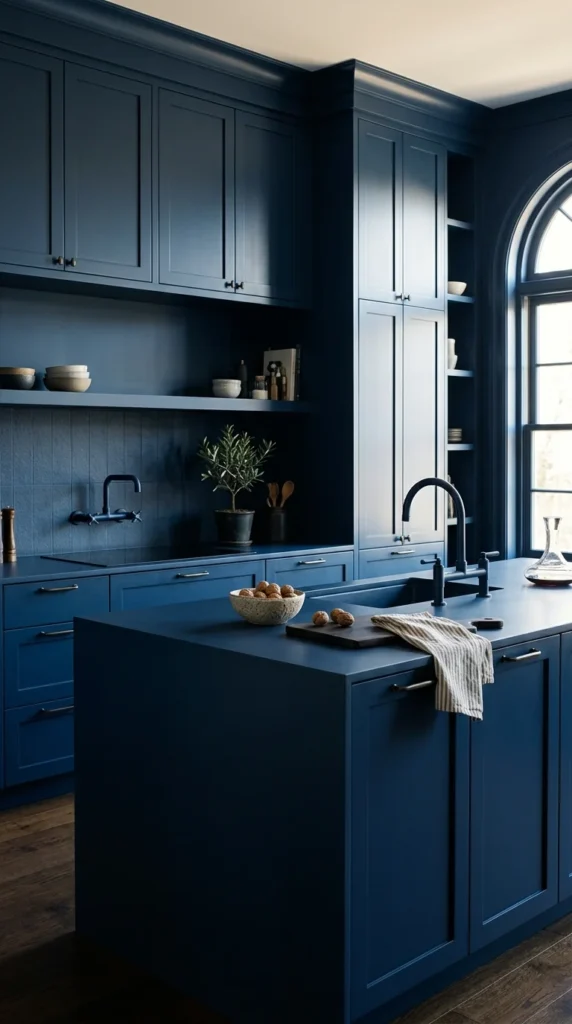
While all-white kitchens will always have a place, 2026 is the year of the bold monochrome. We are seeing kitchens drenched in single, evocative colors—deep forest greens, moody burgundies, or matte midnight blues.
The trick to making this look work is the use of varying textures within the same color palette. For example, a matte navy cabinet paired with a high-gloss navy backsplash and a honed navy soapstone counter creates depth without the need for contrasting colors. It’s a sophisticated, high-fashion approach to interior design.
6. Statement Stones
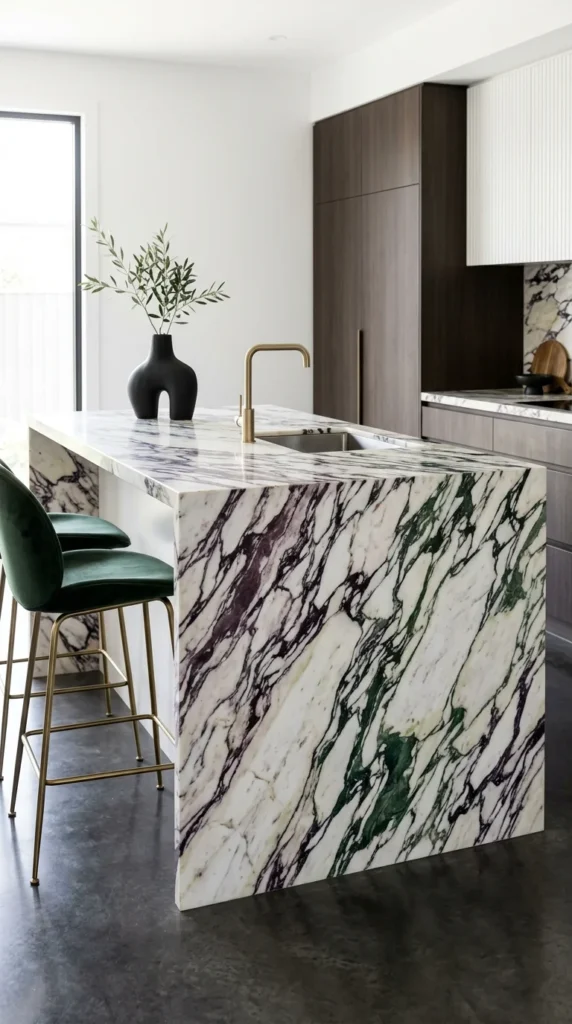
Subtle veining is out; dramatic, “look-at-me” stone is in. In 2026, the kitchen island is treated as a piece of sculpture. Homeowners are sourcing rare marbles, quartzites, and travertines with heavy, colorful veining and unique mineral deposits.
These stones act as the primary artwork of the room. Designers are also “wrapping” islands, where the stone continues from the countertop down the sides (waterfall edge) and even onto the floor, creating a monolithic, seamless appearance that exudes luxury.
7. Floating Shelves
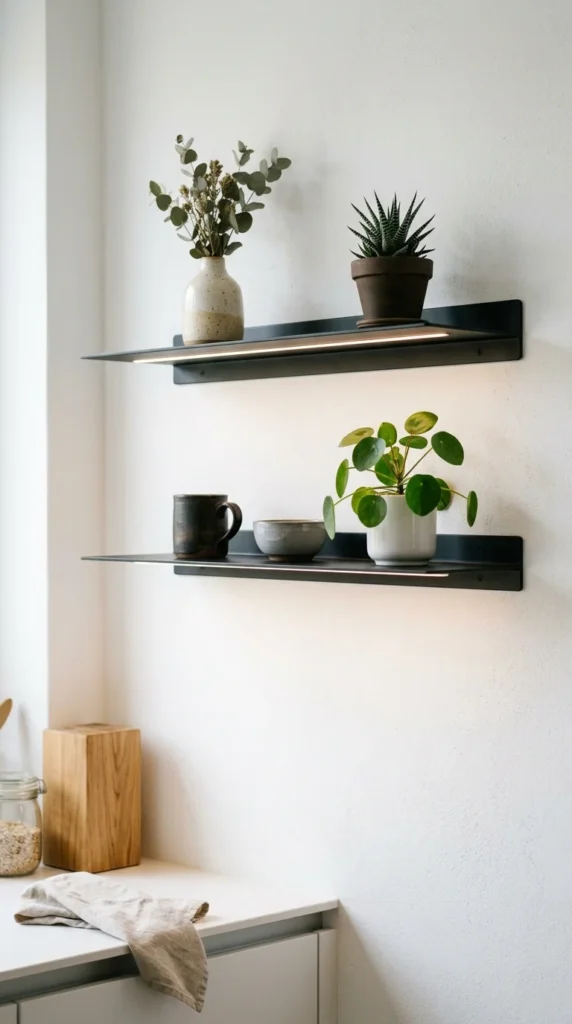
Upper cabinets are slowly disappearing in favor of a more open, airy aesthetic. Floating shelves, often integrated with hidden LED lighting, allow homeowners to display curated collections of ceramics and glassware.
This trend makes even small kitchens feel significantly larger by opening up the eye-line. To keep this functional, the lower cabinets are usually fitted with deep, heavy-duty drawers to handle the storage of pots, pans, and less-attractive daily dishes.
8. Indoor Gardens
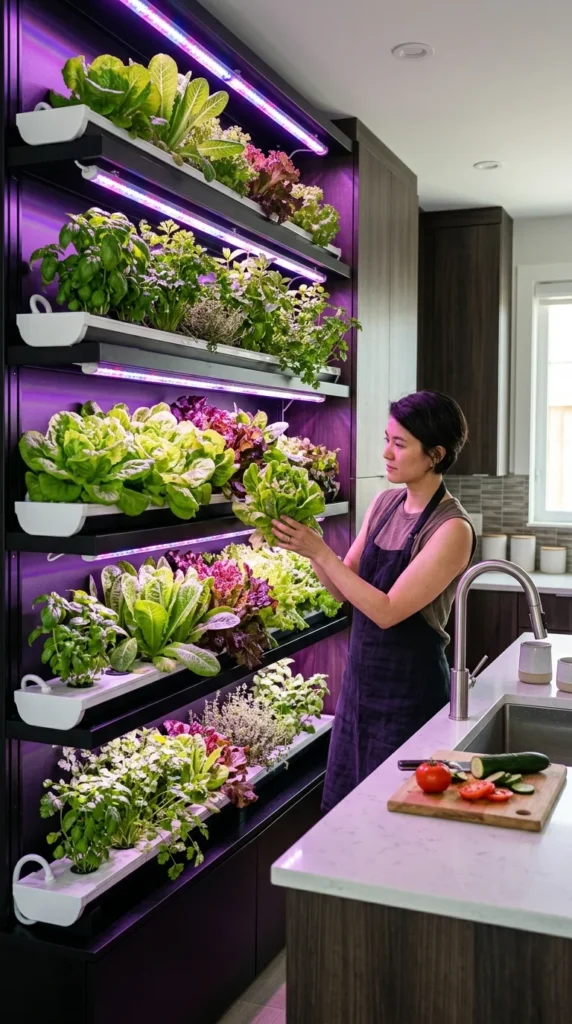
The “farm-to-table” movement is moving into the “closet-to-table” era. Modern kitchens in 2026 often include integrated hydroponic systems. These are built directly into the cabinetry or the island, allowing you to grow fresh herbs, microgreens, and even small vegetables year-round.
Beyond the culinary benefits, these living walls act as natural air purifiers and bring a burst of vibrant green into the home. It’s the ultimate expression of biophilic design, connecting the high-tech interior with the natural world.
9. Sculptural Lighting
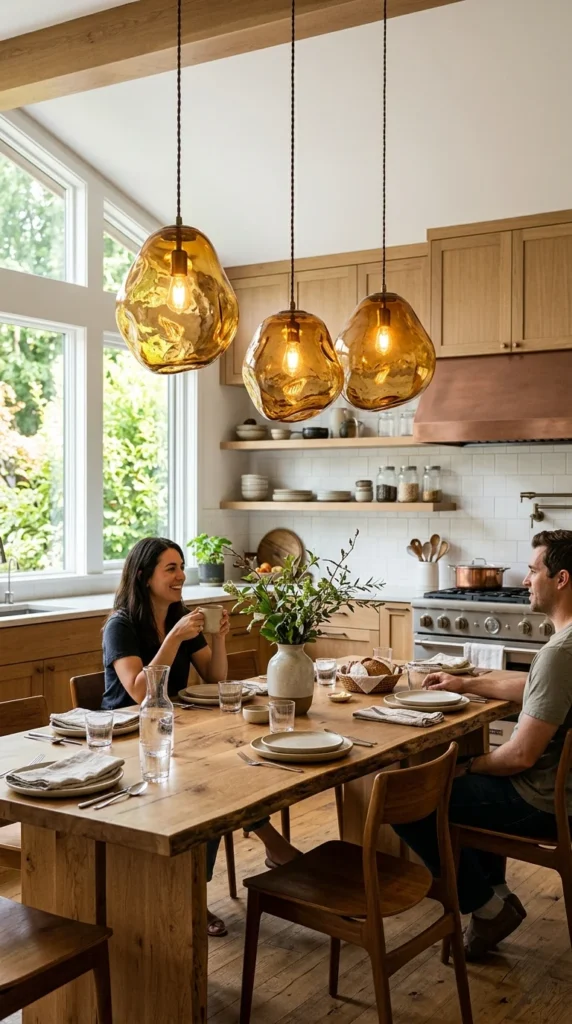
Lighting in 2026 is about more than just illumination; it’s about making a statement. We are seeing a move away from recessed “can” lights toward oversized, sculptural pendants and chandeliers.
These fixtures often use smart-glass technology that can change transparency or color temperature based on the time of day. During the morning, the light is crisp and blue-toned to energize the household; as evening approaches, it shifts to a warm, sunset amber to promote relaxation and melatonin production.
10. Mixed Textures
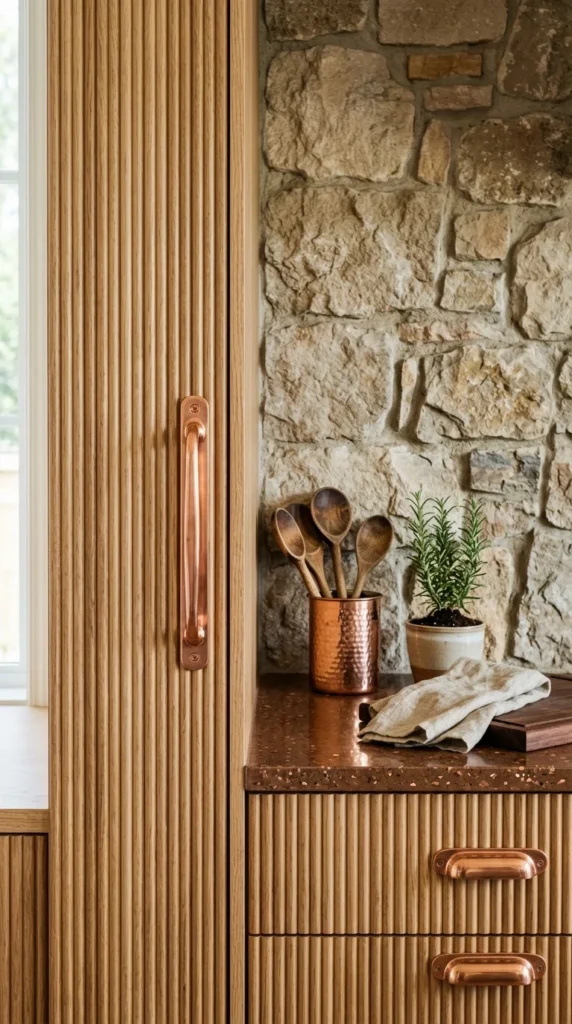
The most successful kitchens of 2026 avoid looking “one-note” by layering a variety of tactile surfaces. The combination of fluted or ribbed wood panels against cold, smooth stainless steel creates a sensory experience.
Mixing metals is also encouraged—think brass faucets paired with stainless steel appliances and blackened steel light fixtures. This “collected over time” look prevents the kitchen from feeling like a sterile showroom and instead gives it the warmth and character of a true living space.