
Creating a nursery is one of the most exciting milestones of parenthood. It is more than just a room; it is a sanctuary where you will bond with your baby, navigate late-night feedings, and watch your child take their first steps toward exploring the world. Designing this space requires a delicate balance between aesthetic beauty and practical functionality. Whether you lean toward modern minimalism or whimsical fairy tales, the right design can create a calming environment for both the baby and the parents.
1. Scandinavian Simplicity
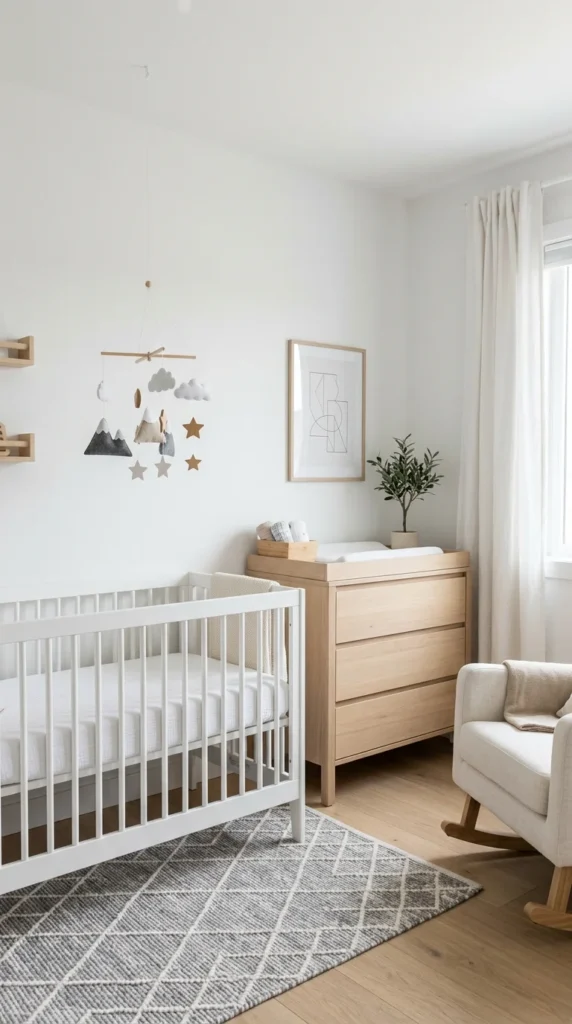
The Scandinavian style, often referred to as “Scandi,” is a perennial favorite for nurseries because of its focus on clean lines, functionality, and a bright, airy feel. This design philosophy utilizes a neutral color palette—mostly whites, greys, and light wood tones—to create a sense of serenity.
To achieve this look, opt for a “less is more” approach. Choose furniture with tapered legs and smooth finishes. Use natural materials like wool, cotton, and light-colored timber to add warmth to the room without cluttering it. The beauty of a Scandinavian nursery lies in its ability to grow with the child; the neutral backdrop makes it easy to transition from a baby room to a toddler space simply by swapping out accessories.
2. Jungle Adventure
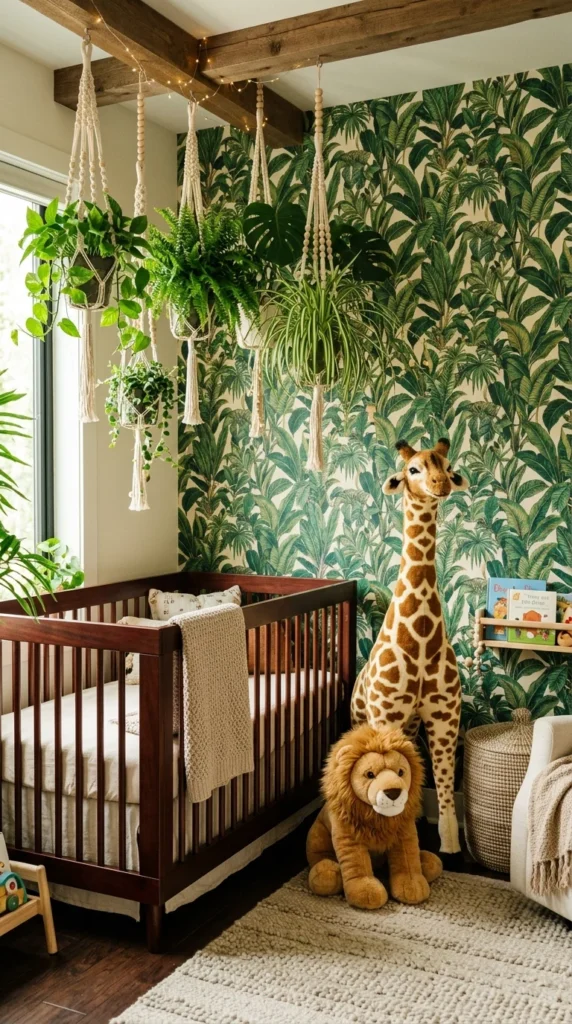
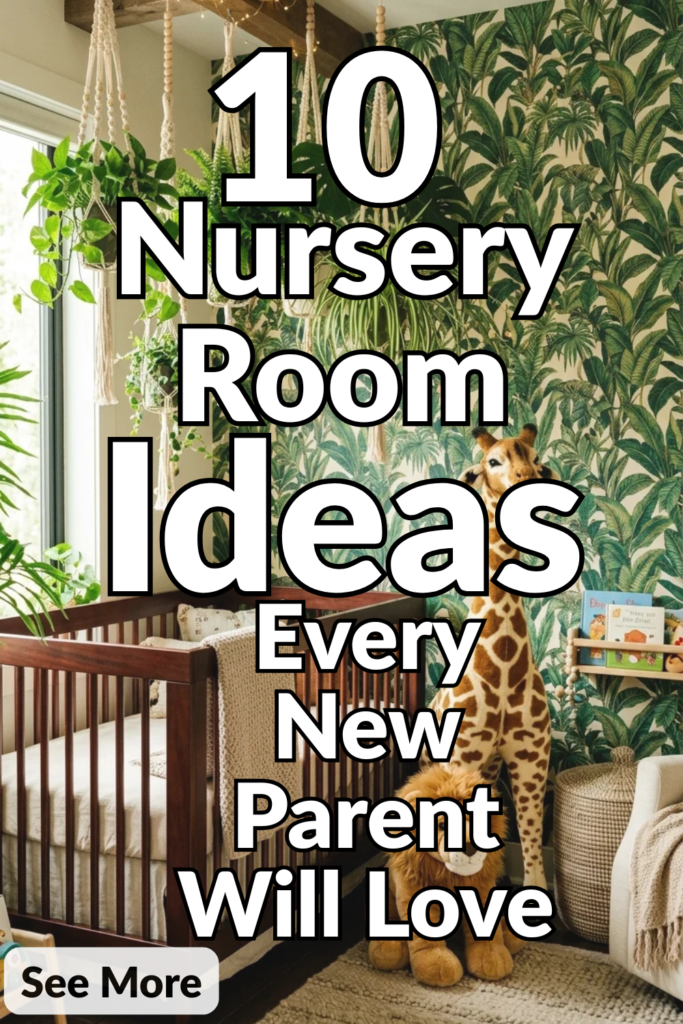
For parents who want to foster a sense of wonder and exploration, a jungle or safari theme is an excellent choice. This theme allows for bold uses of color and texture. Think deep forest greens, mustard yellows, and earthy browns.
Wall decals or wallpaper featuring large palm leaves or exotic animals can serve as a stunning focal point. To keep the room from feeling too dark, balance the bold patterns with natural light and lighter flooring. Incorporating “trophy” plush animal heads on the wall or a large standing giraffe toy adds a playful, three-dimensional element that sparks a child’s imagination.
3. Vintage Charm
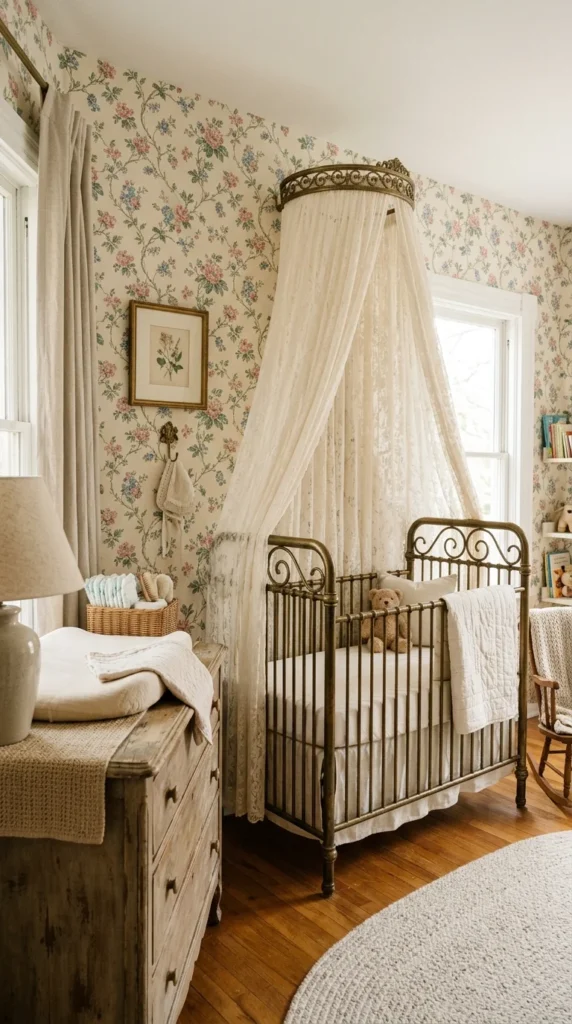
Vintage-inspired nurseries evoke a sense of nostalgia and timeless elegance. This style often features “shabby chic” elements, such as distressed wood, wrought iron, and heirloom-quality furniture. The color palette usually leans toward dusty roses, sage greens, and creamy whites.
The key to a successful vintage nursery is the details. Look for a classic spindle crib or a brass frame. Use framed botanical prints or vintage storybook illustrations as wall art. Repurposing an old dresser by adding a changing pad on top not only saves space but adds a unique character to the room that modern furniture often lacks.
4. Celestial Dreams
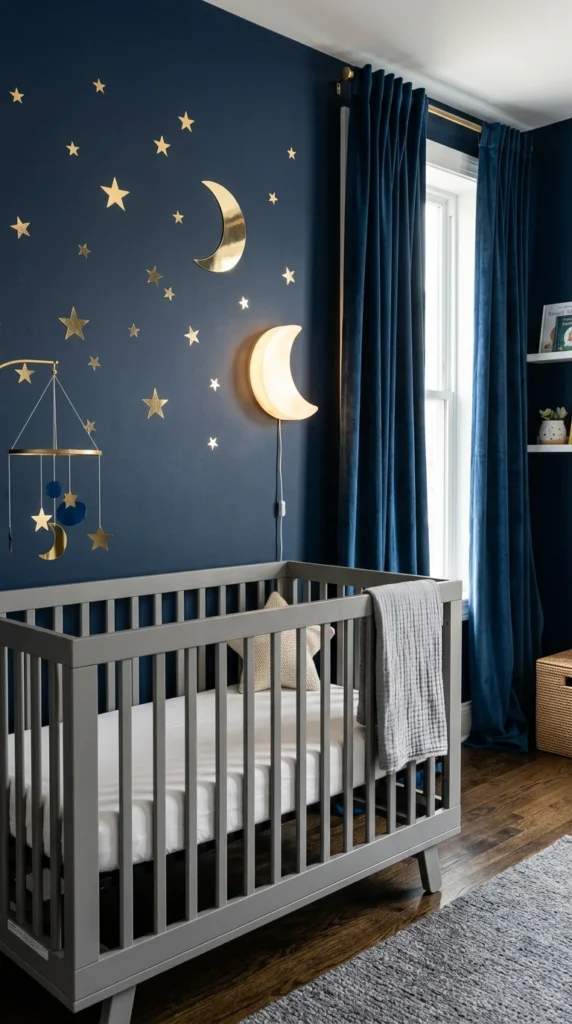
There is something inherently calming about the night sky, making it a perfect theme for a room intended for sleep. A celestial nursery uses deep blues, purples, and shimmering metallics like gold or silver to create a cosmic atmosphere.
You can create a “feature wall” using navy blue paint and gold star decals, or even a mural of the constellations. Lighting plays a huge role here; consider a star projector that casts a soft glow on the ceiling or a crescent moon wall lamp. This theme is sophisticated enough to last well into the school years, providing a cool and calming space for an older child as well.
5. Boho Chic
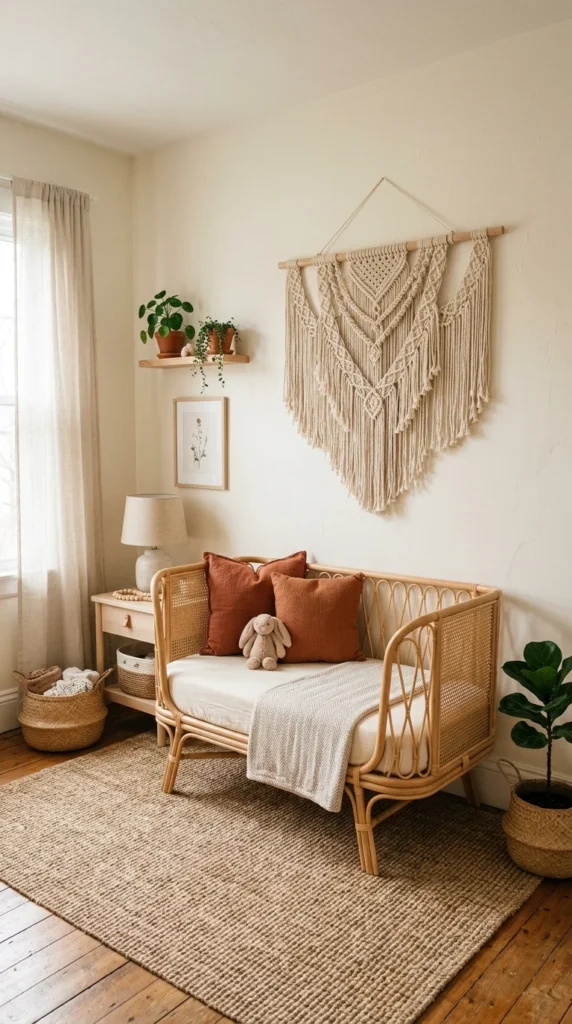
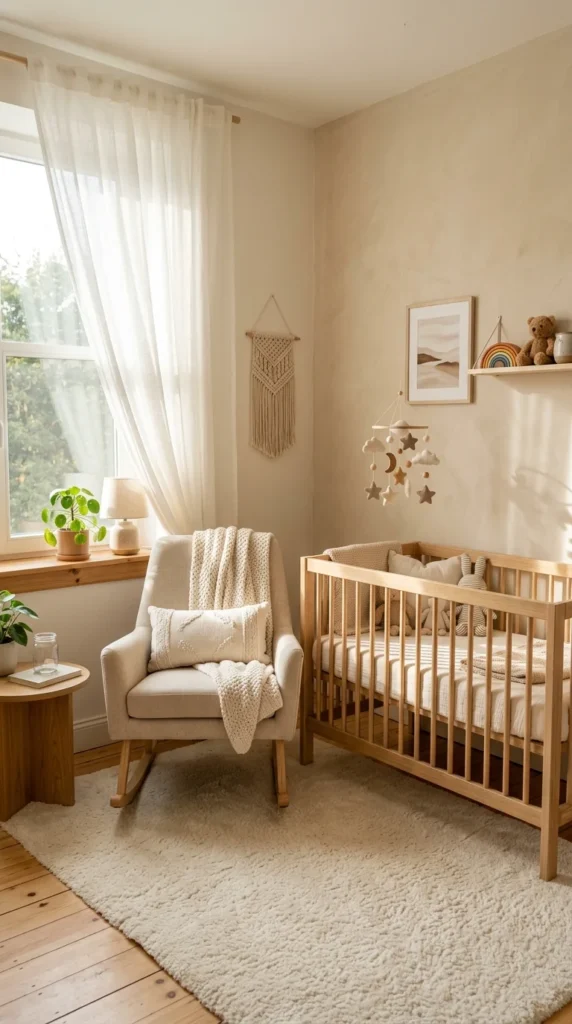
The bohemian (Boho) style is all about texture, warmth, and a relaxed, global feel. It heavily emphasizes natural fibers and handcrafted items. This theme is perfect for parents who want a gender-neutral space that feels cozy and lived-in.
Incorporate elements like rattan furniture, wicker baskets for toy storage, and layered rugs. A macramé mobile or wall hanging adds a soft, tactile element to the walls. Use a palette of “earth tones”—think terracotta, ochre, sand, and olive. Plants (safe, non-toxic varieties) are also a staple of the Boho look, bringing a touch of the outdoors inside.
6. Smart Storage
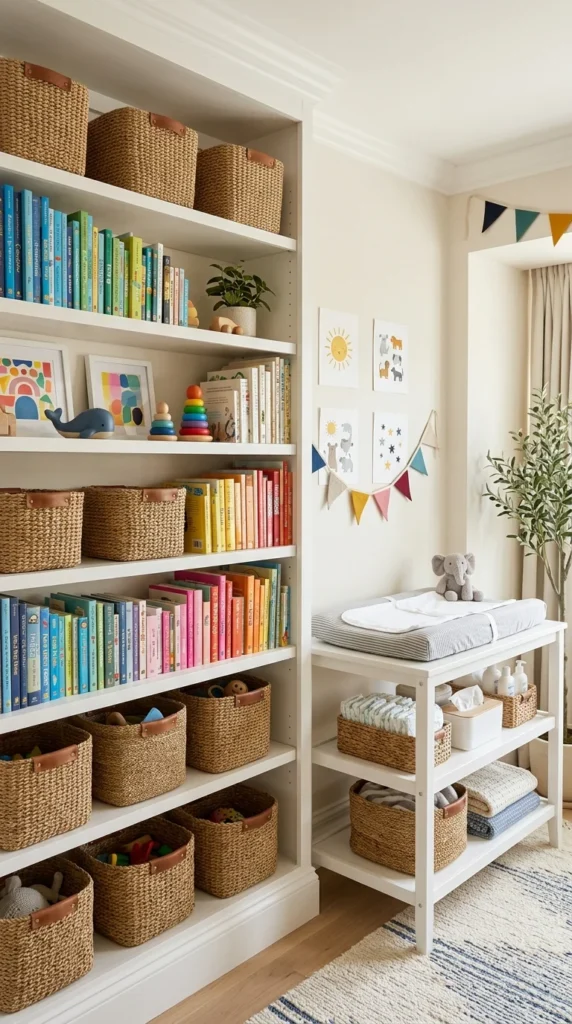
In a nursery, storage is not just a luxury; it is a necessity. Between diapers, clothes, toys, and books, the amount of “stuff” can quickly become overwhelming. The goal is to maximize every inch of the room without making it feel cramped.
Consider vertical storage solutions like floating shelves or tall bookcases. Under-crib storage bins are perfect for items you don’t need every day, like extra blankets or out-of-season clothes. Using a mix of open shelving for beautiful items (like books and wooden toys) and closed baskets for the “messier” essentials (like diaper cream and wipes) keeps the room looking curated and tidy.
7. Cozy Seating
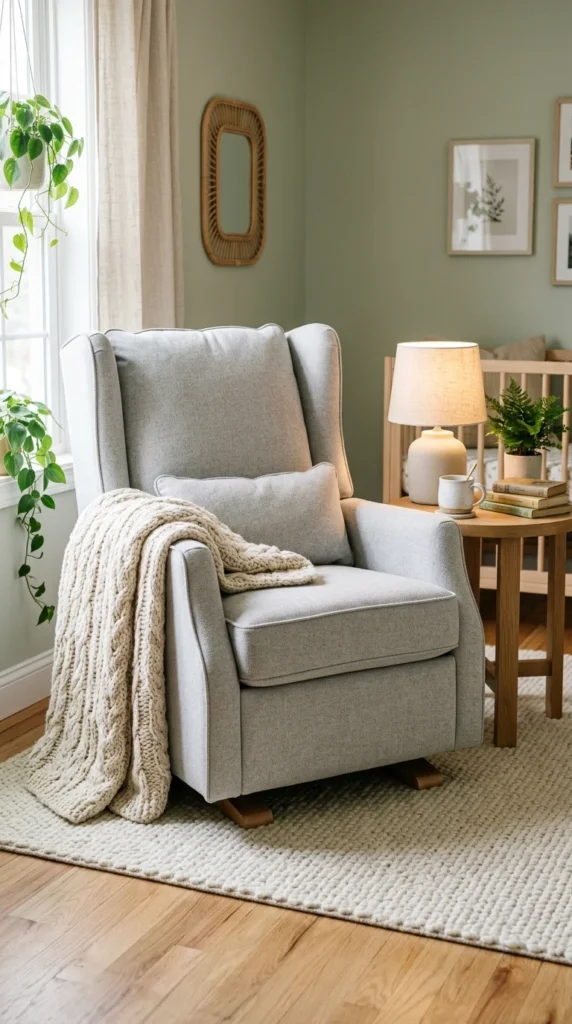
While the crib is for the baby, the seating area is for the parents. You will spend countless hours in this chair, so comfort is paramount. A high-quality glider or rocker with proper lumbar support is a worthwhile investment.
Place the chair in a corner with a small side table and a dimmable lamp. This creates a “feeding nook” where you have everything you need within arm’s reach—a bottle of water for you, a burp cloth for the baby, and a book to read during those long sessions. Choose a fabric that is easy to clean, as spills and spit-ups are inevitable in this corner of the room.
8. Layered Lighting
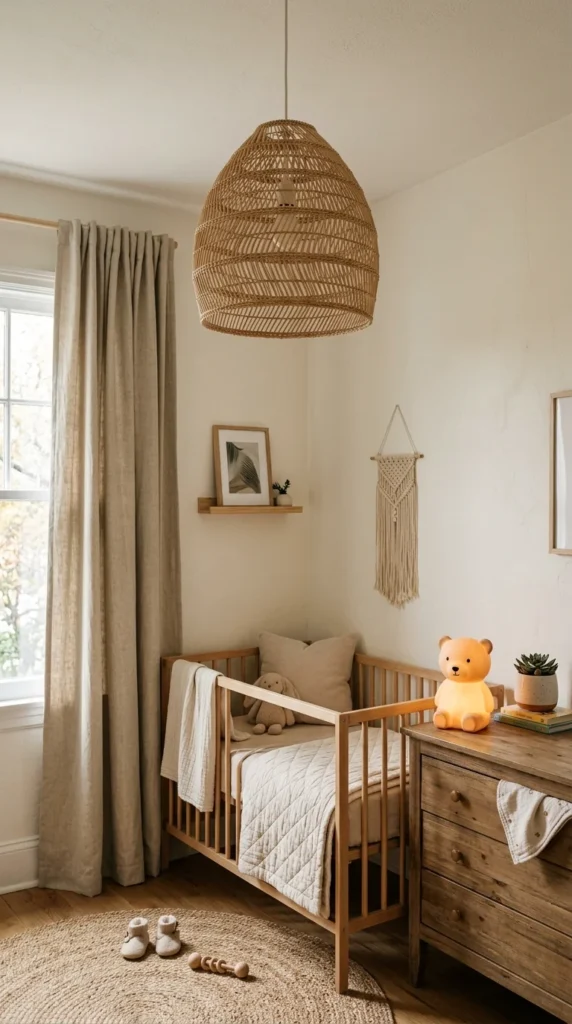
Lighting can make or break the functionality of a nursery. You need bright light for diaper changes and cleaning, but you also need very soft, dim light for midnight feedings and to signal to the baby that it’s time to sleep.
The best approach is a layered lighting plan. Use a dimmable overhead fixture for general use. Add a dedicated nightlight that provides just enough glow to see by without fully waking the baby. Finally, never underestimate the power of blackout curtains. They are essential for daytime naps and for keeping the room cool during the summer months, ensuring the baby’s sleep cycle remains uninterrupted by the outside world.
9. Earthy Neutrals
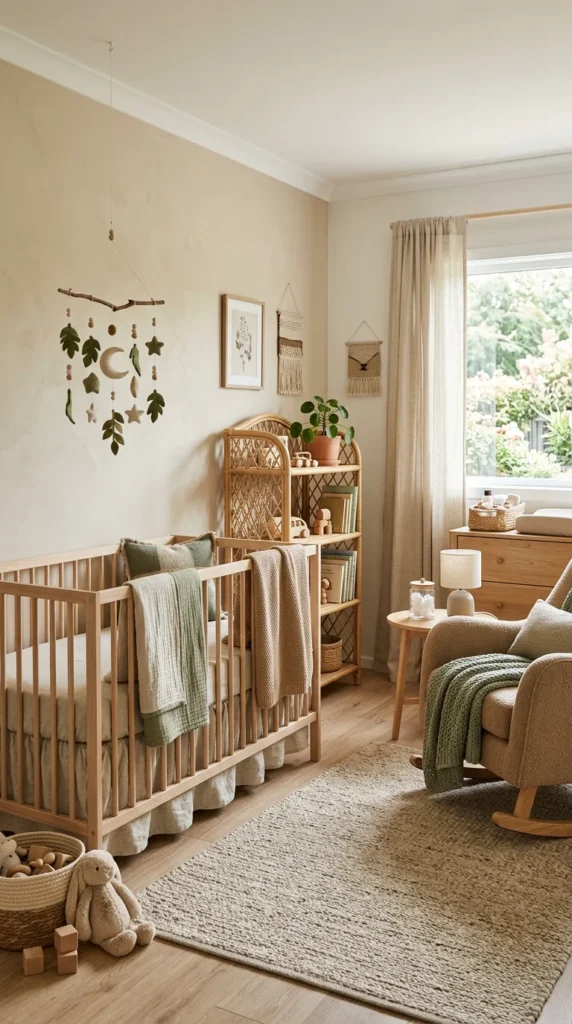
Moving away from the traditional “pink for girls, blue for boys” mindset, earthy neutrals have become a dominant trend in nursery design. Colors like oatmeal, sage, clay, and stone create a grounded and peaceful environment.
This palette is incredibly versatile and works well with almost any furniture style. To prevent a neutral room from feeling flat, focus on “texture.” Use a chunky knit rug, a velvet pillow, or a linen curtain. These different surfaces reflect light differently and add visual interest to the room without the need for loud, distracting colors.
10. Whimsical Pastels
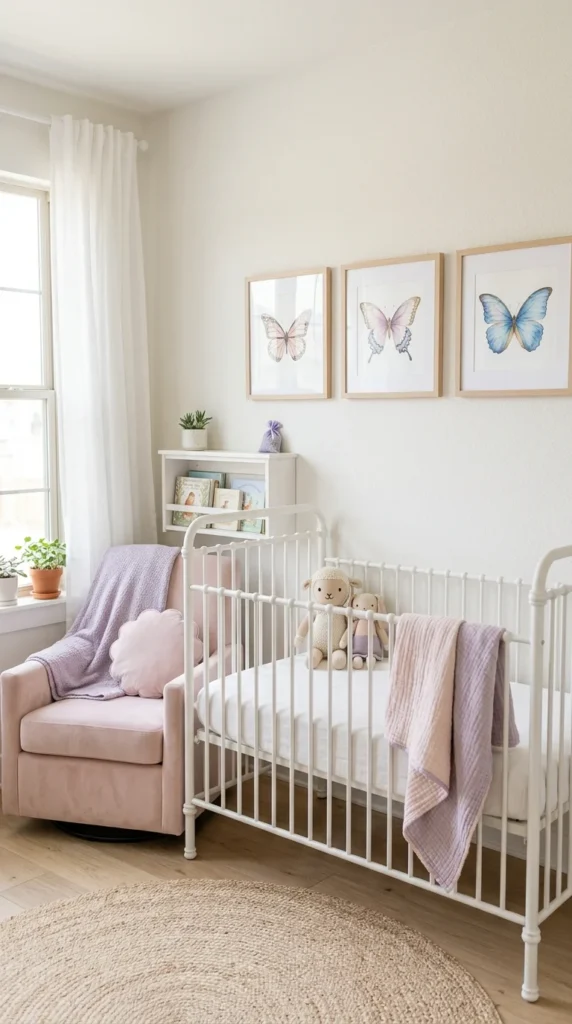
For those who love a classic, dreamy look, whimsical pastels are the way to go. Instead of saturated primary colors, these “watered-down” hues provide a gentle visual experience for a newborn whose eyes are still adjusting to the world.
Mint green, lemon yellow, sky blue, and soft peach can be mixed and matched to create a playful yet sophisticated space. Use these colors in the bedding, wall art, or even a painted dresser. Integrating whimsical elements like a canopy over the crib or a cloud-shaped rug enhances the “fairytale” feel of the room, making it a magical place for your child to grow.
Safety and Layout Considerations
While aesthetics are important, safety is the foundation of any nursery. When planning your layout, keep the following in mind:
- Crib Placement: Keep the crib away from windows to avoid drafts and to ensure the baby cannot reach cords for blinds or curtains.
- Anchor Everything: Secure heavy furniture like dressers and bookshelves to the wall using furniture straps to prevent tipping as the child begins to pull themselves up.
- The Golden Triangle: Try to arrange the crib, the changing table, and the nursing chair in a functional triangle to minimize the steps you need to take during the night.
- Air Quality: Ensure the room is well-ventilated and consider using Low-VOC (Volatile Organic Compound) paints to keep the air fresh and free of chemical odors.
Designing a nursery is a journey of love and preparation. By combining your personal style with these creative ideas, you can create a room that is not only beautiful to look at but also a functional, safe, and nurturing environment for your new arrival.