
The living room is the undisputed heart of the home. it is where we unwind after a long day, gather with loved ones for celebrations, and express our unique design personalities. Whether you are working with a sprawling open-concept space or a cozy urban apartment, the right design can transform a simple room into a sanctuary.
Creating a beautiful living room isn’t just about following trends; it’s about finding a balance between comfort, functionality, and aesthetic appeal. From the raw textures of industrial lofts to the serene simplicity of Scandinavian retreats, here are 12 stunning living room ideas to inspire your next home makeover.
1. Minimalist Zen
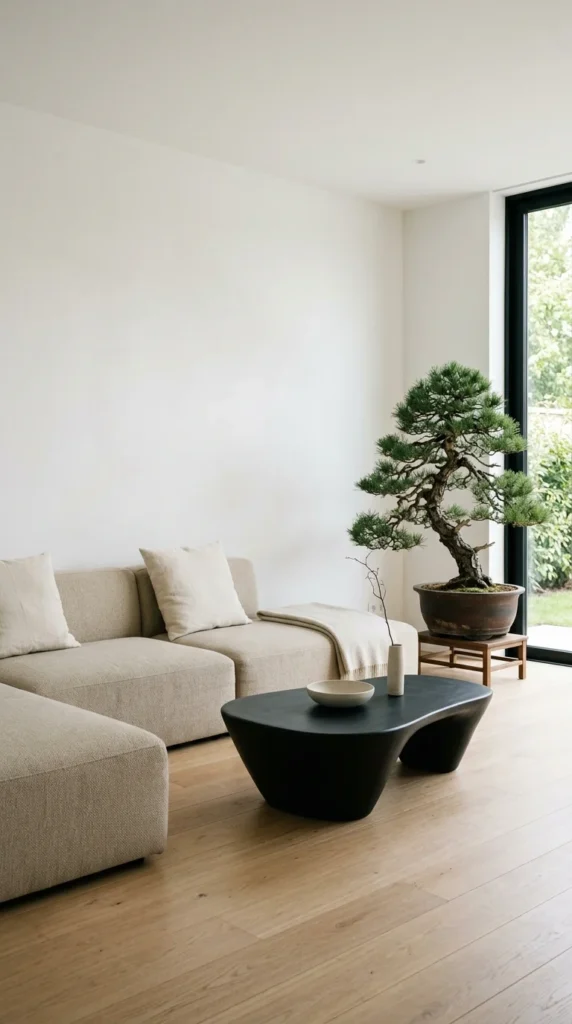
Minimalism is far more than just “clearing clutter.” It is a philosophy that focuses on the “less is more” approach to create a sense of peace and clarity. In a minimalist Zen living room, every piece of furniture serves a purpose. The color palette is typically restricted to whites, creams, and soft greys, allowing the architectural lines of the room to shine.
To achieve this look, opt for low-profile furniture that keeps the sightlines open. Use hidden storage solutions to keep surfaces clear of everyday items. Texture plays a crucial role here—since you aren’t using color for visual interest, use a mix of linen, smooth stone, and light woods to add depth without overwhelming the senses.
2. Industrial Chic
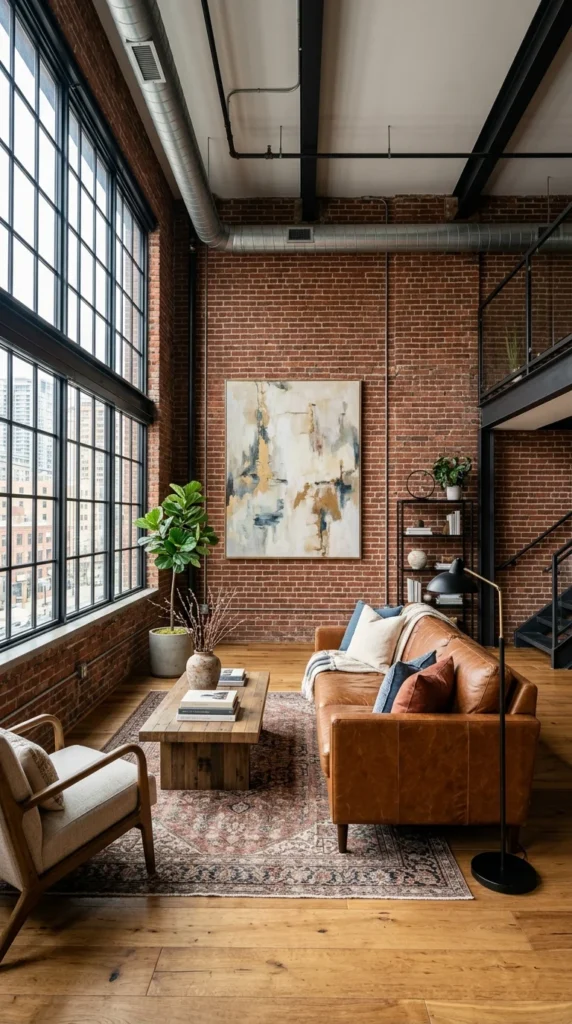
Born from the conversion of old factories and warehouses into residential spaces, the industrial style celebrates raw, unfinished materials. This look is characterized by a “rough around the edges” charm that manages to feel both edgy and sophisticated. Key elements include exposed brick, concrete floors, and metal accents.
To bring industrial chic into your home, look for furniture made from reclaimed wood and iron. A large leather sofa—the more weathered, the better—acts as the perfect centerpiece. Don’t be afraid to leave structural elements like pipes or ceiling beams exposed. Soften the harshness of the metal and stone with oversized rugs and plush throw pillows in neutral tones.
3. Coastal Retreat
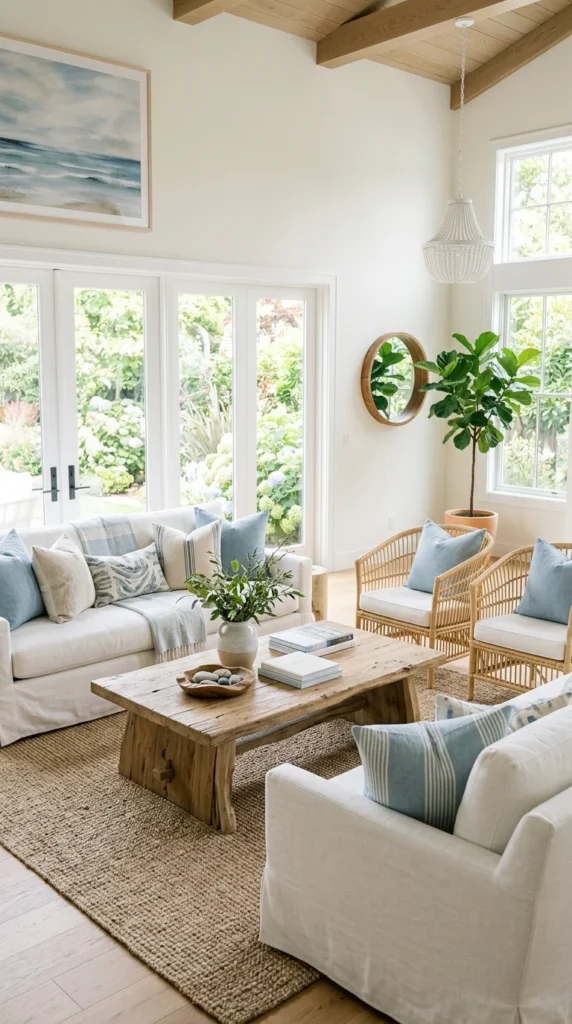
You don’t need to live by the ocean to enjoy the breezy, relaxed vibe of a coastal retreat. This style is all about light, air, and a connection to nature. The color palette is inspired by the shore: sandy beiges, crisp whites, and various shades of seafoam green and navy blue.
Focus on natural materials like rattan, jute, and light-washed woods. Slipcovered sofas are a staple of this look, offering a casual and practical seating option that is easy to clean. Decorate with subtle nods to the sea, such as oversized shells, pieces of driftwood, or landscape photography that evokes a sense of horizon and calm.
4. Bohemian Rhapsody
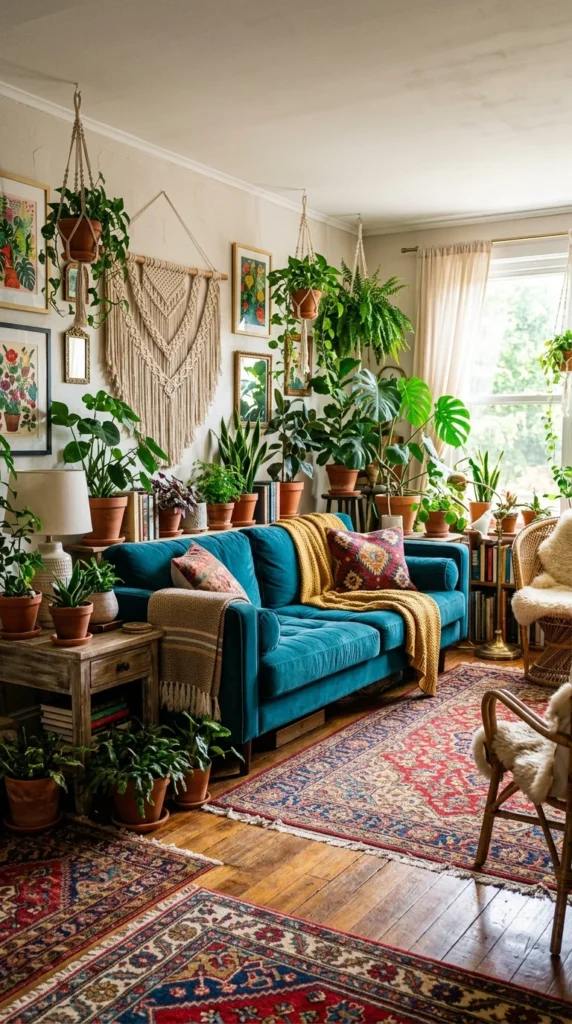
For those who love color, texture, and a global aesthetic, the Bohemian (or “Boho”) style is the perfect fit. This design choice is inherently personal and rule-breaking, encouraging a mix of patterns, eras, and cultures. It is a style that feels “lived-in” and warm.
The key to a successful Boho living room is layering. Start with a base rug and layer a smaller, patterned rug on top. Use floor cushions and poufs to create a relaxed, communal seating area. Incorporate plenty of greenery; hanging plants like Pothos or tall Snake plants add life and a sense of “urban jungle” to the space. Don’t worry about things matching—Boho is about the harmony of the eclectic.
5. Mid-Century Modern
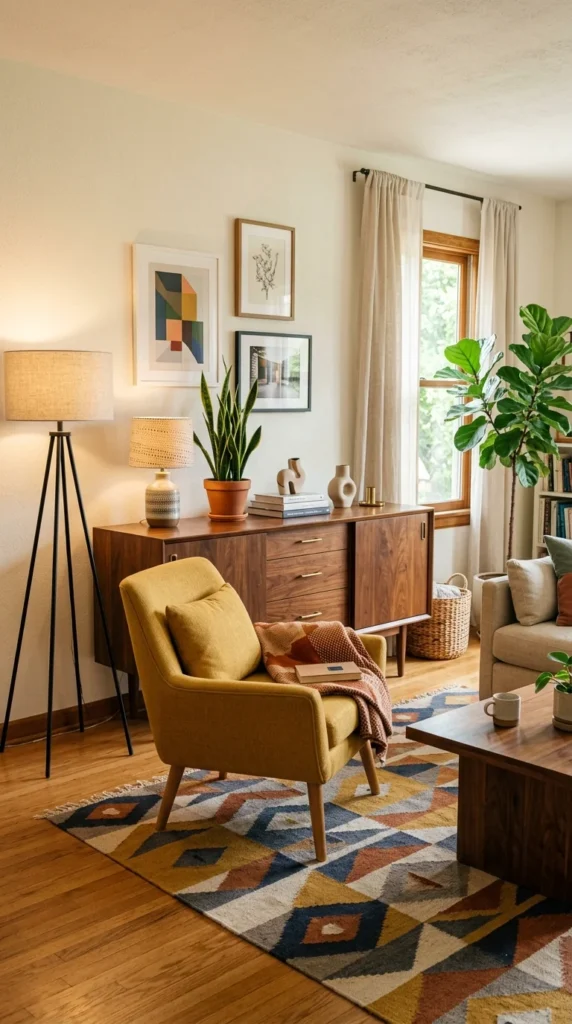
Mid-century modern (MCM) remains one of the most popular interior design styles for a reason. Originating in the mid-20th century, this look focuses on organic shapes, clean lines, and a seamless flow between the indoors and outdoors. It’s a nostalgic yet timeless aesthetic that fits beautifully in modern homes.
When designing an MCM living room, look for furniture with iconic tapered legs and “peg” feet. Materials like teak, walnut, and oak are staples. Bold accent colors—such as burnt orange, avocado green, or mustard yellow—can be introduced through upholstery or wall art. Keep the decor curated; a few high-quality statement pieces are better than a room full of trinkets.
6. Scandinavian Hygge
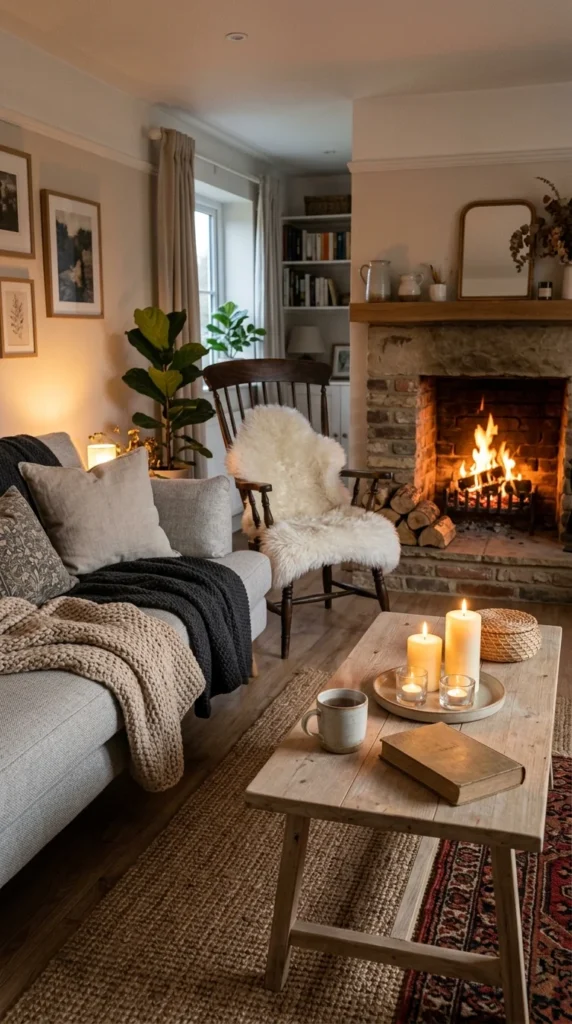
The Danish concept of “Hygge” (pronounced hoo-ga) is all about coziness, contentment, and well-being. A Scandinavian living room is designed to be a refuge from the cold, focusing on warmth and light. The color palette is typically very light—mostly whites and soft greys—to maximize the reflection of natural light.
To create your own Hygge haven, prioritize comfort. Think thick knit blankets, faux fur throws, and plenty of pillows. Natural wood elements help warm up the white walls. Lighting is perhaps the most important element; instead of one bright overhead light, use a combination of floor lamps, table lamps, and candles to create a soft, inviting glow.
7. Luxury Glamour
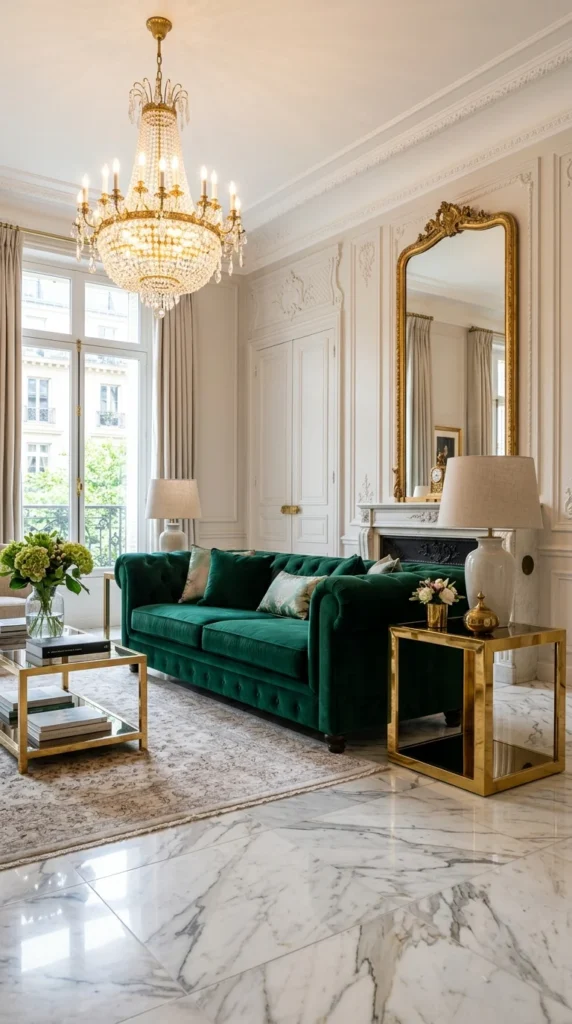
If you want your living room to feel like a boutique hotel or a scene from a classic film, Luxury Glamour is the way to go. This style is unapologetically bold and high-end, utilizing rich materials and dramatic accents to create an atmosphere of opulence.
Velvet is the fabric of choice for this look—think deep jewel tones like sapphire, amethyst, or emerald. Incorporate metallic finishes, particularly gold or brass, in your light fixtures, mirror frames, and furniture legs. Mirrored surfaces and marble coffee tables add a layer of reflective shine that makes the room feel expansive and expensive.
8. Rustic Farmhouse
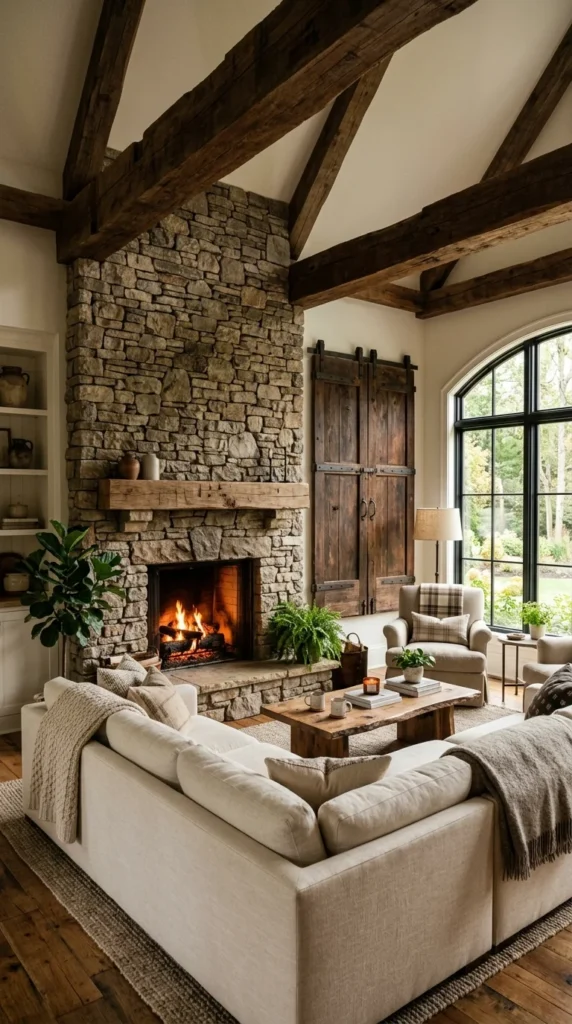
The modern farmhouse style blends the sturdy, practical elements of country living with contemporary comforts. It’s a style that feels grounded, family-oriented, and incredibly sturdy. The color palette is usually anchored in warm whites and earthy browns.
Key features include shiplap walls, large wooden beams, and oversized, comfortable furniture. A large, reclaimed wood coffee table often serves as the room’s focal point. Mix in some vintage-inspired hardware, like black iron sconces or a sliding barn door, to complete the look. The goal is to make the room feel like it has been there for generations.
9. Maximalist Energy
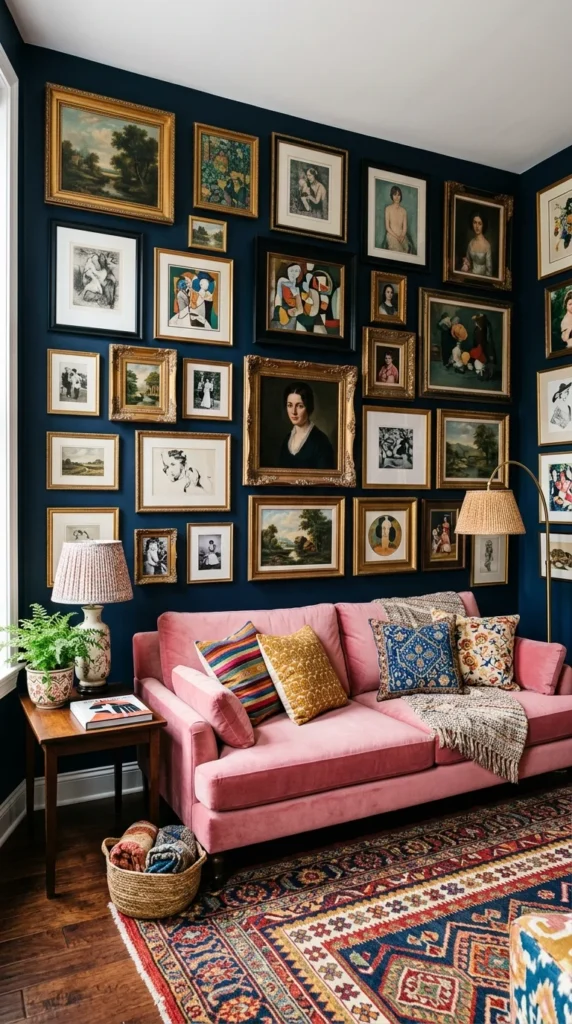
Maximalism is the “more is more” antidote to minimalism. It is a style for the bold, the collectors, and the artists. It’s not about clutter, but about curated excess—filling a room with things you love in a way that feels energetic and intentional.
Start with a bold wall color—dark teal, burgundy, or even a vibrant wallpaper. Build a floor-to-ceiling gallery wall featuring art of different styles and sizes. Mix patterns fearlessly: stripes with florals, or animal prints with geometric shapes. The trick to making maximalism work is having a few recurring colors throughout the room to tie the various elements together.
10. Art Deco Revival
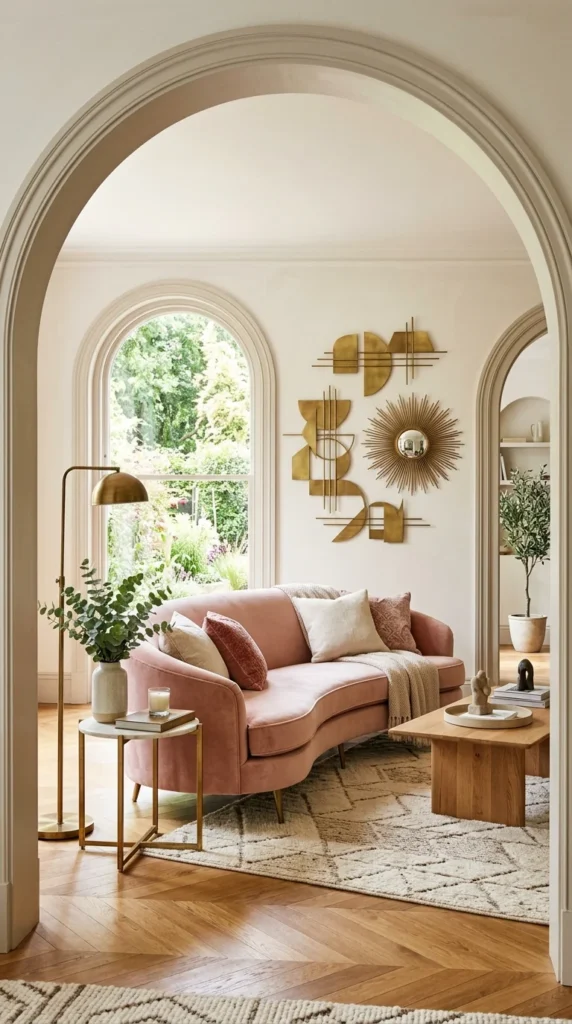
Art Deco is a style that emerged in the 1920s and 30s, characterized by glamour, symmetry, and geometric shapes. A modern revival of this style brings a sense of “Old Hollywood” sophistication to the home. It’s about sharp lines combined with elegant curves.
Look for furniture with rounded edges—curved sofas and “scalloped” chairs are quintessential Art Deco. Use geometric patterns in your rugs or wallpapers. Materials should feel premium: think polished brass, chrome, and high-gloss lacquered wood. A sunburst mirror or a bold, tiered chandelier can serve as the perfect finishing touch.
11. Transitional Balance
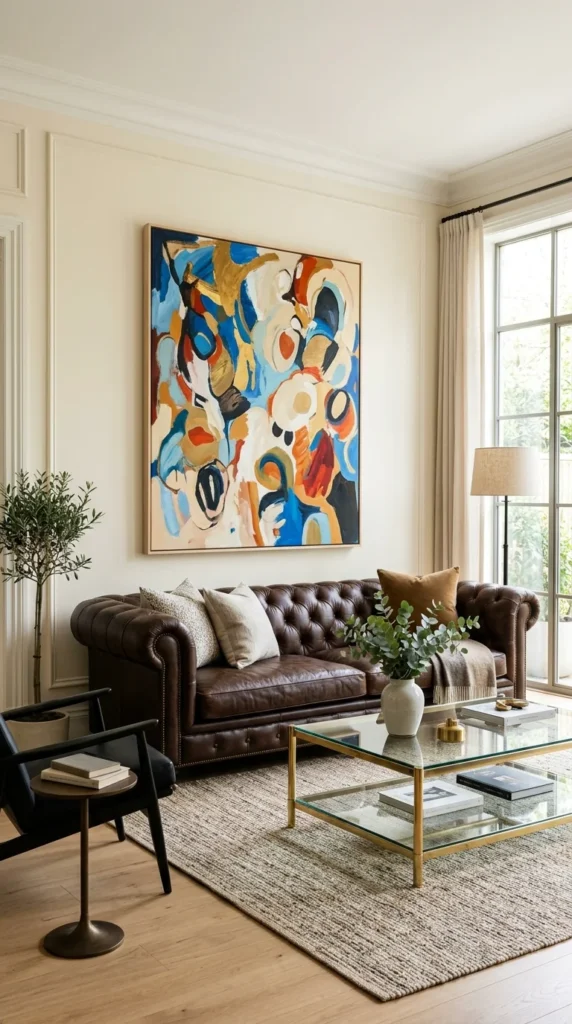
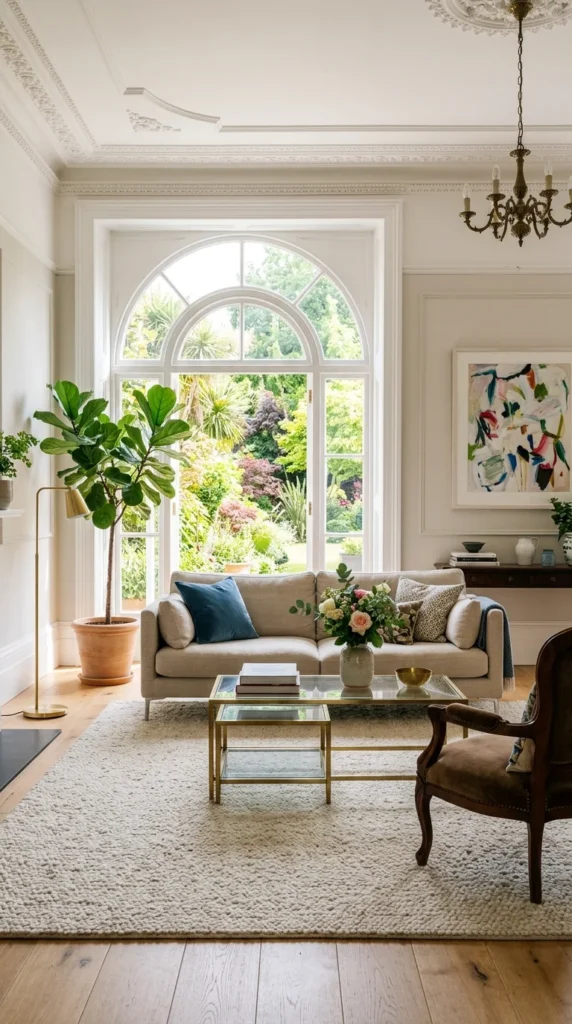
Can’t decide between traditional and modern? Transitional design is the perfect middle ground. It takes the best of both worlds, blending the comfort and elegance of traditional styles with the clean lines and neutral colors of modern design. This results in a room that feels timeless and never “dated.”
In a transitional living room, you might pair a classic tufted sofa with a contemporary glass coffee table. The color palette is usually sophisticated and monochromatic, using shades of taupe, tan, and grey. This allows the mix of furniture styles to coexist without clashing. It is a versatile look that appeals to almost everyone.
12. Biophilic Design
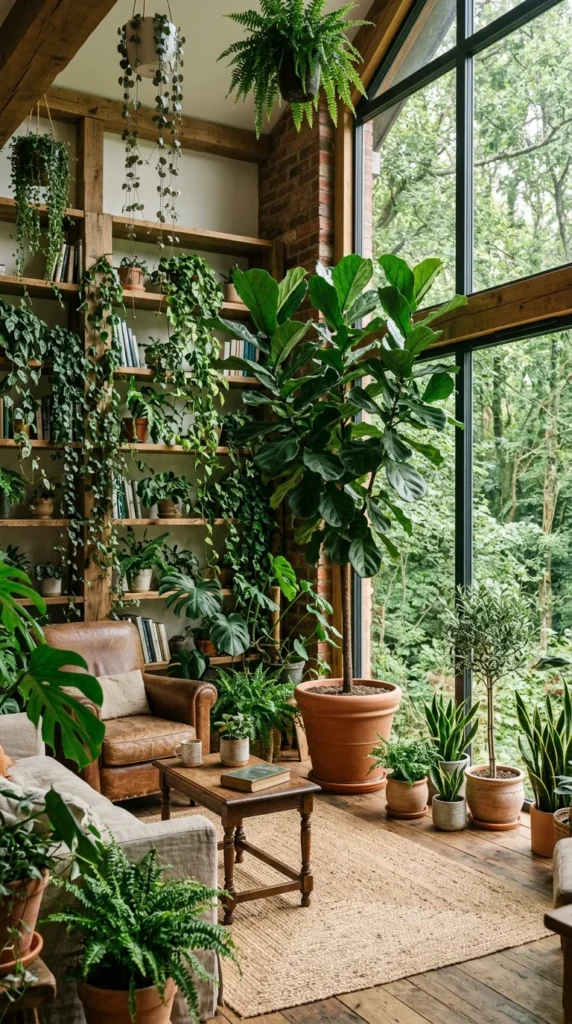
Biophilic design is based on the idea that humans have an innate need to connect with nature. This style focuses on bringing the outdoors in, creating a living room that feels alive and oxygenated. It’s more than just adding a few plants; it’s about making nature the primary design element.
Maximize natural light with sheer curtains or no window treatments at all. Use a variety of indoor plants—from tall trees like Fiddle Leaf Figs to hanging plants like English Ivy. Incorporate natural materials like stone, cork, and unpolished wood. The use of water features or even just a color palette of “earth tones” (greens, browns, and clay) can help reinforce the connection to the natural world.