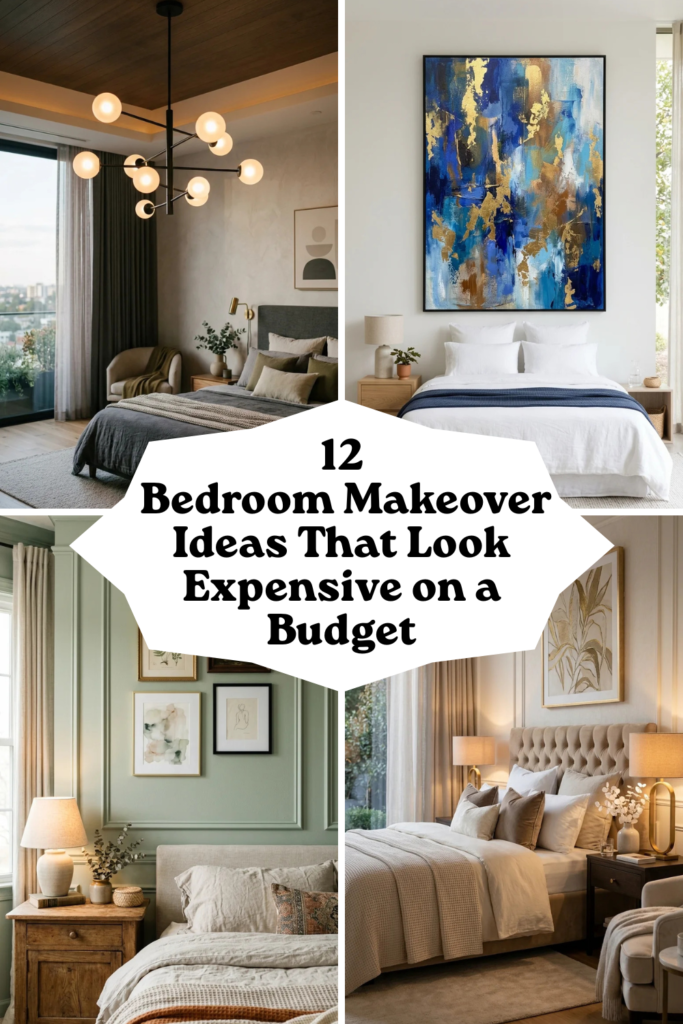

Creating a bedroom that feels like a five-star hotel suite doesn’t require a five-figure renovation budget. In the world of interior design, “expensive” is often less about the price tag and more about the intentionality of the details. By focusing on texture, lighting, and scale, you can transform a lackluster sleeping space into a high-end sanctuary.
Whether you are working with a tiny studio or a spacious master suite, these twelve budget-friendly ideas will help you achieve a sophisticated, “quiet luxury” aesthetic without breaking the bank.
1. Monochromatic Palette
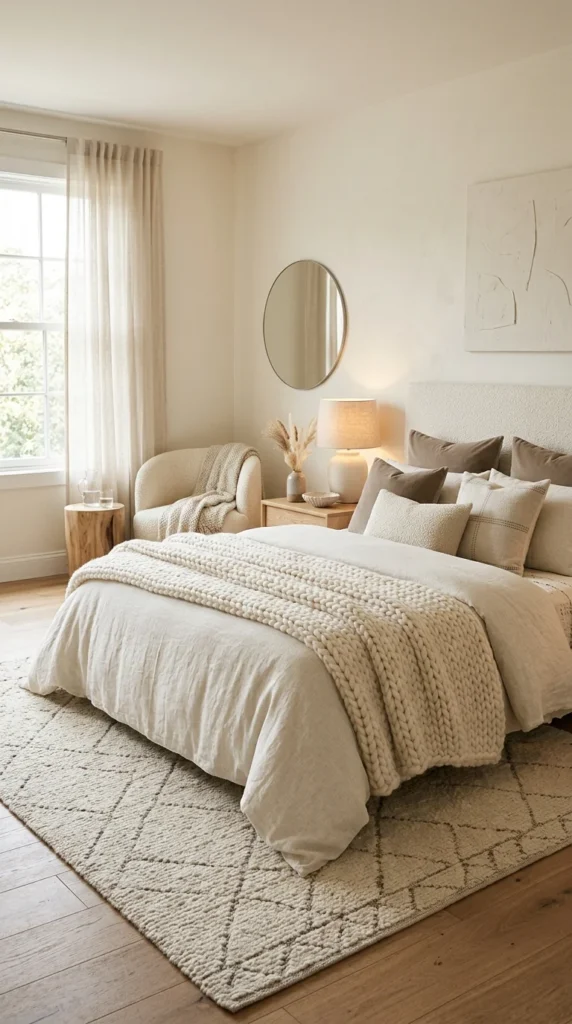
One of the easiest ways to make a room look instantly more expensive is to stick to a monochromatic color scheme. When you layer different shades of the same color—especially neutrals like off-white, greige, or soft charcoal—the room feels curated and harmonious rather than cluttered.
To pull this off without the room feeling “flat,” you must focus on texture. Mix a matte wall paint with a silk-blend rug, a linen duvet, and a wool throw. The subtle shift in how light hits these different materials provides the visual interest that color usually would. This approach mimics the high-end custom designs found in luxury penthouses.
2. Layered Bedding
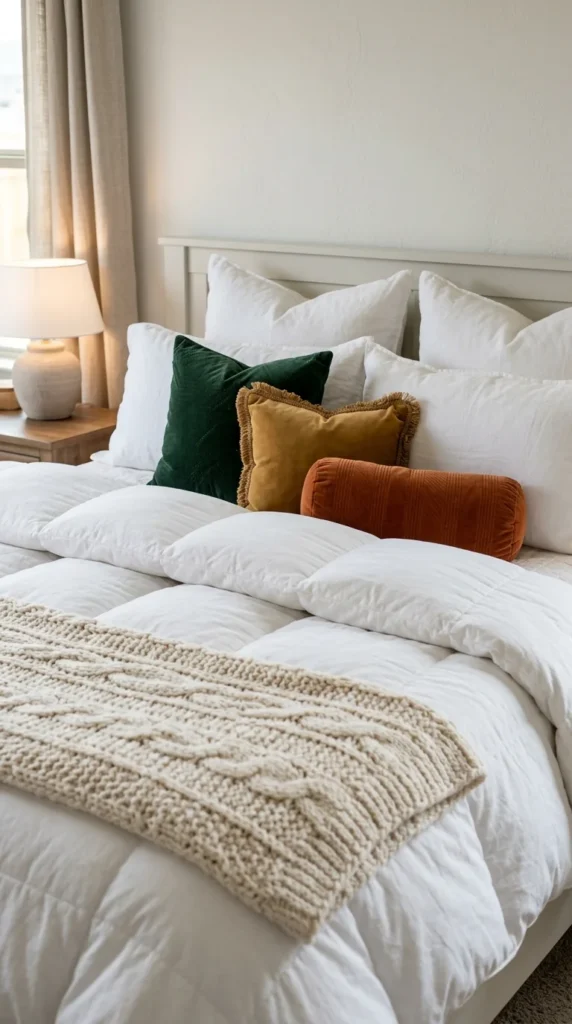
In a luxury bedroom, the bed is the undisputed star of the show. If your bed looks thin or flat, the entire room feels cheap. The secret to an expensive-looking bed is volume. Start with a high-quality duvet insert that is one size larger than your actual bed frame (e.g., a King duvet on a Queen bed) to create a plush, overstuffed look.
Next, layer your pillows. Don’t just stop at the ones you sleep on. Add “Euro shams” (the large square pillows) against the headboard to provide height and a backdrop for smaller decorative pillows. Finally, drape a heavy, textured throw blanket across the bottom third of the bed. This “layered” approach suggests a level of comfort and decadence found in boutique hotels.
3. Statement Lighting
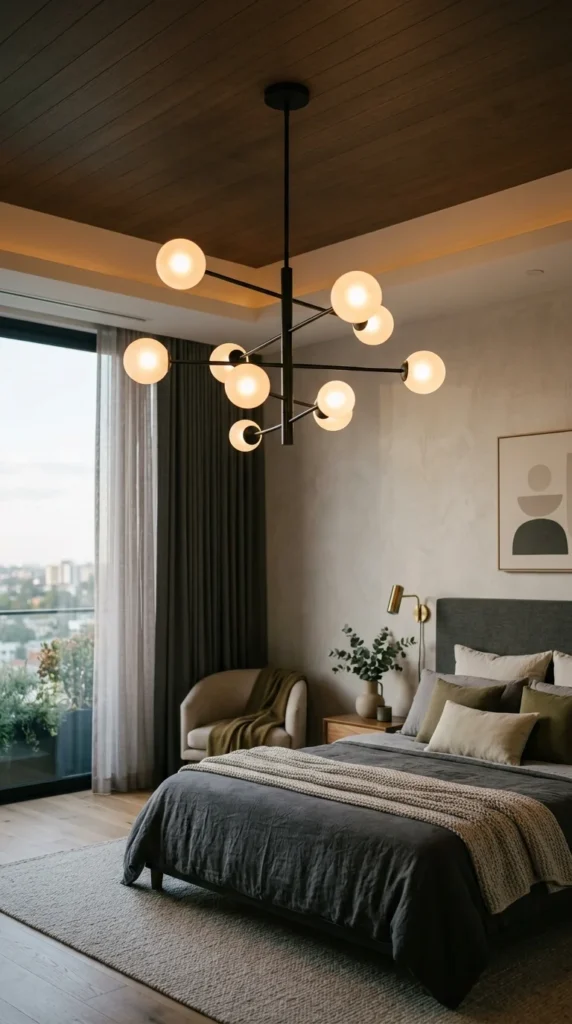
Standard “boob lights” or generic flush-mount fixtures are the fastest way to make a room look dated and basic. Replacing your central light fixture with a statement piece is one of the highest-impact changes you can make.
Look for fixtures with interesting silhouettes, such as a mid-century modern sputnik chandelier, a drum shade with gold interior lining, or a woven rattan oversized pendant for a coastal-luxe vibe. If you can’t change the hardwiring, add a pair of high-end-looking table lamps with oversized shades. Large lamps (bigger than you think you need) always look more expensive than dinky, small ones.
4. Window Treatments
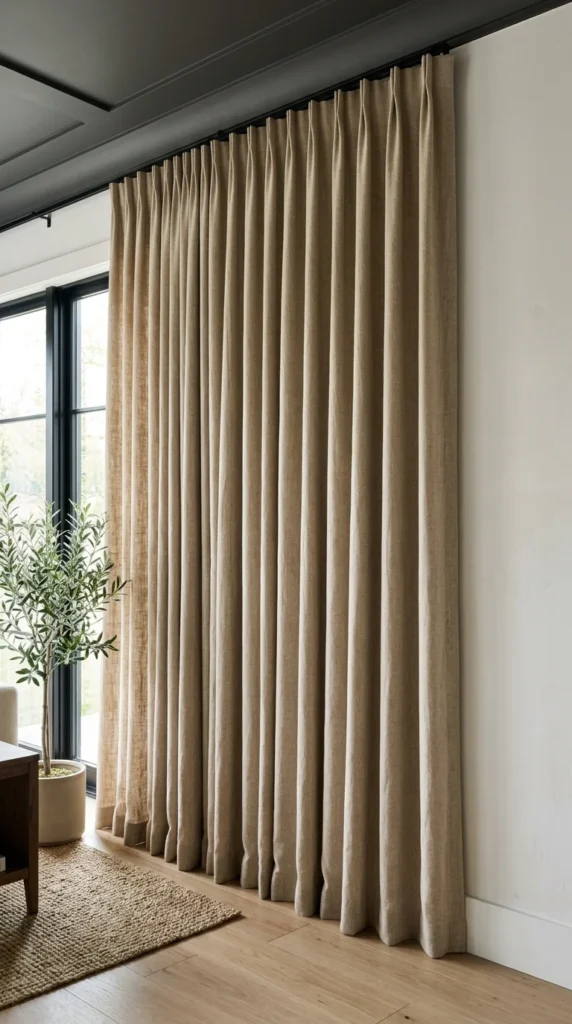
Most people hang their curtains too low and use rods that are too short. To make your bedroom look grand and expensive, follow the “high and wide” rule. Mount your curtain rod as close to the ceiling as possible—not right above the window frame. This draws the eye upward, making your ceilings feel feet taller.
Additionally, extend the rod 6 to 10 inches beyond the sides of the window. This allows the fabric to rest against the wall when open, making the window appear much larger than it actually is. Opt for heavy fabrics like velvet or thick linen blends that “puddle” slightly on the floor for a truly regal effect.
5. Architectural Trim
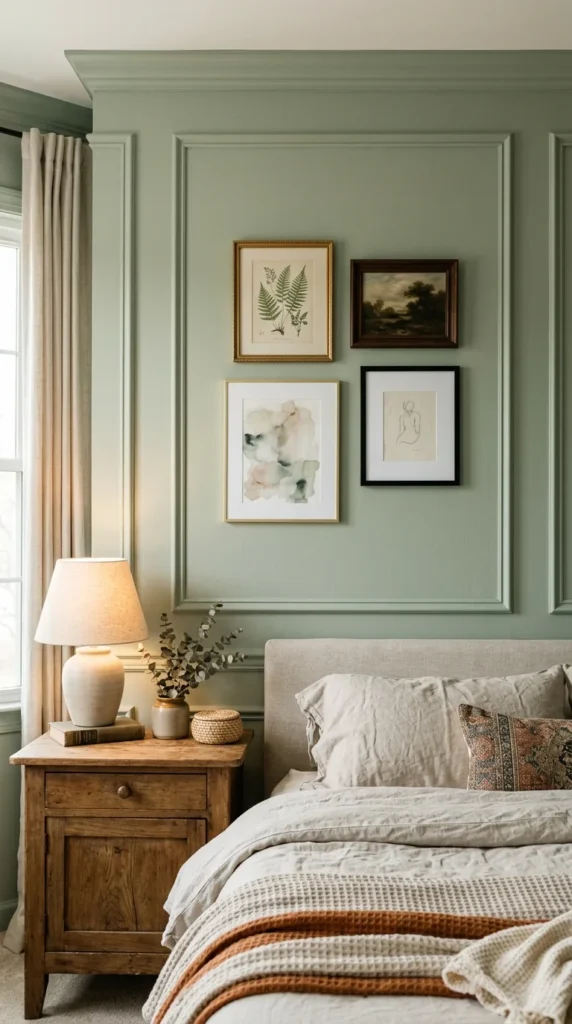
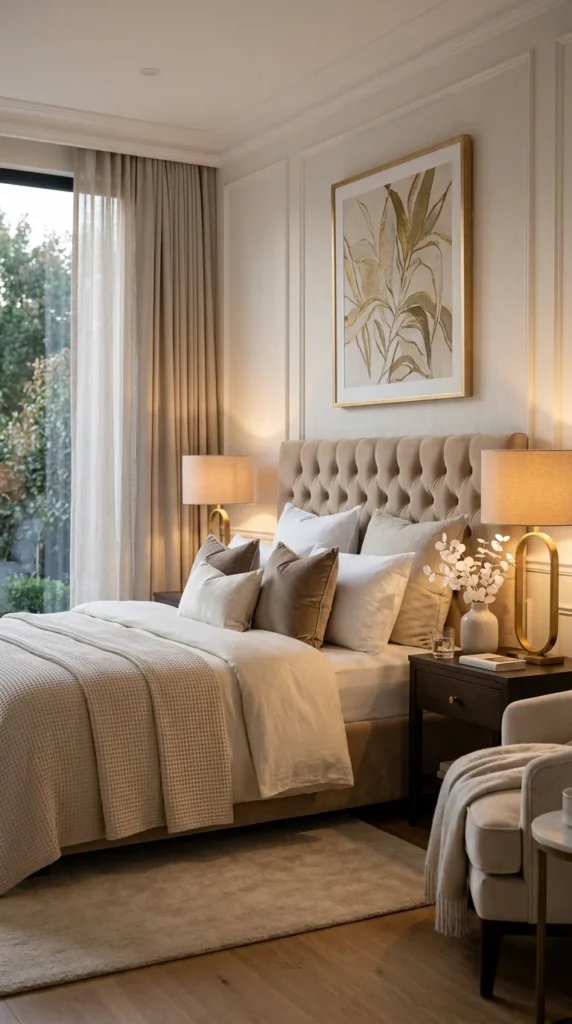
Nothing says “custom home” like architectural details. Adding wall molding, such as picture frame molding or wainscoting, is a surprisingly cheap DIY project that adds incredible value and character. Using simple decorative strips of wood from a hardware store, you can create “boxes” on your walls that mimic the look of a Parisian apartment.
Once the molding is up, paint the entire wall—molding and all—in one uniform color. This creates deep shadows and highlights that make the walls look like they were crafted by a master carpenter. It’s an elegant way to fill large, empty wall spaces without buying expensive furniture.
6. Oversized Art
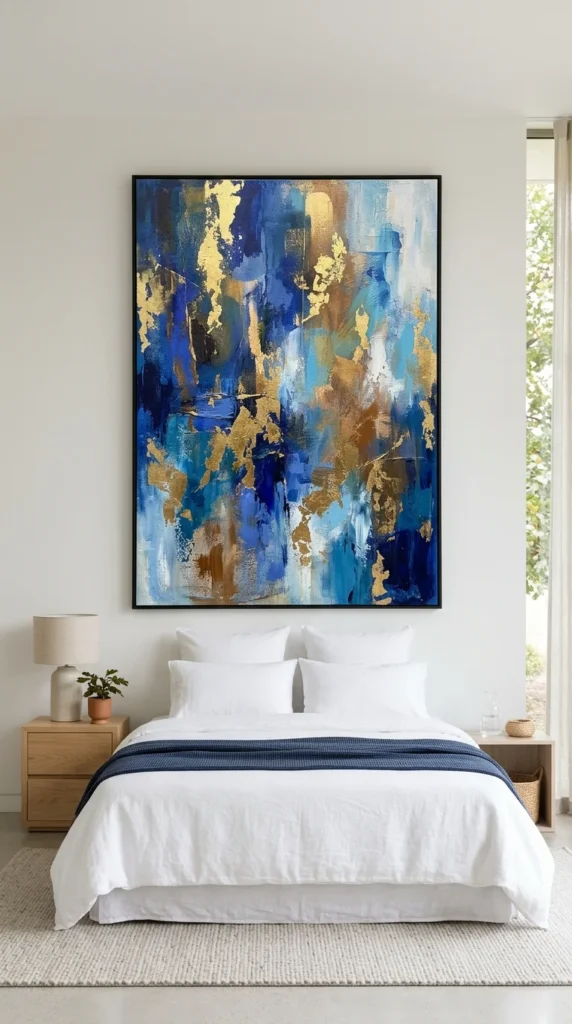
Small, scattered picture frames can make a room feel cluttered and “dorm-like.” For a sophisticated aesthetic, go big. A single piece of oversized art creates a powerful focal point and gives the room a gallery-like feel.
You don’t need to buy an original gallery piece. You can frame a large piece of interesting textile, a vintage map, or even a high-resolution digital print from an online artist. The key is the frame; a thin, minimalist frame or a heavy gilded frame will instantly elevate the “cheap” art inside it.
7. Vintage Accents
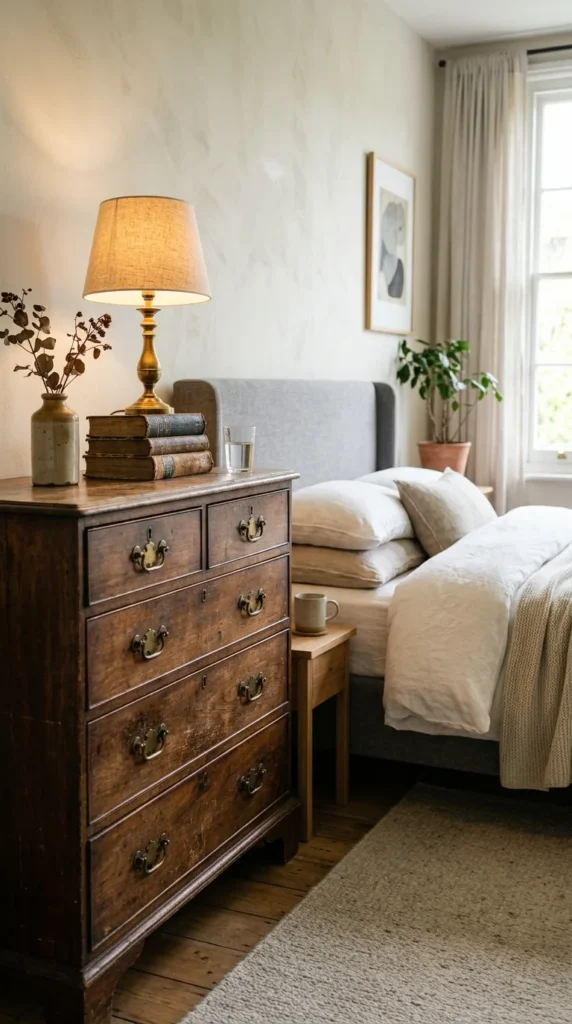
A room where everything is brand new and from the same “big box” store lacks soul and often looks inexpensive. High-end designers mix eras to create a “collected over time” look. Scour thrift stores or online marketplaces for one or two vintage pieces.
A weathered wooden bench at the end of the bed, an ornate antique mirror, or a vintage brass tray on the nightstand provides a sense of history. These unique items act as “anchors” that make your newer, cheaper furniture look like high-end investments by association.
8. Nightstand Styling
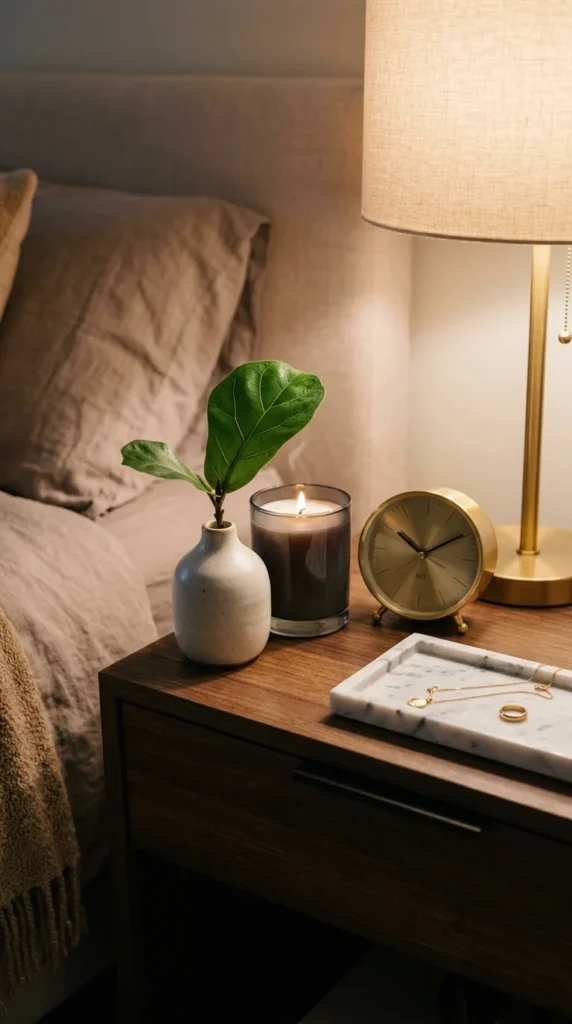
The nightstand is often a magnet for clutter—half-empty water bottles, charging cables, and loose change. To achieve an expensive look, treat your nightstand like a curated display. Use a small tray (marble or wood) to corral your “essentials” like your phone or jewelry.
Add a “third element” for height, such as a stack of two or three hardcover books with the dust jackets removed. Place a small floral arrangement or a single green branch in a vase. When the surfaces you interact with daily are styled, the entire room feels more intentional and luxurious.
9. Hidden Tech
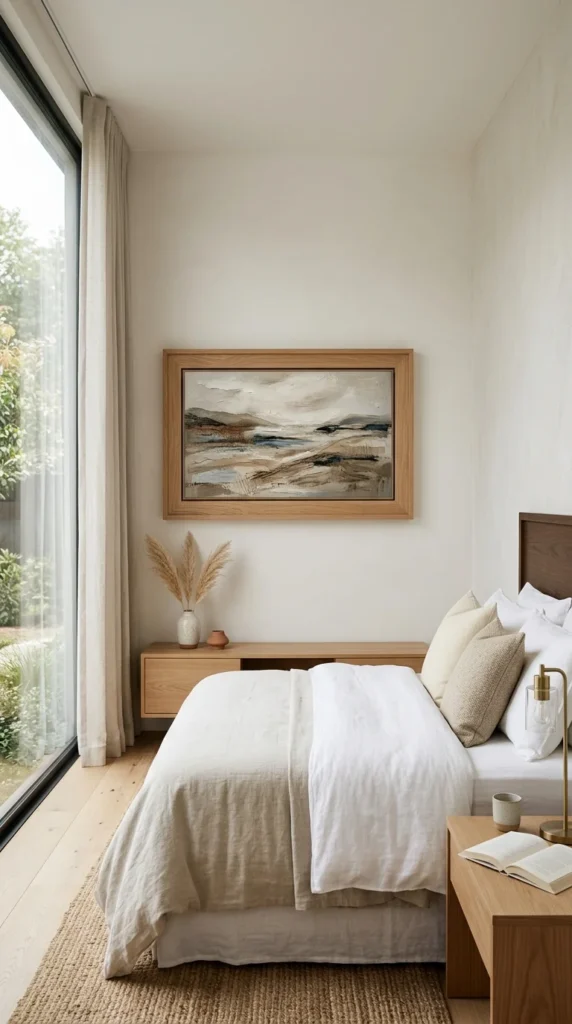
Exposed wires are the enemy of luxury. Visible cords hanging from a TV or snaking across a nightstand instantly degrade the aesthetic of a room. To make your bedroom look expensive, invest in cord management kits or furniture that has built-in tech solutions.
Use “cable racers” that match your wall color to hide TV cords. For bedside charging, look for nightstands with hidden drawers or drill a small hole in the back of your current nightstand to tuck chargers away. If you have a TV in the bedroom, consider a “picture frame” TV or use a beautiful screensaver when it’s not in use to disguise the black plastic box.
10. Area Rugs
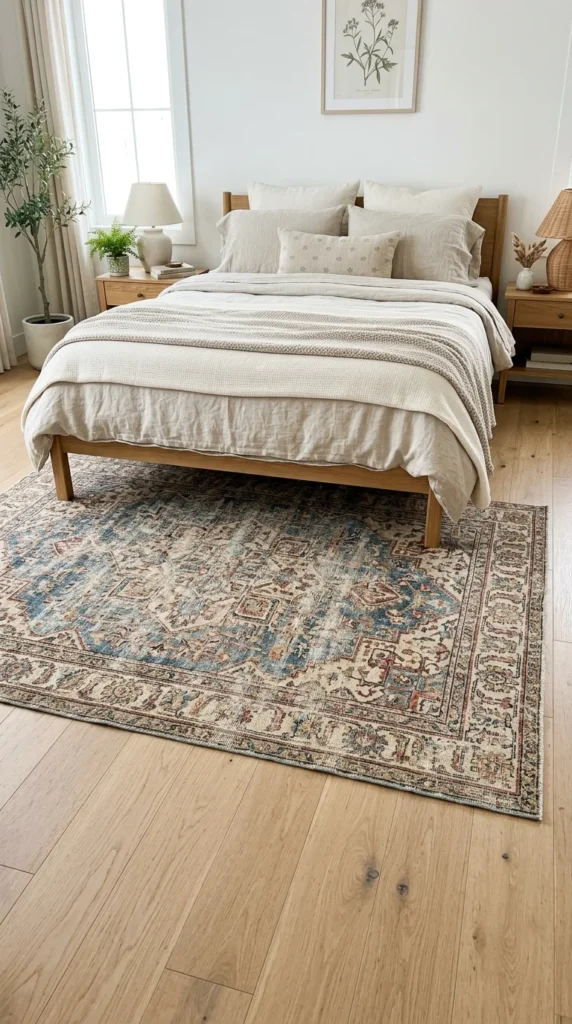
An area rug that is too small for the room is a common decorating mistake that makes a space look “off” and cheap. In a bedroom, you want a rug large enough to extend at least 18 to 24 inches beyond the sides and foot of the bed.
The rug serves as an anchor, pulling all the furniture together into a cohesive “zone.” Even if you have wall-to-wall carpeting, layering a large, textured area rug over it can add a much-needed layer of luxury and sophisticated pattern. Look for low-pile, vintage-inspired rugs for a timeless, high-end feel.
11. Metallic Hardware
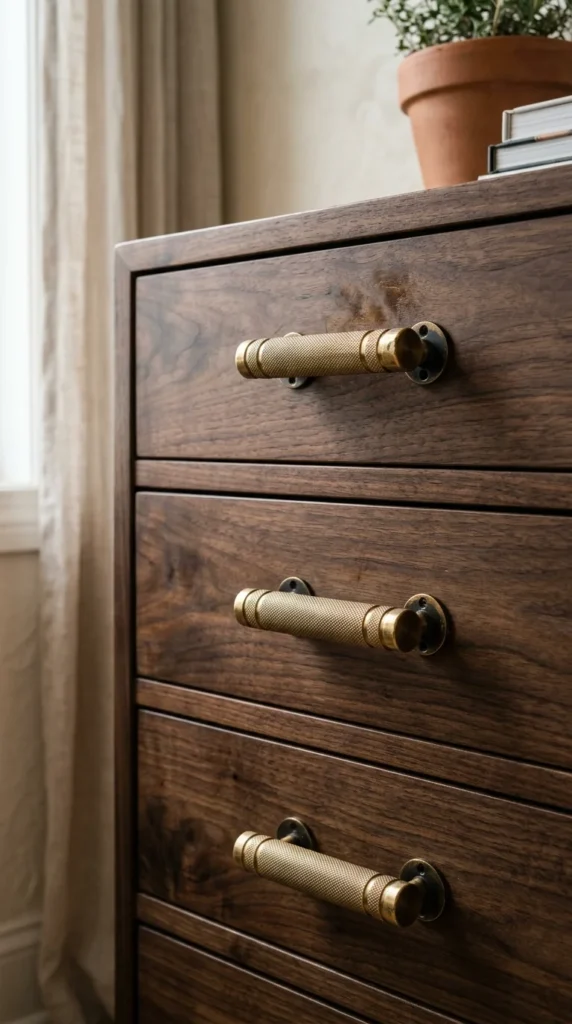
If you have a basic dresser or nightstands from a budget retailer, you can drastically change their appearance by simply swapping the hardware. Most budget furniture comes with flimsy, lightweight knobs.
Replacing them with heavy, solid brass, matte black, or even leather pulls can make a $100 dresser look like a $1,000 custom piece. It’s the “jewelry” of the furniture. Look for hardware with weight and texture—knurled finishes or unique geometric shapes add a tactile sense of quality that standard hardware lacks.
12. Fresh Foliage
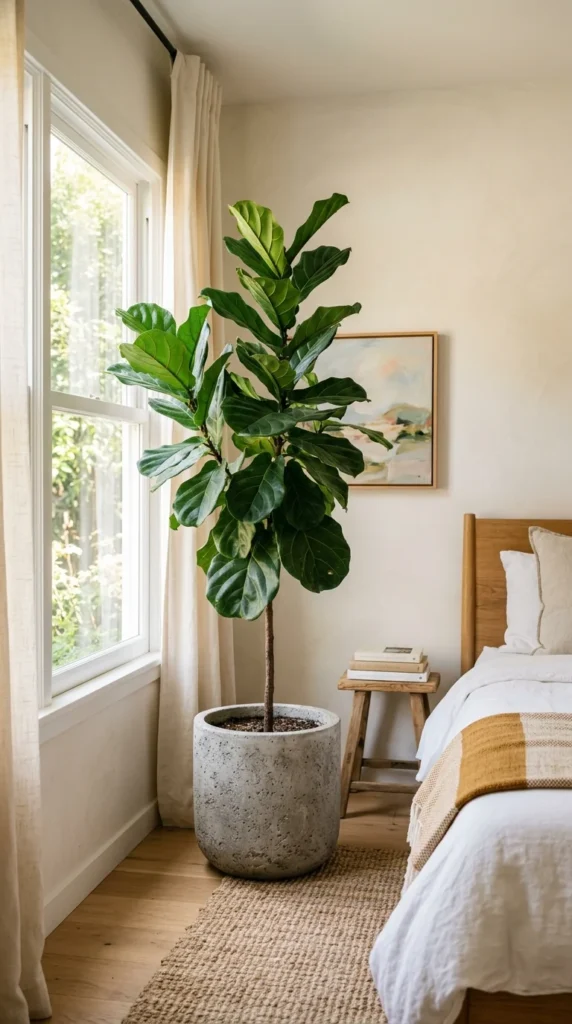
Nothing breathes life (and luxury) into a room like something living. A large, healthy plant in a corner or a vase of fresh flowers on a dresser adds organic shape and vibrant color that synthetic decor can’t replicate.
If you don’t have a green thumb, look for high-quality “real touch” faux botanicals. A single large branch of eucalyptus in a tall vase or a potted olive tree can fill an empty corner and give the room a fresh, airy feeling associated with high-end Mediterranean or California-cool design.