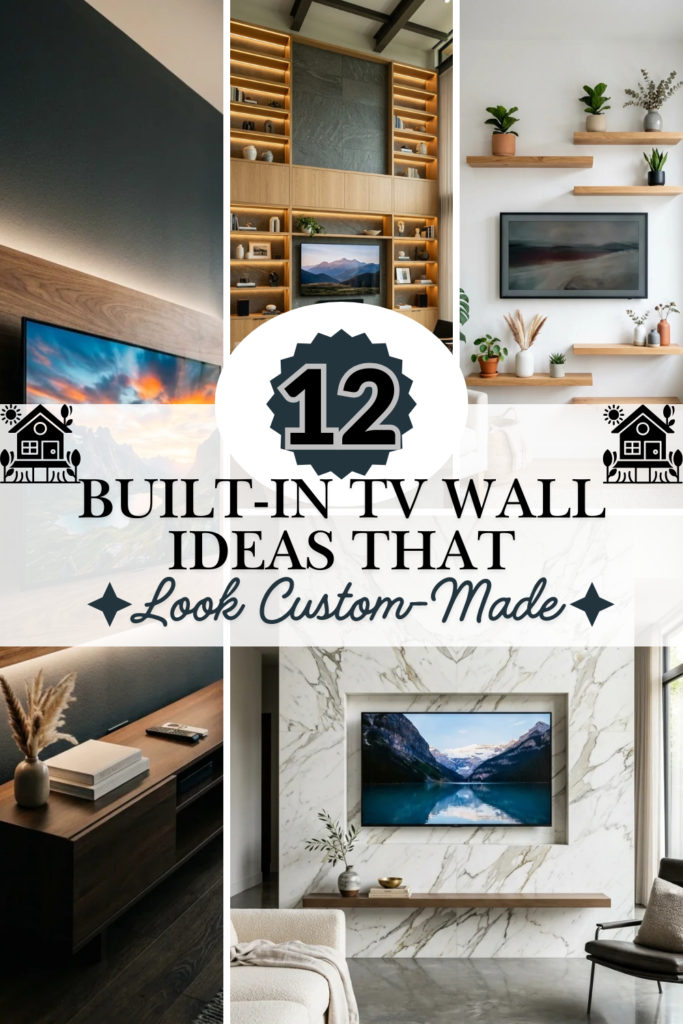

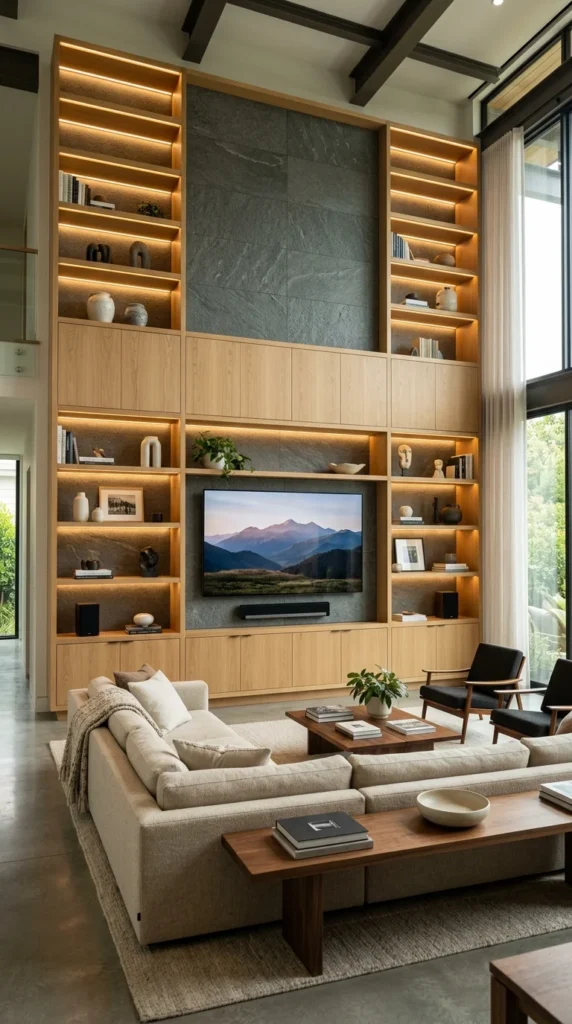
The television is often the focal point of the modern living room, yet it is frequently the most difficult element to integrate into a cohesive interior design. A standalone TV on a basic console can feel like an afterthought, cluttering the visual flow of a room. However, a custom-designed built-in wall transforms the screen from a functional necessity into a stunning architectural feature. Whether you are aiming for a minimalist Scandinavian aesthetic or a moody, dark-toned sanctuary, the right built-in design adds value to your home and creates a polished, high-end look that feels intentional and permanent.
1. Vertical Slats
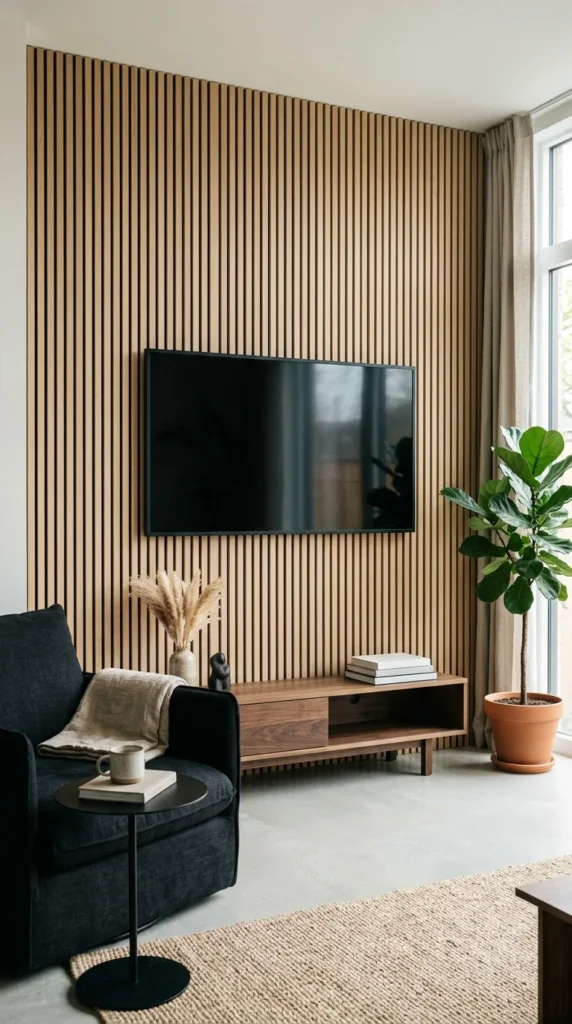
Vertical wood slats, often referred to as tambour or slat-wall panels, are a favorite among interior designers for adding texture without overwhelming a space. This design works exceptionally well because the vertical lines draw the eye upward, making the ceiling feel higher. By mounting the TV directly onto these slats, you create a seamless look where the technology feels “embedded” into the architecture. To elevate this look, choose high-quality hardwoods like walnut or white oak. The gaps between the slats also serve a functional purpose—they are perfect for hiding thin wires or integrating acoustic felt to improve the room’s sound quality.
2. Marble Slabs
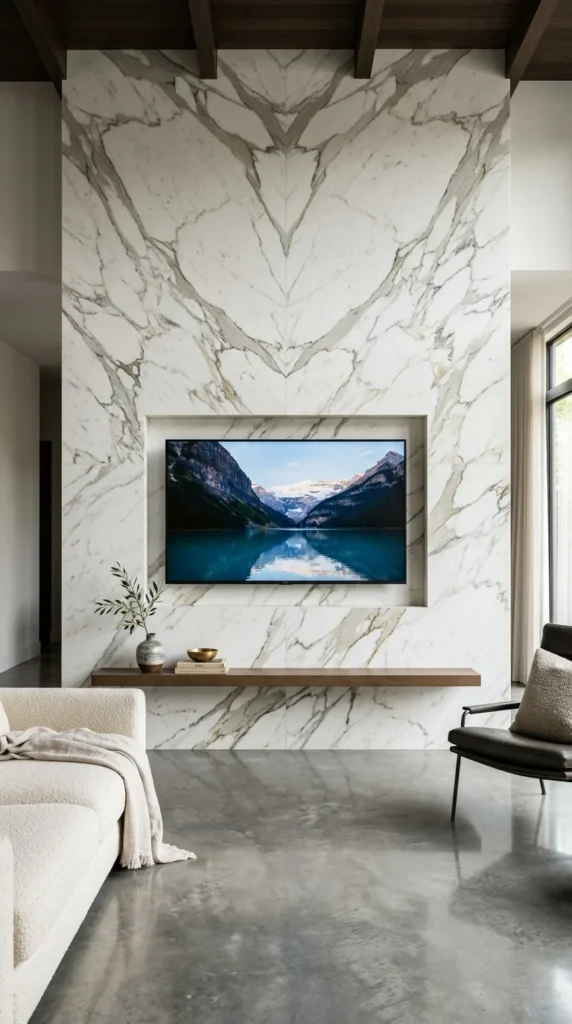
Nothing says “custom luxury” quite like a floor-to-ceiling stone slab. Using a single or book-matched pair of marble or porcelain slabs creates a high-impact focal point that rivals any piece of fine art. When the TV is turned off, the natural veining of the stone remains the star of the show. To make this look truly custom, have the stone fabricator cut a recessed niche so the TV sits perfectly flush with the stone surface. This “zero-clearance” look eliminates distracting side profiles and makes the screen appear as if it were carved directly into the rock.
3. Moody Cabinetry
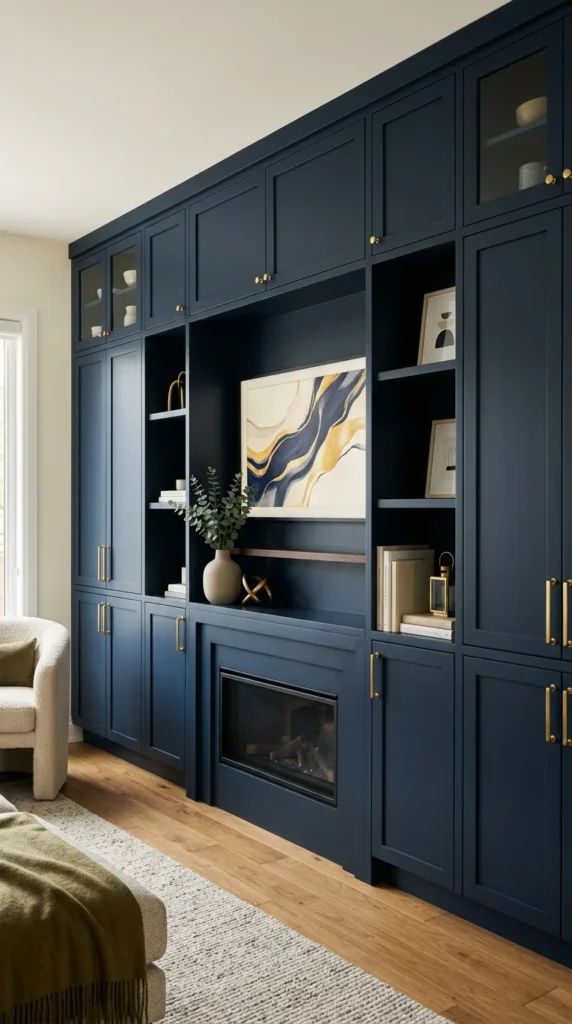
Dark, moody built-ins are a masterclass in sophisticated design. By painting your entertainment unit in a deep hue—think charcoal, forest green, or midnight navy—the black screen of the TV practically disappears when not in use. This reduces the “black hole” effect that often plagues light-colored rooms. Surround the TV with closed cabinetry to hide gaming consoles, soundbars, and messy cables. Using a matte finish on the cabinetry prevents glare from windows, ensuring that your viewing experience is as functional as it is beautiful.
4. Floating Shelves
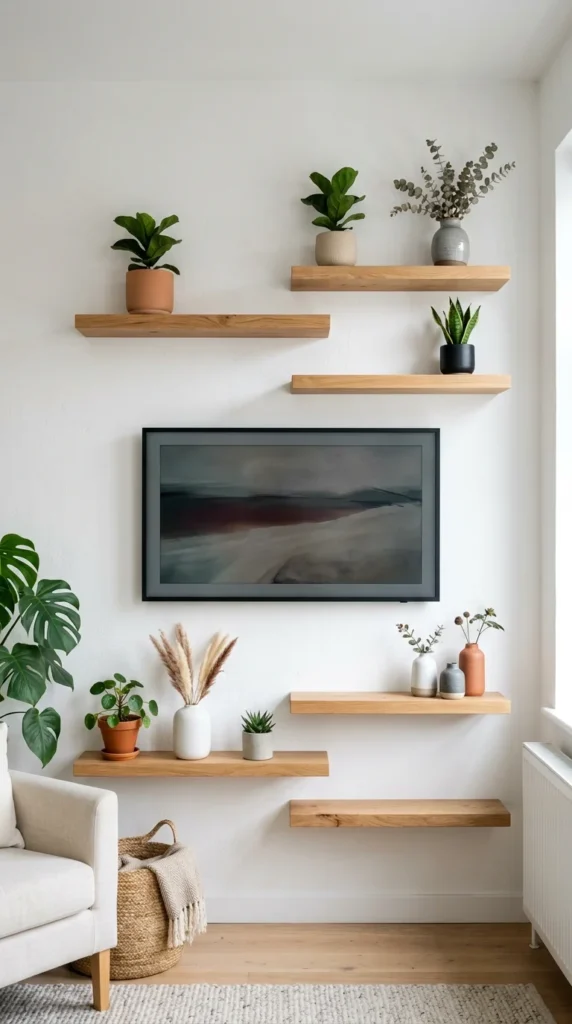
For those who prefer a lighter, more “airy” aesthetic, floating shelves offer a custom look without the heavy footprint of traditional cabinetry. The key to making floating shelves look high-end is thickness; opting for 3-inch thick “chunky” shelves in a natural wood finish provides a sense of permanence and quality. By arranging the shelves in a way that frames the TV, you create a gallery-like atmosphere. This approach allows you to mix technology with personality, flanking the screen with curated books, sculptures, and greenery.
5. Recessed Niche
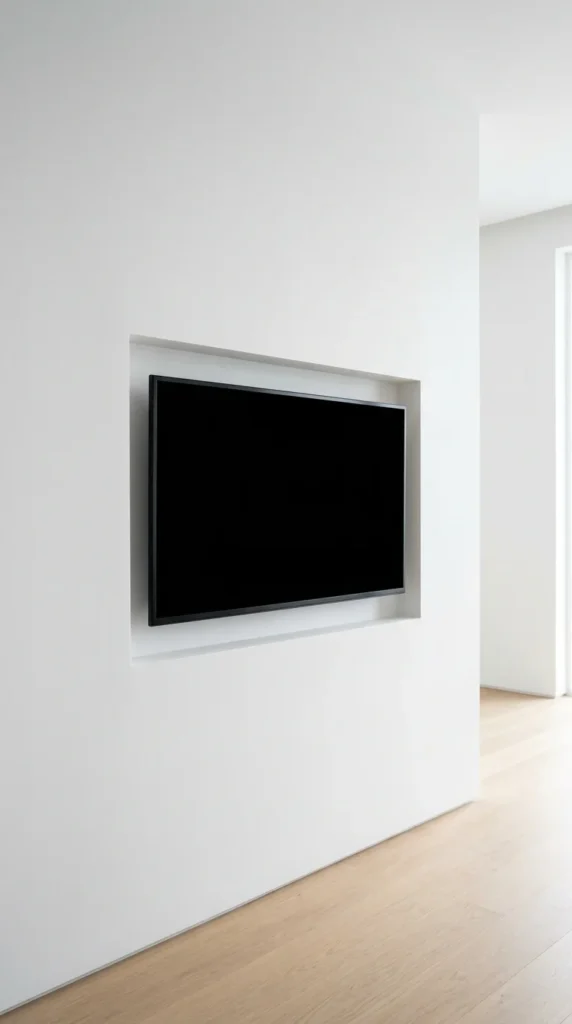
The ultimate in minimalism is the recessed niche. This involves building out a false wall (often just a few inches deep) to create a “pocket” for the TV to sit inside. This design hides all mounting hardware and wires entirely, leaving only the sleek glass of the screen visible. It is a favorite for modern, high-tech homes where clean lines are the priority. To add a custom touch, line the interior of the niche with a contrasting material, like dark wood or metallic wallpaper, to add a “frame” effect around the screen.
6. Sliding Panels
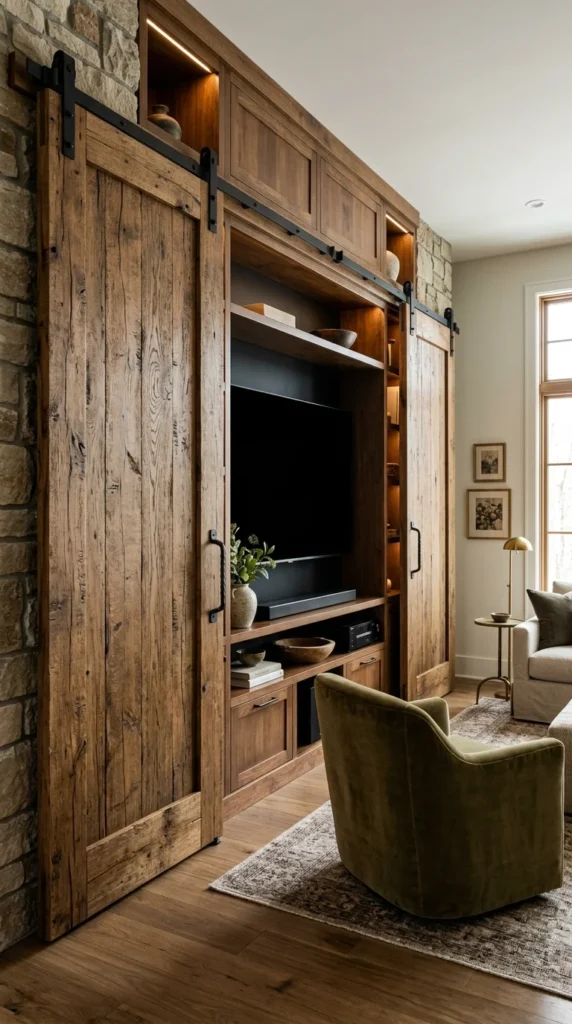
If you want the option to completely hide your TV when it’s not in use, custom sliding panels are the solution. These can be designed as large pieces of art, decorative wooden screens, or even mirrored panels. When you’m ready to watch a movie, the panels slide effortlessly to the sides to reveal the screen. This is particularly effective in formal living rooms or multipurpose spaces where you want the focus to remain on conversation and decor rather than the television.
7. Industrial Brick
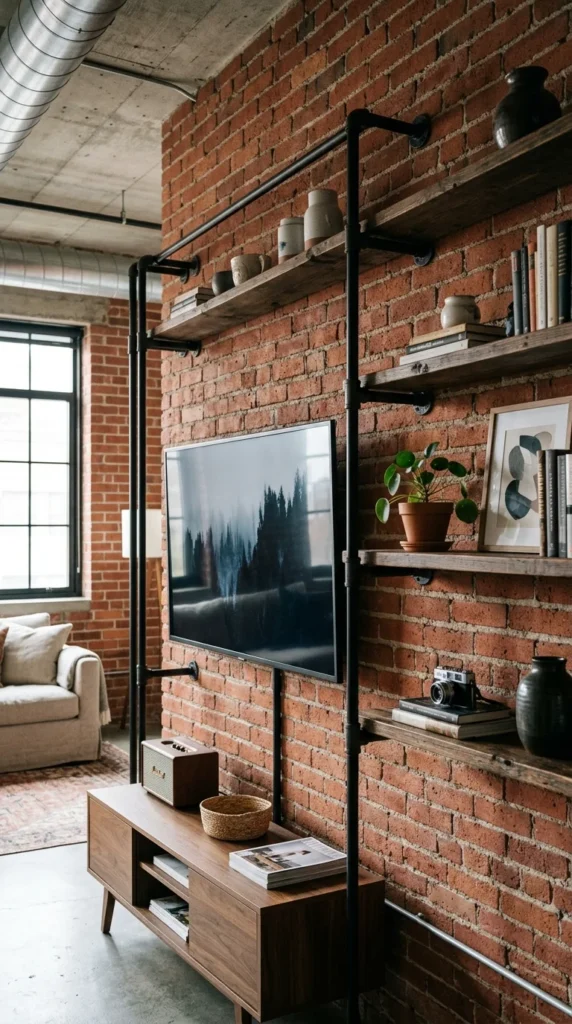
Integrating a TV into an industrial-style home requires a balance of raw materials and clean tech. A custom built-in that utilizes exposed brick as the backdrop provides an instant “cool factor.” To make it look professional, use black metal framing or “I-beam” style shelving to hold the TV and accessories. The contrast between the rough, organic texture of the brick and the smooth, reflective glass of the television creates a dynamic visual tension that feels like a custom-designed urban loft.
8. Library Style
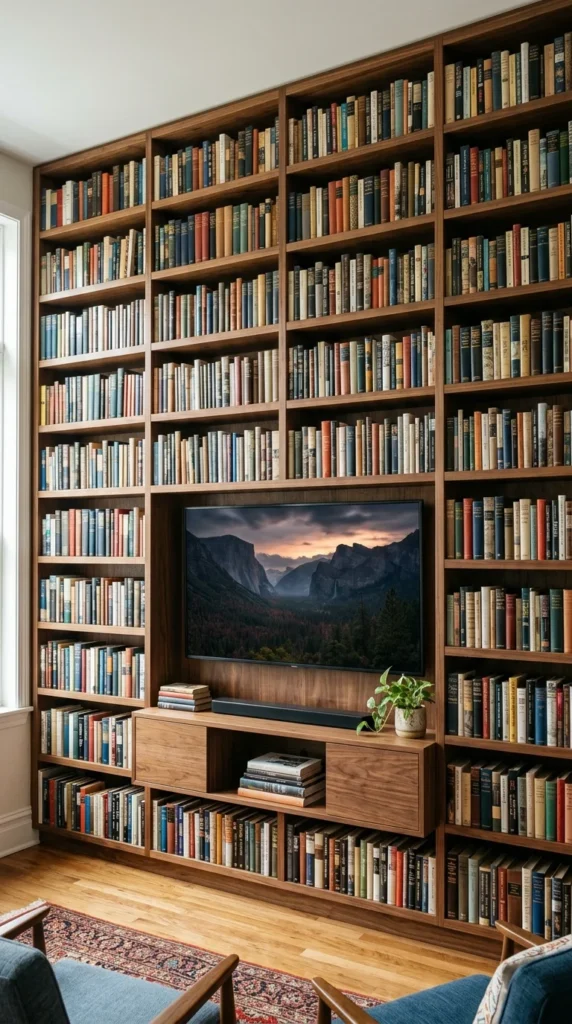
For the bibliophiles, a “library-style” built-in is the pinnacle of cozy luxury. By surrounding the television with hundreds of books, you soften the high-tech look of the room. This design often includes traditional millwork, like crown molding and fluted pilasters, to give the unit a historic, built-in feel. To truly make it look custom-made, install brass library lights above the TV and the shelving sections. This provides a warm, layered glow that makes the entire wall feel like an integrated part of the home’s architecture.
9. Asymmetrical Balance
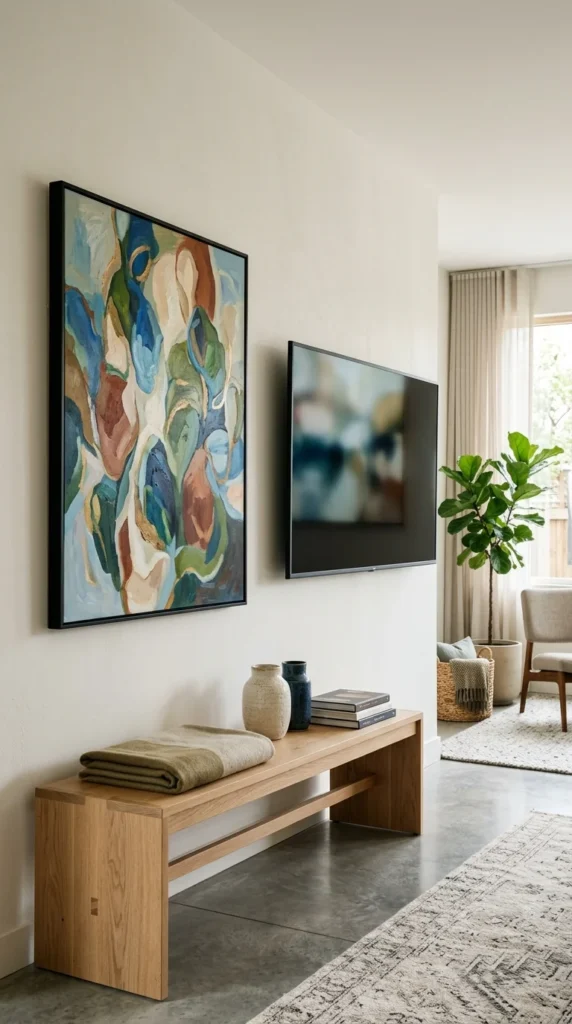
Custom design doesn’t always mean perfect symmetry. In fact, an asymmetrical layout often looks more modern and artistically intentional. Place the TV on one side of a long, low-profile built-in bench and balance the visual weight on the other side with a tall plant, a floor lamp, or a large piece of art. This “Rule of Thirds” approach prevents the TV from being the literal center of the universe, allowing the room to feel more like a curated gallery and less like a dedicated media room.
10. Backlit Glow
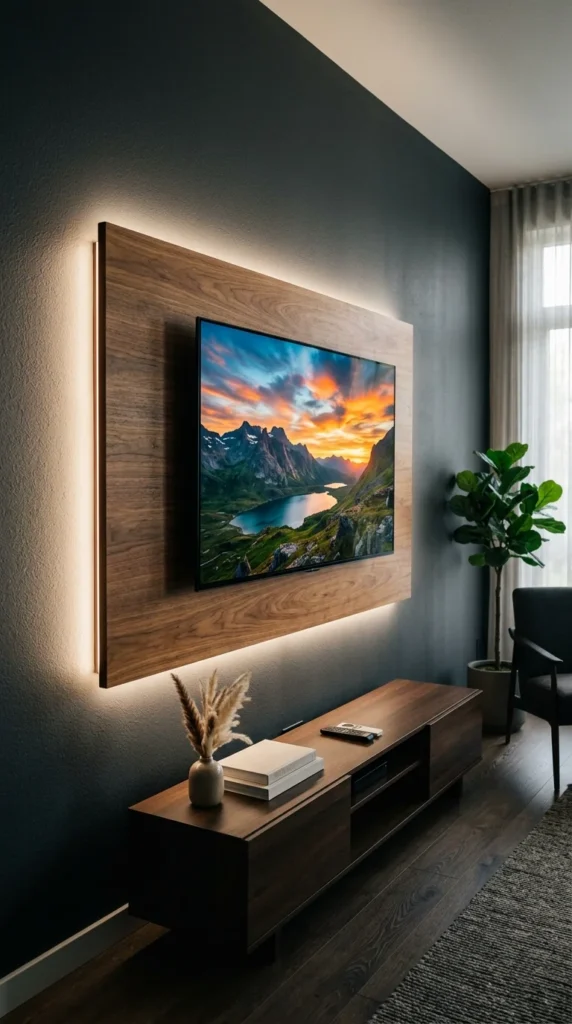
Lighting is the secret ingredient that makes a DIY project look like a professional custom build. Adding LED backlighting (or “bias lighting”) behind a TV panel creates a halo effect that adds depth and drama to the wall. Not only does this look incredibly futuristic and high-end, but it also reduces eye strain during night-time viewing by providing a soft transition between the bright screen and the dark room. For a custom look, integrate the LED strips into a recessed channel so the light source is hidden from view.
11. Mixed Media
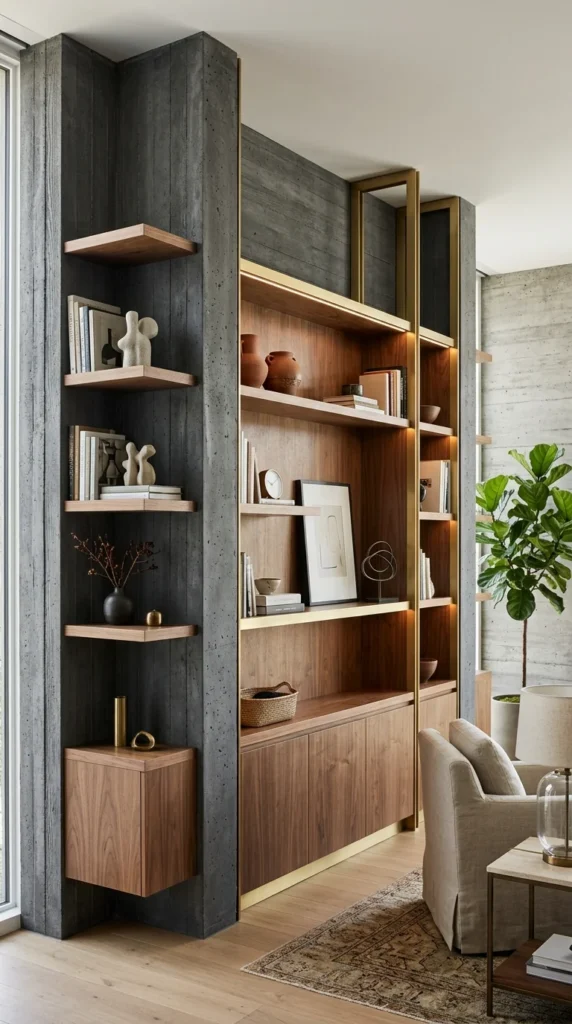
The most sophisticated custom built-ins use a “mixed media” approach. Instead of using just one material, combine two or three for a layered, architectural look. For example, use a concrete-textured backdrop for the TV, walnut wood for the lower cabinets, and brass or matte black metal for the shelving supports. This variety of textures adds visual interest and ensures the wall doesn’t look flat or monotonous. It creates a “designed” look that feels expensive and unique to your home.
12. Framed Art
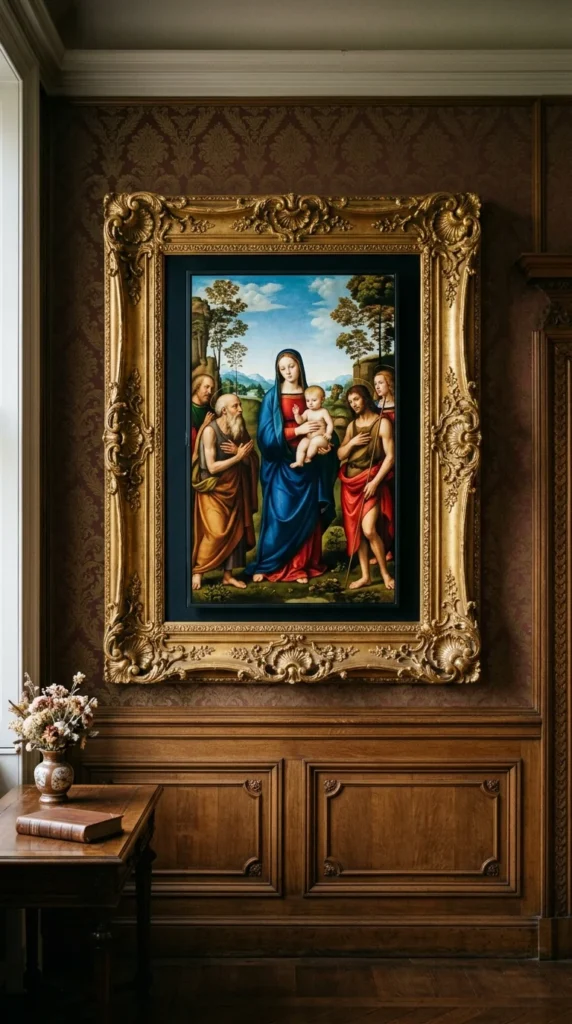
With the rise of “art-mode” televisions like The Frame, the line between technology and decor has blurred. A custom built-in designed specifically for an art-style TV often includes a physical picture frame that snaps onto the screen. To make this look truly custom-made, surround the “framed” TV with other pieces of framed art, creating a cohesive gallery wall. Use traditional wainscoting or picture-frame molding on the wall behind it to further reinforce the illusion that the screen is simply another masterpiece in your collection.