
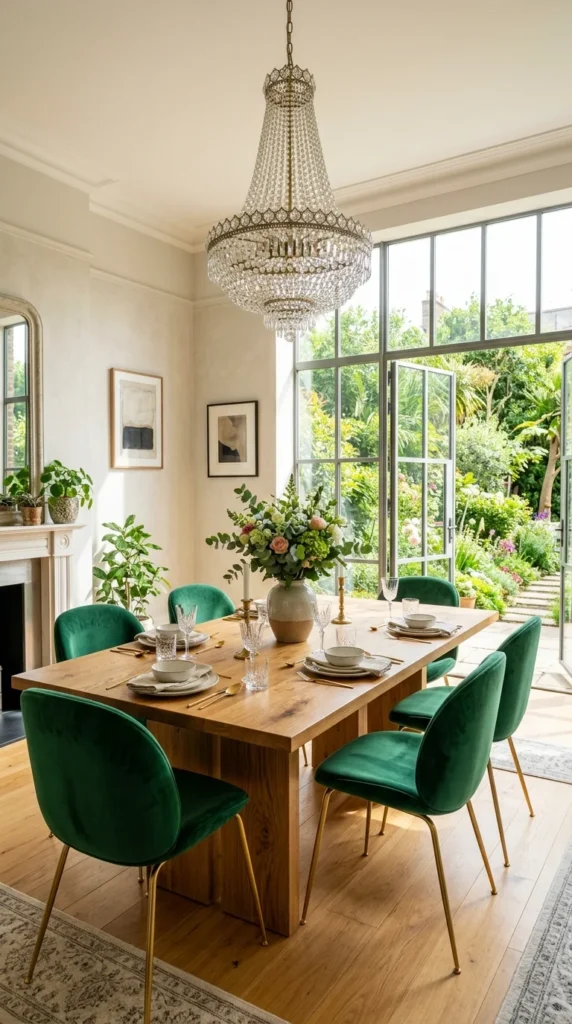
The dining room is more than just a place to eat; it is the heart of social gatherings, the theater for holiday feasts, and the quiet sanctuary for morning coffee. Whether you have a sprawling open-concept space or a cozy breakfast nook, the way you design your dining area sets the tone for your entire home. From the sleek lines of modernism to the warm embrace of rustic charm, transforming this space requires a blend of functionality and personal flair. Here are 13 beautiful dining room ideas to inspire your next home makeover.
1. Modern Minimalism
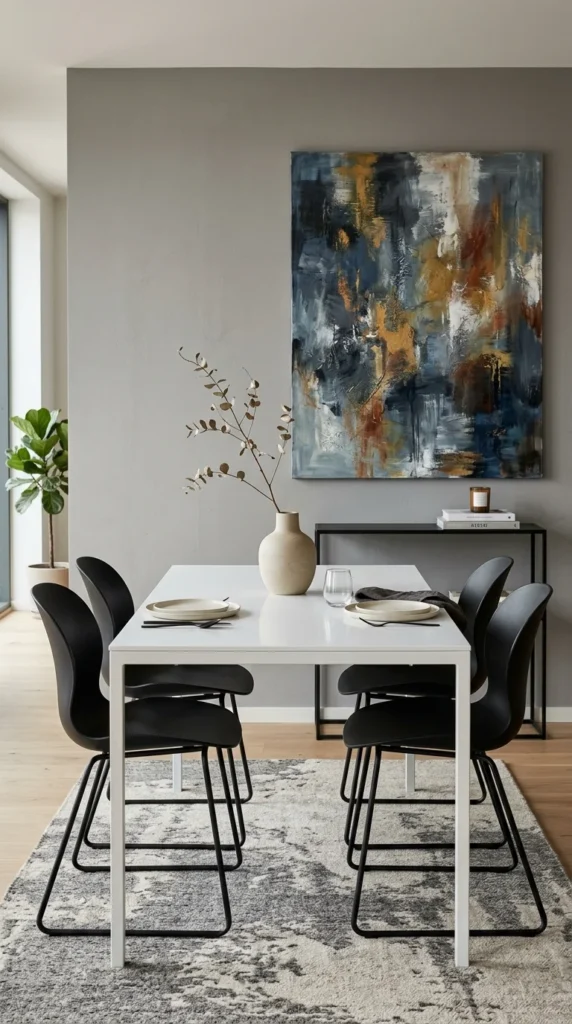
Minimalism isn’t about having nothing; it’s about having the right things. In a modern minimalist dining room, every piece of furniture serves a purpose. Focus on a neutral color palette—think whites, greys, and blacks—to create a sense of calm and order. A streamlined table with thin metal legs paired with ergonomic chairs creates an airy feel that makes even the smallest rooms feel larger. To prevent the space from feeling cold, introduce texture through a high-quality wool rug or a singular piece of bold, abstract art. This style is perfect for those who crave a clutter-free environment where the conversation remains the primary focus.
2. Rustic Farmhouse
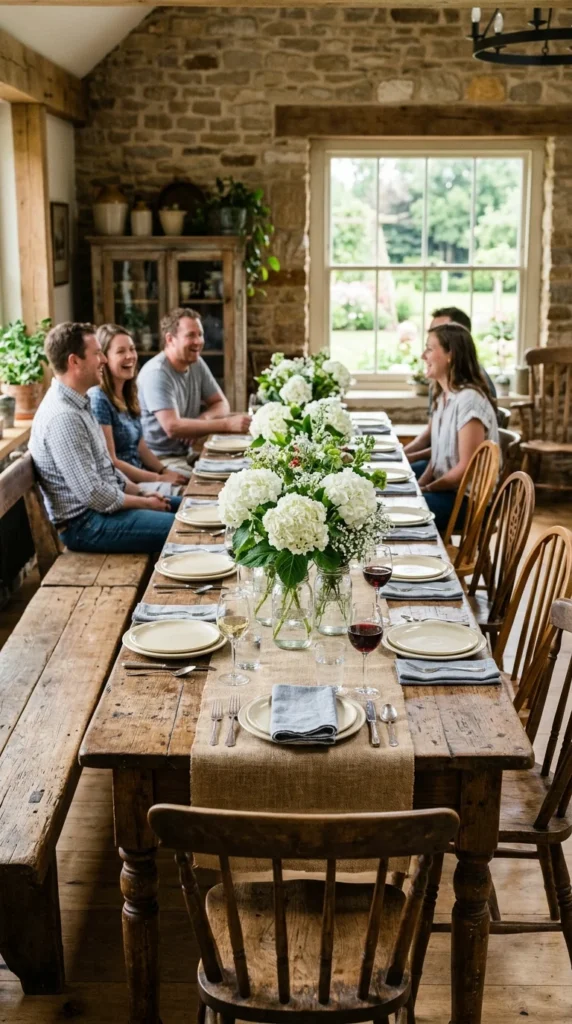
The rustic farmhouse aesthetic is all about warmth, history, and comfort. The centerpiece is almost always a heavy, reclaimed wood table that tells a story through its knots and grains. Instead of a uniform set of chairs, consider using a wooden bench on one side to encourage a communal, family-style atmosphere. Incorporate natural materials like linen napkins, wicker baskets, and wrought iron light fixtures. This look thrives on imperfection, so don’t be afraid to mix and match vintage finds with new pieces. It’s an inviting style that practically begs guests to stay for a second cup of tea.
3. Industrial Chic
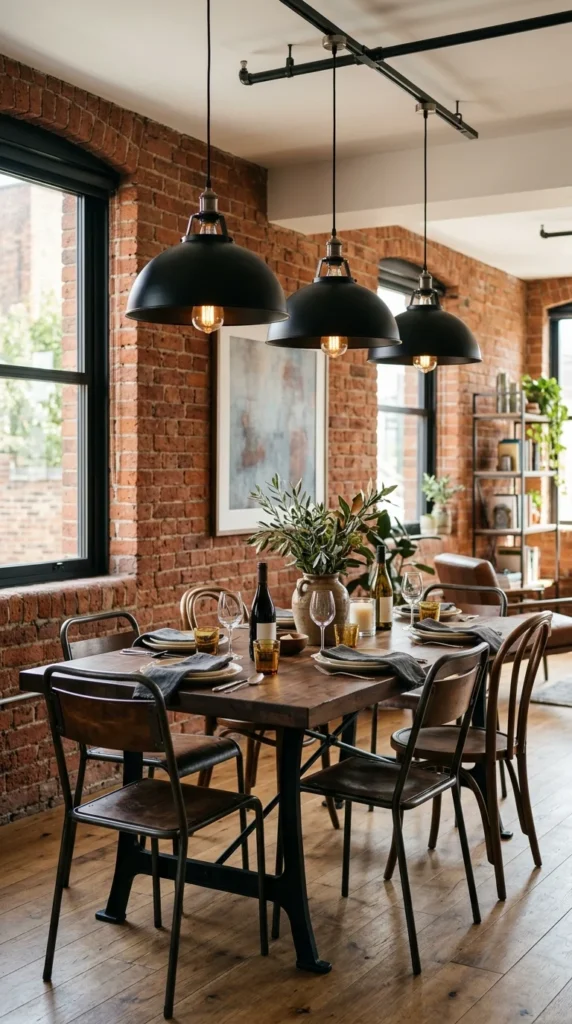
Industrial design celebrates the raw and the rugged. To achieve this look, look for materials like “distressed” wood, concrete, and blackened steel. Exposed brick walls or concrete floors provide the perfect backdrop for a sturdy, industrial-style table. Lighting is a crucial element here; oversized metal domes or Edison bulb chandeliers add a factory-inspired edge that feels sophisticated yet unpretentious. To soften the hardness of the metal and stone, add leather-upholstered chairs or a cowhide rug. This style works exceptionally well in lofts or homes with high ceilings and an urban vibe.
4. Mid-Century Modern
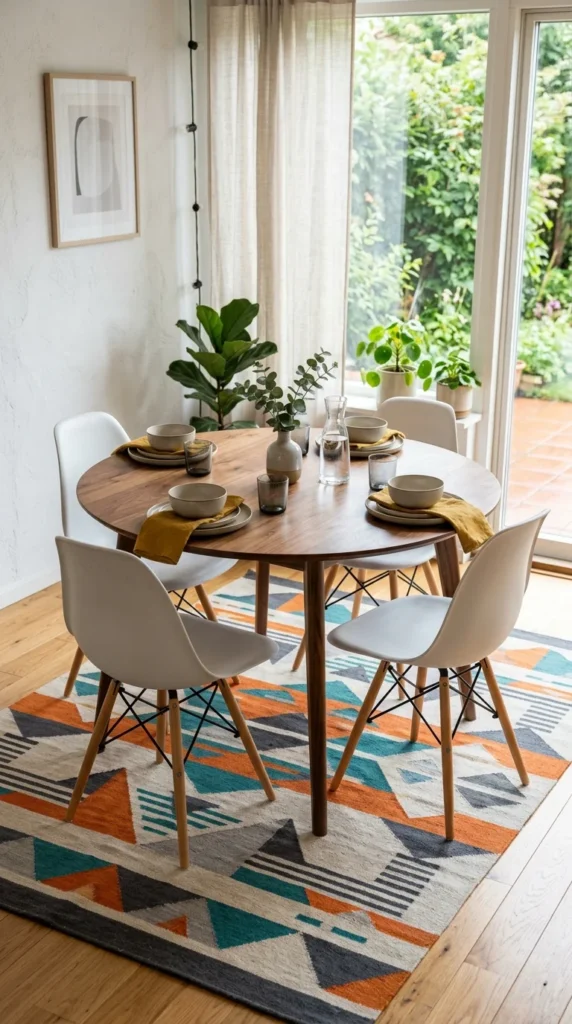
Mid-century modern design remains a perennial favorite for its timeless silhouettes and functional elegance. Characterized by organic shapes and tapered legs, this style brings a touch of 1950s sophistication to the dining room. A round or oval walnut table serves as a stunning focal point, especially when paired with iconic “shell” or “wishbone” chairs. Incorporate pops of mustard yellow, olive green, or burnt orange to capture the era’s vibrant spirit. A starburst clock or a geometric rug can finish the look, creating a space that feels both nostalgic and incredibly current.
5. Bohemian Rhapsody
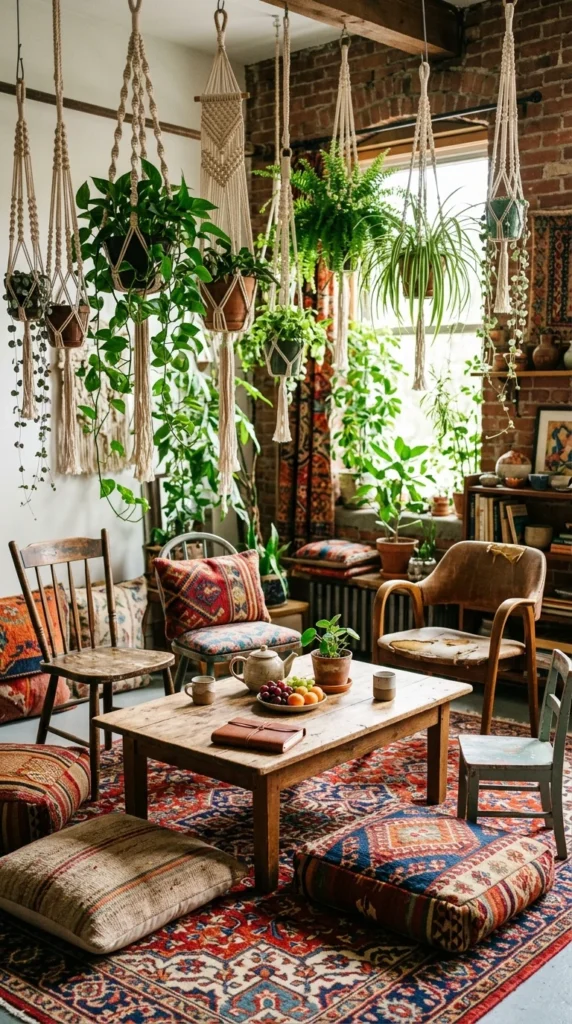
For the free-spirited homeowner, a bohemian dining room offers a canvas for endless creativity. This style is characterized by a “more is more” philosophy, blending colors, patterns, and cultures. Start with a simple wooden table and surround it with an eclectic mix of seating—velvet chairs, woven stools, or even floor cushions. The key to the Boho look is greenery; fill corners with tall fiddle leaf figs and hang pothos from the ceiling. Layered rugs, beaded chandeliers, and a gallery wall of travel photos or woven baskets add the final layers of personality to this soulful space.
6. Coastal Breezy
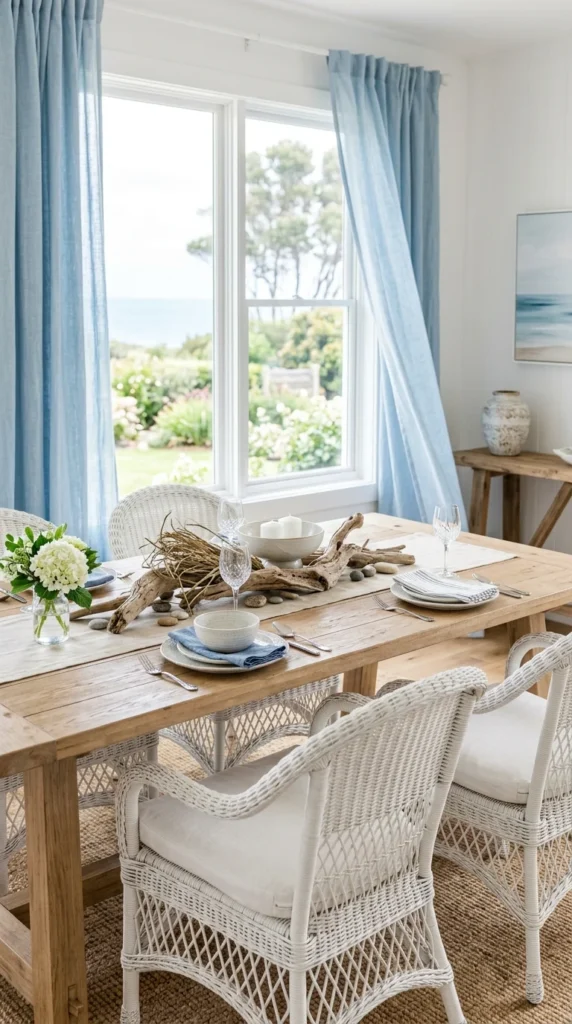
Bring the serenity of the seaside indoors with a coastal-inspired dining room. The palette should be light and airy, dominated by whites, sandy beiges, and various shades of seafoam or navy blue. Opt for furniture made of light-washed woods or white-painted timber. Natural fibers are essential here—think jute rugs, seagrass chairs, and linen table runners. For a centerpiece, a simple bowl of sea glass or a piece of sculptural driftwood keeps the theme subtle and sophisticated rather than kitschy. This design style creates a permanent vacation vibe, regardless of how far you live from the coast.
7. Scandi Serenity
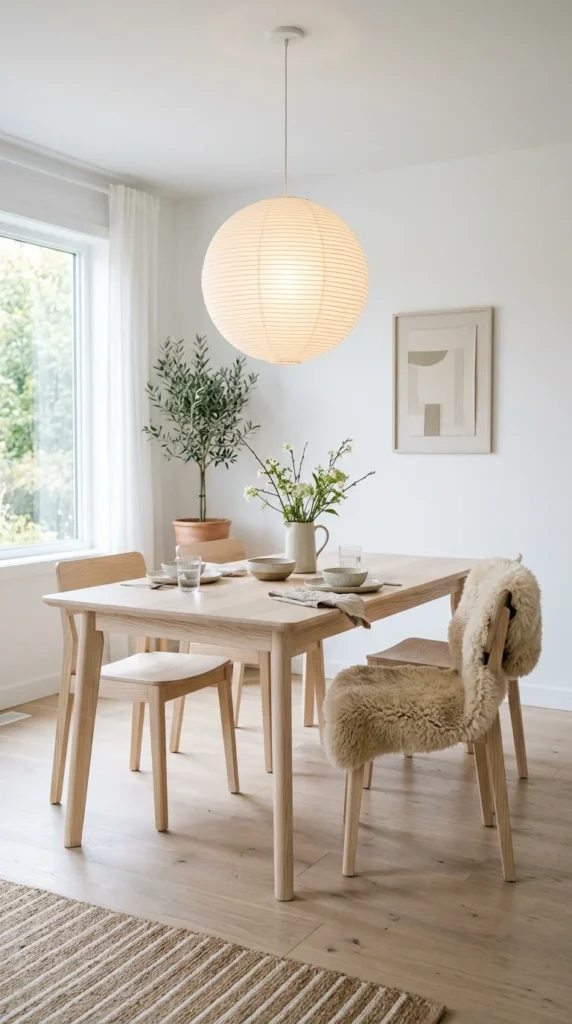
Scandinavian design, or “Scandi,” focuses on the concept of hygge—creating a warm, cozy atmosphere while maintaining simplicity. The furniture is usually crafted from light woods like ash or pine, featuring clean lines and a functional aesthetic. To achieve Scandi serenity, keep the walls white or a very soft grey to maximize natural light. Add warmth through soft textures: a faux-fur throw draped over a chair, a simple paper lantern, and a few well-placed candles. This style is ideal for creating a peaceful sanctuary where you can enjoy slow meals and quiet evenings.
8. Moody Glam
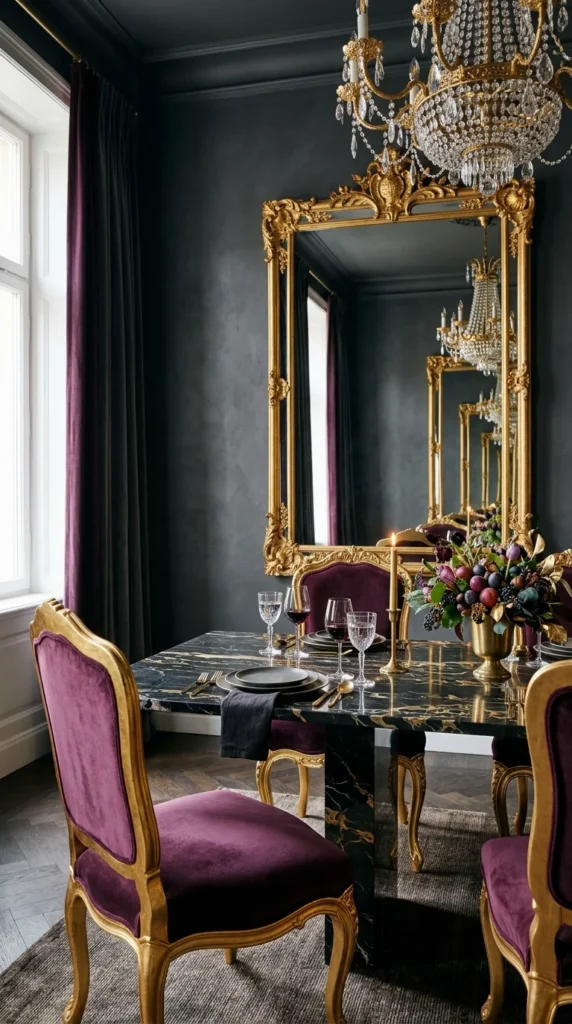
If you prefer drama and luxury, the moody glam aesthetic is the way to go. Start with a dark, sophisticated wall color like navy, emerald, or charcoal. This creates a high-contrast backdrop for luxurious materials like marble, brass, and velvet. A black marble table paired with gold-trimmed chairs provides an instant “wow” factor. Lighting should be theatrical—think a tiered crystal chandelier or sleek metallic pendants. Large mirrors can help bounce light around the room, ensuring the dark walls don’t feel oppressive but rather intimate and high-end.
9. Round Tables
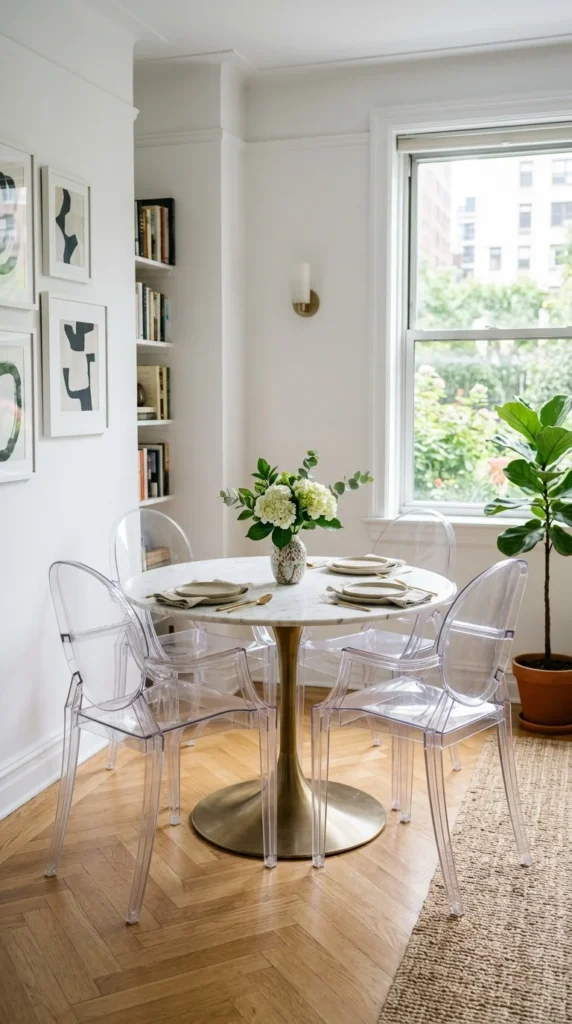
For smaller homes or apartments, a round dining table is a game-changer. Without sharp corners, round tables improve the flow of a room and make it easier to navigate tight spaces. They also foster better conversation, as everyone is facing the center. A pedestal-style round table is particularly effective because it eliminates leg interference, allowing you to squeeze in an extra guest when needed. Pair a marble or wood top with “ghost” chairs (transparent acrylic) to maintain a visual sense of openness and light.
10. Banquette Seating
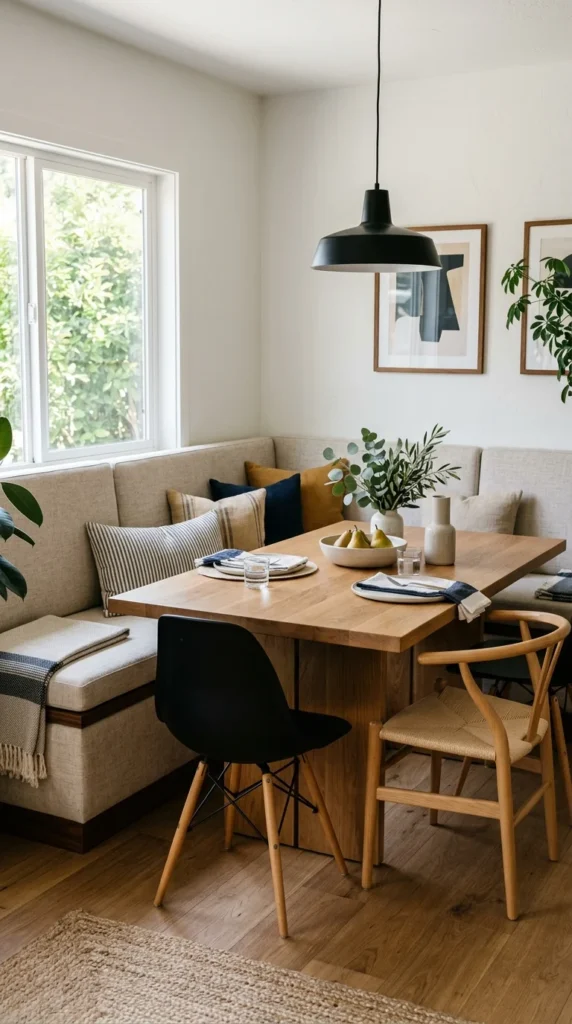
Banquette seating is a brilliant way to maximize space while adding a touch of custom luxury. By pushing seating against a wall or into a corner, you free up valuable floor space in the center of the room. An upholstered bench feels cozy and inviting, reminiscent of a high-end bistro. You can even incorporate storage drawers beneath the seat for extra table linens or seasonal decor. This setup works beautifully for families with children, as it provides a flexible and comfortable seating arrangement that feels integrated into the home’s architecture.
11. Statement Lighting
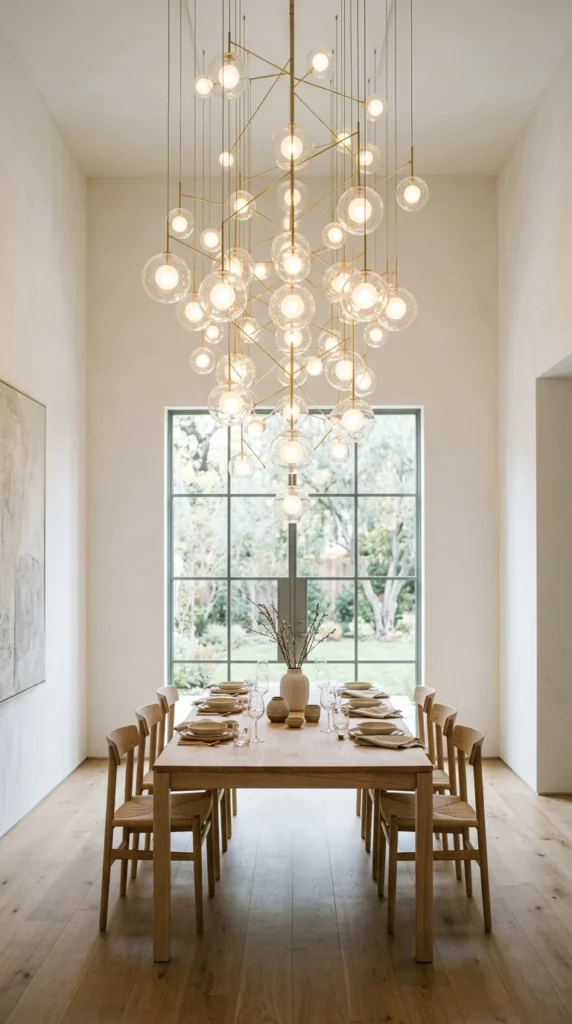
Sometimes, all a dining room needs is one spectacular piece of art—and that art can be your light fixture. Statement lighting serves as the jewelry of the room. Whether it’s an oversized Sputnik chandelier, a cascading waterfall of glass, or a massive woven rattan pendant, the right light can define the entire space. When using a statement piece, keep the table and chairs relatively understated to let the lighting shine. Ensure the fixture is hung at the correct height (typically 30 to 36 inches above the table) to create a sense of intimacy without obstructing views.
12. Art Gallery
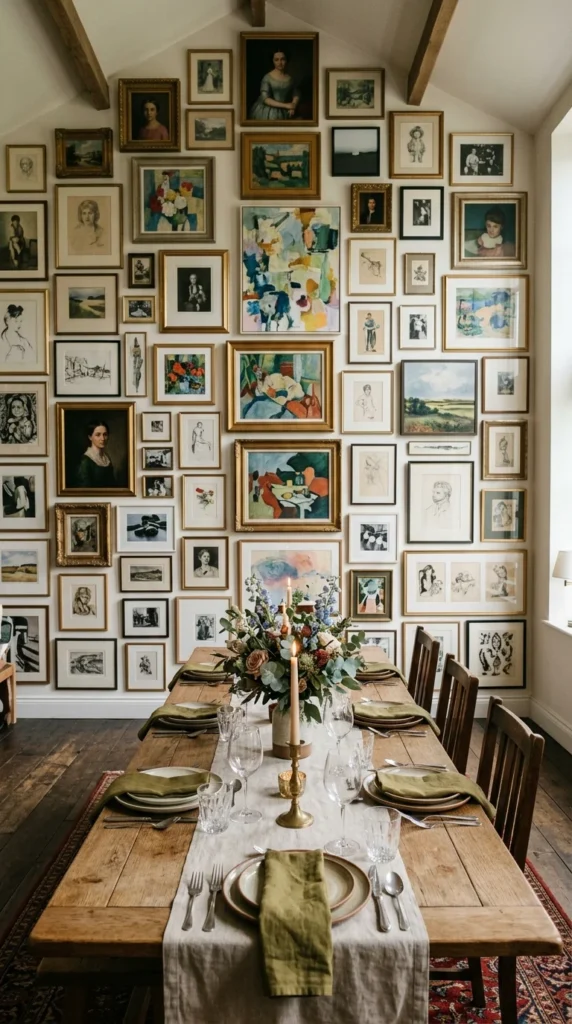
Transform your dining room into a cultural hub by creating a gallery wall. This approach allows you to showcase your personality and provides an instant conversation starter for guests. You can choose a cohesive look with matching frames and a specific color palette, or go for a maximalist approach with various sizes, colors, and mediums. To keep it from looking cluttered, align the frames along a central horizontal axis or follow a grid pattern. The artwork provides a backdrop that makes every meal feel like a special event at a contemporary art museum.
13. Biophilic Design
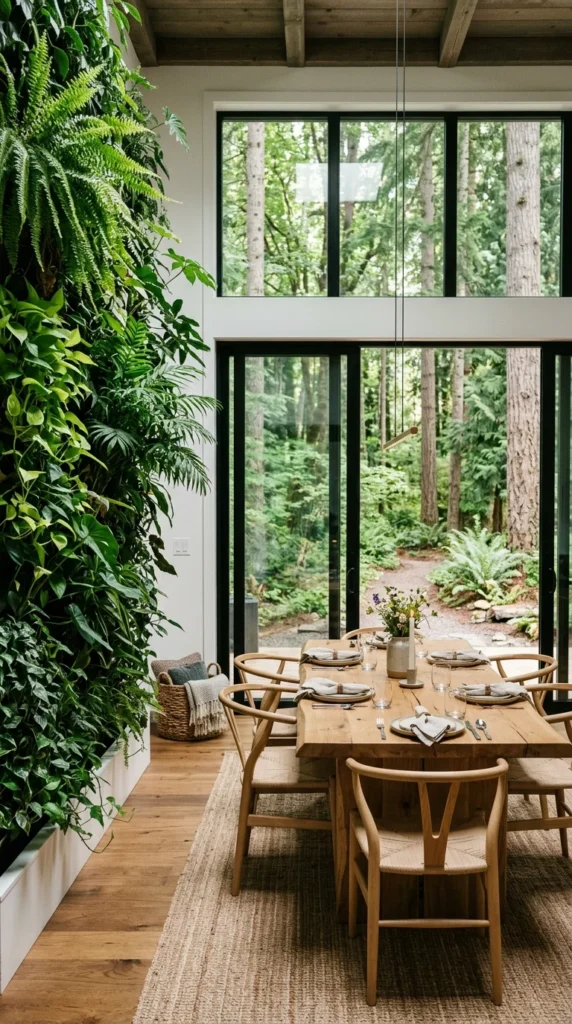
Biophilic design is the practice of connecting our indoor environments to the natural world. In a dining room, this can be achieved through “living walls,” large potted trees like olives or citrus, and the use of raw, organic materials. Position your dining table near the largest window to maximize views of the outdoors. Use a color palette inspired by nature—moss greens, earthy browns, and sky blues. Not only does this look stunning, but the presence of plants also improves air quality and creates a calming atmosphere that enhances the dining experience.