
Creating a space for a child is about more than just picking out a bed and a dresser. It is about crafting a sanctuary where imagination can flourish, where stories come to life, and where a sense of security and joy is built into the very walls. Whether you are designing for a toddler transitioning to their first “big kid” bed or a primary schooler who needs a space for both play and study, the right design elements can make all the difference.
Designing a kid’s room allows for a level of creativity and whimsy that other rooms in the house simply don’t permit. You can play with bolder colors, softer textures, and architectural elements that turn a sleeping area into a miniature kingdom. From the rustic charm of a woodland retreat to the ethereal glow of a celestial-themed ceiling, here are 14 adorable kids’ room ideas to inspire your next home project.
1. Woodland Theme
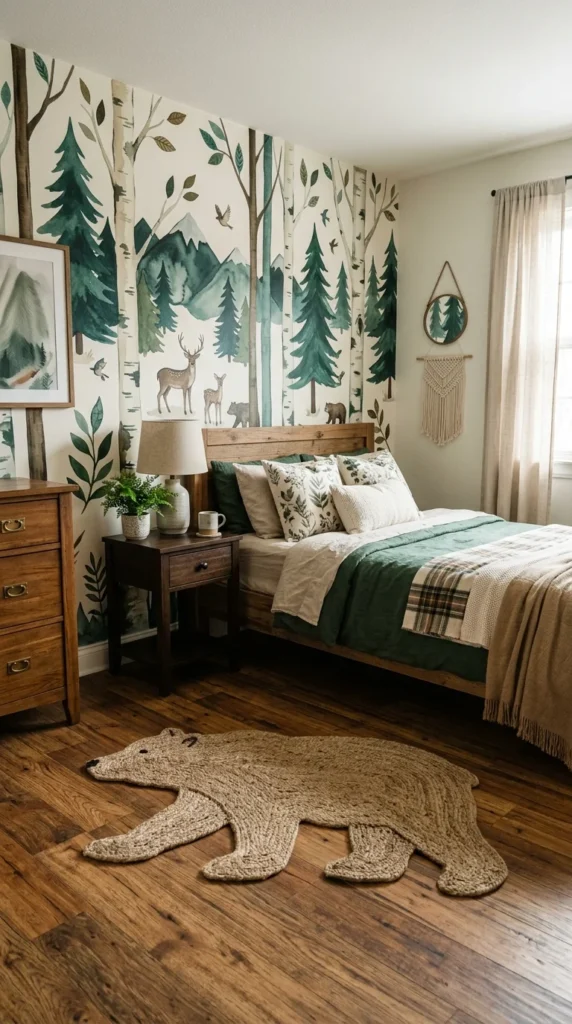
The woodland theme remains a perennial favorite because it brings the calming, enchanting vibes of the great outdoors inside. This look relies heavily on natural materials like light-toned woods, wicker, and wool. Think about using a wallpaper mural that features soft-leafed trees or friendly forest creatures like foxes, owls, and deer. To ground the room, add a thick, moss-colored rug or a plush faux-fur throw. Accessories like acorn-shaped baskets or tree-stump nightstands add a tactile, playful element that makes the room feel like a secret clearing in the woods.
2. Reading Nooks
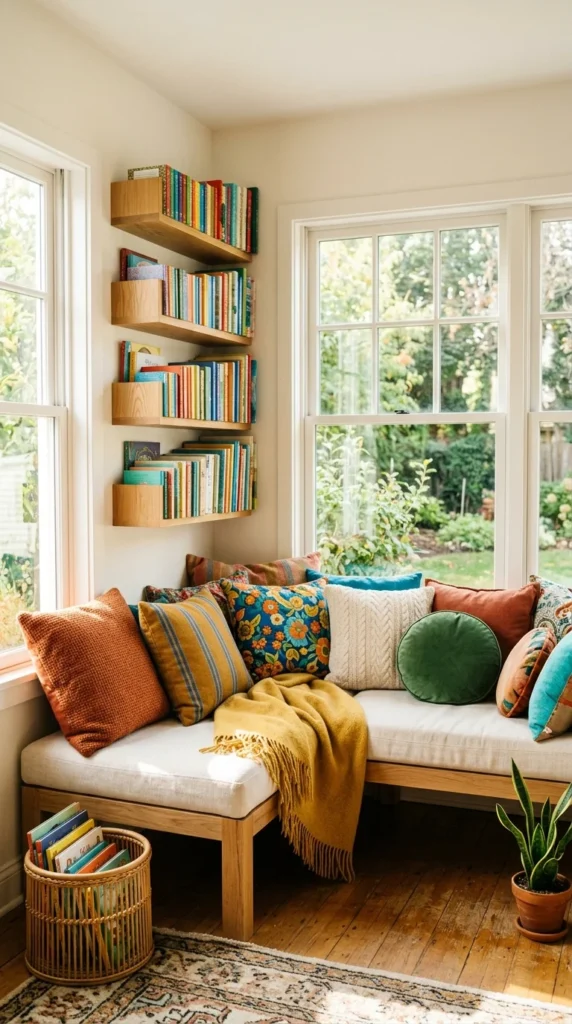
Encouraging a love for literacy starts with a dedicated space that makes reading feel like an adventure. A reading nook doesn’t require much space—it can be a corner of the room outfitted with a soft floor cushion, a bean bag, or even a small upholstered armchair. The key is lighting; a wall-mounted sconce or a string of warm fairy lights makes the space inviting during the evening. Surround the area with low-profile shelving so books are within easy reach of little hands, turning a simple corner into a portal to other worlds.
3. Canopy Beds
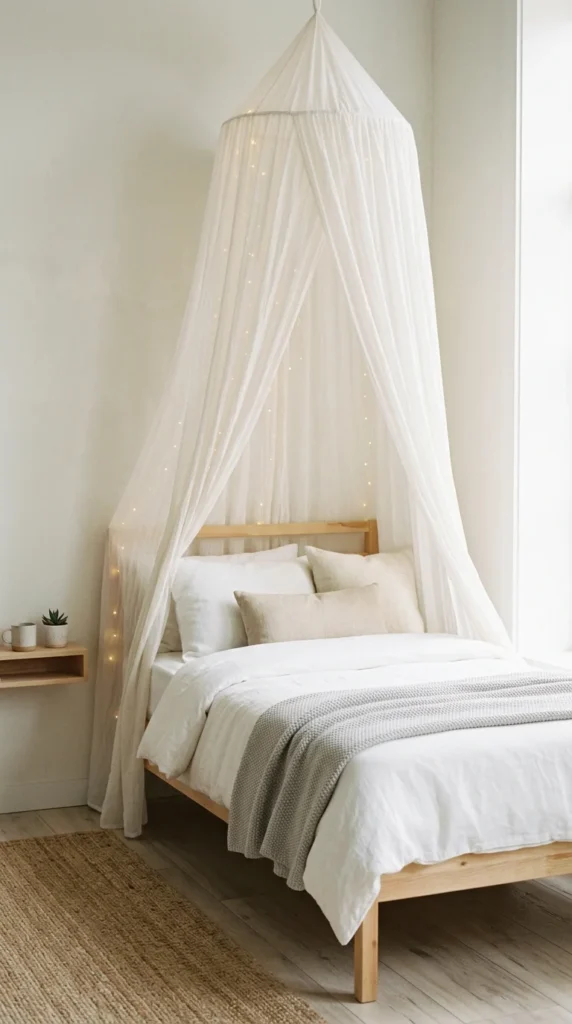
There is something inherently magical about a canopy bed. It creates a “room within a room,” providing a sense of privacy and coziness that kids love. You don’t necessarily need a traditional four-poster bed to achieve this; a simple ceiling-mounted hoop with flowing tulle or linen fabric works beautifully over a standard twin bed or even a toddler bed. For an extra touch of wonder, weave battery-operated LED stars into the fabric so that when the lights go out, the canopy glows like a night sky.
4. Mural Walls
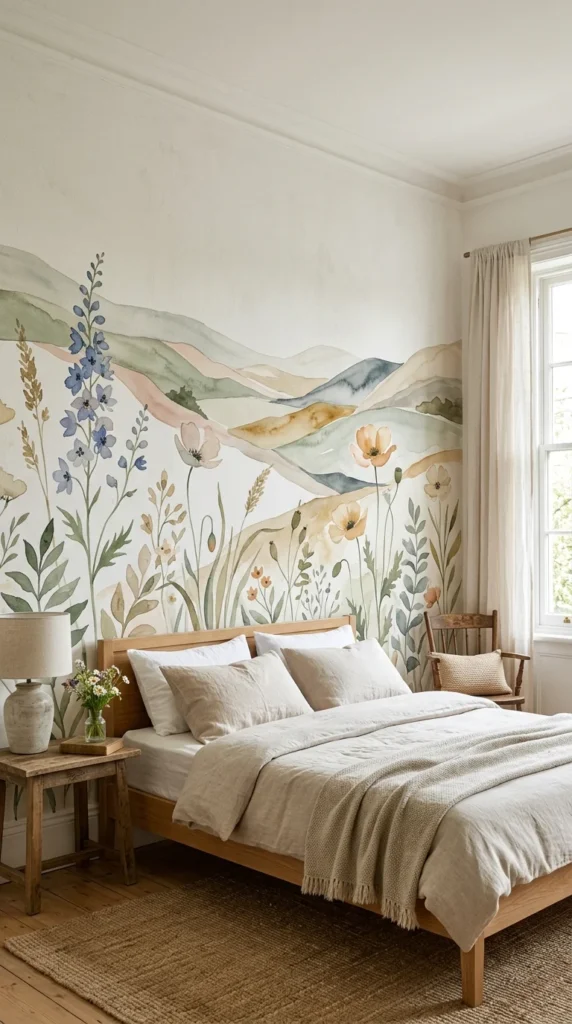
Mural walls are the ultimate statement piece in a child’s room. Rather than a repeating pattern, a mural tells a story across the entire span of a wall. Popular choices include soft watercolor mountain ranges, giant floral blooms, or vintage-style maps of the world. If you aren’t confident in your painting skills, many companies offer high-quality “peel and stick” murals that are easy to apply and remove as your child’s tastes evolve. A mural instantly defines the color palette of the room and serves as a stunning backdrop for the rest of the furniture.
5. House Beds
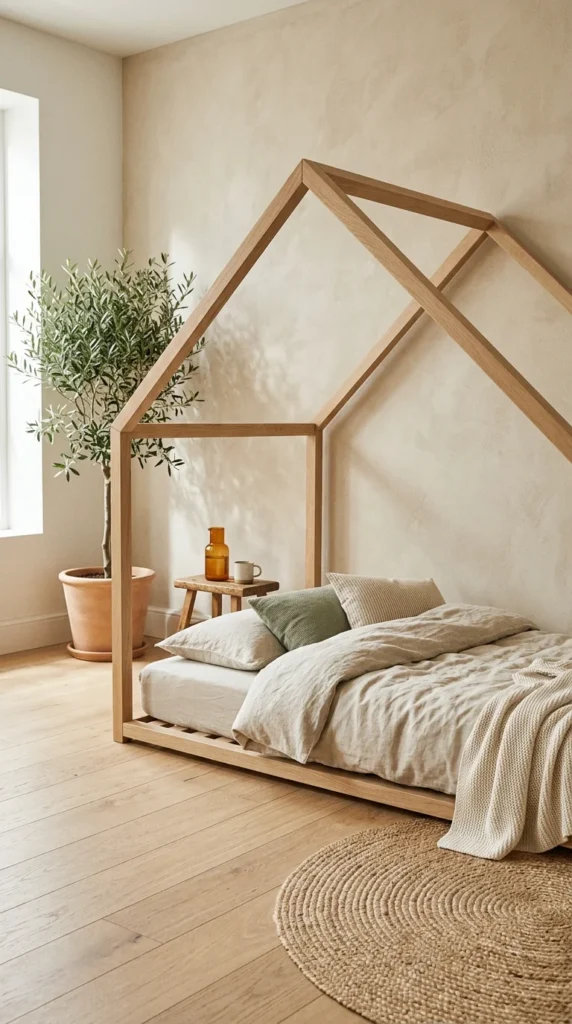
House beds have taken the world of interior design by storm, and for good reason. These frames, which trace the outline of a simple house with a peaked roof, sit low to the ground, making them safe for younger children. They provide a structural element that feels like a playhouse but functions as a sleeping space. You can leave the frame bare for a modern, Scandinavian look, or drape it with fabric or garlands to make it feel more enclosed and “den-like.”
6. Gallery Walls
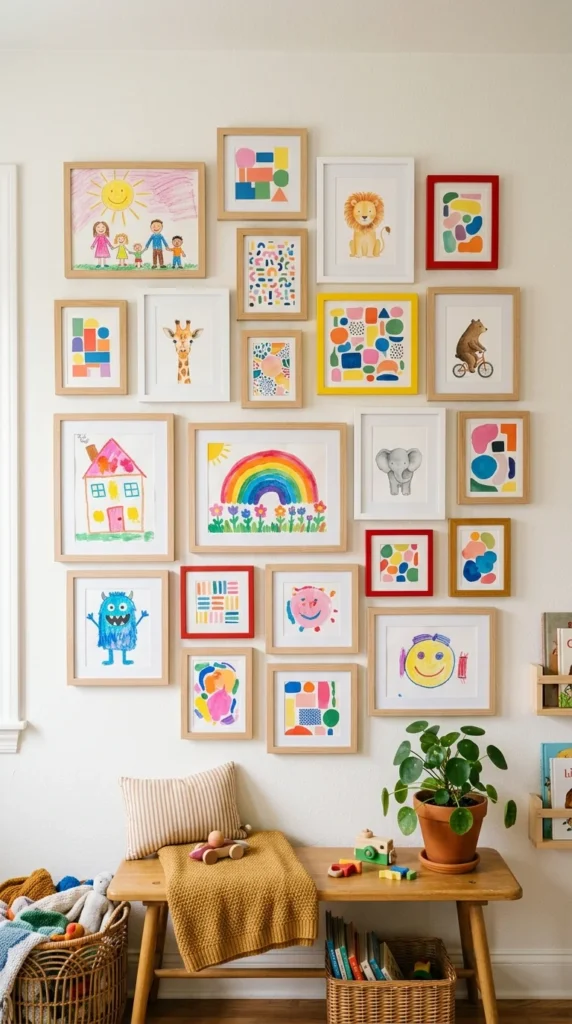
A gallery wall is a wonderful way to personalize a room and celebrate a child’s creativity. Mix and match framed prints of their favorite animals with their own masterpieces from school. Using frames of different sizes but in a cohesive color—like all white or all natural wood—keeps the look from feeling cluttered. This is a dynamic design choice; you can easily swap out the artwork as your child grows, ensuring the room always reflects their current interests and artistic journey.
7. Tent Play
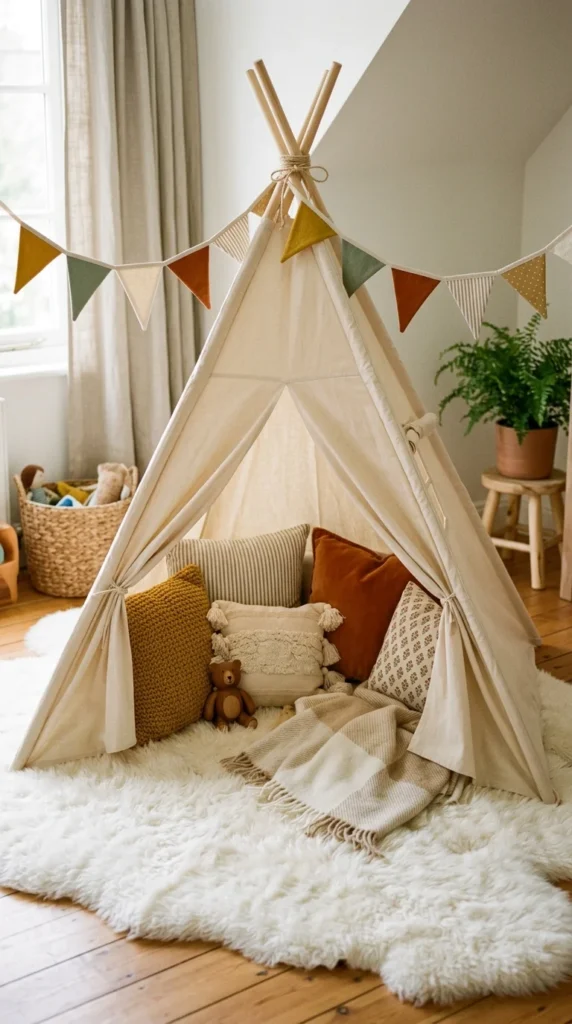
Every child loves a hideout. A play tent or a teepee provides a dedicated spot for imaginative play, nap time, or secret club meetings. These structures add height and visual interest to a room without the permanence of built-in furniture. Choose a tent made from natural canvas or cotton to maintain a soft, organic feel. When placed on a plush rug and filled with a few favorite stuffed animals, the tent becomes the heart of the room’s “play zone.”
8. Chalkboard Paint
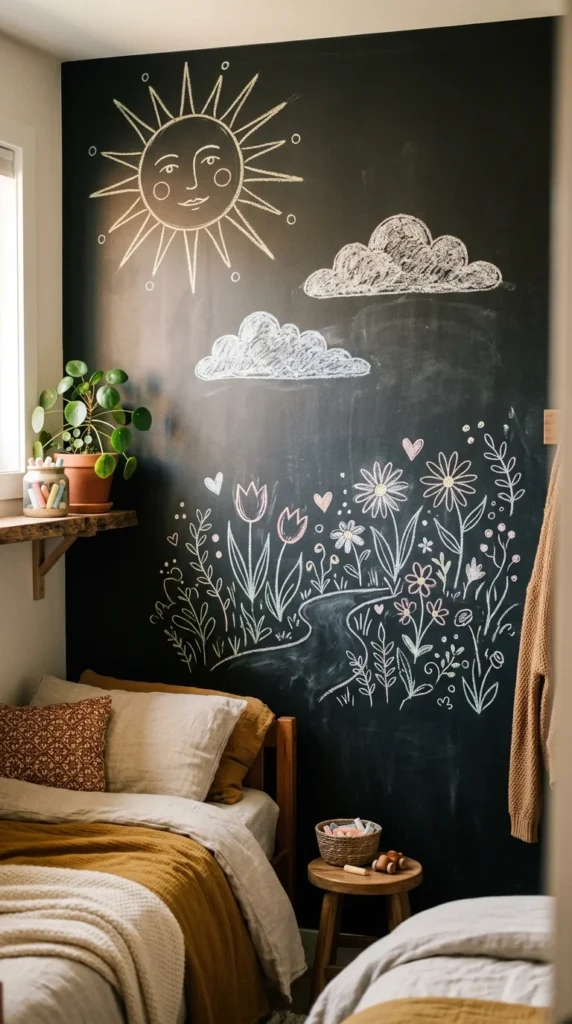
Why fight the urge to draw on the walls when you can encourage it? Applying chalkboard paint to a section of the wall—or even an entire wall—turns the room into an interactive canvas. It’s a practical choice for kids who love to doodle, and it’s equally useful for older children to practice spelling words or keep track of their daily schedules. To keep the room looking chic, choose a high-quality matte black or deep charcoal paint and pair it with bright wooden furniture to provide a striking contrast.
9. Rainbow Accents
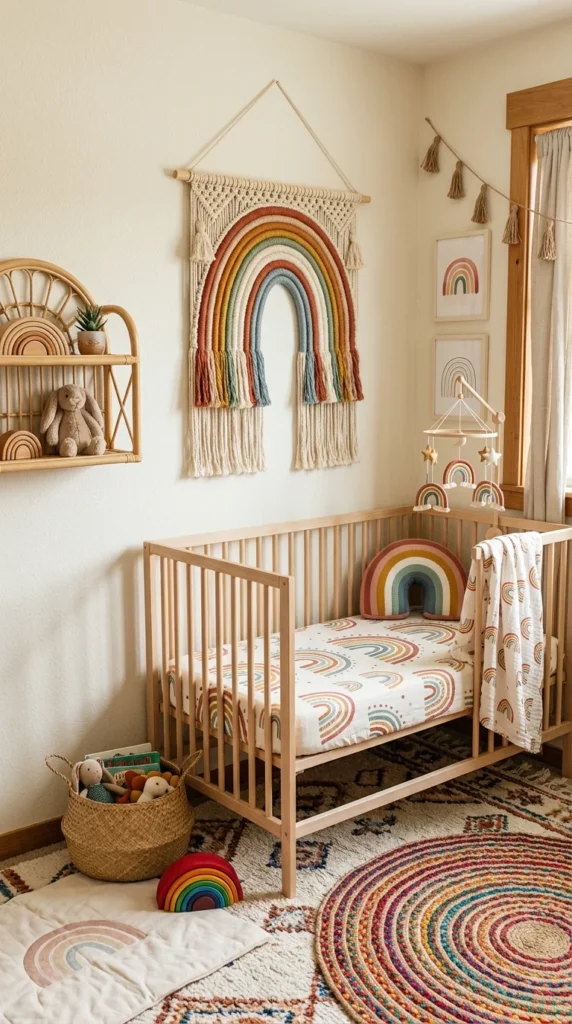
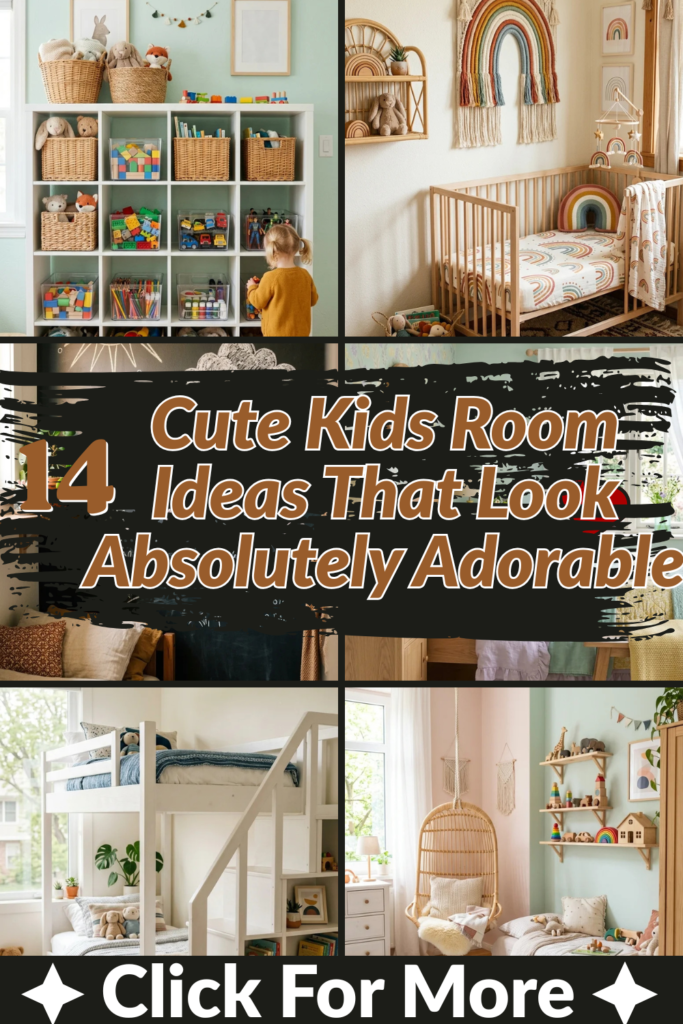
Rainbows are a symbol of hope and joy, making them perfect for a kid’s room. However, the modern take on the rainbow theme is often more “boho” than “primary colors.” Look for muted, earthy tones like terracotta, mustard, and sage green in rainbow shapes. Whether it’s a large macrame wall hanging, a patterned duvet cover, or a simple rug, these multi-colored accents bring a sense of vibrancy and cheer to the space without being overwhelming to the eyes.
10. Celestial Dreams
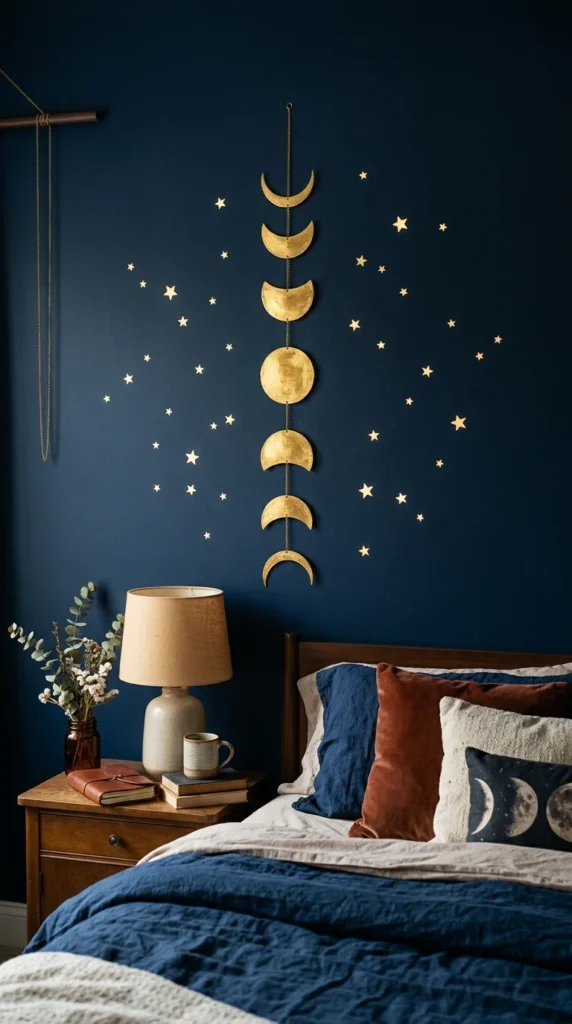
For the little dreamer who looks at the stars, a celestial theme is a sophisticated and enchanting choice. Deep navy or midnight blue walls create a cozy, “cocoon” effect that is perfect for sleep. You can accent the dark paint with gold or silver star decals, moon-shaped mirrors, and even a glowing moon lamp. This theme ages very well, transitioning easily from a nursery to a teenager’s room with just a few small adjustments to the furniture.
11. Bunk Beds
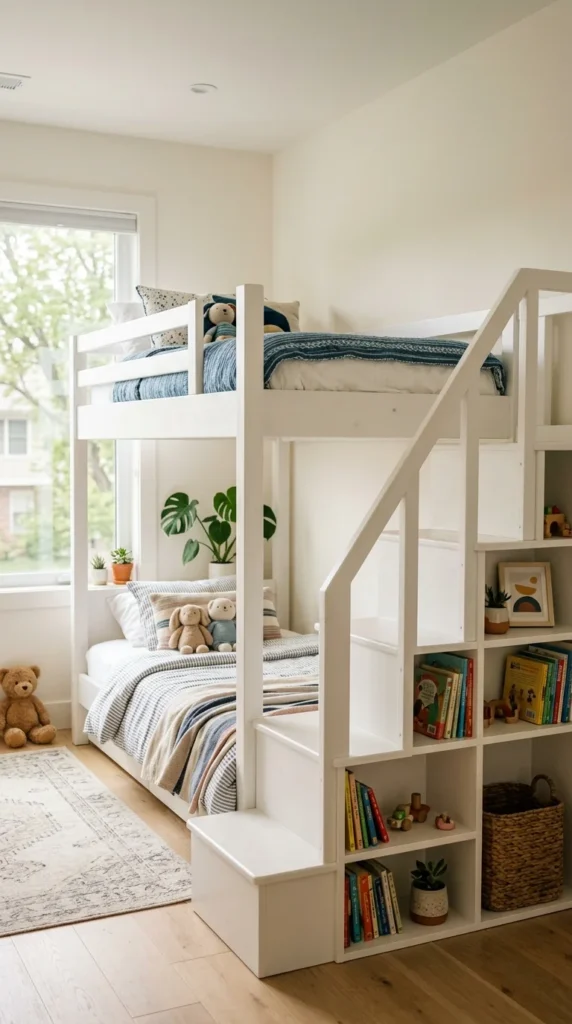
Bunk beds are the classic solution for shared rooms, but modern designs have elevated them into something truly spectacular. Look for bunks that incorporate smart storage, like drawers built into the stairs or shelving units along the sides. A “L-shaped” bunk configuration can also open up floor space for a desk or a play area underneath. By choosing a sleek, minimalist frame, you ensure the room feels open and airy rather than cramped by the vertical height of the beds.
12. Pastel Palettes
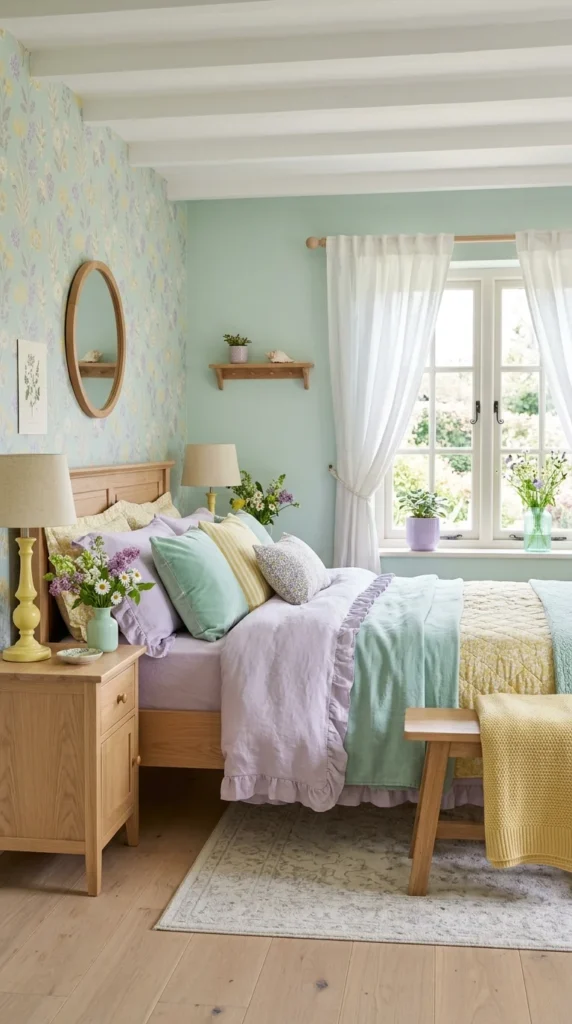
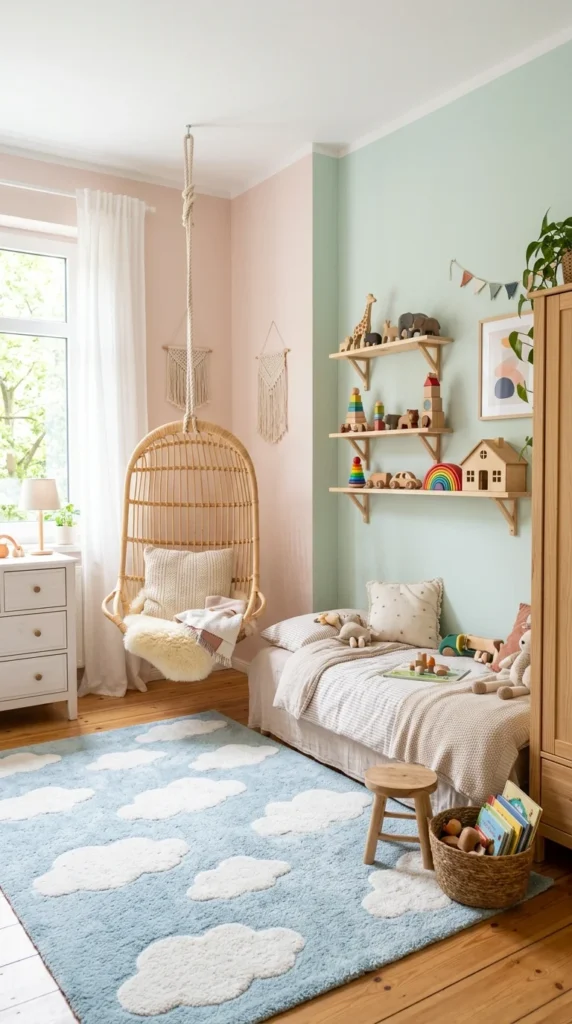
If you want a room that feels serene and timeless, a pastel palette is the way to go. Soft shades of mint, lavender, blush pink, and buttery yellow create a calm environment that isn’t too stimulating before bedtime. The trick to keeping a pastel room from looking washed out is to layer different textures—think a chunky knit throw, a smooth velvet pillow, and a braided rug. These layers add depth and warmth to the light color scheme.
13. Storage Solutions
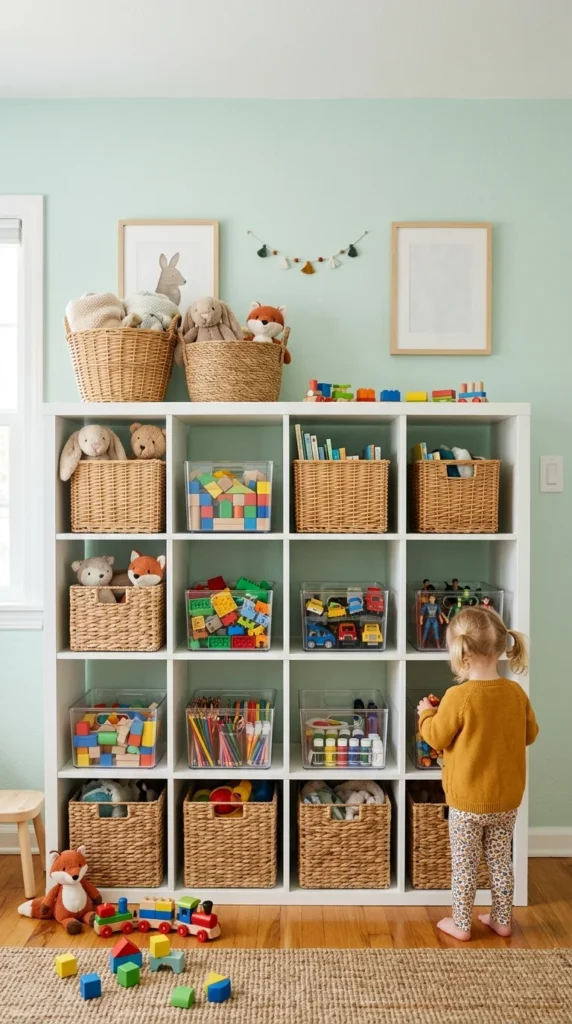
A room is only “adorable” if you can actually see the floor! Innovative storage is the backbone of a successful kid’s room design. Use a mix of open and closed storage to hide the clutter while keeping favorite toys accessible. Wicker baskets are excellent for adding a natural texture, while clear bins help kids see exactly where their blocks or dolls are located. Labelling the bins with pictures (for younger kids) or words (for older kids) also encourages them to participate in the cleanup process.
14. Nature Indoor
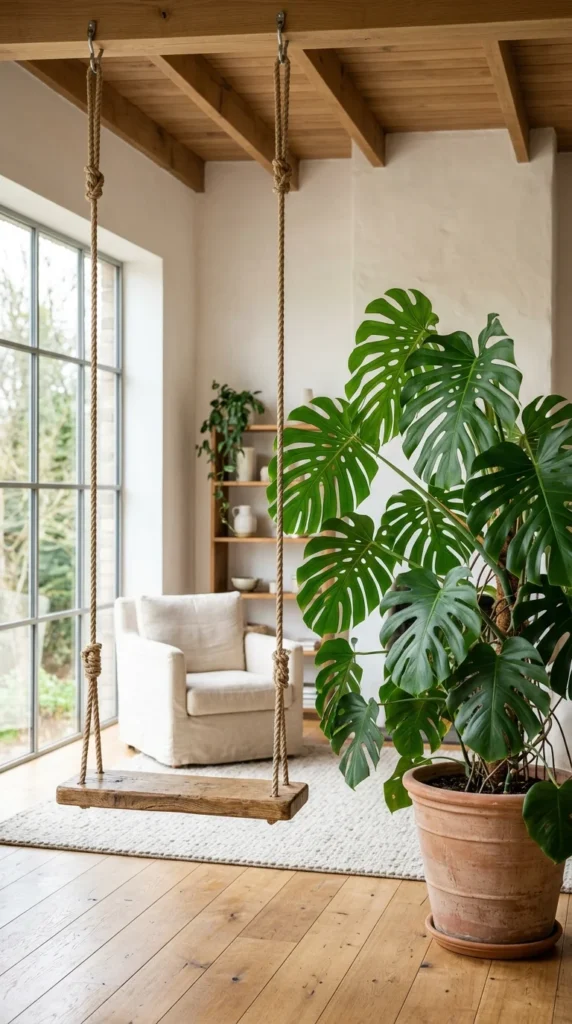
Bringing elements of the natural world inside can create a very grounding and peaceful atmosphere. This can be as simple as adding a few “kid-safe” indoor plants like spider plants or snake plants, which also help purify the air. For a more adventurous touch, consider installing a sturdy indoor swing or a set of wooden climbing rungs on the wall. These elements encourage physical movement and bring the fun of the playground into the safety of the home, all while maintaining a beautiful, organic aesthetic.