
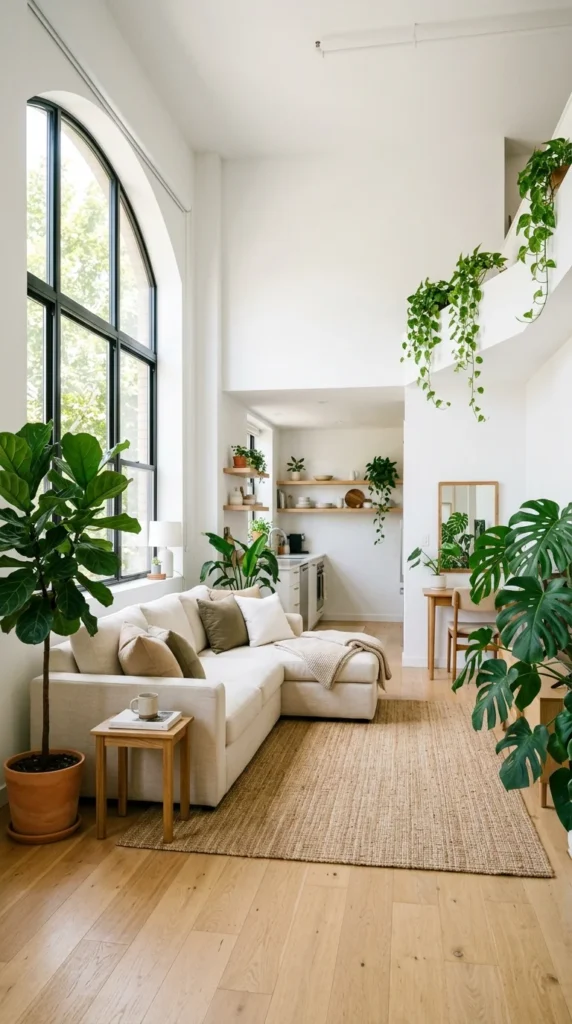
Living in a small apartment often feels like a constant battle against the walls. You want a cozy sanctuary, but you often end up with a cluttered corridor. However, the size of your floor plan doesn’t have to dictate the “feel” of your home. Interior design is as much about psychology and visual trickery as it is about furniture. By manipulating light, scale, and sight lines, you can transform a cramped studio into an expansive-feeling retreat. Here are 15 expert-backed decorating ideas to make any small space feel significantly larger.
1. Oversized Mirrors
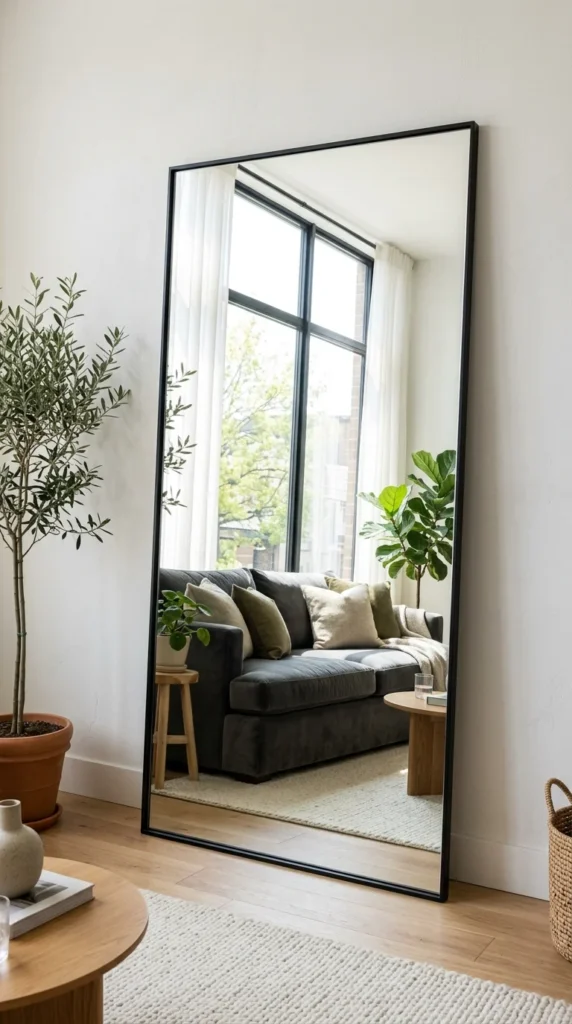
Mirrors are the oldest trick in the design book for a reason: they work. By reflecting both natural and artificial light, mirrors make a room brighter during the day and deeper at night. Placing a large mirror opposite a window is particularly effective, as it effectively “doubles” your view and brings the outdoors in. Whether it’s a gallery wall of smaller mirrors or one massive leaning floor mirror, the added depth breaks the visual boundary of the wall.
2. Leggy Furniture
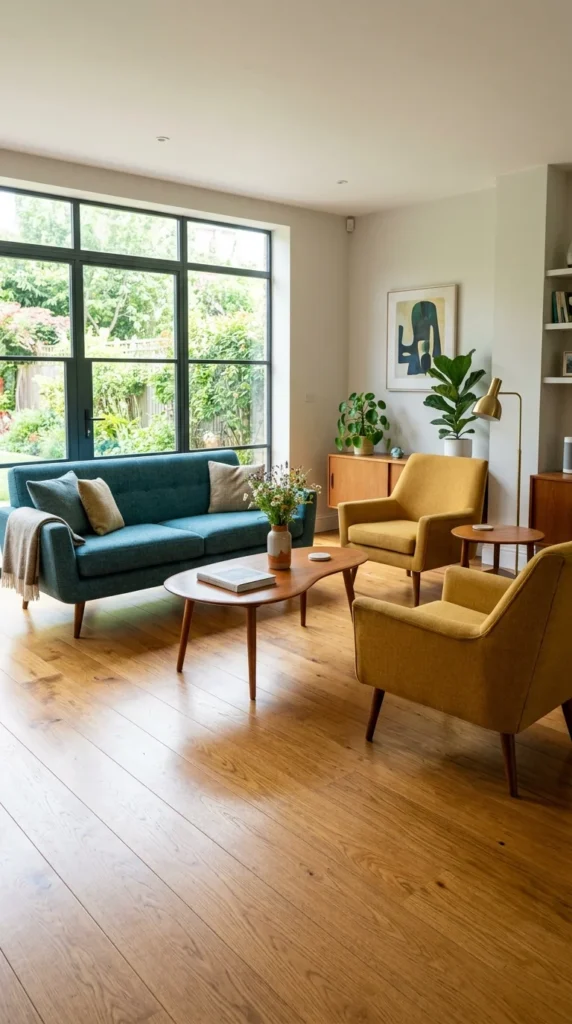
When you can see the floor extending under your furniture, your brain perceives the room as being larger. Bulky, boxy furniture that sits flush against the ground acts like a visual roadblock, stopping the eye and making the floor space feel chopped up. Opting for “leggy” pieces—sofas, chairs, and consoles with slim profiles—creates a sense of “airiness.” This allows light and sight lines to flow uninterrupted, making the entire layout feel more fluid.
3. Acrylic Accents
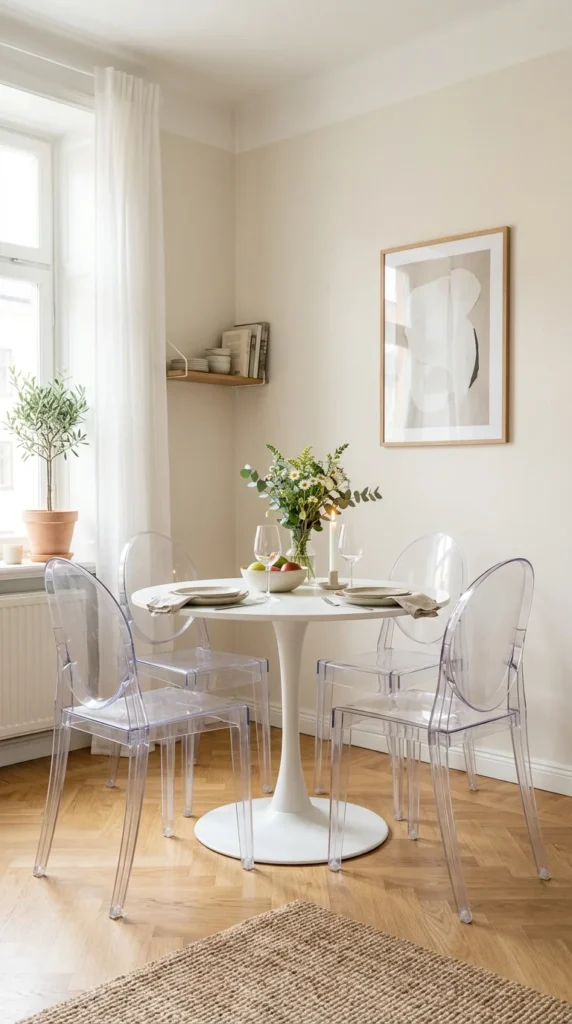
Acrylic or glass furniture is a game-changer for small-scale living. Often referred to as “ghost” furniture, these pieces provide all the functionality of a coffee table or dining chair without any of the visual weight. Because they are transparent, they don’t take up any “visual square footage.” You get the surface area you need for your morning coffee or evening work without cluttering the room’s aesthetic landscape.
4. Vertical Storage
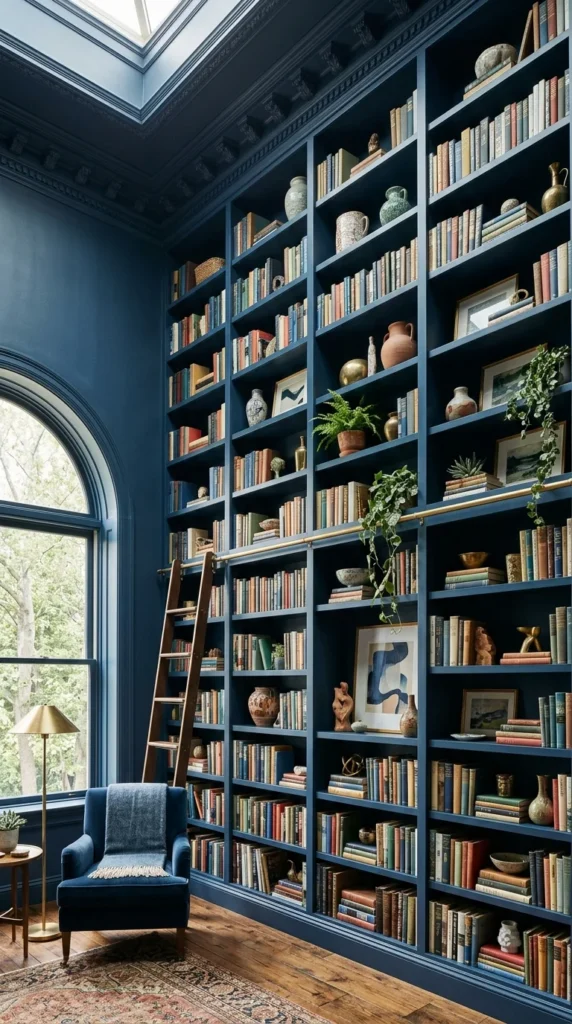
When you run out of floor space, the only way to go is up. Utilizing vertical space is essential for keeping clutter at bay while drawing the eye upward, which makes the ceilings feel higher. Tall shelving units, hanging pot racks in the kitchen, or even high-mounted coat hooks take the “weight” off the floor. By emphasizing the height of the room rather than the width, you shift the focus to the most spacious dimension of the apartment.
5. Monochromatic Palettes
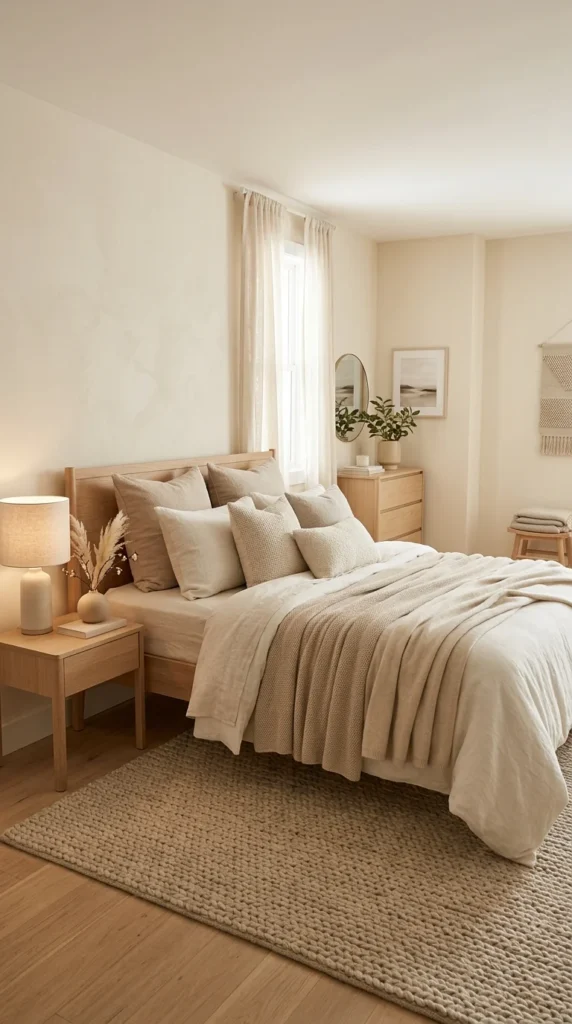
Using a single color family—especially light neutrals like off-white, greige, or soft blues—creates a seamless look that blurs the edges of the room. When the walls, trim, and even the larger furniture pieces are in similar tones, the eye doesn’t encounter “stops” or harsh transitions. This creates a cohesive, expansive environment. To keep a monochromatic room from feeling flat, incorporate various textures like linen, wool, and wood to add depth.
6. Multi-functional Furniture
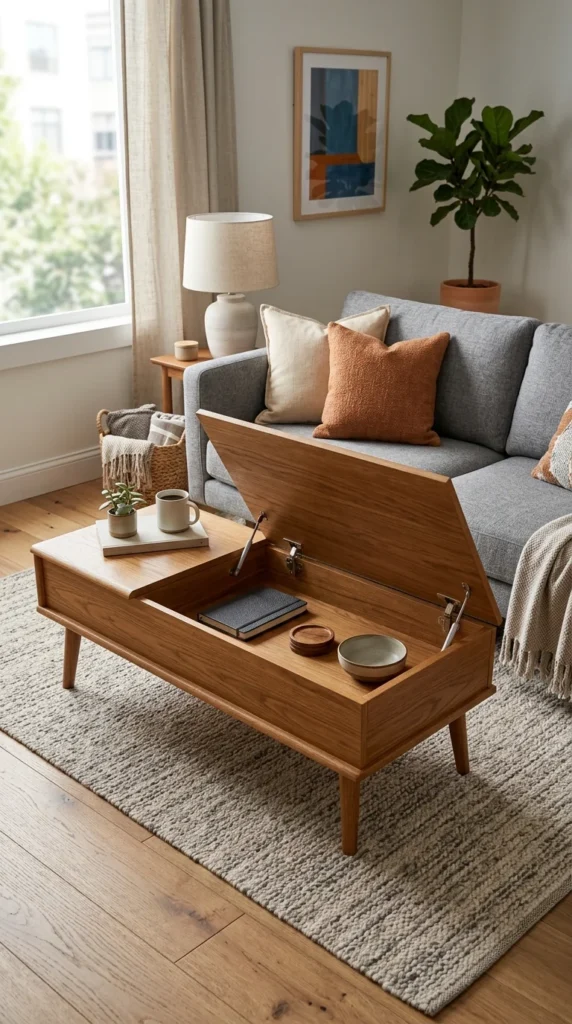
In a small apartment, every piece of furniture must earn its keep. Multi-functional pieces reduce the total number of items you need in a room. Think of an ottoman that doubles as a coffee table and provides hidden storage for blankets, or a desk that folds down from the wall. By choosing furniture that serves dual purposes, you keep the floor plan open and reduce the “noise” created by having too many individual items.
7. High Curtains
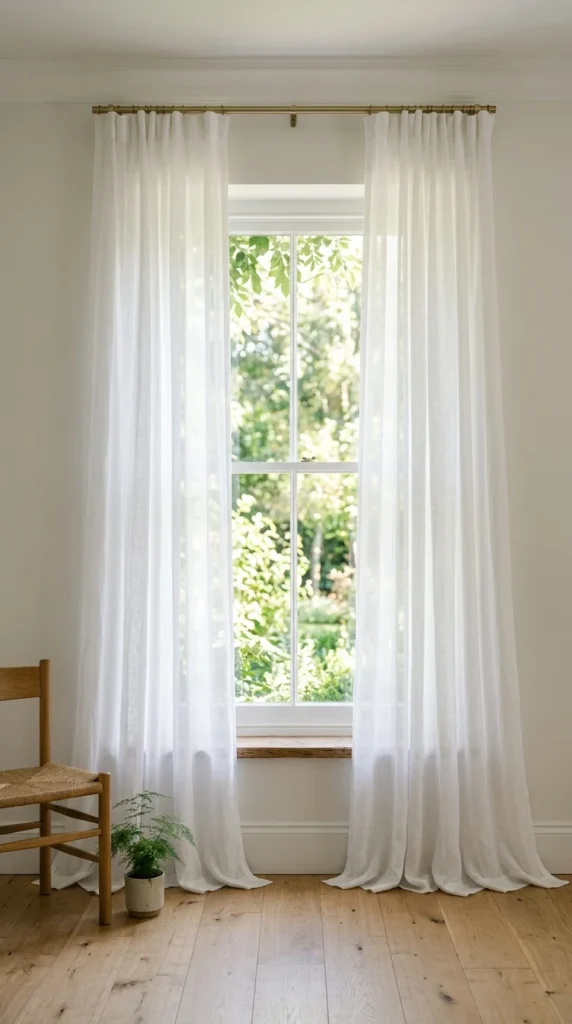
A common mistake in small spaces is hanging curtain rods directly above the window frame. To make your ceilings feel like they soar, mount your curtain rods as close to the ceiling as possible and let the fabric extend all the way to the floor. This creates long, vertical lines that trick the eye into thinking the walls are much taller than they actually are. Use sheer fabrics to allow maximum light to filter through while still maintaining privacy.
8. Large Area Rugs
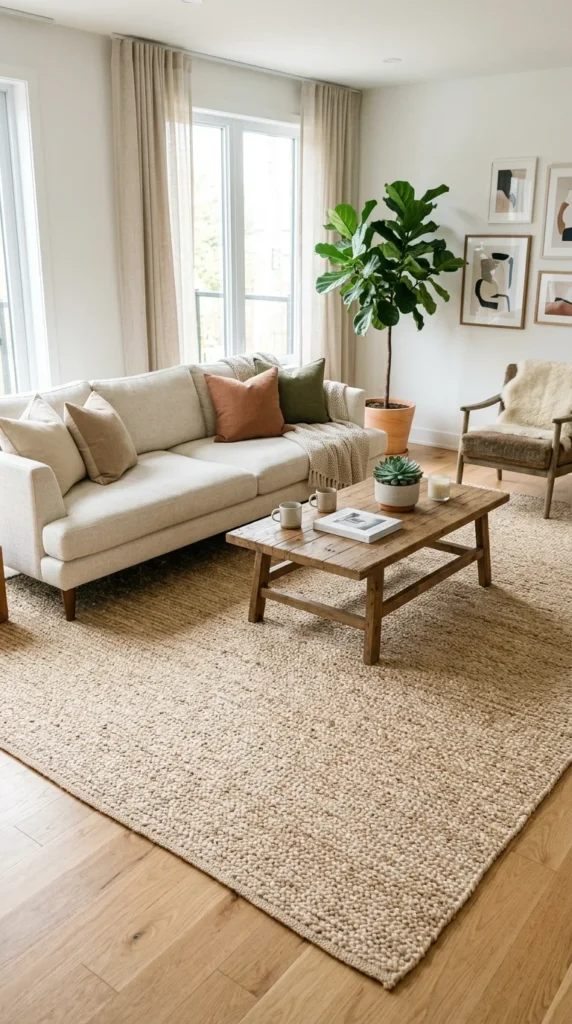
It sounds counterintuitive, but a tiny rug makes a room feel tiny. A small rug creates a “postage stamp” effect that breaks the floor into small, disjointed sections. Conversely, a large rug that extends under all the main furniture pieces anchors the space and makes it feel unified and grand. Aim for a rug that leaves only about 12 to 18 inches of bare floor around the edges to maximize the perceived size of the room.
9. Floating Furniture
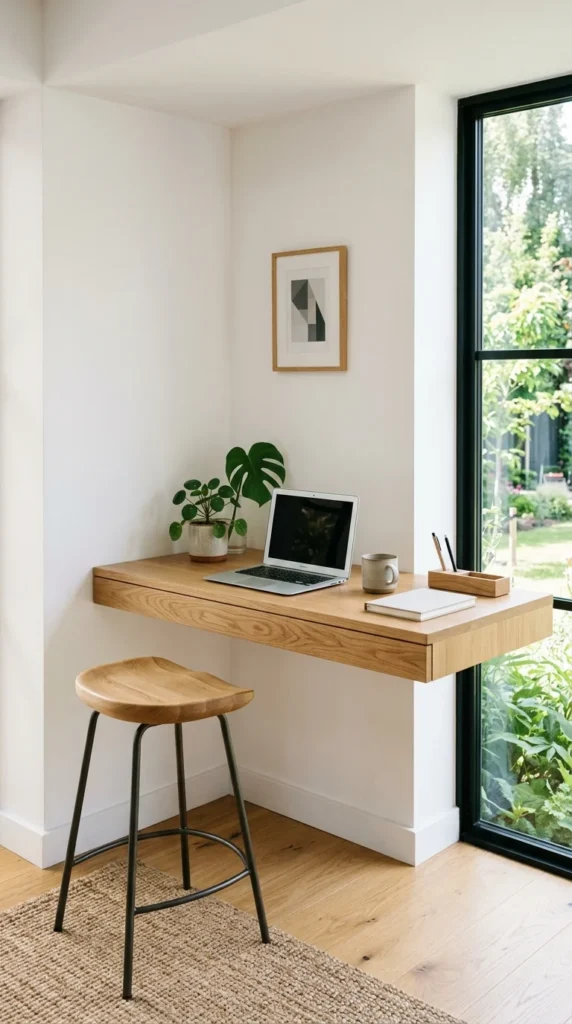
Floating furniture—pieces mounted directly to the wall—is a miracle worker for small footprints. Whether it’s a floating vanity in the bathroom, a floating nightstand in the bedroom, or a wall-mounted TV console, removing the legs creates an unbroken view of the floor. This lack of floor obstruction provides a psychological sense of openness, making the room feel less crowded and easier to navigate.
10. Glass Partitions
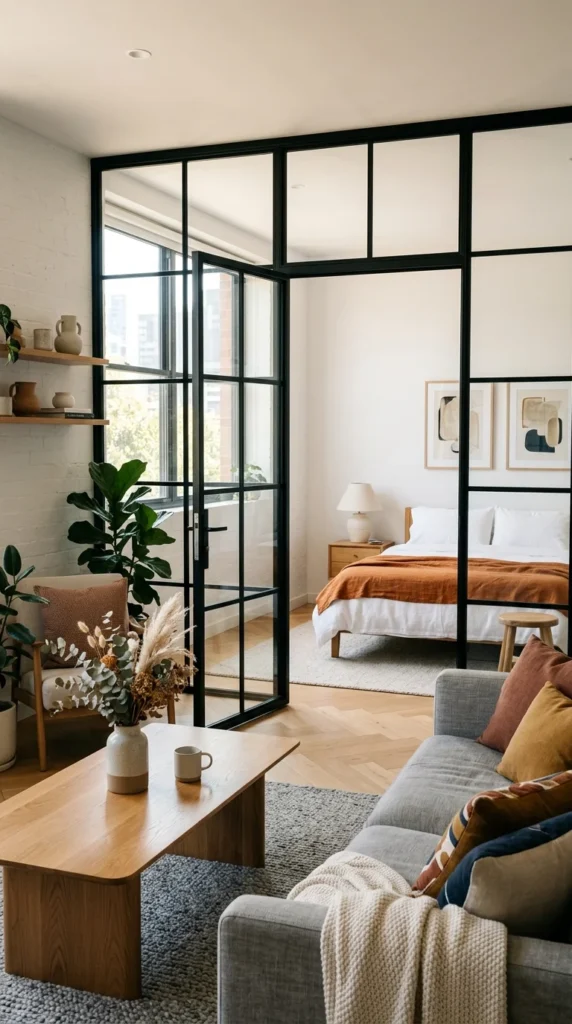
If you need to divide a studio into “zones,” avoid solid walls or heavy bookcases that block light. Instead, use glass partitions or industrial-style steel and glass doors. These provide a physical boundary and sound dampening without closing off the sight lines. Being able to see from one end of the apartment to the other, even through a partition, ensures the space feels like one large, continuous area rather than a series of cramped boxes.
11. Statement Lighting
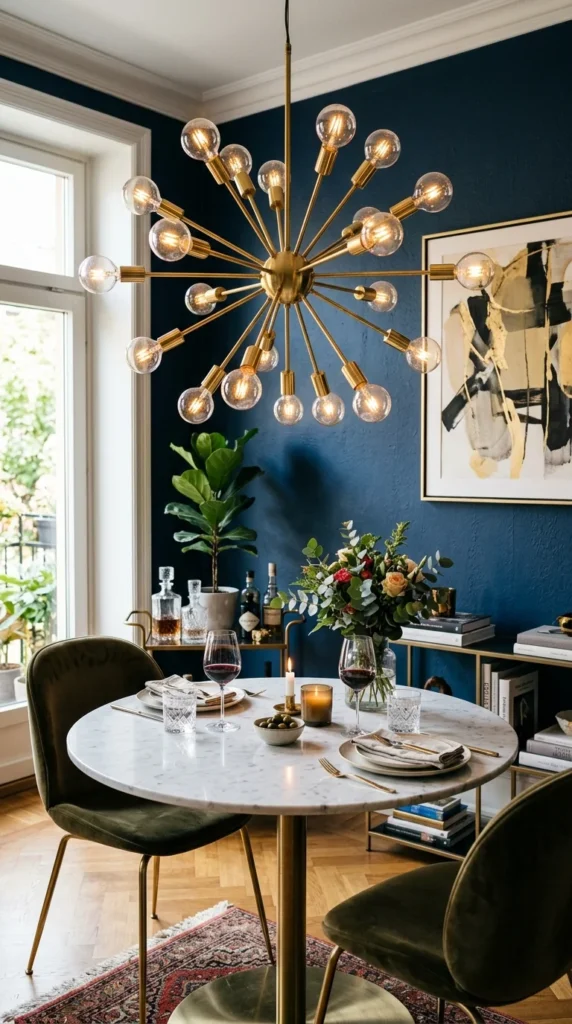
Lighting is often overlooked in small apartments, with many people relying on a single overhead “boob light.” To make a space feel bigger, you need layers of light. Use a statement pendant or chandelier to draw the eye upward and define a specific area, like a dining nook. Supplement this with floor lamps and task lighting in the corners to eliminate shadows. A well-lit corner feels like “usable space,” whereas a dark corner disappears, effectively shrinking your room.
12. Under-Bed Storage
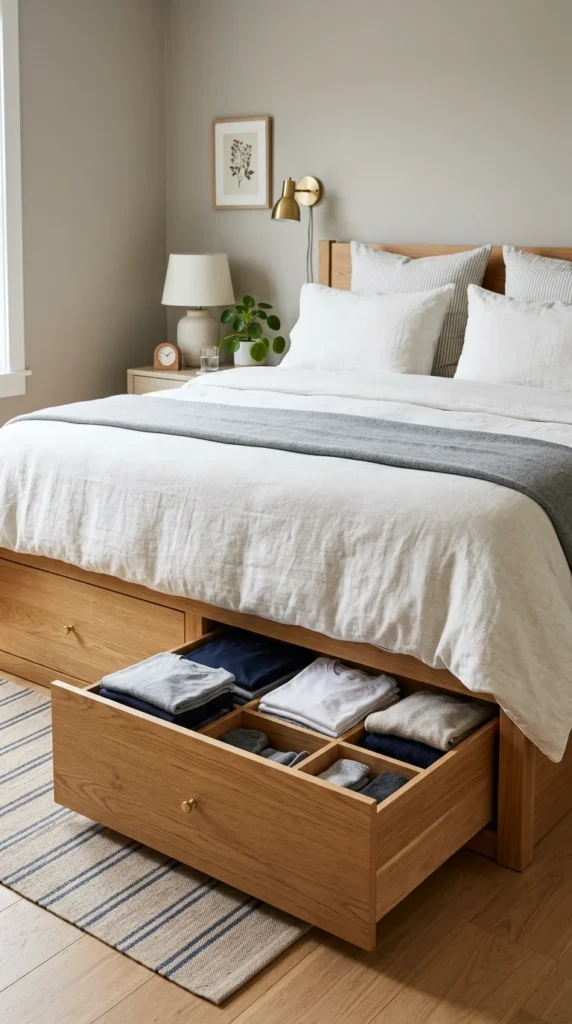
The space under your bed is often wasted “dead space.” In a small apartment, this is prime real estate. Choosing a storage bed or using sleek, uniform bins under a standard frame allows you to move bulky items like out-of-season clothing or extra linens out of your precious closet space. By hiding the “necessities” out of sight, you can keep the visible areas of your apartment minimalist and clutter-free.
13. Bare Windows
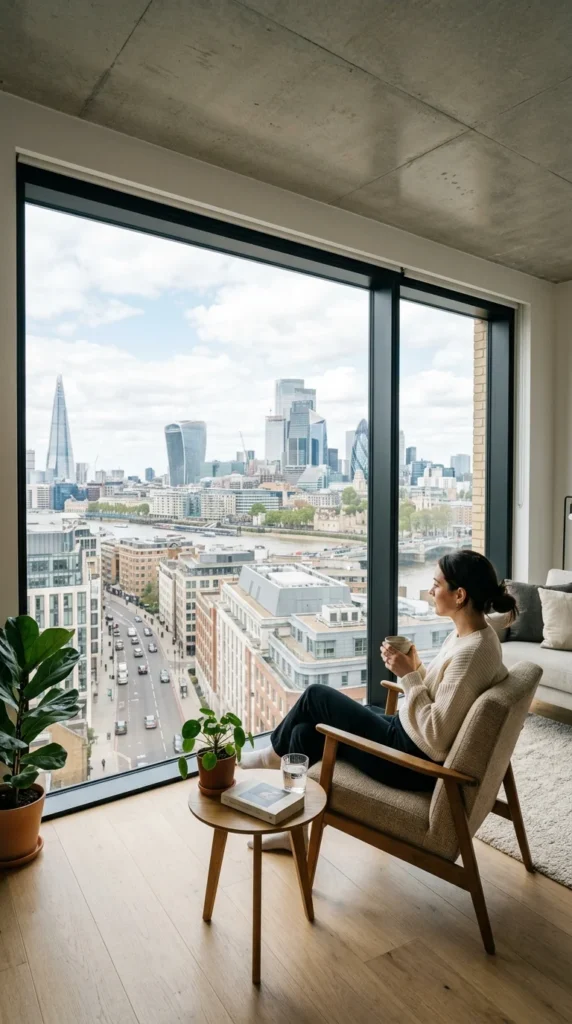
If privacy isn’t a major concern, leaving your windows “naked” is one of the best ways to expand a room. By removing the boundary between the interior and the exterior, you effectively incorporate the outside world into your living space. If you do need coverage, opt for simple roller shades or blinds that disappear when pulled up. The more of the window frame and the view you can see, the less “trapped” the room will feel.
14. Bold Art
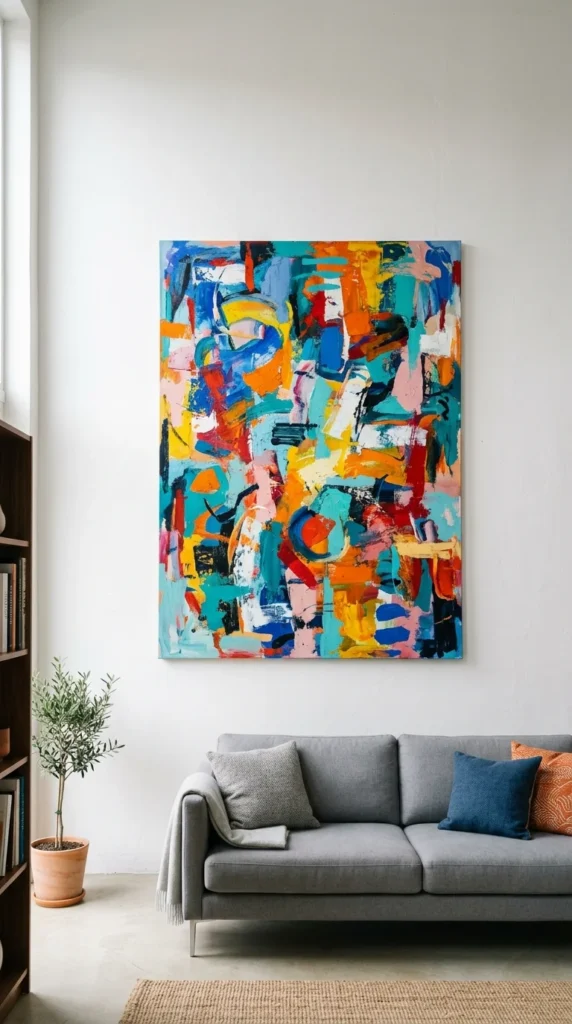
You might think that small art is better for small walls, but the opposite is true. A collection of many small frames can make a wall look cluttered and “busy.” One large, bold piece of art creates a singular focal point and gives the room a sense of scale and importance. It simplifies the visual field and makes the wall—and consequently the room—feel much wider and more intentional.
15. Cohesive Flooring
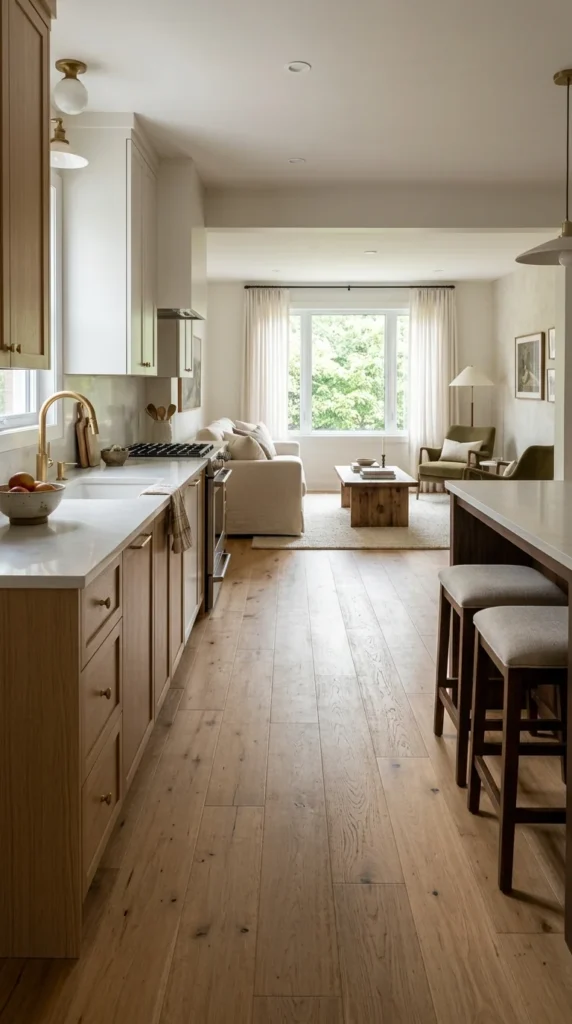
Transitions between different types of flooring (like tile in the kitchen and carpet in the living room) act as visual “stop signs” that tell your brain the room has ended. By using the same flooring material throughout the entire apartment—including the kitchen and even the bathroom if possible—you create a continuous visual plane. This lack of interruption tricks the eye into seeing the entire apartment as one large, expansive suite.