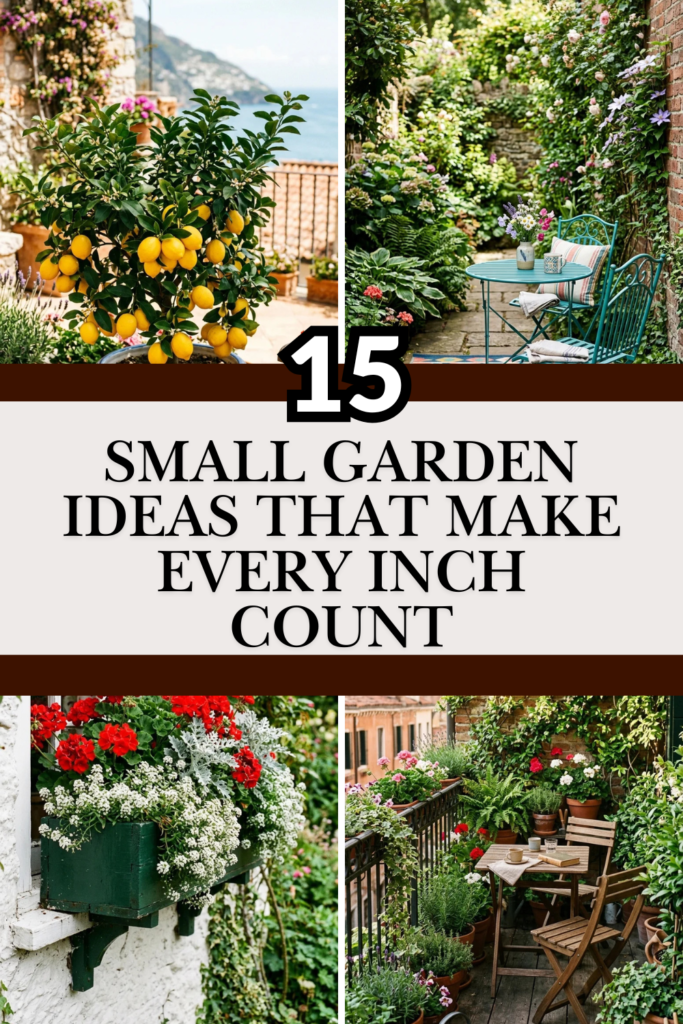

Having a limited outdoor area doesn’t mean you have to sacrifice your dream of a lush, green sanctuary. In fact, small gardens often possess a charm and intimacy that sprawling estates simply cannot replicate. The key to successful small-scale gardening lies in clever design, vertical thinking, and a focus on detail. Whether you have a tiny urban balcony, a narrow side yard, or a compact patio, you can transform it into a breathtaking oasis by making every inch work harder.
The following fifteen ideas are designed to maximize your space, boost your property’s aesthetic appeal, and provide a peaceful retreat from the bustle of everyday life. From “living walls” to multi-functional furniture, let’s explore how to turn your small patch of earth into a masterpiece.
1. Vertical Planters
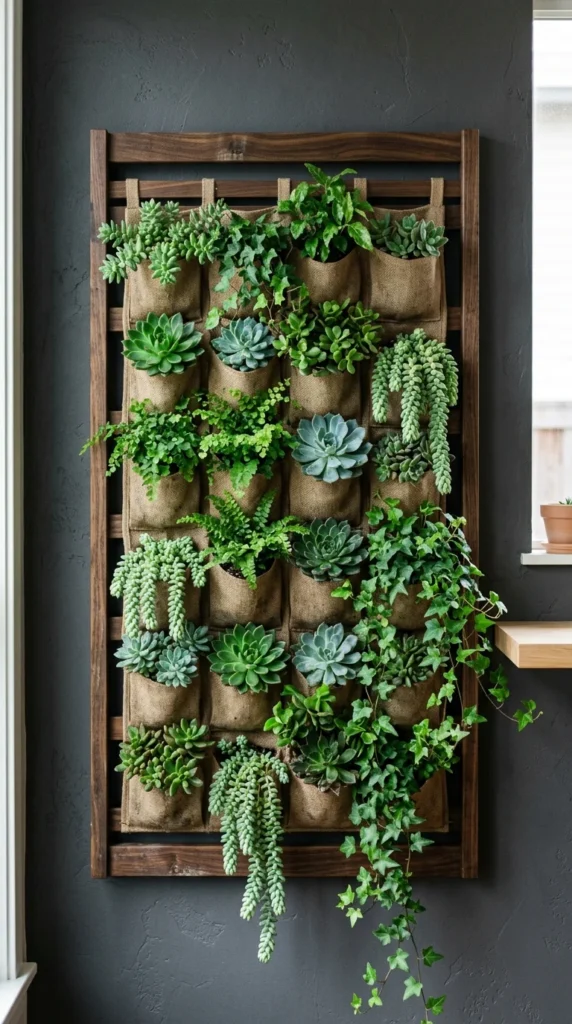
When floor space is at a premium, the only way to go is up. Vertical planters are the ultimate space-savers for small gardens. You can utilize garden walls, fences, or even the side of a shed to host a variety of plants. Wall-mounted systems ranging from felt pockets to wooden crates allow you to create a “tapestry” of greenery. This not only saves space but also covers up unsightly boundaries, making your garden feel more enclosed and private. Consider planting a mix of trailing varieties like Creeping Jenny and upright plants like ferns for a textured, 3D effect.
2. Ladder Shelving
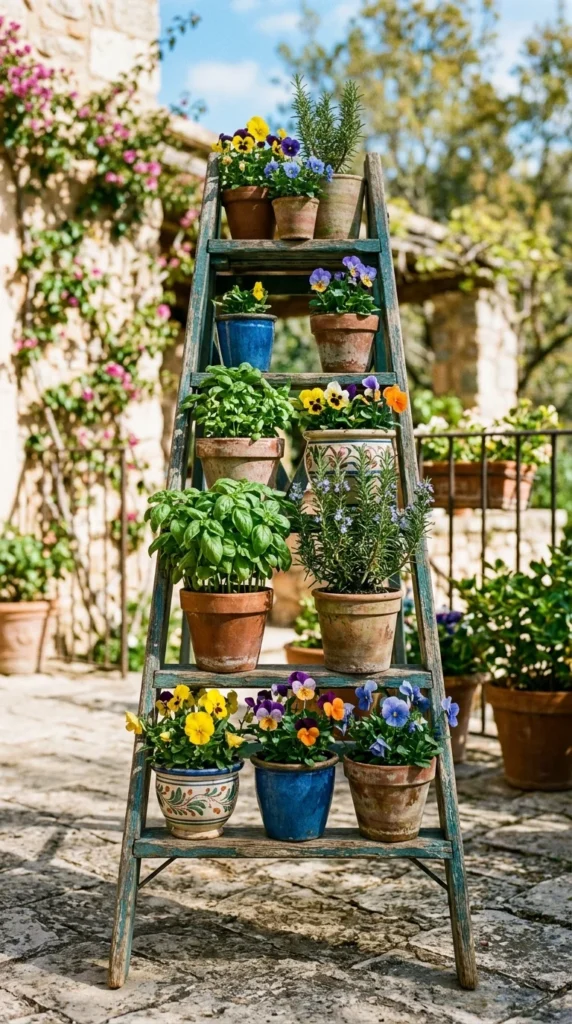
A repurposed ladder is one of the most stylish and functional ways to add height to a small garden. By using the rungs as shelves, you create multiple levels for your potted plants without increasing the footprint of the display. This is particularly effective for herb gardens; you can place sun-loving Mediterranean herbs like thyme and oregano on the top rungs and shade-tolerant mint or parsley on the bottom. The tiered structure ensures that every plant gets its fair share of light and makes watering a breeze.
3. Mirror Magic
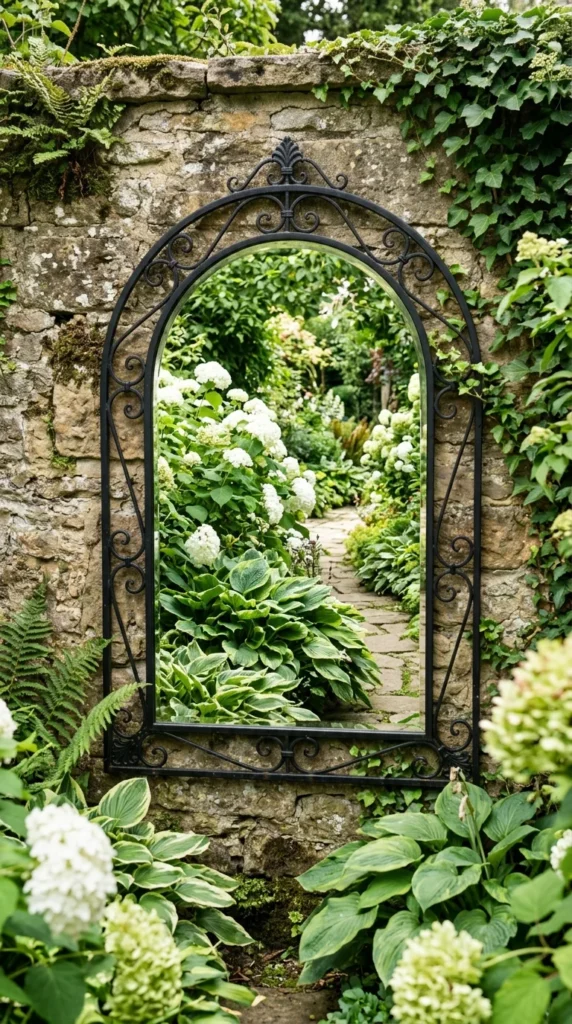
Mirrors are a classic trick used by interior designers to make small rooms feel larger, and they work just as well outdoors. A strategically placed garden mirror can double the visual size of your space by reflecting light and greenery. To make it look natural, choose a mirror with a window-pane design or an ornate frame and surround it with climbing plants like jasmine or honeysuckle. This helps the mirror blend into the landscape, making it look like a “portal” into another part of the garden rather than just a reflective surface.
4. Tiered Containers
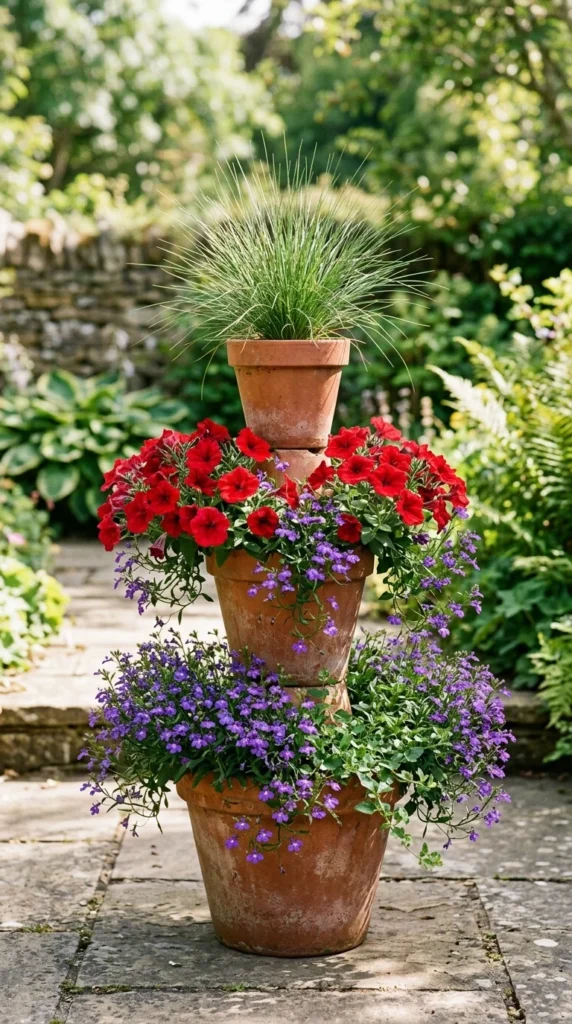
If you have a corner that feels a bit empty, a tiered container arrangement can add instant drama. You can purchase pre-made stacking pots or create your own by placing a smaller pot inside a larger one, filling the gaps with soil and plants. This creates a fountain-like effect of foliage and flowers. It’s an excellent way to grow a “pizza garden” (tomatoes on top, peppers in the middle, and herbs on the bottom) in a space no larger than a single large pot.
5. Window Boxes
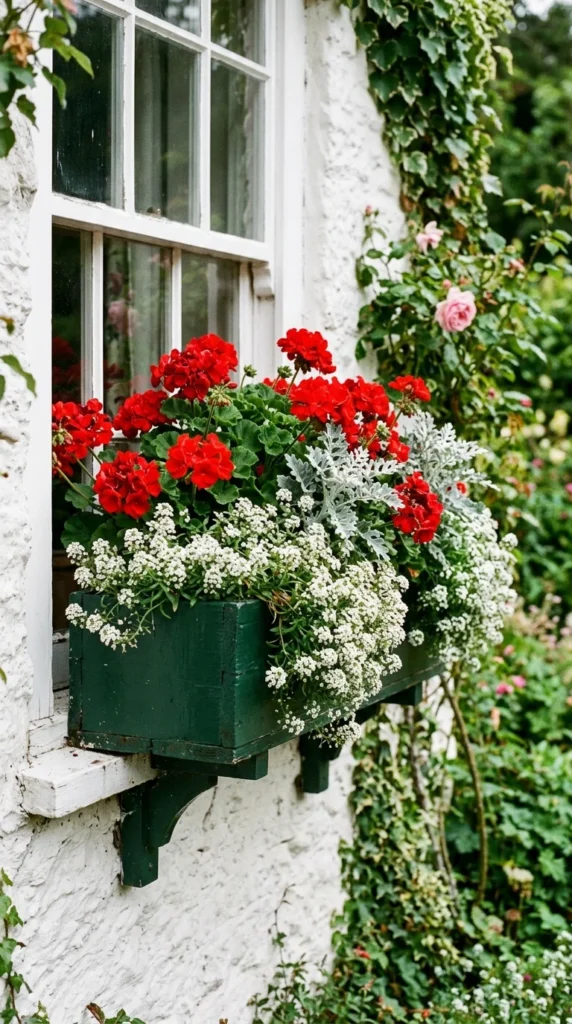
Window boxes are often overlooked, but they provide valuable growing space that doesn’t use any ground area at all. They bring the garden right up to your eye level and can be enjoyed from both inside and outside the house. For a high-impact window box, follow the “thriller, filler, spiller” rule: a central tall plant (thriller), mounding plants to fill the space (filler), and trailing plants to hang over the edges (spiller). This creates a professional, lush look that adds instant curb appeal.
6. Hanging Pots
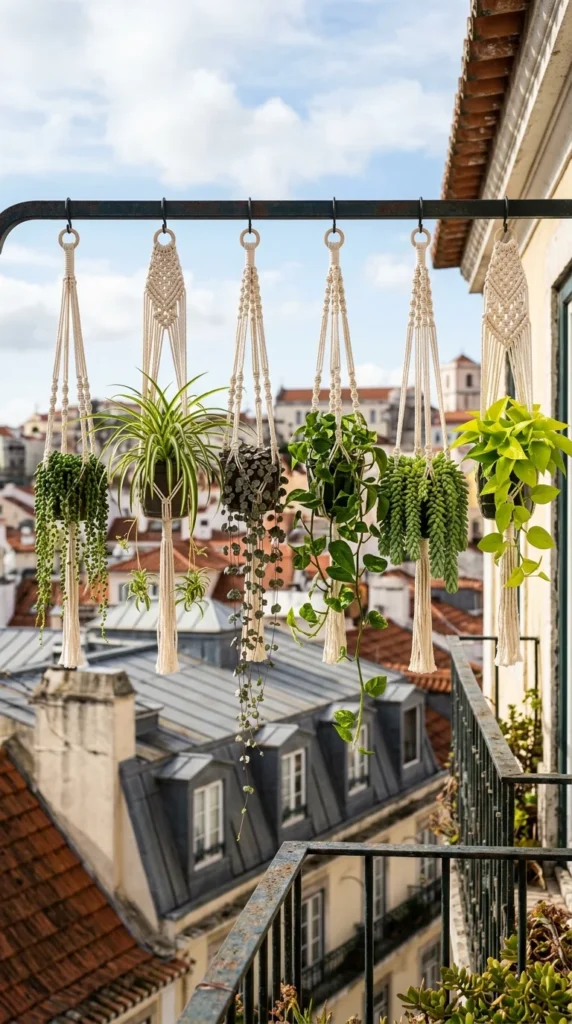
The ceiling of a porch or the underside of a balcony is often wasted space. Hanging pots allow you to introduce greenery at eye level while keeping the ground clear for seating or movement. For a modern look, use minimalist ceramic or metal hangers. For a bohemian vibe, macrame is the way to go. Hanging baskets are also ideal for growing strawberries or tumbling tomatoes, keeping the fruit off the ground and away from many common pests.
7. Multi-Functional Benches
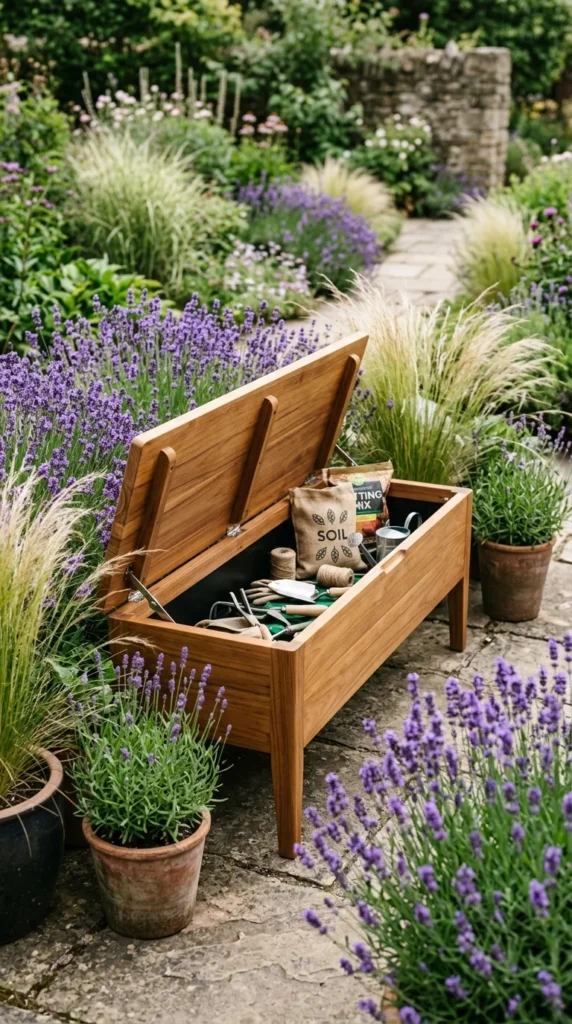
In a small garden, every piece of furniture must earn its keep. A bench that doubles as a storage chest is a lifesaver for keeping clutter at bay. You can store your watering cans, extra pots, and gardening gloves inside, keeping the area tidy and organized. When the lid is closed, it provides a comfortable spot to sit and enjoy the view. Look for designs made of weather-resistant wood like teak or cedar to ensure longevity.
8. Corner Trellises
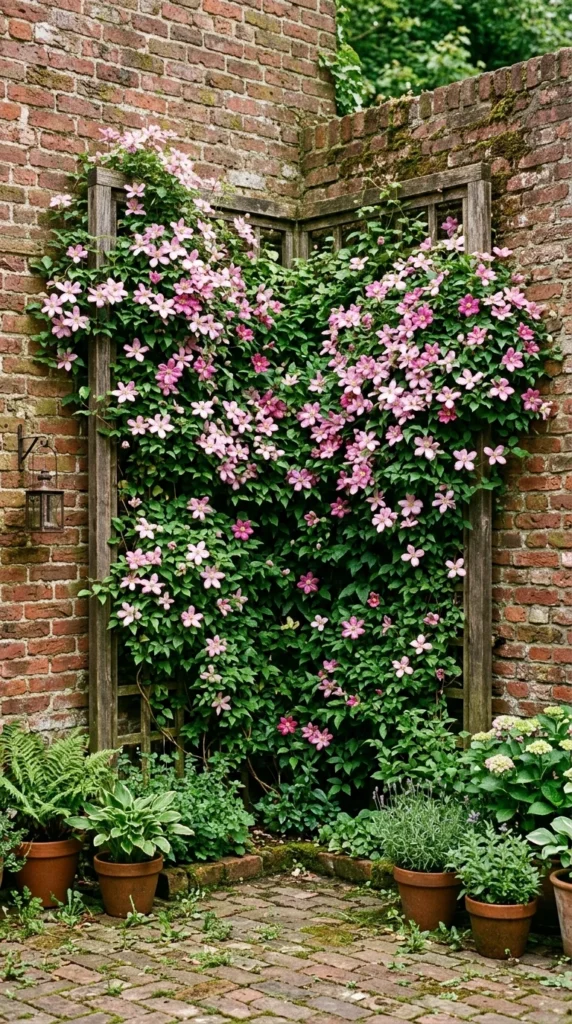
Corners are frequently neglected in garden design, but they are the perfect spot for a vertical accent. An L-shaped trellis tucked into a corner provides a sturdy support for climbing roses, clematis, or even runner beans. By drawing the eye upward into the corner, you create a sense of height and enclosure that makes the space feel like a cozy outdoor room. This technique also softens the hard angles of fences and walls.
9. Herb Spirals
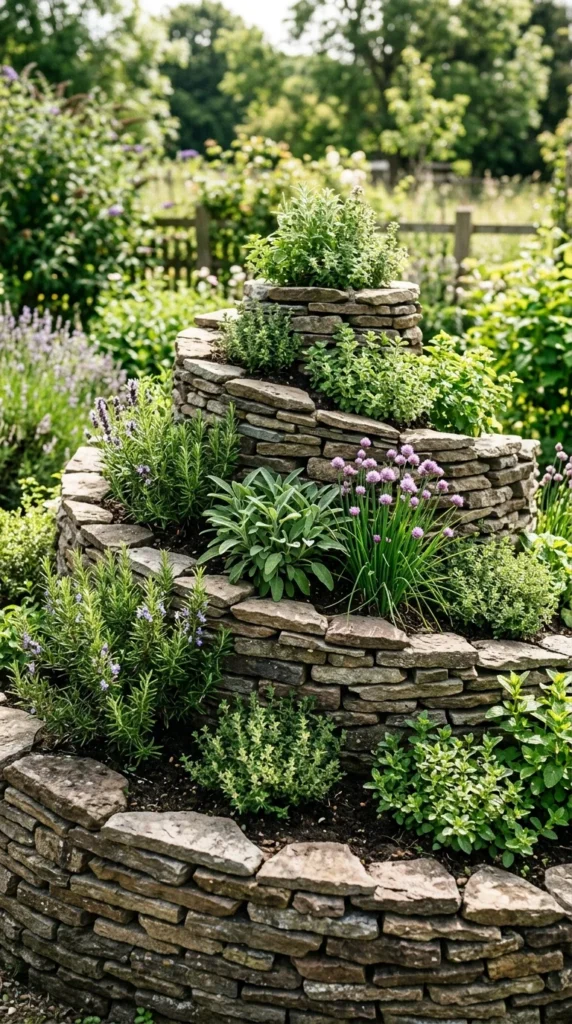
Herb spirals are a masterpiece of permaculture design that maximize growing surface area while occupying a very small circular footprint. By building a spiral of stones or bricks and filling it with soil, you create various microclimates. The top of the spiral is sunny and well-drained (perfect for rosemary and sage), while the bottom is more shaded and retains more moisture (perfect for parsley and mint). It’s a highly productive and visually striking feature for any small backyard.
10. Dwarf Trees
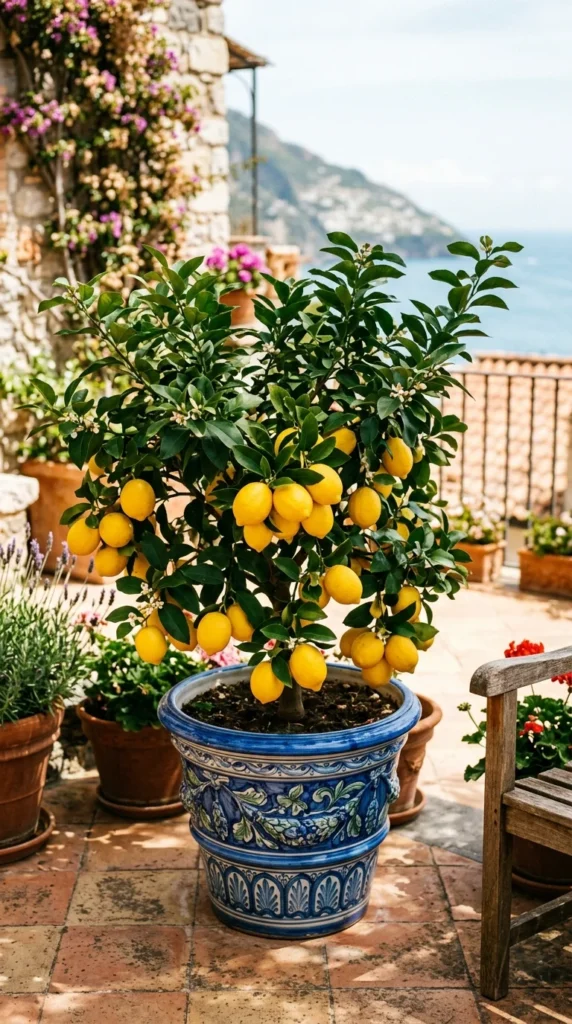
Many people assume that trees are out of the question for small gardens, but dwarf varieties have changed the game. You can now find dwarf versions of apples, citrus, cherries, and even conifers that are specifically bred to stay small and thrive in containers. These trees provide architectural structure, seasonal interest (from blossoms to fruit), and can even act as a natural privacy screen if lined up along a balcony railing.
11. Living Walls
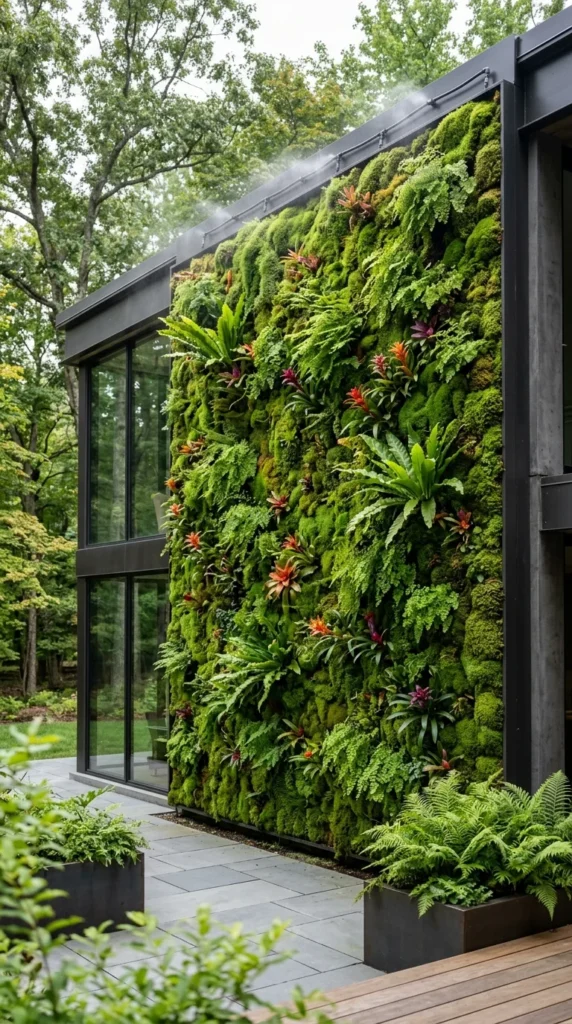
A living wall, or green wall, is the ultimate statement piece for a small garden. Unlike individual vertical planters, a living wall creates a seamless blanket of vegetation. Specialized systems use hydroponic mats or modular cells to support the plants. This not only looks incredible but also provides excellent insulation for your home and helps to dampen city noise. It’s an investment that pays off by turning a boring wall into a vibrant, breathing ecosystem.
12. Foldable Furniture
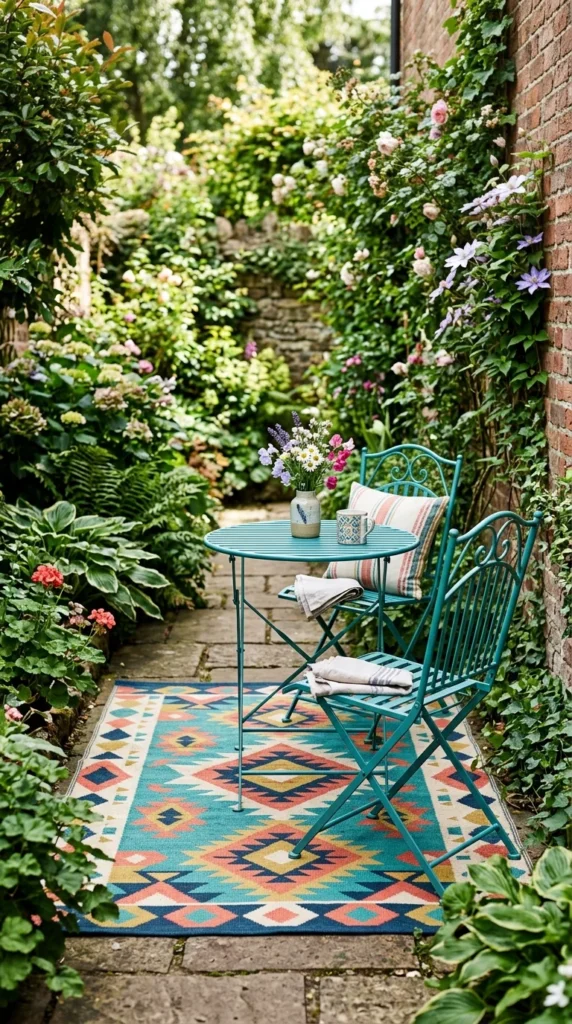
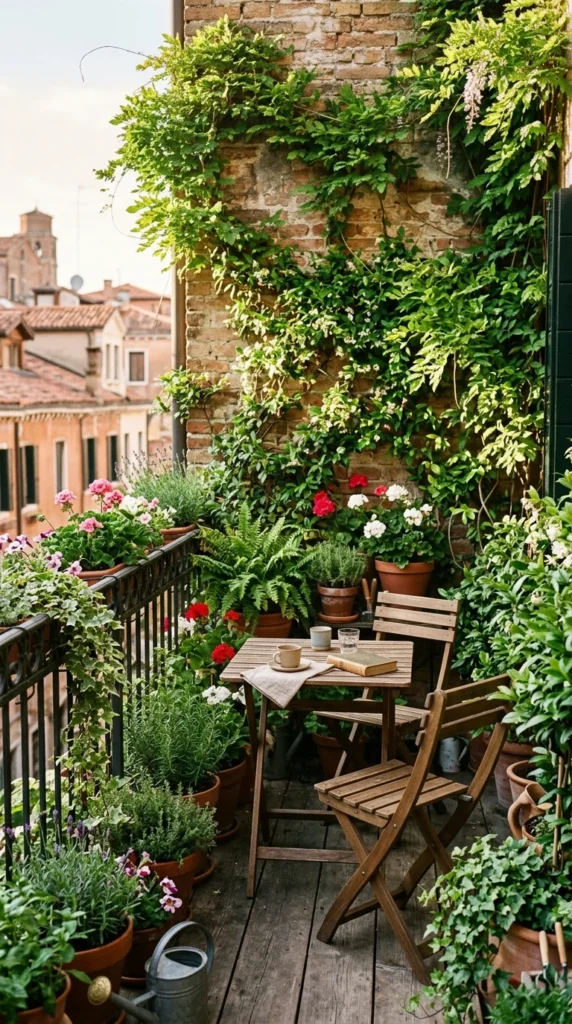
When space is tight, flexibility is king. Foldable bistro sets allow you to have a dining area when you need it and an open space when you don’t. You can easily fold the chairs and table and lean them against a wall to make room for gardening tasks or a yoga session. Opt for bright, bold colors to add a pop of personality to your garden, or stick to classic wrought iron for a timeless, Parisian-inspired look.
13. Floating Decks
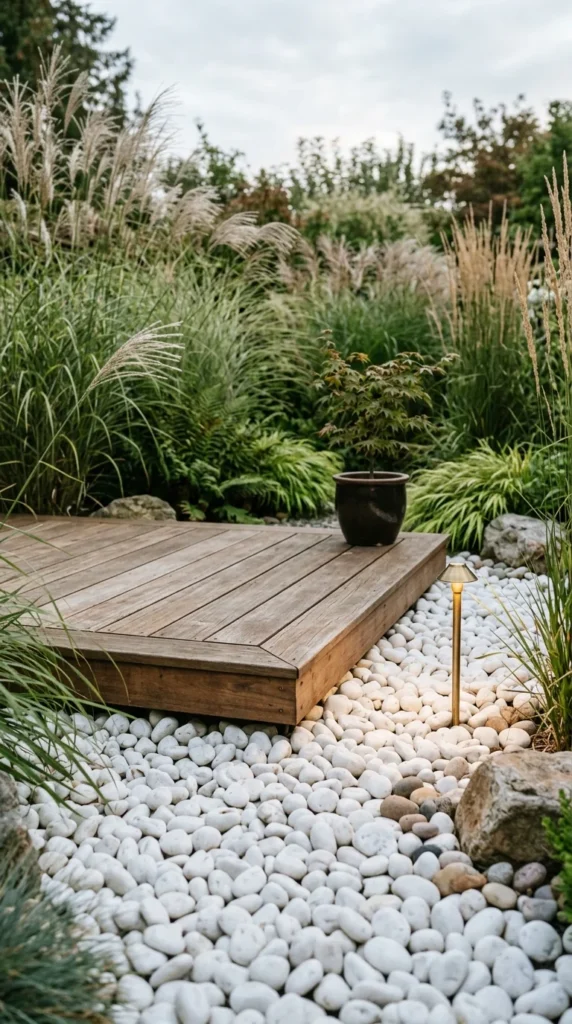
Traditional decks can sometimes feel heavy and overwhelming in a small space. A “floating” deck—a low platform built just above the ground without visible supports—creates a sleek, modern aesthetic. By leaving a gap between the deck and the surrounding ground (often filled with gravel or low-growing plants), you create a sense of lightness. This visual trick makes the garden feel more open and less “built-in.”
14. Small Fountains
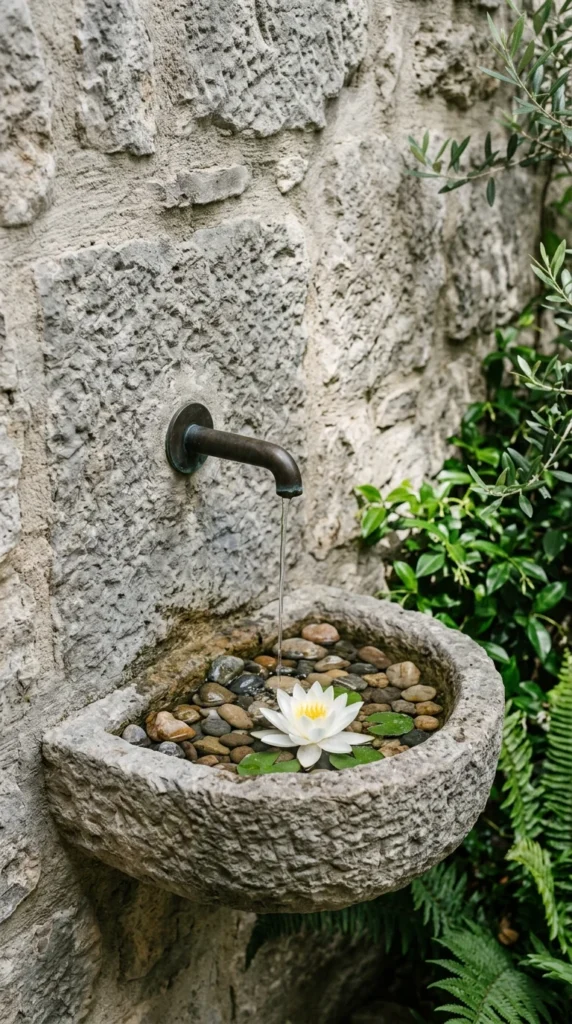
The sound of running water is incredibly soothing and can help mask the noise of traffic or neighbors. You don’t need a large pond to enjoy this; a simple wall fountain or a tabletop water feature can provide the same benefits. These compact units recirculate water, so they require very little maintenance. They also serve as a vital water source for local birds and pollinators, bringing more life and movement into your small sanctuary.
15. Paver Planting
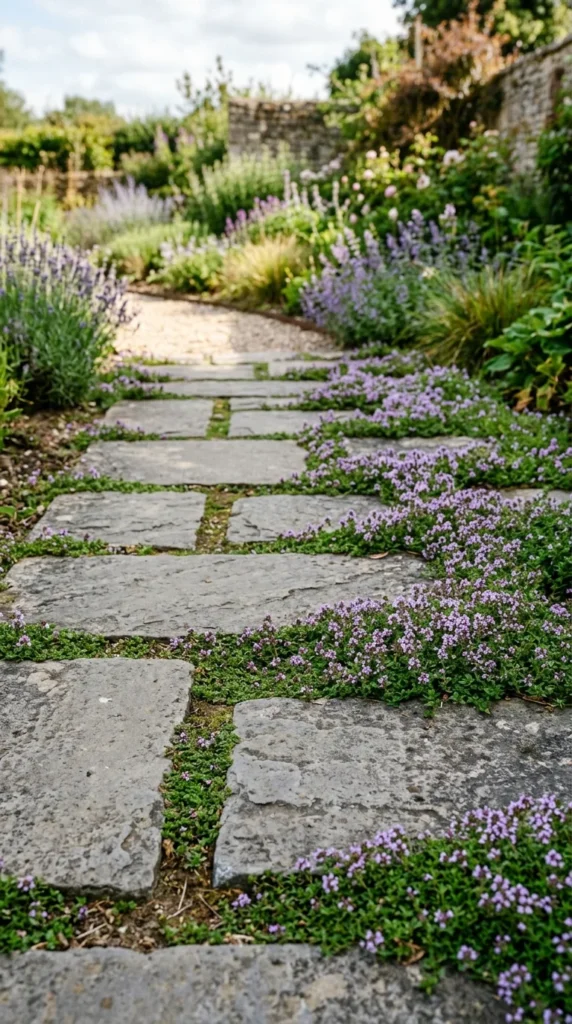
In a small garden, every bit of ground counts—including the space between your stepping stones. Instead of using grout or plain dirt, plant low-growing, “steppable” groundcovers like creeping thyme, Irish moss, or chamomile between your pavers. This softens the look of the hardscaping, adds a delightful fragrance when walked upon, and prevents weeds from taking hold. It turns a functional path into a beautiful, living part of the garden.