

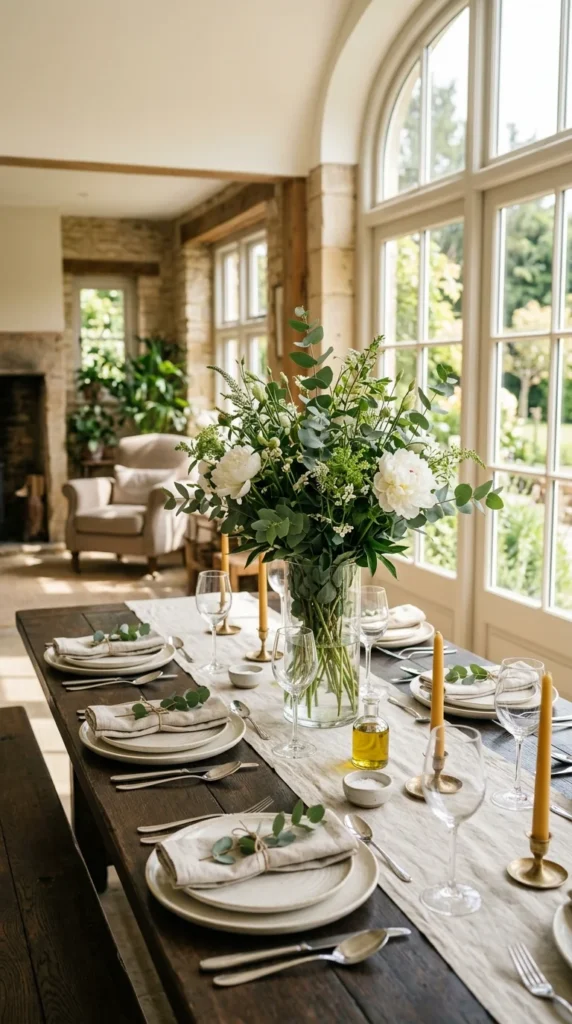
The dining table is more than just a piece of furniture; it is the heart of the home, the stage for holiday feasts, and the gathering spot for late-night conversations over wine. Elevating this space doesn’t require a professional interior designer or a massive budget. Often, the most impressive table settings are born from a thoughtful blend of texture, height, and personal style.
Whether you are hosting a formal dinner party or simply want to brighten your daily breakfast routine, these sixteen decor ideas will transform your dining area into a sophisticated sanctuary.
1. Seasonal Florals
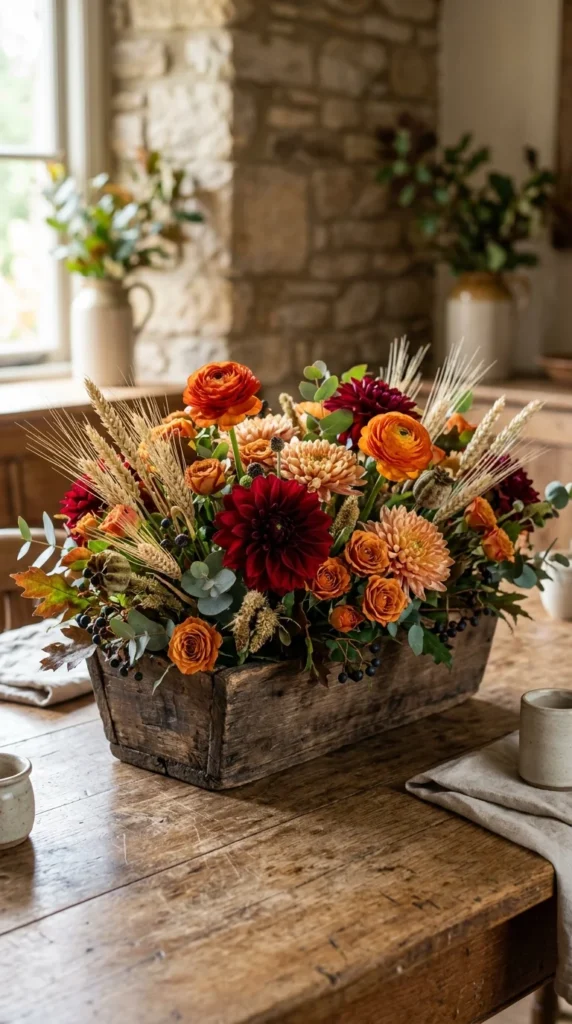
Nothing breathes life into a room quite like fresh botanicals. The key to seasonal florals is to lean into what nature provides during that specific time of year. In the spring, opt for light, airy blooms like tulips and sweet peas in pastel hues. For winter, consider deep evergreens, holly berries, and white amaryllis.
To keep the conversation flowing, ensure your floral arrangements are either low enough to see over or tall and wispy enough to see through. Using a series of bud vases staggered down the center of the table can create a “wildflower meadow” effect that feels effortless yet curated.
2. Layered Linens
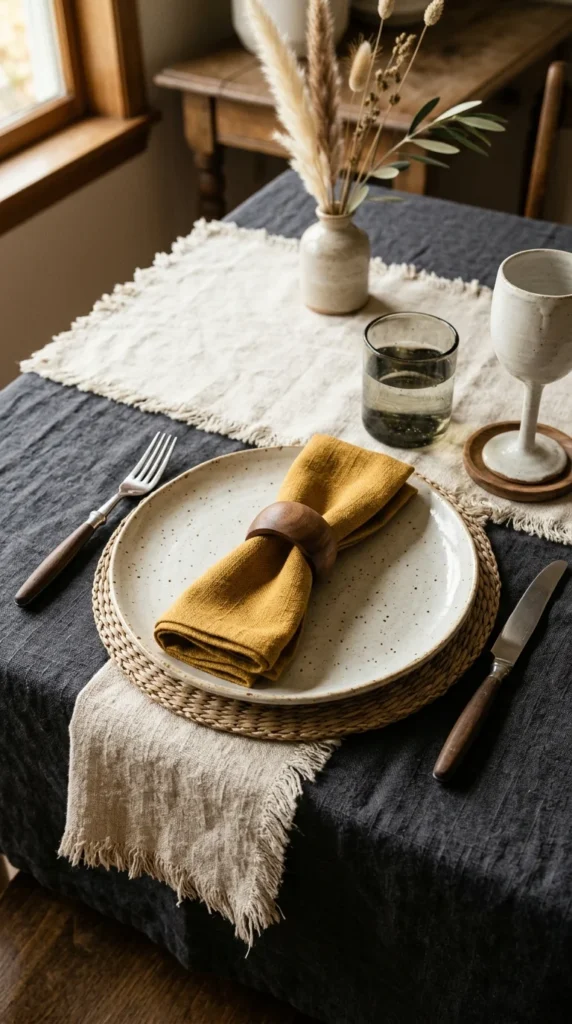
Texture is the secret ingredient to a professional-looking table. Instead of a single tablecloth, experiment with layering different fabrics. Start with a high-quality base cloth, add a contrasting table runner, and finish with cloth napkins in a complementary shade.
Mixing materials like heavy linen with delicate cotton or even a silk runner adds visual depth. Don’t be afraid of wrinkles; stonewashed linen provides a relaxed, “lived-in” luxury that feels welcoming rather than stiff.
3. Metallic Accents
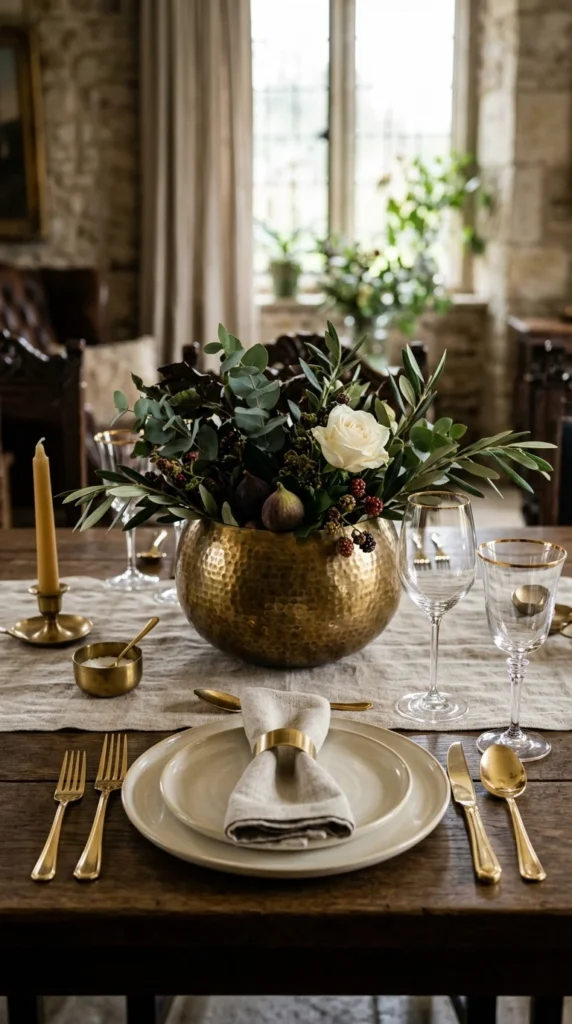
Metals act as the jewelry of your dining table. Gold, brass, copper, and silver catch the light from candles and overhead fixtures, creating a warm, inviting glow. You don’t have to commit to an entire set of gold silverware; small touches can be just as impactful.
Consider metallic napkin rings, a silver serving tray, or even a set of brass salt and pepper shakers. Mixing metals—such as pairing matte black cutlery with polished copper chargers—can create a modern, edgy look that defies traditional design rules.
4. Ambient Tapers
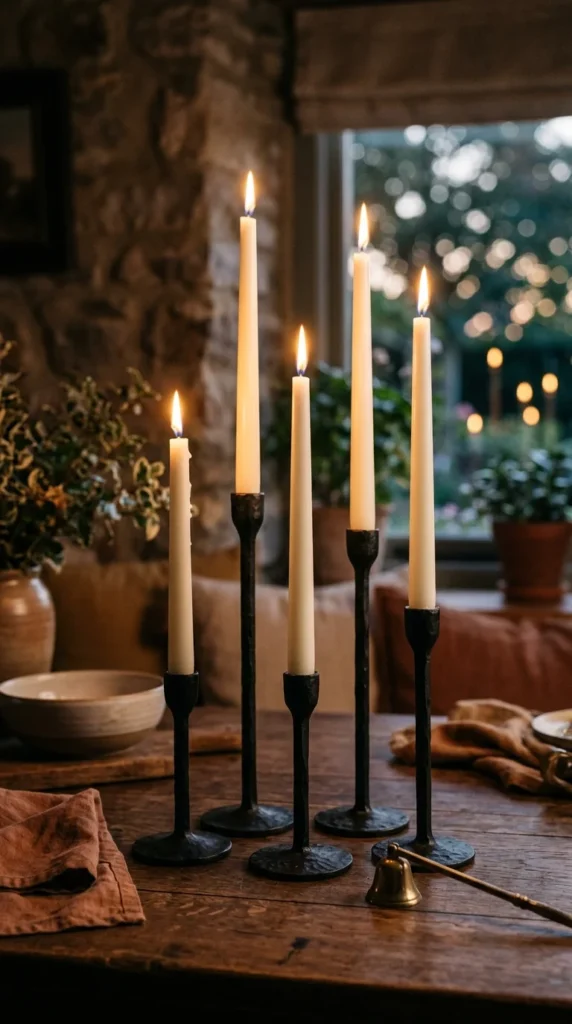
Lighting is the quickest way to set a mood. While overhead chandeliers are functional, the soft flicker of candlelight is unmatched for creating an intimate atmosphere. Taper candles, with their slender silhouette, add much-needed height to a table setting without occupying too much horizontal space.
Choose candles in colors that complement your decor—deep forest green for a moody vibe, or classic ivory for timeless elegance. Always opt for unscented candles on the dining table to ensure the aroma of the food remains the star of the show.
5. Rustic Wood
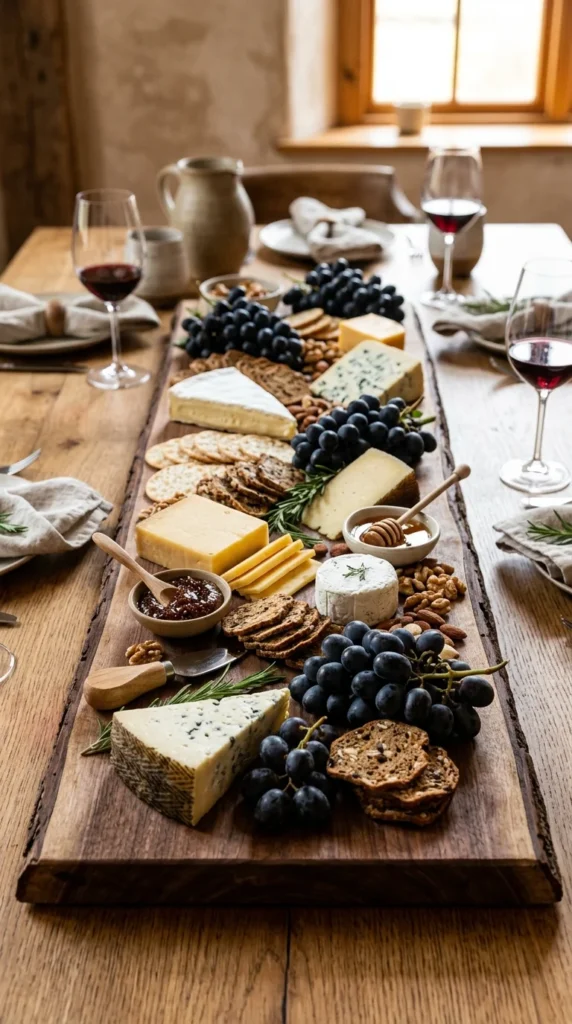
Bringing natural elements indoors grounds the space and adds a sense of organic warmth. A large wooden dough bowl or a long “grazing board” made of reclaimed oak can serve as a stunning focal point.
You can use these wooden elements to hold seasonal decor like pinecones and moss in the winter, or lemons and limes in the summer. The contrast between the rugged texture of the wood and the smooth surface of ceramic plates creates an interesting tactile experience for your guests.
6. Sculptural Vases
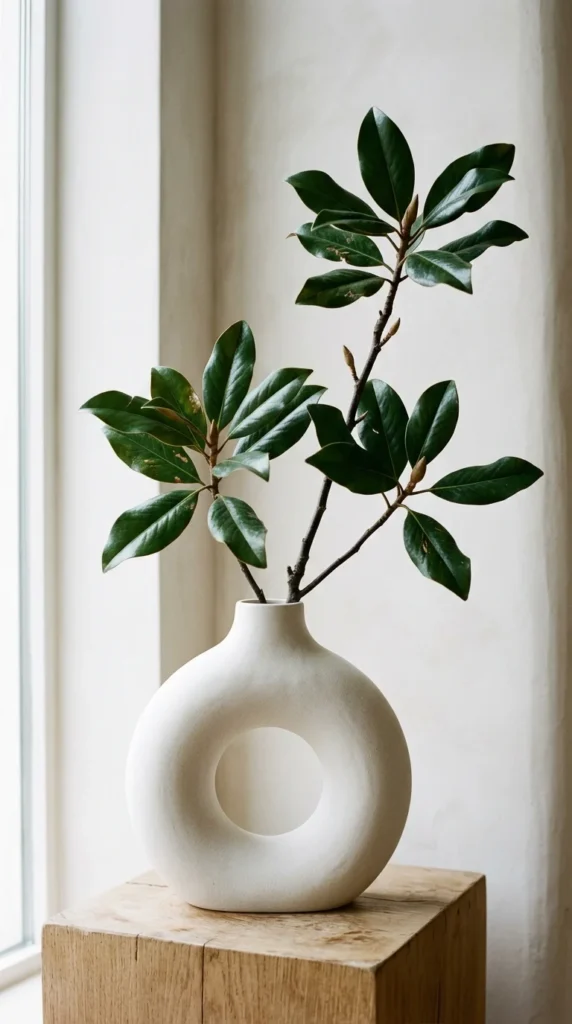
Sometimes, the container is the decor. Even when empty, a sculptural vase can serve as a piece of art for your table. Look for vases with unique silhouettes—geometric shapes, donut-shaped rings, or hand-blown glass with organic curves.
These pieces work exceptionally well in minimalist or modern homes. A single, dramatic branch of cherry blossoms or a dried palm leaf placed in a sculptural vase provides an “architectural” look that feels high-end and thoughtfully designed.
7. Fruit Bowls
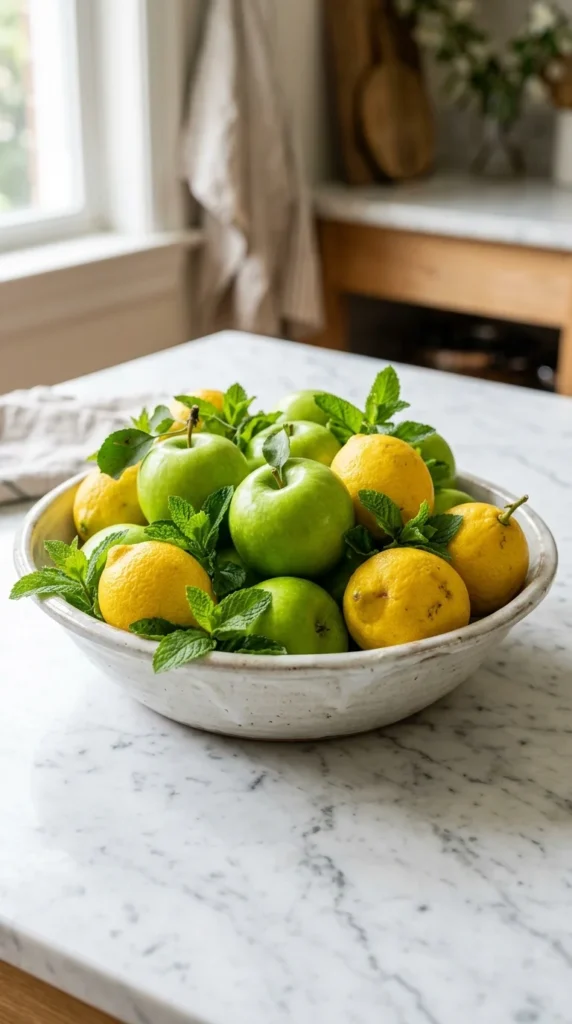
Decor doesn’t always have to be decorative-only; it can be edible and functional. A bowl of fresh, vibrant fruit is one of the easiest and most cost-effective ways to add color to your dining table.
For a Mediterranean feel, use a bowl of lemons and oranges with their leaves still attached. For a dark, moody aesthetic, choose deep purple grapes, plums, and figs arranged in a dark stoneware bowl. The best part? It serves as a healthy snack for family members throughout the day.
8. Earthy Stoneware
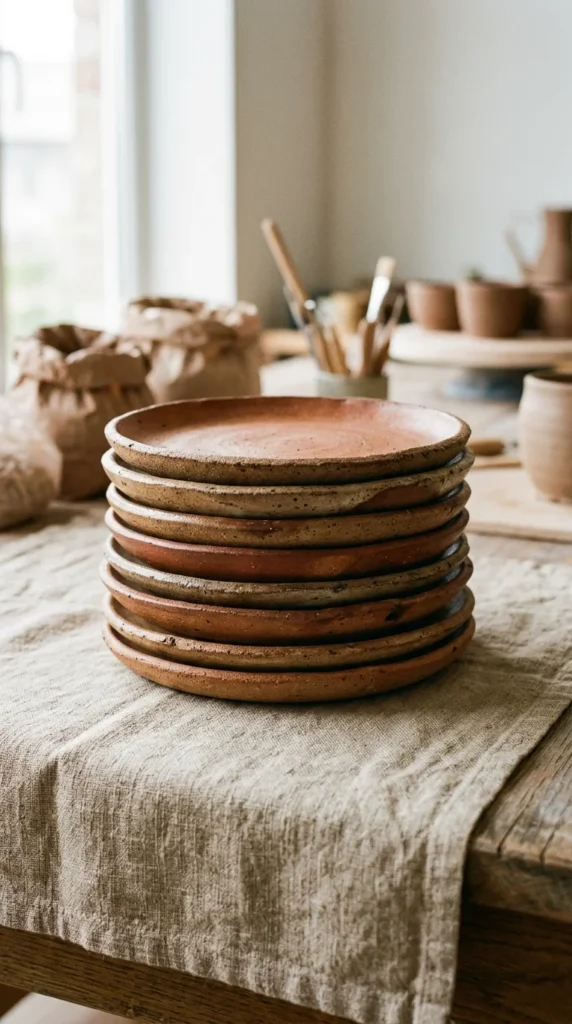
Move away from the perfectly uniform, mass-produced porcelain and embrace the charm of stoneware. Hand-thrown ceramics with visible potters’ marks and reactive glazes bring an artisanal, “farm-to-table” feel to your dining room.
Earthy tones like sage green, terracotta, and sandy beige evoke a sense of calm. These pieces look beautiful when stacked, allowing the different textures and subtle color variations to shine. They signal to your guests that the meal is meant to be slow, intentional, and appreciated.
9. Glass Cloches
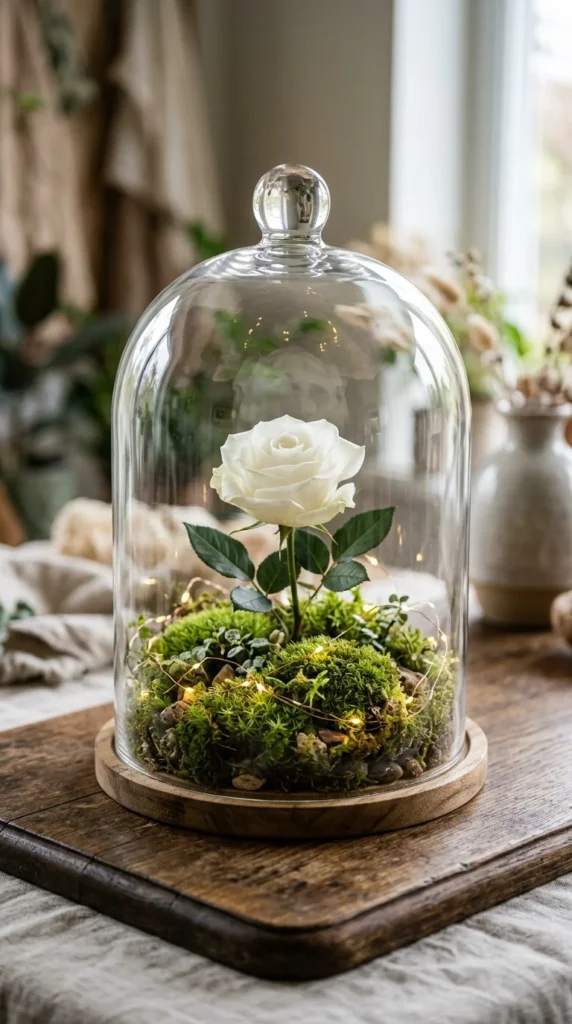
A glass cloche immediately draws the eye and makes whatever is underneath it feel special. It’s like a miniature museum exhibit on your table. You can use cloches to protect a delicate dessert, or purely for decoration.
Try placing a small succulent, a cluster of vintage books, or even a string of warm LED fairy lights inside a cloche. During the holidays, a cloche filled with sparkly ornaments or a miniature winter scene can serve as a magical conversation starter.
10. Monochromatic Minimal
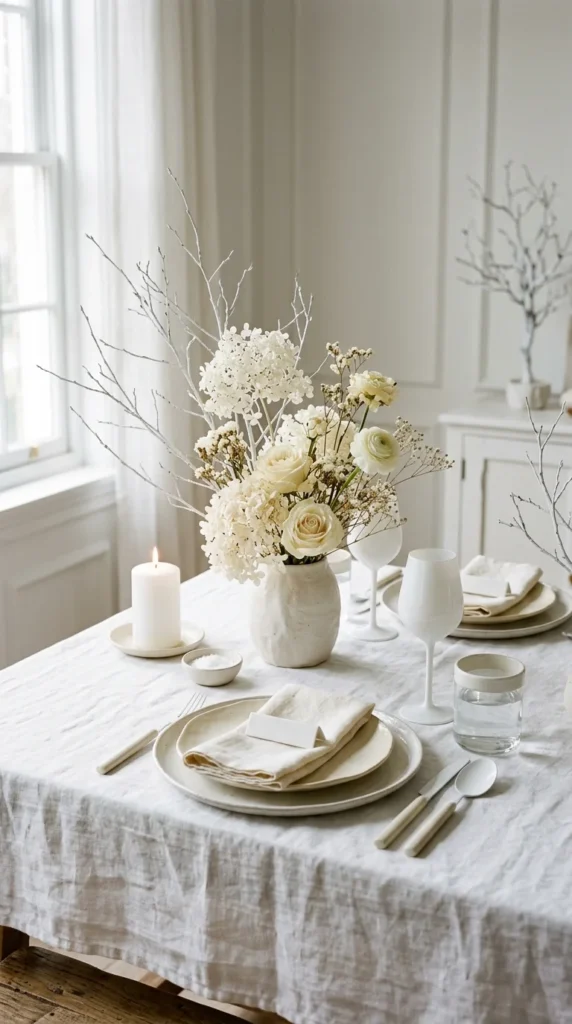
There is a profound elegance in a monochromatic color palette. By sticking to a single hue—be it all-white, all-black, or various shades of gray—you create a look that is cohesive and incredibly sophisticated.
The trick to making a monochromatic table work is varying the textures. Pair a smooth white plate with a chunky knit white runner and matte white vases. This prevents the look from feeling flat and instead creates a rich, layered aesthetic that feels serene and expensive.
11. Hanging Greenery
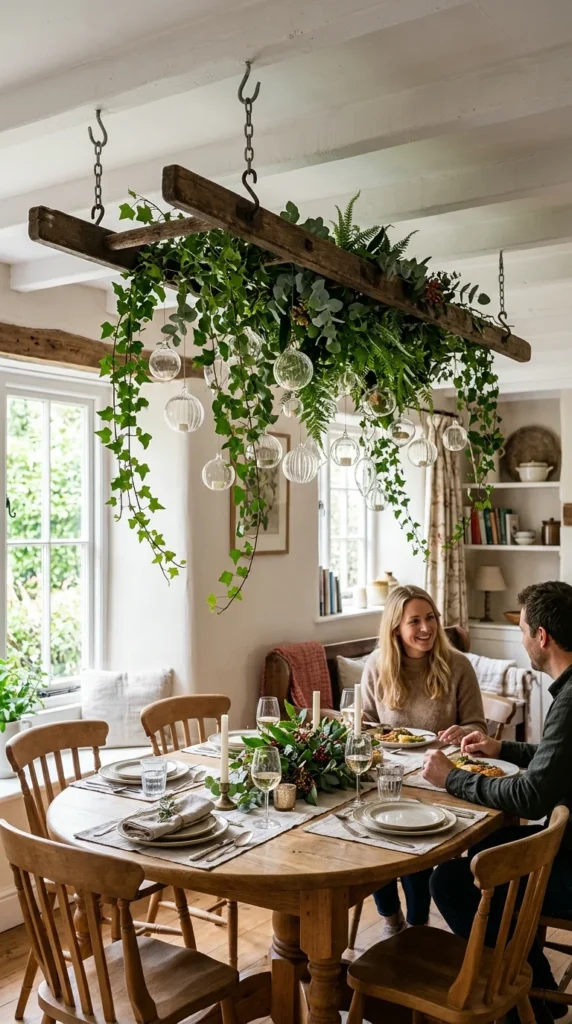
If your table is on the smaller side, or if you want to create a truly immersive experience, look upward. Decorating the space above the table can be just as impactful as the table itself.
Suspending a branch from the ceiling and draping it with greenery or hanging tea light holders creates a “canopy” effect. This draws the eye upward, making the room feel larger and more theatrical. It’s a perfect solution for special occasions like weddings or milestone birthdays.
12. Woven Textures
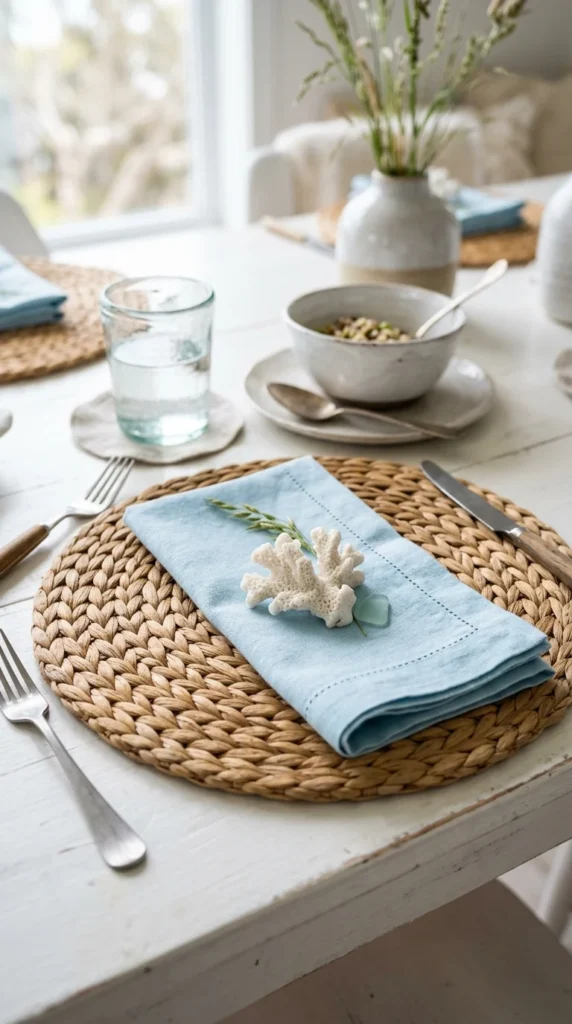
Incorporating woven materials like rattan, seagrass, or jute adds a coastal or bohemian flair to the dining room. These materials bring a relaxed, breezy vibe that is perfect for summer brunches or casual outdoor dinners.
Woven placemats are not only stylish but also durable and easy to clean. You can carry this theme further with a large rattan tray in the center of the table or even woven napkin rings. These natural fibers pair beautifully with white dishes and light blue or sandy-colored linens.
13. Mirrored Trays
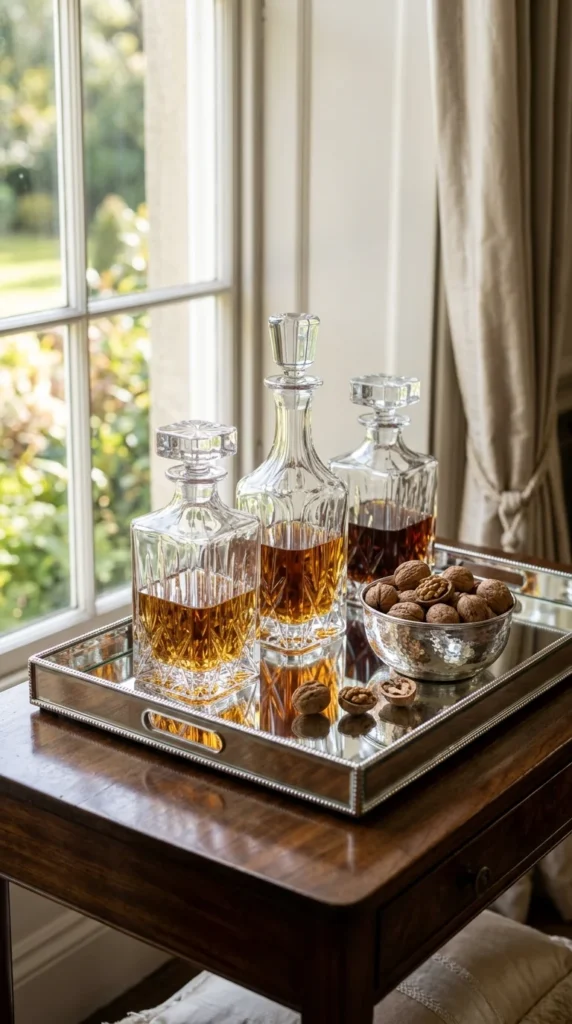
Mirrors are a classic designer trick for adding light and the illusion of space. Placing a mirrored tray in the center of your dining table can double the impact of your other decor.
When you place candles or glassware on a mirrored surface, the reflections create a sense of depth and extra sparkle. It’s an excellent way to ground a collection of smaller items, like a salt cellar, a small vase, and a candle, making them look like one cohesive unit rather than scattered clutter.
14. Artisanal Candles
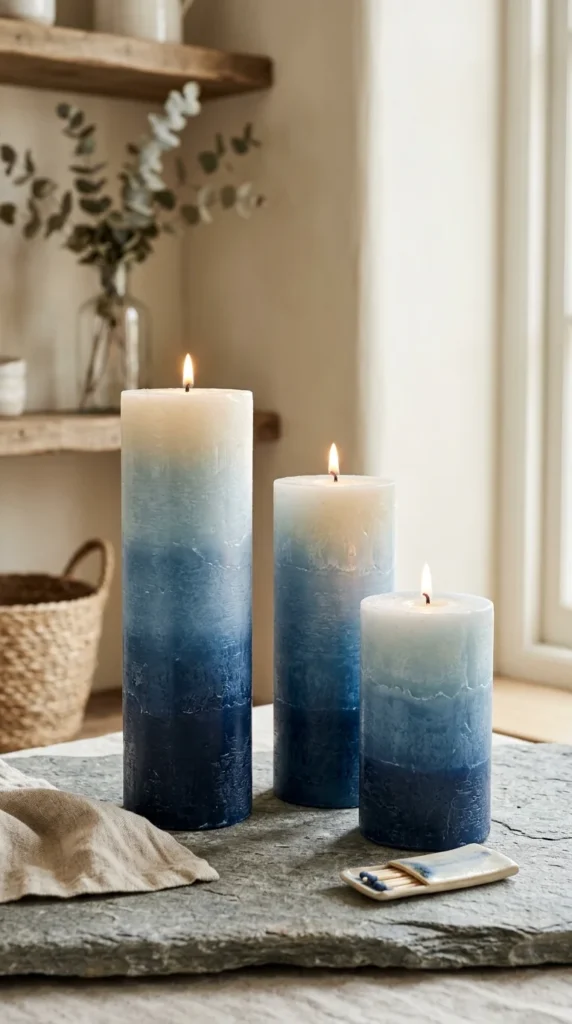
Standard pillars are fine, but artisanal candles with unique shapes and textures can serve as standalone decor pieces. Look for candles with “bubble” textures, twisted shapes, or those cast in architectural forms.
Sculptural candles are often too beautiful to burn, and that’s perfectly okay. They act as small pieces of wax art that add color and interest to your table. If you do choose to light them, the way the wax drips and pools can add to the “wabi-sabi” or imperfect beauty of your table setting.
15. Vintage Silverware
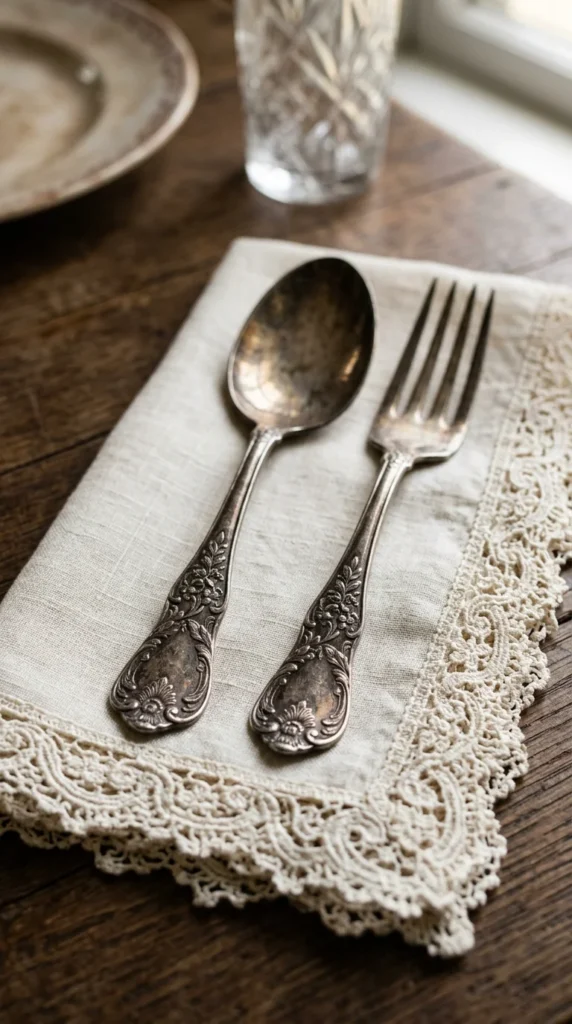
There is a unique soulfulness in vintage items. Scouring antique shops for mismatched silver-plated cutlery or ornate serving spoons adds a layer of history and storytelling to your table.
You don’t need a full matching set; in fact, a deliberate mix of different patterns can look incredibly charming and “shabby chic.” The patina on old silver provides a soft, muted luster that feels more intimate and less formal than high-shine modern sets.
16. Herb Gardens
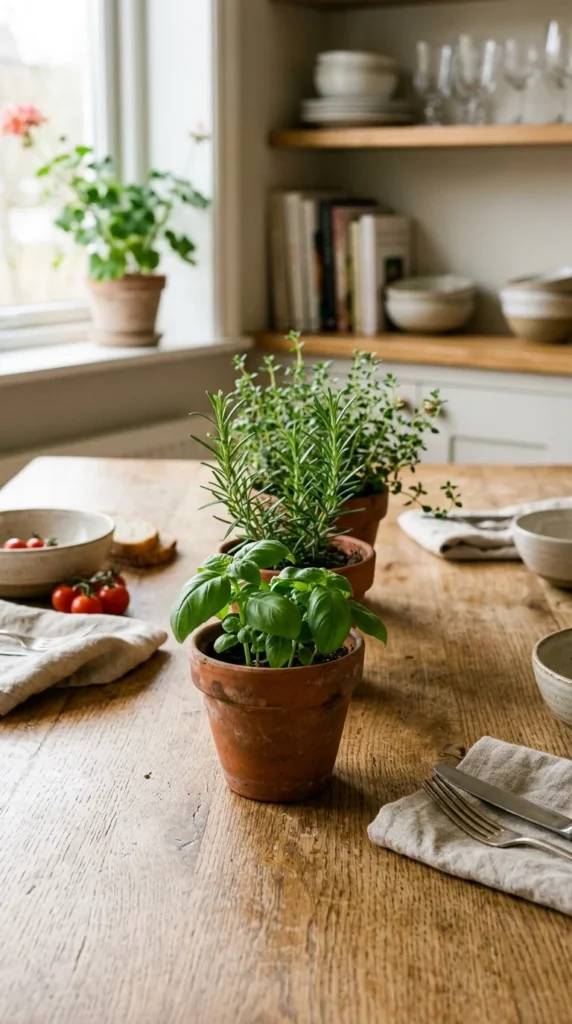
Functional decor is at its best when it serves the meal itself. Placing small pots of live herbs as a centerpiece allows guests to pluck a fresh leaf of mint for their drink or a sprig of rosemary for their plate.
Not only do live herbs look vibrant and green, but they also provide a subtle, fresh fragrance that enhances the dining experience. Tie a small piece of twine around the pots to give them a finished look, and ensure they are placed in a spot that gets a little bit of sunlight during the day to keep them thriving.