
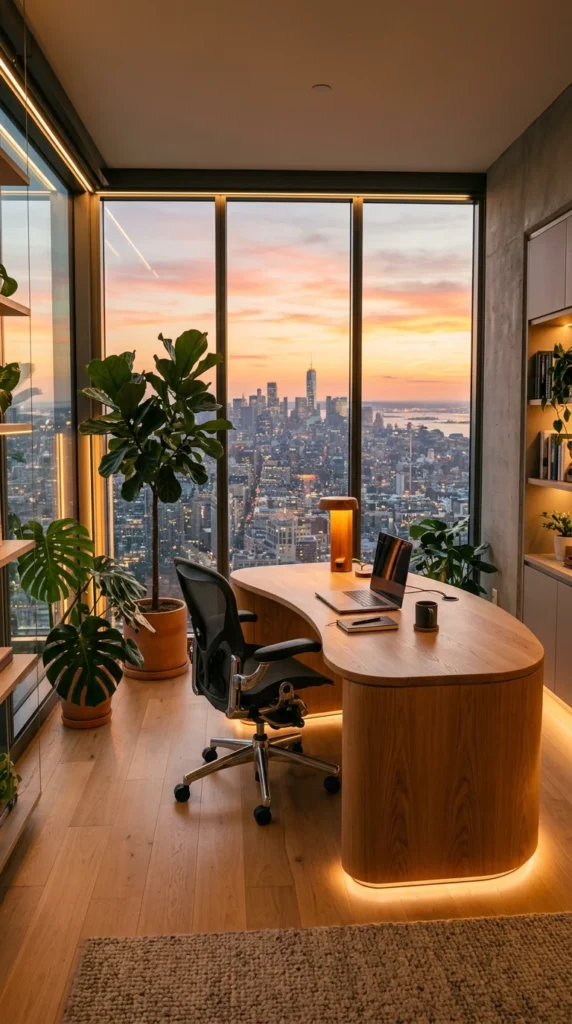
The landscape of the professional world has shifted permanently, and by 2026, the home office is no longer just a “workspace”—it is a high-tech sanctuary, a personal brand statement, and a wellness hub. As we move further into this decade, the boundaries between productivity and comfort have blurred, giving rise to design trends that prioritize mental clarity, seamless technology integration, and sustainable luxury.
Whether you are carving out a corner in a small apartment or dedicating an entire room to your professional pursuits, these 17 ideas represent the pinnacle of home office design for 2026. Get ready to transform your “work-from-home” life into a “thrive-at-home” experience.
1. Biophilic Sanctuaries
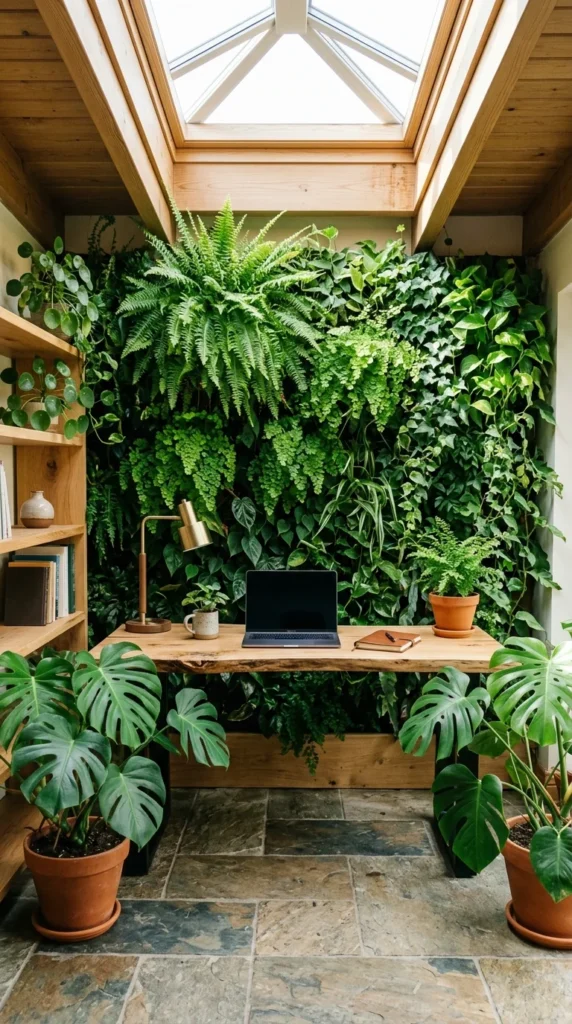
In 2026, biophilic design has moved beyond just placing a succulent on your desk. We are seeing full-scale “living walls” and integrated planters that turn the office into a literal oxygen-rich sanctuary. The psychological benefits of working amongst nature are well-documented, reducing cortisol levels and boosting creativity. Expect to see desks with built-in irrigation systems and moss-covered acoustic panels that dampen sound while providing a lush, green aesthetic.
2. AI-Integrated Desks
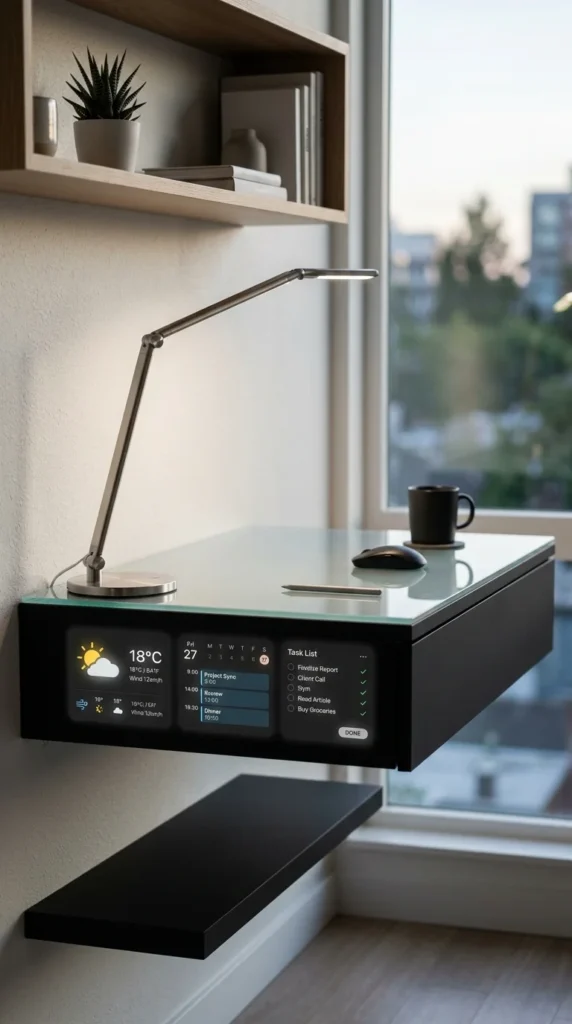
The “smart desk” of 2026 is an assistant in itself. These workstations feature embedded touch-sensitive surfaces that act as secondary monitors or control pads for your entire home. Wireless charging is woven directly into the fabric or wood of the desk surface, eliminating cable clutter entirely. Sensors in the desk track your posture throughout the day, gently vibrating or adjusting height to ensure you aren’t slouching during that third consecutive video call.
3. Acoustic Paneling
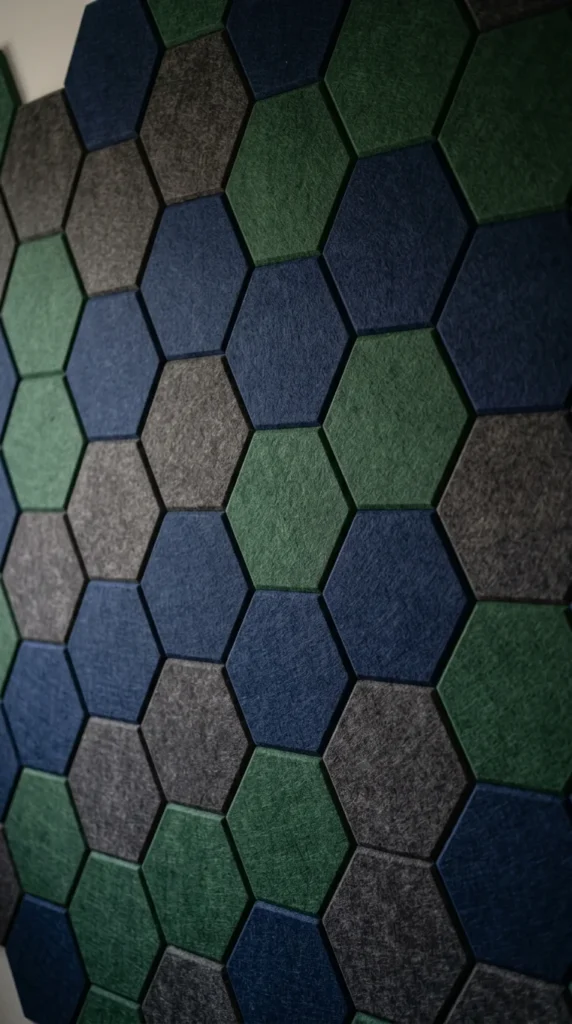
With video conferencing remaining the primary mode of communication, sound quality is king. 2026 sees the rise of decorative acoustic treatments that look more like high-end art than industrial insulation. From 3D-printed felt tiles to recycled cork geometries, these panels wrap the room in a “quiet cocoon,” ensuring that your voice remains crisp while blocking out the hum of the household or city traffic outside.
4. Circadian Lighting
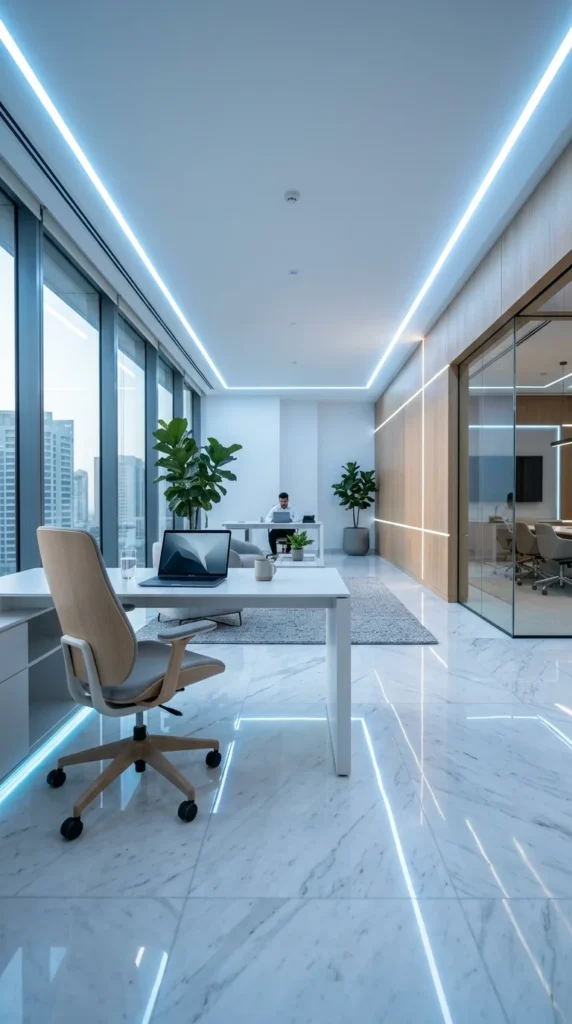
Gone are the days of the flicking fluorescent bulb. The offices of 2026 utilize circadian rhythm lighting systems that sync with the sun’s natural cycle. In the morning, your office is flooded with energizing cool blue tones to spark productivity. As the afternoon wanes, the system automatically transitions into warm, golden hues that signal your brain to start winding down, preventing the “blue light fatigue” that has plagued remote workers for years.
5. Hidden Cloffices
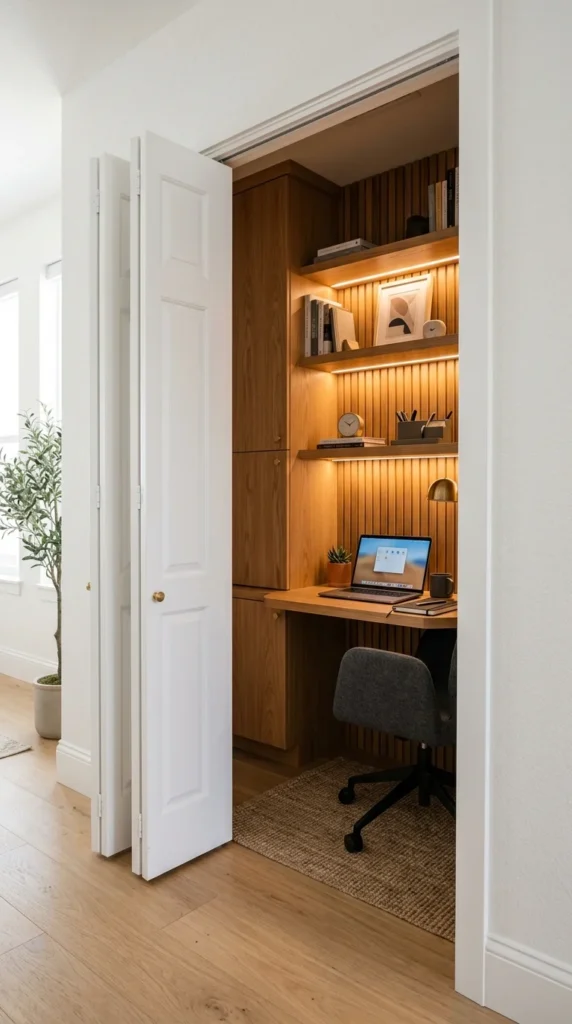
For those living in urban centers where space is a premium, the “cloffice” (closet-office) has been perfected. In 2026, these are sophisticated, hidden gems. When the doors are closed, they look like seamless cabinetry or high-end wardrobes. When opened, they reveal a meticulously organized workstation with fold-out surfaces and vertical storage, allowing you to literally “close the door” on your workday.
6. Ergonomic Movement
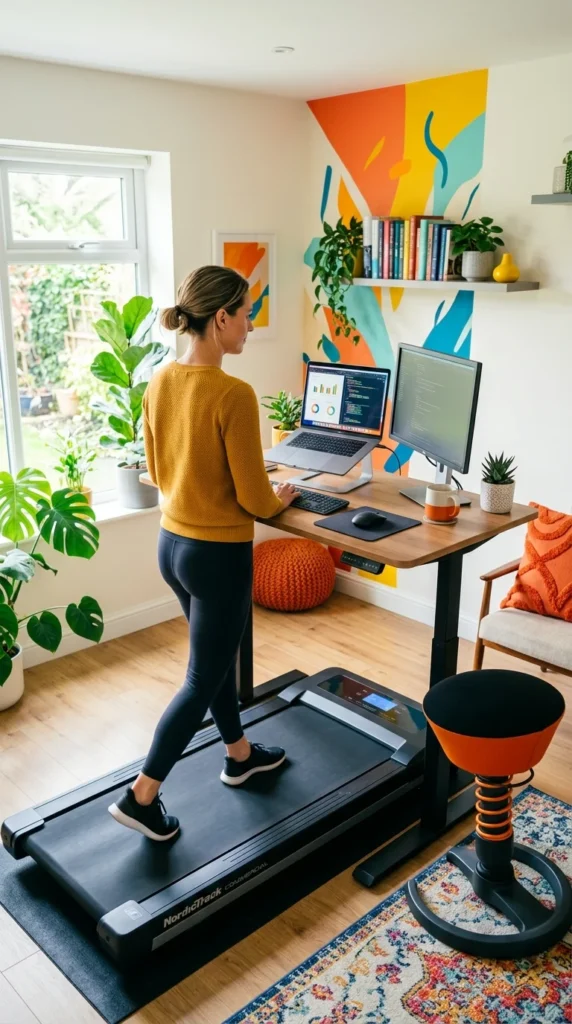
The “sitting is the new smoking” mantra has led to an explosion in movement-based furniture. By 2026, the standard office chair is often replaced or supplemented by active seating—think sophisticated balance stools, under-desk cyclers, or ultra-slim treadmills that slide away when not in use. The goal is “micro-movements” that keep the blood flowing without distracting from the task at hand.
7. Dark Academia
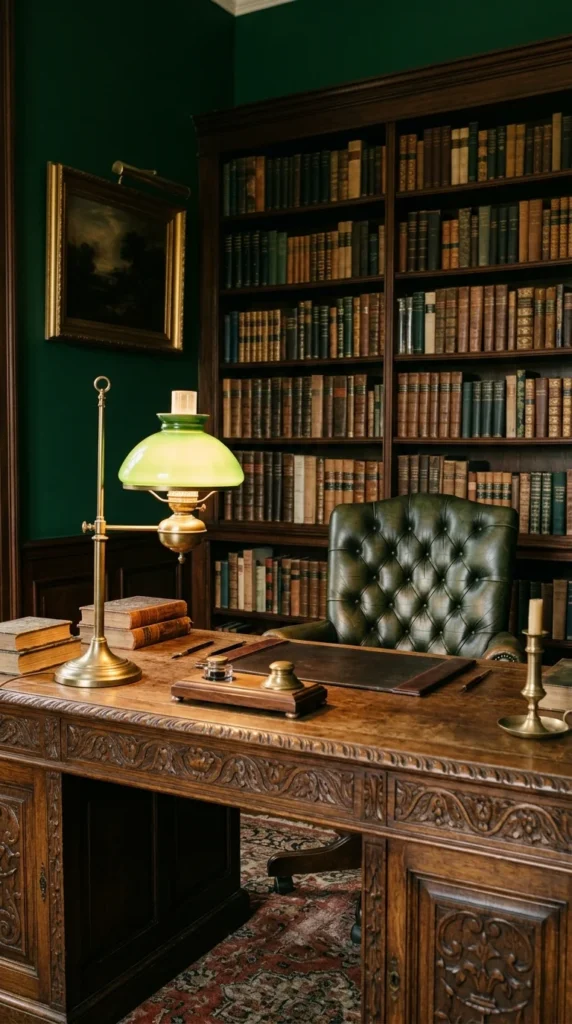
As a counter-movement to clinical minimalism, the “Dark Academia” aesthetic is making a massive comeback. This trend focuses on a scholarly, cozy vibe: deep jewel tones, heavy wooden furniture, vintage rugs, and stacks of physical books. It’s an environment designed for deep focus, long-form writing, and the feeling of being in a centuries-old university library, updated with modern tech hidden discreetly in drawers.
8. Japandi Zen
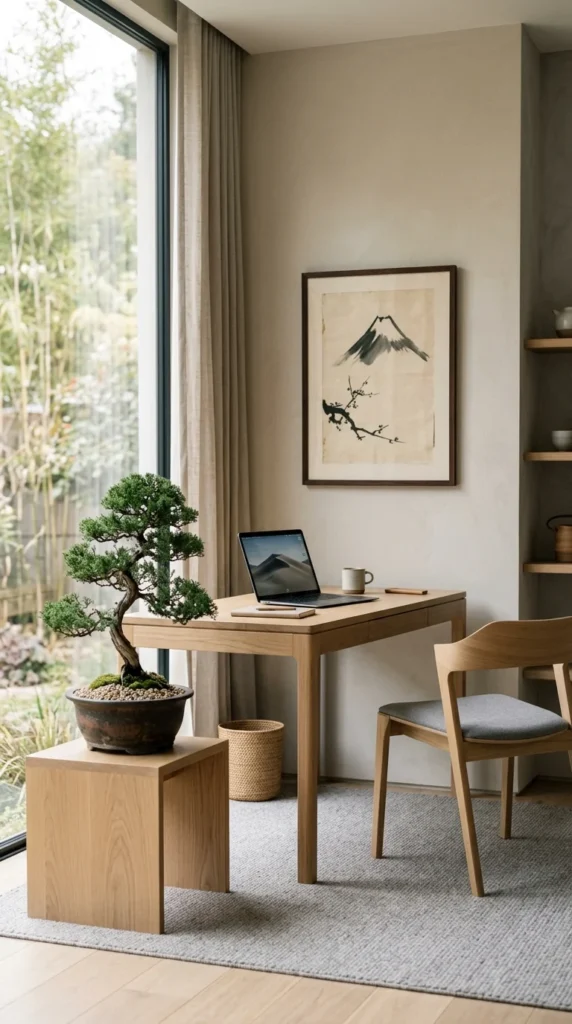
Japandi—the fusion of Japanese functionality and Scandinavian minimalism—remains a top trend for 2026. This style is all about “Ma” (the beauty of empty space). It uses natural materials like bamboo, hemp, and light oak to create a clutter-free environment that promotes a calm, meditative state of work. Everything has a place, and every piece of furniture serves a dual purpose.
9. Creative Breakout Zones
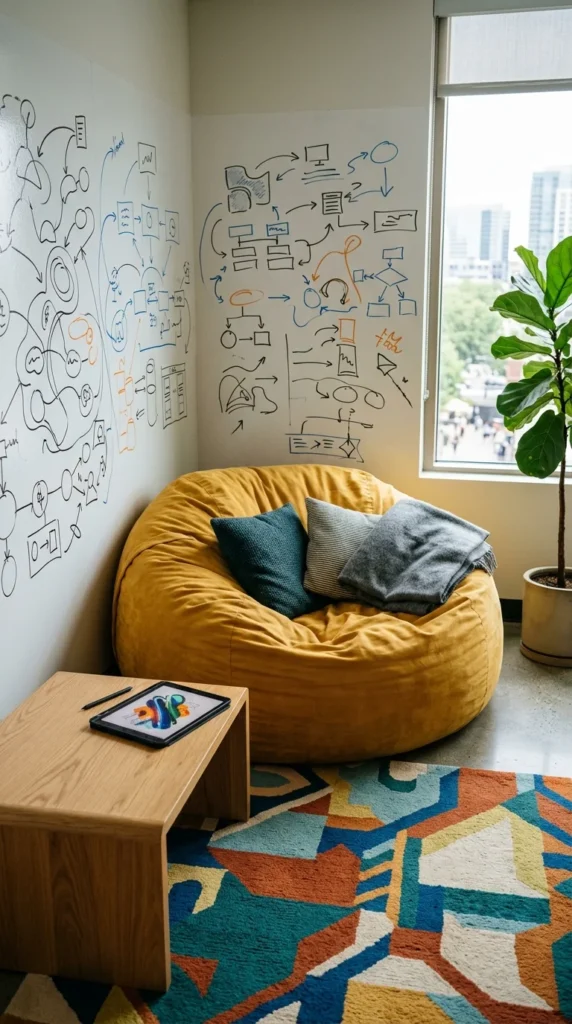
In 2026, we recognize that not all work happens at a desk. The best home offices now include “breakout zones”—unstructured areas designed for brainstorming, reading, or sketching. These zones often feature softer lighting, comfortable lounge seating, and interactive walls (like digital whiteboards or magnetic chalkboard paint) where ideas can flow freely away from the “grid” of the computer screen.
10. Solarium Offices
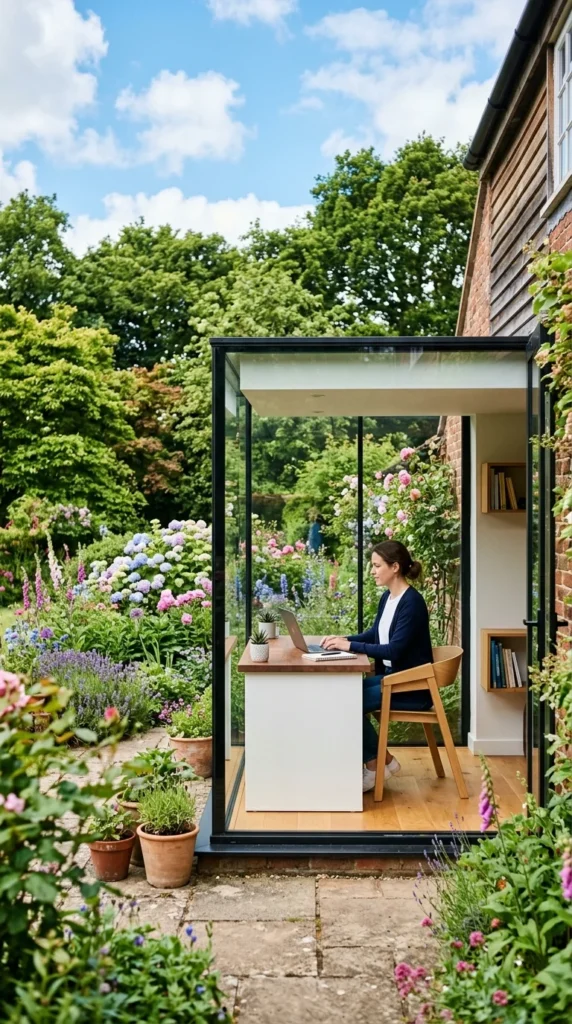
The “garden office” or solarium is the ultimate luxury in 2026. These are often detached or semi-detached glass pods that offer 360-degree views of the outdoors. By physically separating the workspace from the main living area, these structures provide a psychological “commute” that helps define the start and end of the day, all while bathing the worker in natural vitamin D.
11. Sustainable Textures
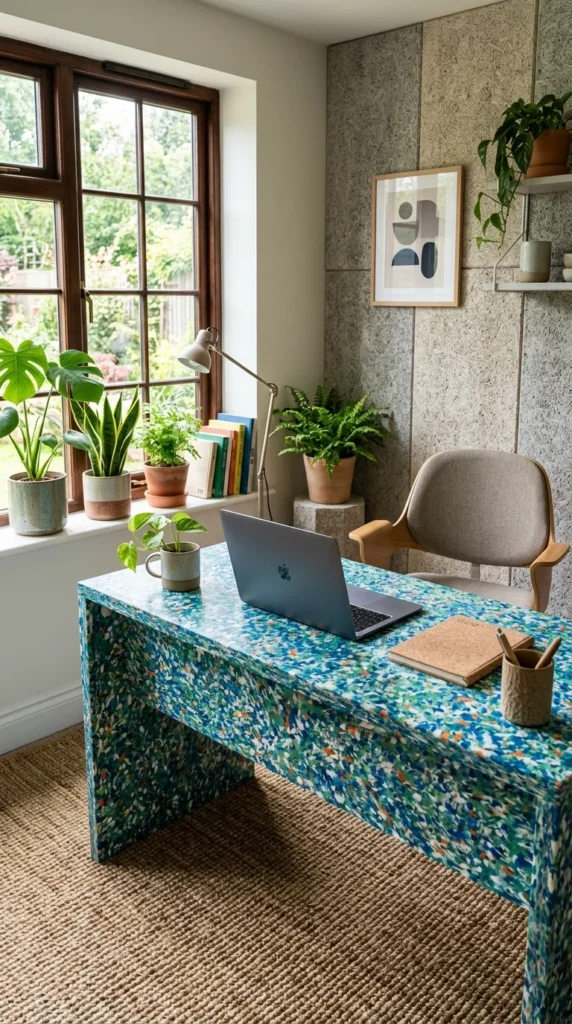
Sustainability is no longer an afterthought; it is the foundation of 2026 design. Office furniture is increasingly made from bio-fabricated materials, mushroom leather, and recycled ocean plastics. These materials bring unique, organic textures into the room, creating a tactile environment that feels grounded and ethically conscious.
12. Voice-Controlled Environments
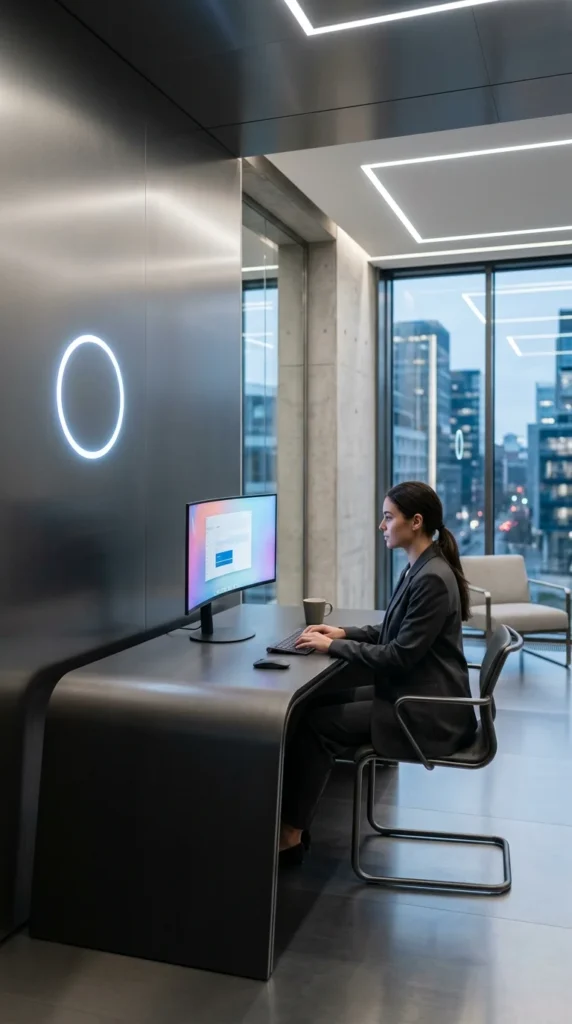
Total environmental control is now handled via voice. In 2026, your home office is a responsive entity. A simple command can dim the lights for a presentation mode, start the espresso machine in the kitchen, adjust the room temperature, or activate a “Do Not Disturb” digital sign outside your door. The tech is invisible, woven into the very fabric of the room’s architecture.
13. Maximalist Boldness
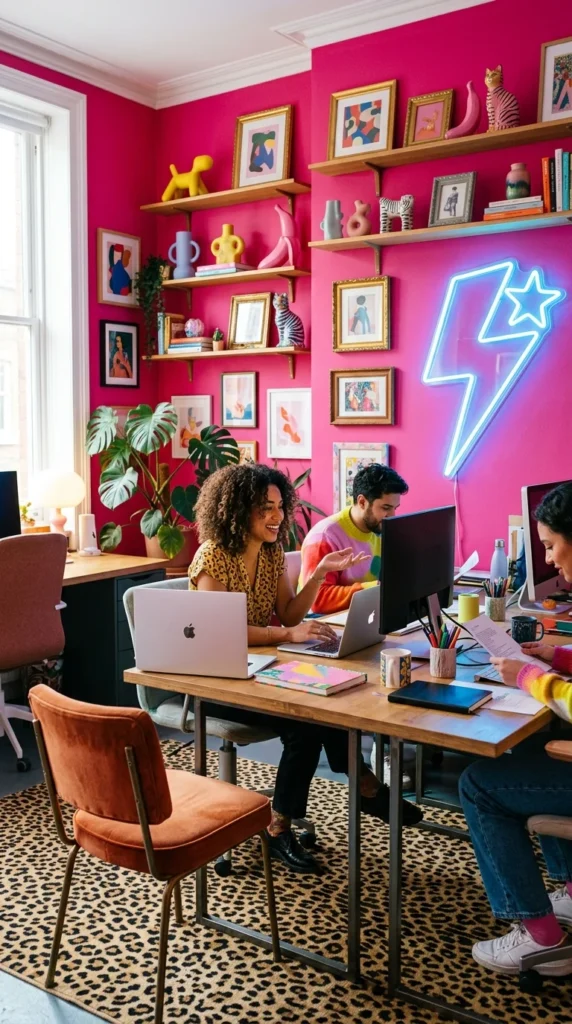
For the creative professional who thrives on stimulation, 2026 welcomes the return of maximalism. This is about “more is more”—bold wallpaper patterns, clashing textures, and a gallery wall of personal inspirations. This style rejects the “sad beige” office in favor of a space that feels like an explosion of the occupant’s personality, designed to spark high-energy ideation.
14. Dynamic Standing Desks
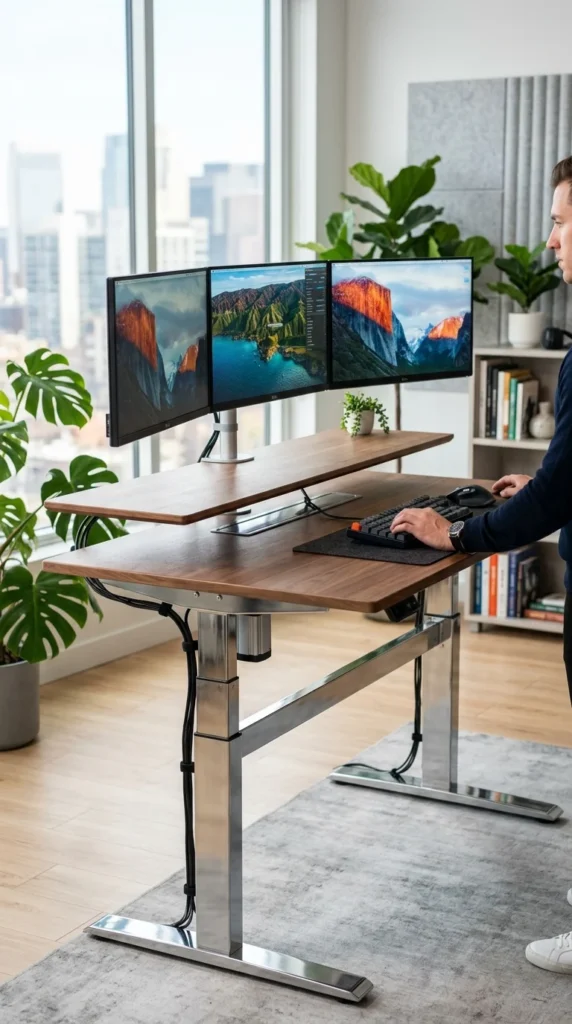
Standing desks have evolved into “dynamic workstations” that change throughout the day. In 2026, these desks are programmable to follow your schedule—automatically rising when it’s time for a standing meeting and lowering for deep-focus afternoon tasks. They feature integrated footrests and anti-fatigue mats that are color-coordinated with the office decor.
15. The Library Wall
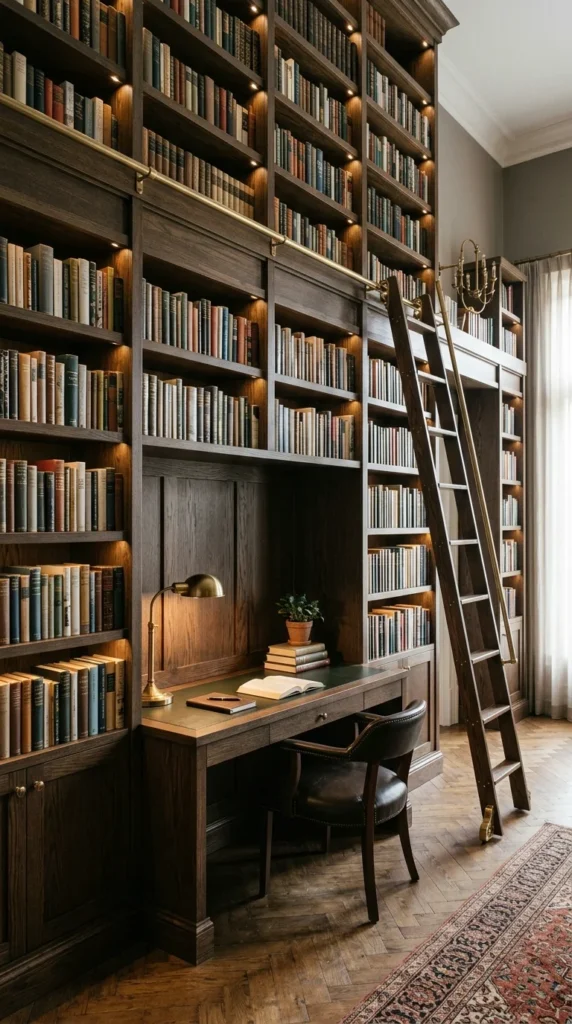
The “Zoom background” has evolved into a full-scale architectural feature. The library wall provides a sense of gravitas and authority. In 2026, these walls are often modular, allowing you to swap out book sections for display niches, integrated monitors, or even hidden pull-out guest beds, making the office a truly multi-functional space.
16. Mobile Office Hubs
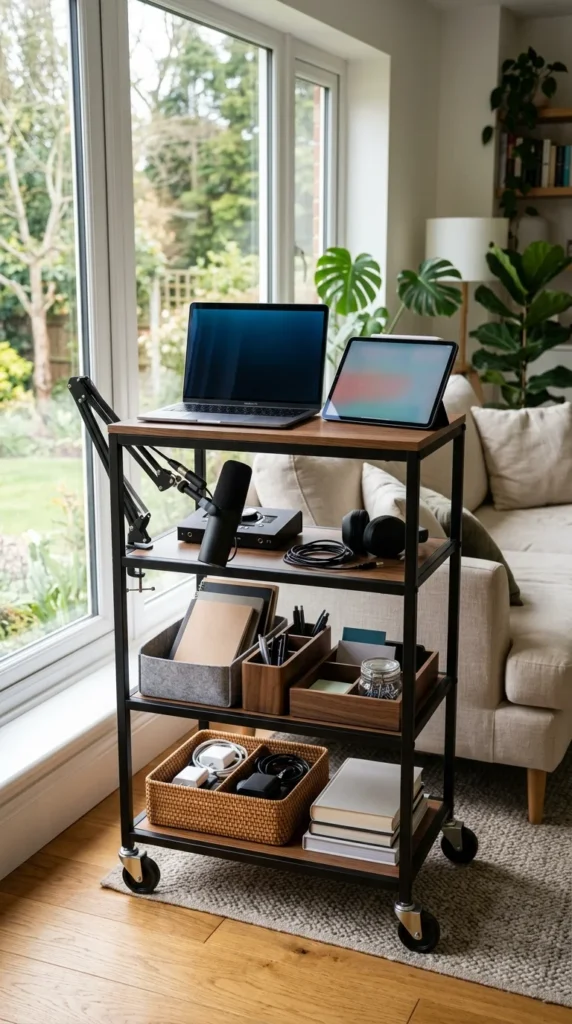
As flexibility becomes the ultimate priority, mobile hubs allow the office to move with you. These aren’t just utility carts; they are beautifully designed pieces of furniture on silent casters that house all your essential tech and supplies. If you want to work from the balcony in the morning and the dining room in the afternoon, your “office” simply rolls along with you, keeping your workflow uninterrupted.
17. Wellness Nooks
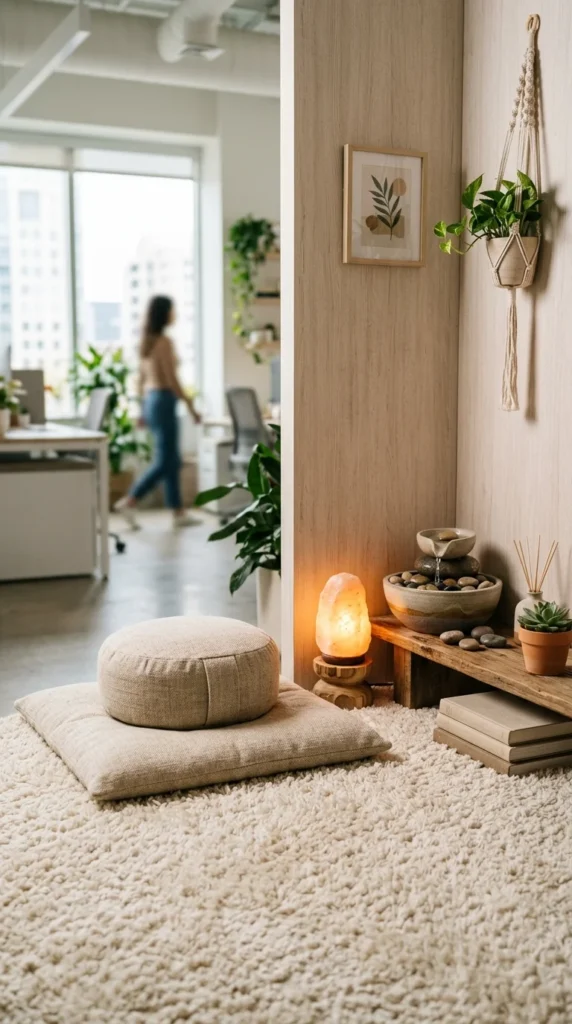
The final and perhaps most important trend for 2026 is the inclusion of a dedicated wellness nook within the office. This is a “no-tech” zone meant for five-minute meditations, breathing exercises, or simply staring out the window. By including a space for mental reset within the office itself, you create a healthier relationship with work, ensuring that your productivity never comes at the expense of your peace of mind.