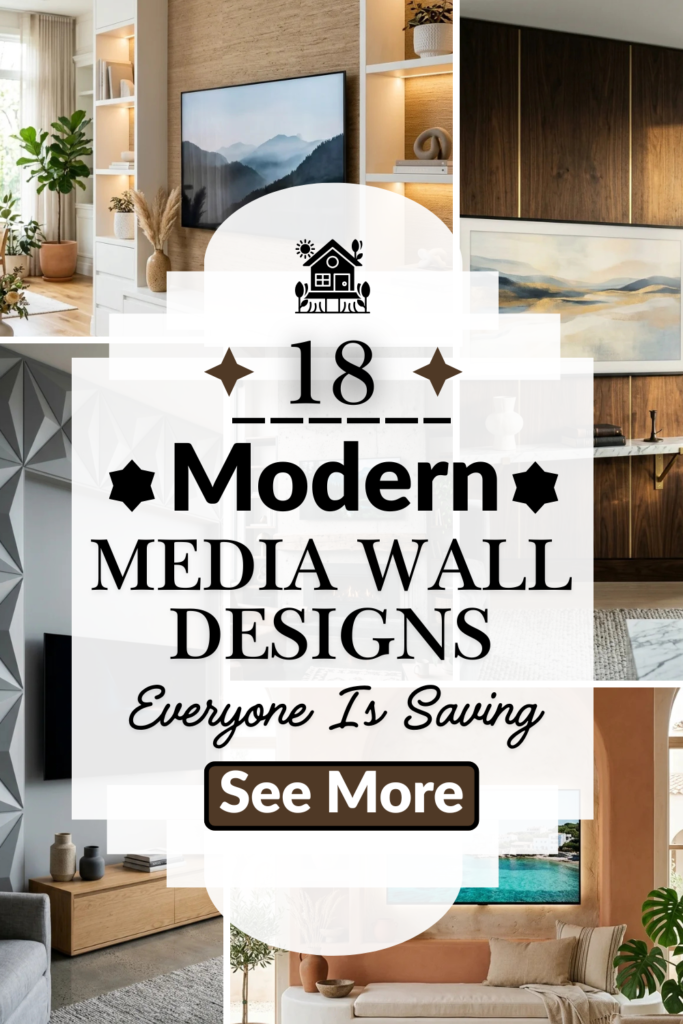

The modern media wall has evolved from a simple TV stand into the undisputed crown jewel of the contemporary home. No longer just a place to park the television, these architectural features combine storage, lighting, heating, and high-end aesthetics into a single, seamless installation. Whether you are looking to declutter your living space or create a cinematic focal point that rivals a boutique hotel lobby, the right media wall design can completely transform the atmosphere of your home.
From the warmth of natural wood slats to the icy luxury of floor-to-ceiling marble, the possibilities are endless. Homeowners are increasingly moving away from bulky, freestanding furniture in favor of bespoke, built-in solutions that maximize floor space and hide unsightly cables. If you are planning a renovation or simply looking for inspiration, here are 18 modern media wall designs that are currently dominating interior design trends.
1. Slatted Wood
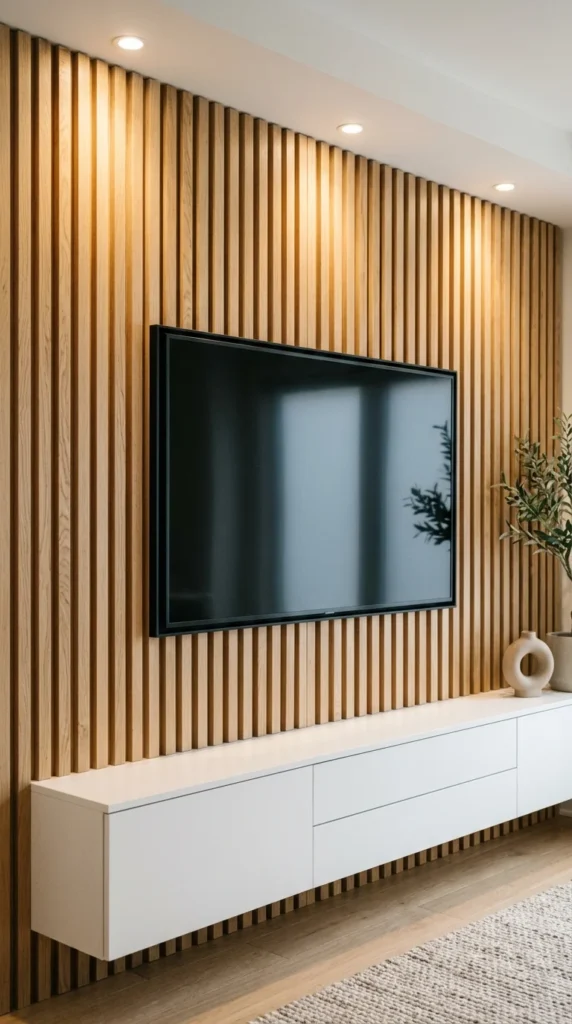
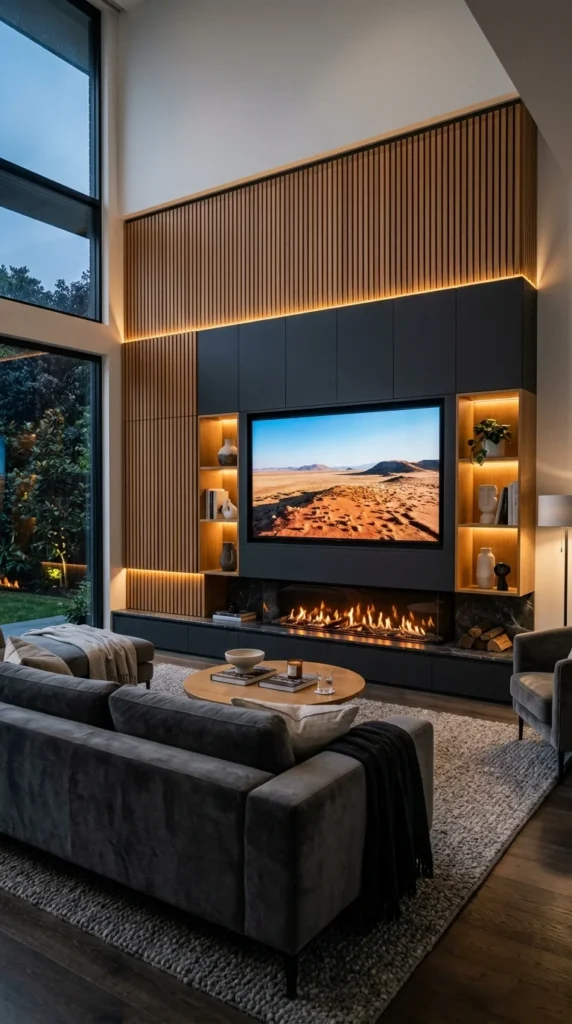
The use of vertical wood slats remains one of the most popular trends in interior design. This style adds incredible texture and organic warmth to a room, breaking up the flat surfaces of a television screen. Slatted walls are excellent for acoustics, helping to dampen sound in large, open-plan spaces. Typically crafted from oak, walnut, or charred timber, these slats create a rhythmic pattern that draws the eye upward, making ceilings appear higher than they actually are.
2. Linear Fireplace
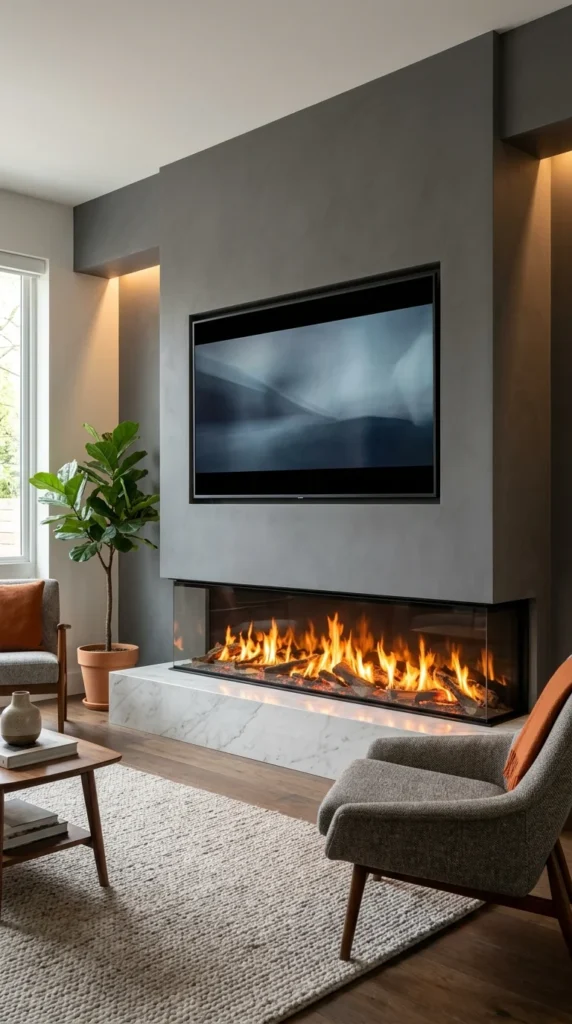
Integrating a long, linear electric fireplace is the ultimate way to achieve a “cozy-meets-tech” vibe. Modern electric fires don’t require a chimney, allowing them to be installed directly into a stud wall beneath your television. This creates a balanced vertical stack that serves as a secondary heat source and a stunning visual anchor. The flicker of the flames provides a soft contrast to the sharp pixels of the screen above.
3. Floating Cabinets
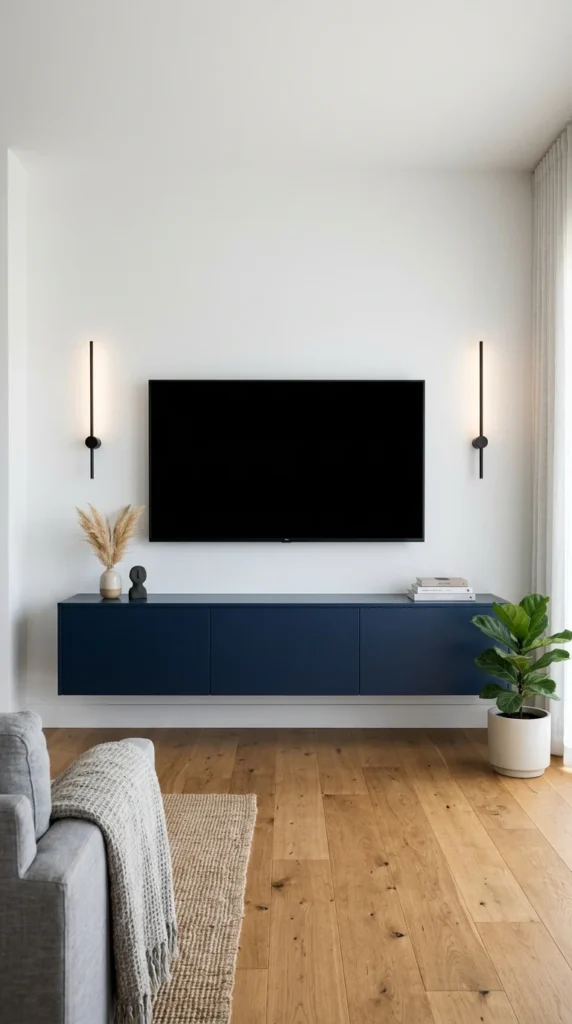
For those who prioritize a clean, airy feel, floating cabinets are a must. By suspending the storage units off the floor, you create the illusion of more space, making the room feel less cramped. This design choice is perfect for smaller living rooms. It allows for easy cleaning underneath and provides a sleek, modern silhouette that works beautifully with handle-less “push-to-open” doors for a truly flush appearance.
4. Marble Accents
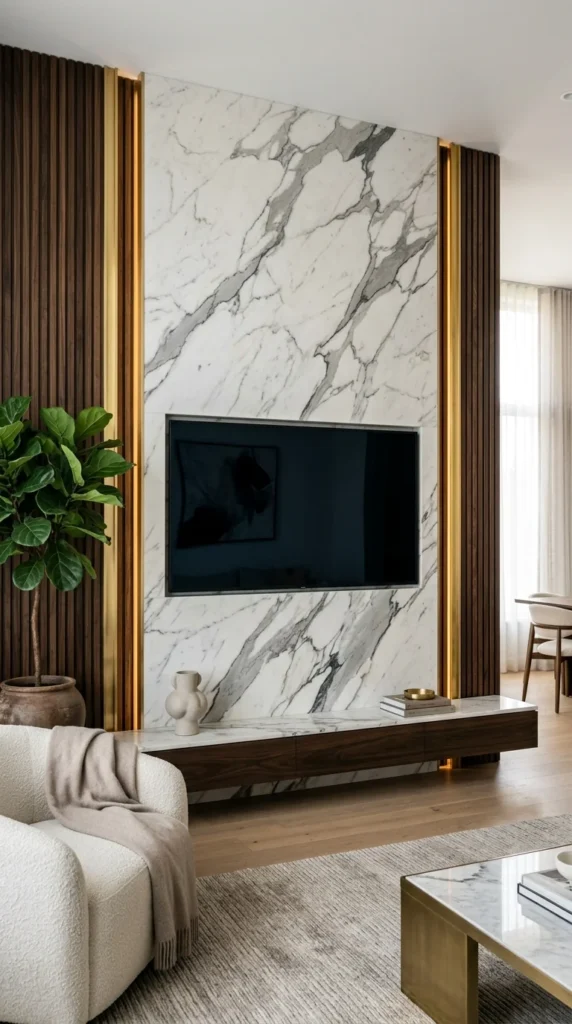
Nothing screams luxury like a marble-clad media wall. Whether you use a single massive slab or high-quality porcelain tiles that mimic the look, marble adds a sense of timeless opulence. The natural veining of the stone acts as a piece of art in its own right. When paired with hidden LED strips along the edges, the marble glows, highlighting the intricate patterns and creating a high-end gallery feel in your living room.
5. Integrated Lighting
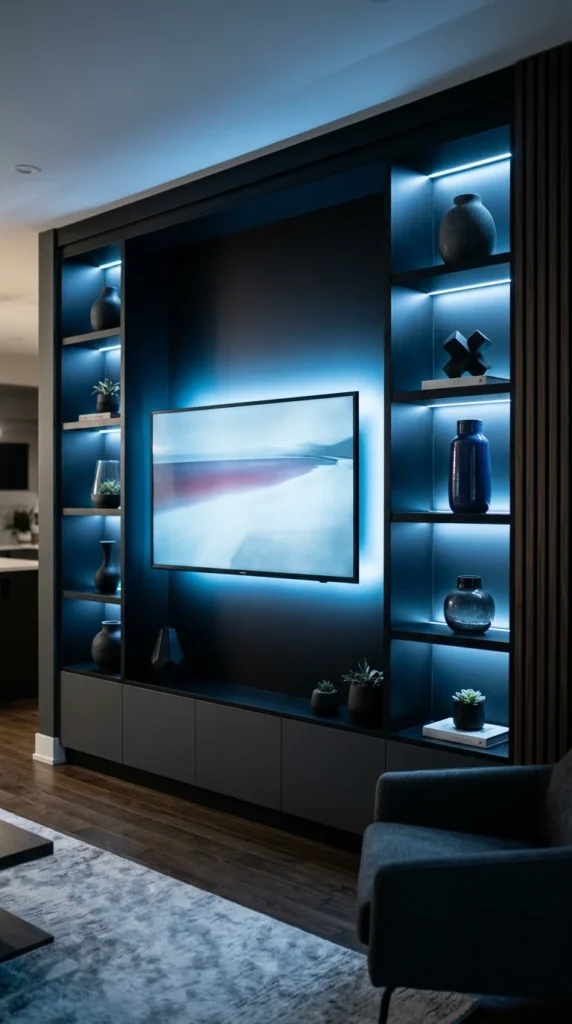
Lighting is the secret ingredient that takes a media wall from “good” to “extraordinary.” By incorporating RGB or warm white LED strips into the recesses, you can create depth and drama. Backlighting the television reduces eye strain during movie nights, while highlighting the surrounding shelves or alcoves allows you to showcase decor items even when the sun goes down.
6. Minimalist Monochrome
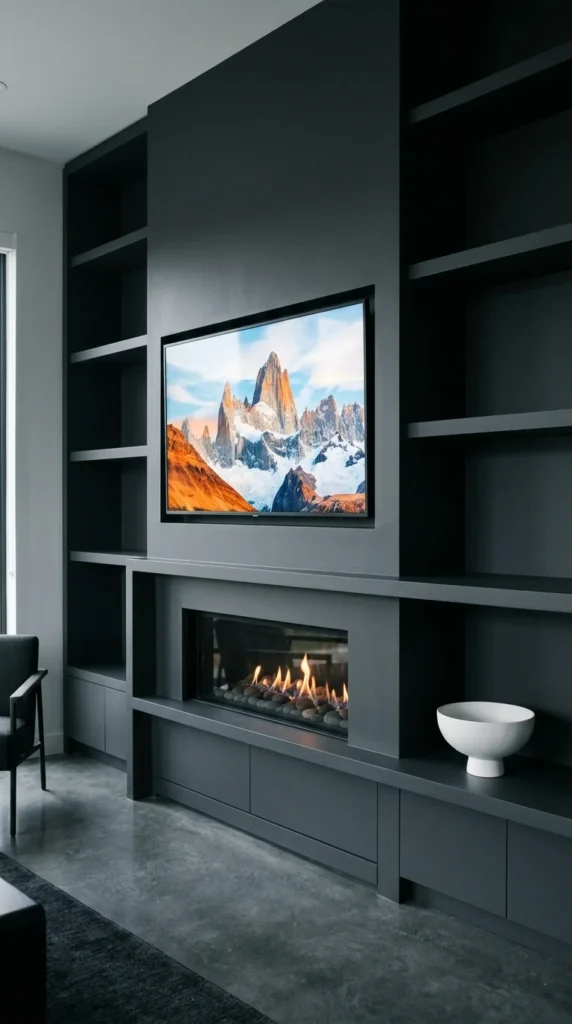
The “all-black” or “all-white” look is a bold choice for the modern minimalist. A monochrome media wall camouflages the television when it is turned off, allowing the architecture of the wall to take center stage. Using different textures—such as matte paint, velvet panels, or stone—within the same color palette adds sophistication without cluttering the visual field.
7. Bookshelf Fusion
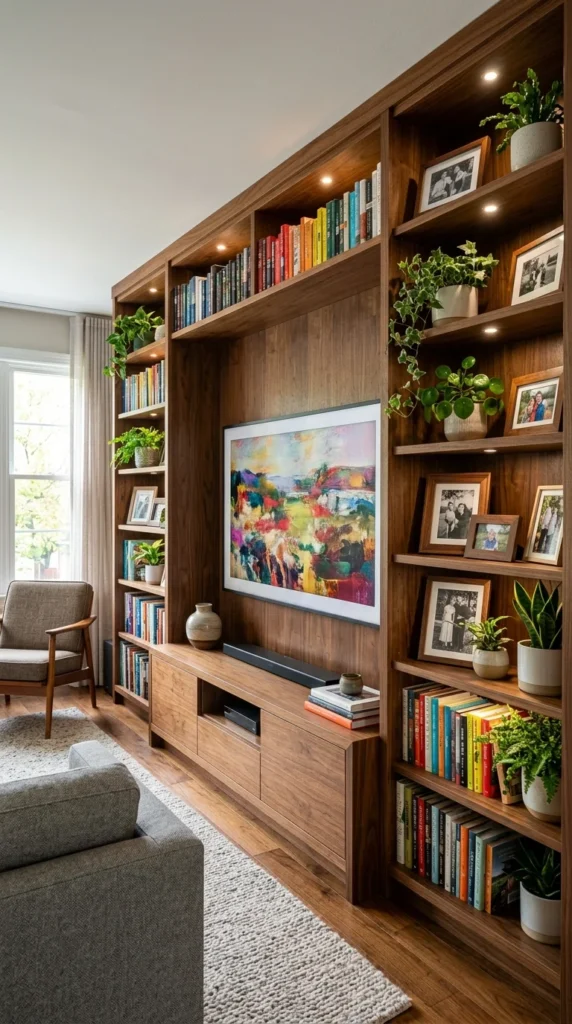
If you want your media wall to feel more lived-in and personal, a bookshelf fusion is the way to go. This design integrates the television into a larger library system. It balances the “coldness” of the technology with the “warmth” of literature and personal mementos. It’s an ideal solution for homeowners who want to display their personality while keeping the TV as a central functional element.
8. Venetian Plaster
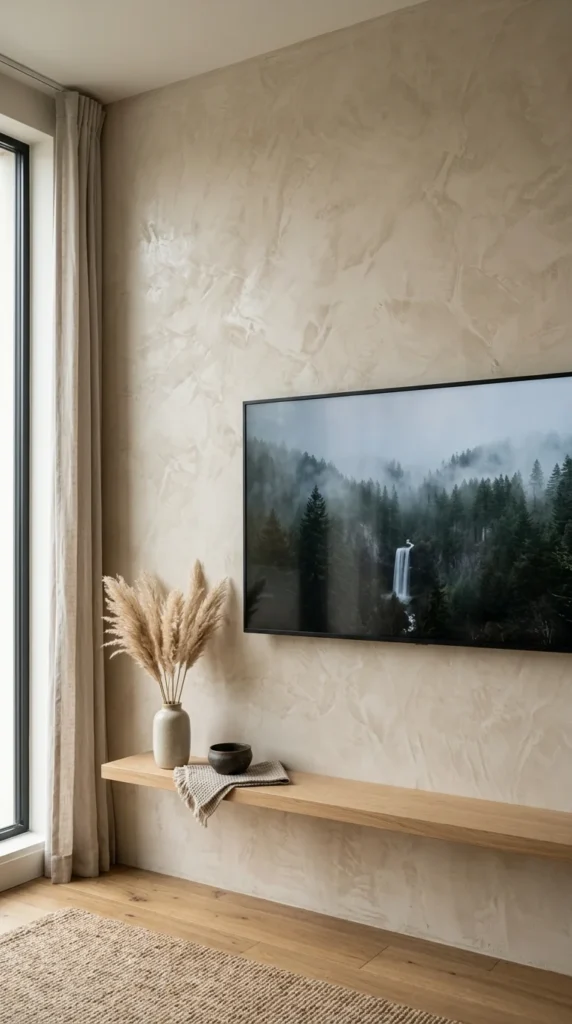
Venetian plaster is ma
king a massive comeback in high-end interiors. This hand-applied finish adds incredible depth and a tactile quality that paint simply cannot replicate. A media wall finished in polished plaster or concrete-look microcement offers an industrial yet refined aesthetic. It’s a great choice for those who want a “raw” material look that still feels smooth and sophisticated.
9. Asymmetric Layout
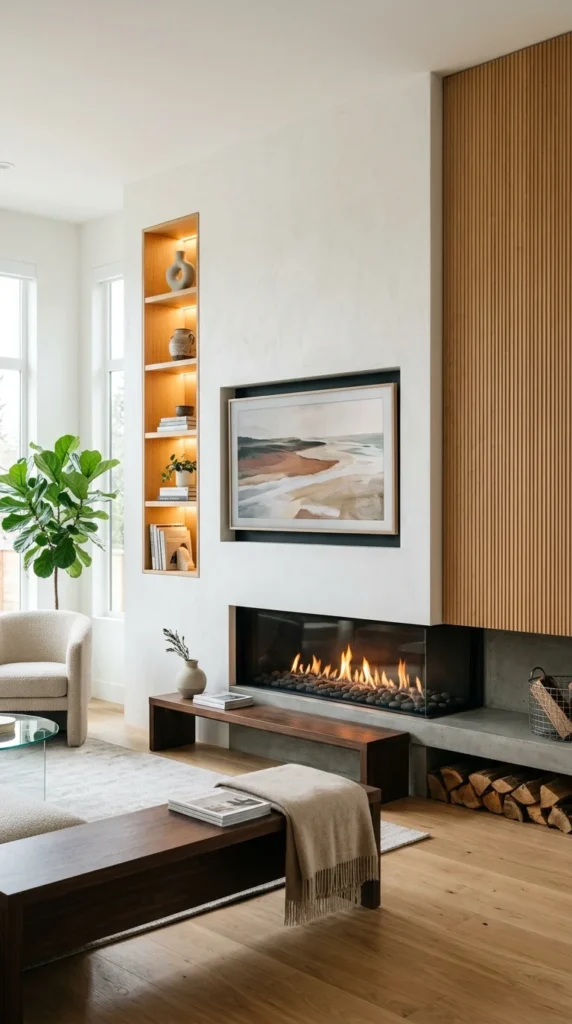
Perfect symmetry is no longer a requirement. Asymmetric media walls feel more contemporary and dynamic. By placing the TV slightly off-center or using varying lengths of shelving and cabinetry, you create a visual journey for the eye. This layout often includes a “hero” niche for a large piece of sculpture or a sprawling indoor plant, breaking the traditional “box” look.
10. Hidden Storage
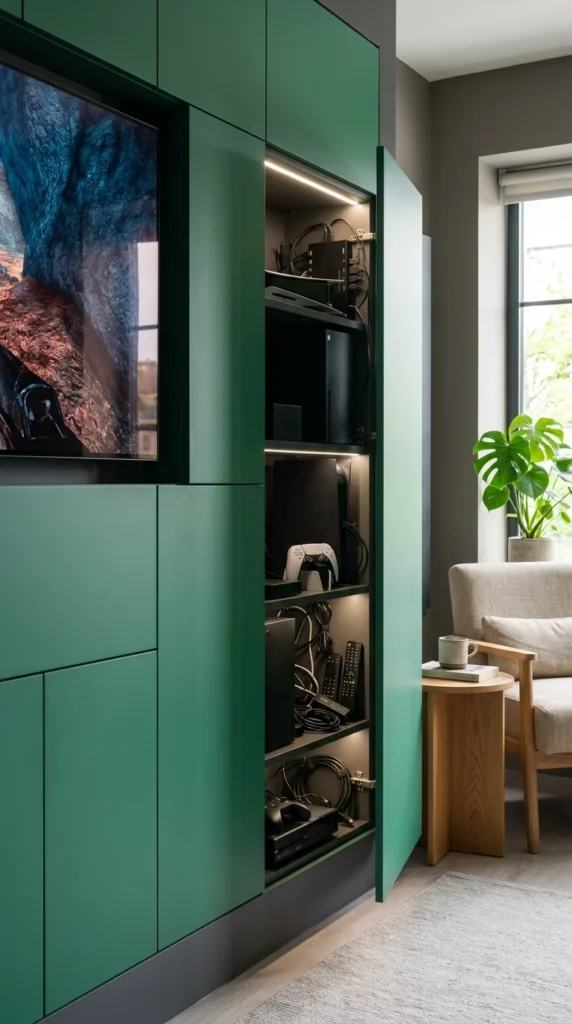
The primary goal of a media wall is often to hide the chaos of modern technology. Hidden storage solutions, such as pocket doors or touch-latch cabinets, allow you to conceal gaming consoles, routers, sound systems, and messy cables. When the doors are closed, the wall looks like a solid architectural feature, keeping your living space calm and organized.
11. Dark Charcoal
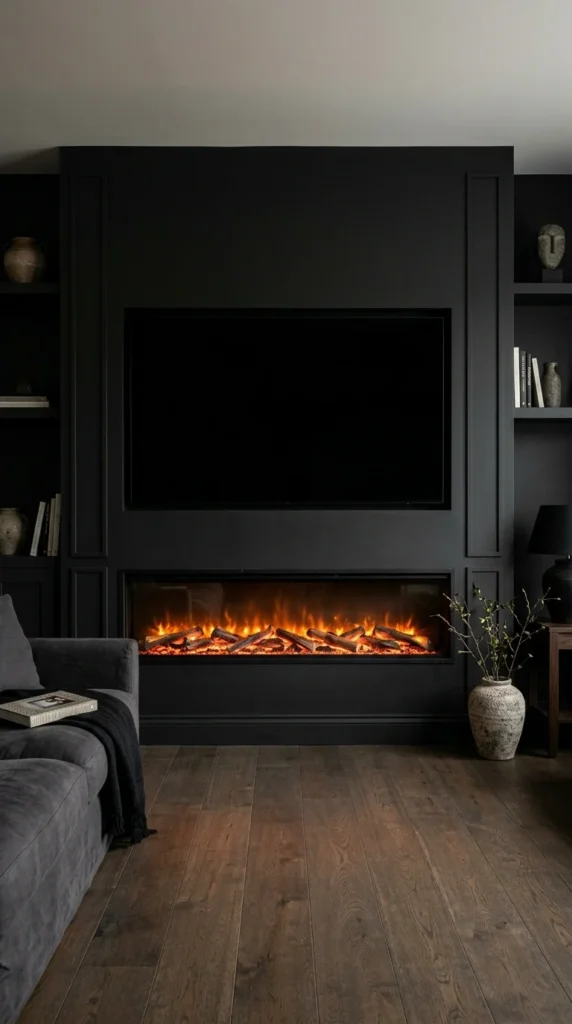
Dark tones are incredibly popular for media walls because they absorb light, which enhances the viewing experience by reducing reflections. A deep charcoal or midnight blue wall provides a moody, cinematic backdrop. When paired with warm wood or metallic accents, the dark color feels cozy and grounded rather than cold.
12. Geometric Panels
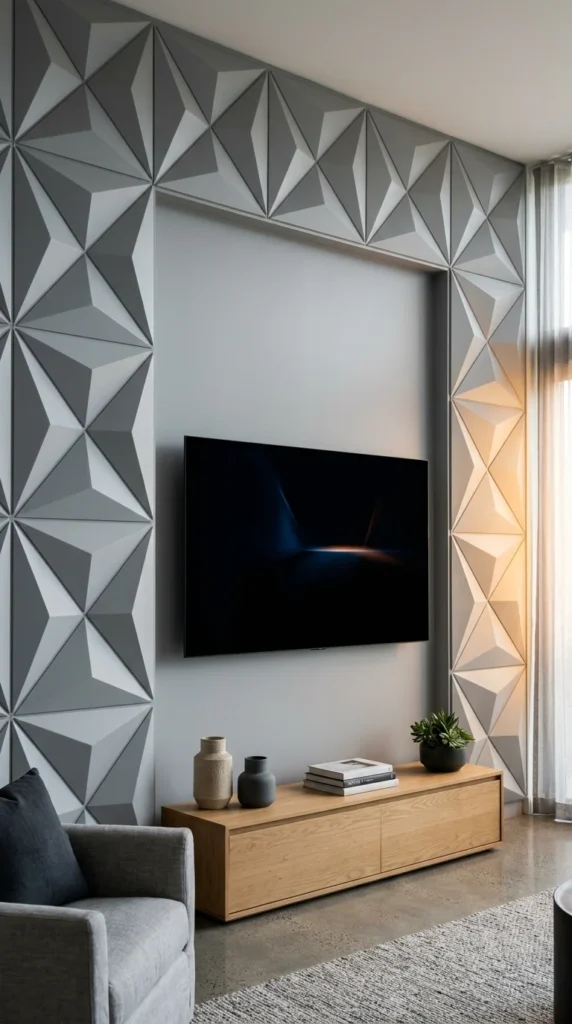
Adding three-dimensional geometric panels to your media wall is a great way to introduce a futuristic or artistic element. These panels can be made from wood, MDF, or even lightweight gypsum. They play with light and shadow throughout the day, ensuring that the wall looks interesting even when the television is not in use.
13. Arched Recess
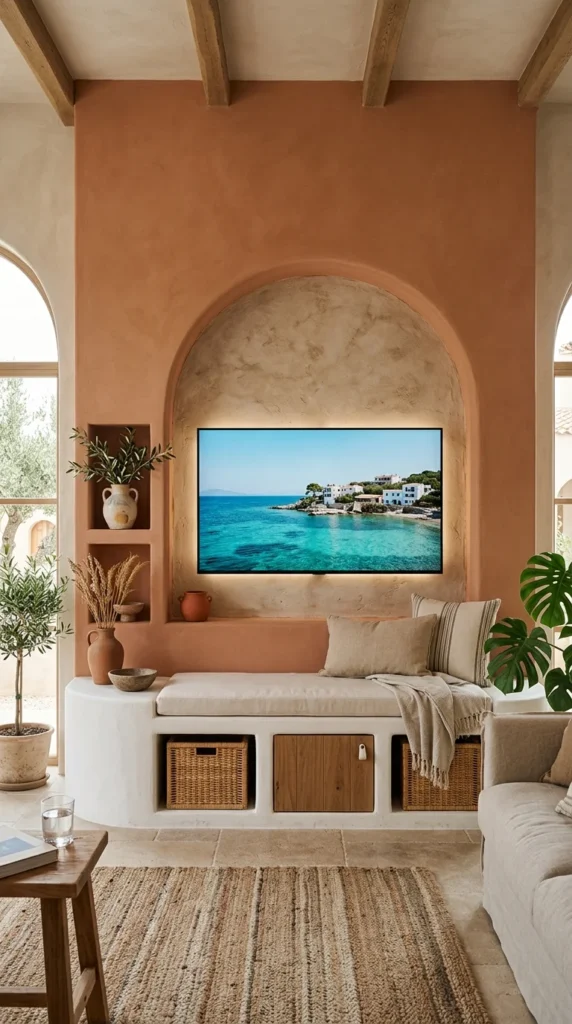
Curves are softening the sharp edges of modern design. An arched recess for the television or for surrounding display nooks adds a sense of elegance and architectural softness. This look works particularly well in homes with a Mediterranean, Japandi, or organic modern aesthetic, moving away from the rigid “box” shapes of traditional cabinetry.
14. Industrial Concrete
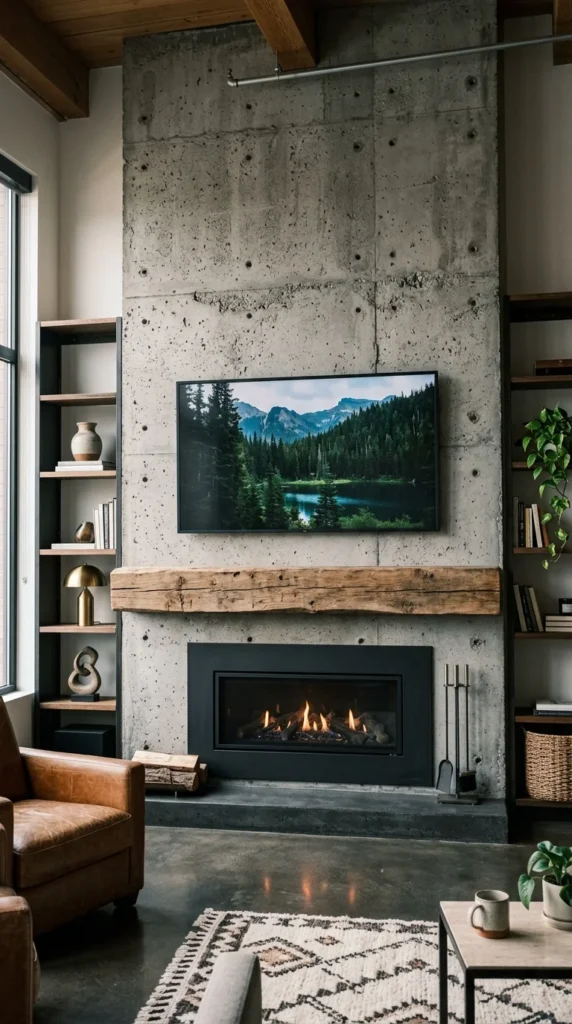
For an urban, loft-style aesthetic, concrete is the material of choice. A concrete-look media wall provides a neutral but high-impact background. It pairs beautifully with black metal accents and raw wood. This style is incredibly durable and lends a permanent, structural feel to the room that feels modern and “unfinished” in a deliberate, stylish way.
15. Metallic Inlays
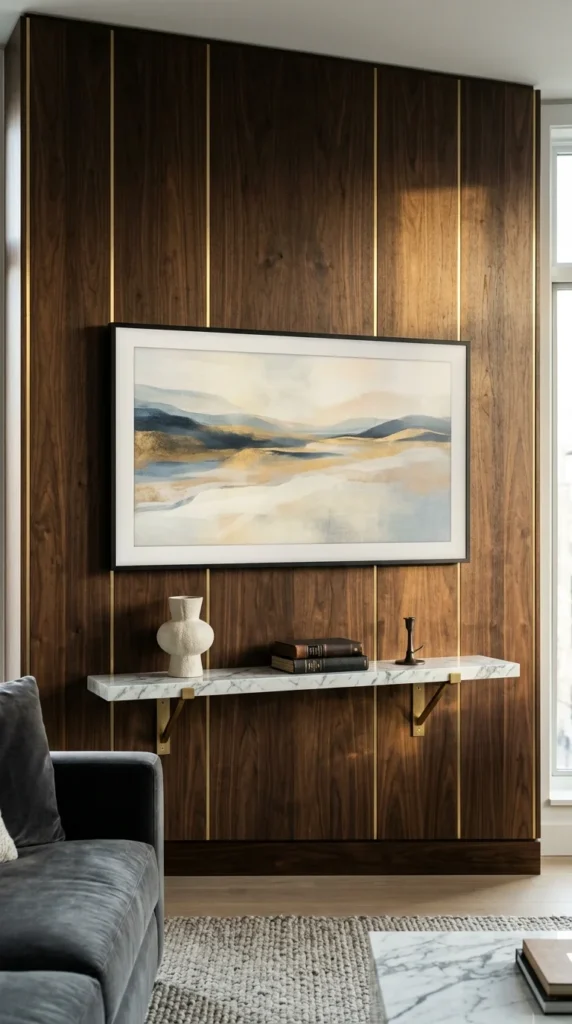
If you want to add a touch of “glam” without going overboard, metallic inlays are the answer. Thin strips of brass, gold, or chrome embedded between wood or stone panels add a horizontal or vertical rhythm to the design. These small details catch the light and provide a sense of precision and craftsmanship that elevates the entire room.
16. Vertical Gardens
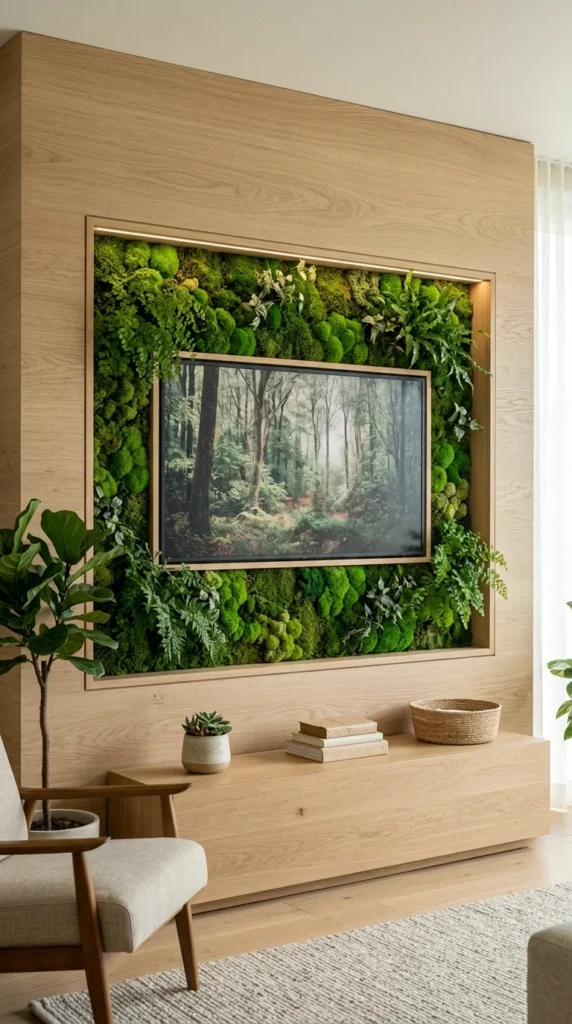
Biophilic design—incorporating nature into the home—is a major trend. Integrating a “living wall” or a section of preserved moss around your media setup brings life and color into the space. It softens the “hard” look of the technology and provides a refreshing, oxygen-rich environment that feels calm and restorative.
17. Mirror Backing
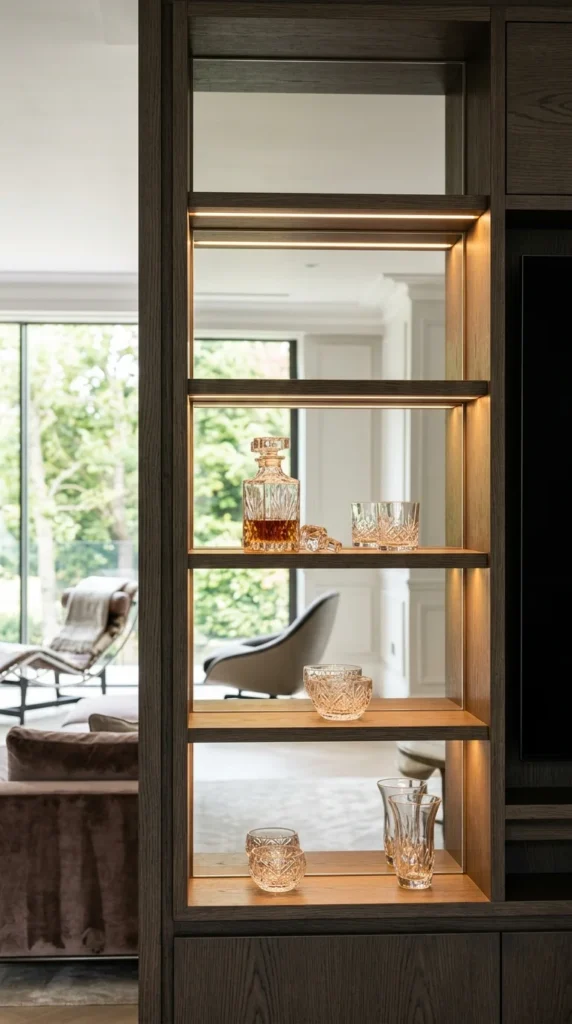
Using mirrors behind shelving or in the niches of a media wall is a classic trick to make a room feel twice as large. The mirrors reflect light back into the space, preventing the built-in unit from feeling too heavy or imposing. It also adds a layer of depth and sparkle, making your displayed items look more prominent.
18. Textured Wallpaper
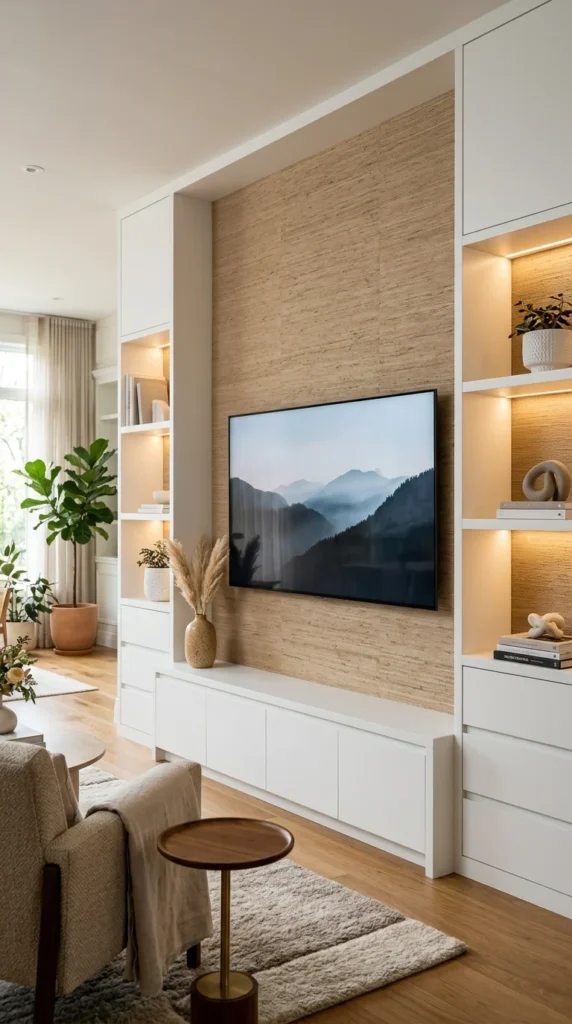
For those who want a soft, tactile look without the permanence of stone or wood, textured wallpaper is a fantastic option. Grasscloth, silk-effect, or embossed vinyl wallpapers provide a sophisticated backdrop for a television. They are relatively easy to update if you decide to change your color scheme later, making this one of the most versatile media wall designs on the list.