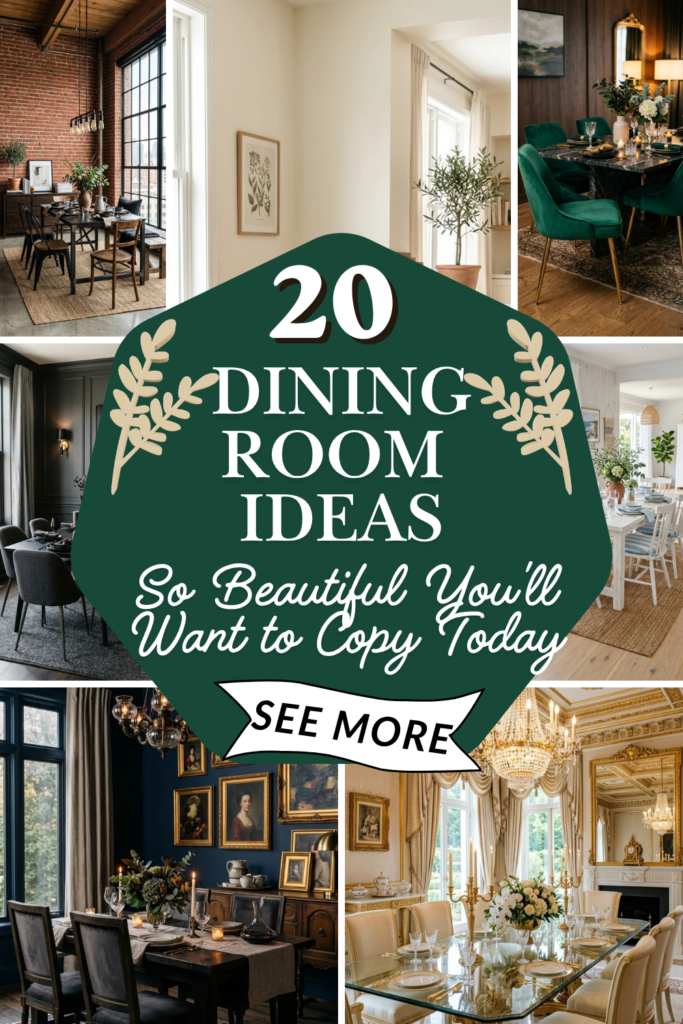

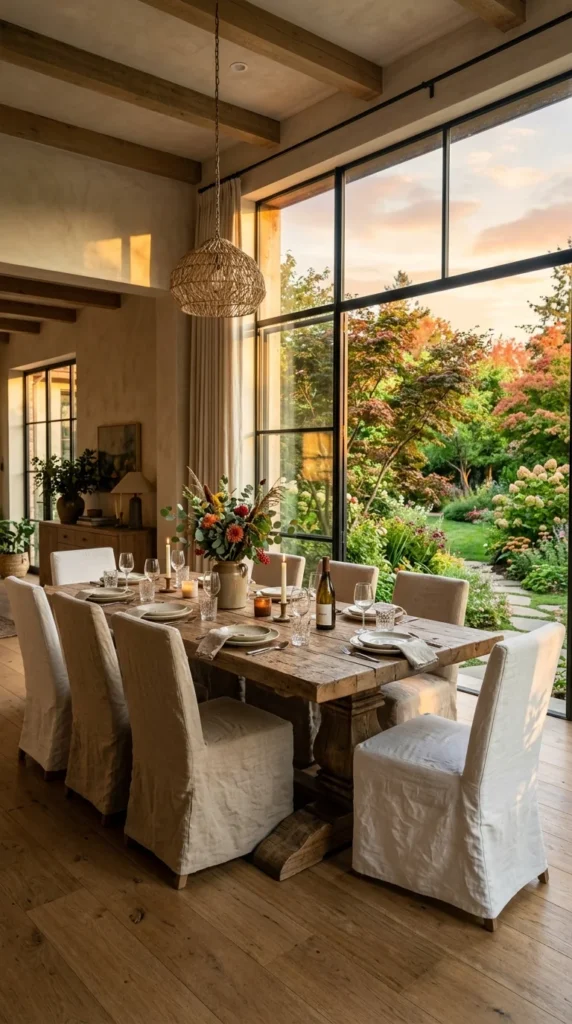
The dining room is more than just a place to consume meals; it is the heartbeat of the home. It is where stories are shared over candlelight, where holiday traditions are forged, and where the simple act of breaking bread becomes a celebrated event. Designing a space that balances functional comfort with breathtaking aesthetics can feel daunting, but the right inspiration can turn a mundane room into a sanctuary of style. Whether you lean toward the moody sophistication of a dark-walled library or the breezy lightness of a coastal retreat, these twenty ideas provide a roadmap to a dining space that is as inviting as it is beautiful.
1. Velvet Seating
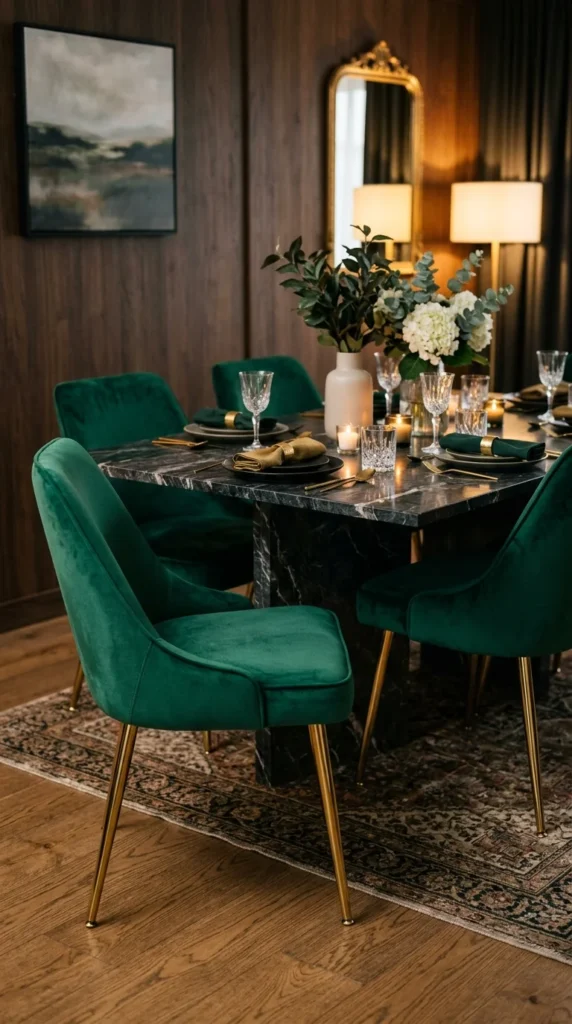
Velvet is the ultimate fabric for those looking to inject immediate luxury and tactile comfort into their dining area. Unlike traditional upholstery, velvet catches the light, creating a sense of depth and movement. To pull this look off, choose deep jewel tones like sapphire, emerald, or amethyst to create a focal point. These chairs don’t just look expensive—they provide a soft, cushioned experience that encourages guests to linger long after the dessert has been served. Pair them with a metallic or stone table to balance the soft texture with hard, clean lines.
2. Natural Wood
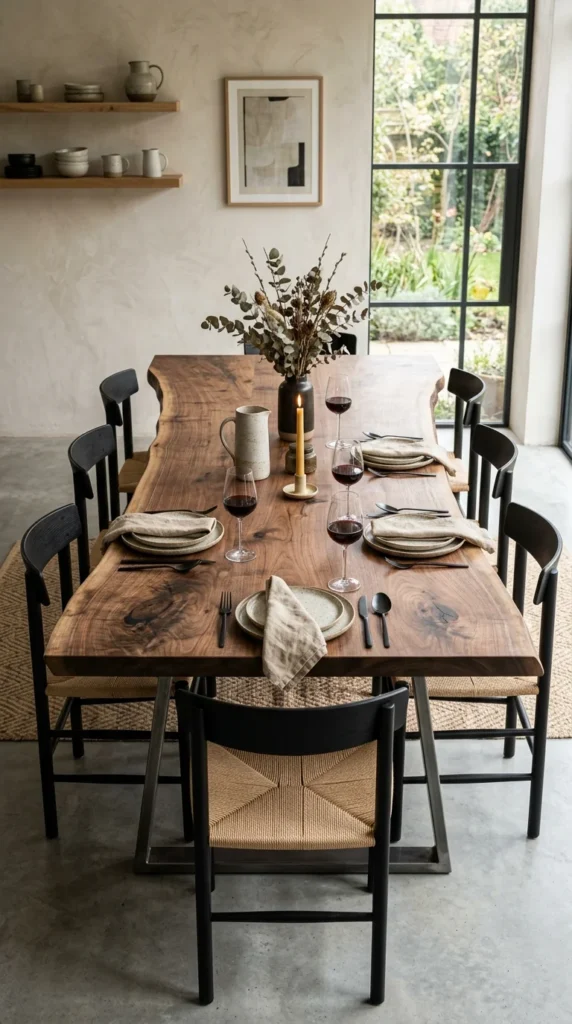
There is an inherent warmth in natural wood that no other material can replicate. A live-edge table or a solid oak centerpiece brings the outdoors in, grounding the room with an earthy, organic energy. This style works perfectly in both modern and traditional settings because of its timeless appeal. To keep the look contemporary, avoid overly ornate carvings and instead let the natural grain, knots, and imperfections of the timber be the primary decorative element.
3. Bold Wallpaper
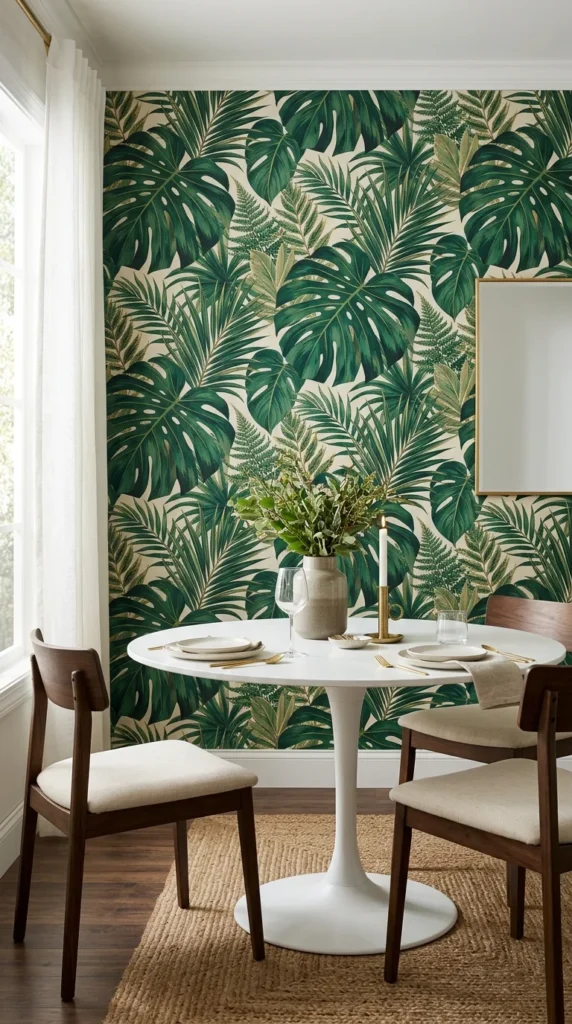
Wallpaper has made a massive comeback, and the dining room is the perfect place to experiment with daring patterns. Since dining rooms are often used less frequently than living rooms, they can handle a higher “drama” factor. A bold floral, a geometric print, or a scenic mural can transform the space into an immersive environment. When using heavy patterns, keep the furniture relatively simple to avoid a cluttered look, allowing the walls to act as the primary art piece.
4. Monochrome Palette
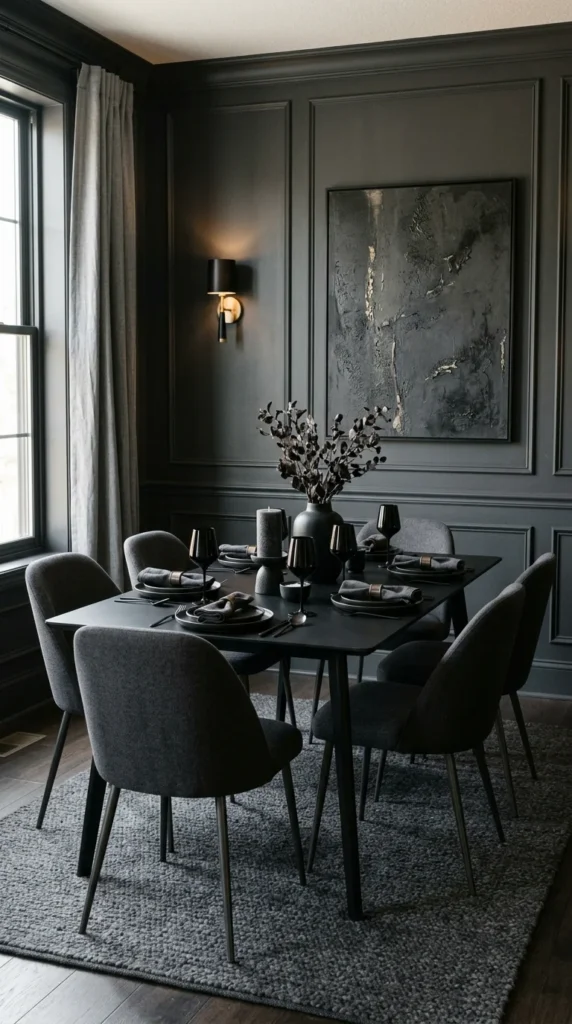
A monochromatic color scheme is a masterclass in sophistication. By sticking to various shades of a single color—such as grey, beige, or even navy—you create a cohesive and calming environment. The key to making monochrome work is texture. Mix matte finishes with glossy surfaces, and soft fabrics with hard stone. This prevents the room from feeling flat and adds a layer of quiet luxury that is incredibly pleasing to the eye.
5. Mid-Century Modern
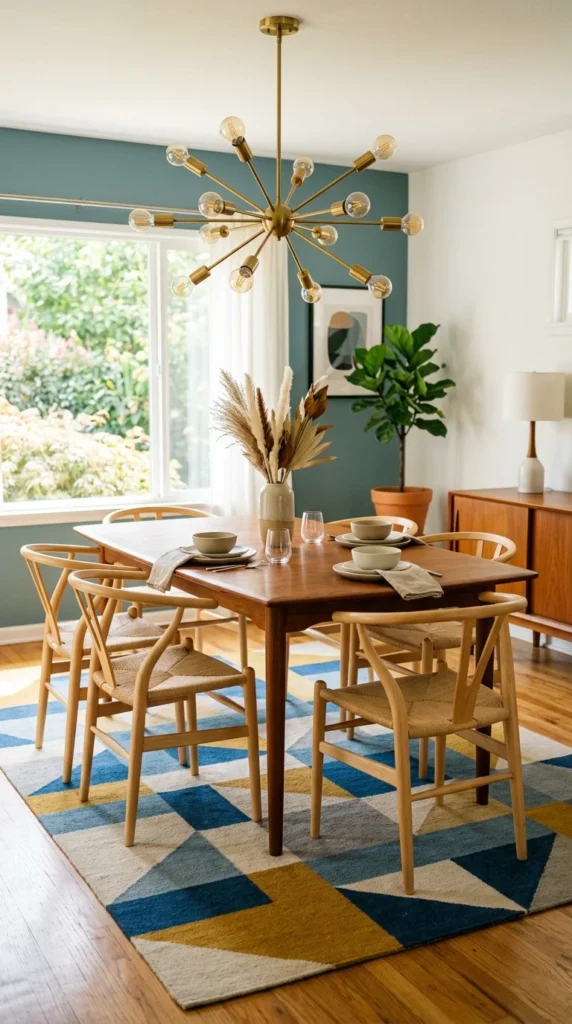
Mid-century modern design remains a favorite for its “form follows function” philosophy. Characterized by clean lines, organic curves, and tapered legs, this style brings a retro-cool vibe to the dining room. Look for pieces made of teak, walnut, or rosewood. A Sputnik-style chandelier or a sculptural pendant light serves as the perfect crowning jewel for this look, bridging the gap between vintage charm and modern sensibility.
6. Statement Lighting
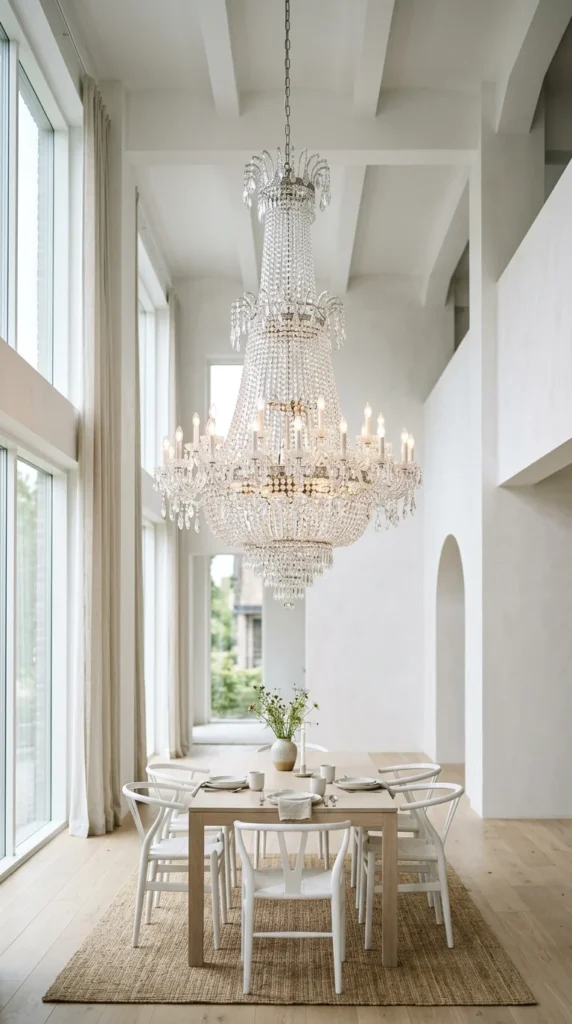
If you only change one thing in your dining room, make it the lighting. A statement light fixture acts as the “jewelry” of the room. Whether it’s an oversized paper lantern, a cluster of hand-blown glass globes, or a dramatic tiered chandelier, the right light sets the mood and defines the space. Hanging the fixture slightly lower than usual—about 30 to 36 inches above the table—creates an intimate “bubble” of light that focuses the energy on the diners.
7. Indoor Greenery
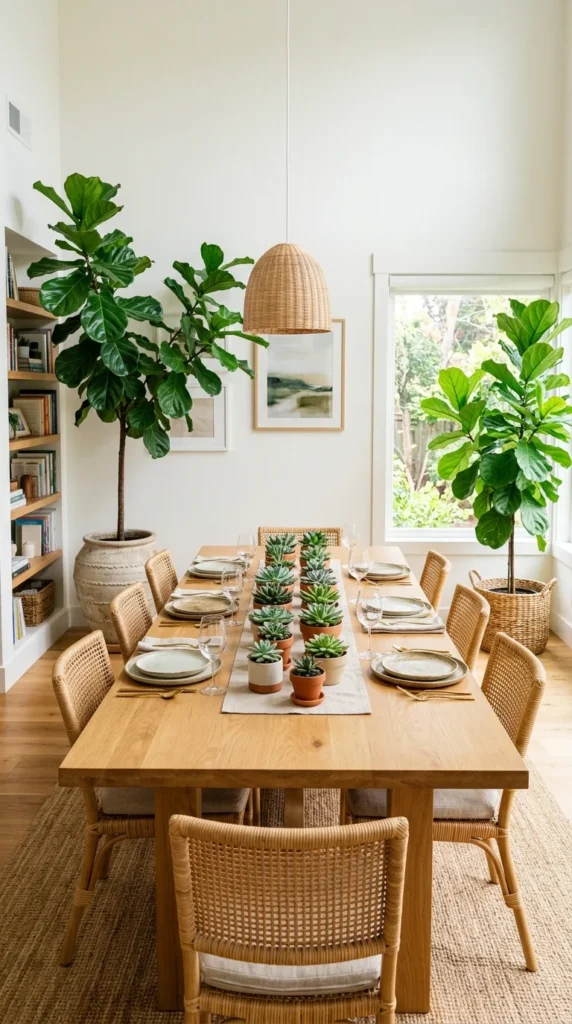
Bringing nature indoors is a foolproof way to make a room feel alive and vibrant. Large-scale plants like fiddle leaf figs or olive trees add height and architectural interest to empty corners. On the table itself, a simple arrangement of eucalyptus or a collection of moss balls can provide a fresh, biophilic touch. Plants not only clean the air but also soften the hard edges of dining furniture, making the space feel more relaxed.
8. Industrial Loft
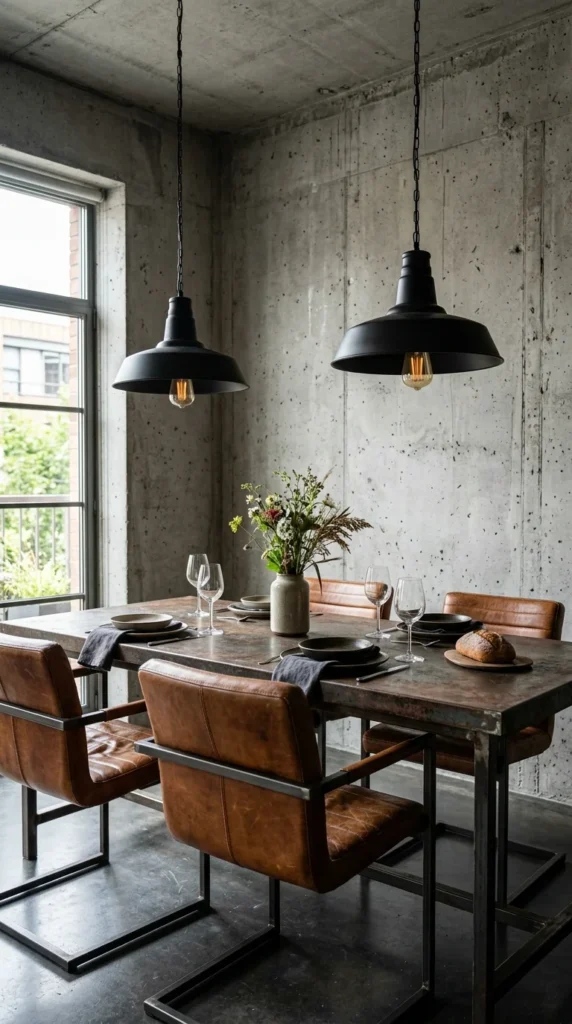
The industrial look is all about celebrating raw, unfinished materials. Think metal frames, exposed hardware, and weathered leather. To prevent an industrial dining room from feeling too cold, incorporate warm elements like cognac-colored leather seating or a thick wool rug. This style is perfect for those who appreciate an edgy, urban aesthetic that feels both sturdy and stylish.
9. Coastal Chic
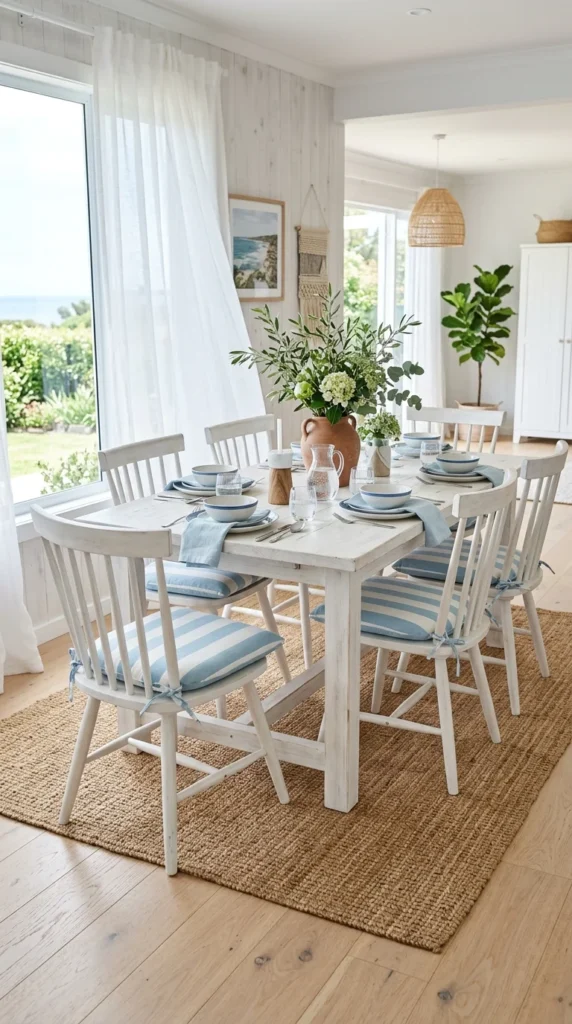
Coastal design is about capturing the essence of a seaside vacation. Use a palette of whites, sandy beiges, and soft blues. Incorporate natural textures like rattan, jute, and seagrass to give the room a tactile, beachy feel. A light-filled room with sheer linen curtains and a driftwood centerpiece can make every meal feel like a getaway. Avoid kitschy nautical decor and instead focus on a sophisticated “Hamptons” vibe.
10. Circular Tables
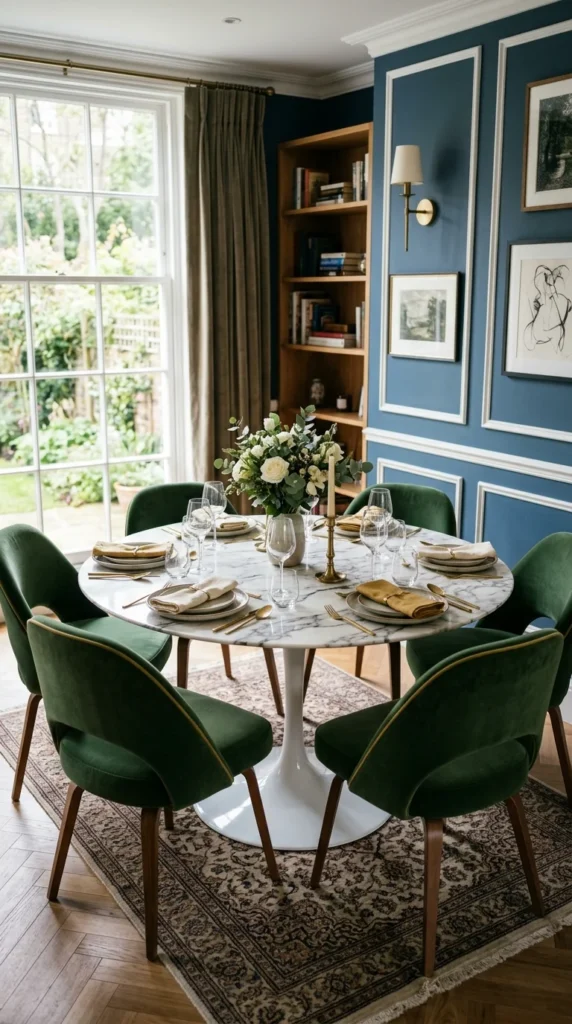
Circular tables are the unsung heroes of social dining. Because there is no “head” of the table, conversation flows more easily, and everyone feels included. They are also excellent space-savers for smaller rooms or awkward layouts. A pedestal-style round table provides extra legroom and creates a soft, flowing silhouette that breaks up the boxy feel of many modern homes.
11. Dark Walls
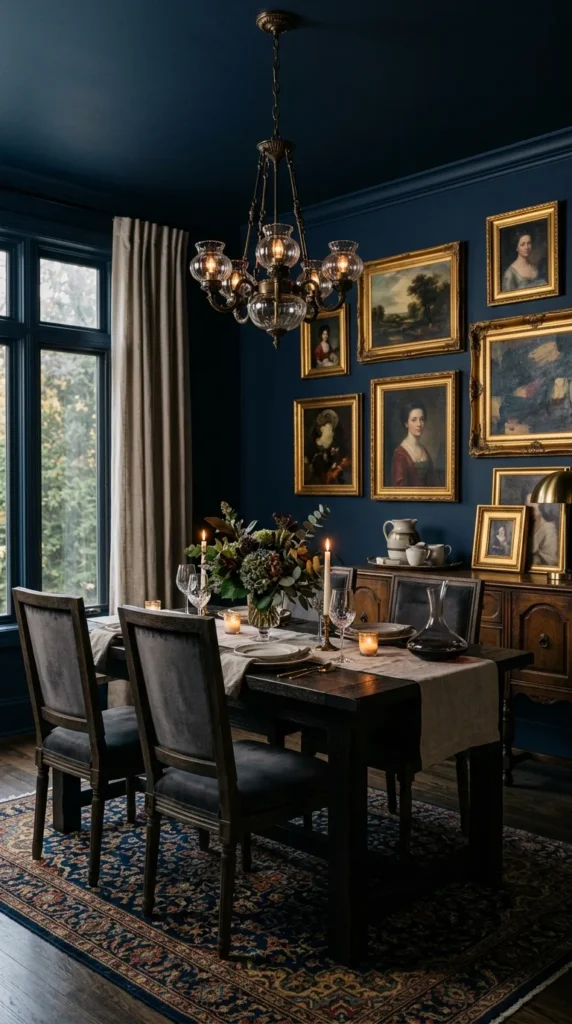
Don’t be afraid of the dark. Deep hues like navy, forest green, or charcoal can make a dining room feel incredibly intimate and high-end. Dark walls create a dramatic backdrop that makes furniture and artwork pop. To keep the room from feeling like a cave, ensure there is plenty of layered lighting—a mix of overhead fixtures, wall sconces, and perhaps some candles on the table.
12. Gallery Walls
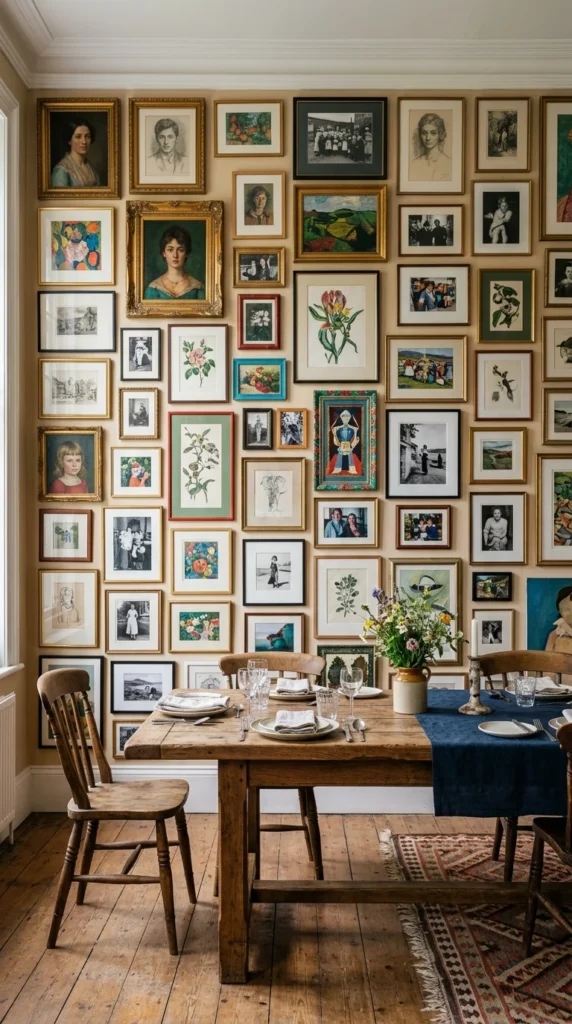
A gallery wall is a wonderful way to inject personality and history into your dining space. Instead of one large piece of art, curate a collection of smaller works that mean something to you. Mix and match frame styles for an eclectic look, or keep them uniform for a more structured feel. This creates a great conversation starter for guests and turns the dining room into a personal museum.
13. Rustic Farmhouse
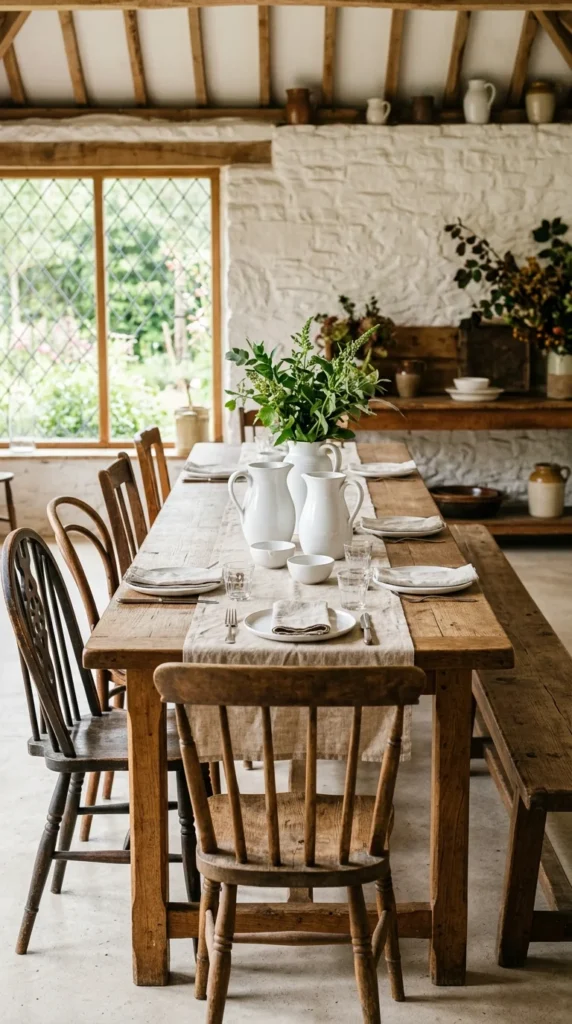
The modern farmhouse aesthetic is all about comfort and “lived-in” charm. A long trestle table is the centerpiece of this look, suggesting a space where large families and groups of friends are always welcome. Use a mix of chairs and benches to keep the vibe casual. Elements like shiplap walls, woven baskets, and ceramic pitchers add to the rustic appeal while keeping the space feeling bright and airy.
14. Scandi Simplicity
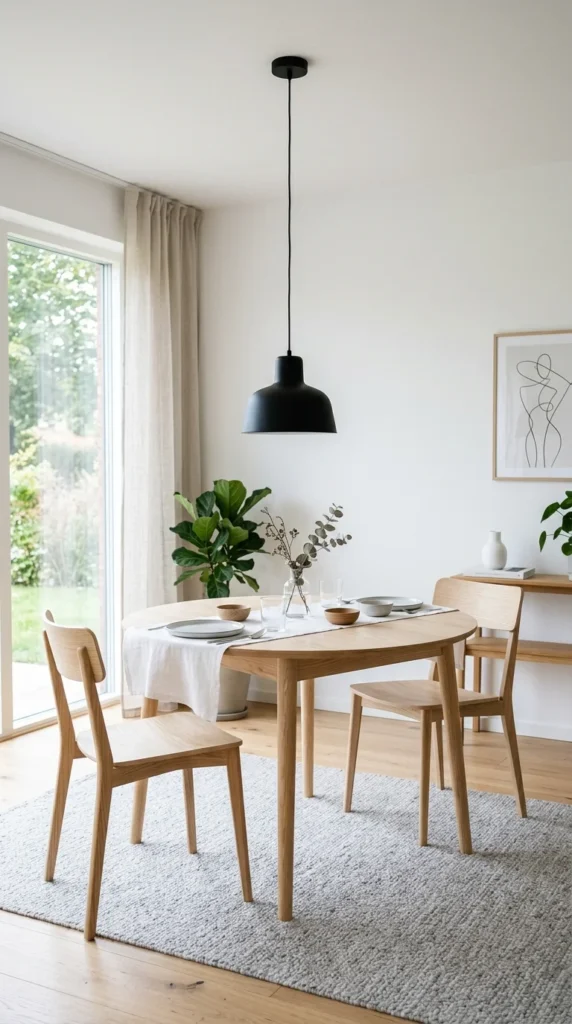
Scandinavian design focuses on “hygge”—a sense of coziness and contentment. This look is achieved through a minimalist approach: light woods, white walls, and functional furniture with clean lines. The beauty lies in the lack of clutter. To add warmth, layer in a sheepskin rug over a chair or a simple felt table runner. It’s a look that prioritizes peace and clarity.
15. Glam Gold
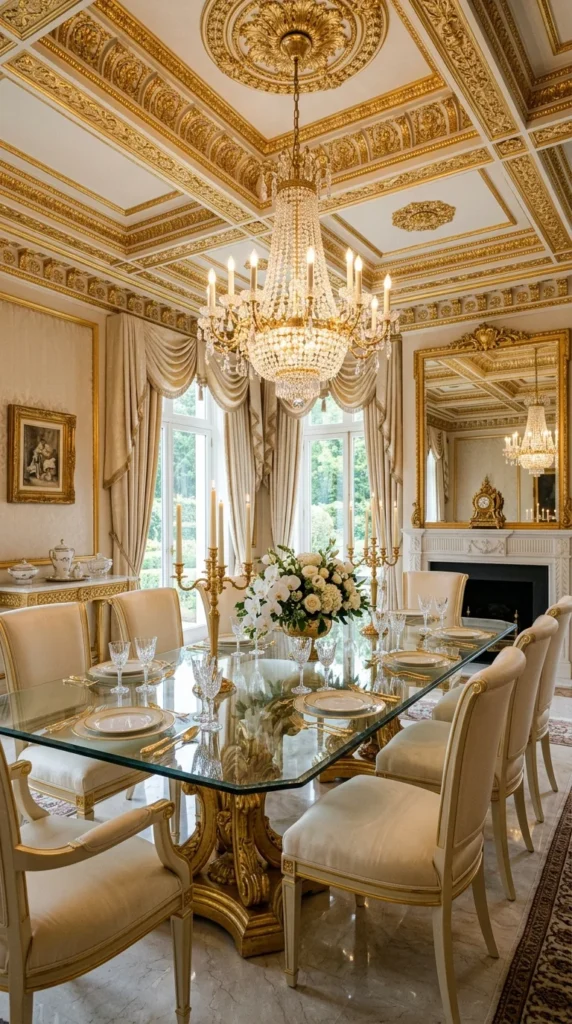
For those who love a bit of sparkle, gold accents are a must. You don’t need to go overboard; subtle touches like gold chair legs, a metallic-rimmed mirror, or gold cutlery can elevate the room significantly. Gold reflects light beautifully, adding a warm glow to the space during evening dinner parties. Pair it with white or cream for a classic “old Hollywood” feel.
16. Banquette Seating
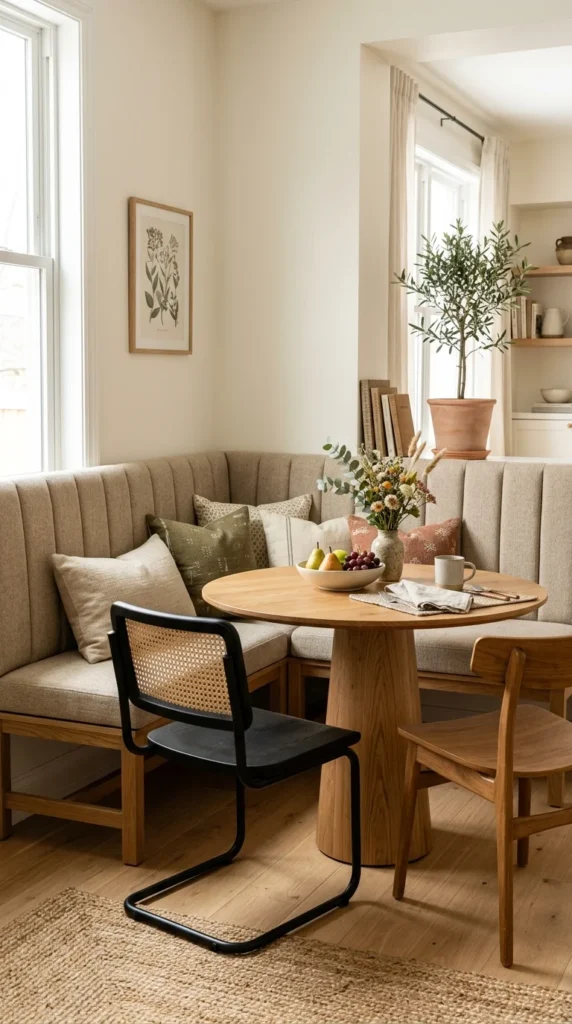
Banquette seating—or “booth” seating—isn’t just for restaurants. It’s an incredibly efficient use of space, especially in kitchens or small dining areas. Built-in benches can be upholstered in high-performance fabrics to handle spills while providing a cozy, communal feel. It also allows you to push the table closer to the wall, opening up more floor space in the rest of the room.
17. Mirrored Accents
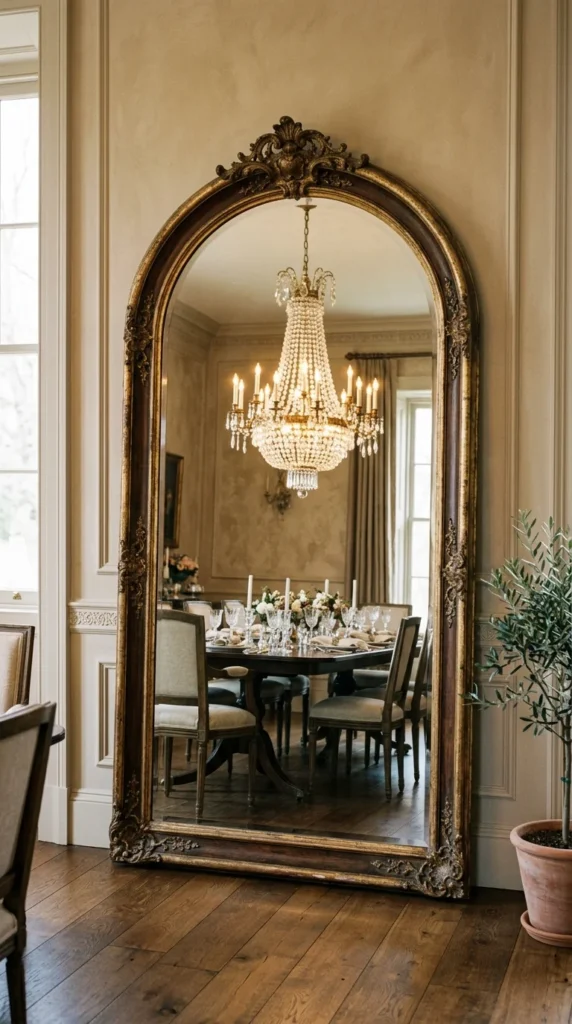
Mirrors are a designer’s secret weapon for making small rooms feel twice as large. A large floor mirror or a series of mirrored panels on one wall will reflect light and the movement of the room, creating an airy, expansive feeling. In a dining room, a mirror also reflects the table setting and the glow of candles, doubling the visual impact of your decor.
18. Mixed Chairs
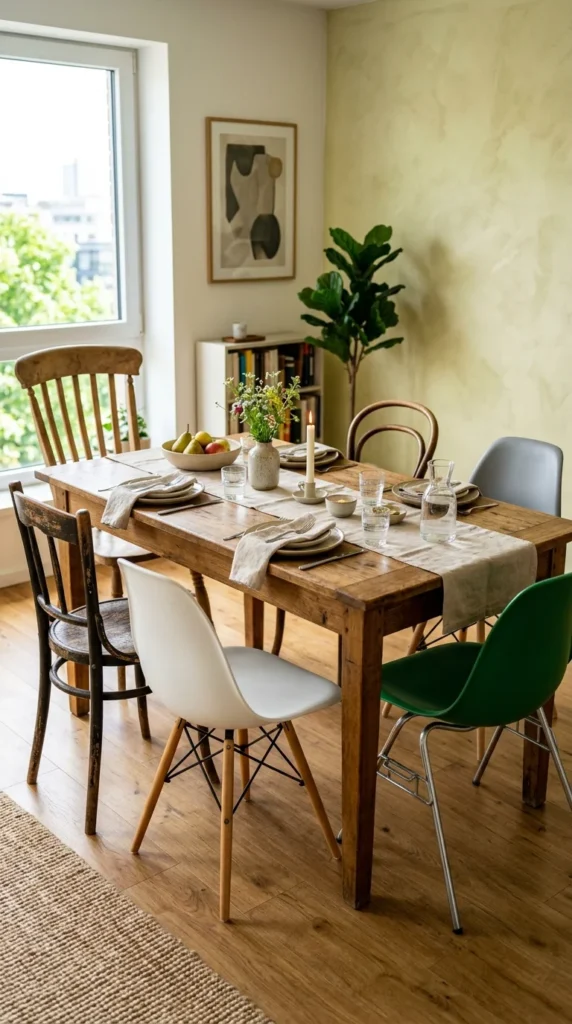
The “mismatched” chair look is perfect for those who want a relaxed, bohemian, or curated vibe. The trick to making it look intentional rather than messy is to find a common thread—perhaps they are all the same color but different shapes, or all the same material but different eras. This approach adds a layer of character and prevents the room from feeling like a showroom set.
19. Exposed Brick
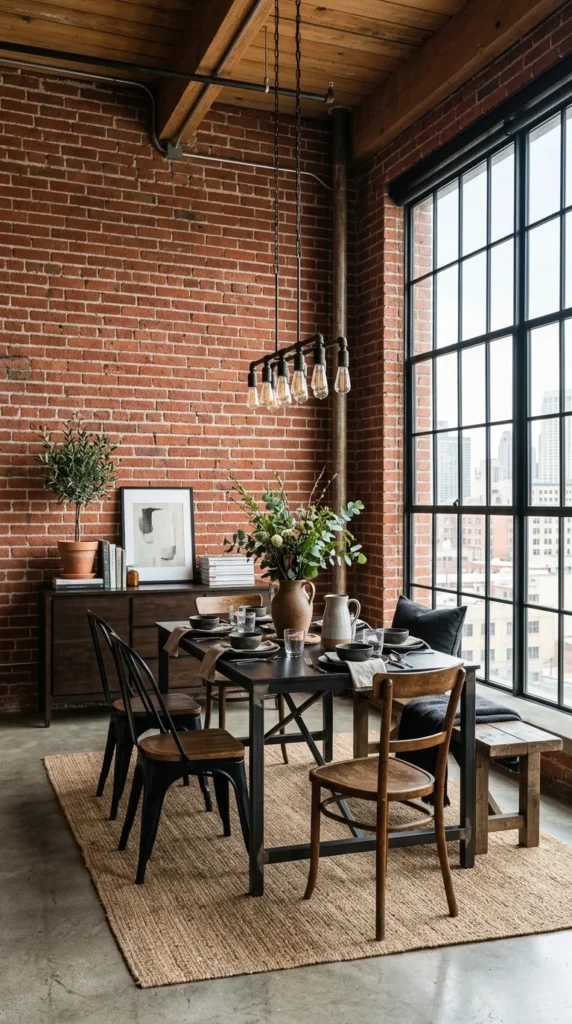
If you are lucky enough to have an exposed brick wall, let it be the star. Brick adds incredible texture and a sense of history to a room. It pairs beautifully with industrial furniture, but it can also be softened with large-scale art or hanging tapestries. For a cleaner, more modern take on brick, you can paint it white to keep the texture while brightening the overall space.
20. Glass Partitions
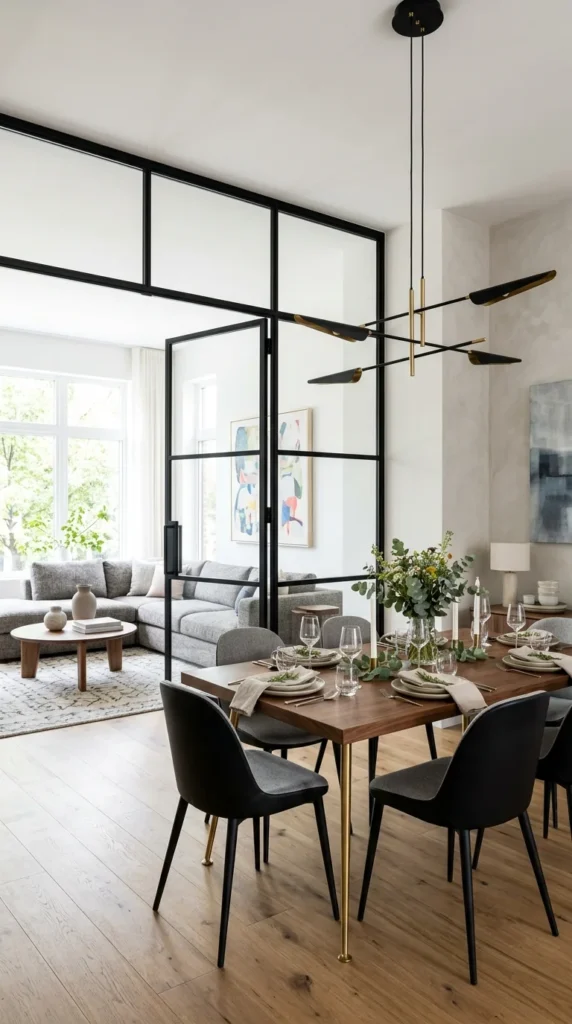
In modern open-plan homes, sometimes you want a sense of separation without losing the flow of light. Glass partitions with black metal frames (Crittall style) are a stunning solution. They define the dining room as its own “zone” while keeping the entire floor plan feeling connected and spacious. It adds an architectural element that is both functional and incredibly stylish.