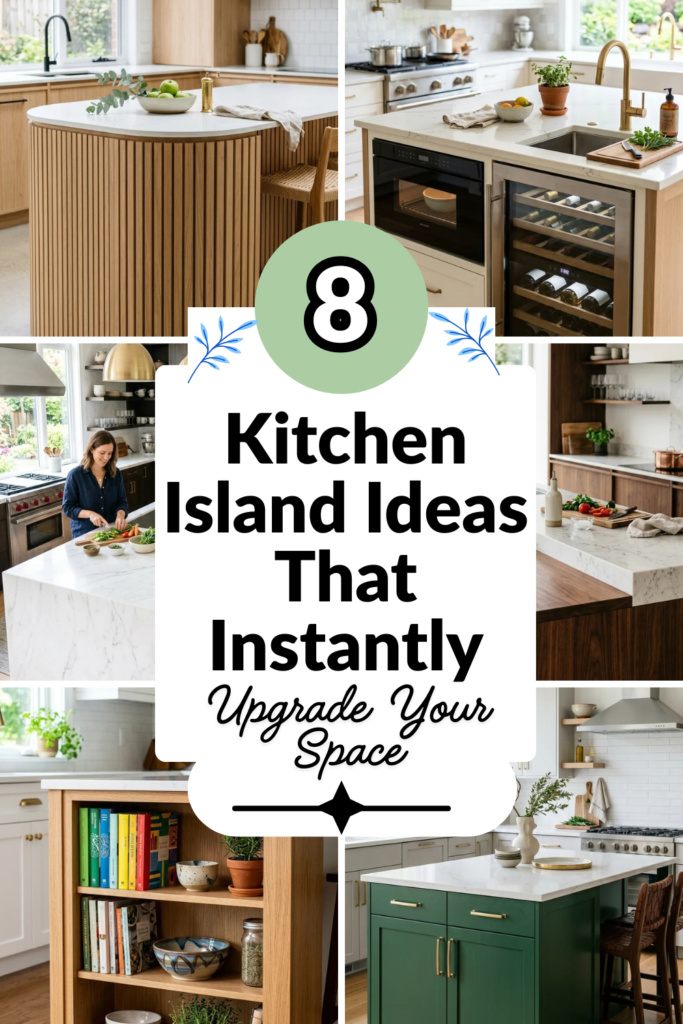

The kitchen is often referred to as the heart of the home, but if the kitchen is the heart, the island is undoubtedly its pulse. What started as a simple prep station has evolved into a multi-functional powerhouse that serves as a dining table, a home office, a storage unit, and a social hub.
When you upgrade your kitchen island, you aren’t just changing a piece of furniture; you are redefining how you interact with your home. Whether you are working with a cozy galley kitchen or a sprawling open-concept floor plan, the right island design can elevate your aesthetic from “functional” to “breathtaking.” Here are eight transformative kitchen island ideas to inspire your next renovation.
1. Waterfall Counters
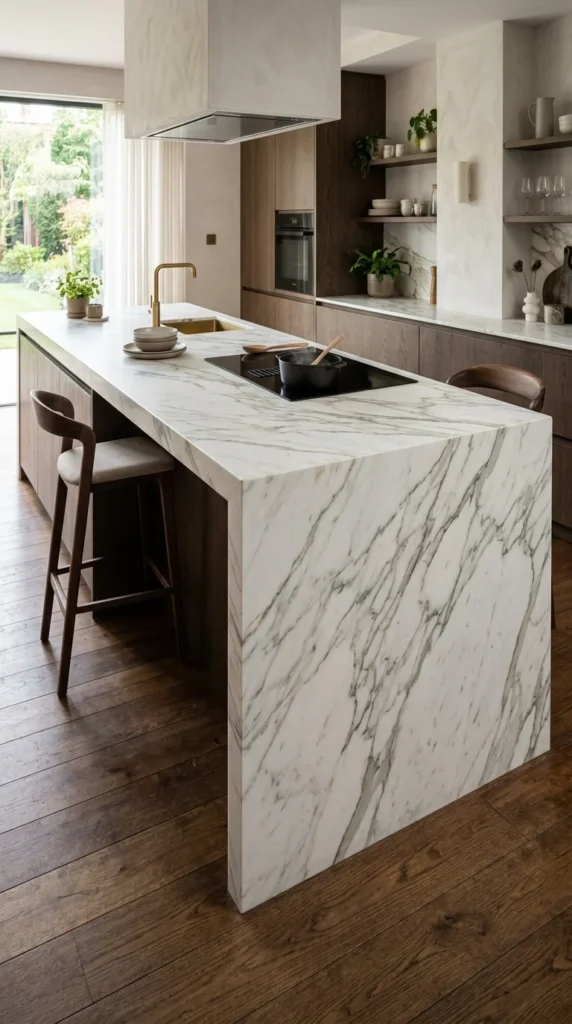
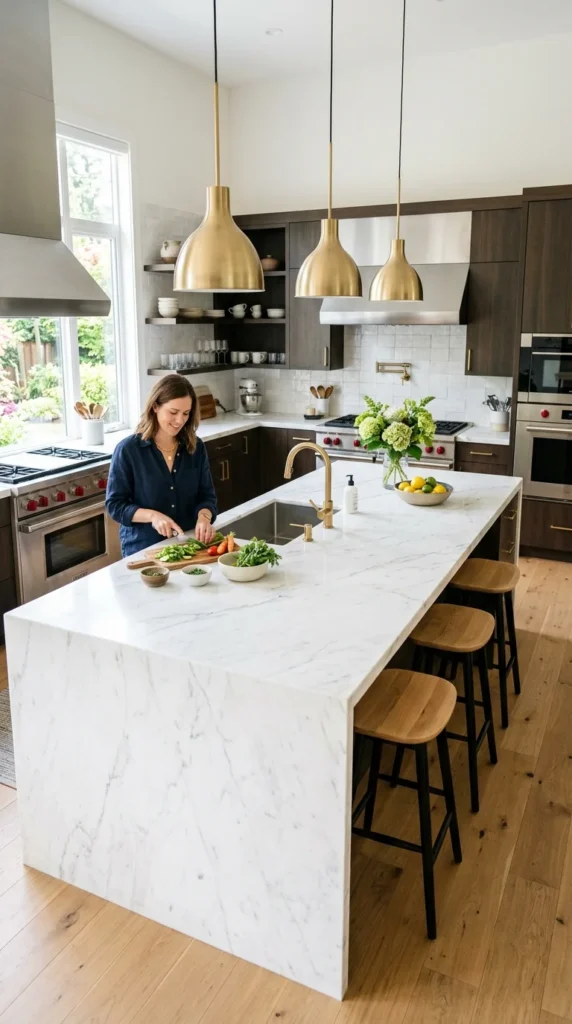
The waterfall countertop is the pinnacle of modern kitchen luxury. By extending the countertop material vertically down the sides of the island all the way to the floor, you create a seamless, sculptural look that hides the cabinetry underneath. This design choice is particularly effective when using high-vein stones like marble or quartz, as it allows the natural patterns of the stone to flow uninterrupted. It creates a clean, minimalist silhouette that instantly makes a kitchen feel more expensive and architecturally significant.
2. Multi-level Surfaces
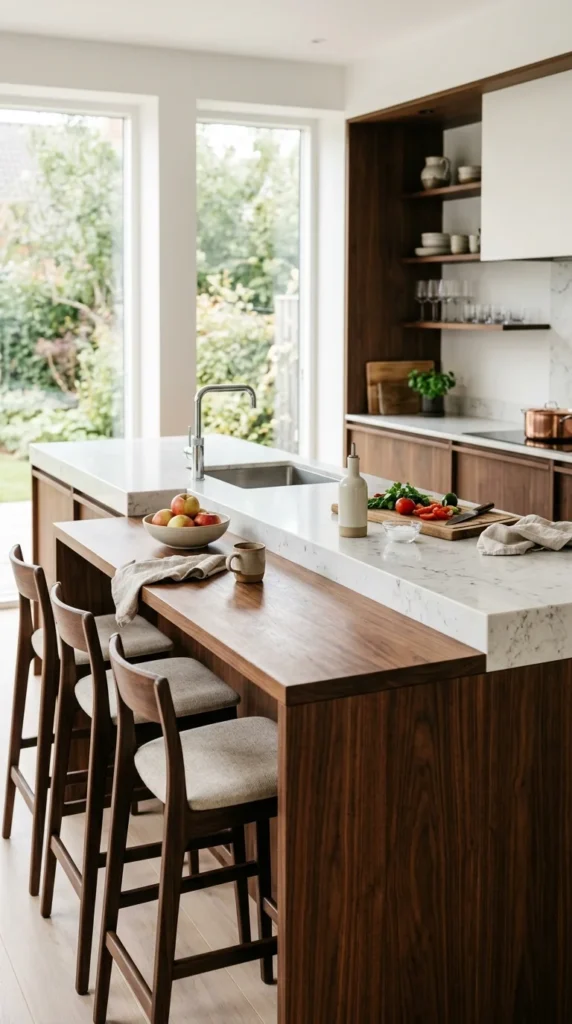
Functionality meets ergonomics in the multi-level kitchen island. By incorporating different heights, you can clearly define the “work zone” and the “social zone.” A standard counter height is ideal for food preparation and chopping, while a raised bar-height section can hide the clutter of dirty dishes from guests sitting on the other side. Alternatively, a lowered table-height extension provides a more comfortable dining experience for children or those who prefer standard chairs over bar stools. This tiered approach adds visual depth and makes the island a more versatile tool for daily life.
3. Bold Colors
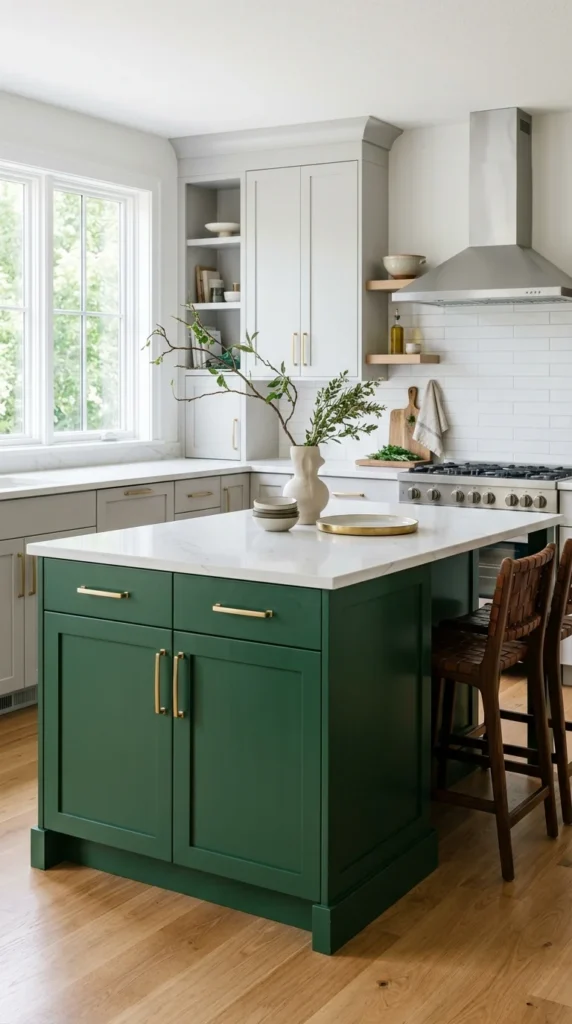
If you want to make a statement without repainting your entire kitchen, the island is the perfect place to experiment with color. Using a contrasting hue for the island base—often called a “furniture-style” island—creates a focal point that draws the eye. Deep navy, forest green, or even matte black can ground a white kitchen and provide a sophisticated anchor. When paired with complementary hardware, such as brass or matte black pulls, a colored island becomes a piece of art in its own right.
4. Reclaimed Wood
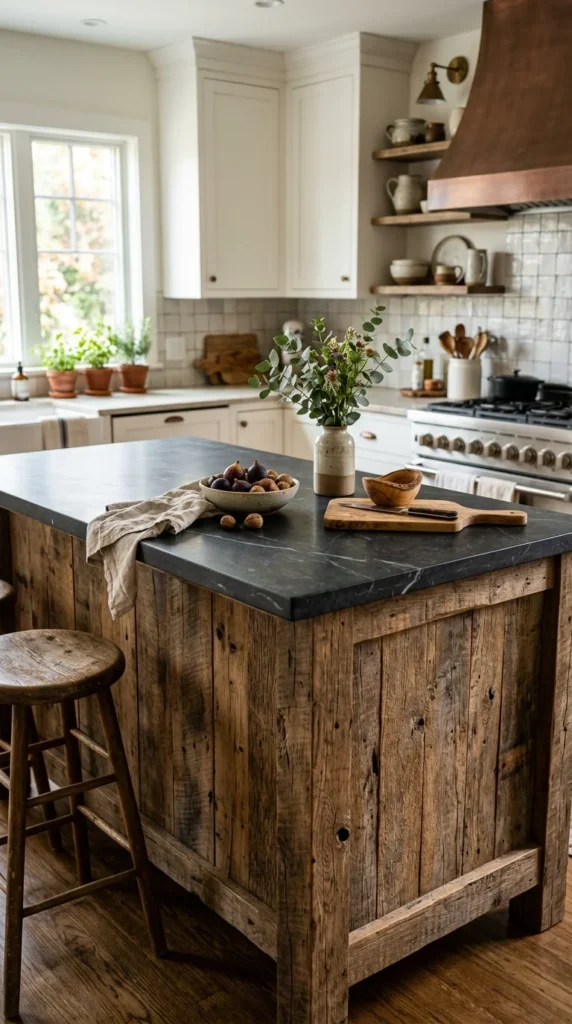
For those who find modern kitchens a bit too “cold,” reclaimed wood is the ultimate antidote. Incorporating salvaged timber into the island base or using a thick butcher-block top made of distressed wood adds instant warmth and history to the space. The organic texture of the wood provides a beautiful contrast against sleek stainless steel appliances and smooth tile backsplashes. Beyond the aesthetic, reclaimed wood is an eco-friendly choice that tells a story, making your kitchen feel lived-in and cozy.
5. Integrated Appliances
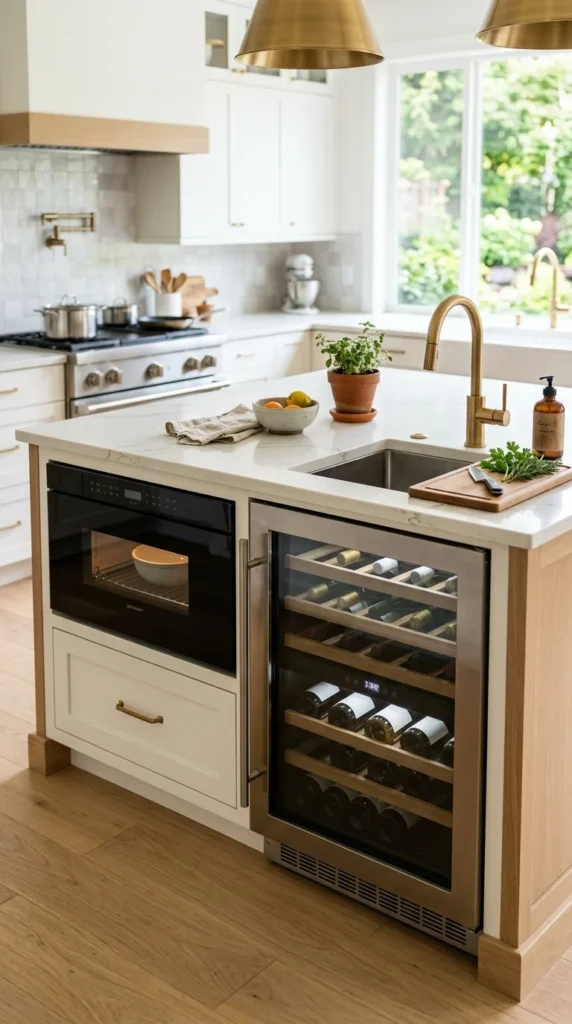
Maximize your kitchen’s efficiency by moving heavy-duty tasks to the island. An island isn’t just for storage; it can be the “engine room” of your kitchen. By integrating a microwave drawer, a dishwasher, or even a wine cooler into the island, you free up valuable wall cabinet space. Some homeowners even choose to install a cooktop on the island, allowing the chef to face their guests while preparing meals rather than staring at a wall. This transformation turns the island into a fully self-sustained workstation.
6. Open Shelving
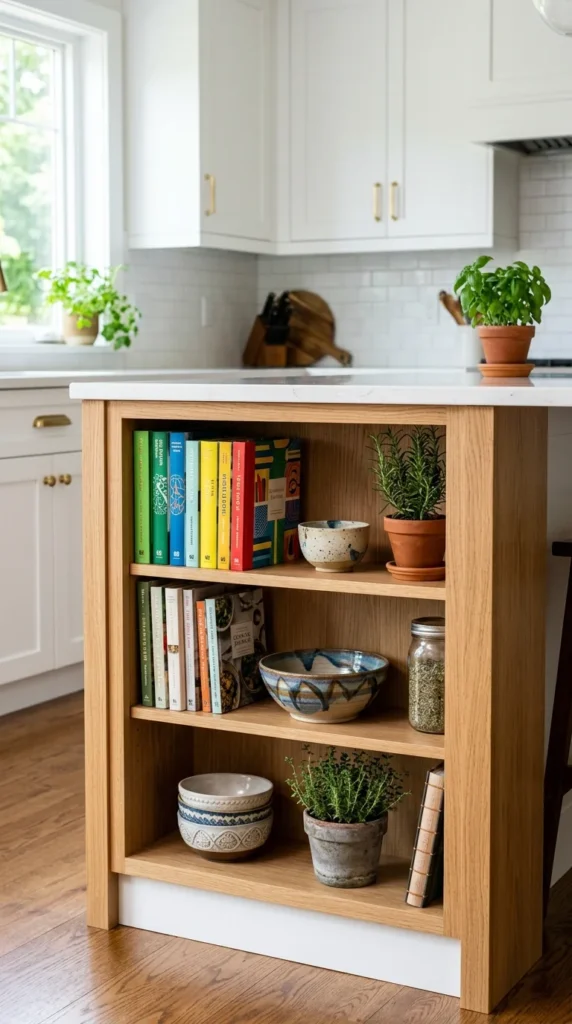
If your kitchen feels a bit heavy or claustrophobic, replacing solid cabinetry with open shelving on one or more sides of the island can lighten the mood. Open shelves offer a fantastic opportunity to display your personality. You can stack your favorite cookbooks, show off a collection of artisanal stoneware, or place woven baskets for easy-access snack storage. This design choice makes the kitchen feel more “airy” and accessible, inviting guests to see the tools and treasures that make your kitchen unique.
7. Curved Edges
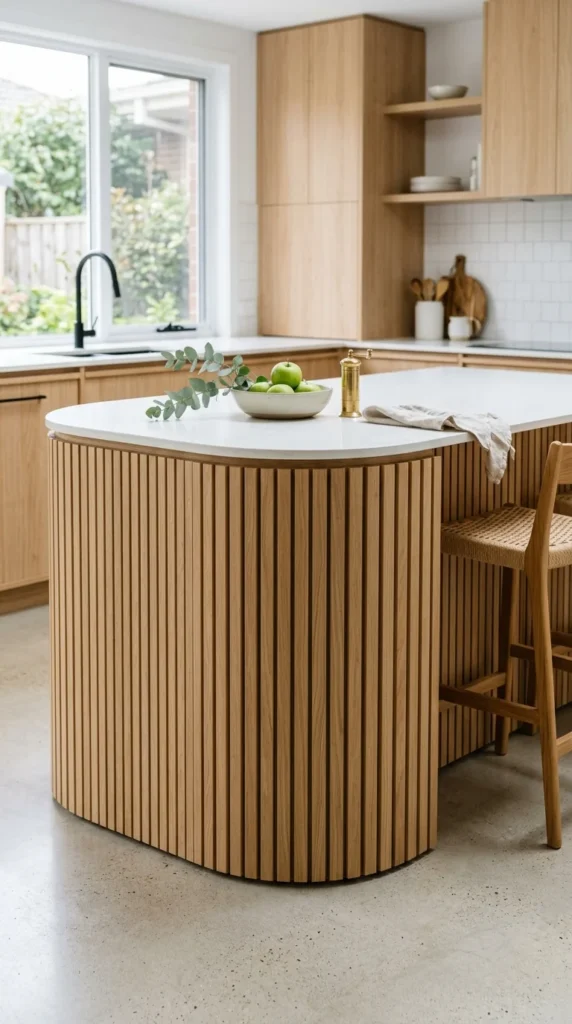
Breaking away from the traditional rectangular box can revolutionize the flow of your kitchen. Curved islands—whether they have rounded corners or a full semi-circular “D-end”—soften the lines of the room and make navigation much easier. In high-traffic homes, removing sharp corners can also be a safety upgrade for young children. A curved seating area encourages better conversation, as guests are angled toward each other rather than sitting in a straight line, making it the perfect setup for social butterflies.
8. Double Islands
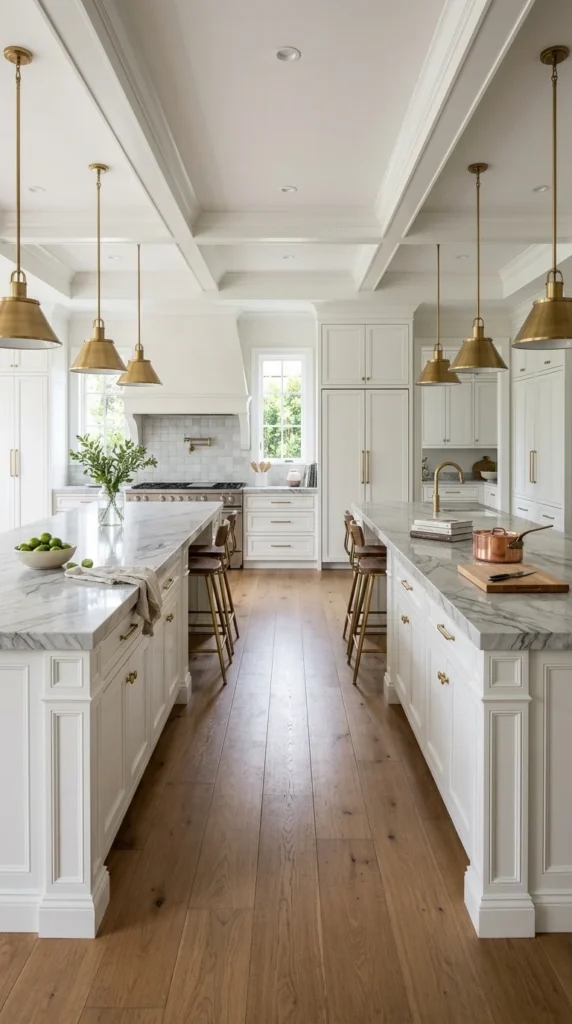
In large, open-concept homes, one island sometimes isn’t enough. The “Double Island” trend is the ultimate luxury upgrade, providing two distinct hubs for different activities. Typically, one island is dedicated to “work”—housing the sink, dishwasher, and prep space—while the second island is dedicated to “play,” serving as a dedicated buffet or seating area. This layout prevents “too many cooks in the kitchen” syndrome and ensures that the host can prep and entertain simultaneously without any overlap or clutter.
Final Thoughts on Your Island Upgrade
Upgrading your kitchen island is about more than just surface-level beauty; it’s about tailoring the space to your specific lifestyle. Before you choose a design, ask yourself: What is the one thing my kitchen is currently missing? Whether it’s more seating, more prep space, or a bold splash of personality, the right island design is the key to unlocking your kitchen’s full potential. With these eight ideas, you are well on your way to creating a space that is as functional as it is stunning.