
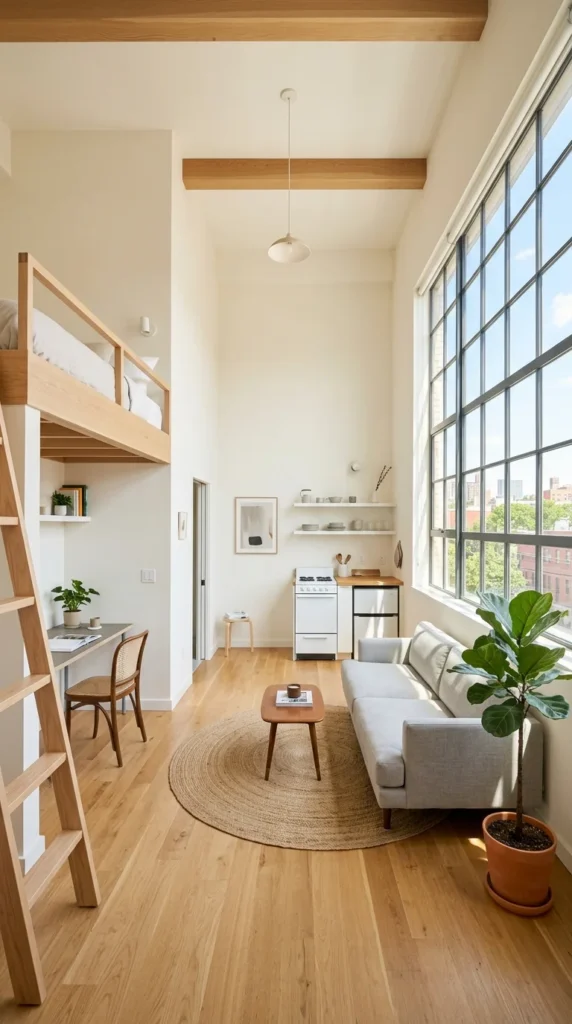
Living in a small apartment or a compact home doesn’t mean you have to sacrifice style or comfort. In fact, the “small living” movement has sparked a wave of creativity in interior design, leading to some of the most ingenious organizational hacks we’ve seen in decades. As urban living becomes the norm, more people are looking for ways to make their 500-square-foot sanctuaries feel like sprawling estates.
This year, the focus has shifted from merely “decluttering” to “optimizing.” It is about making every square inch work double duty. From the heights of your walls to the hidden voids beneath your furniture, here are the eight small space hacks that are currently taking the design world by storm.
1. Vertical Shelving
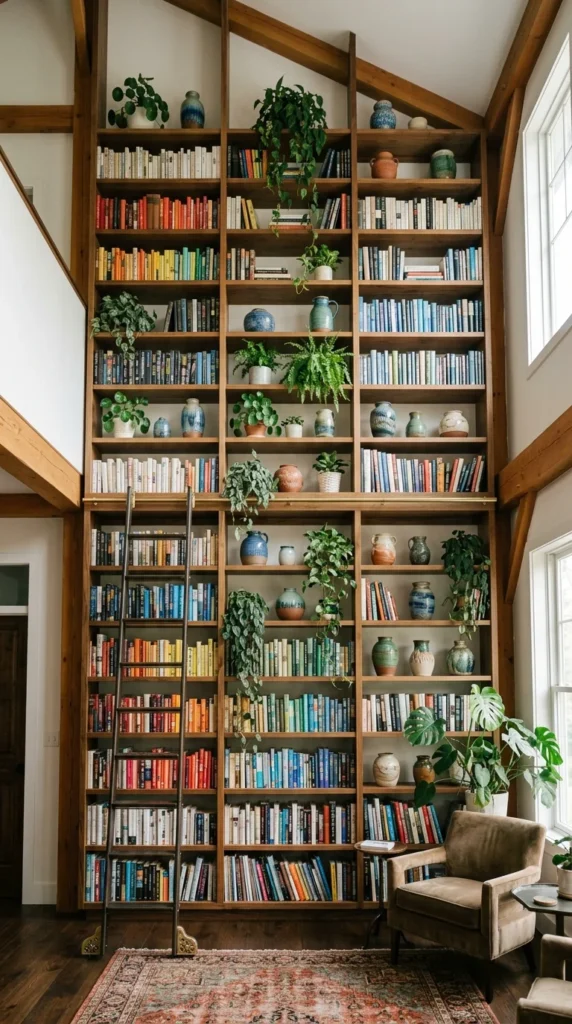
When floor space is at a premium, the only way to go is up. Vertical shelving is the ultimate game-changer for small rooms because it draws the eye upward, creating the illusion of higher ceilings while providing massive amounts of storage.
Instead of choosing short, wide bookcases that eat up valuable square footage, design enthusiasts are opting for tall, narrow units or wall-mounted floating shelves that reach all the way to the ceiling. This “sky-high” approach allows you to store items you don’t use daily—like seasonal decor or extra linens—on the highest shelves, while keeping everyday essentials within arm’s reach.
- The Pro Tip: Use matching bins or baskets on the higher shelves to hide clutter and maintain a clean, uniform look.
- Visual Impact: Painting the shelves the same color as the wall can make them “disappear,” making the room feel even more spacious.
2. Multi-functional Furniture
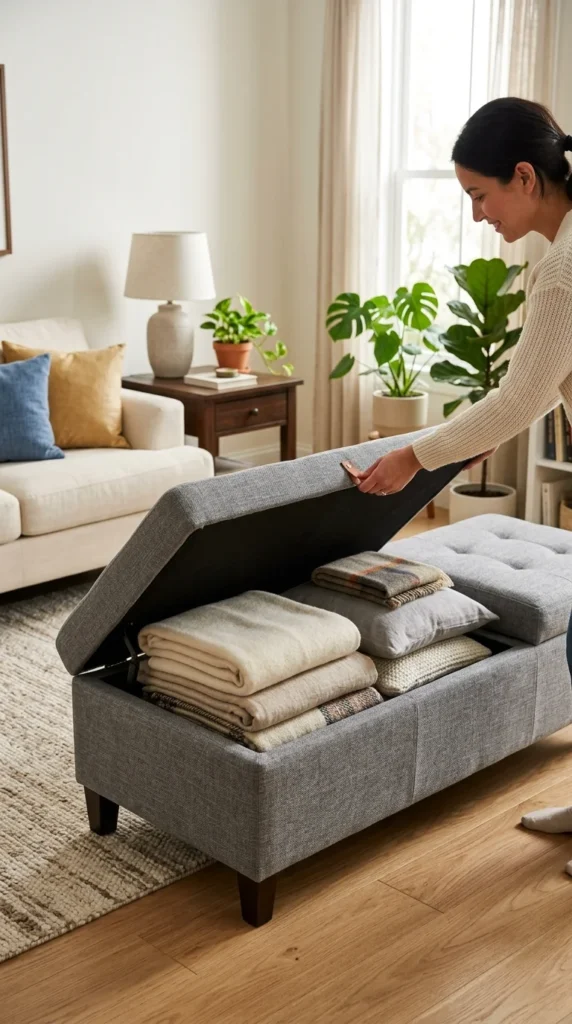
The days of furniture having only one purpose are long gone. This year, the most saved hacks involve pieces that transform or offer hidden utility. We are seeing a surge in “transformer” furniture—coffee tables that lift up to become dining desks, or ottomans that provide extra seating while hiding a hollow interior for storage.
The goal is to eliminate the need for extra furniture pieces. If your bed frame has built-in drawers or your sofa can become a guest bed in seconds, you’ve effectively reclaimed several square feet of living space.
- Key Pieces: Look for “nesting” tables that can be tucked away when not in use, or drop-leaf tables that can be folded down into a slim console against the wall.
- Investment: While these pieces can sometimes be pricier, they replace the cost and footprint of two or three separate items.
3. Floating Desks
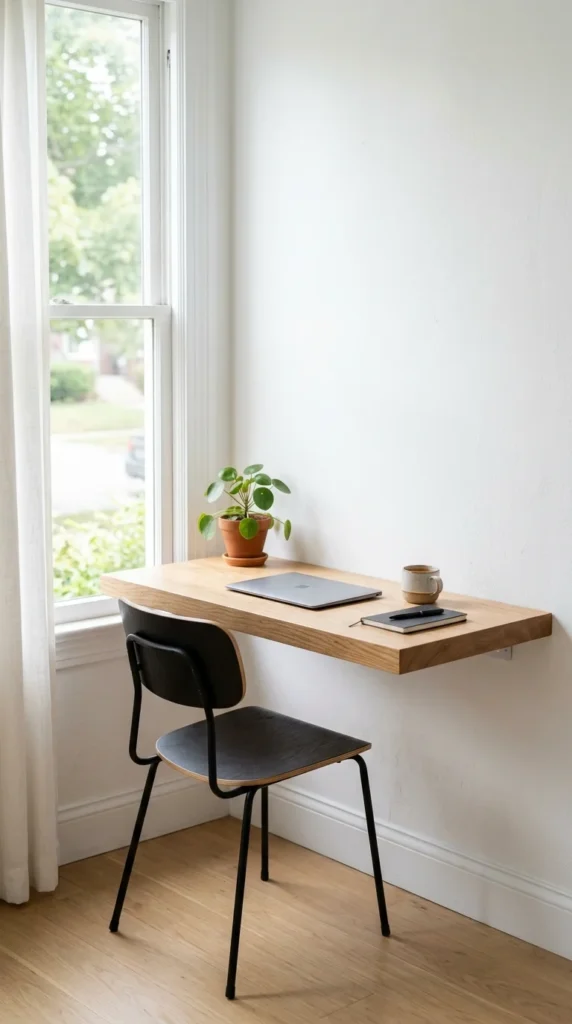
With the rise of remote work, the “cloffice” (closet office) or the floating desk has become a staple of small-space living. Traditional desks are often bulky and have legs that create visual “noise” and physical obstructions. A floating desk, however, is mounted directly to the wall, leaving the floor underneath completely clear.
This lack of legs makes a room feel significantly more open. You can tuck a small stool or an ergonomic chair underneath, and when you’re done for the day, the area maintains a streamlined, architectural look.
- Where to Place Them: Use “dead” space, such as the area under a window, a narrow hallway, or a small nook between a wardrobe and the wall.
- Cable Management: Use adhesive clips along the underside of the desk to keep cords from dangling and ruining the clean aesthetic.
4. Bed Storage
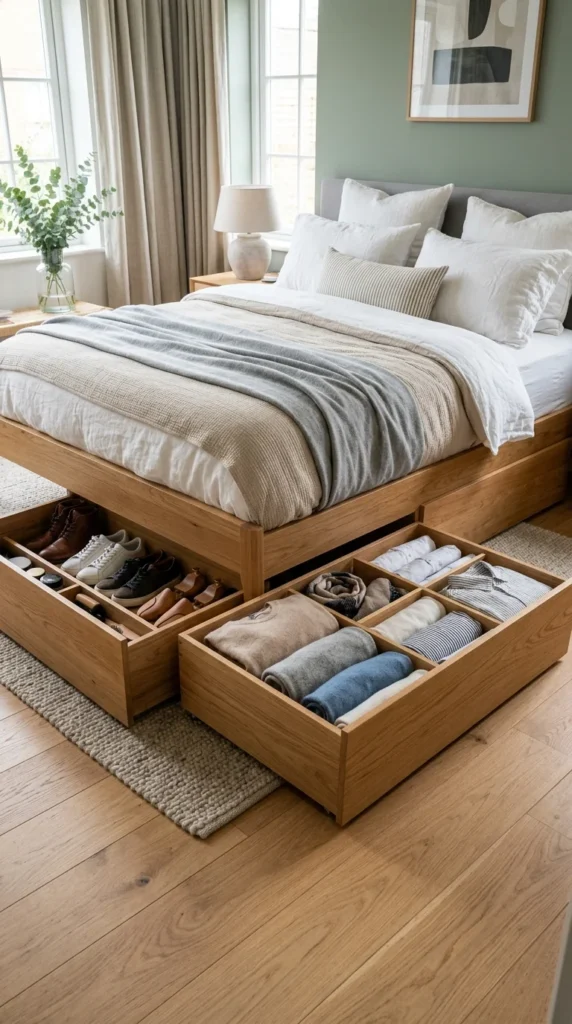
The area under your bed is often the largest unused “room” in your home. Instead of letting dust bunnies take over, this year’s trend is all about high-efficiency under-bed storage. This goes beyond just sliding a plastic bin under the mattress.
Design-savvy dwellers are choosing hydraulic lift beds—where the entire mattress lifts up to reveal a massive storage compartment—or platform beds with deep, integrated drawers. This is the perfect spot for bulky winter coats, spare bedding, or even a shoe collection that would otherwise require a massive wardrobe.
- The Hack: If you can’t buy a new bed, use extra-tall bed risers to increase the clearance under your current frame, allowing for taller storage bins.
- Organization: Use internal dividers within the drawers to keep smaller items from becoming a jumbled mess.
5. Wall Mirrors
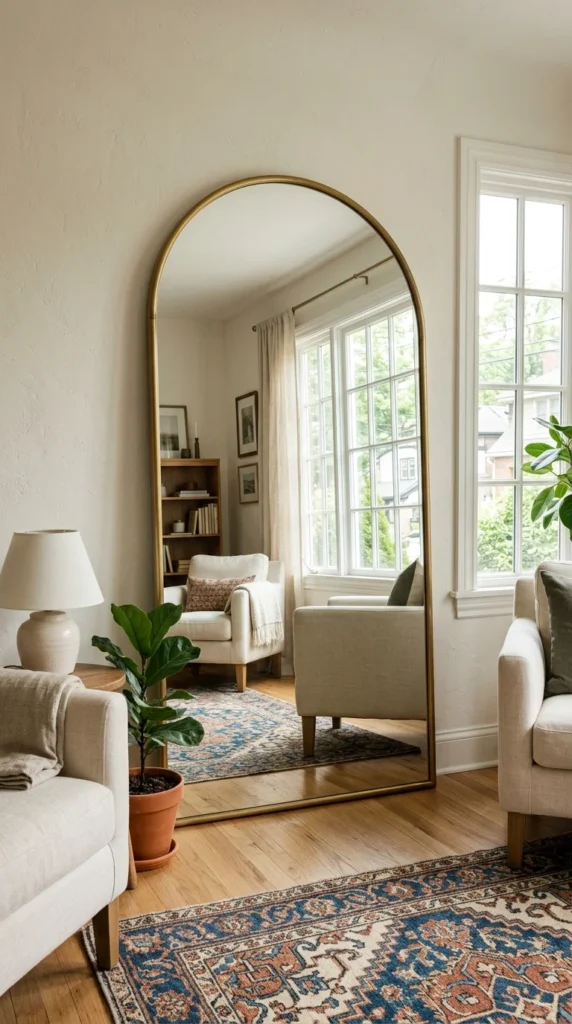
It is the oldest trick in the book, but it’s being used more strategically than ever this year. Mirrors don’t just reflect light; they create “phantom space,” tricking the brain into thinking the room continues beyond the wall.
The trend right now is moving away from small decorative mirrors toward oversized, floor-to-length mirrors or even entire mirrored gallery walls. By placing a large mirror opposite a window, you maximize the natural light coming into the room, which is the fastest way to make a cramped space feel airy and breathable.
- Placement: Angle a mirror toward a focal point, like a piece of art or a doorway, to create a sense of depth and flow.
- The Window Effect: Some designers are using mirrors with “window pane” frames to mimic the look of an actual window, adding architectural interest to windowless rooms.
6. Door Organizers
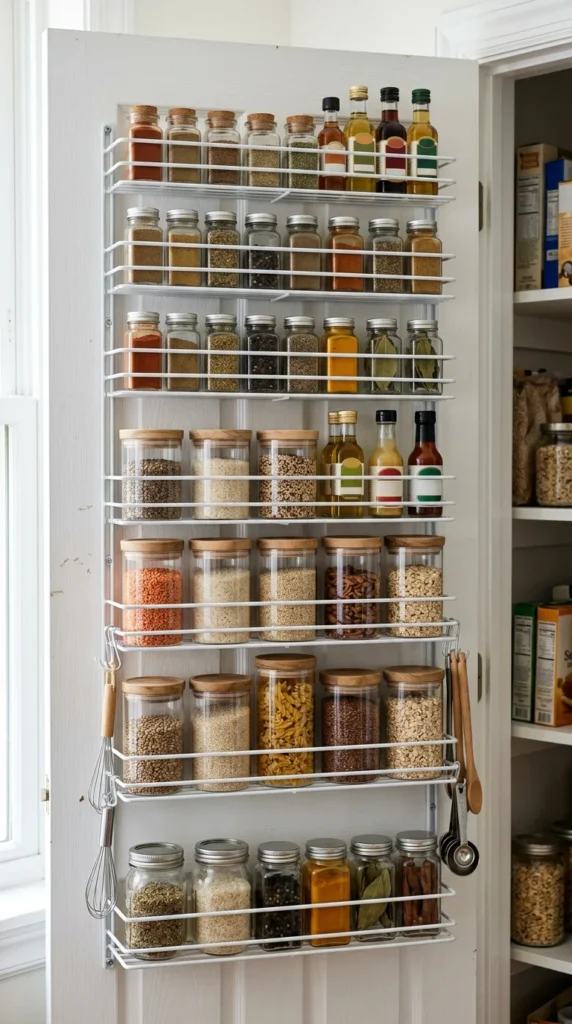
Every door in your home is a potential storage unit. Over-the-door organizers have evolved far beyond the plastic shoe pockets of the past. Today’s versions include sleek metal shelving units, pegboards, and even specialized racks for pantry items, cleaning supplies, or beauty products.
By utilizing the back of a bathroom, bedroom, or pantry door, you free up cabinet and counter space. This is particularly effective in kitchens, where “countertop clutter” is the number one enemy of a small home.
- Beyond Shoes: Use these for rolling up towels in a small bathroom, or for holding snacks and spices in a tiny kitchen.
- Stability Tip: Use adhesive strips to secure the bottom of the organizer to the door so it doesn’t rattle or move when you open and close the door.
7. Magnetic Strips
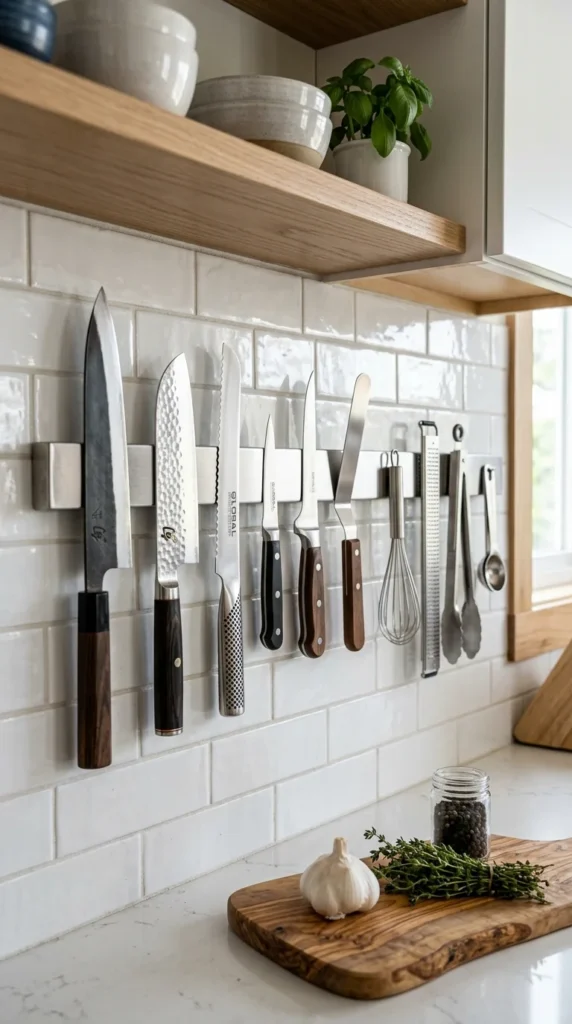
The “magnetic hack” is taking over kitchens and workshops alike. Instead of using a bulky knife block that takes up a foot of counter space, a simple magnetic strip mounted on the backsplash keeps your tools accessible and out of the way.
This concept is being expanded to other areas of the home as well. Small magnetic strips inside medicine cabinets can hold bobby pins, tweezers, and nail clippers. In home offices, magnetic boards can hold metal tins filled with paperclips, pens, and other small supplies.
- Visual Appeal: It creates an “industrial chic” look that feels organized and professional.
- Safety: Keeping sharp knives high on a wall is often safer than having them accessible on a counter, especially in homes with small children.
8. Light Colors
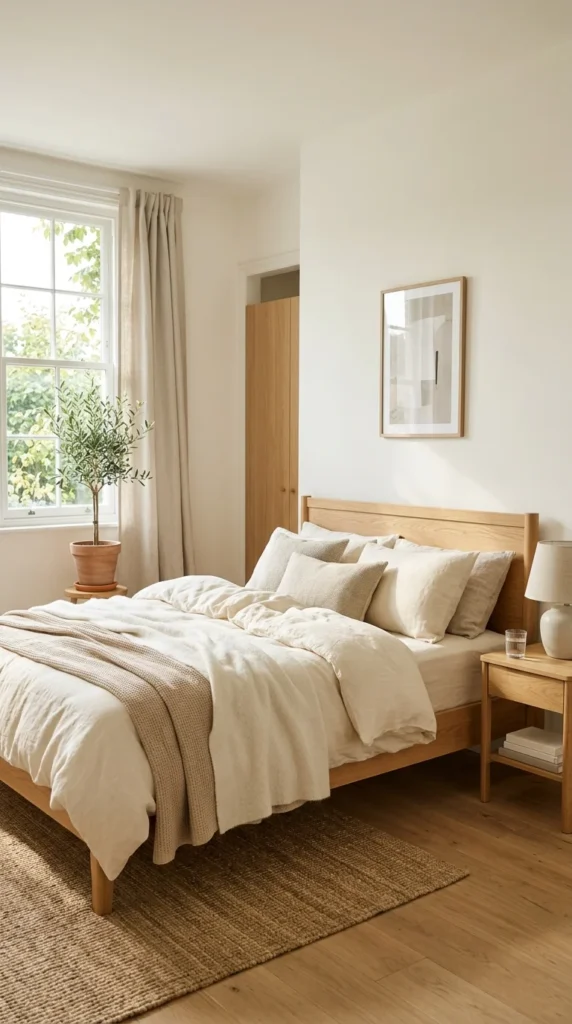
While dark, moody colors are trending in larger homes, the “light and bright” rule remains king for small spaces. This year, people are saving palettes of “Warm Whites,” “Soft Greys,” and “Pale Oak.”
Using a monochromatic color scheme—where the walls, furniture, and rugs are all within the same light color family—blurs the boundaries of the room. When there are no harsh color breaks, the eyes don’t stop at the edges of the furniture, making the entire space feel like one continuous, open area.
- Texture Over Color: To keep a light room from feeling boring, use different textures like wool rugs, linen curtains, and wooden accents.
- Ceiling Secret: Paint your ceiling a shade lighter than your walls to create an “infinity” effect that makes the room feel taller.