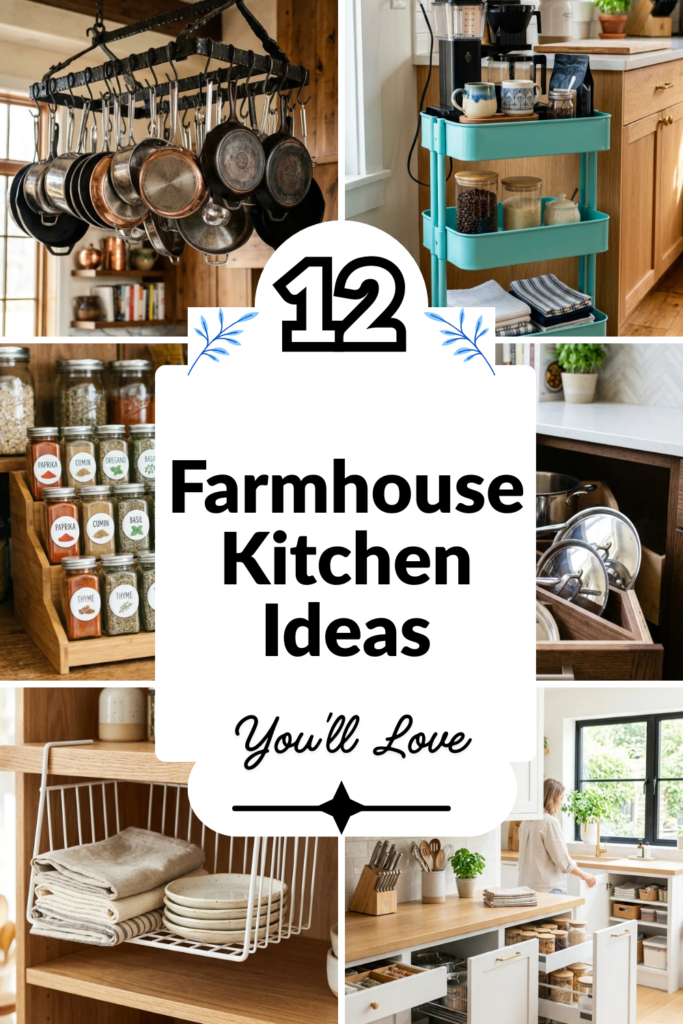

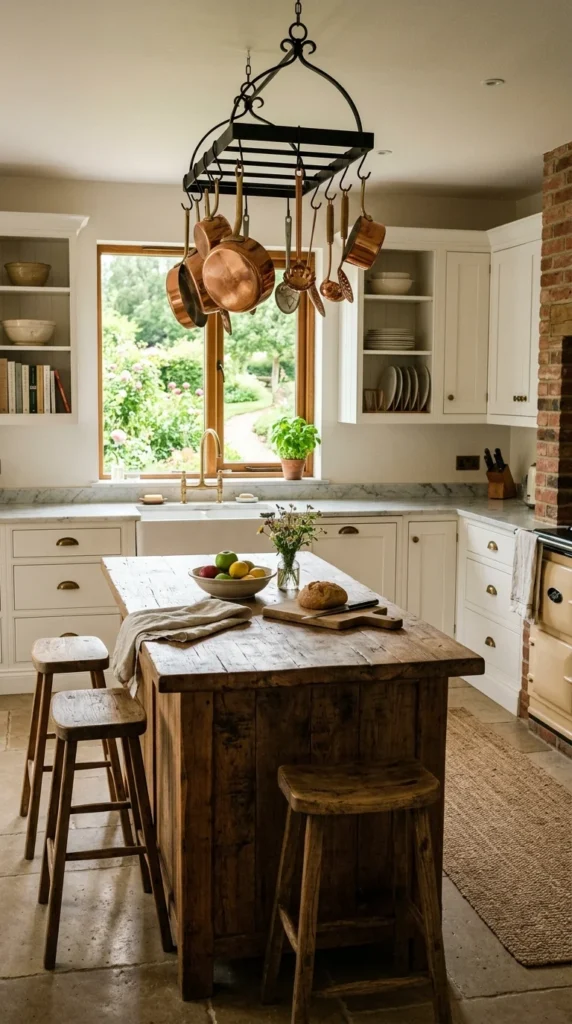
The farmhouse kitchen is more than just a place to prepare meals; it is the heart of the home, embodying a sense of warmth, history, and effortless charm. Whether you live in a rural cottage or a city apartment, the farmhouse aesthetic offers a timeless appeal that balances rugged utility with cozy sophistication. This design style focuses on natural materials, tactile textures, and a “lived-in” feel that welcomes guests the moment they step inside.
If you are looking to renovate or simply refresh your culinary space, these twelve farmhouse kitchen ideas will provide the inspiration you need to create a sanctuary that is as functional as it is beautiful.
1. Apron Sinks
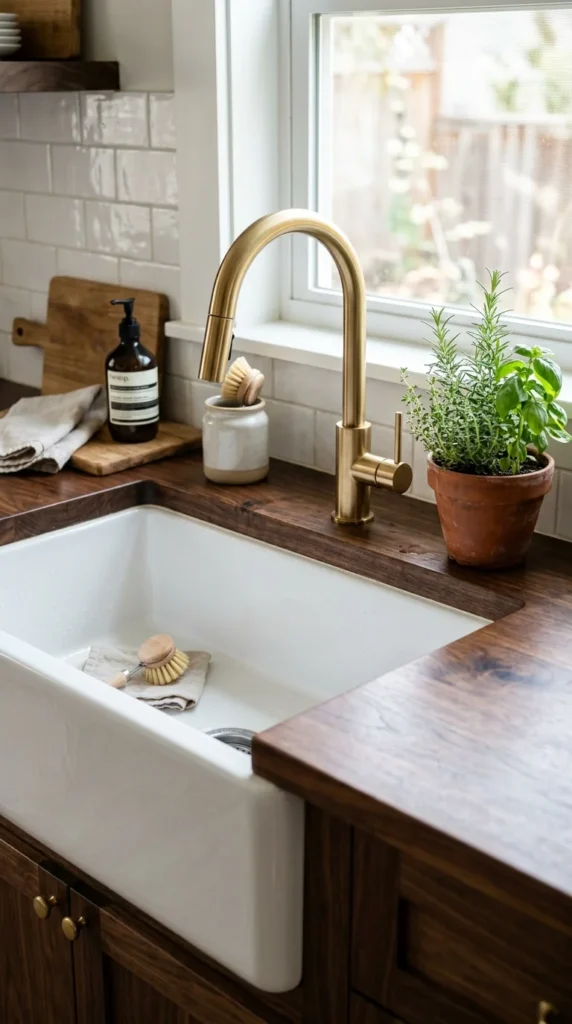
The quintessential element of any farmhouse kitchen is the apron-front sink. Unlike traditional drop-in sinks, the “apron” or front face of the sink is exposed, breaking up the line of the cabinetry and providing a bold focal point.
- Materials: While white fireclay or porcelain is the classic choice, you can opt for hammered copper or stainless steel for a more industrial-farmhouse twist.
- Functionality: These sinks are exceptionally deep and wide, making them perfect for washing large pots, pans, and even the occasional harvest from the garden.
- Design Tip: Pair a white sink with dark hardware or a wooden countertop to create a striking contrast that emphasizes the sink’s clean lines.
2. Open Shelving
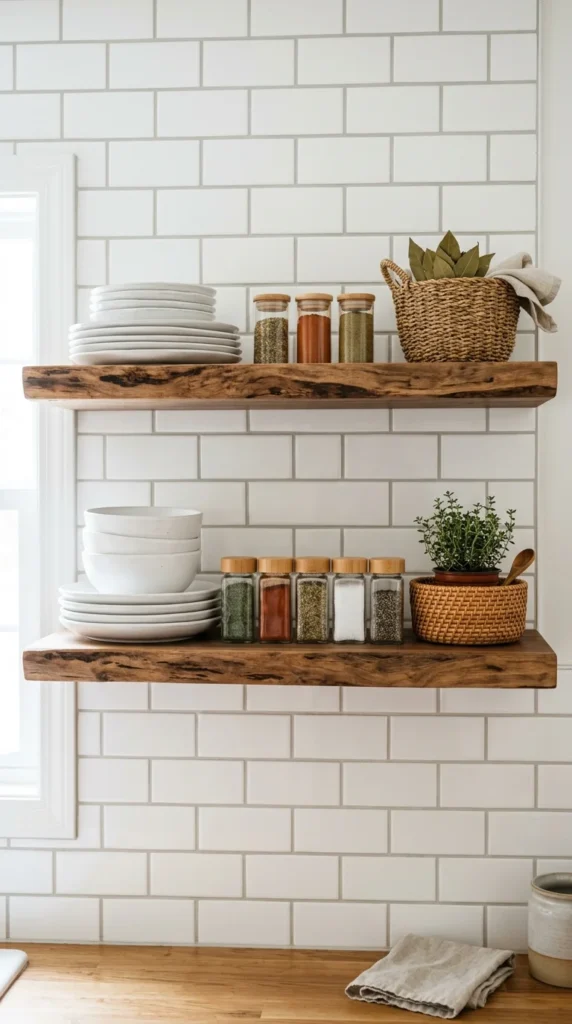
Replacing upper cabinets with open shelving is a hallmark of the modern farmhouse look. It creates an airy, breathable feel and allows you to put your most beautiful kitchenware on display.
- Curation: The key to open shelving is intentionality. Use it to showcase a cohesive color palette—such as all-white stoneware or a collection of vintage glassware.
- Accessibility: It makes daily tasks easier by keeping frequently used items like coffee mugs and cereal bowls within arm’s reach.
- Brackets: Pay attention to the hardware. Wrought iron brackets add a rustic, hand-forged feel, while hidden floating mounts provide a cleaner, more contemporary appearance.
3. Reclaimed Wood
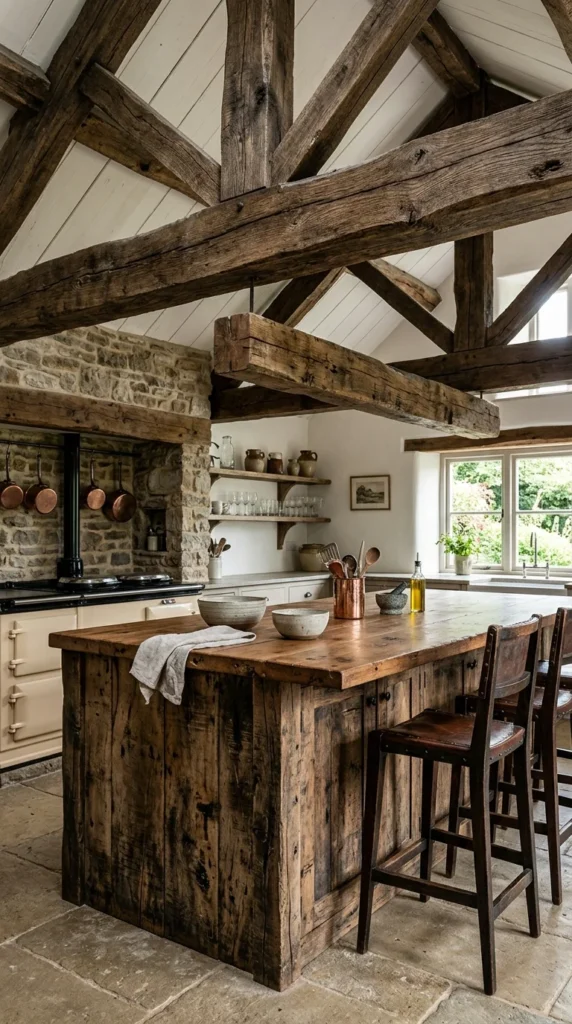
Nothing says “farmhouse” like the presence of aged, weathered wood. Incorporating reclaimed timber adds a sense of history and organic warmth that factory-finished materials simply cannot replicate.
- Ceiling Beams: If you have high ceilings, adding exposed wooden beams can instantly ground the room and provide architectural interest.
- Accent Walls: A shiplap wall or a backsplash made from reclaimed wood planks can add texture and a rustic backdrop to your cooking area.
- Sustainability: Using reclaimed wood is an eco-friendly choice, giving new life to old barns, fences, or flooring.
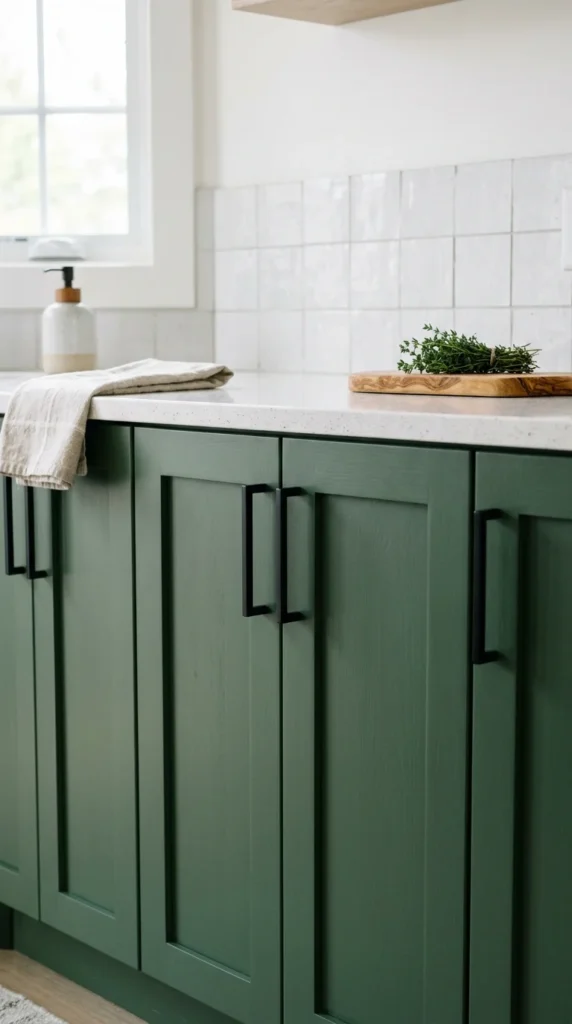
4. Shaker Cabinets
Lighting is the “jewelry” of the kitchen. In a farmhouse setting, industrial-inspired fixtures provide a necessary edge that prevents the space from feeling too “country kitsch.”
- Pendant Lights: Large, oversized pendants over the island or dining table create a dramatic center of gravity. Look for materials like seeded glass, galvanized metal, or matte black steel.
- Sconces: Wall-mounted swing-arm lamps over open shelves or the sink provide excellent task lighting while adding a vintage, workshop-inspired vibe.
- Edison Bulbs: Use warm-toned Edison bulbs to enhance the nostalgic feel of your fixtures.
6. Butcher Block
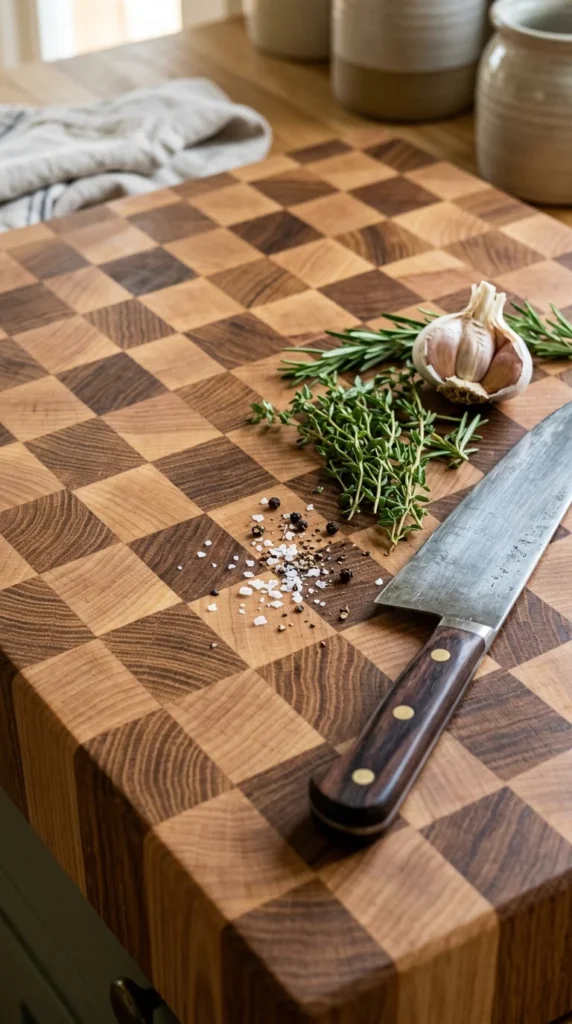
Wood countertops, specifically butcher blocks, add a softness and warmth to the kitchen that stone cannot provide. They are tactile, inviting, and practical for those who love to cook.
- Durability: While they require regular oiling to prevent drying, butcher blocks are incredibly durable and can be sanded down and refinished if they get scratched.
- Mixing Materials: You don’t have to do the whole kitchen in wood. Many designers use stone (like marble or quartz) for the perimeter counters and a thick wood slab for the island to create a “furniture-like” feel.
- Species: Maple, walnut, and oak are popular choices, each offering a different grain pattern and color profile.
7. Vintage Hardware
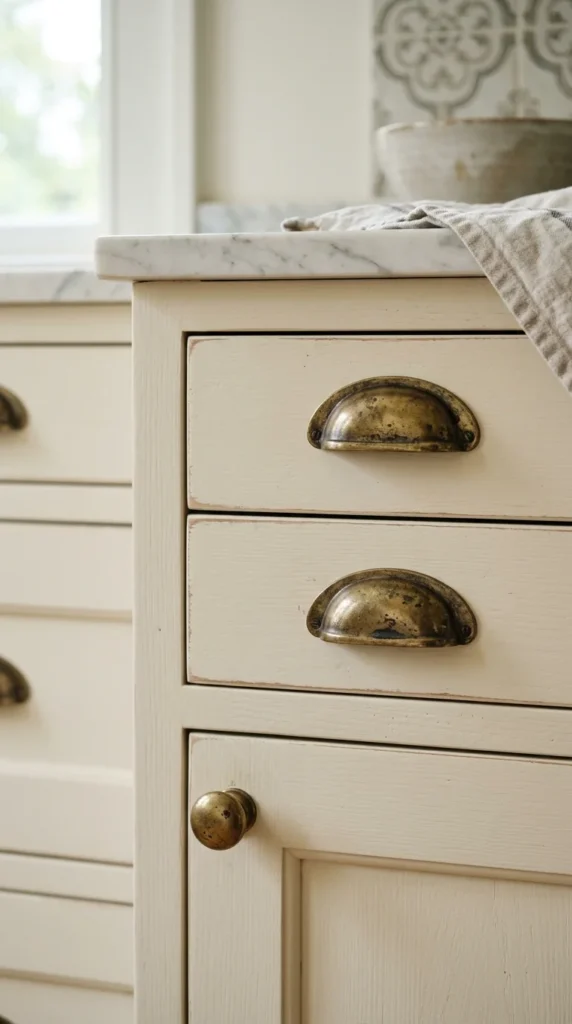
The smallest details often make the biggest impact. Replacing standard modern handles with vintage-inspired hardware can instantly transform the character of your kitchen.
- Cup Pulls: Also known as bin pulls, these are a staple of the farmhouse aesthetic and provide a comfortable grip for heavy drawers.
- Finishes: Opt for finishes that develop a patina over time, such as unlacquered brass, oil-rubbed bronze, or pewter.
- Mixed Metals: Don’t be afraid to mix your metals. A brass faucet can look beautiful alongside black iron drawer pulls.
8. Subway Tile
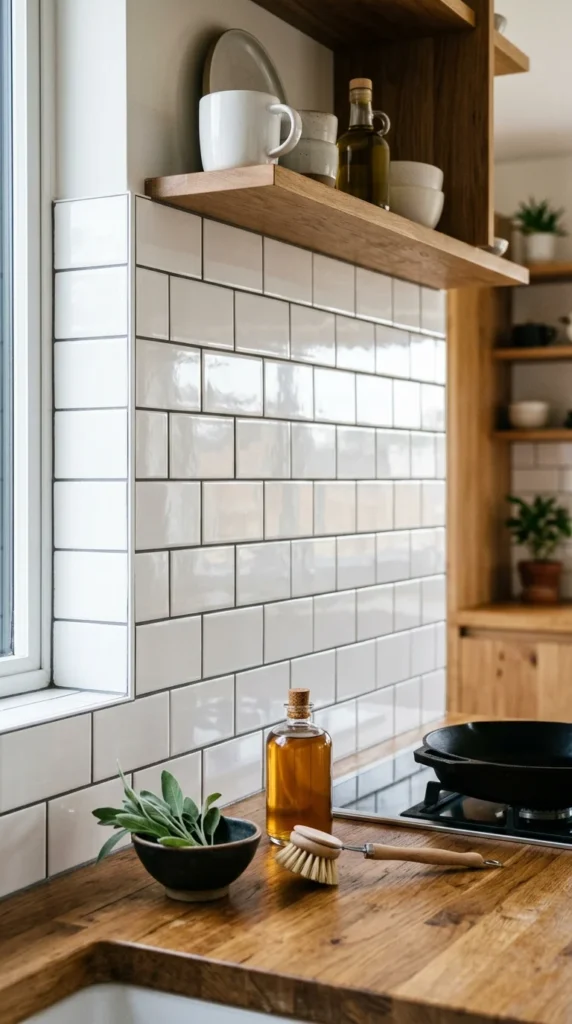
Subway tile is a design chameleon. In a farmhouse kitchen, it provides a clean, bright, and hygienic backdrop that complements more rugged elements like wood and metal.
- Grout Color: Using a contrasting grout (like light grey or charcoal) makes the tile pattern pop and gives the kitchen a slightly more industrial or “vintage subway” feel.
- Patterns: While the horizontal brick layout is traditional, you can try a herringbone or vertical stack pattern for a modern farmhouse twist.
- Texture: Hand-glazed or “zellige” style subway tiles have slight imperfections and color variations that add a handcrafted, artisanal touch.
9. Central Islands
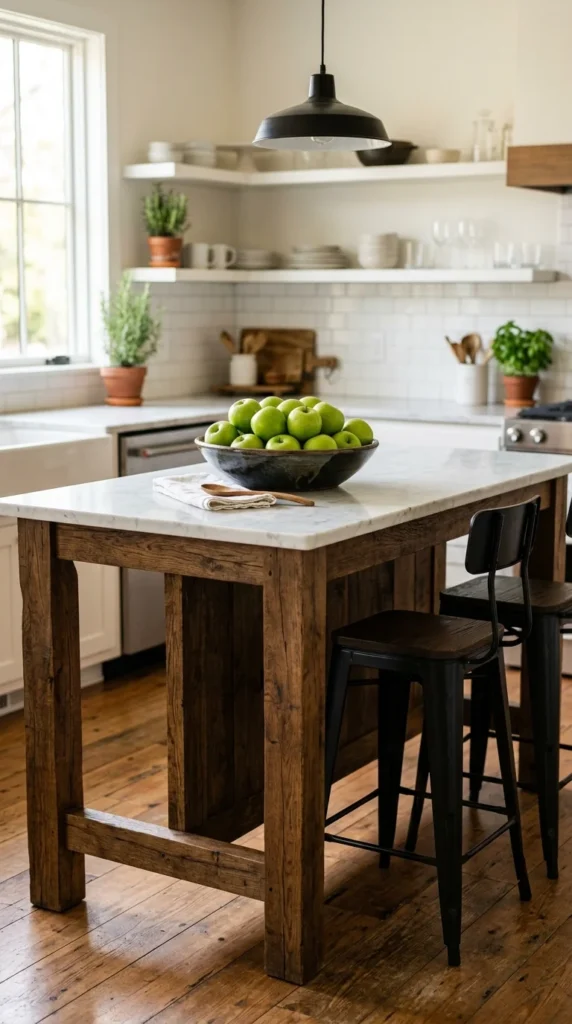
A farmhouse kitchen is rarely complete without a substantial island. It serves as a preparation station, a dining table, and a social hub.
- Contrasting Colors: It is very common to paint the island a different color than the perimeter cabinets—for example, white cabinets with a soft grey or natural wood island.
- Leg Details: Choose an island with turned legs or “furniture-style” feet to make it look like a piece of freestanding antique furniture rather than a built-in cabinet.
- Storage: Maximize the island’s utility by including built-in bookshelves for cookbooks or deep drawers for pots and pans.
10. Neutral Palettes
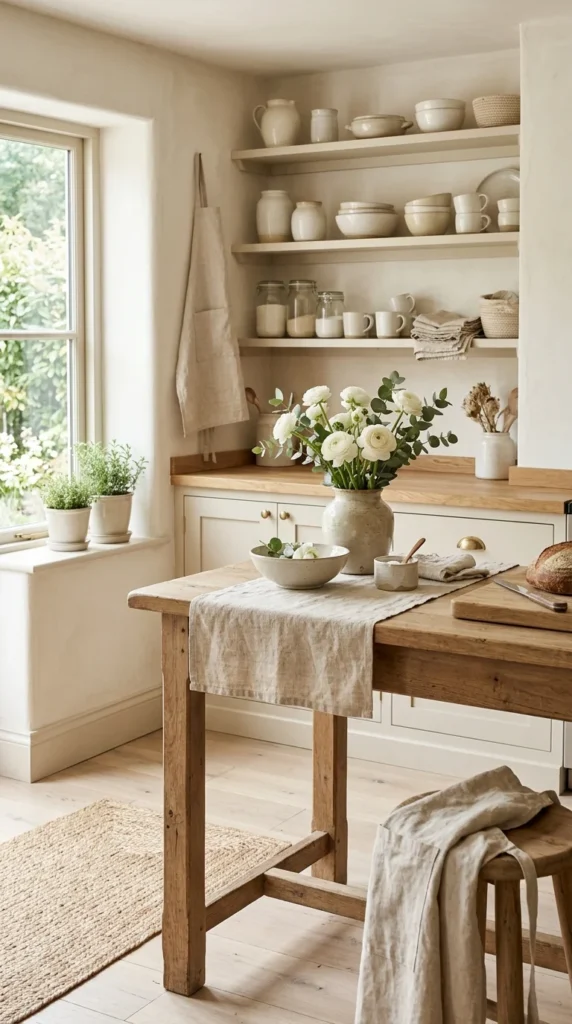
The most successful farmhouse kitchens rely on a palette of neutrals. These colors reflect light, making the space feel larger and more welcoming.
- Layering Whites: Instead of using one flat white, layer different shades like cream, eggshell, and ivory to create depth.
- Natural Tones: Incorporate the colors found in nature—sandy beiges, soft greys, and muted sage greens.
- Texture Over Color: When working with a neutral palette, use texture to prevent the room from looking boring. Think woven baskets, linen curtains, and matte finishes.
11. Sliding Barn Doors
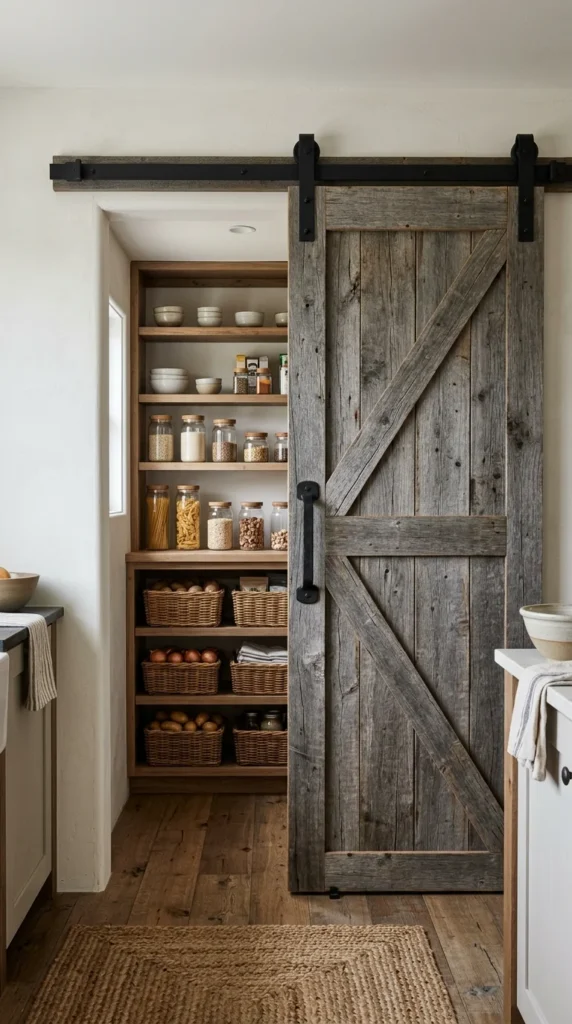
Sliding barn doors are both a space-saving solution and a major design statement. They are perfect for pantries, laundry rooms, or as a divider between the kitchen and dining area.
- Track Hardware: The heavy-duty black iron track is a key part of the look. It adds a touch of “farm-machinery” ruggedness to the interior.
- Customization: You can paint the barn door a bold accent color or leave it in its natural, distressed wood state.
- Glass Inserts: If you want to keep the space feeling open, look for barn doors with glass panes or “X” bracing for a traditional stable-door appearance.
12. Pot Fillers
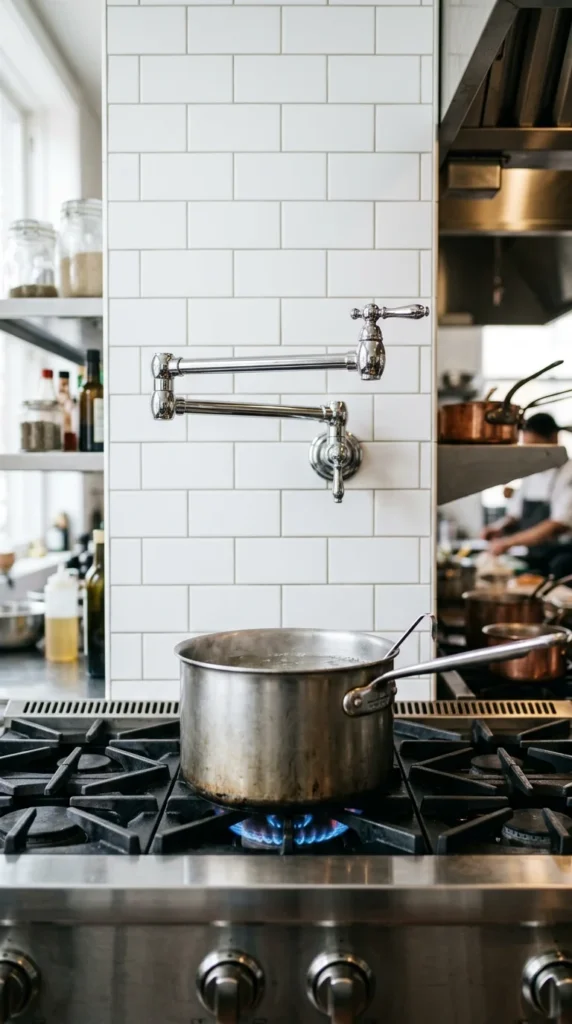
Once a luxury found only in professional kitchens, the pot filler has become a favorite in farmhouse design for its blend of high-end utility and vintage charm.
- Placement: It is installed directly above the stove, allowing you to fill heavy pots with water without having to carry them from the sink.
- Style: Choose a model with a “swing-arm” or “accordion” design that can fold flat against the wall when not in use.
- Statement Piece: Because it sits at eye level above the range, the pot filler acts as a piece of functional sculpture that elevates the entire cooking zone.