
The living room is more than just a place to sit; it is the heartbeat of the home. It’s where we decompress after a long day, where we host the people we love, and where our personal style truly takes center stage. Currently, interior design is moving away from “cookie-cutter” minimalism and toward spaces that feel curated, soulful, and deeply comfortable. Whether you are looking for a complete overhaul or a small refresh, these 13 dream living room ideas represent the most-saved and most-loved trends dominating the design world today.
1. Biophilic Bliss
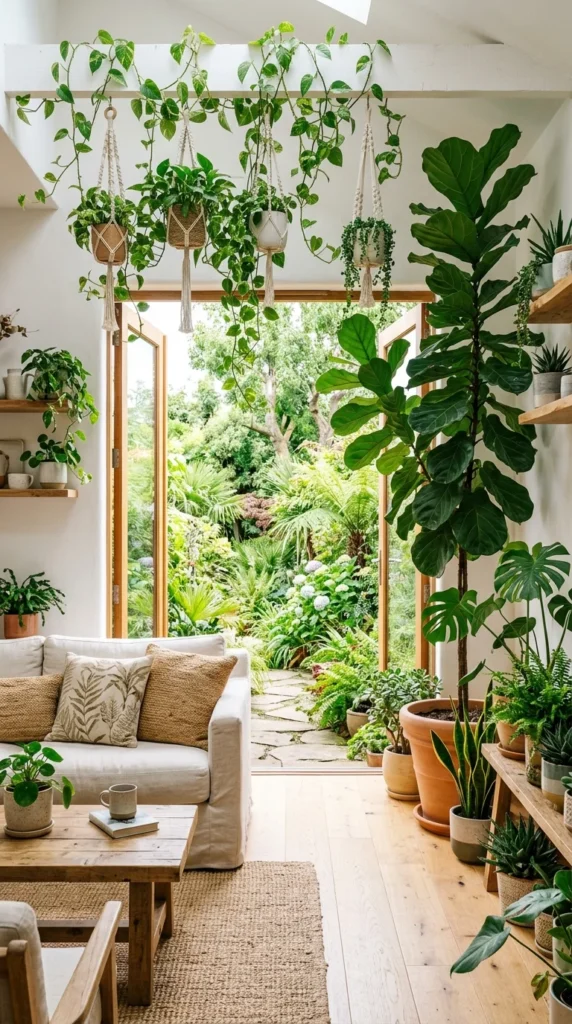
Biophilic design is more than just adding a few potted plants; it’s about integrating nature into the very fabric of your living space. This trend is exploding because it promotes well-being and reduces stress. Think large-scale indoor trees, living walls, and the use of raw, organic materials like jute, rattan, and unfinished wood. To achieve this look, focus on maximizing natural light and using a color palette of mossy greens, soft browns, and sky blues.
2. Moody Palettes
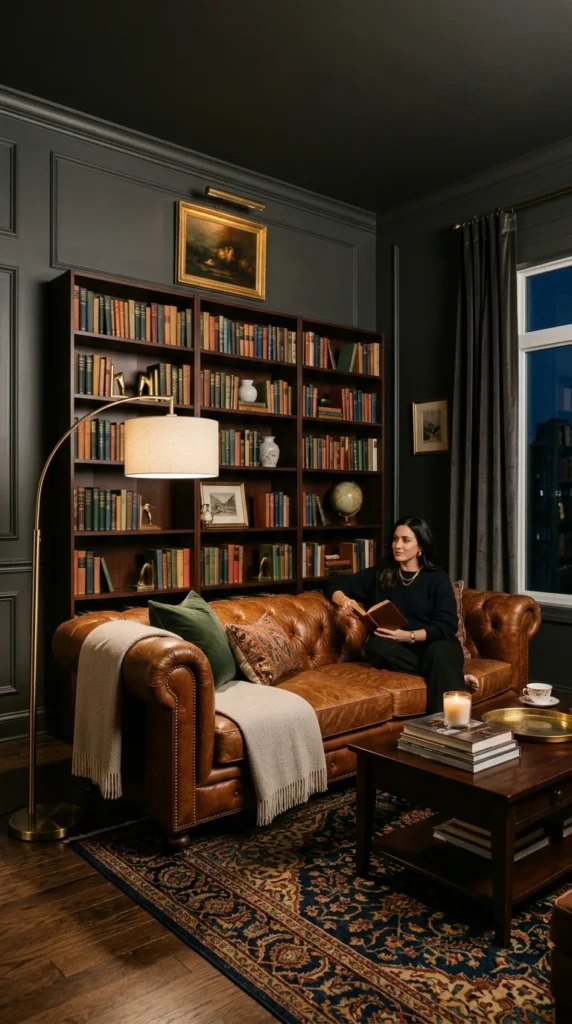
Gone are the days when dark colors were considered “risky.” Homeowners are now embracing the “dark academia” and moody aesthetic to create rooms that feel like a warm hug. Deep navy, forest green, and even charcoal black are being used on both walls and ceilings to create a cohesive, cocoon-like environment. When paired with warm metallic accents like brass or copper and soft, amber-toned lighting, a dark living room becomes the ultimate evening retreat.
3. Curved Silhouettes
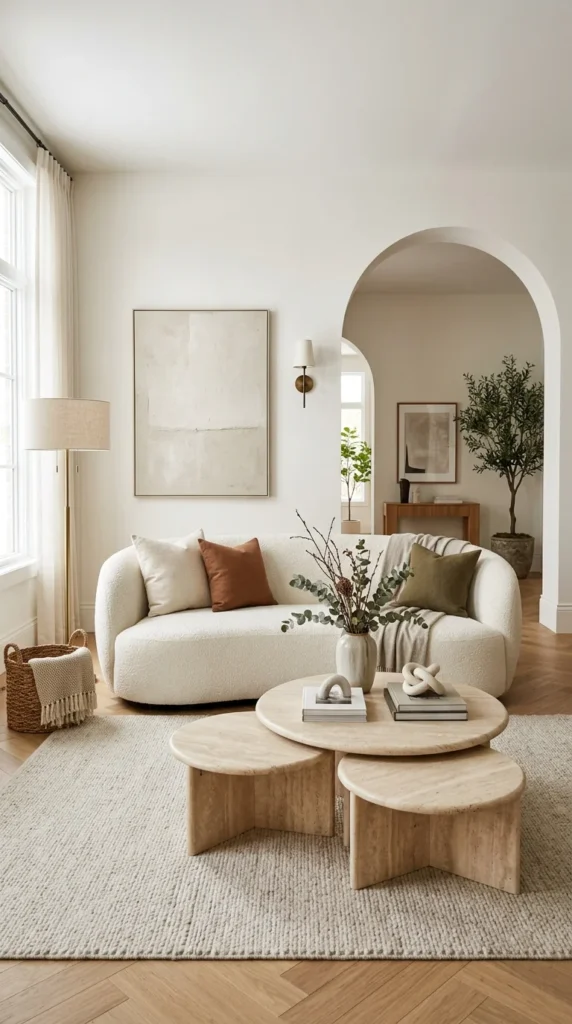
Sharp edges are taking a backseat to soft, feminine curves. From arched doorways to rounded sofas and circular rugs, curves bring a sense of flow and movement to a room. This trend is a response to the rigid lines of mid-century modernism and industrial design. A curved sofa doesn’t just look beautiful; it also encourages conversation by angling people toward one another, making the space feel more social and inviting.
4. Window Nooks
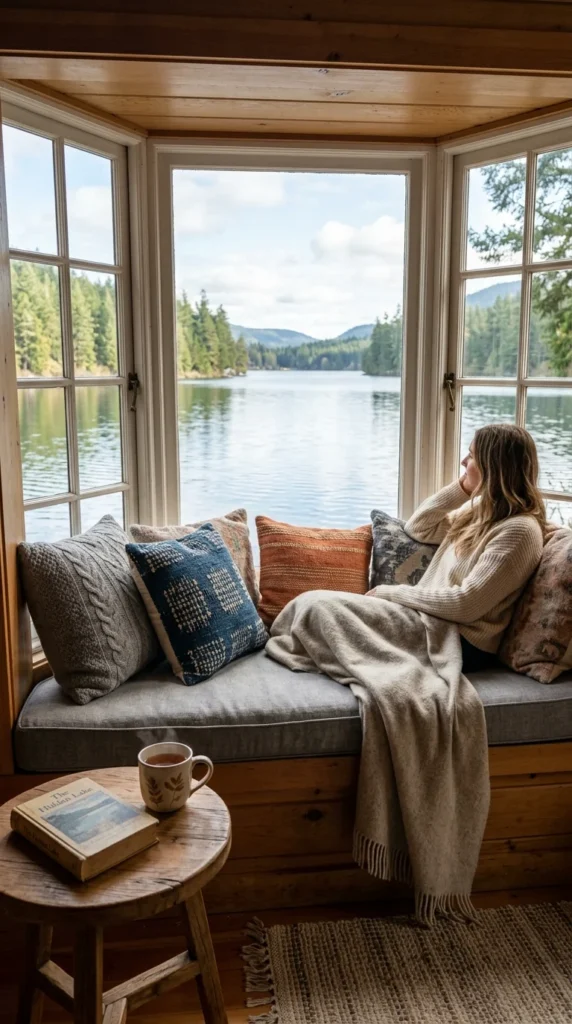
The window nook is the ultimate “dream” feature for book lovers and daydreamers alike. Utilizing the space under a large window to create a custom daybed or reading bench adds both functionality and charm to a living room. It’s a clever way to add extra seating without cluttering the floor with chairs. Enhance the nook with soft textiles, integrated shelving for books, and a dedicated sconce for late-night reading sessions.
5. Modern Maximalism
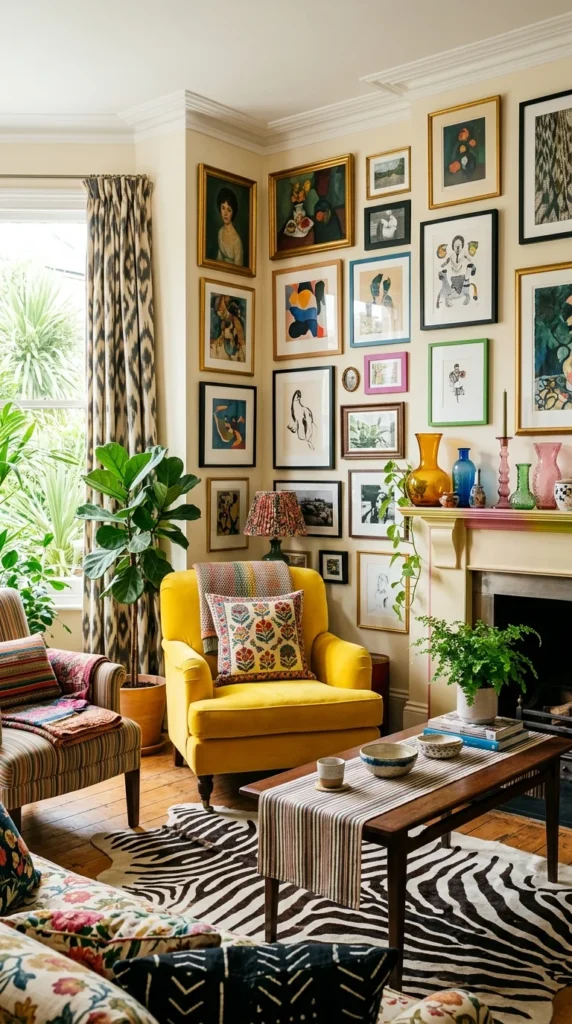
Maximalism is back, but with a modern, curated twist. It’s not about clutter; it’s about “more is more” when it comes to personality. This trend allows you to display your collections, mix bold patterns, and use vibrant colors that reflect your history and travels. The key to making modern maximalism work is a unifying element—perhaps a consistent color story or a balanced layout—that keeps the room from feeling chaotic.
6. Industrial Loft
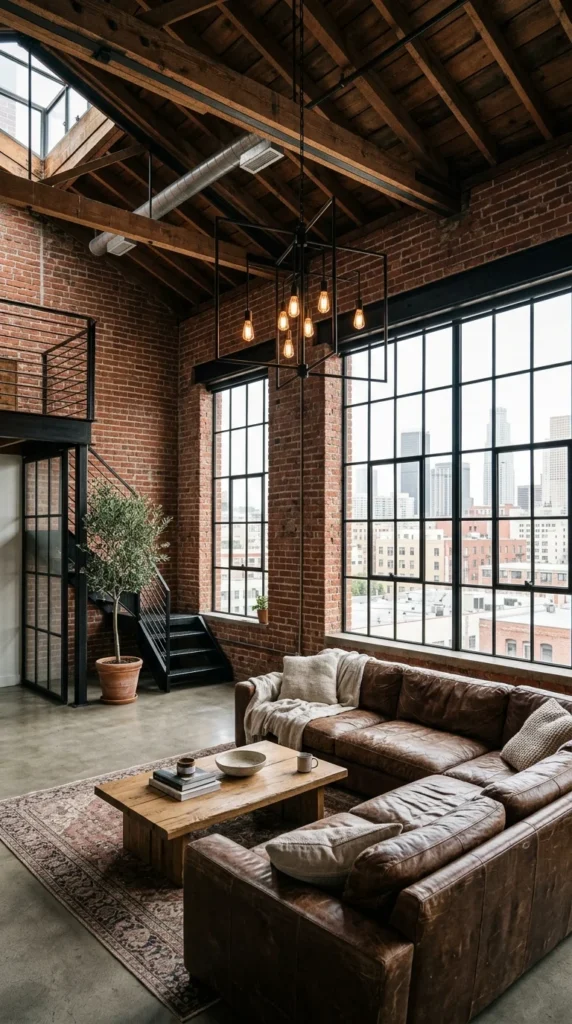
The industrial look continues to be a favorite for those who love raw, honest materials. Characterized by exposed brick, steel beams, and concrete floors, this style celebrates the “bones” of a building. To keep an industrial living room from feeling too cold, it’s essential to layer in soft textures. Think oversized wool rugs, plush velvet pillows, and plenty of warm-toned wood furniture to balance the hardness of the metal and stone.
7. Mid-Century Modern
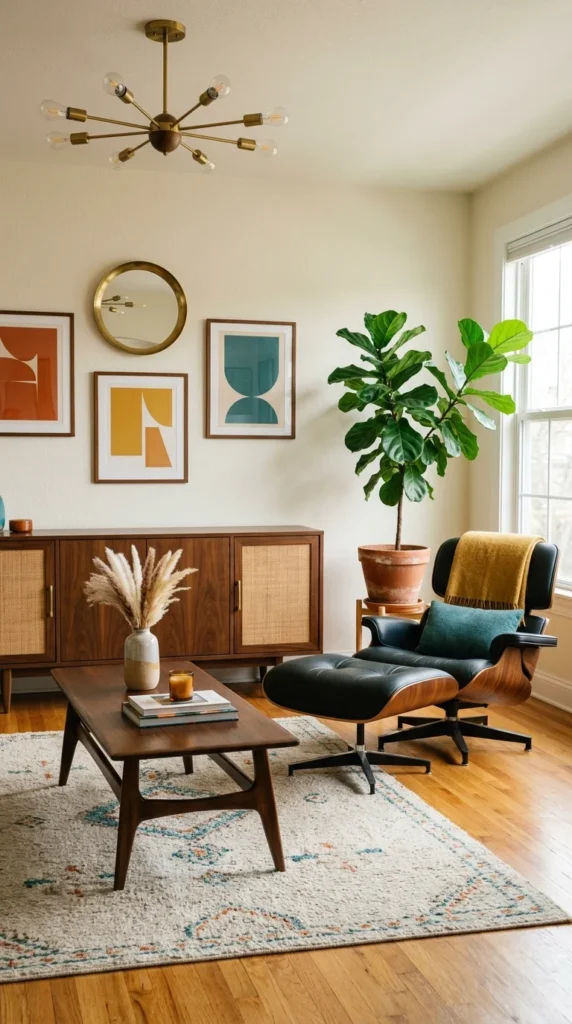
Mid-century modern design remains a staple because of its focus on functionality and clean lines. This era’s furniture is designed to look good from every angle, making it perfect for open-concept living rooms. The use of warm woods like teak and walnut, combined with iconic furniture shapes, creates a look that never goes out of style. It’s a great choice for those who appreciate a “less is more” approach but still want a splash of retro color.
8. Scandinavian Hygge
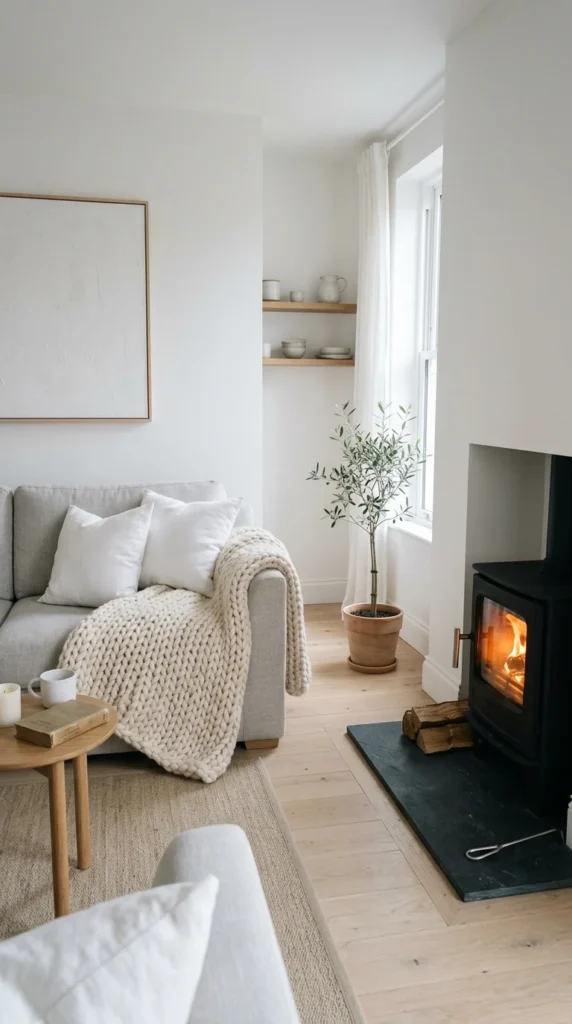
Hygge (pronounced hoo-gah) is the Danish concept of coziness and contentment. In the living room, this translates to a minimalist aesthetic that prioritizes comfort above all else. Think soft textures, a neutral color palette, and the glow of candlelight. The goal is to create a sanctuary where you can truly relax. Natural materials like light oak, sheepskin, and linen are staples of this enduringly popular style.
9. Earthy Textures
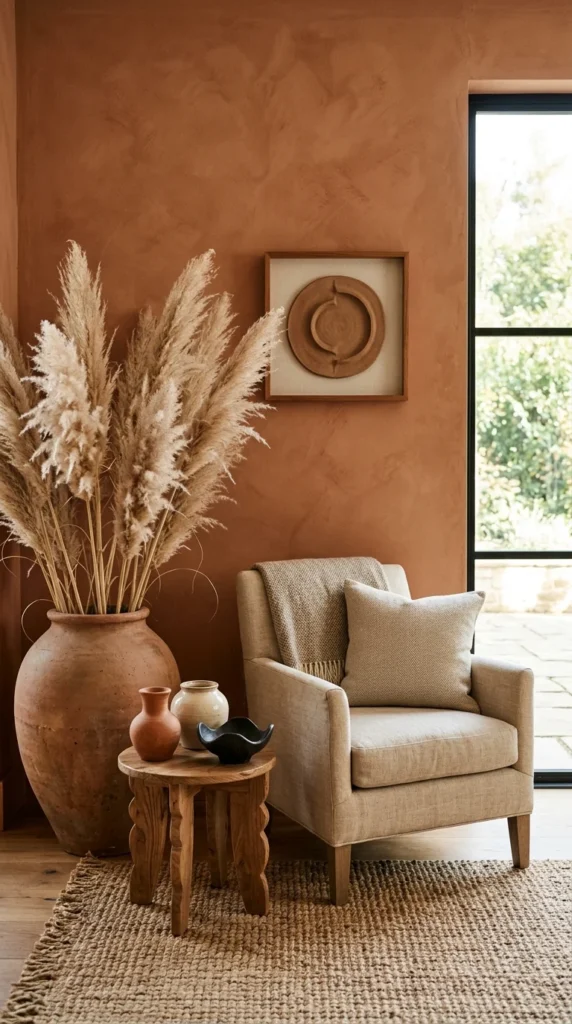
Texture is the secret ingredient to a high-end living room. Designers are currently obsessed with “earthy” textures—materials that feel grounded and tactile. This includes lime-wash walls, tadelakt finishes, bouclé fabrics, and hand-woven textiles. By keeping the color palette monochromatic and focusing on the variation in textures, you can create a room that feels incredibly sophisticated and expensive without being flashy.
10. Art Gallery
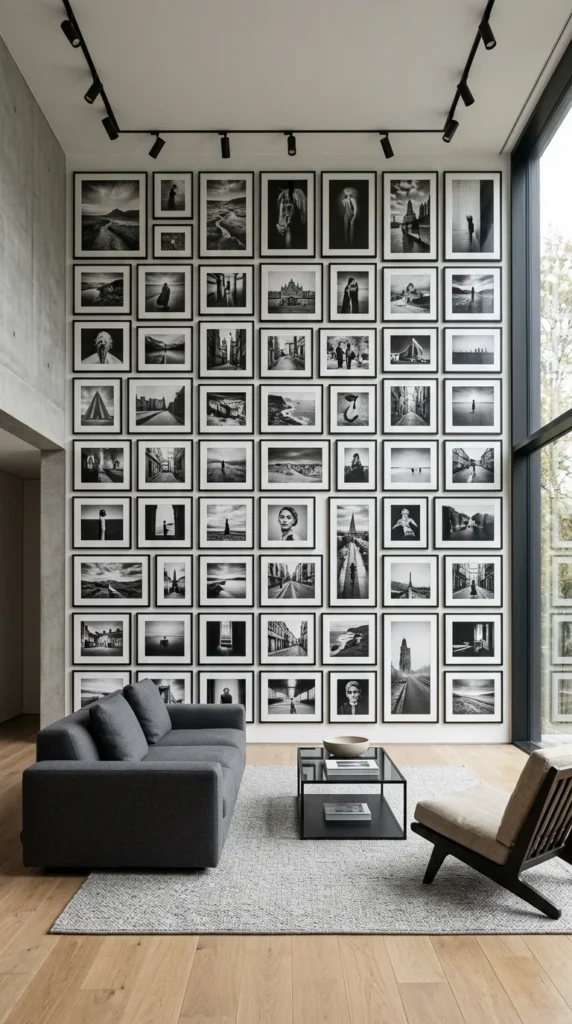
For the art lover, the living room is a personal gallery. This trend involves making art the primary focal point of the space. Whether it’s a single oversized canvas that commands attention or a floor-to-ceiling gallery wall, the furniture serves to complement the artwork rather than compete with it. Use neutral tones for the seating and rugs to allow the colors and shapes in the art to truly pop.
11. Velvet Luxury
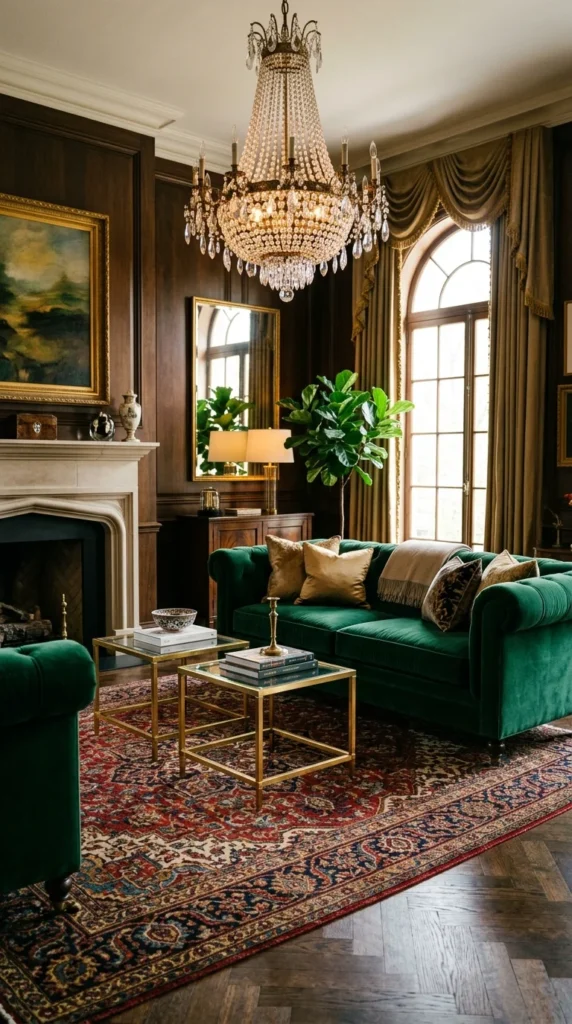
Velvet is the undisputed king of upholstery fabrics when it comes to adding a touch of luxury. It’s durable, soft, and catches the light in a way that adds depth to any color. A jewel-toned velvet sofa—in sapphire, emerald, or ruby—can transform a standard living room into a high-end lounge. Pair it with metallic accents and mirrors to lean into the glamorous, Hollywood Regency vibe.
12. Conversation Pits
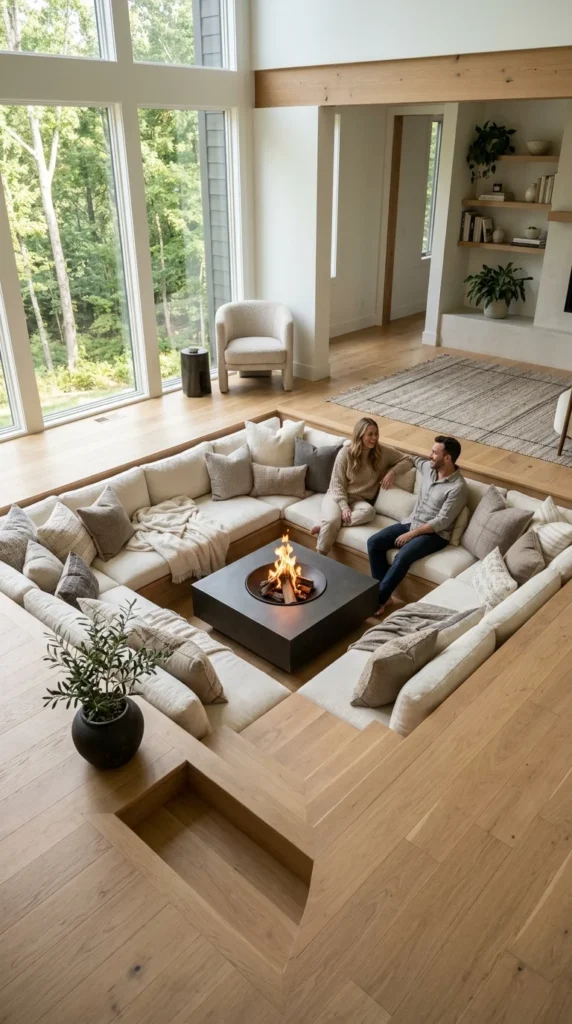
The 1970s conversation pit is making a massive comeback in luxury architecture. By lowering the seating area below the floor level, you create an intimate, “sunken” environment that is perfect for socializing. While most people can’t easily dig a hole in their floor, the spirit of the conversation pit is being recreated with large, U-shaped modular sectionals that create a “room within a room.” It’s all about creating a dedicated zone for human connection, away from the distractions of the television.