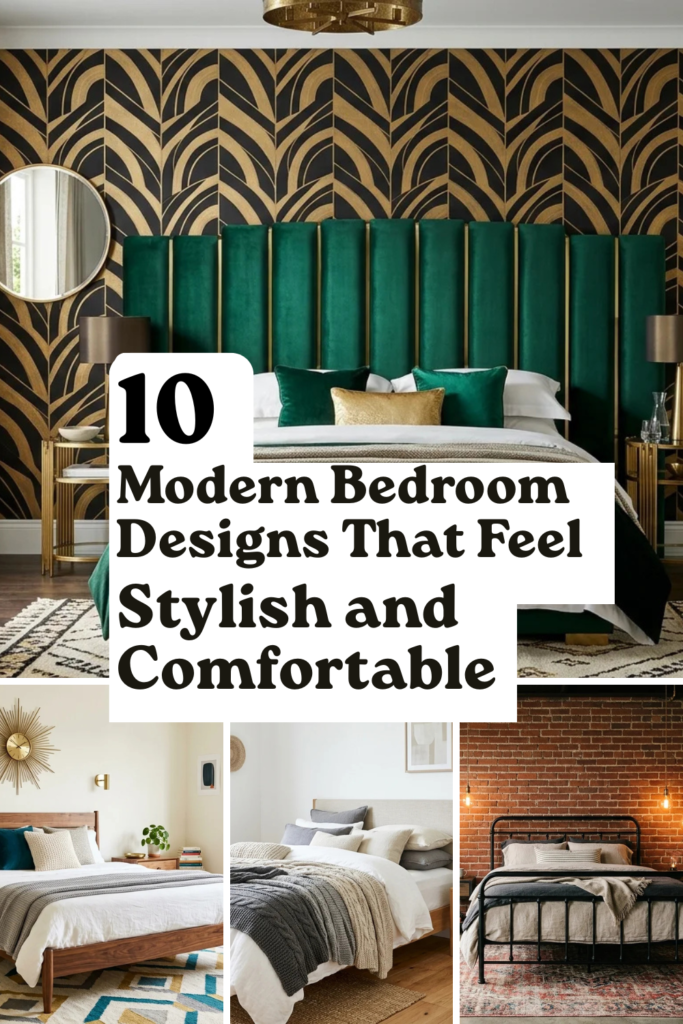

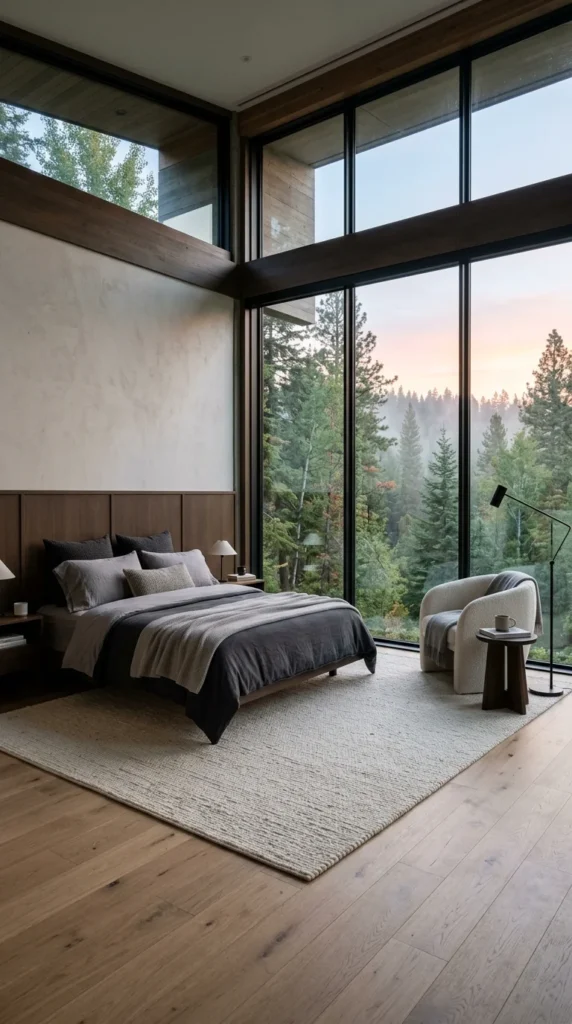
The bedroom is more than just a place to sleep; it is a sanctuary, a personal retreat from the chaos of the modern world. In recent years, interior design has shifted away from purely aesthetic choices toward a philosophy that prioritizes emotional well-ability and functional comfort. Modern bedroom design today is about finding the perfect equilibrium between “stylish” and “livable.” Whether you are drawn to the stark lines of industrialism or the warm embrace of nature-inspired textures, the goal remains the same: to create a space that feels curated yet effortless.
In this guide, we explore ten modern bedroom designs that master this balance, offering inspiration for those looking to transform their sleeping quarters into a high-end haven.
1. Minimalist Sanctuary
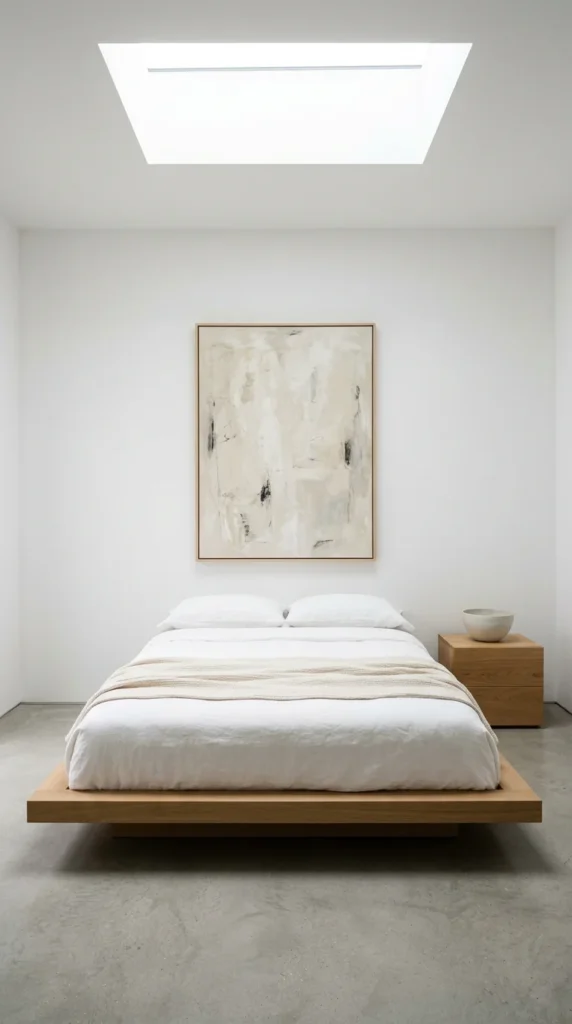
Minimalism is often misunderstood as being cold or empty. However, the modern minimalist sanctuary is built on the concept of “curated essentials.” This design focuses on high-quality materials and intentional placement. By removing visual noise, the mind is allowed to rest.
The key to this look is a neutral palette—think whites, creams, and soft greys—complemented by a “hero” piece of furniture, such as a sleek platform bed. To keep it from feeling clinical, designers incorporate organic textures like linen bedding and wool throws. The absence of clutter creates a sense of physical and mental space, making the room feel significantly larger and more peaceful.
2. Biophilic Retreat
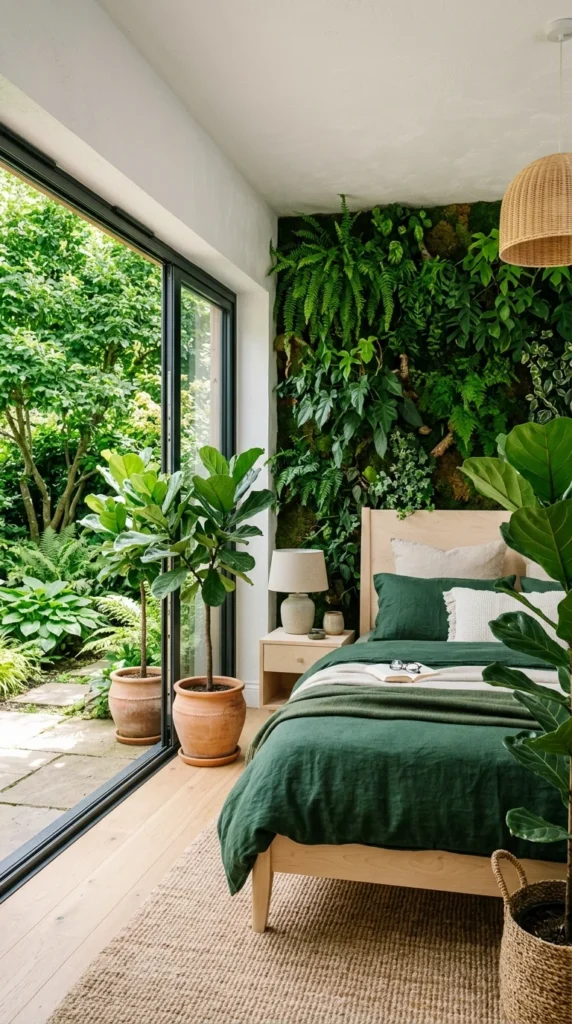
Biophilic design is the practice of connecting a space to the natural world. In a bedroom, this translates to an abundance of indoor plants, natural light, and raw organic materials. It is scientifically proven that being surrounded by nature reduces stress and improves air quality, making this style perfect for a restful night’s sleep.
To achieve this, use a color palette inspired by the earth: sage greens, terracotta, and sandy beiges. Use materials like rattan, bamboo, and reclaimed wood for your bed frame and side tables. The integration of living elements, such as a hanging ivy or a large Monstera, adds a vibrant energy that feels both fresh and calming.
3. Industrial Loft
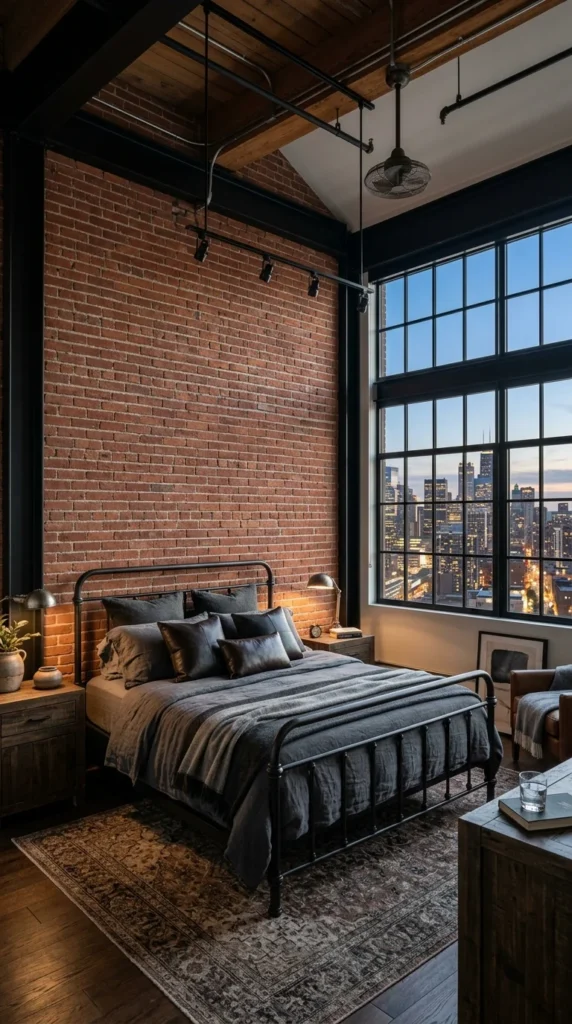
The industrial look has evolved from its raw, warehouse origins into something much more sophisticated and “soft.” Modern industrial bedrooms mix rugged elements like exposed brick, concrete, and black metal with “softening” agents like oversized rugs and plush upholstery.
The contrast is what makes this style work. You might have a cold, grey concrete wall paired with a warm, cognac-colored leather headboard. Lighting plays a massive role here; Edison-style pendant lamps or matte black swing-arm wall sconces provide a warm, golden glow that offsets the “hard” edges of the architectural materials.
4. Scandinavian Chic
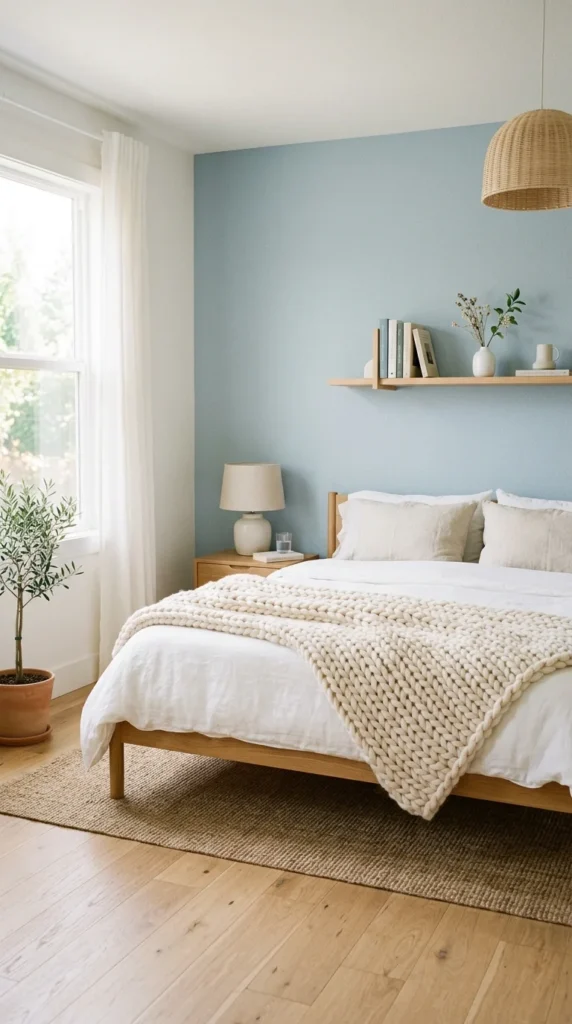
Scandinavian design, or “Scandi,” is centered around the concept of hygge—a Danish word for coziness and comfortable conviviality. This style emphasizes functionality and simplicity without sacrificing warmth.
To bring Scandinavian chic into your home, start with a base of light-toned woods (like ash or pine) and a monochromatic or pastel color scheme. The magic happens in the layers: sheepskin rugs, waffle-weave blankets, and soft cotton pillows. Every item should have a purpose, and the overall vibe should be one of “effortless cool.”
5. Dark Moody
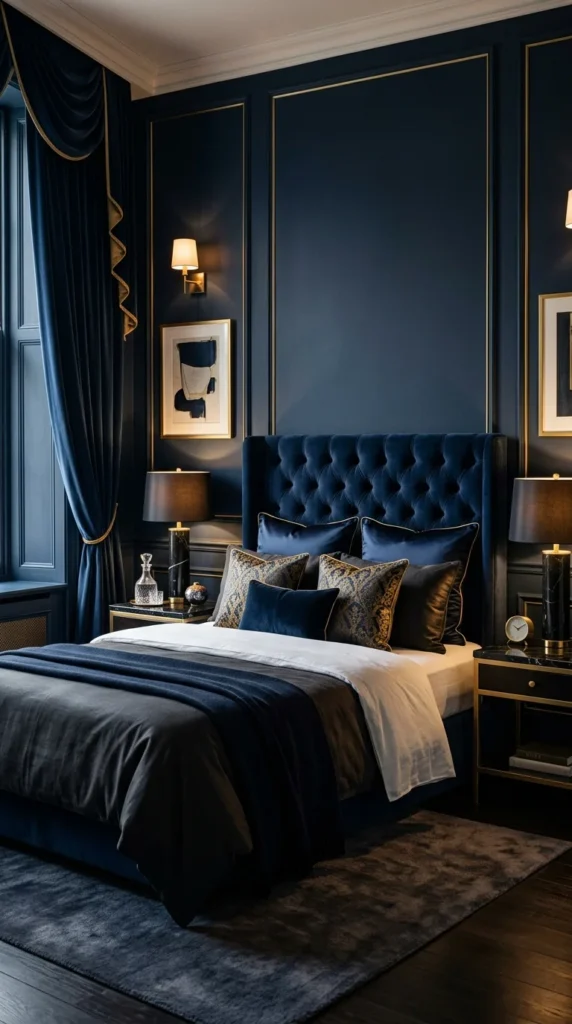
For those who find bright white rooms overstimulating, the “Moody Modern” trend offers a cozy, cocoon-like alternative. By using dark, saturated colors—such as charcoal, emerald green, or navy—the walls seem to recede, creating an intimate atmosphere that is perfect for relaxation.
The trick to pulling off a dark bedroom is layering textures and incorporating metallic accents. Brass, gold, or copper hardware pops beautifully against dark walls. Use various light sources, such as dimmable wall lights and candles, to create pockets of warmth, ensuring the room feels luxurious rather than cave-like.
6. Japandi Fusion
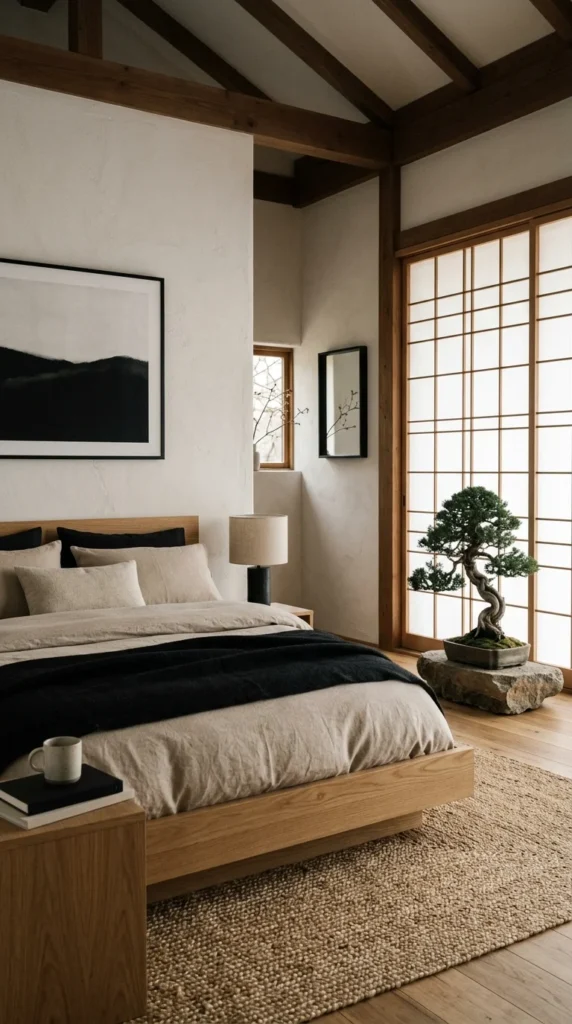
Japandi is the intersection of Japanese aesthetic (wabi-sabi) and Scandinavian functionality. It is a style that celebrates imperfection, craftsmanship, and a “less is more” philosophy. This design is incredibly popular for bedrooms because it promotes a deep sense of Zen.
Expect to see low-profile furniture—especially beds that sit close to the floor—and a heavy emphasis on natural fibers like silk, hemp, and linen. The decor is sparse but meaningful, often featuring handcrafted ceramics or a single piece of calligraphy. It is a design that feels incredibly grounded and timeless.
7. Mid-Century Modern
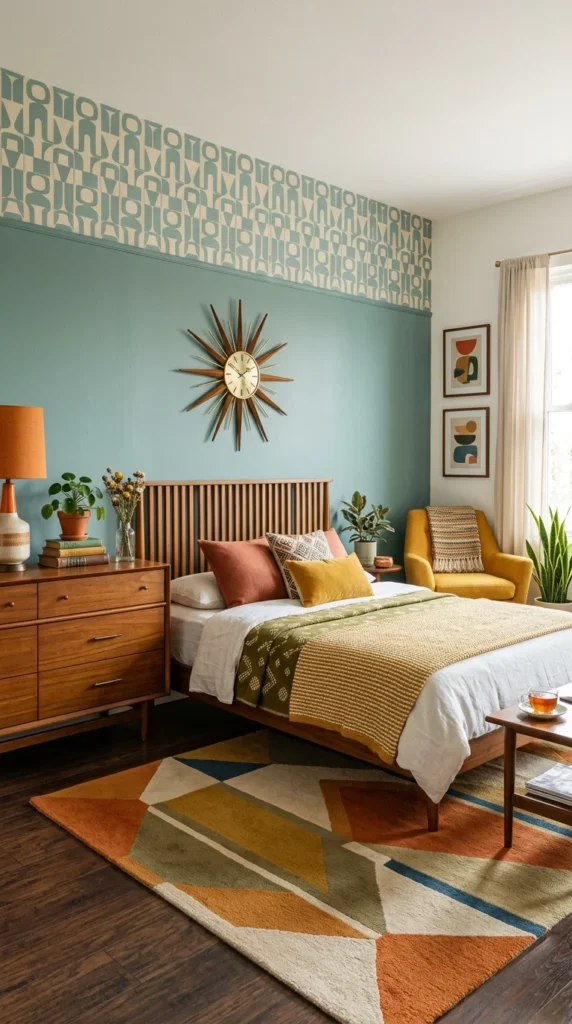
Mid-century modern (MCM) remains a staple of interior design because of its clean lines and optimistic vibe. In a bedroom, MCM offers a nostalgic yet functional look. It’s characterized by organic shapes, wooden finishes (usually teak or walnut), and pops of bold color.
To modernize this 1950s look, mix classic MCM furniture with contemporary art and neutral bedding. The goal is to avoid making the room look like a movie set. Instead, focus on the “spirit” of the era: furniture that is elevated off the ground (which creates a sense of airiness) and a mix of man-made and natural materials.
8. Art Deco Revival
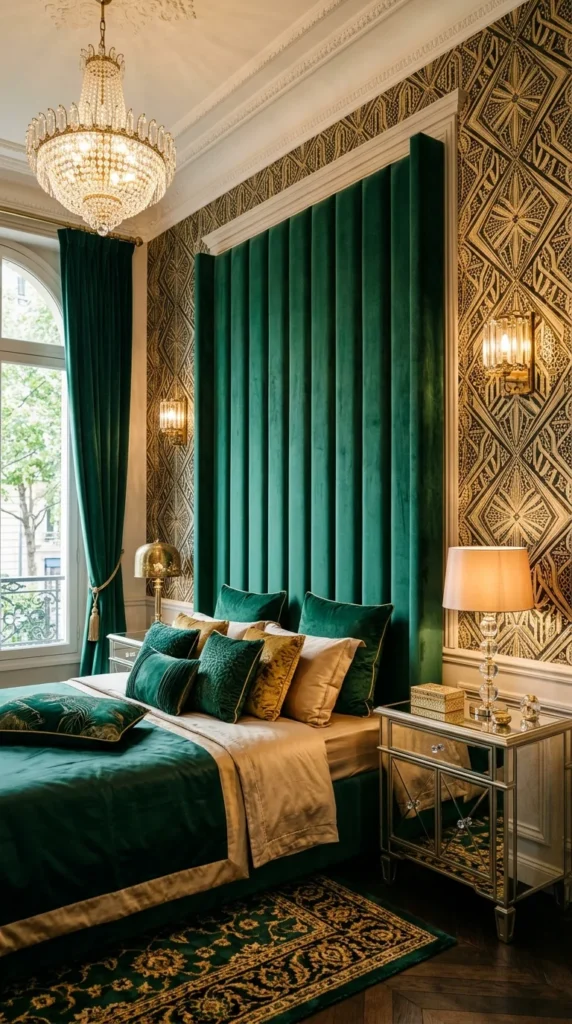
If you prefer a bedroom that feels like a five-star boutique hotel, the Art Deco Revival is for you. This style is all about luxury, symmetry, and bold “glam” elements. It uses rich materials like velvet, marble, and brass to create a space that feels celebratory and high-end.
Modern Art Deco moves away from the kitschy patterns of the 1920s and moves toward “architectural” luxury. Think scalloped headboards, arched mirrors, and bold, geometric light fixtures. Even in a modern context, this style feels incredibly romantic and structured.
9. Monochromatic Luxe
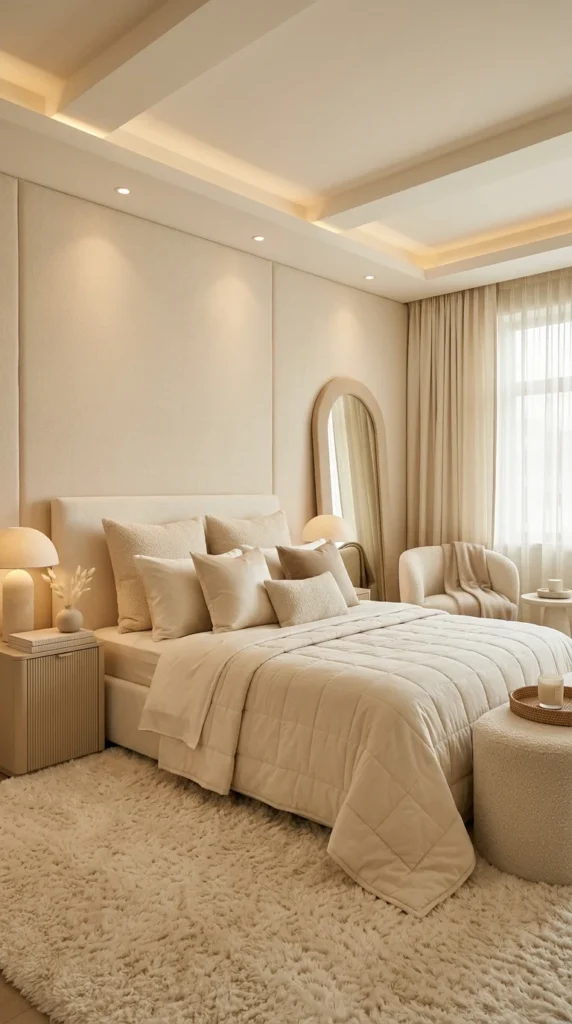
The monochromatic look is one of the most difficult to master but also one of the most rewarding. By sticking to one color family, the focus shifts entirely to “texture.” This creates a sensory-rich environment that feels incredibly high-end.
To keep a monochromatic room from looking flat, you must vary your materials. Pair a matte-painted wall with a shiny silk pillow, a rough wool rug, and a smooth marble side table. Using different shades within the same color (e.g., ivory, cream, and oatmeal) adds depth and sophistication that is both calming and visually stimulating.
10. Coastal Modern
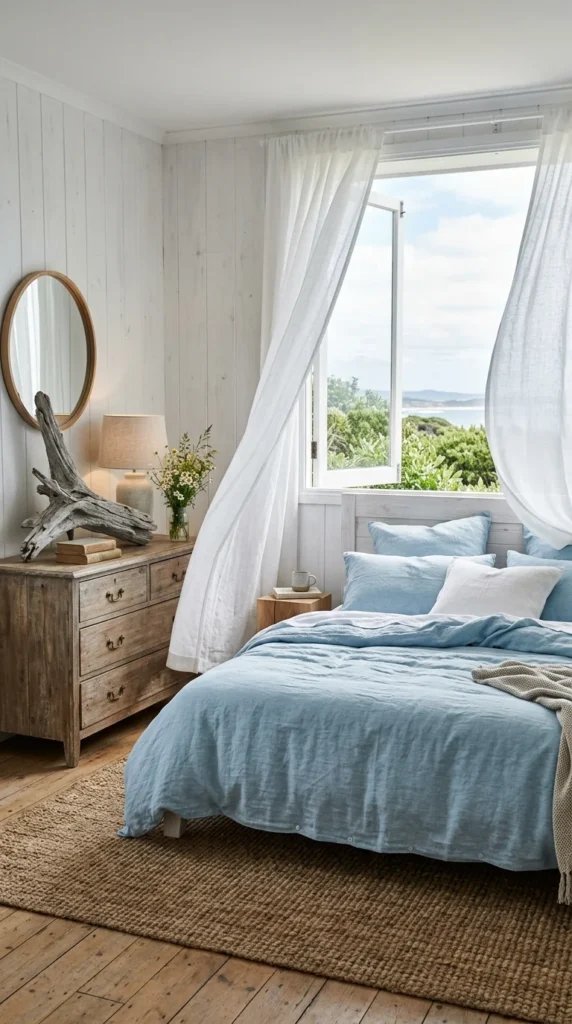
Modern coastal design is a far cry from the “seashell and anchor” themes of the past. Today’s coastal bedroom is airy, light, and sophisticated. It’s inspired by the colors of the shoreline: sandy beiges, watery blues, and crisp whites.
The focus here is on “breathability.” Use lightweight fabrics like linen and cotton that allow air to circulate. Furniture should be made of light-colored woods or painted white. Adding natural elements like seagrass baskets or a simple piece of coral decor provides a subtle nod to the ocean without being literal, resulting in a room that feels like a permanent vacation.
Designing Your Modern Sanctuary
Creating a modern bedroom is a journey toward understanding what makes you feel most at home. Whether you choose the structured elegance of Art Deco or the organic warmth of a Biophilic retreat, remember that the most important design element is your own comfort.
- Prioritize Lighting: Always use layered lighting (ambient, task, and accent) to control the mood.
- Invest in Quality: Since the bed is the focal point, invest in the best linens and mattress your budget allows.
- Personalize Sparingly: Modern design thrives on breathing room, so choose a few meaningful decor pieces rather than many small ones.
By following these design principles, you can transform your bedroom into a space that is not only “on-trend” but also a timeless sanctuary for rest and rejuvenation.