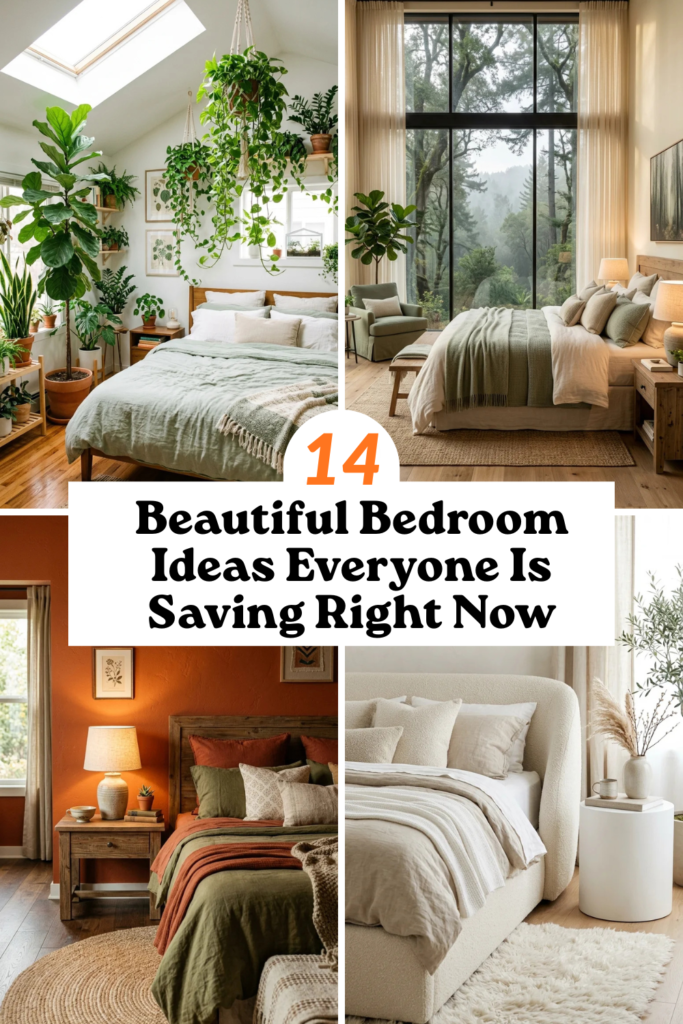

The bedroom is no longer just a place to sleep; it has evolved into a multi-functional sanctuary designed for rejuvenation, aesthetic expression, and ultimate comfort. As we spend more time prioritizing wellness and “slow living,” the way we curate our sleeping quarters has become a central focus of interior design. From the revival of organic textures to the bold embrace of “moody” color palettes, the trends currently dominating social media feeds and design boards reflect a desire for spaces that feel both personal and polished. Whether you are looking to do a full renovation or simply want to refresh your linens, these fourteen ideas represent the pinnacle of modern bedroom inspiration.
1. Earthy Tones
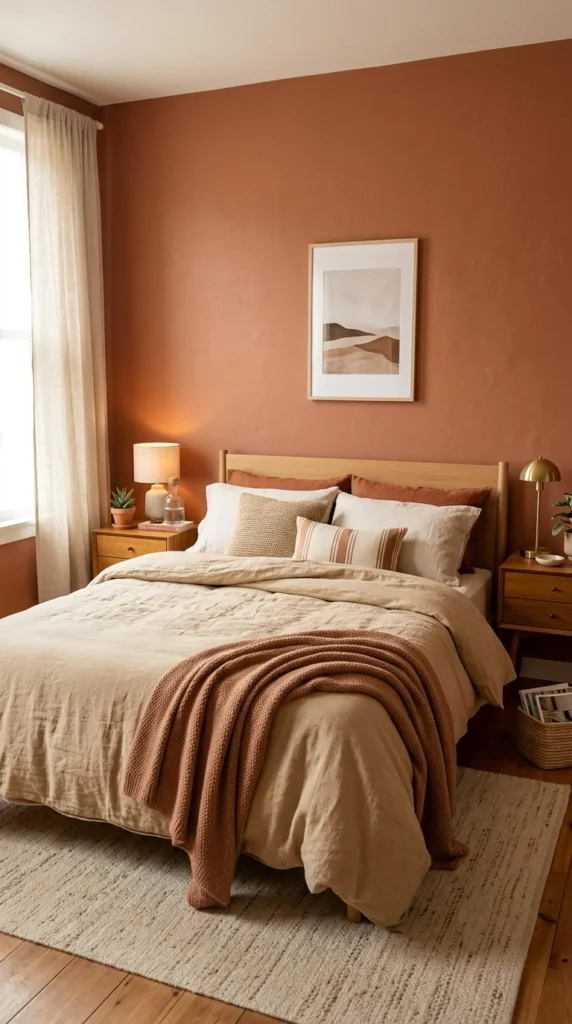
The shift toward earthy palettes—think terracotta, sage green, ochre, and warm taupe—is a direct response to the sterile minimalism of previous years. These colors evoke a sense of groundedness and connection to the natural world. Why everyone is saving this: Earthy tones are inherently calming and work beautifully with natural light. To pull this off, layer different shades of the same color family. For instance, pair a deep rust-colored headboard with lighter apricot pillows to create depth without overwhelming the senses.
2. Limewash Walls
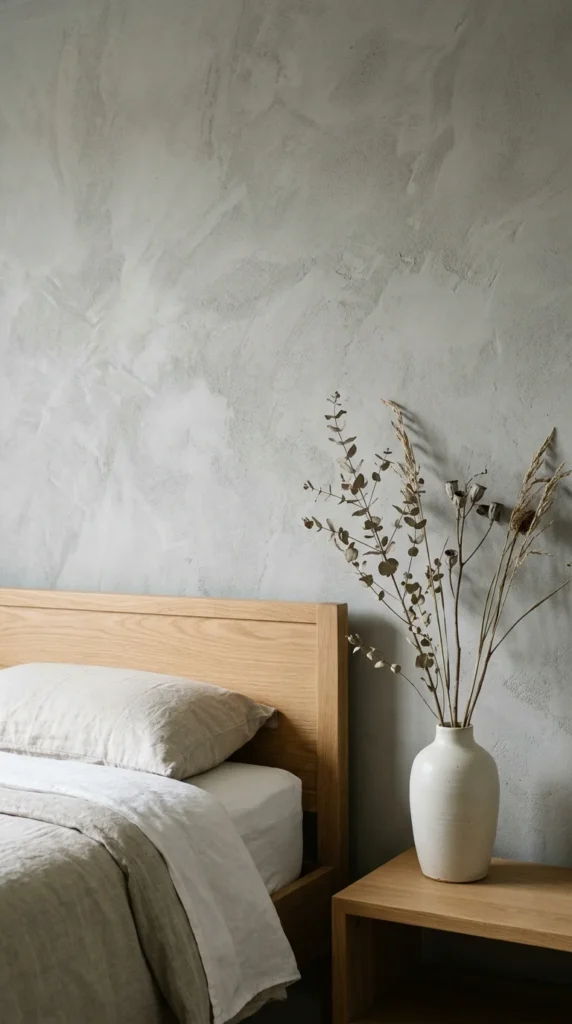
Limewash is the texture of the moment. Unlike flat paint, limewash provides a mottled, suede-like finish that adds instant architectural character to even the plainest room. It feels old-world and artisanal, yet fits perfectly in a modern setting. People are obsessed with limewash because it hides imperfections and creates a “cloud-like” atmosphere. It’s an easy way to add visual interest to a feature wall without the permanence or busyness of wallpaper.
3. Fluted Details
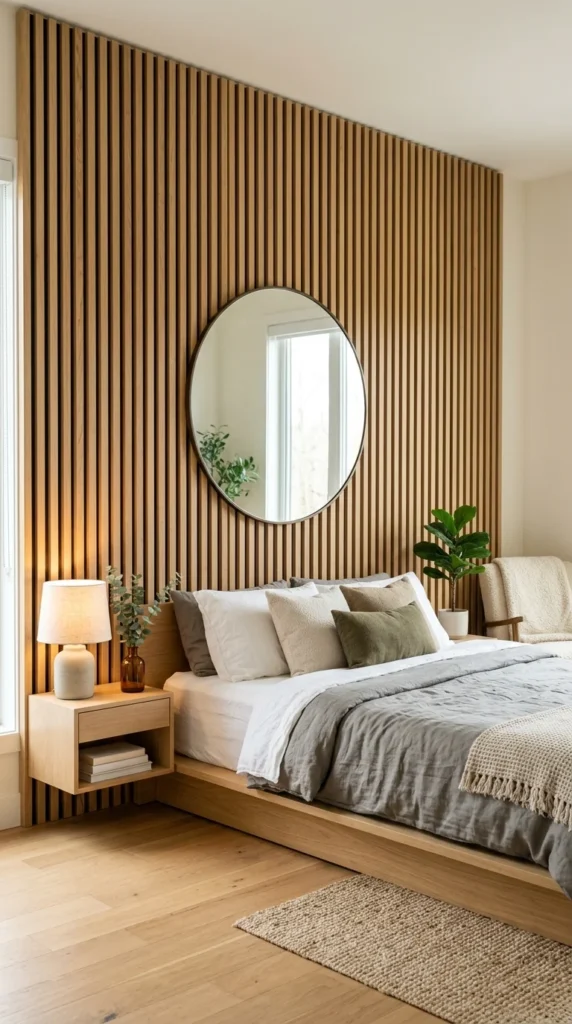
Fluting—characterized by vertical grooves or slats—is appearing everywhere from nightstands to entire accent walls. This trend adds a rhythmic, tactile element to the bedroom. A fluted wood wall behind the bed serves as a built-in headboard, drawing the eye upward and making the ceiling feel higher. It strikes the perfect balance between mid-century modern and contemporary luxury, providing a sophisticated backdrop for soft bedding.
4. Biophilic Sanctuary
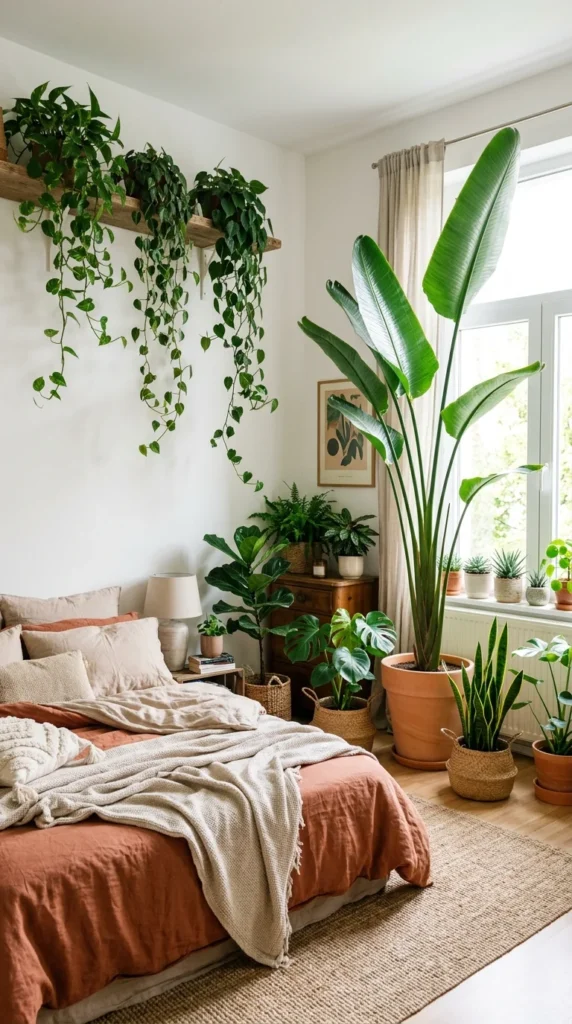
Biophilic design is all about bringing the outdoors in. Beyond just placing a plant on a desk, this trend involves integrating greenery into the room’s core identity. Think large-scale indoor trees, hanging planters that create a “living ceiling,” and natural materials like rattan and jute. The appeal is rooted in psychology; being surrounded by nature reduces stress and improves air quality, making the bedroom a literal breath of fresh air.
5. Layered Linens
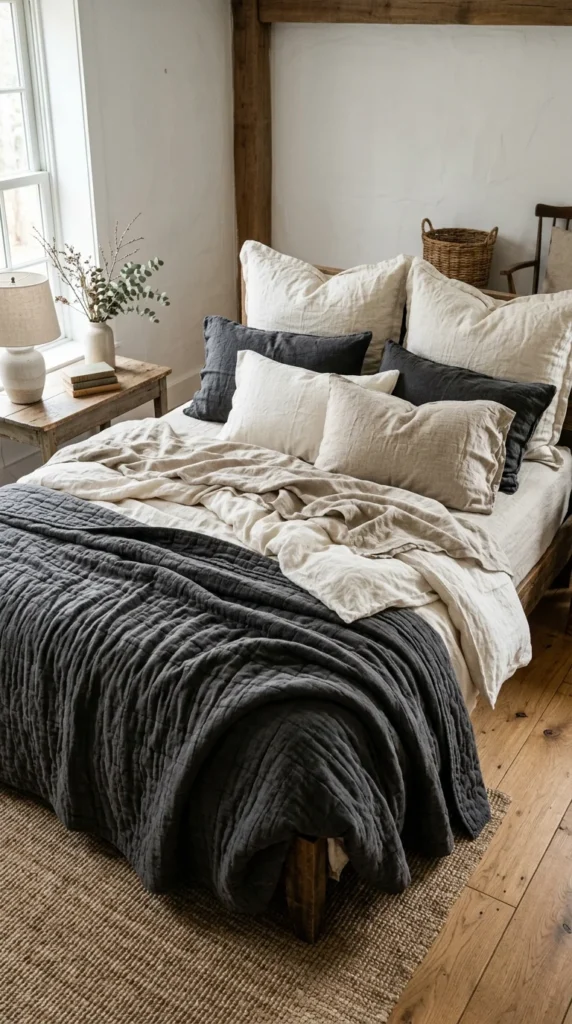
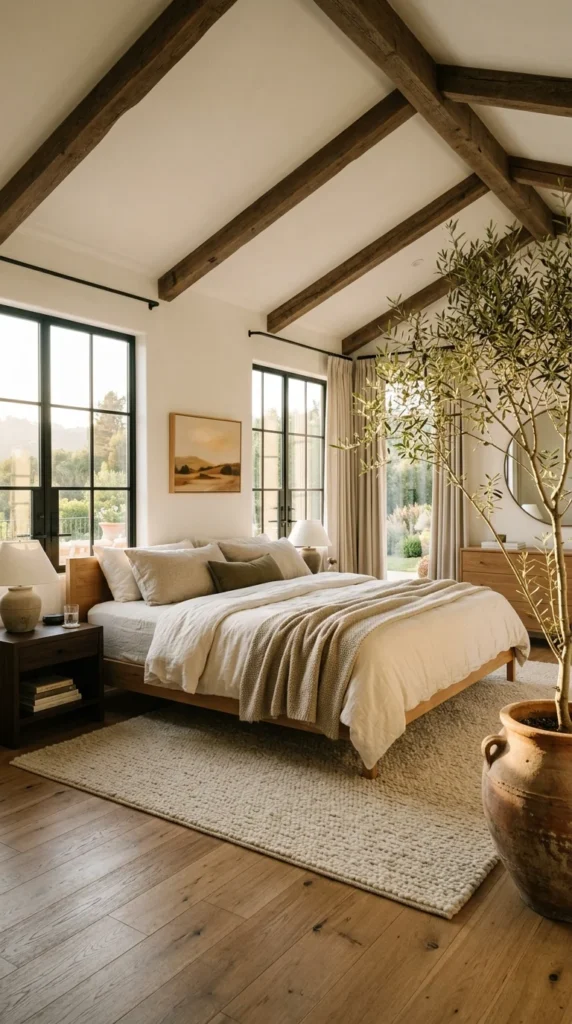
The “perfectly imperfect” look of layered linen is a staple of the high-end rustic aesthetic. This trend prioritizes comfort over crispness. By mixing and matching different weights of linen—from airy top sheets to heavy stonewashed duvets—you create a bed that looks inviting and tactile. The key to this look is a tonal color palette; stick to neutrals so that the focus remains on the variety of textures rather than a clash of colors.
6. Arched Nooks
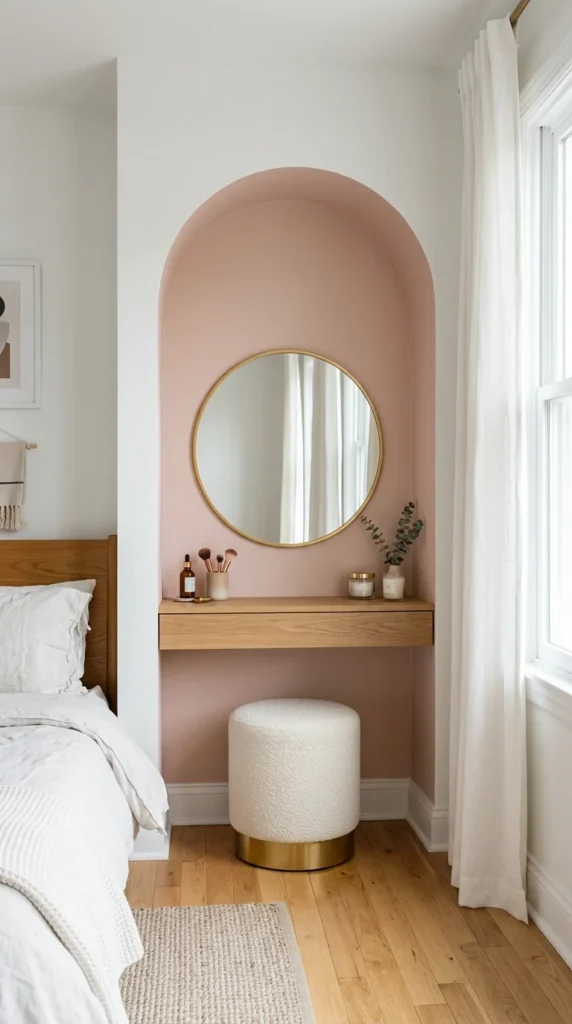
Curves are replacing sharp angles in interior architecture. Arched doorways, windows, and especially built-in nooks are being saved by thousands for their whimsical yet sophisticated feel. An arched nook behind the bed or used as a reading corner adds a sense of “enclosure” and coziness. It breaks up the boxy feel of a standard room and provides a perfect spot for custom shelving or a hidden desk.
7. Statement Headboards
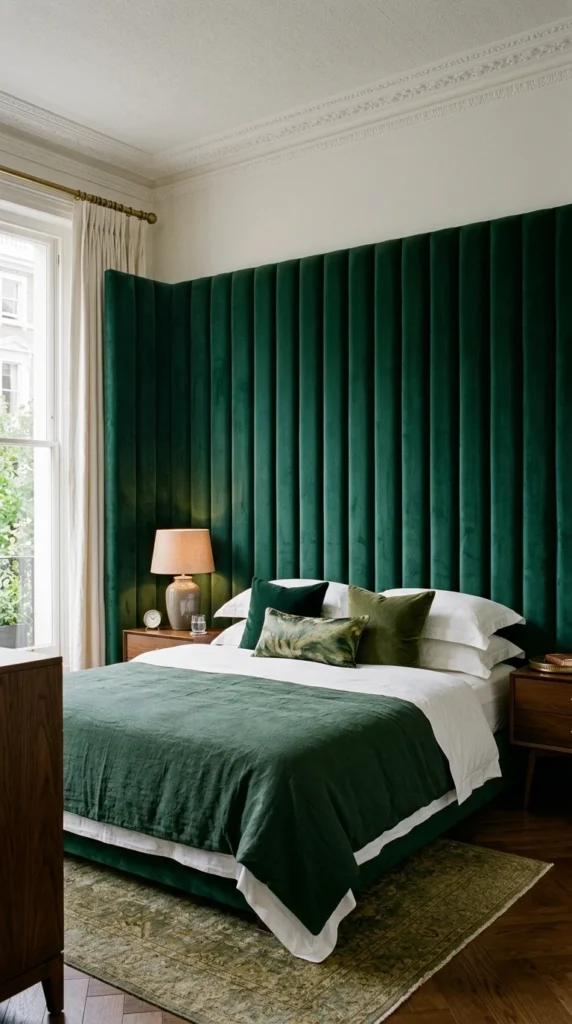
The headboard is no longer an afterthought; it is the room’s primary focal point. We are seeing a move toward oversized, sculptural, and brightly colored headboards. Whether it’s a vintage-inspired velvet piece with channel tufting or a custom-built wrap-around wooden frame, the statement headboard anchors the room. It allows homeowners to inject personality and luxury into the space without needing much other furniture.
8. Moody Palettes
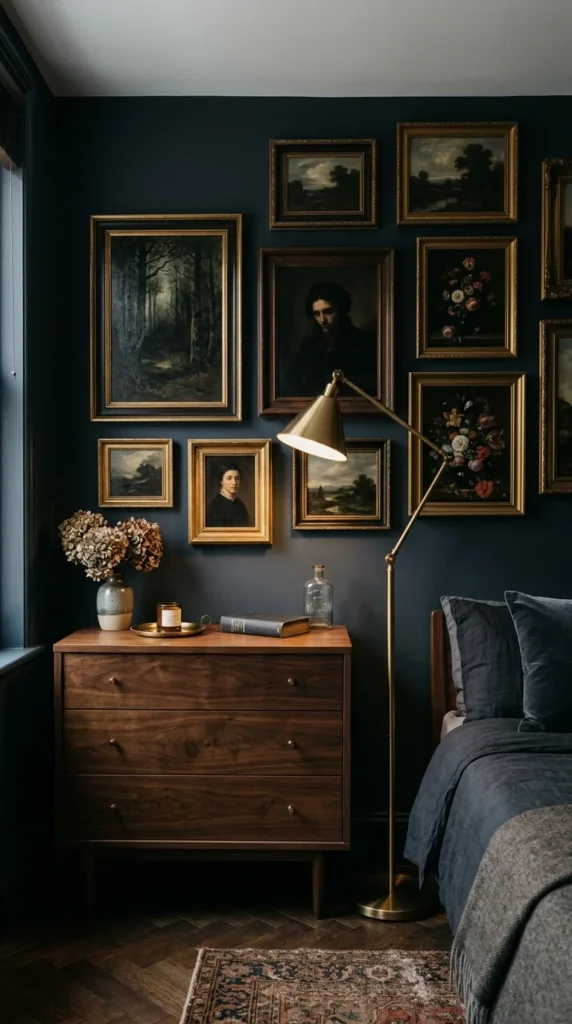
While light and airy rooms are classic, there is a massive surge in “moody” bedrooms. Deep navy, forest green, and even soft blacks are being used to create a “cocoon” effect. These darker hues are incredibly conducive to sleep as they signal to the brain that it’s time to wind down. To prevent a dark room from feeling small, designers recommend using high-quality lighting—like warm-toned sconces and floor lamps—to create pockets of glow.
9. Floating Furniture
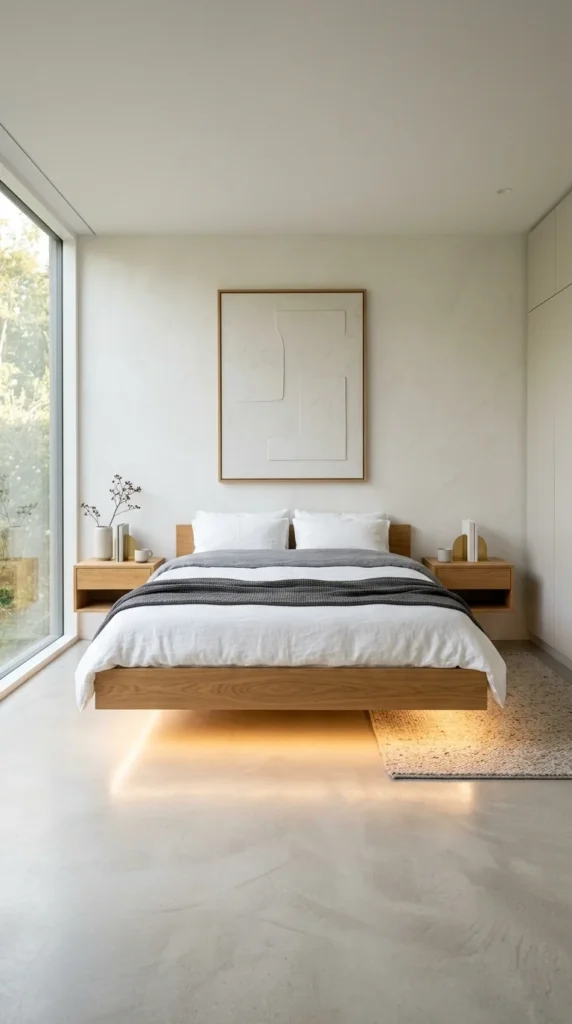
For lovers of modernism, floating furniture is the ultimate “save.” Wall-mounted nightstands and bed frames create a sense of weightlessness and make the floor space appear much larger. This is a brilliant trick for smaller bedrooms. The clean lines and lack of visible “legs” contribute to a futuristic, clutter-free aesthetic that feels incredibly organized and serene.
10. Vintage Rugs
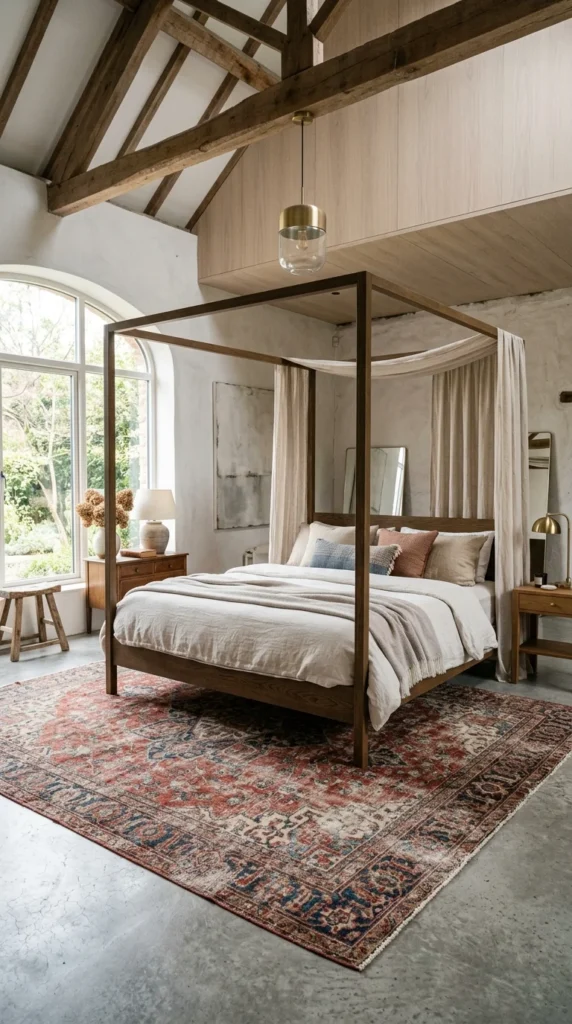
Nothing adds soul to a bedroom quite like a vintage rug. Designers are currently loving the juxtaposition of a sleek, modern bed against a worn, antique Turkish or Persian rug. These pieces bring history, color, and warmth to a room. Because vintage rugs often feature intricate patterns, they are excellent at hiding the occasional spill or pet hair, making them as practical as they are beautiful.
11. Dark Academia
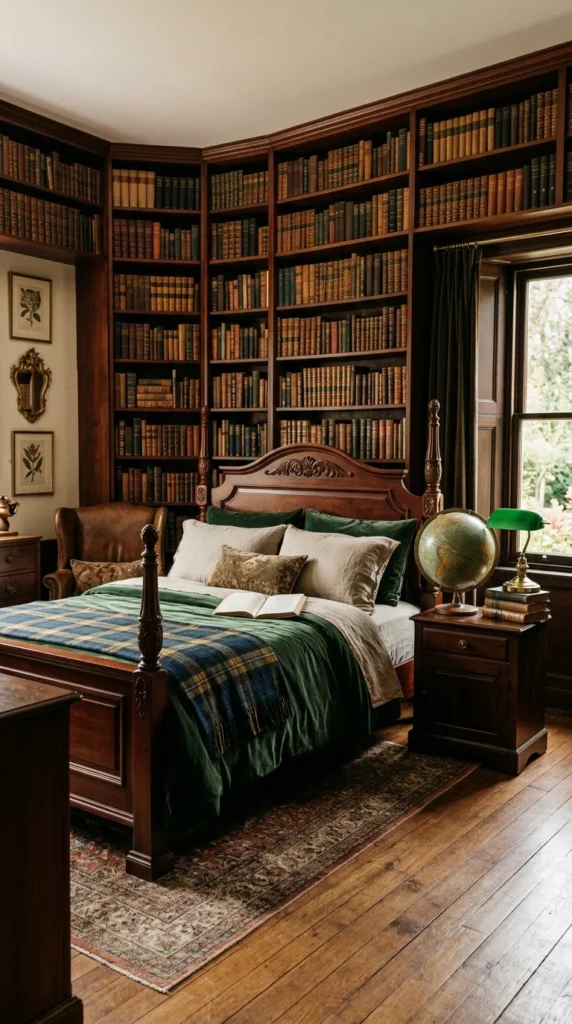
Inspired by classic literature and collegiate aesthetics, the “Dark Academia” bedroom is for the dreamers. It features a mix of dark woods, leather accents, and stacks of books. This trend celebrates intellectualism and nostalgia. To achieve this look, focus on “collected” items: vintage brass magnifying glasses, botanical prints, and heavy plaid wool blankets. It’s a cozy, intellectual retreat that feels like a scene from a classic novel.
12. Canopy Reimagined
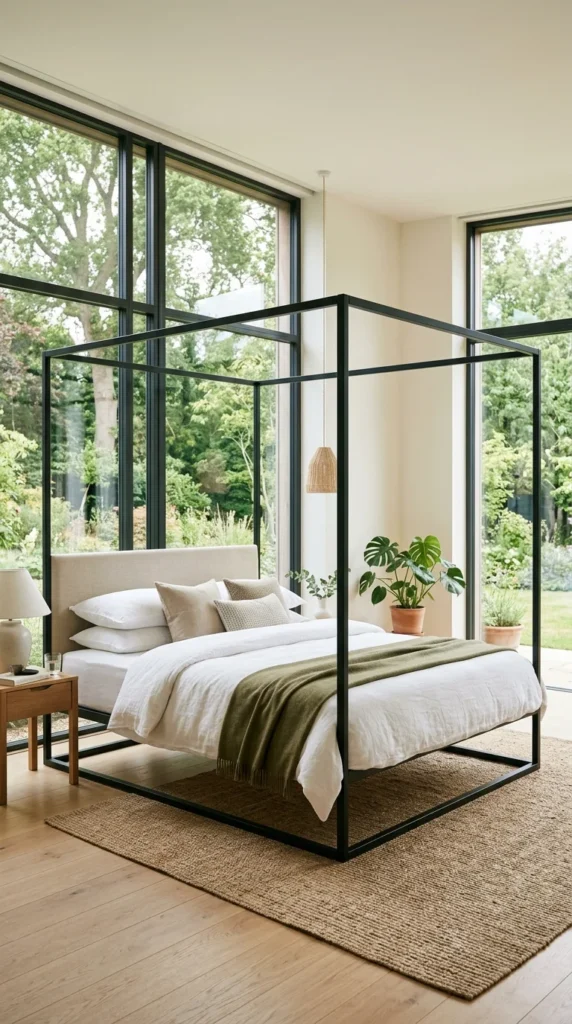
The canopy bed has been updated for the 21st century. Instead of heavy, frilly drapes, the modern canopy uses thin, architectural frames made of black metal or light-colored wood. It provides a “room within a room” feeling without blocking sightlines or feeling dated. It adds a structural element to the space, creating a grand sense of scale even in rooms with standard ceiling heights.
13. Low-Profile Living
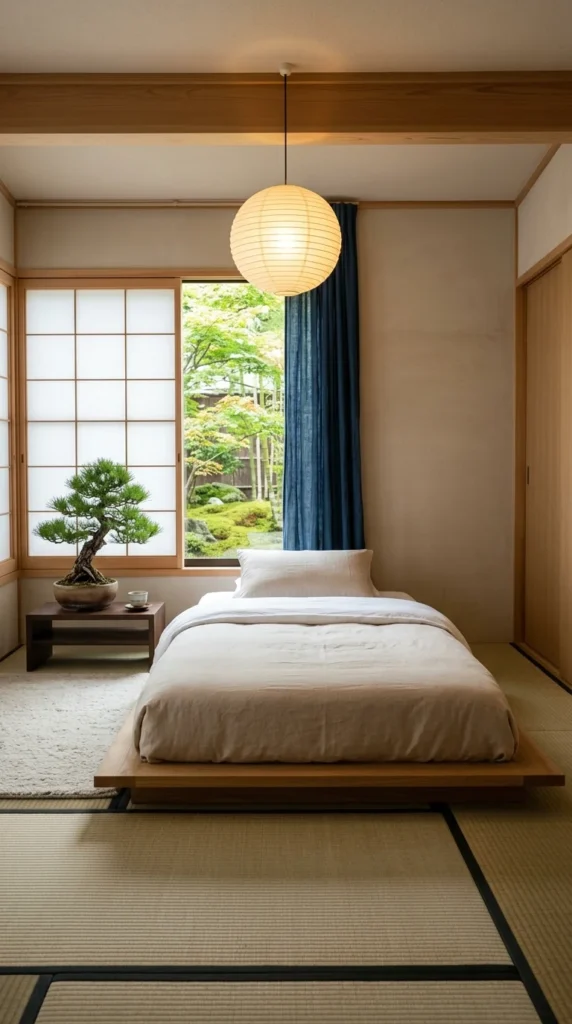
Influenced by Japanese and Scandinavian design (Japandi), low-profile beds are trending for their grounded, zen-like quality. By keeping the furniture close to the floor, the room feels more open and less formal. This style encourages a minimalist lifestyle, as there is no room for clutter under the bed. Pair a low platform bed with a large, textured rug to create a cozy, nest-like environment.
14. Integrated Lighting
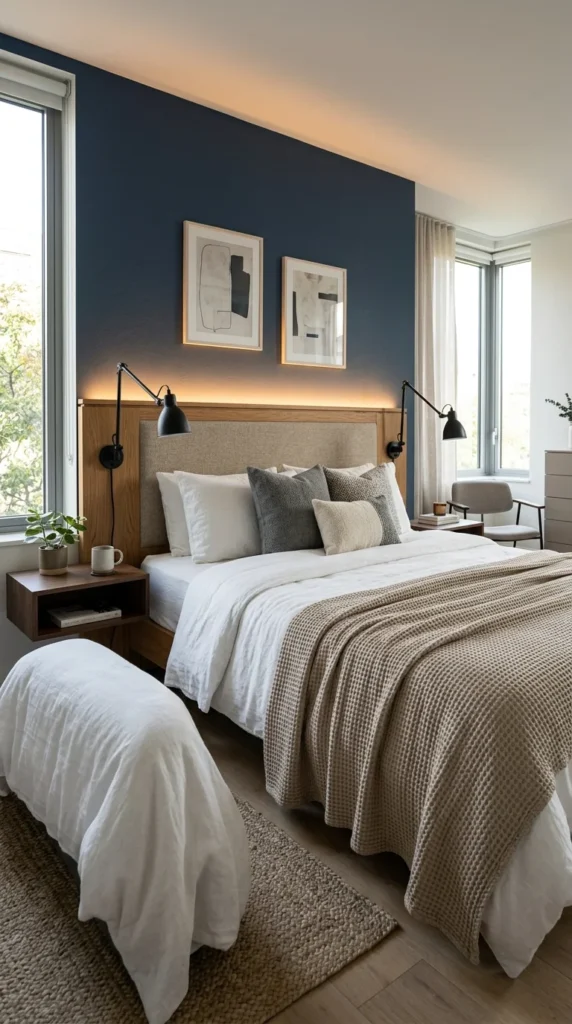
Lighting is the secret sauce of a beautiful bedroom. The trend is moving away from a single harsh overhead light toward integrated, layered lighting. Think LED strips hidden in cove ceilings, backlit headboards, and slim, adjustable wall sconces. This allows you to change the mood of the room at the flick of a switch—bright for morning routines and dim, amber tones for evening relaxation.
Creating Your Personal Sanctuary
The most successful bedroom designs are those that reflect the inhabitant’s personality while prioritizing the room’s primary function: rest. Whether you are drawn to the rugged texture of limewash and vintage rugs or the sharp, clean lines of floating furniture, the goal is to create a space where you feel completely at ease. As these fourteen trends show, the modern bedroom is a place of balance—balancing the old with the new, the dark with the light, and the functional with the beautiful. By incorporating even one or two of these elements, you can transform your sleeping space into the sanctuary you’ve been dreaming of.