

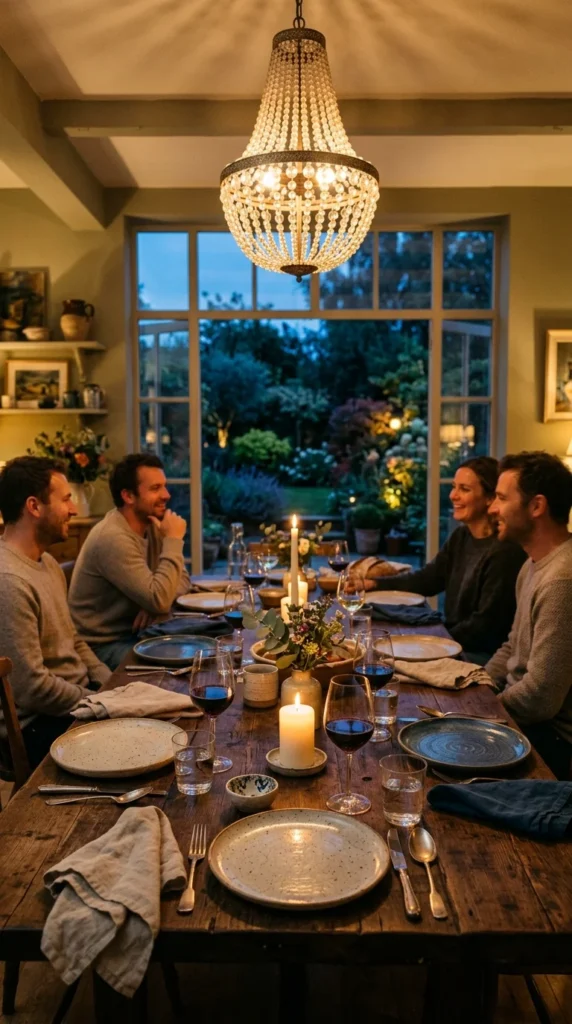
The dining room is more than just a place to consume meals; it is the heartbeat of the home, a sanctuary where stories are shared, laughter echoes, and family bonds are fortified. Creating a space that feels “cozy” isn’t just about the temperature of the room—it’s about the emotional warmth generated by the decor, lighting, and layout. When the atmosphere is right, dinner guests linger longer, and everyday family meals feel like special occasions. Whether you are hosting a festive holiday feast or a simple Sunday brunch, the right design choices can transform a cold, formal area into a snug retreat. Here are 13 cozy dining room ideas perfect for fostering those cherished family gatherings.
1. Warm Lighting
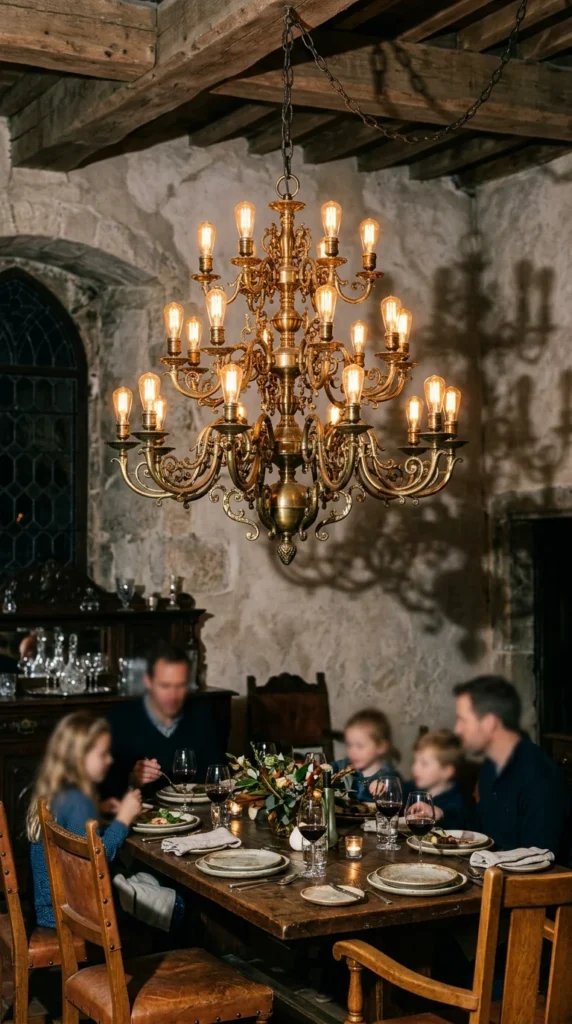
Lighting is the single most important element in setting a mood. To achieve a cozy vibe, steer clear of harsh overhead fluorescent lights. Instead, opt for a statement chandelier or a series of pendant lights with warm-toned bulbs. Incorporating dimmer switches allows you to adjust the intensity of the light to suit the time of day and the mood of the meal. Layered lighting—such as wall sconces, floor lamps in corners, and even small table lamps on a sideboard—creates a soft, diffused glow that makes the room feel intimate and secluded from the rest of the house.
2. Natural Textures
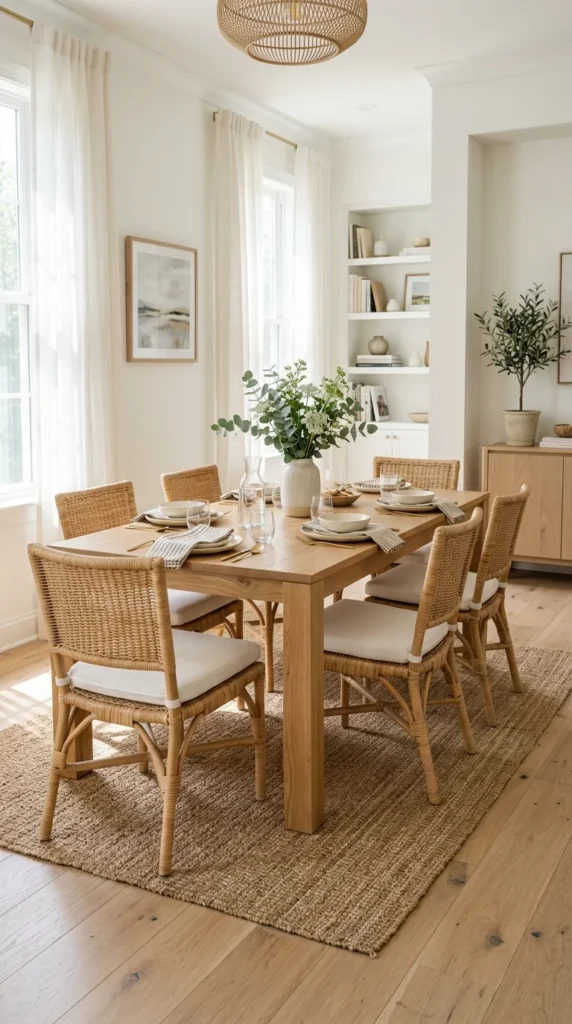
Bringing elements of the outdoors inside is a foolproof way to add organic warmth to your dining room. Think beyond the wooden table. Incorporate textures like rattan, jute, sea grass, and linen. A woven rug under the table or wicker dining chairs can soften the hard lines of a room. These materials carry a tactile quality that invites people to touch and feel comfortable in their surroundings. The natural imperfections in wood grain and hand-woven fibers add a layer of authenticity and “lived-in” charm that is essential for a cozy family atmosphere.
3. Banquette Seating
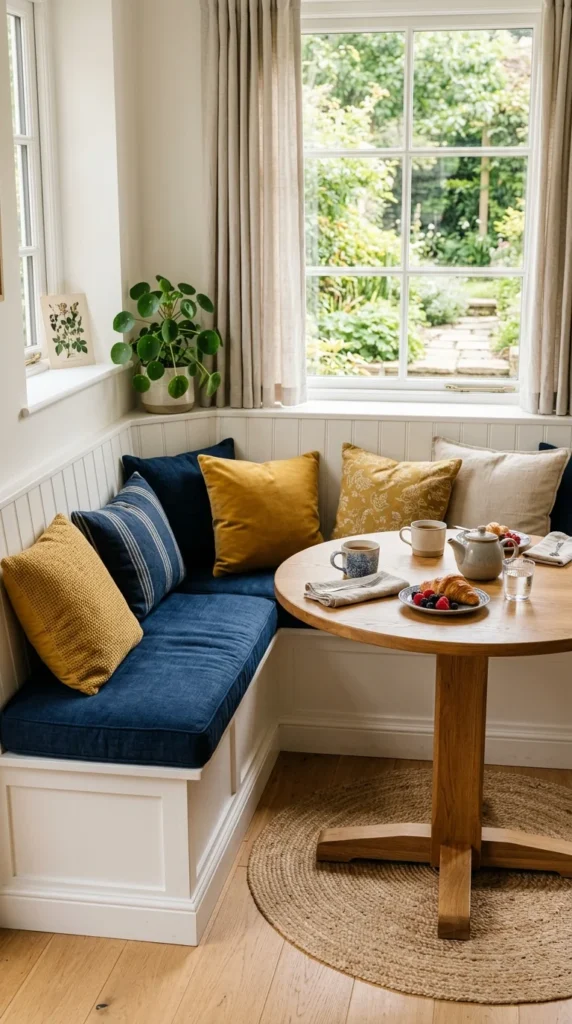
There is something inherently snug about a booth or a banquette. By tucking a seating area into a corner or along a wall, you create a “nook” feeling that encourages closeness. Banquettes are incredibly practical for family gatherings because they can often accommodate more people than individual chairs—perfect for when the kids bring friends over. Enhance the comfort by adding plush back cushions and a few throw pillows. This setup transforms the dining area into a multi-purpose space where family members might want to sit and do homework or sip coffee long after the meal is finished.
4. Layered Rugs
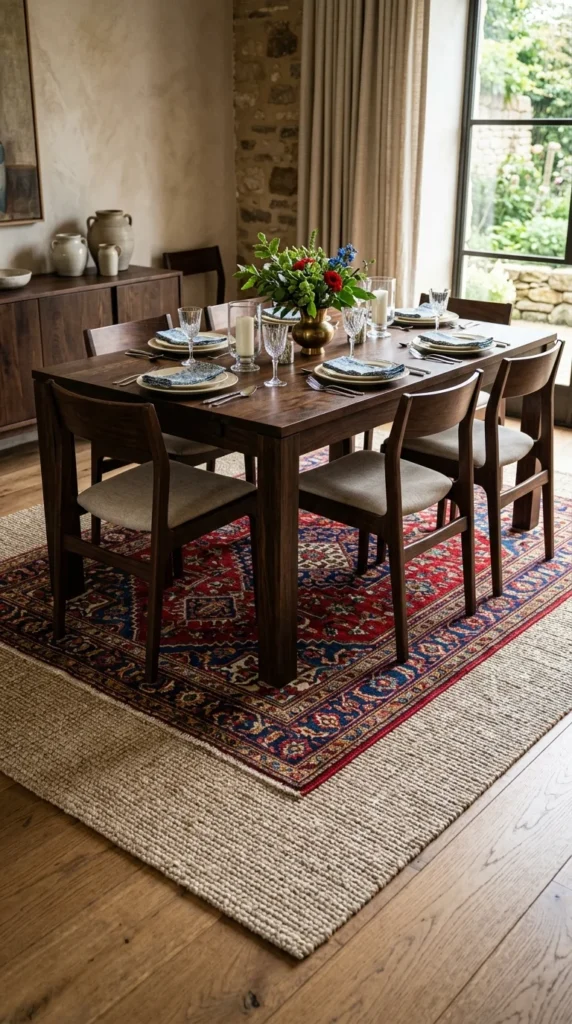
Hardwood or tile floors can often feel cold and echoing. To anchor the room and add a sense of physical and visual warmth, use rugs. For an extra dose of coziness, try layering them. Start with a large, neutral jute or sisal rug that covers most of the floor area, and then place a smaller, more colorful or textured rug—like a vintage Persian or a soft faux-fur—directly under the table. This not only provides a soft landing for feet but also acts as acoustic insulation, dampening the sound of clinking silverware and loud chatter, making the space feel more private.
5. Earthy Tones
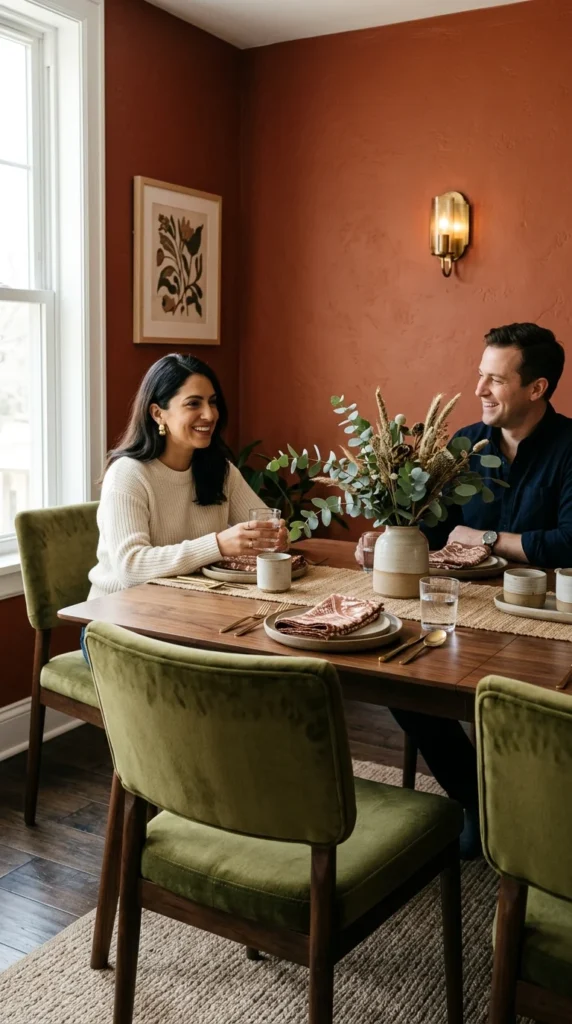
Color psychology plays a massive role in how we perceive a room’s “temperature.” While cool whites and greys can feel modern and clean, they often lack the “hug” factor of warmer tones. Consider a palette of earthy hues: terracotta, sage green, mustard yellow, or deep chocolate brown. If you aren’t ready to paint the walls, you can introduce these colors through curtains, tablecloths, or artwork. These shades mimic the colors found in nature during autumn, evoking a sense of harvest, abundance, and homey comfort.
6. Farmhouse Tables
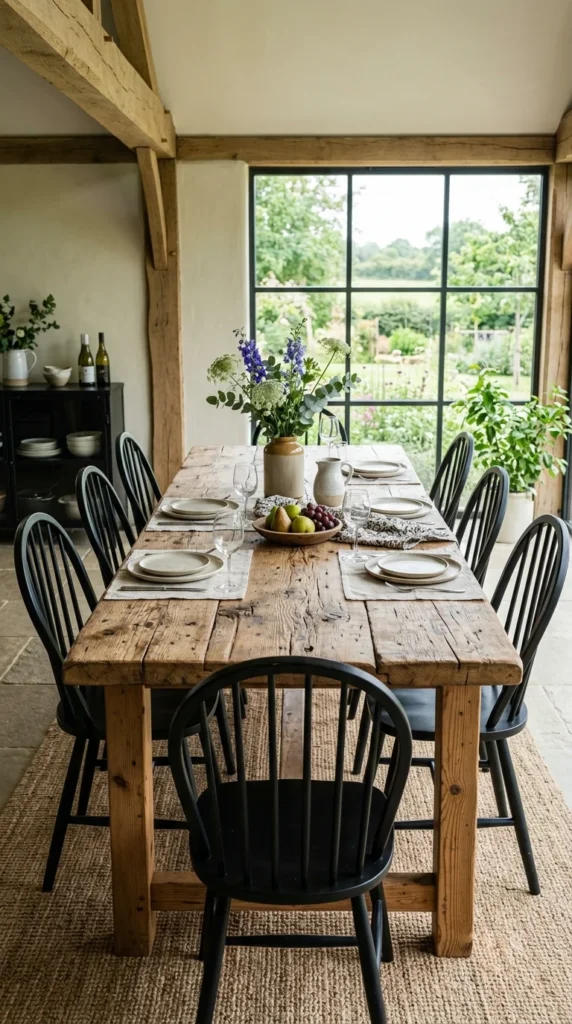
The table is the centerpiece of the dining room, and a farmhouse-style table is the gold standard for family gatherings. Characterized by their sturdy construction and often made from reclaimed wood, these tables are designed to take a beating and look better for it. The large surface area provides plenty of room for “family style” serving platters, while the rustic aesthetic suggests that the room is a place for relaxation rather than formal posturing. A farmhouse table says that everyone is welcome and there is always room for one more.
7. Soft Textiles
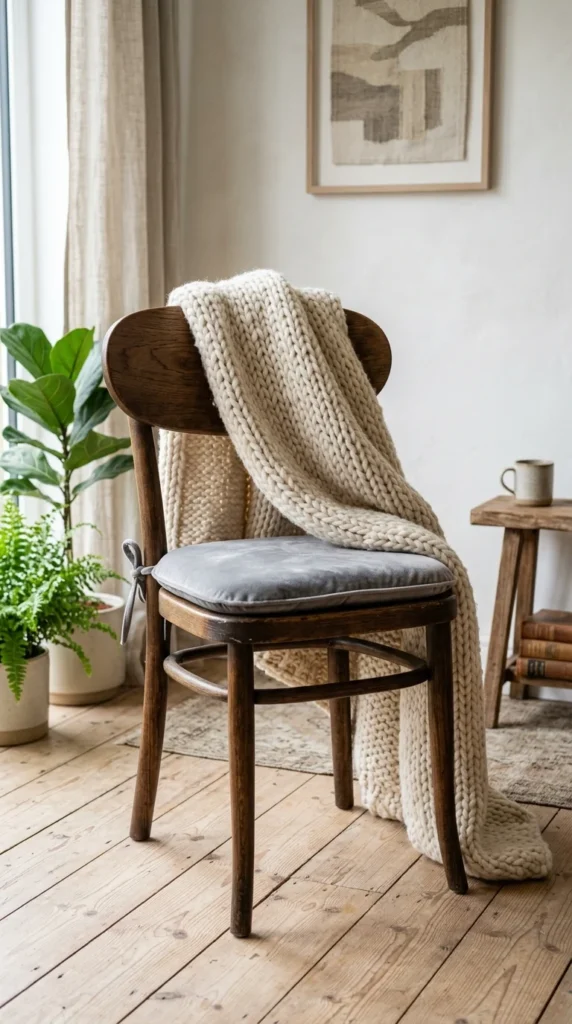
To truly make a dining room cozy, you need to soften the “hard” surfaces. Incorporate textiles wherever possible. This could mean upholstered dining chairs, long flowing drapes that pool slightly on the floor, or a high-quality linen table runner. For a particularly cozy touch during the winter months, drape individual sheepskins or soft knit throws over the backs of the chairs. Not only does this look incredibly inviting, but it also provides actual physical warmth for guests who might get a bit chilly during a long evening of conversation.
8. Indoor Greenery
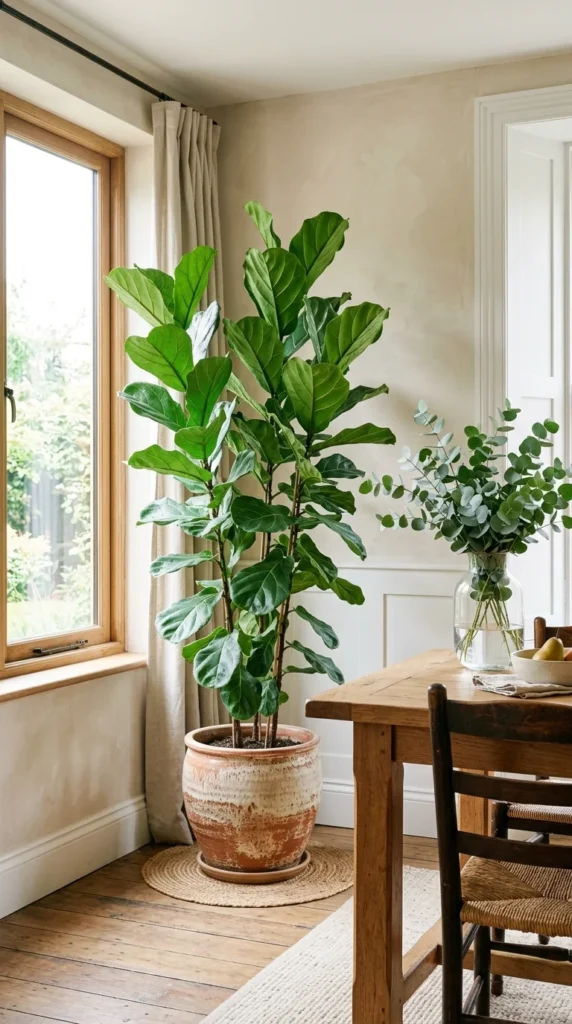
Plants bring life into a room, literally. They fill empty corners, add height, and introduce a vibrant splash of color. A large potted plant, like a Fiddle Leaf Fig or a Monstera, can make a high-ceilinged dining room feel more enclosed and intimate. On the table itself, skip the formal, stiff floral arrangements and go for something more relaxed, like a vase of dried eucalyptus or a bowl of moss. The presence of greenery helps to purify the air and creates a calming, tranquil environment that encourages guests to relax.
9. Vintage Accents
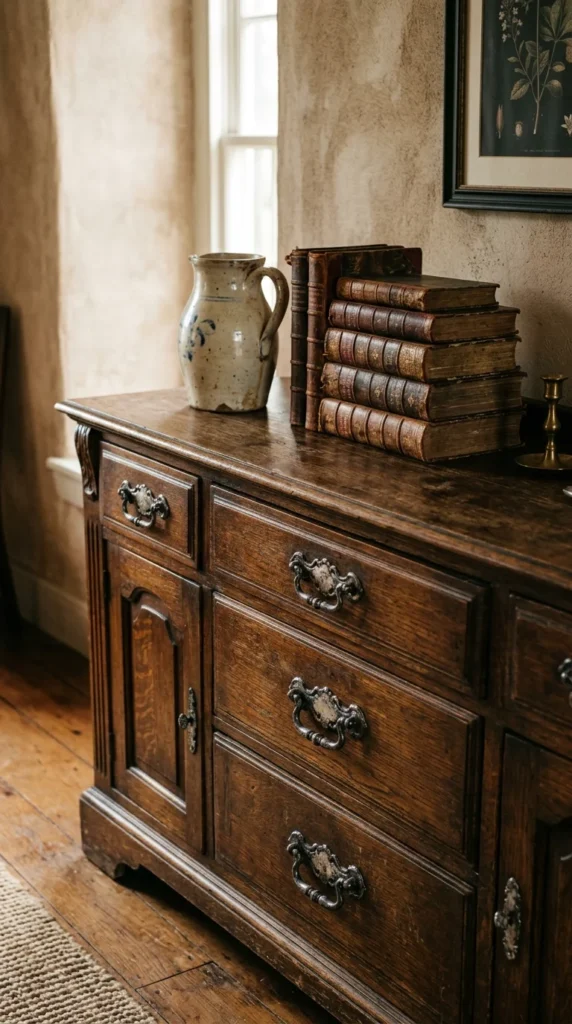
A room filled entirely with brand-new furniture can sometimes feel sterile, like a showroom. To give your dining room a “soul,” incorporate vintage or heirloom pieces. An antique sideboard, a set of mismatched vintage glassware, or an old oil painting found at a thrift store can give the room a sense of history. These pieces tell a story and provide a conversation starter for family gatherings. The “patina” of age—the slight scuffs on a cabinet or the fading of an old rug—adds a layer of cozy authenticity that new items simply cannot replicate.
10. Open Shelving
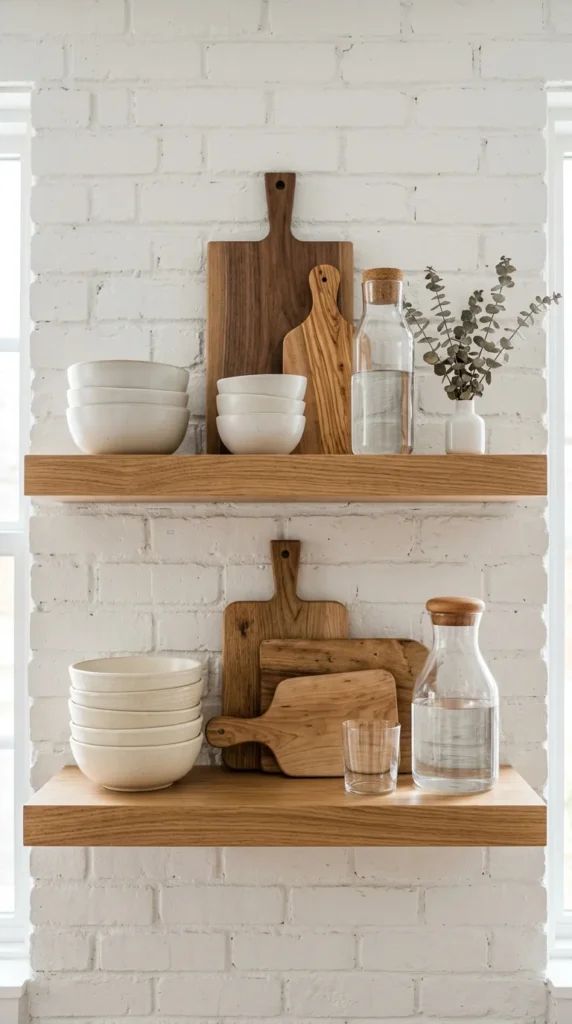
If your dining room has the space, replace a closed-door cabinet with open shelving. This allows you to display your most beautiful dishes, cookbooks, and glassware. It creates a “kitchen-adjacent” feel that is very welcoming; it suggests that the tools for a good meal are always within reach. Seeing stacked plates and bowls creates a visual sense of abundance and preparation. You can also use these shelves to display personal items like family photos or travel souvenirs, making the dining room feel more like a personal gallery of your family’s life together.
11. Candlelit Ambiance
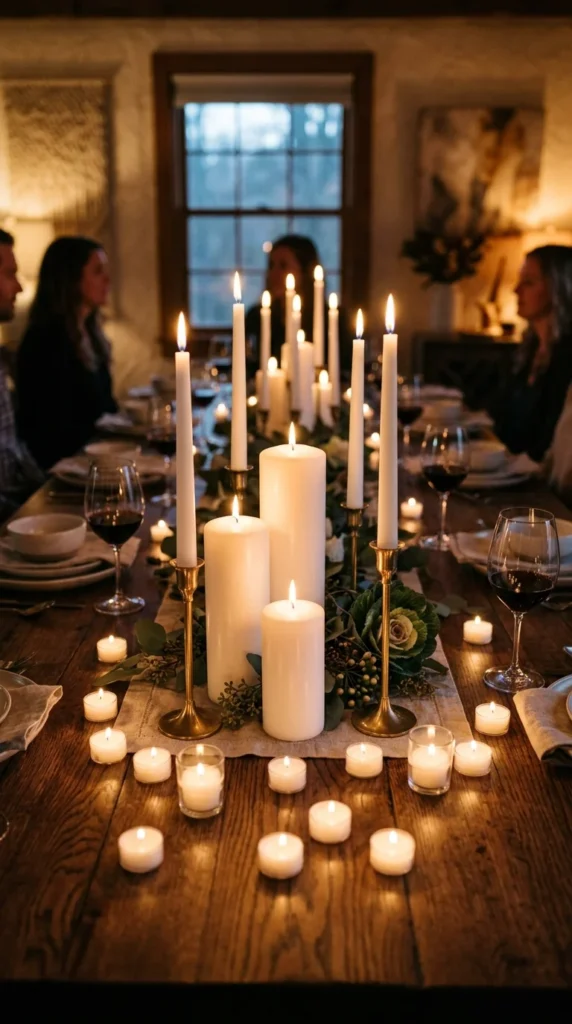
Never underestimate the power of a candle. While electric lighting is necessary, the flickering flame of a candle provides a primal sense of comfort and warmth. For a family gathering, create a centerpiece using candles of various heights—tapers, pillars, and votives. The movement of the light creates a dynamic, enchanting atmosphere. Just be sure to use unscented candles on the dining table so that the fragrance doesn’t compete with the aroma of the food you’ve worked so hard to prepare.
12. Mismatched Chairs
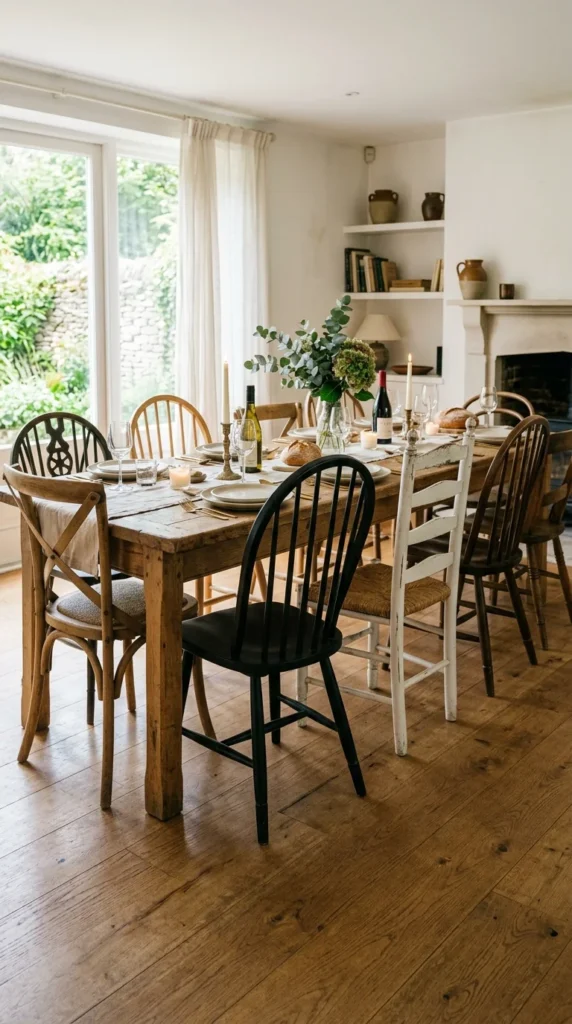
Strict symmetry can sometimes feel a bit stiff and formal. To break the ice and create a more relaxed, “bohemian cozy” vibe, try using mismatched dining chairs. You can keep a sense of cohesion by ensuring they are all made of the same material (like wood) or by painting them all the same color. This eclectic approach feels gathered over time and suggests a family that is flexible, creative, and unpretentious. It’s a great way to make a large table feel less imposing and more like a collection of favorite seats.
13. Textured Walls
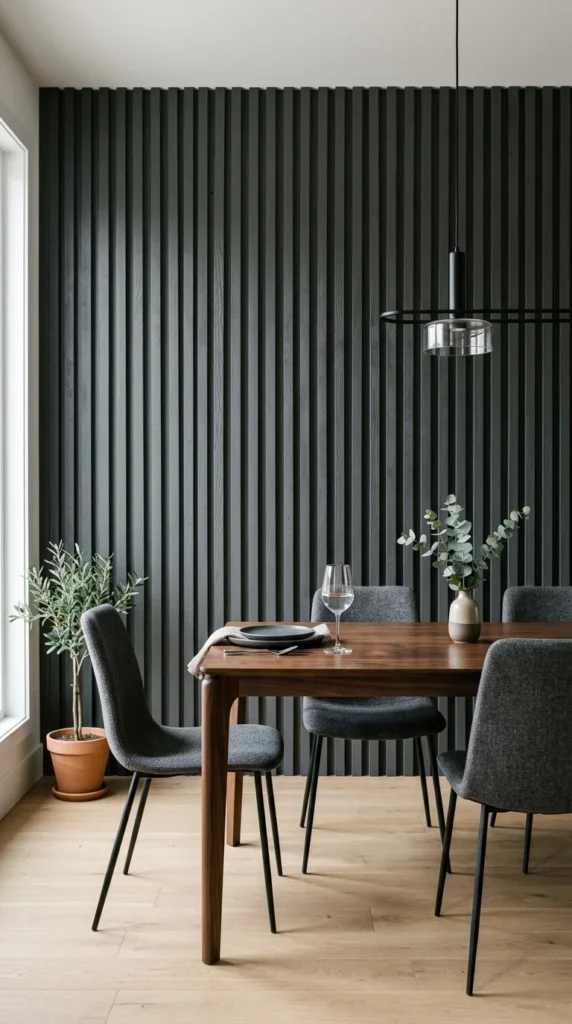
If your dining room feels a bit flat, consider adding texture to the walls. This doesn’t necessarily mean a bold pattern; it can be as subtle as grasscloth wallpaper, wood paneling, or a “shiplap” accent wall. Even a limewash paint finish can add a velvety, stone-like texture that absorbs light rather than reflecting it, making the walls feel like they are closing in to give you a warm embrace. Textured walls provide a backdrop that makes every other element in the room—from the furniture to the food—pop with more intensity.