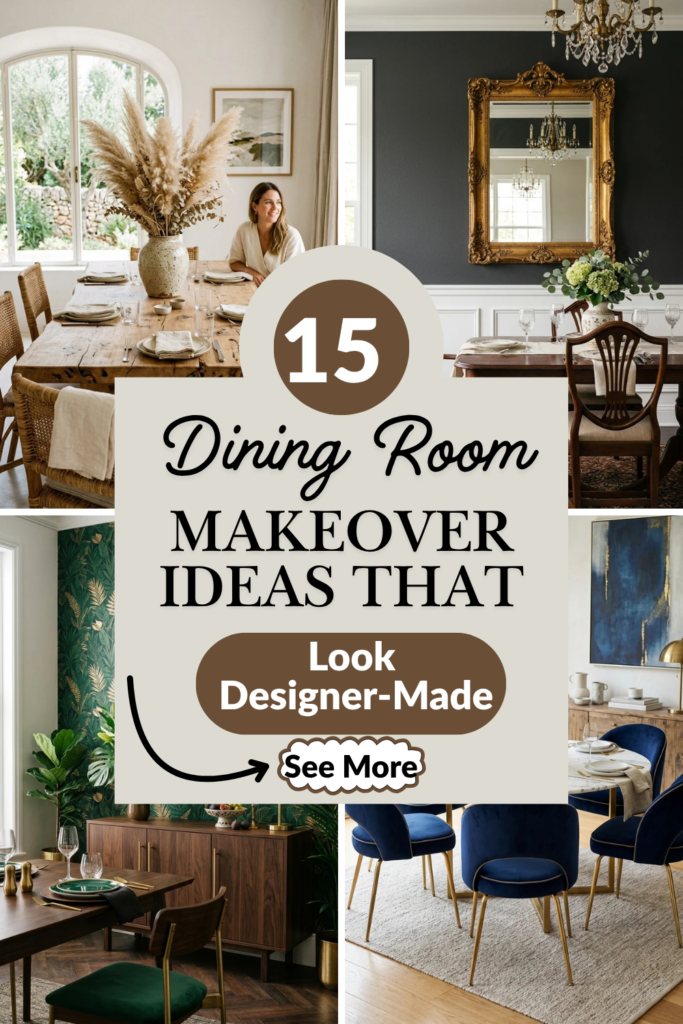

The dining room is often the heart of the home’s social life—a place where holiday feasts are shared, late-night conversations unfold, and daily rituals are performed. However, many homeowners find themselves stuck with a “builder-grade” look that lacks personality. Turning a mundane eating area into a designer masterpiece doesn’t always require a complete gut renovation. By focusing on texture, lighting, and architectural details, you can elevate your space to a professional level. Here are 15 designer-approved makeover ideas to transform your dining room.
1. Statement Lighting
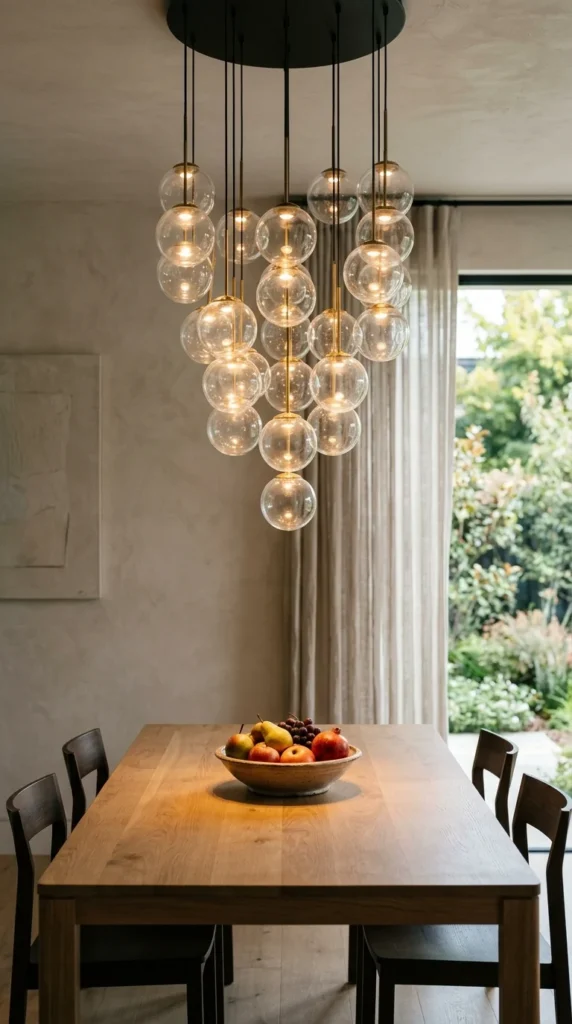
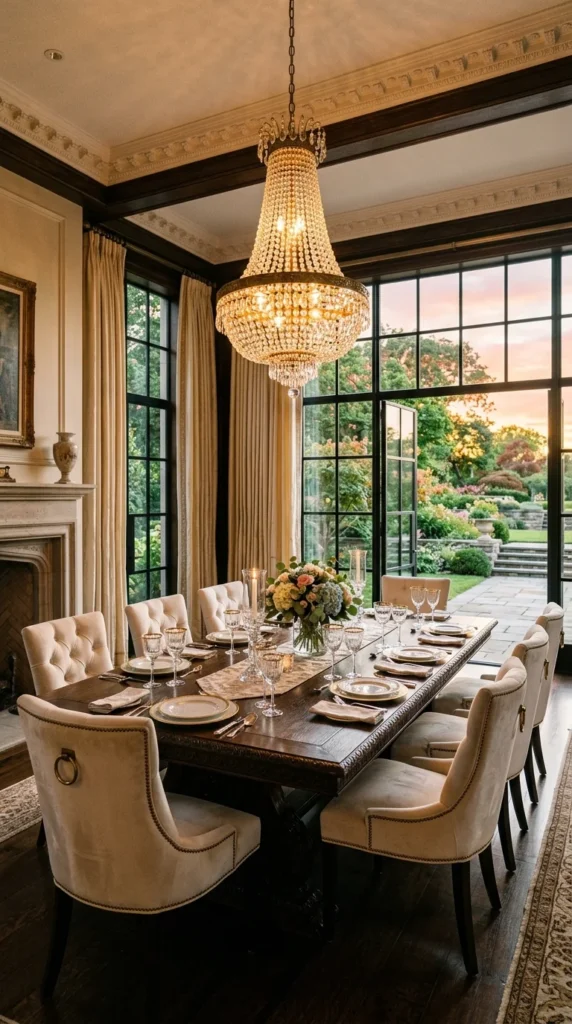
Nothing kills a designer vibe faster than a generic, undersized light fixture. To achieve a professional look, you need to think of your lighting as the “jewelry” of the room. A statement chandelier or a pair of oversized pendants creates an immediate focal point and sets the tone for the entire aesthetic.
- Scale is Key: Most people choose fixtures that are too small. Aim for a light that is roughly one-half to two-thirds the width of your dining table.
- Layer the Light: Don’t rely solely on the overhead fixture. Supplement with wall sconces or a designer floor lamp in the corner to create a warm, inviting glow.
- The Dimmable Factor: Designers always install dimmer switches. Being able to control the intensity of the light is essential for transitioning from a bright breakfast to an intimate dinner party.
2. Bold Wallpaper
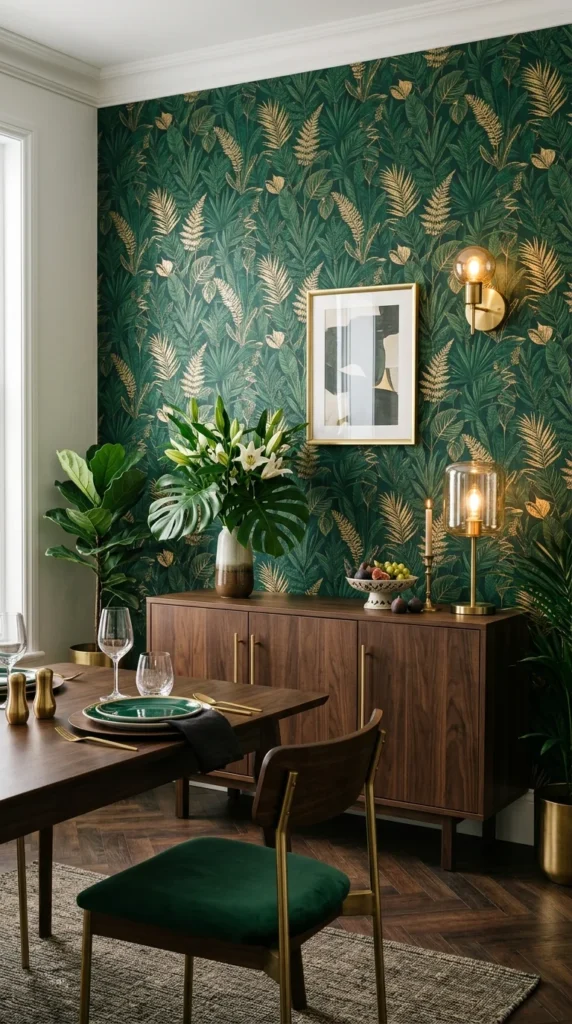
If you want to add instant character, look no further than wallpaper. Designers use bold patterns and rich textures to define the dining space, especially in open-concept homes where the dining area needs to feel like its own distinct “zone.”
- Textural Grasscloth: For a sophisticated, organic feel, grasscloth adds depth and a subtle sheen that paint simply cannot replicate.
- Murals: A large-scale landscape or abstract mural can turn a boring wall into a conversation-starting piece of art.
- Ceiling Surprise: If you’re hesitant about all four walls, consider papering the “fifth wall”—the ceiling—to add an unexpected layer of luxury.
3. Custom Wainscoting
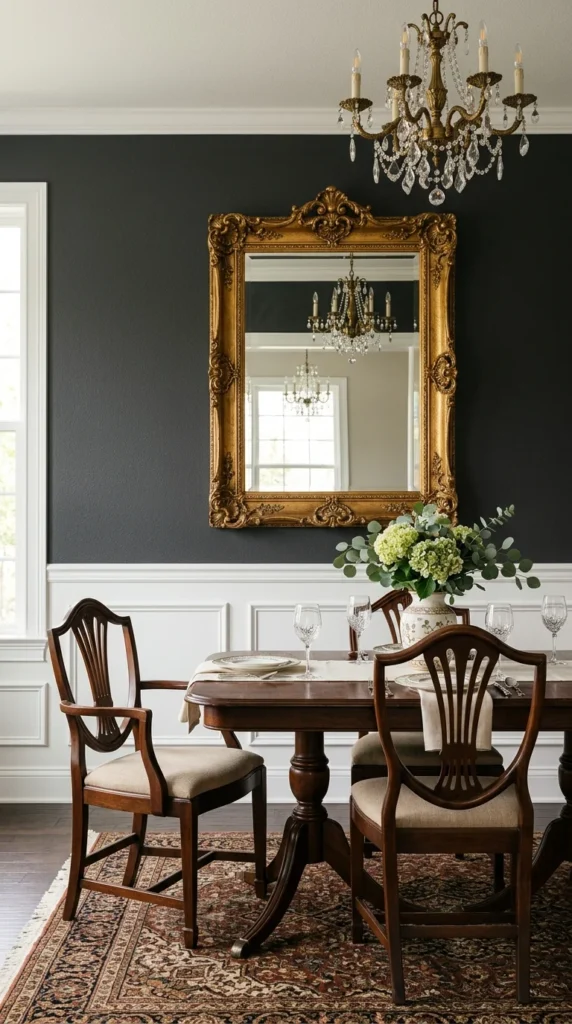
Architectural interest is what separates a custom home from a standard one. Adding wainscoting, shiplap, or picture frame molding provides a sense of history and permanence to the room.
- Classic Box Molding: This is a relatively easy DIY project that yields high-end results. It adds rhythmic geometry to the walls.
- High Contrast: Paint the molding a crisp white and the wall above it a deep, moody color like navy or forest green for a dramatic, designer look.
- Modern Slats: For a contemporary feel, vertical wooden slats can add a Zen-like, architectural vibe that feels very “now.”
4. Velvet Seating
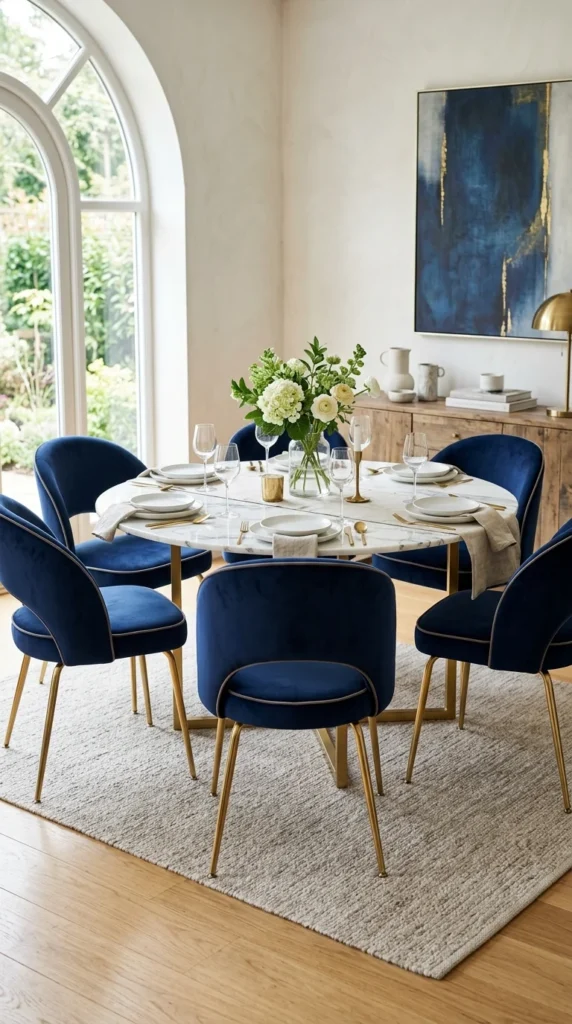
Texture is a designer’s secret weapon. Velvet dining chairs not only provide a tactile luxury but also introduce a richness of color that flat fabrics can’t match.
- Durability: Modern performance velvets are incredibly easy to clean, making them practical for families while still looking high-end.
- Mix and Match: You don’t have to have a matching set. Try velvet “host chairs” at the ends of the table with simpler upholstered chairs along the sides.
- Jewel Tones: Ruby reds, sapphire blues, and emerald greens in velvet catch the light beautifully, especially under a chandelier.
5. Natural Elements
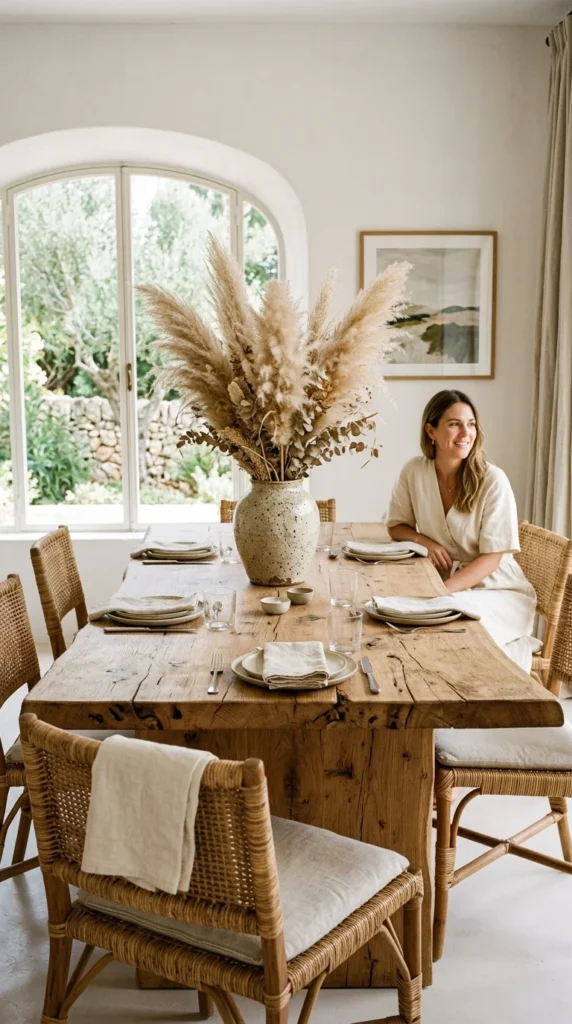
A designer-made room often feels balanced by a mix of man-made and organic materials. Introducing natural wood, stone, or woven fibers prevents the room from feeling too sterile or clinical.
- Live-Edge Tables: A massive wood slab with its natural curves intact serves as a piece of functional art.
- Stone Surfaces: Marble or travertine dining tables are timeless and scream luxury.
- Natural Fibers: Jute or sisal rugs underfoot add a grounded, earthy element that balances out metallic or glass accents.
6. Monochromatic Palette
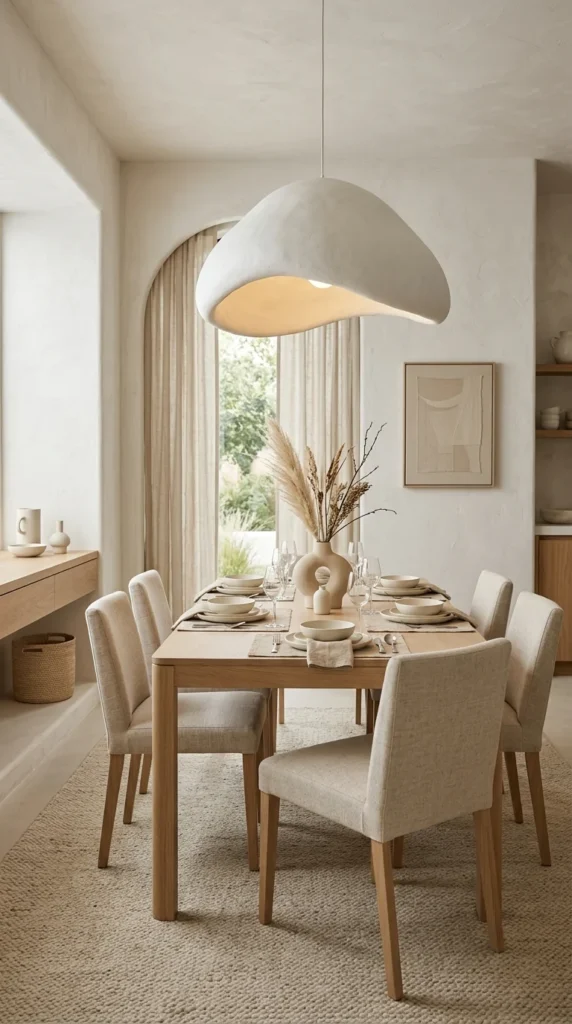
One of the easiest ways to achieve a high-end look is through a monochromatic color scheme. By using varying shades of the same color, you create a space that feels cohesive, calm, and curated.
- Vary the Textures: When working with one color, texture becomes your best friend. Mix linen, wood, stone, and wool to keep the room from looking flat.
- Moody Tones: An all-black or all-charcoal dining room is an incredibly bold designer move that feels intimate and sophisticated.
- Light and Airy: All-white or cream rooms feel expansive and expensive, especially when paired with high-quality materials.
7. Layered Rugs
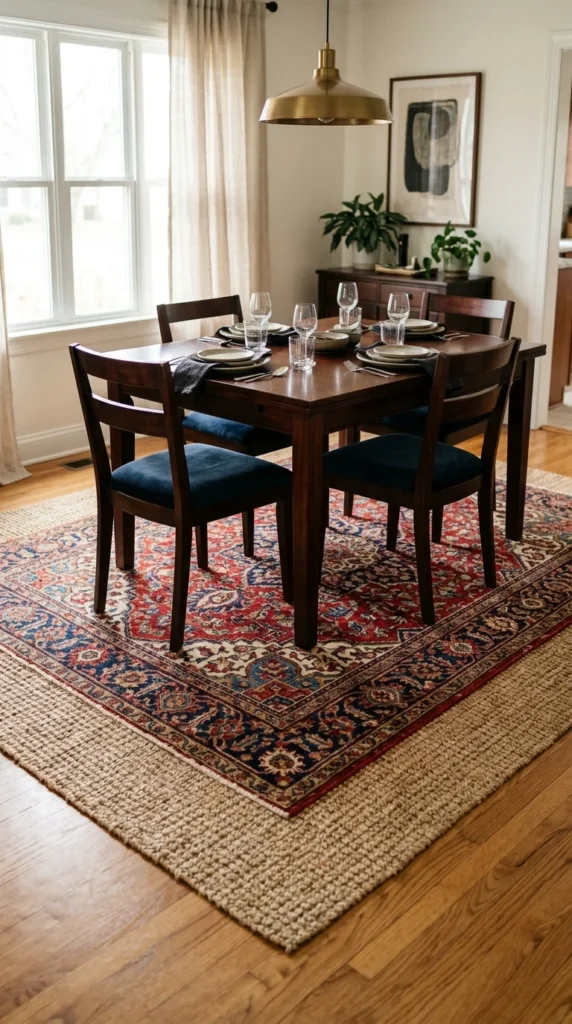
Rugs act as the anchor for the dining room. A common designer trick is layering rugs to add depth, warmth, and a touch of eclectic charm.
- The Grounding Base: Start with a large, neutral rug (like sisal or jute) that is big enough for all chair legs to remain on it even when pulled out.
- The Decorative Layer: Place a smaller, high-quality wool or vintage rug on top to add color and pattern.
- Sound Dampening: Rugs are essential in dining rooms with hard floors to help absorb sound, making for a much better dining experience.
8. Bespoke Cabinetry
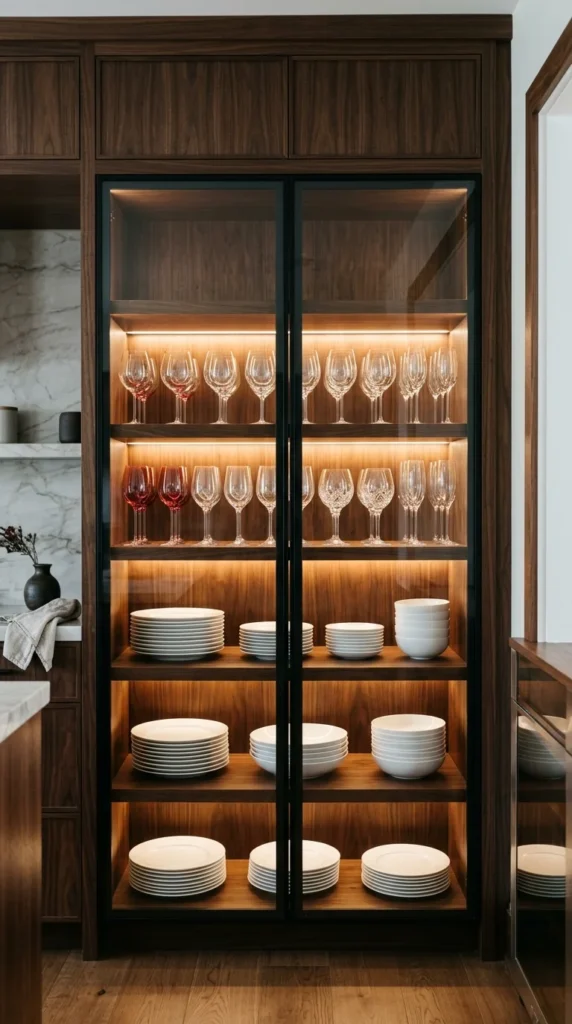
A “designer” dining room isn’t just about the table and chairs; it’s about the functionality of the space. Custom built-ins or a high-quality sideboard provide necessary storage while elevating the room’s architecture.
- The Dry Bar: Incorporating a dedicated area for glassware and spirits turns your dining room into an entertainment hub.
- Display Shelving: Use open shelving to showcase a curated collection of ceramics or vintage cookbooks.
- Hidden Storage: Use cabinetry to hide away linens and seasonal decor, keeping the room clutter-free and polished.
9. Oversized Art
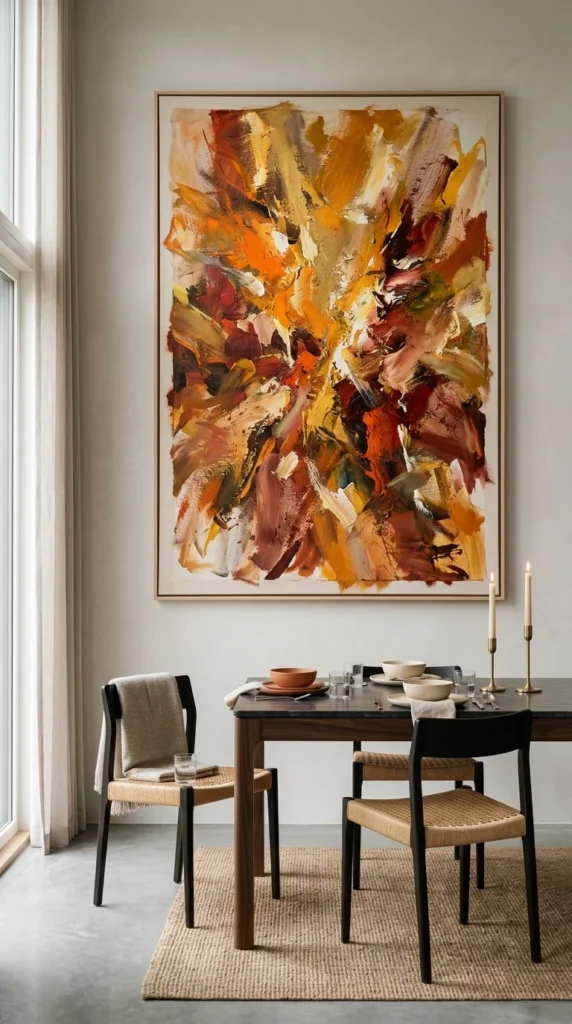
Nothing says “amateur” like a gallery wall of small, disjointed photos in a formal dining room. Designers often opt for one or two pieces of oversized art to create a powerful visual impact.
- Anchor the Room: A large piece of art should be roughly 75% the width of your sideboard or dining table.
- Abstract Power: Abstract art works well in dining rooms because it adds color and movement without being too distracting.
- Frame Matters: A high-quality frame (even for an affordable print) can make a piece of art look significantly more expensive.
10. Mixed Metals
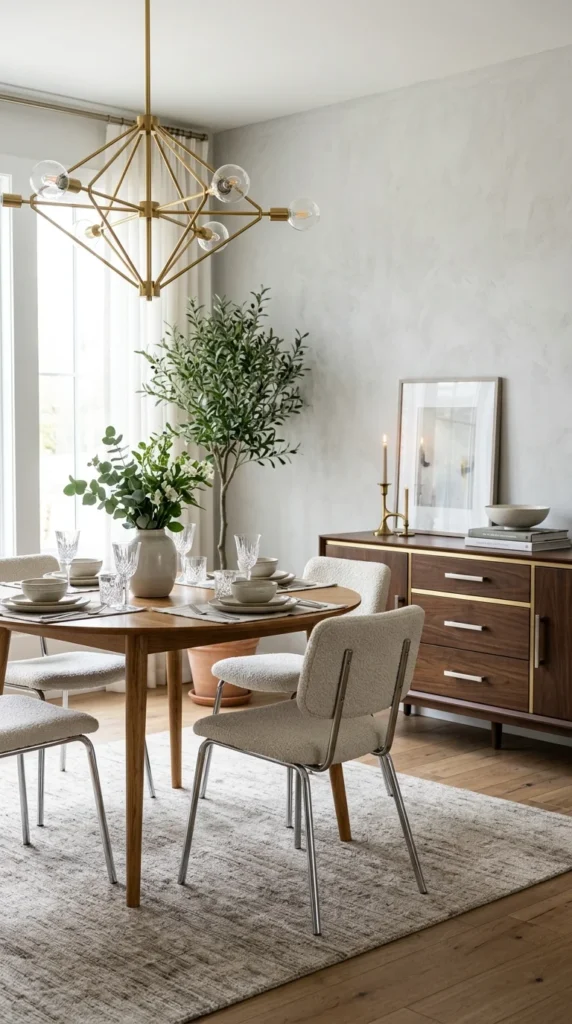
The old rule that all your metals must match is long gone. Designers frequently mix metals—such as brass, chrome, and matte black—to give a room a layered, “collected over time” feel.
- Find a Dominant Metal: Choose one metal to be your primary (about 60-70% of the room) and use others as accents.
- Distribute Evenly: Don’t put all the gold in one corner. Spread the different metal finishes throughout the room to keep the eye moving.
- The Matte Black Anchor: Use matte black hardware or frames to provide a modern, grounding element to shinier metals like brass.
11. Ceiling Details
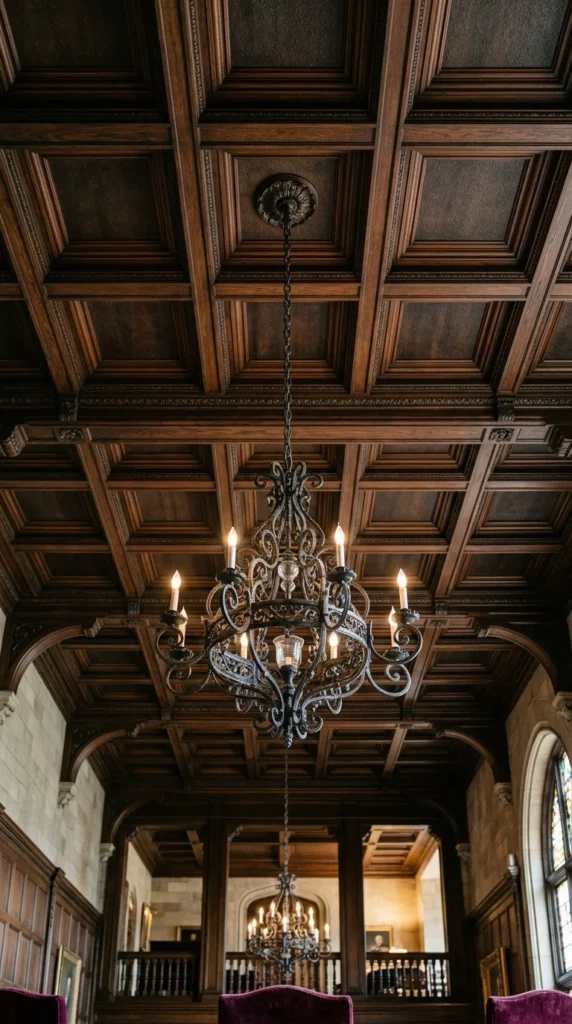
The “fifth wall” is frequently ignored, but designers know that the ceiling is prime real estate for a makeover. Adding detail here can make the room feel taller and more architecturally significant.
- Coffered Ceilings: These add a traditional, library-like feel that is perfect for formal dining.
- Beams: Reclaimed wood beams can give a dining room a rustic, Mediterranean, or modern farmhouse vibe.
- Paint It Dark: Painting the ceiling a darker color than the walls can create a cozy, “envelope” effect that is perfect for evening entertaining.
12. Window Treatments
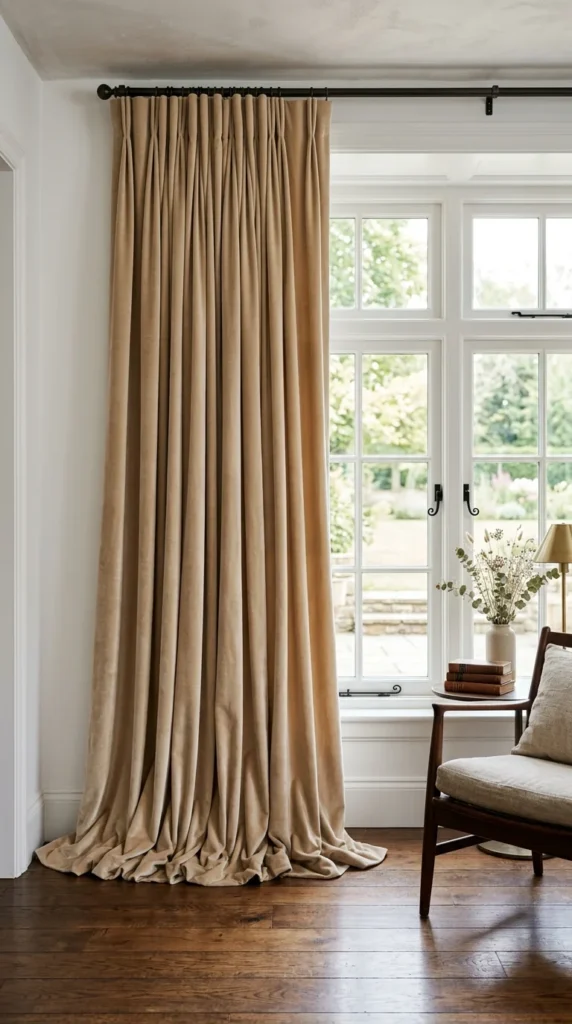
Bare windows can make even the most expensive dining room feel unfinished. High-end window treatments add softness, control light, and provide a sense of luxury.
- Go High and Wide: Hang your curtain rod several inches above the window frame and wider than the window itself to make the window (and the room) appear larger.
- Double Up: Use a combination of sheer linen for daytime privacy and heavy drapes for a formal look.
- Tailored Pleats: Opt for pinch-pleat or Euro-pleat headings for a custom, designer look rather than simple grommet-top curtains.
13. Mirror Walls
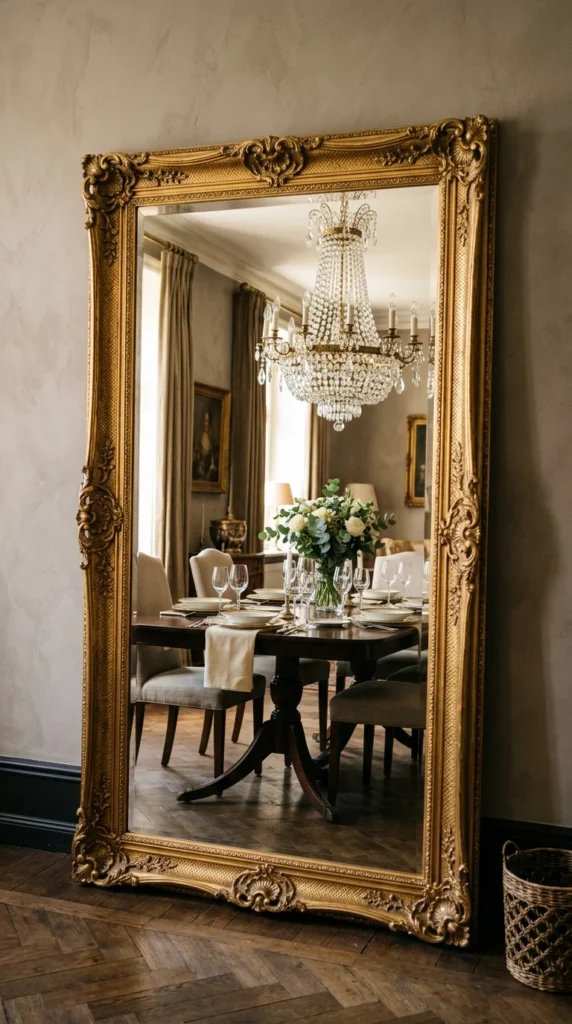
Mirrors are a classic designer trick for a reason. They bounce light around the room, making it feel larger and brighter, while also adding a touch of glamour.
- The Grid Mirror: A large mirror made of several smaller panes can look like an extra window and adds a French-chic aesthetic.
- Reflecting the Light: Position your mirror so it reflects your statement chandelier, doubling the “sparkle” in the room.
- Full Wall Mirrors: In smaller dining rooms, a floor-to-ceiling mirrored wall can visually double the size of the space.
14. Scandi Minimalism
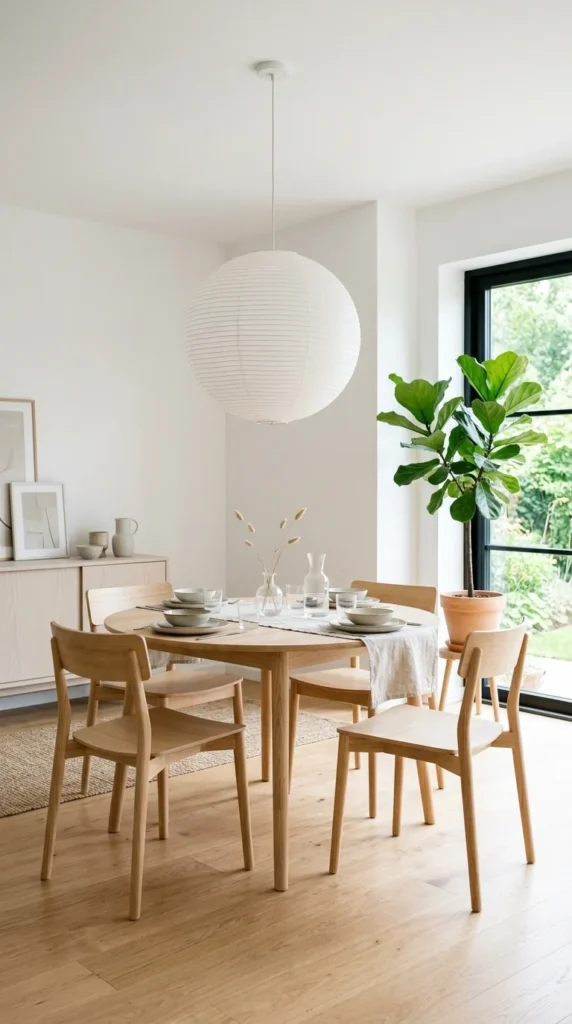
Sometimes, “designer-made” means knowing when to hold back. The Scandinavian approach focuses on high-quality materials, functional design, and a lack of clutter.
- Quality Over Quantity: Invest in one iconic piece—like a Wishbone chair or a Tulip table—and let it breathe.
- Neutral Palette: Stick to whites, greys, and light woods for a clean, timeless look.
- Natural Light: Keep window treatments minimal to allow as much natural light as possible to flood the space.
15. Tablescape Decor
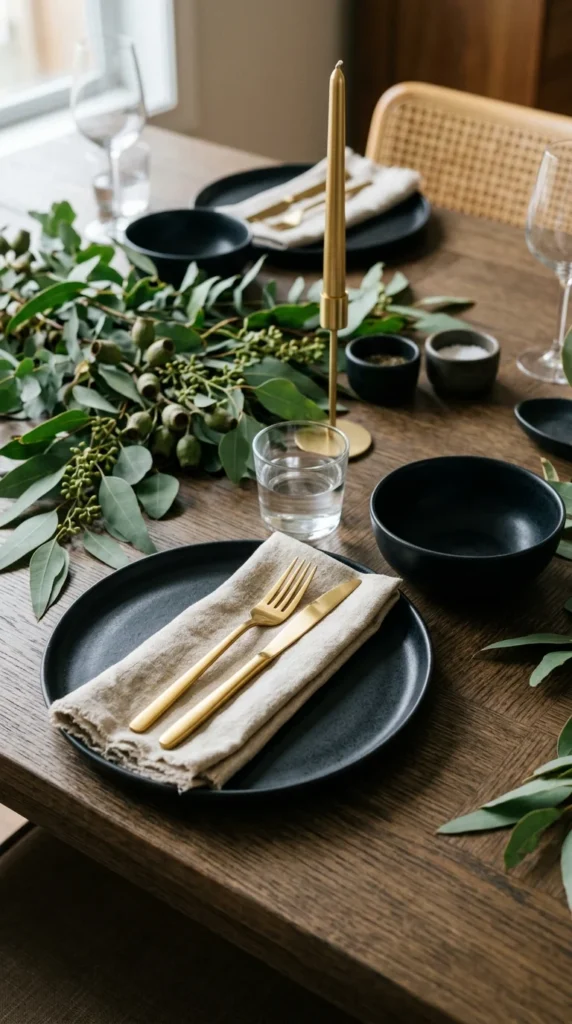
Finally, a designer-look dining room is never truly finished until the table is styled. Even when not in use, the table should have a “moment.”
- The Centerpiece: Avoid small, cluttered items. Instead, go for one large vase with seasonal branches or a sculptural bowl.
- Layered Settings: Use chargers, cloth napkins, and distinct glassware to create a sense of occasion.
- Taper Candles: Long, slim taper candles in varying heights add an immediate sense of elegance and vertical interest to the table.