
The entryway is more than just a transition zone; it is the “handshake” of your home. As we move into 2026, the focus for interior design has shifted toward a seamless blend of high-tech functionality and “warm minimalism.” No longer just a place to dump keys and shoes, the modern foyer is becoming a curated gallery that sets the emotional tone for the entire living space. From biophilic elements that purify the air to smart surfaces that charge your devices wirelessly, here are the top 15 entryway ideas that will define home design in 2026.
1. Smart Mirrors
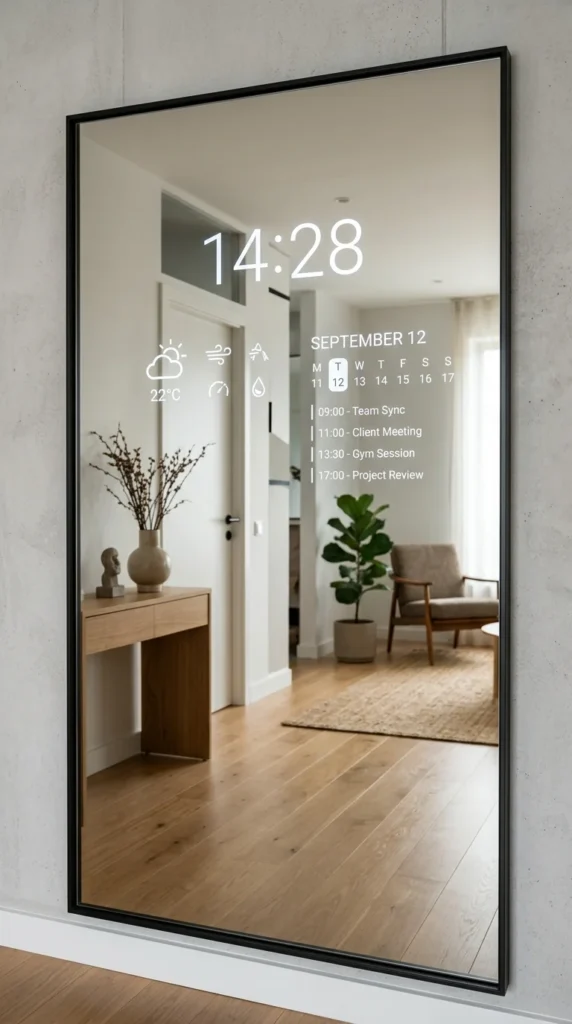
In 2026, mirrors do more than reflect your outfit. The “Smart Mirror” has become a staple for the busy professional. These mirrors are integrated with home automation systems, allowing you to check traffic reports, your morning schedule, or the status of your home security system while you do a final hair check. The design remains sleek and unobtrusive, appearing as a standard high-end mirror until activated by touch or voice.
2. Living Walls
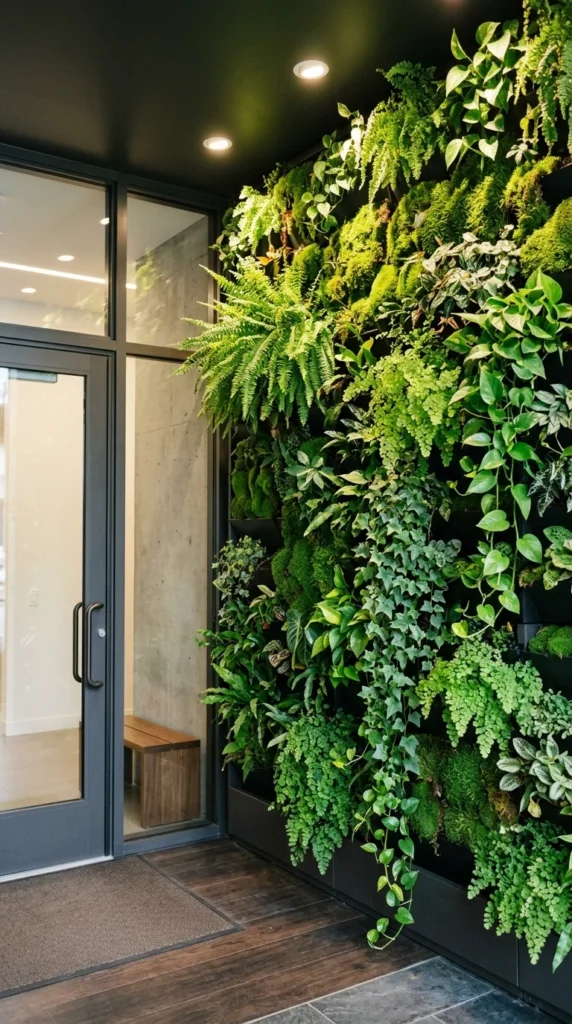
Sustainability and wellness are at the forefront of 2026 trends. Biophilic design has evolved from simple potted plants to full-scale “Living Walls.” These vertical gardens act as natural air purifiers, removing toxins and adding oxygen to the most high-traffic area of the home. Integrated irrigation systems make them low-maintenance, providing a lush, forest-like greeting every time you step through the door.
3. Curved Benches
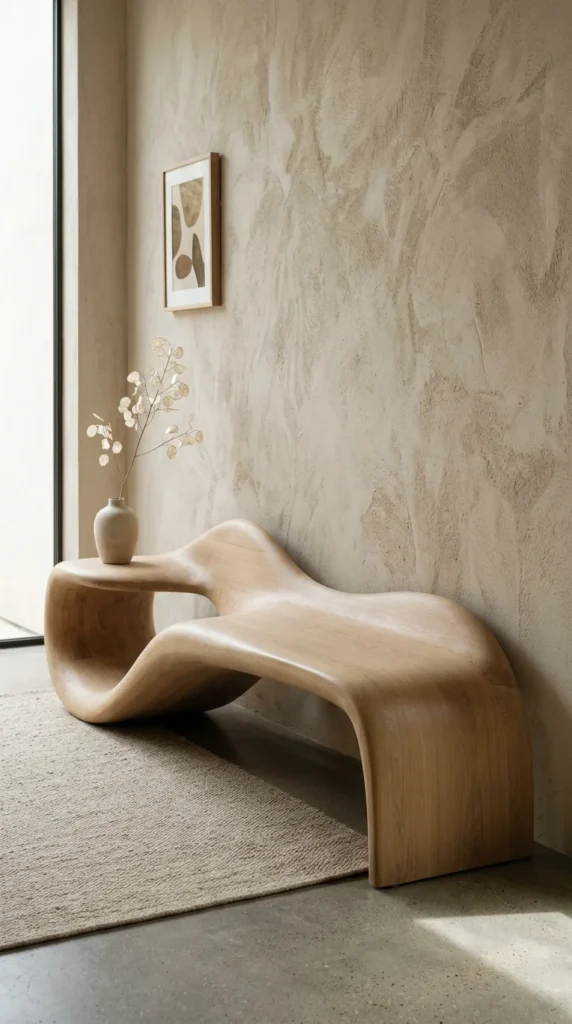
Sharp angles are being replaced by soft, organic curves to create a sense of calm. A curved bench serves as a functional piece of art, offering a comfortable place to remove shoes while breaking up the rigid lines of a hallway. Materials like light oak, walnut, or even high-end recycled polymers are popular choices for these fluid forms, adding a touch of “soft modernism” to the space.
4. Monochrome Palettes
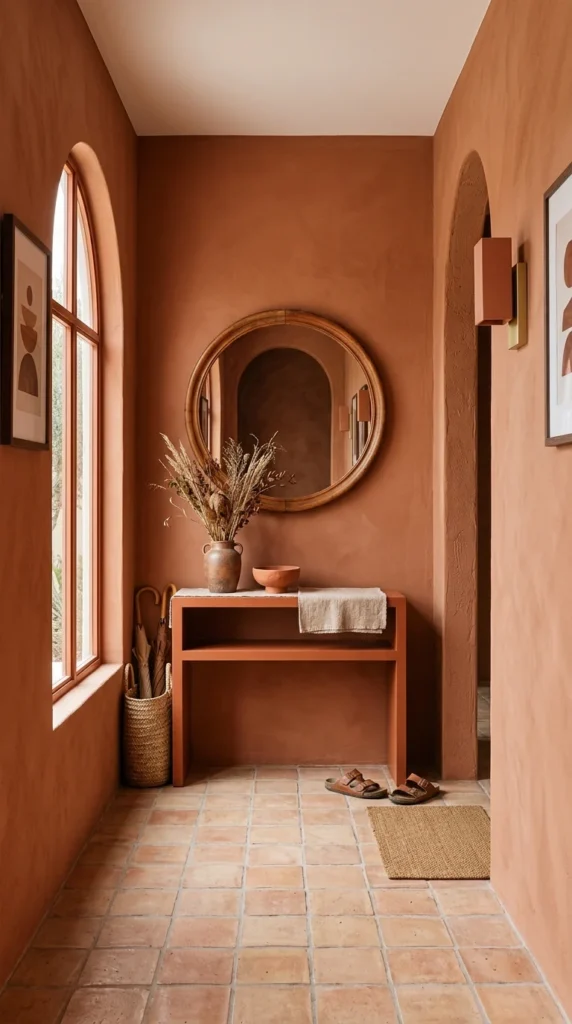
The “all-over” color look is a major trend for 2026. By using various textures and tones of a single color, you create a sophisticated and immersive environment. Whether it’s a deep forest green, a warm terracotta, or a serene mushroom grey, the monochrome approach makes even small entryways feel expansive and intentional. The key is to mix materials—think matte walls paired with glossy ceramics and plush rugs in the same color family.
5. Integrated Mudrooms
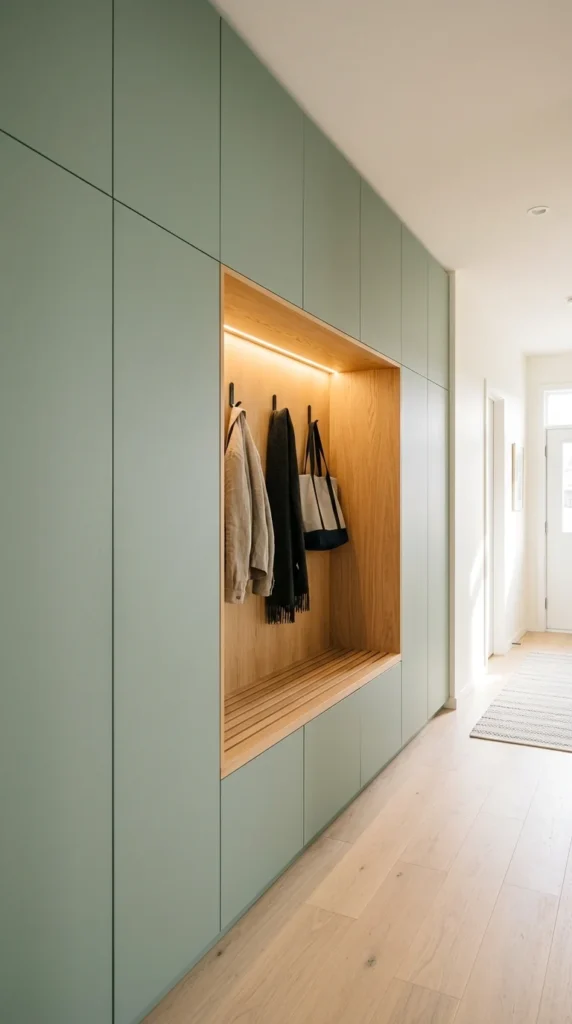
The messy mudroom of the past has been reimagined as a hidden storage marvel. In 2026, “Integrated Mudrooms” are built directly into the entryway architecture. Floor-to-ceiling cabinetry with “push-to-open” mechanisms hides away coats, sports gear, and shoes, keeping the visual clutter to a minimum. These units often feature custom charging stations inside the drawers for tablets and smartwatches.
6. Tactile Textures
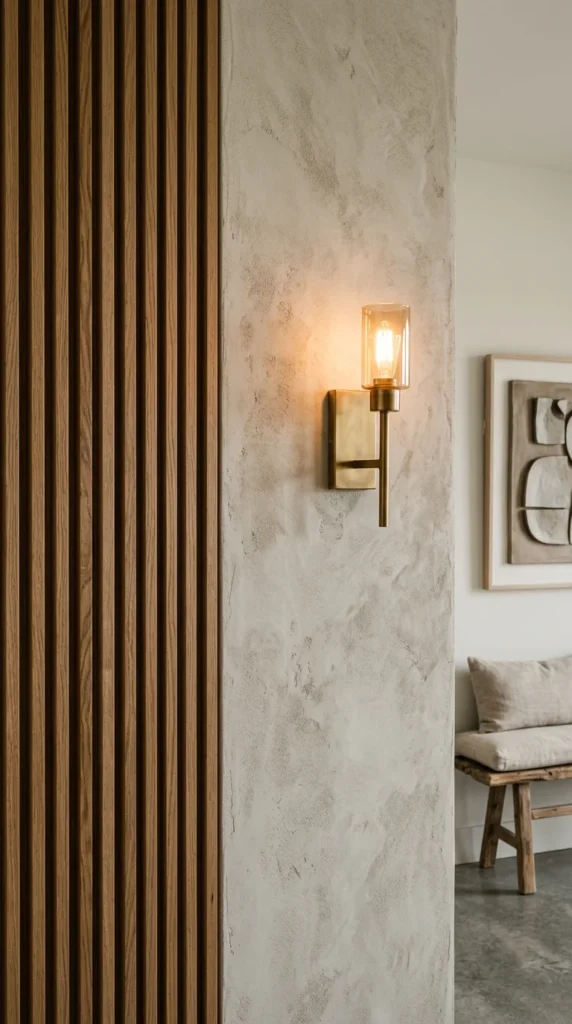
Flat, painted walls are out; texture is in. Homeowners are opting for tactile surfaces like fluted wood panels, lime wash finishes, or 3D acoustic tiles. These materials don’t just look beautiful; they also help dampen sound in echoing hallways. The interplay of light and shadow on a textured wall adds a layer of luxury that paint alone cannot achieve.
7. Statement Lighting
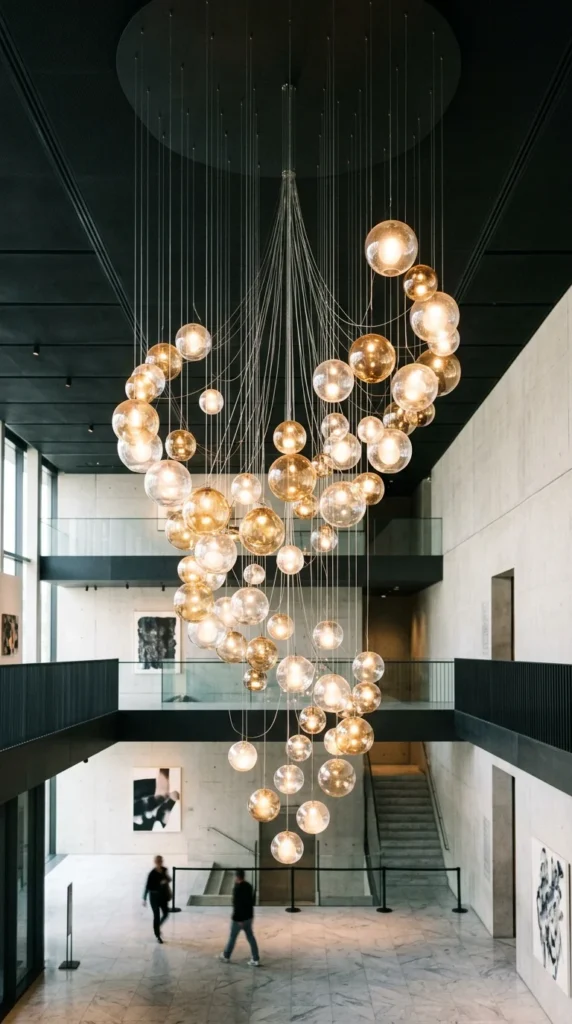
Lighting in 2026 is less about illumination and more about sculpture. A single, oversized statement piece can define the entire entryway. We are seeing a move toward “kinetic” lighting—fixtures that look like they are in motion. Whether it’s a massive mobile of glowing discs or a single hand-blown glass teardrop, the light fixture serves as the focal point that draws the eye upward.
8. Hidden Sanitization
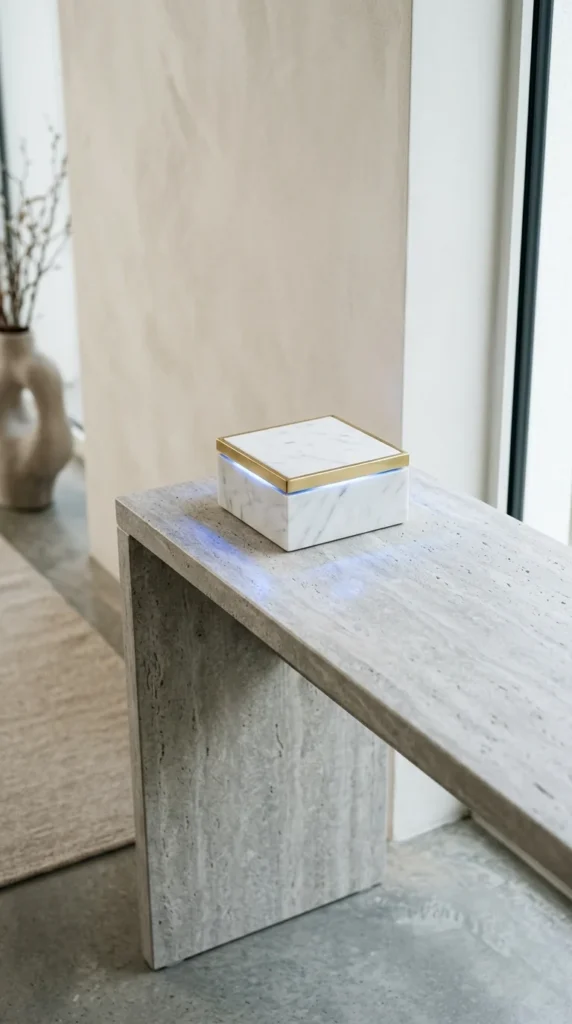
Health-conscious design remains a priority. Many entryways now feature “Hidden Sanitization” zones. This often looks like a beautiful marble or wooden box on a console table that secretly houses UV-C light technology. Upon entering, you can drop your keys, phone, and wallet into the box for a 60-second sanitization cycle, ensuring that germs from the outside world stay at the door.
9. Reclaimed Materials
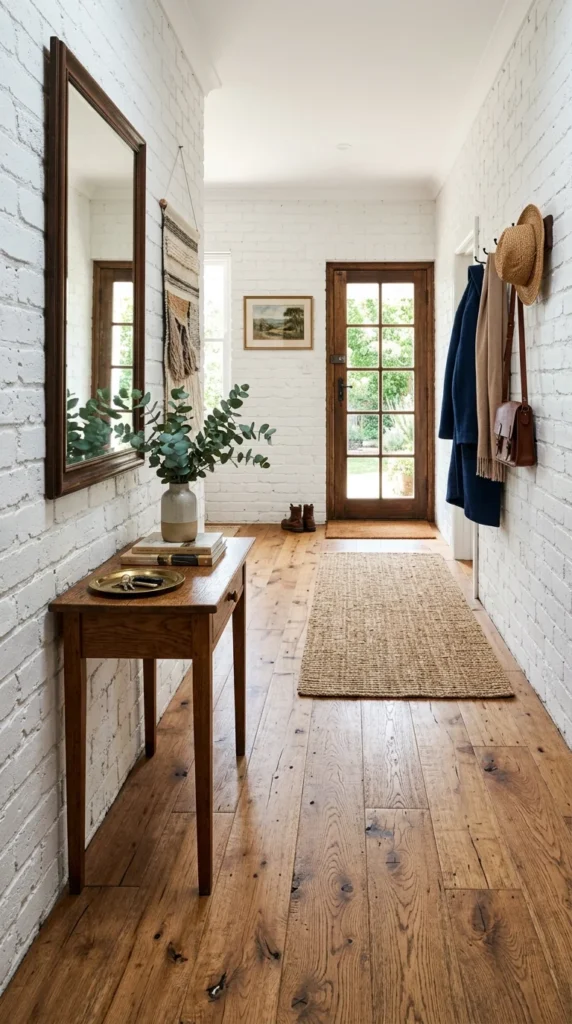
Eco-consciousness is driving a resurgence in reclaimed materials. Using salvaged wood for flooring or antique bricks for an accent wall adds a sense of history and “soul” to a brand-new home. In 2026, the trend is to pair these rugged, storied materials with ultra-modern elements—like a glass front door or a sleek metal bench—to create a “Rustic-Industrial” hybrid.
10. Oversized Art
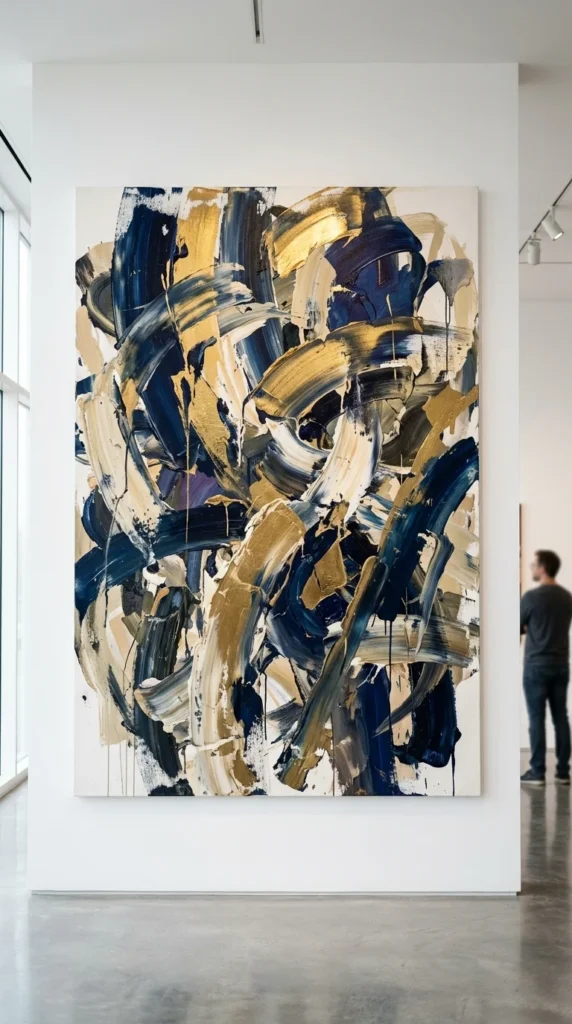
Small gallery walls are being replaced by the “Power Piece.” A single, massive work of art creates an immediate impact and simplifies the design. Large-scale abstract paintings or oversized black-and-white photography give the entryway a gallery-like feel. This approach makes the space feel more curated and less cluttered, focusing the visitor’s attention on one significant visual statement.
11. Floating Shelves
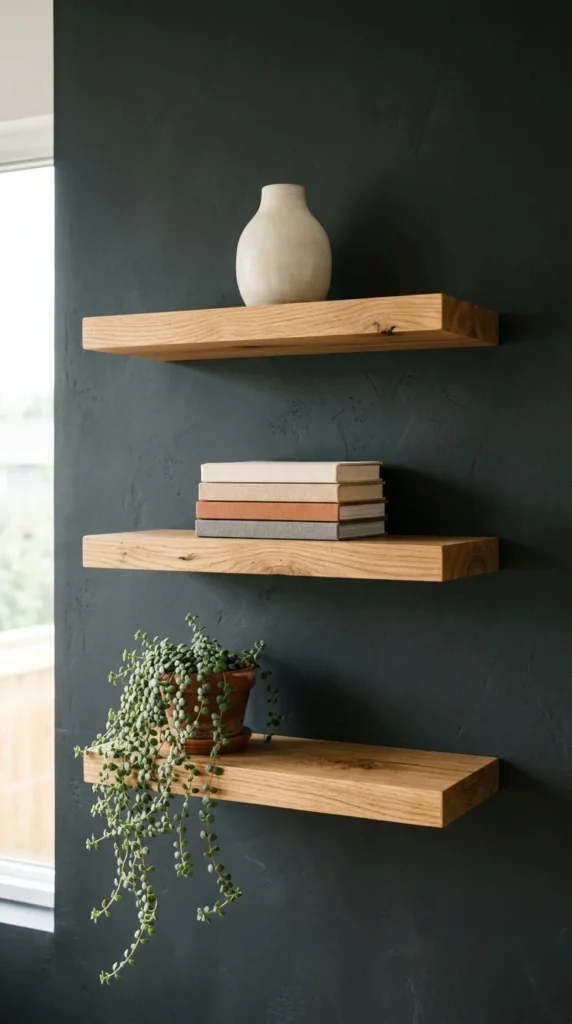
Minimalism continues to evolve with the use of floating architectural elements. Floating shelves offer a way to display decor without the bulk of a traditional console table. This is particularly effective in narrow entryways, as it keeps the floor clear and maintains an “airy” feel. In 2026, these shelves often feature integrated wireless charging pads hidden within the wood grain.
12. Biometric Access
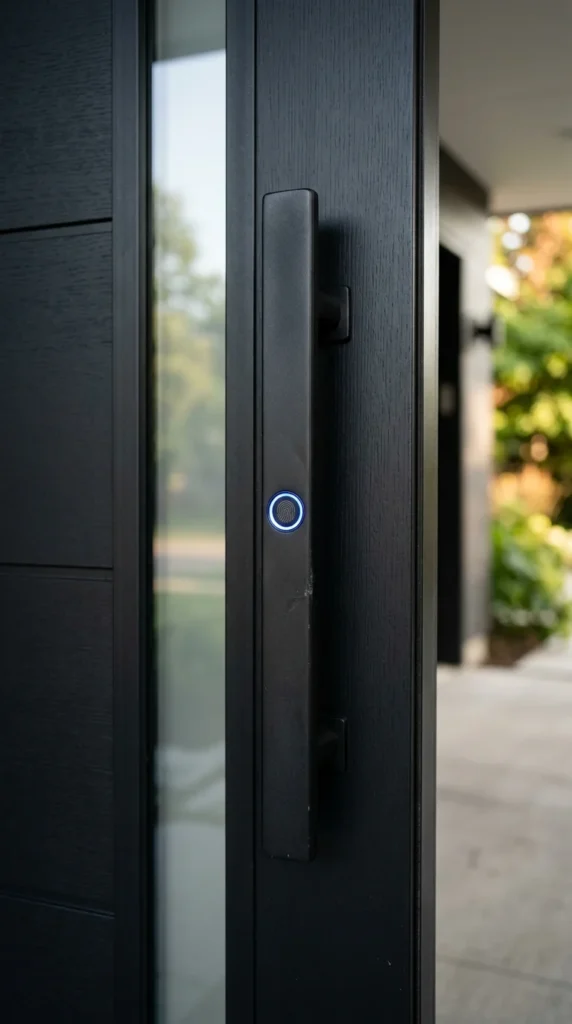
The traditional key is becoming a relic of the past. 2026 entryways feature seamless biometric integration. Fingerprint scanners, facial recognition cameras, and “tap-to-enter” phone technology are built directly into the door hardware or the surrounding wall. This not only increases security but also allows for a cleaner, more minimalist aesthetic on the exterior and interior of the door.
13. Indoor-Outdoor Flow
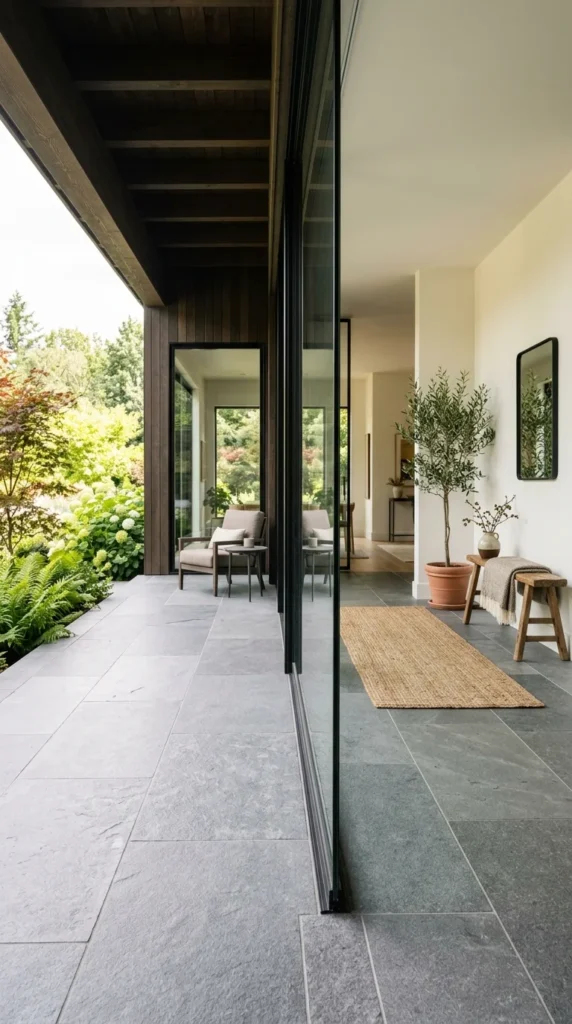
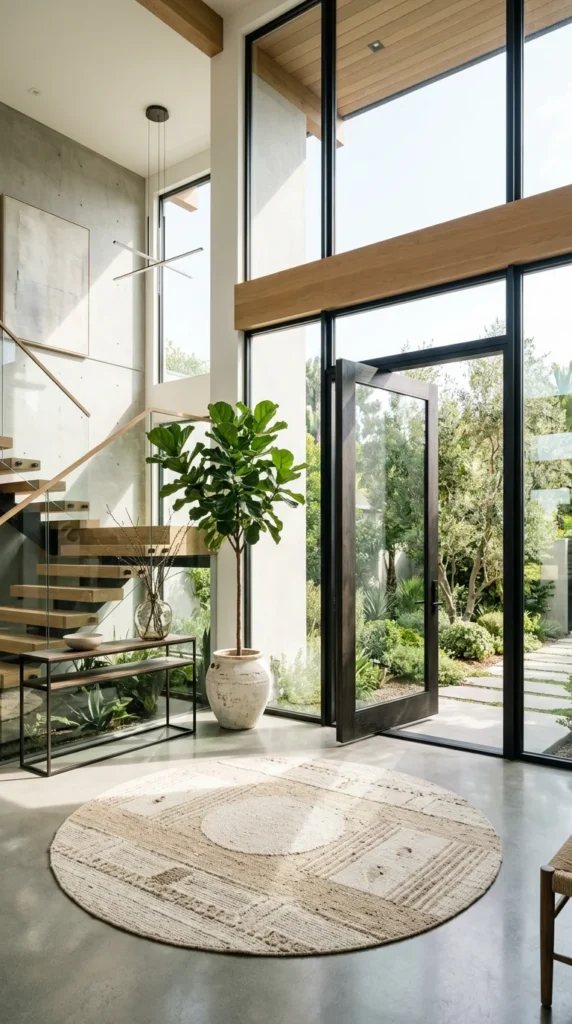
Modern architecture in 2026 is obsessed with “breaking the box.” This is achieved by using the same flooring material for both the exterior entryway and the interior foyer. When combined with a glass pivot door or a floor-to-ceiling window, the entryway feels like an extension of the outdoors. This trick makes the home feel significantly larger and more connected to nature.
14. Dark Academia
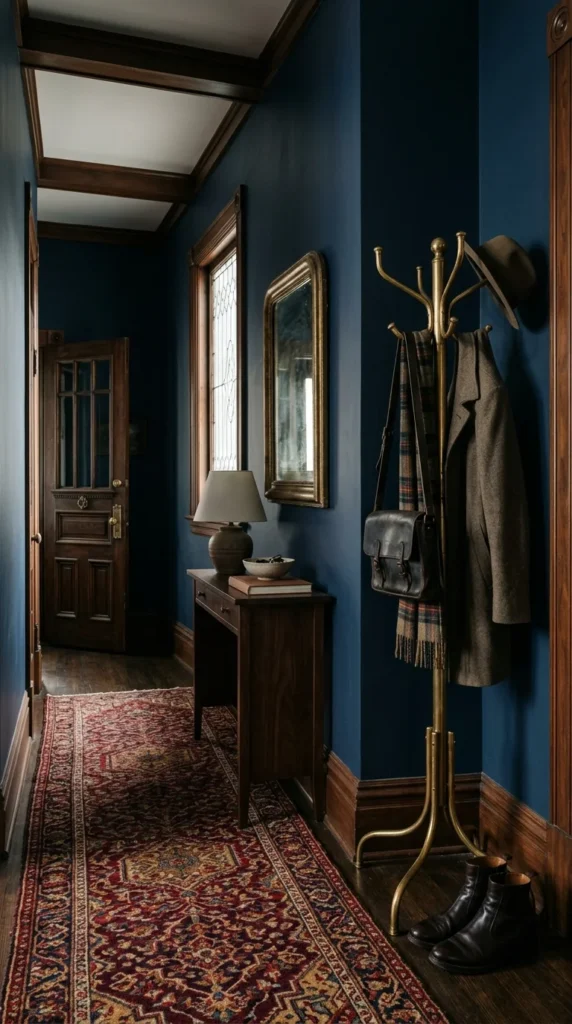
For those who find minimalism too cold, “Dark Academia” is the 2026 answer. This style focuses on rich, moody colors, library-inspired elements, and a sense of “old-world” mystery. Think dark-stained wood, brass accents, and built-in bookshelves flanking the front door. It creates a cozy, intellectual atmosphere that feels like a warm hug as soon as you enter.
15. Scent Stations
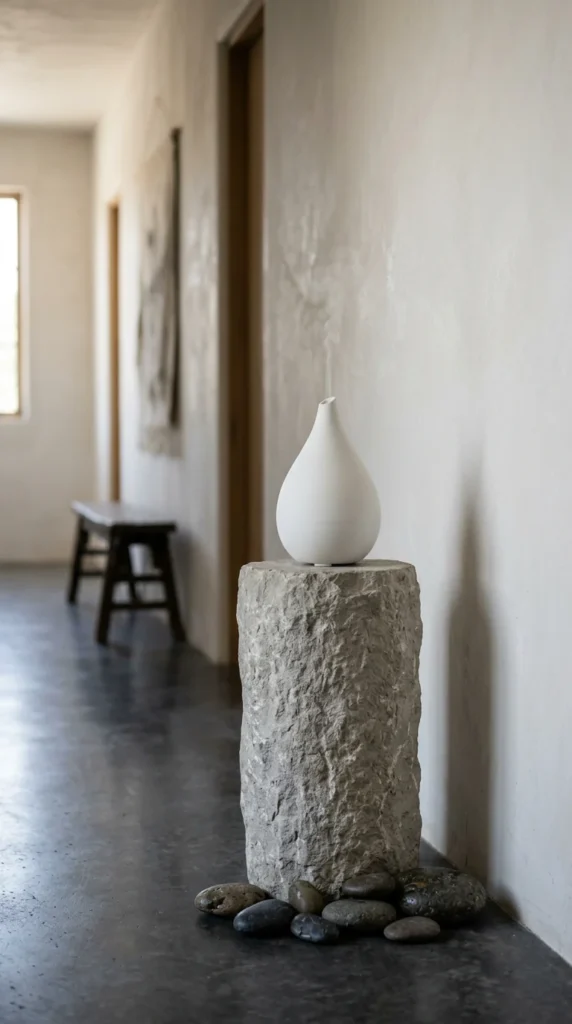
The entryway of 2026 is a multi-sensory experience. Designers are now incorporating “Scent Stations”—dedicated areas for high-end ultrasonic diffusers or architectural incense burners. The goal is “Scent Scaping,” where a signature home fragrance is introduced the moment the door opens. In 2026, these devices are often smart-controlled, allowing you to change the intensity or the scent based on the time of day via your smartphone.