

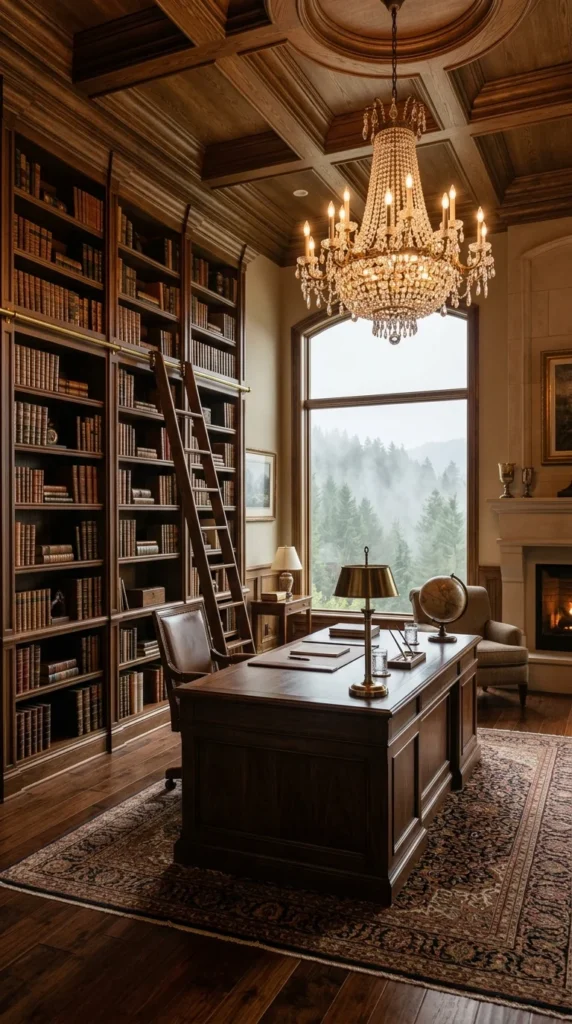
Creating a home office that exudes luxury isn’t just about spending a fortune; it’s about intentional design, rich textures, and a focus on architectural details. An expensive-looking workspace boosts productivity and provides a sense of professional authority. Whether you are hosting Zoom calls or closing major deals, your environment should reflect your success. Here are thirteen ways to transform a standard spare room into a high-end executive suite.
1. Custom Built-ins
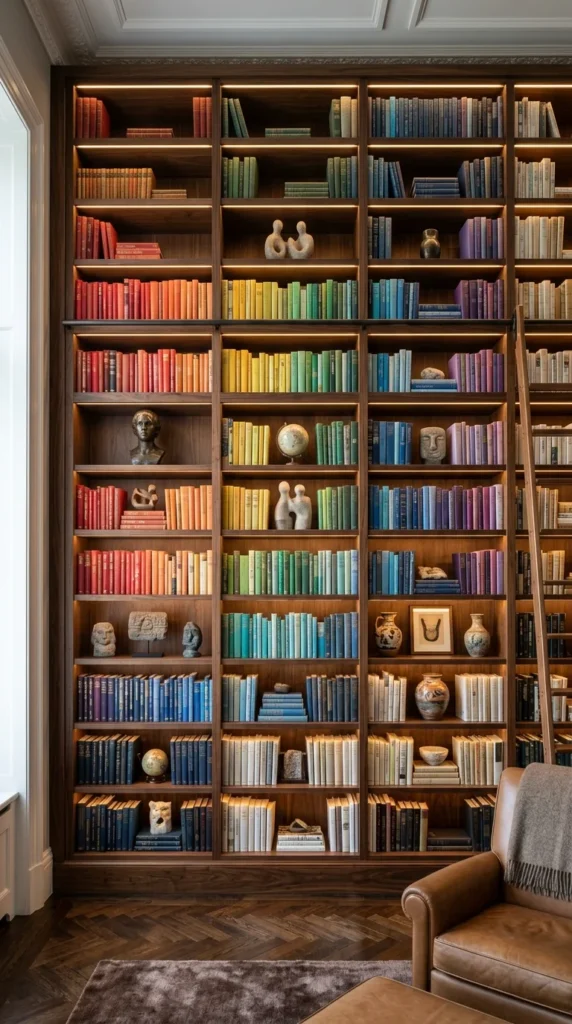
Nothing says “bespoke luxury” like cabinetry that fits your space perfectly. Custom built-ins eliminate the cluttered look of mismatched bookshelves and utilize every inch of vertical space. To achieve an expensive look, opt for floor-to-ceiling units with thick shelving. Incorporating a library ladder on a brass rail adds an immediate sense of old-world sophistication and “estate” vibes. If custom carpentry is out of your budget, you can achieve a similar look by using high-quality modular units and adding crown molding to the top to bridge the gap to the ceiling.
2. Statement Desk
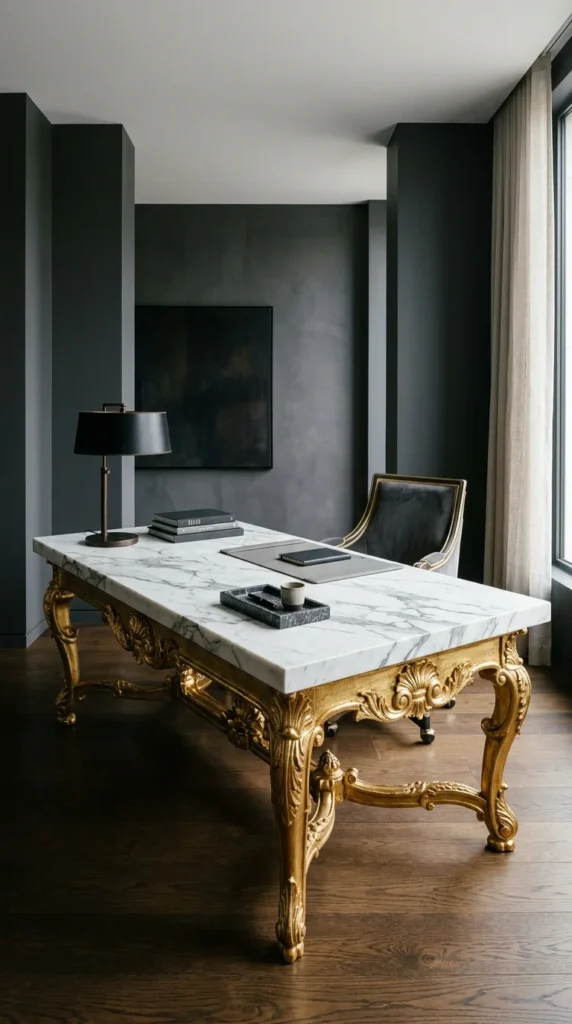
In a luxury home office, the desk is the centerpiece—the “altar” of your productivity. Avoid lightweight, flimsy furniture. Instead, look for a “statement” piece made from substantial materials like solid oak, marble, or polished mahogany. A floating desk design can look ultra-modern and expensive, while a heavy pedestal desk suggests traditional power. Ensure the desk is large enough to hold your essentials without looking cramped; a clear, expansive surface is a hallmark of high-end design.
3. Layered Lighting
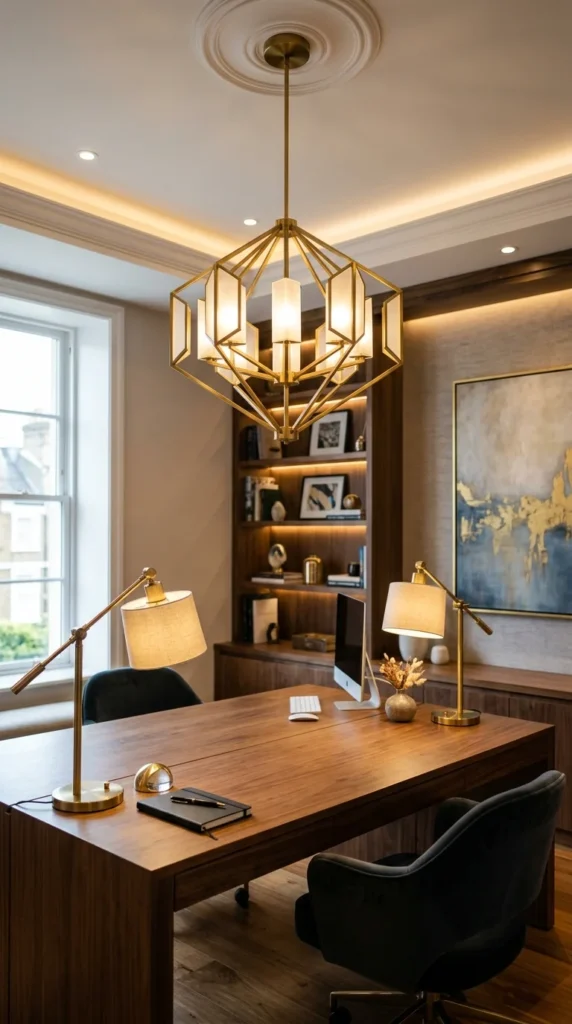
Expensive rooms are never lit by a single overhead bulb. To create an upscale atmosphere, you must layer your lighting. This involves three types: ambient (the general light), task (focused light for reading), and accent (to highlight art or architecture). Replace a standard ceiling fixture with a dramatic chandelier or a modern sculptural pendant. Add a designer desk lamp with a metallic finish and use soft-white LED strips inside bookshelves to create depth. This creates a “glow” rather than a “glare,” which is a signature of professional interior design.
4. Velvet Seating
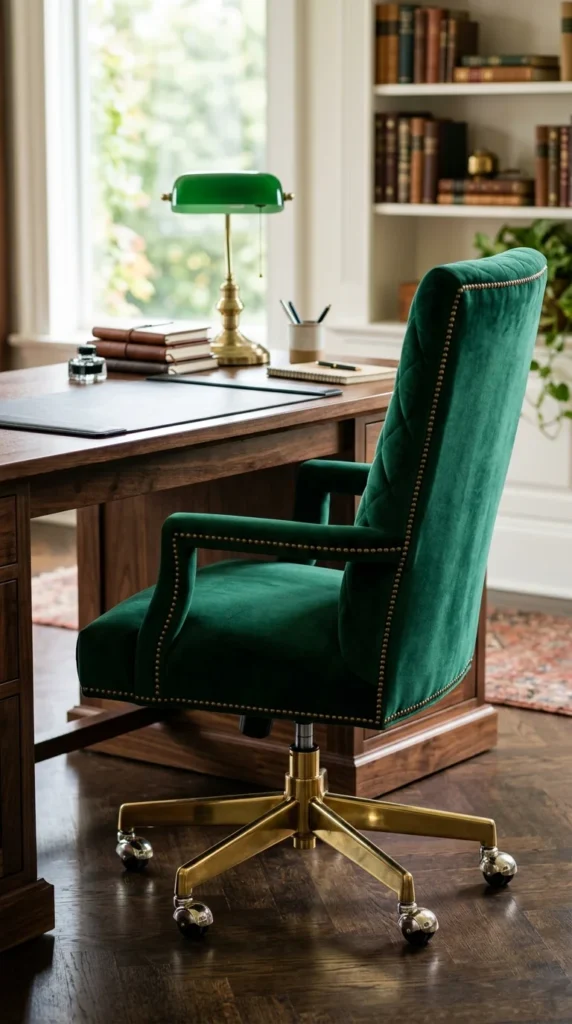
Texture plays a massive role in how we perceive value. Velvet is a material historically associated with royalty and high fashion. Replacing a standard mesh office chair with a plush, velvet-upholstered executive chair instantly elevates the room’s aesthetic. Choose deep, jewel tones like navy, burgundy, or forest green to enhance the “rich” feel. Beyond the desk chair, adding a velvet armchair or a small loveseat in a corner creates a secondary zone for reading, making the office feel like a multi-functional suite rather than just a work cubicle.
5. Dark Walls
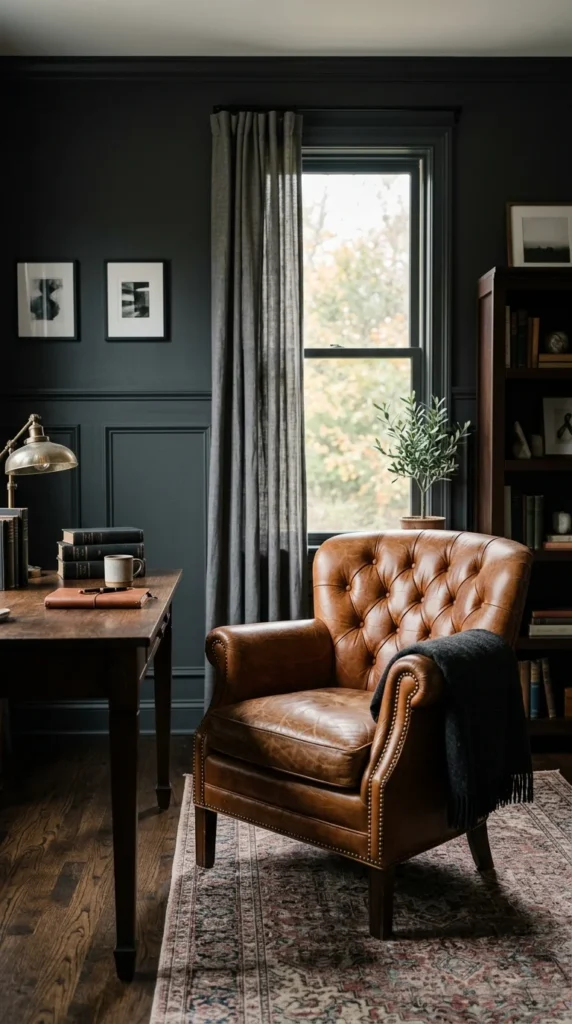
While white walls are safe, dark and moody hues signal sophistication and confidence. Deep charcoals, navy blues, or even a hunter green can make the walls “recede,” making the furniture and art pop. Using a matte finish gives the paint a velvety, high-end look. To prevent the room from feeling like a cave, balance the dark walls with metallic accents, light-colored rugs, or ample natural light. This “moody” aesthetic is currently one of the most popular trends in luxury interior design for private studies.
6. Gilded Accents

Gold, brass, and bronze are the jewelry of a room. To make your home office look more expensive, swap out cheap plastic or silver-toned hardware for brushed brass or gold-plated accents. This includes drawer pulls, picture frames, lamp bases, and even desk accessories like staplers and pen holders. The key to making gold look expensive rather than gaudy is consistency—keep the metal tones similar throughout the room to create a cohesive, curated aesthetic.
7. Gallery Wall
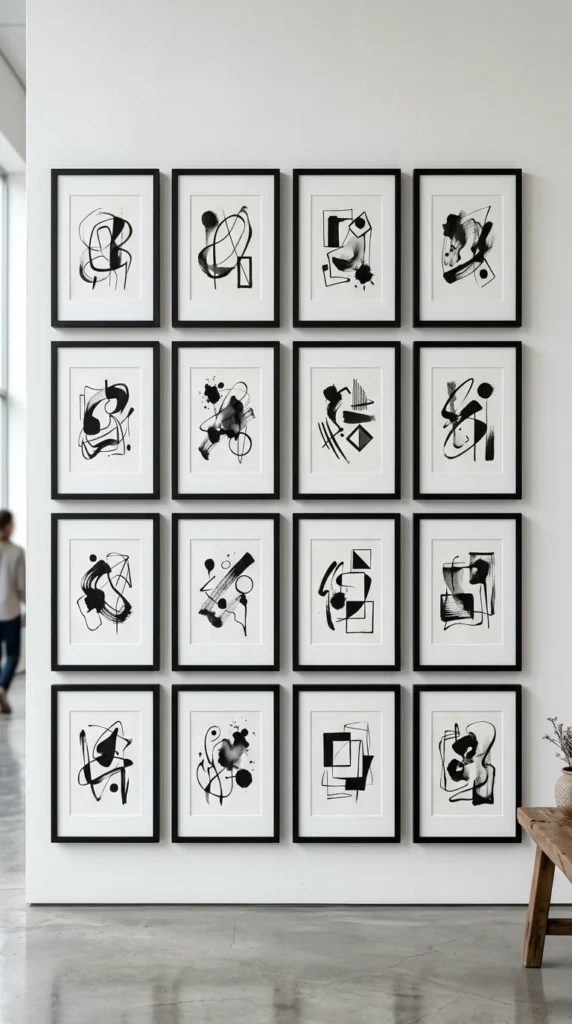
Art is the soul of an expensive room. Instead of a single small poster, create a large-scale gallery wall. For a high-end look, use “museum-style” framing: large frames with wide white matting and relatively small art pieces inside. This creates a sense of importance for the artwork. Keep the frames uniform in color—all black, all gold, or all natural wood—to maintain a clean, organized appearance. Whether it’s architectural photography or abstract sketches, the repetition of frames creates a powerful visual impact.
8. Natural Stone
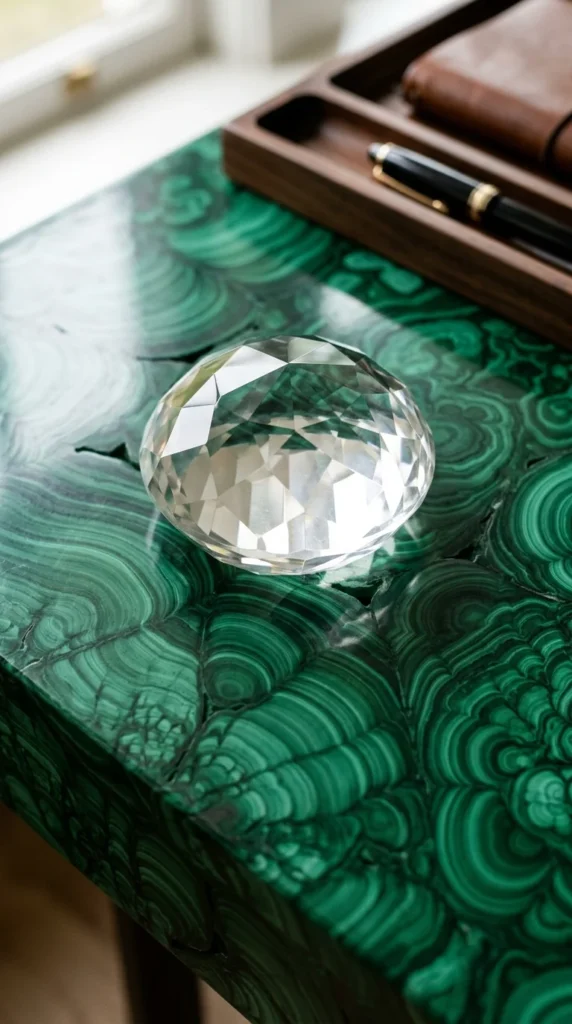
Incorporating natural materials like marble, granite, or quartz adds a weight and permanence that synthetic materials cannot replicate. If a full marble desk is too expensive, look for smaller ways to introduce stone. A marble-topped side table, granite coasters, or even a heavy stone tray for your tech gear adds a tactile element of luxury. The natural veining in stone serves as “nature’s art,” ensuring that your office feels unique and high-quality.
9. Luxe Drapery
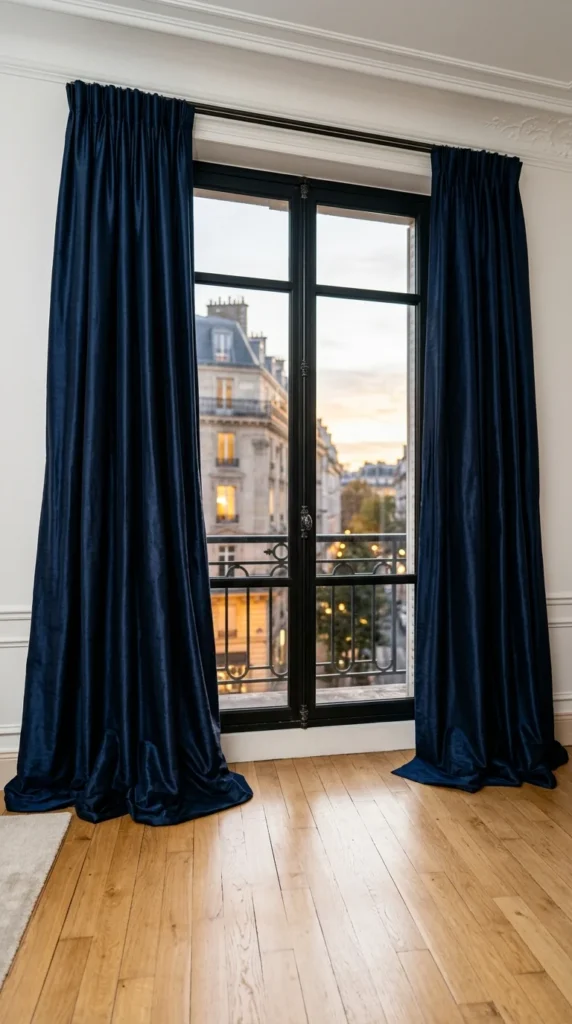
Windows are often an afterthought, but expensive-looking offices treat them with gravity. Ditch the plastic blinds or cheap curtains. Instead, install floor-to-ceiling drapes made from heavy fabrics like velvet, linen, or silk. Hanging the curtain rod as close to the ceiling as possible—rather than just above the window frame—makes the ceilings look much higher and the room feel grander. Ensure the fabric is wide enough to look full when closed; skimpy curtains are a dead giveaway of a budget DIY project.
10. Hidden Tech
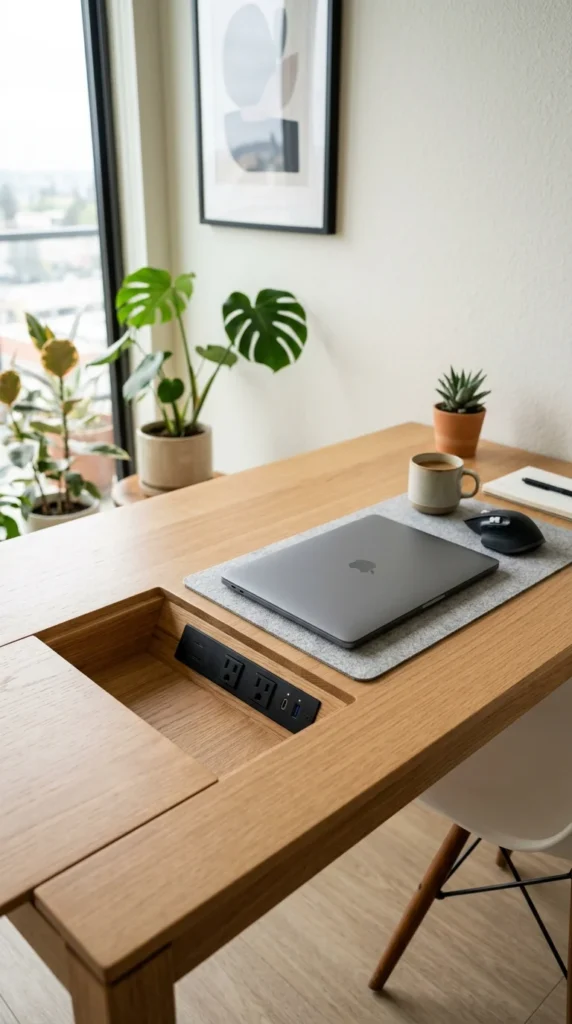
Nothing ruins a luxury aesthetic faster than a “rats nest” of black plastic cables. Expensive offices prioritize “invisible tech.” This means using desks with built-in cable management, wireless chargers hidden under the desk surface, and cable raceways that hide wires along the legs of furniture. If you have a printer or bulky hardware, hide them inside a cabinet with ventilated back panels. When the only visible items are your beautiful furniture and art, the space feels serene and high-end.
11. Rug Layering
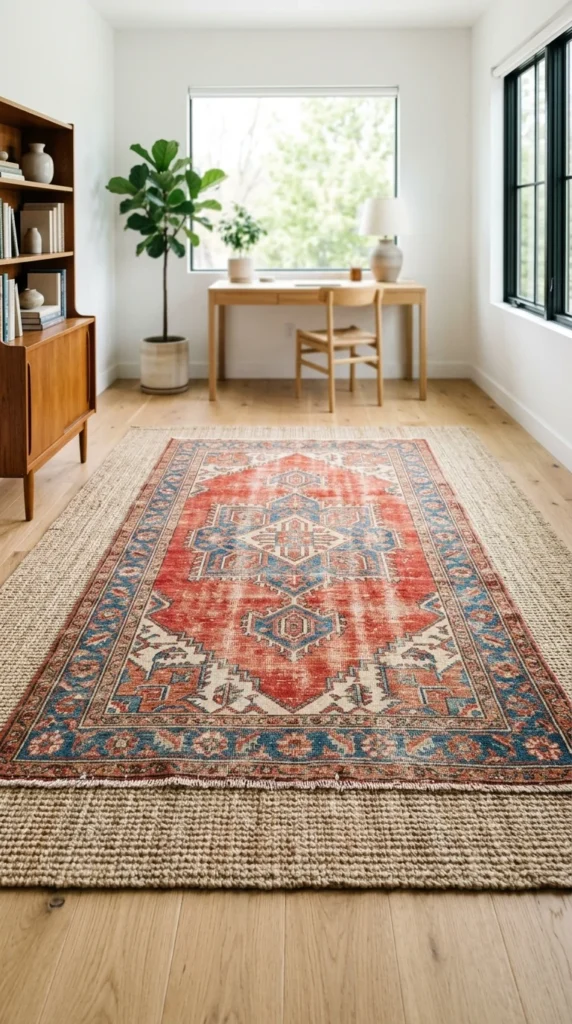
A rug anchors the room and adds much-needed warmth. To achieve an “interior designer” look, try layering. Start with a large, neutral jute or sisal rug that covers most of the floor, then place a smaller, high-quality Persian or oriental rug on top, positioned under the desk. This creates a sense of richness and complexity. High-end rugs often feature intricate patterns and natural fibers like wool or silk, which feel significantly better underfoot and last longer than synthetic alternatives.
12. Architectural Trim
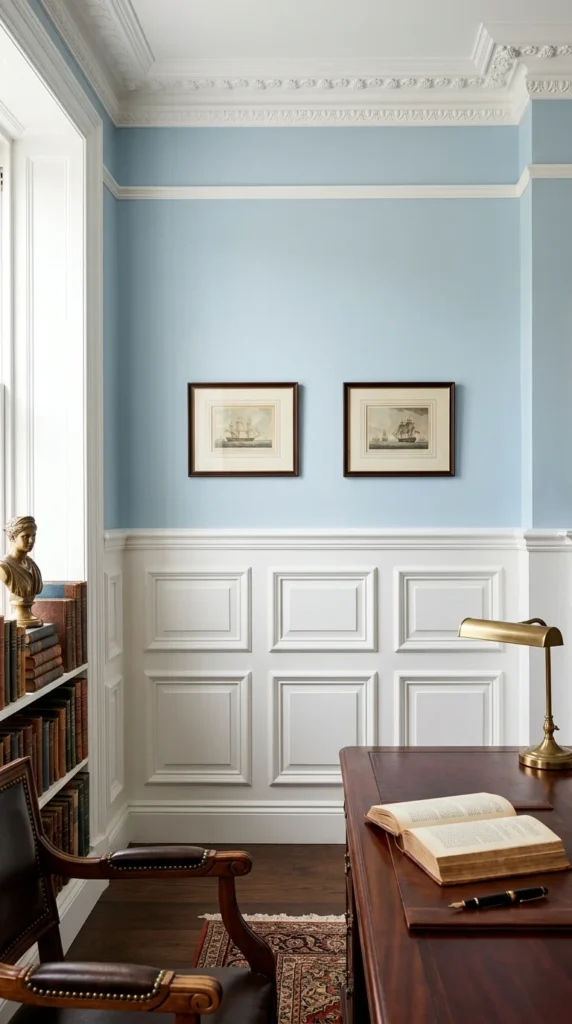
The difference between a “room” and a “suite” is often the architectural detail. Adding crown molding, baseboards, or picture-frame wall molding (wainscoting) gives the walls texture and a “historic” feel. These details catch the light and create shadows that make the room look far more expensive than a flat drywall box. Many of these trims can be installed using lightweight polyurethane kits, providing the look of expensive plasterwork at a fraction of the cost.
13. Fresh Greenery
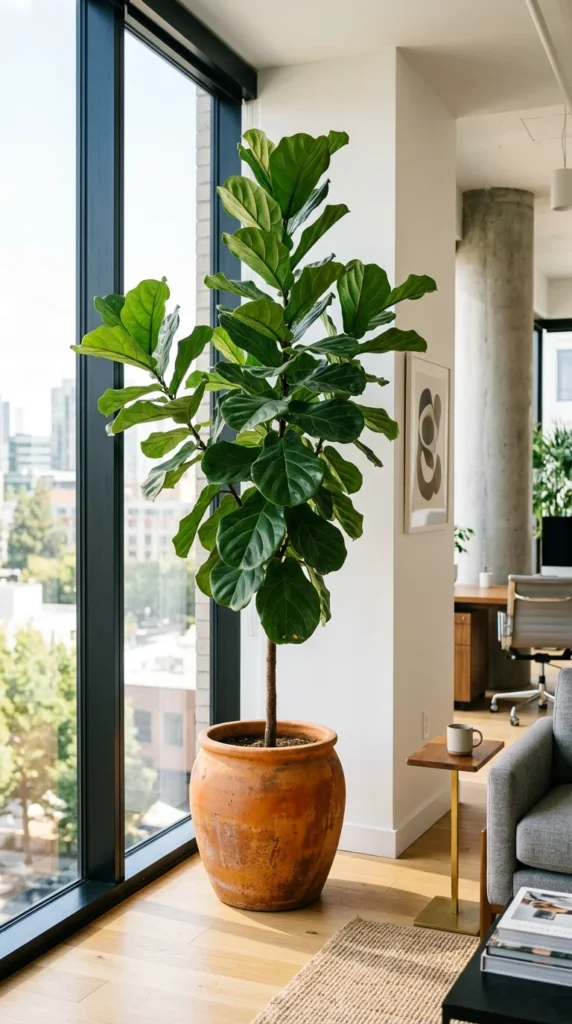
Finally, every expensive space needs a touch of life. A large, healthy plant like a Fiddle Leaf Fig, an Olive Tree, or a Strelitzia (Bird of Paradise) adds height and a “natural luxury” to the room. The key is the scale—small succulents on a desk can look cluttered, but a five-foot-tall tree in a high-quality ceramic or stone pot looks like it belongs in a magazine. Plants also improve air quality and provide a soft organic contrast to the hard lines of desks and bookshelves.