
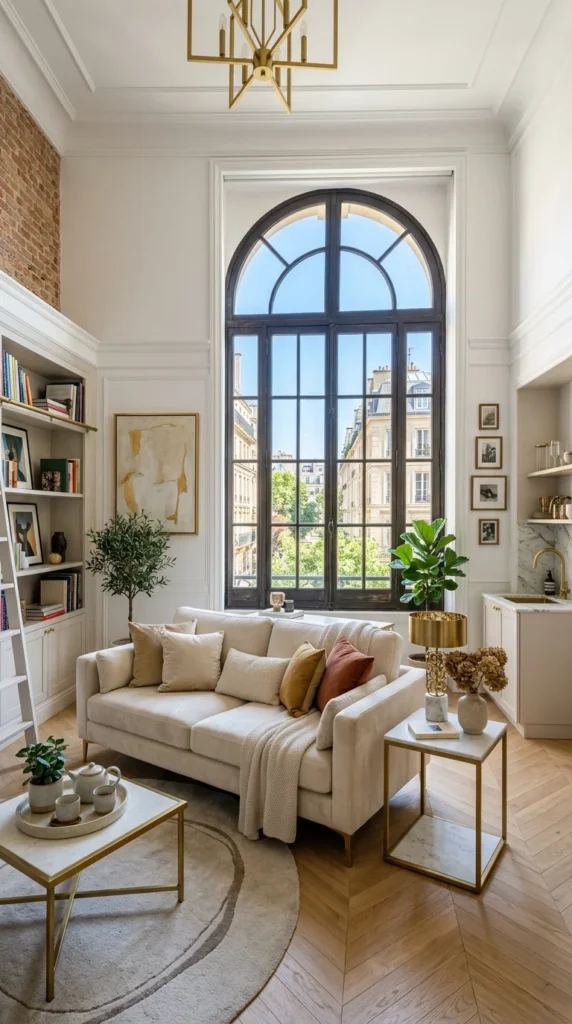
Living in a small space often feels like a constant battle between functionality and aesthetics. We are told to “think small” and “keep it simple,” but often, this advice leads to interiors that feel cramped or utilitarian rather than luxurious. However, the secret that high-end interior designers use to transform tiny Manhattan studios or Parisian pied-à-terres isn’t about square footage—it’s about the visual weight, the quality of materials, and the clever manipulation of scale.
Creating an “expensive” look in a small footprint requires a shift in perspective. Instead of filling a room with many small things, you focus on a few high-impact elements that command attention. By prioritizing texture, light, and architectural interest, you can make even the most modest apartment feel like a curated boutique hotel suite. Here are 11 small space ideas that will elevate your home and give it that coveted high-end finish.
1. Oversized Art
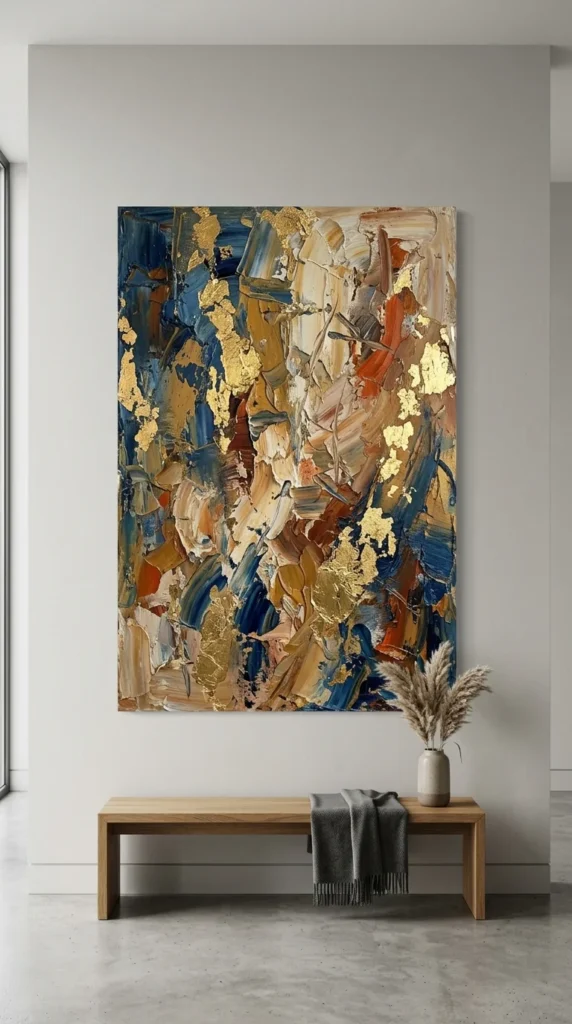
One of the most common mistakes in small-space design is using small-scale decor. Many tiny frames on a wall create “visual noise,” making the room feel cluttered and smaller than it actually is. To achieve an expensive, gallery-like feel, go big. A single, oversized piece of art acts as a powerful focal point, drawing the eye upward and outward. This creates an illusion of grandeur and suggests that the room is large enough to accommodate such a significant piece. Whether it’s a bold abstract canvas or a large-scale photograph, a singular statement piece radiates confidence and luxury.
2. Metallic Accents
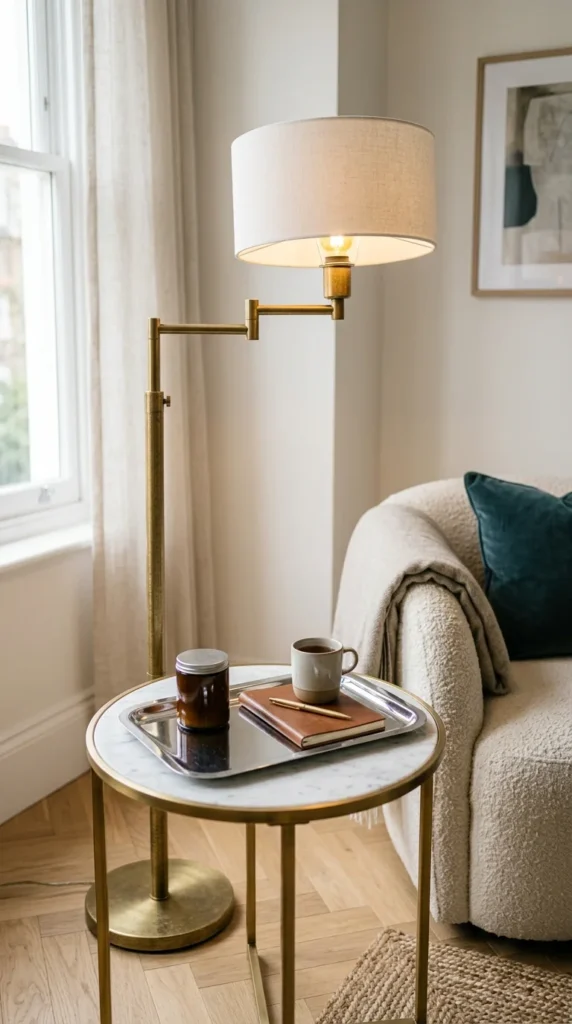
Metallics act as the “jewelry” of a room. Incorporating touches of brass, gold, or polished chrome adds an instant layer of sophistication and “shine” that flat surfaces simply cannot provide. In a small space, metallics serve a dual purpose: they provide a sense of luxury and reflect light, which helps the room feel brighter. The key is to mix your metals subtly—a brass light fixture paired with a silver-framed mirror adds depth and makes the space look professionally designed rather than “matched” from a showroom set.
3. Vertical Curtains
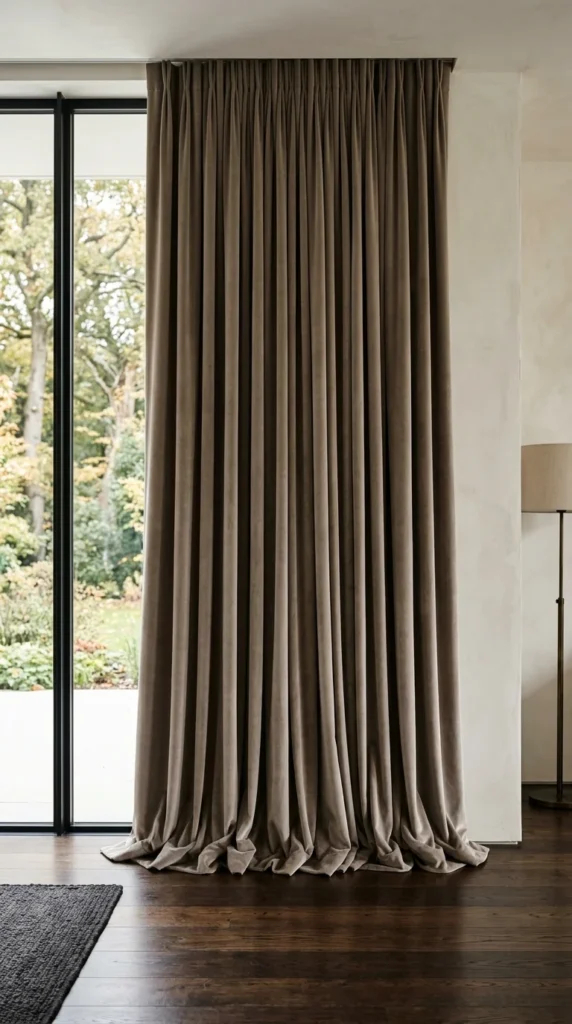
If you want your ceilings to look twice as high, you must rethink your window treatments. Standard curtains that start just above the window frame chop the wall into sections, making the ceiling feel lower. To get the “expensive” look, hang your curtain rod as close to the ceiling as possible and let the fabric flow all the way to the floor. This vertical line draws the eye upward, emphasizing the height of the room. Opt for high-quality fabrics like heavy linen or velvet to add a tactile richness that screams high-end living.
4. Mirrored Surfaces
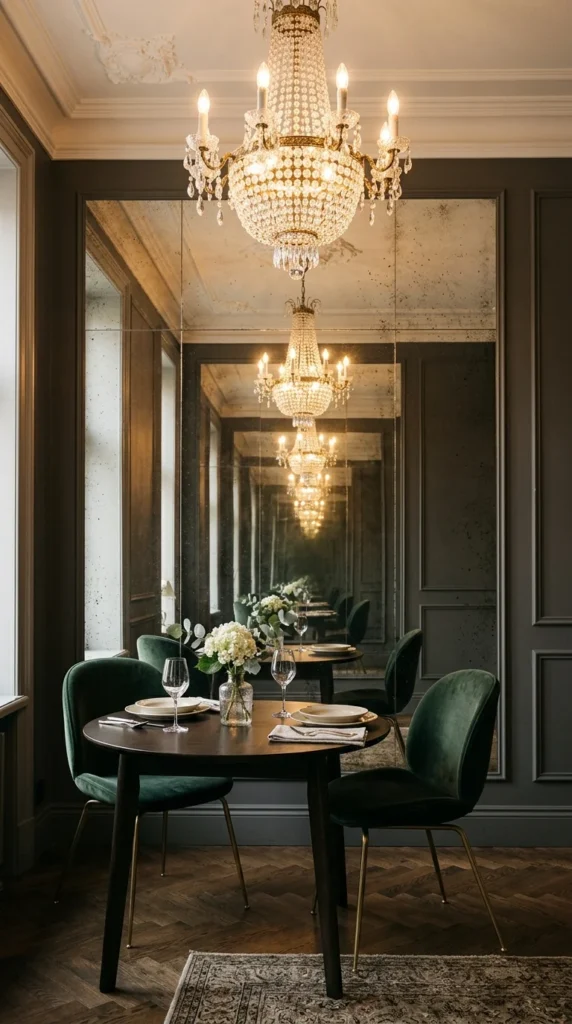
Mirrors are the oldest trick in the book for a reason—they work. However, to make it look expensive, avoid the “college dorm” over-the-door mirrors. Instead, think about mirrored furniture, oversized floor mirrors with ornate frames, or even a full mirrored accent wall. A large, well-placed mirror reflects both natural and artificial light, doubling the visual depth of the room. When the eye can see “beyond” the wall, the perceived boundaries of the room disappear, creating an airy, expansive atmosphere.
5. Monochromatic Palettes
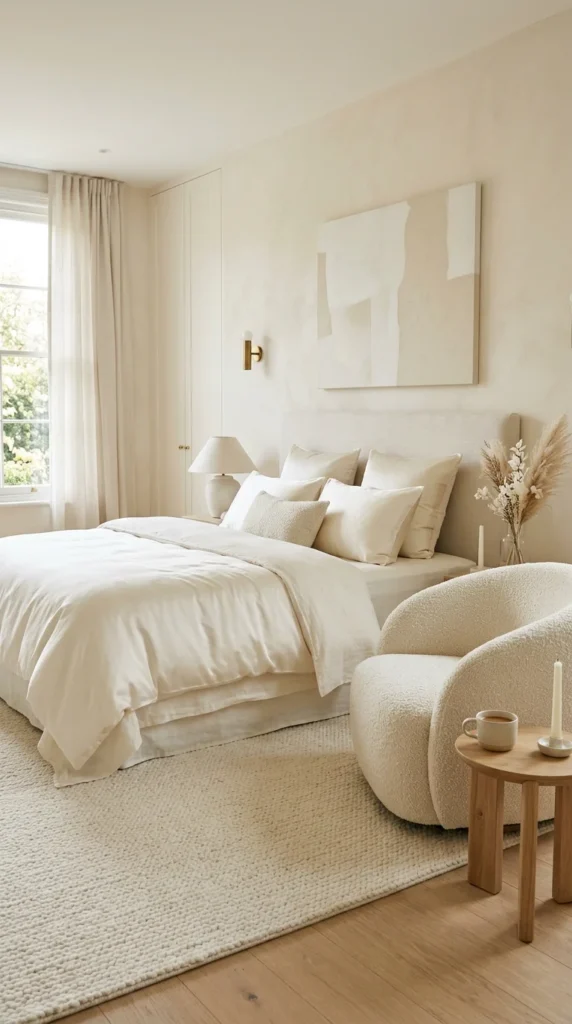
Color can be tricky in small spaces. Too many competing hues can make a room feel chaotic. A monochromatic color palette—using various shades and tints of a single color—creates a seamless, high-end look. By sticking to a “tone-on-tone” approach, especially in neutrals like sand, charcoal, or cream, you eliminate the visual breaks that make a room feel small. To prevent the space from looking flat, layer different textures: a chunky knit throw, a smooth silk pillow, and a matte wooden table. This layering of materials provides the richness and depth associated with luxury interiors.
6. Built-in Shelving
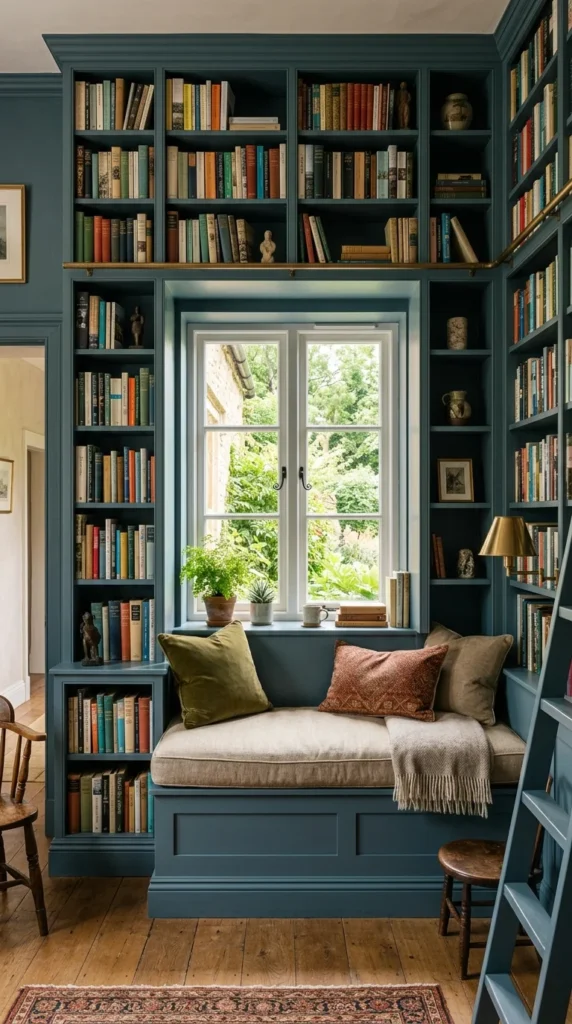
Freestanding bookshelves can often look bulky and take up precious floor space. Custom built-ins, however, look like part of the architecture, giving the home a bespoke, expensive feel. If custom carpentry is out of the budget, you can achieve a similar look by using “wall-to-wall” shelving units and painting them the exact same color as your walls. This “hides” the furniture and makes the shelves look like they were built into the home’s original design, providing ample storage without the visual clutter.
7. Statement Lighting
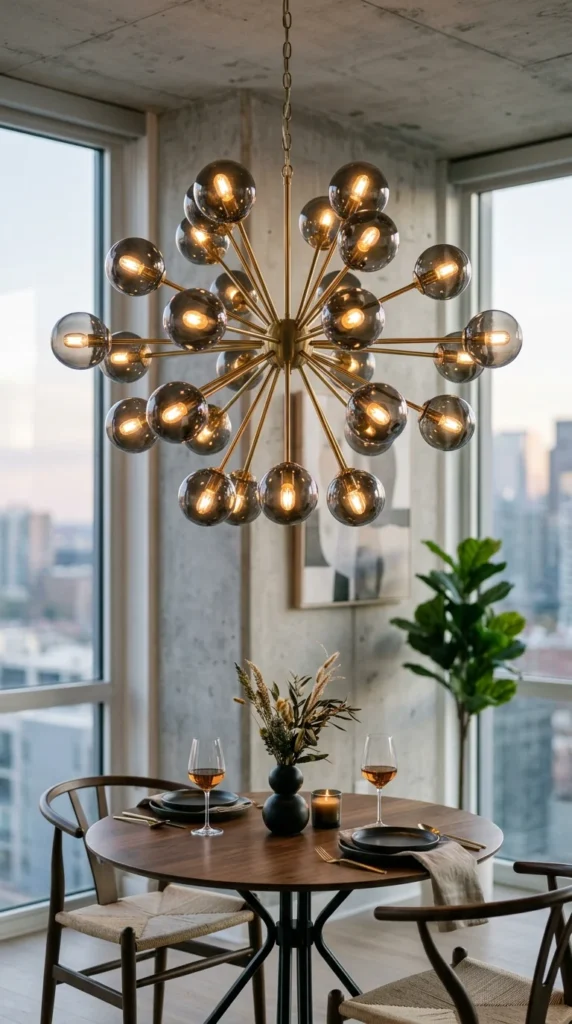
Nothing says “budget” like a standard-issue overhead flush mount light. If you want to elevate a small space, invest in one spectacular light fixture. A statement chandelier or a sculptural pendant light acts as the “anchor” of the room. In a small space, you can afford to go a bit larger with the light fixture than you might think—this creates a sense of drama and luxury. It shifts the focus away from the floor area and toward the design-forward element hanging from above.
8. Acrylic Furniture
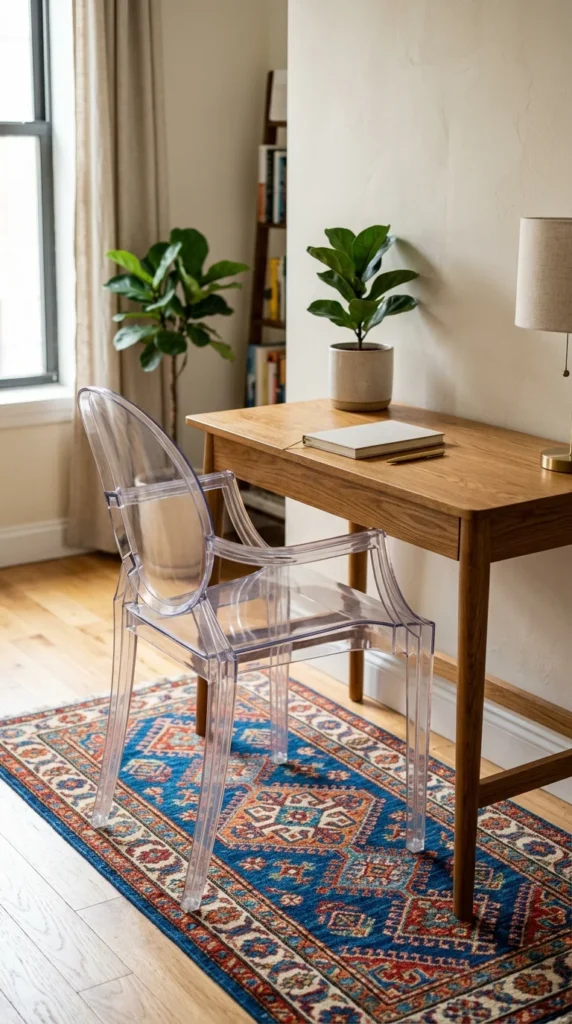
Expensive-looking spaces always feel “breathable.” In a small room, bulky wooden or upholstered furniture can swallow up the floor plan. Acrylic or glass furniture—often referred to as “ghost” furniture—is a designer favorite because it has zero visual weight. A clear coffee table or acrylic dining chairs provide the functionality you need without blocking the sightlines of the room. This makes the space look uncluttered and modern, allowing the other luxurious elements of your decor to shine.
9. Velvet Upholstery
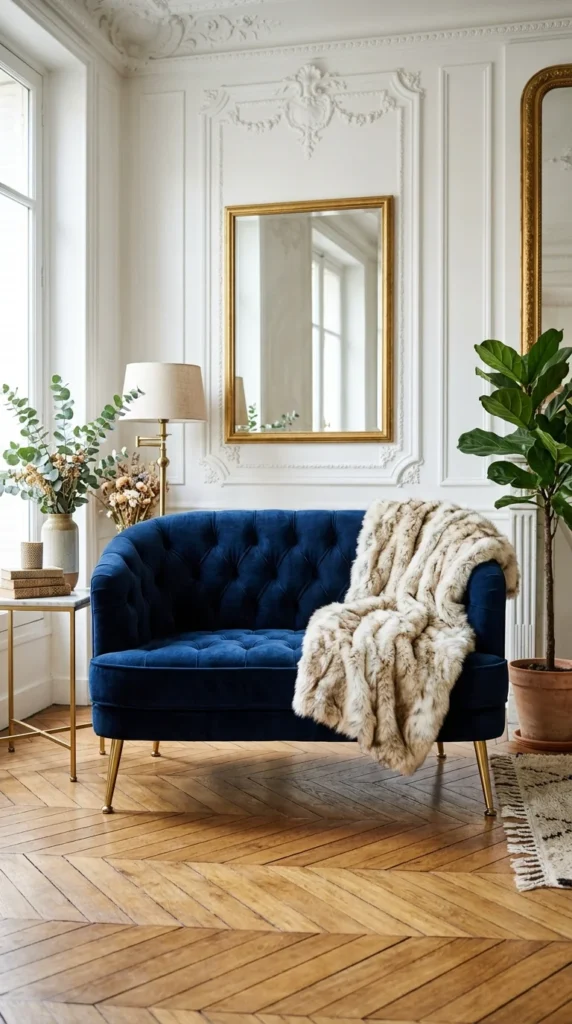
If you have room for only one piece of seating, make it velvet. Velvet is a fabric that has been synonymous with luxury for centuries. It catches the light beautifully, has a rich, soft texture, and adds a “weight” to the room that looks intentional and high-end. In a small space, a velvet sofa or even a velvet accent chair serves as a jewel-tone anchor. Even if the rest of your furniture is modest, the presence of high-quality upholstery elevates everything around it.
10. Area Rugs
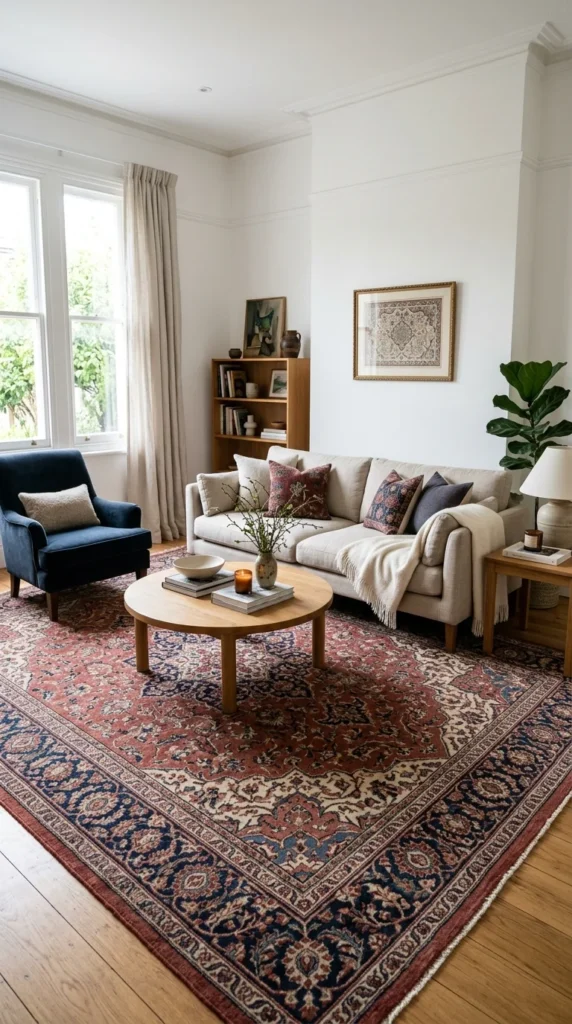
Many people make the mistake of buying a rug that is too small for their space, which makes the room feel disjointed. A large, high-quality area rug that covers most of the floor creates a “foundation” for the room. It defines the space and makes it feel like a cohesive, well-thought-out environment. Opt for natural materials like wool or silk-blends; the subtle sheen and durability of these materials provide a level of sophistication that synthetic rugs simply cannot match.
11. Minimalist Clutter
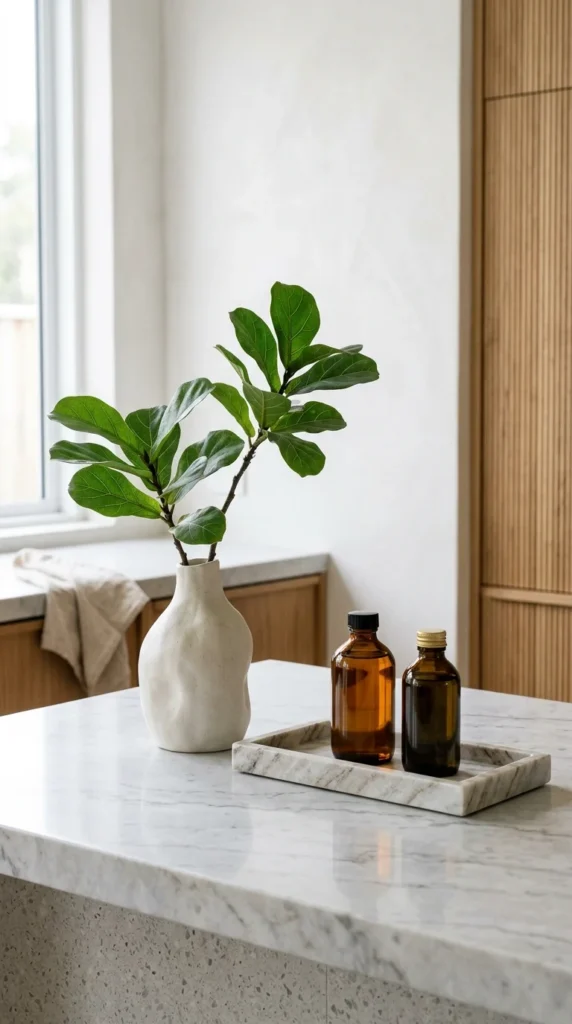
The most expensive-looking homes are often the ones that look the least lived-in—or at least, the most organized. Clutter is the enemy of luxury. In a small space, every item on display should be an intentional choice. Use “the rule of three” when styling surfaces: group items in threes of varying heights. Clear away the daily “life” items like mail, remote controls, and chargers, and replace them with a single sculptural object or a stack of art books. By curating what is visible, you give your home an air of exclusivity and calm that defines high-end design.