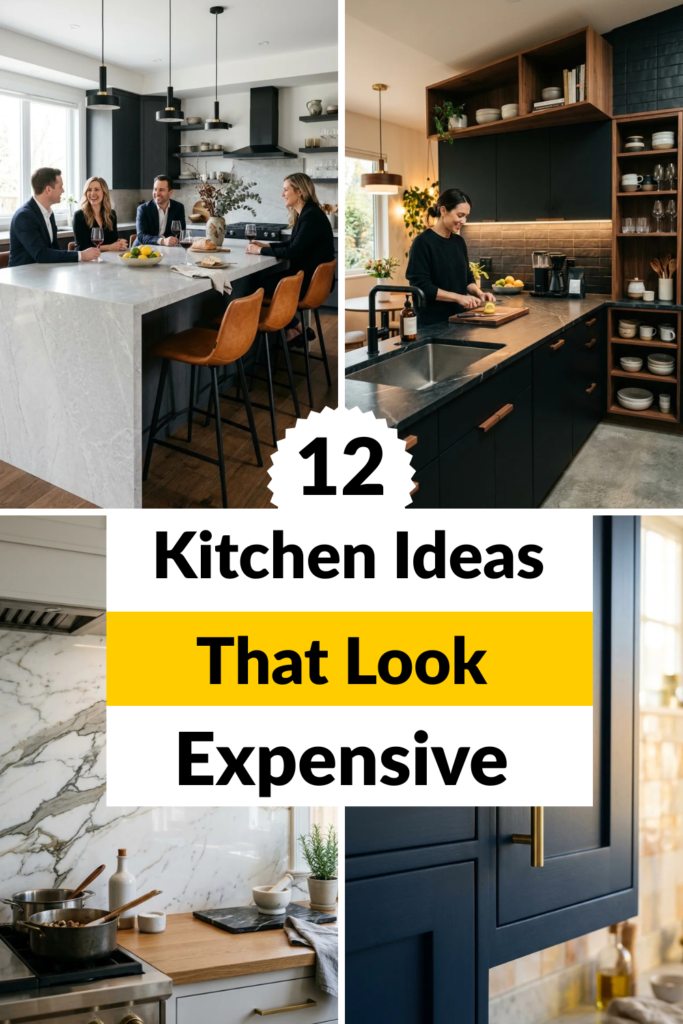

The kitchen is often referred to as the heart of the home, but in the world of high-end interior design, it is also the soul of the property’s value. Achieving an “expensive” look doesn’t always require a multi-six-figure renovation budget. Often, the difference between a standard kitchen and a designer masterpiece lies in the details: the choice of materials, the cleverness of the layout, and the strategic use of textures. Whether you are planning a full remodel or looking for small upgrades to elevate your current space, certain design elements consistently signal luxury. From the seamless integration of technology to the timeless appeal of natural stone, here are 12 kitchen ideas that will make your space look undeniably expensive.
1. Integrated Appliances
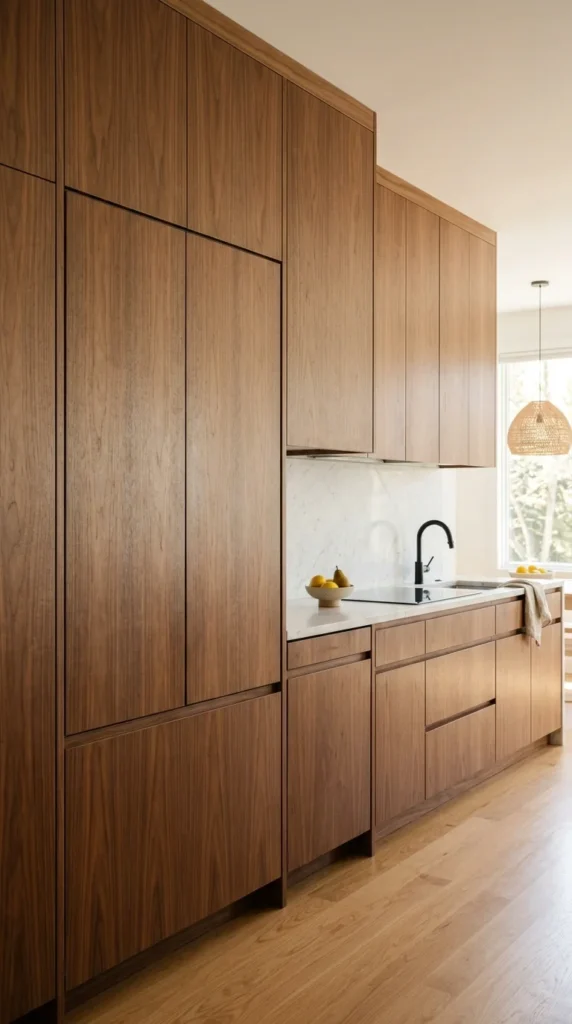
Nothing breaks the visual flow of a high-end kitchen like a massive, protruding stainless steel refrigerator or a bulky dishwasher. To achieve a truly expensive, custom aesthetic, integrated appliances are essential. This involves using “panel-ready” appliances that are fitted with custom cabinetry fronts to match the rest of your kitchen.
When the dishwasher, fridge, and even the wine cooler blend perfectly into the cabinetry, the kitchen feels more like a sophisticated living space rather than a utility room. This “hidden” look is a hallmark of European design and contemporary luxury, emphasizing clean lines and architectural continuity. It removes the visual “clutter” of mismatched metals and plastic buttons, allowing the beauty of your cabinetry to take center stage.
2. Statement Lighting
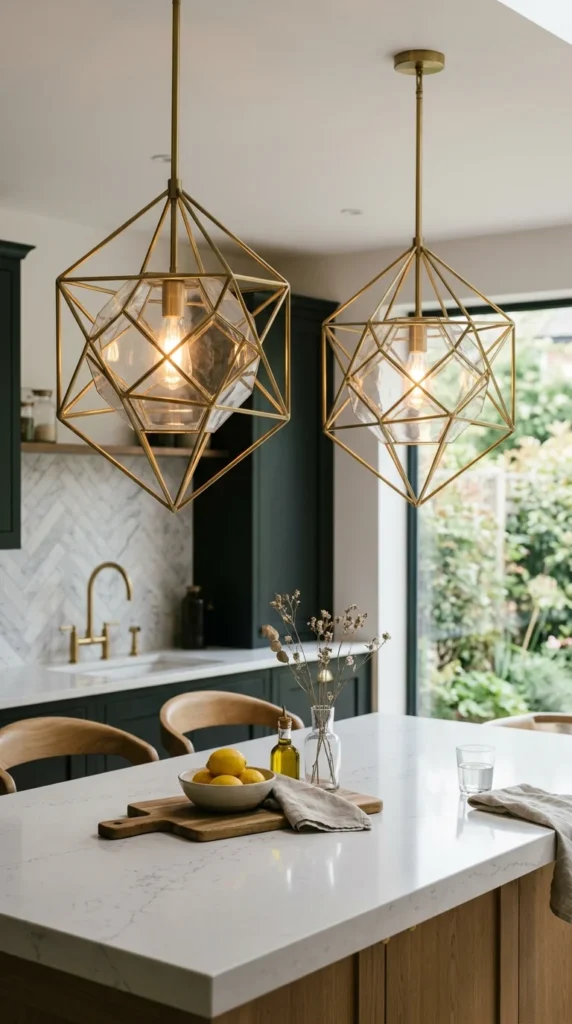
If hardware is the jewelry of the kitchen, then lighting is the crown jewel. High-end kitchens move away from standard recessed cans and opt for oversized, sculptural fixtures that command attention. Lighting is one of the most effective ways to create a focal point and set the mood of the entire room.
Scale is key here. Many homeowners choose fixtures that are too small for their space. Designer kitchens often feature two or three massive pendants over the island or a single linear chandelier that spans several feet. Materials like hand-blown glass, brushed brass, or matte black steel add a layer of sophistication. Beyond aesthetics, layered lighting—including under-cabinet LEDs and toe-kick lighting—creates a warm, glowy ambiance that looks professionally curated.
3. Marble Slabs
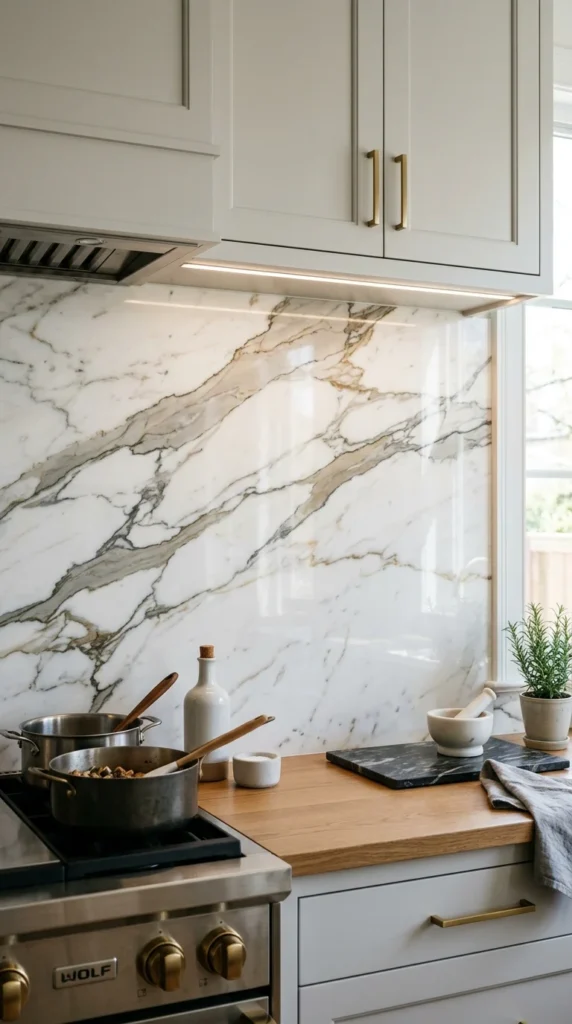
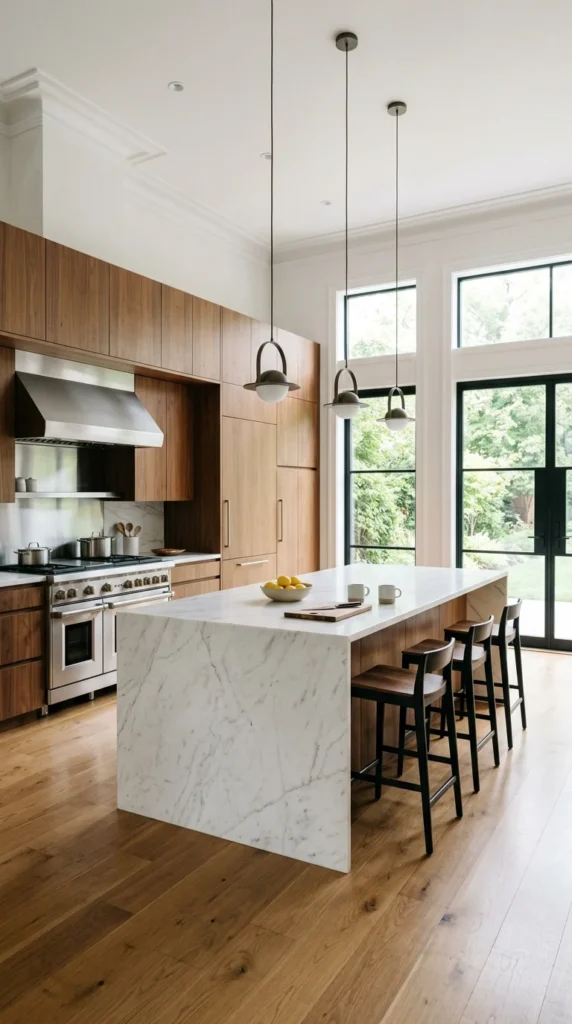
While subway tiles are a classic choice, nothing says “luxury” quite like a book-matched marble slab. Instead of using small tiles with numerous grout lines, expensive-looking kitchens often feature a single, continuous piece of natural stone that runs from the countertop up the wall to the underside of the cabinets or even all the way to the ceiling.
Marble, quartzite, or high-quality porcelain slabs create a dramatic, artistic effect. The natural veining of the stone becomes a piece of organic art. This approach eliminates the visual “noise” of grout lines and makes the kitchen feel more expansive and expensive. If a full slab is out of reach, choosing a countertop with a “waterfall edge”—where the stone continues down the side of the island to the floor—achieves a similar high-end, monolithic look.
4. Gold Hardware
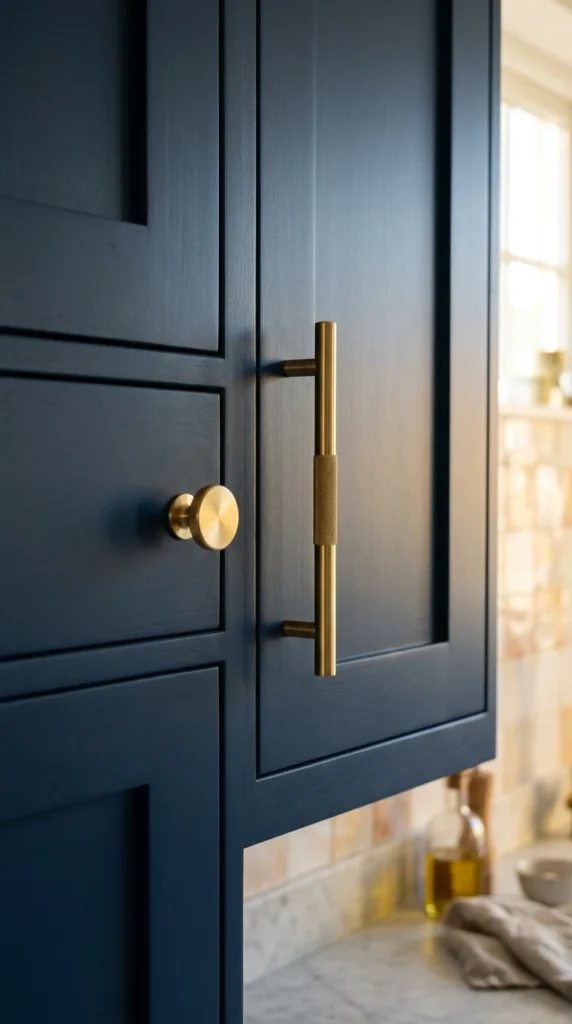
The finish of your cabinet handles, knobs, and pulls can dramatically alter the perception of your kitchen. While chrome and brushed nickel are standard, gold and brass tones are the current favorites for luxury interiors. However, the key to making it look expensive rather than dated is the finish: look for “brushed brass,” “satin gold,” or “unlacquered brass.”
These warm metals add a sense of history and richness to the space. Unlacquered brass, in particular, is highly prized because it develops a natural patina over time, giving the kitchen a “lived-in luxury” feel often found in Parisian apartments or English country estates. Pair gold hardware with dark cabinetry like navy, forest green, or charcoal for a high-contrast, regal appearance.
5. Oversized Islands
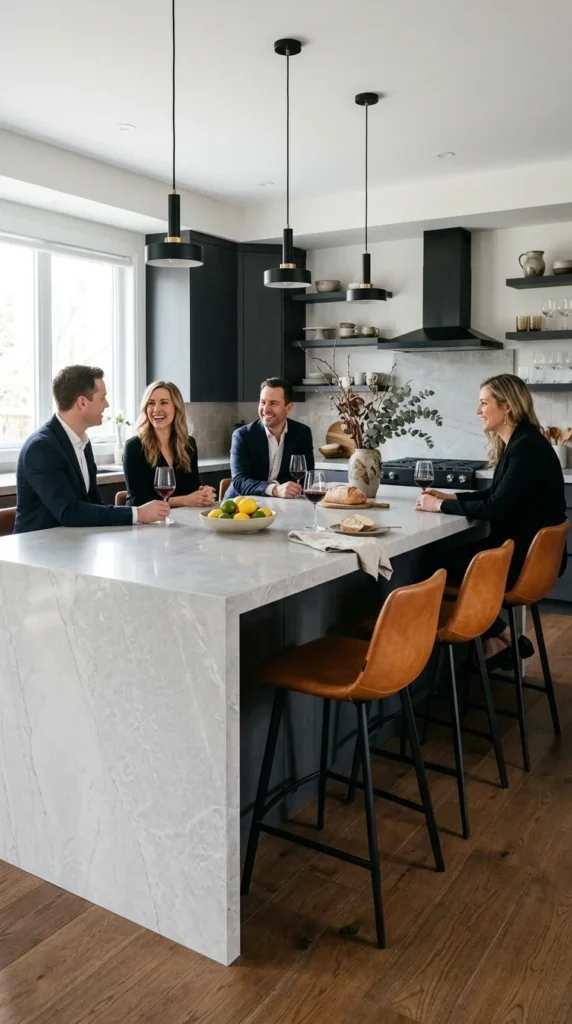
In modern luxury homes, the kitchen island has evolved from a simple prep station into a multi-functional “continent.” An oversized island signals that the kitchen is a place for entertaining, gathering, and high-level culinary work. A large island allows for deep drawers, integrated sinks, and seating for the whole family.
To make the island look even more expensive, consider using a contrasting color for the base cabinetry or a thicker countertop profile (known as a “mitered edge”) to give the appearance of a massive, heavy block of stone. When an island is properly scaled to the room, it anchors the space and provides a sense of grandeur that small, portable islands simply cannot match.
6. Hidden Pantries
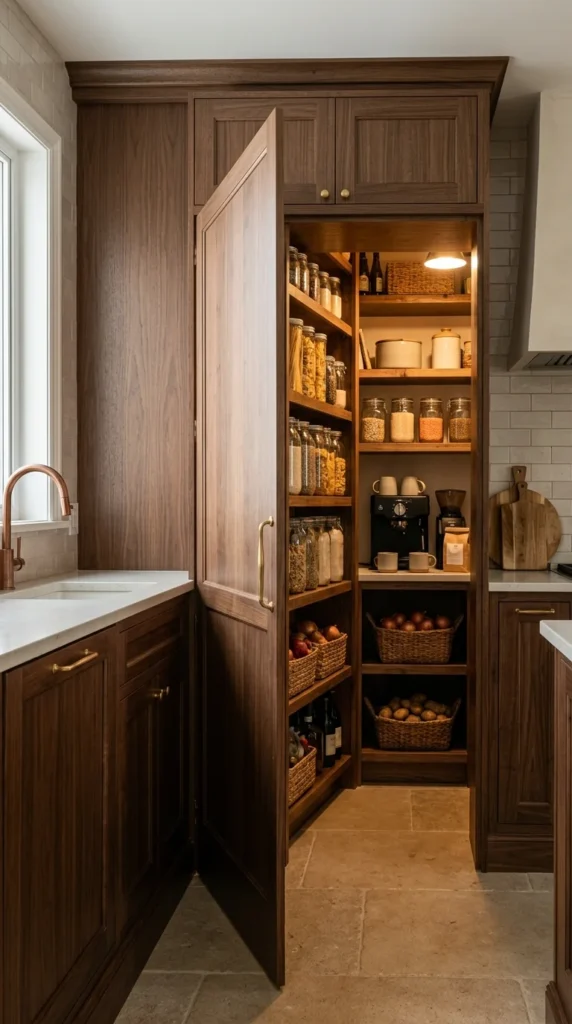
The “scullery” or “butler’s pantry” is the ultimate status symbol in contemporary kitchen design. The idea is to have a “show kitchen” that stays clean and a “working pantry” where the mess happens. Even if you don’t have space for a separate room, creating a “hidden pantry” within your cabinetry can elevate your kitchen’s look.
This can be achieved with tall larder units featuring “pocket doors” that slide back into the cabinet, revealing a coffee station, toaster, and microwave. By hiding small appliances and food storage behind sleek doors, you maintain a minimalist, high-end aesthetic on your main countertops. It’s about the luxury of convenience and the ability to hide the chaos of daily life at a moment’s notice.
7. Moody Tones
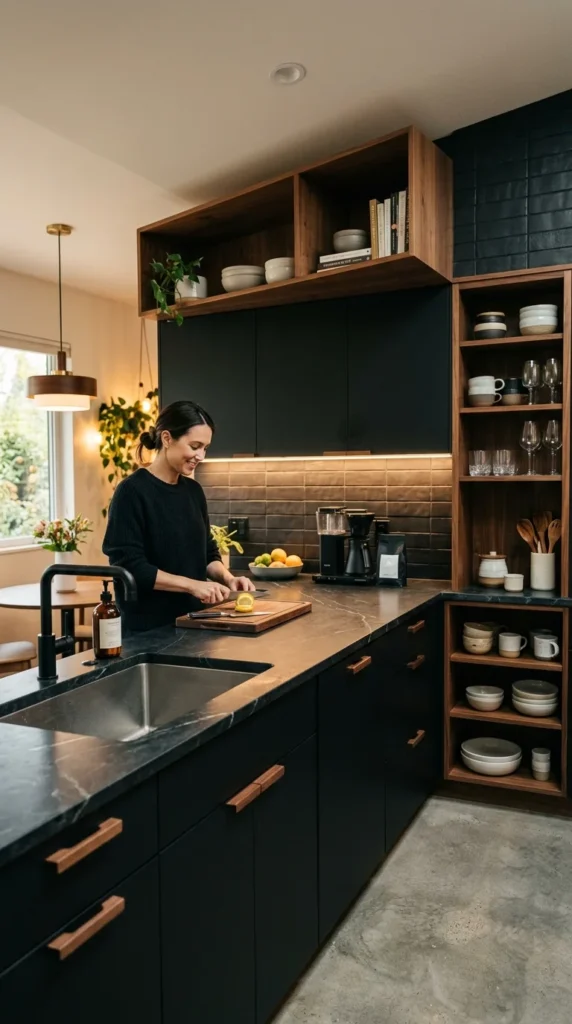
For years, the all-white kitchen was the gold standard. However, the trend has shifted toward deeper, more “moody” color palettes that evoke a sense of intimacy and sophistication. Darker colors—such as matte black, charcoal grey, deep burgundy, or hunter green—naturally look more expensive because they feel bold and intentional.
Dark cabinets, when paired with the right lighting and natural wood accents, create a rich, layered look that feels like a high-end lounge. The key to pulling off dark tones is balance. Ensure there is plenty of natural light or high-quality artificial lighting to prevent the space from feeling cramped. When done correctly, dark kitchens feel timeless, expensive, and incredibly chic.
8. Pot Fillers
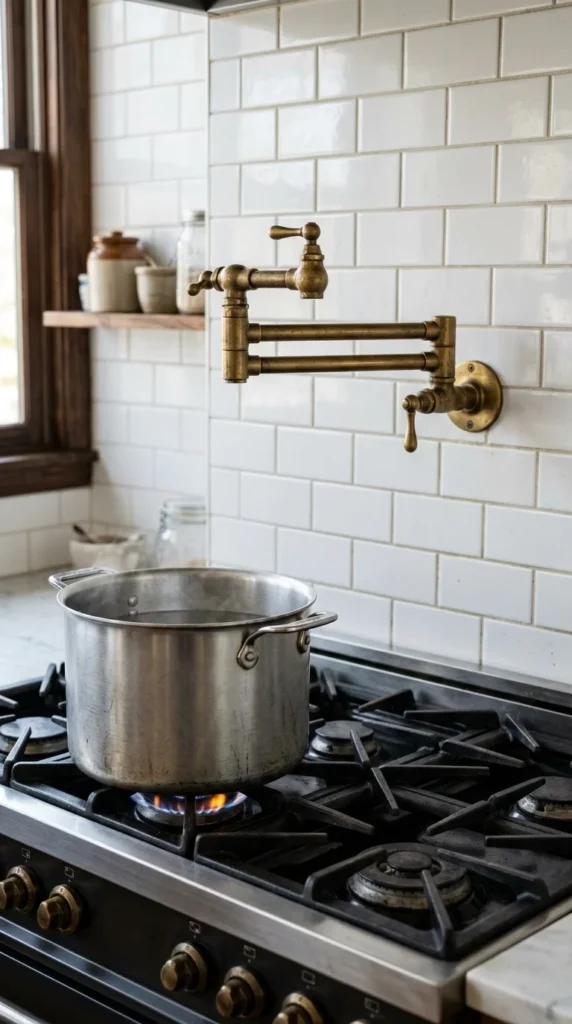
A pot filler is a specialized faucet installed directly over the stove. While it serves a practical purpose—filling heavy pots with water without having to carry them from the sink—it is also a major visual indicator of a “pro-style” chef’s kitchen.
Because pot fillers require extra plumbing behind the wall, they are seen as a custom luxury upgrade. Choosing a pot filler in a finish that matches your main faucet or your cabinet hardware adds a level of design cohesion. It tells anyone walking into the room that this kitchen was designed for serious cooking and that no detail was overlooked.
9. Floor-to-Ceiling Cabinets
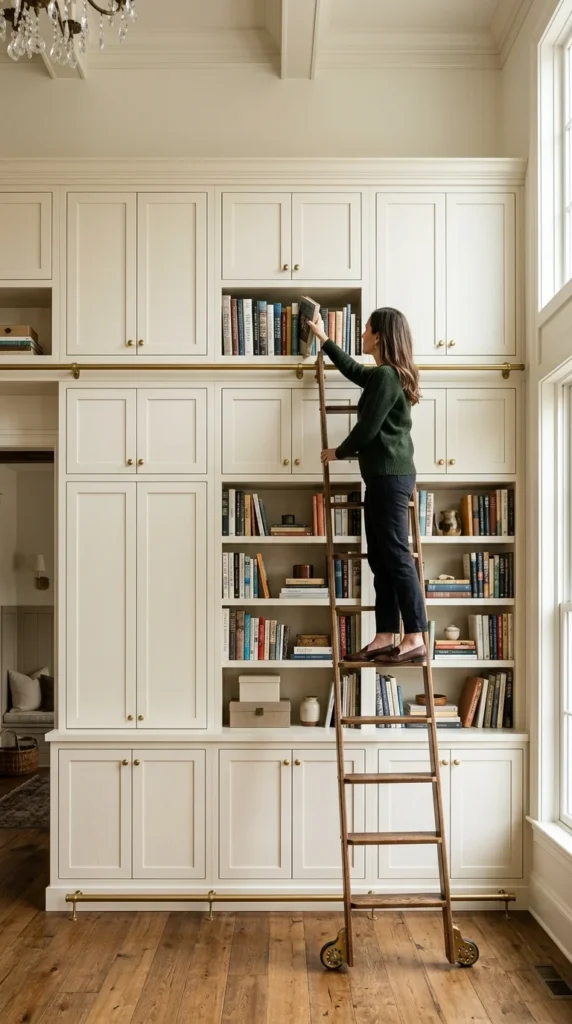
Standard kitchens often leave a gap between the top of the cabinets and the ceiling. This gap is a magnet for dust and visually “shrinks” the room. To create a custom, high-end look, cabinetry should always go all the way to the ceiling.
Floor-to-ceiling cabinets create a seamless, built-in look that makes the ceilings feel higher and the room feel larger. It also provides significantly more storage. For very high ceilings, designers often add a second row of smaller “transom” cabinets at the top, sometimes with glass fronts and internal lighting to display fine china or collectibles. This verticality is a hallmark of bespoke millwork.
10. Texture Mixing
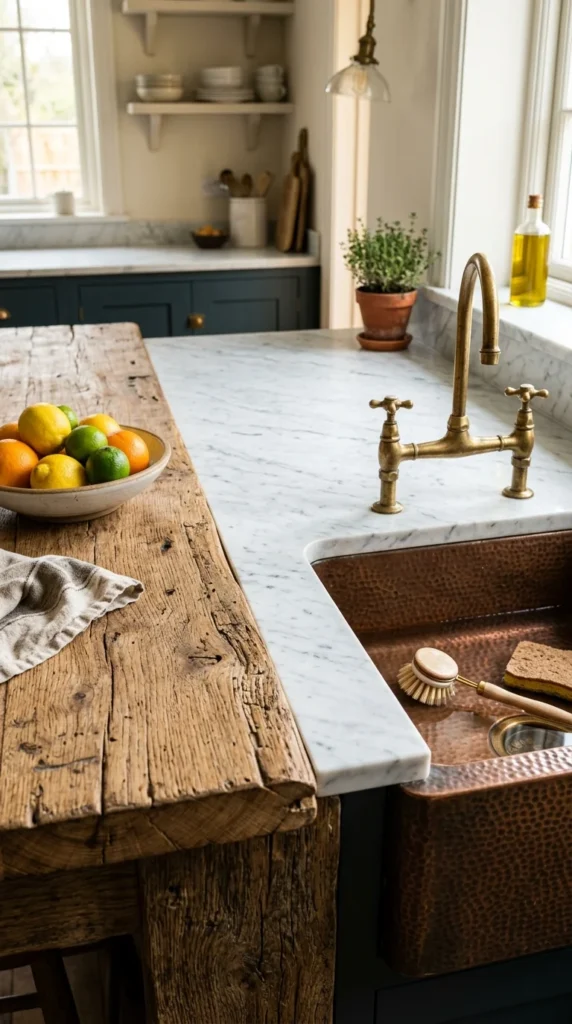
A kitchen that is all one texture can feel flat and “builder-grade.” Expensive-looking kitchens utilize a variety of textures to create depth and visual interest. This is often called “tactile design.”
Think about pairing smooth, cold marble with warm, grainy walnut wood. Add a backsplash with a handmade, slightly irregular “zellige” tile texture against sleek, modern appliances. Incorporate metals like a hammered copper sink or a brushed steel range. This mix of materials makes the kitchen feel curated over time rather than purchased from a single showroom floor. It adds a “designer touch” that feels unique and high-effort.
11. Professional Faucets
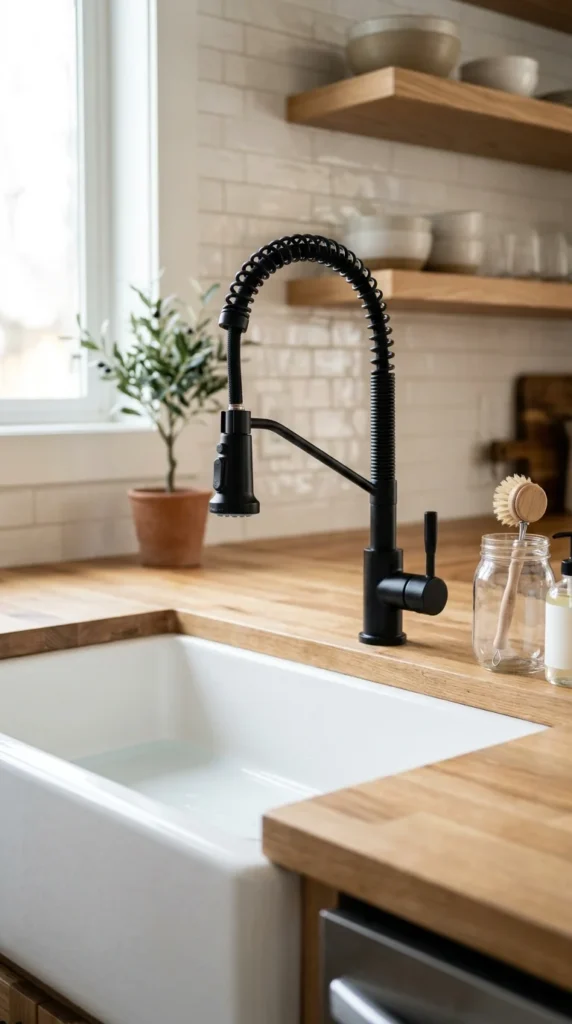
The kitchen faucet is one of the most-used items in the home, and upgrading to a professional-grade model is an instant way to make the sink area look expensive. Look for high-arc designs, industrial-style spring coils, or elegant bridge faucets.
The scale of the faucet matters; a larger, more substantial faucet acts as a sculptural element in the room. Pair it with a deep, under-mount sink or a classic white farmhouse “apron-front” sink. Modern features like touchless activation or integrated filtered water dispensers also add to the high-tech, luxury feel of the workstation.
12. Minimalist Hoods
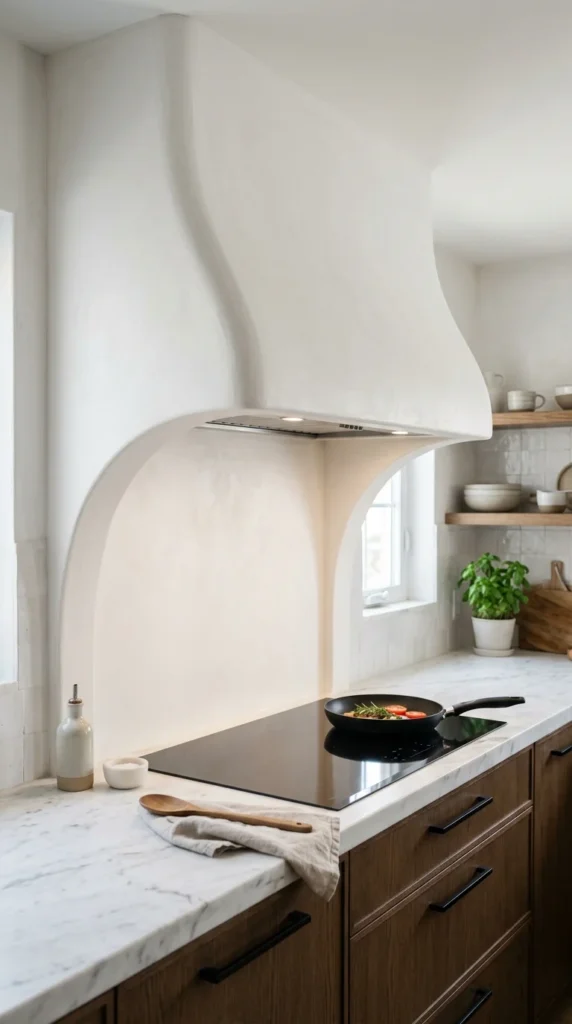
The range hood is often the center point of the kitchen, and moving away from the standard stainless steel box can drastically elevate the space. Custom-built hoods—whether they are wrapped in the same stone as the backsplash, finished in a smooth Venetian plaster, or framed in elegant wood—create a cleaner, more integrated look.
A minimalist hood allows the other design elements, like a beautiful range or a dramatic backsplash, to shine. It removes the “industrial” feel of exposed metal and replaces it with an architectural feature that feels like part of the home’s structure. This level of customization is a clear sign of a high-end, thoughtfully designed kitchen.