
Creating a space for a child is one of the most rewarding interior design challenges. It is a unique opportunity to blend unbridled imagination with sophisticated aesthetics. Gone are the days of simple primary colors and plastic bins; today’s kids’ rooms are masterpieces of texture, functionality, and personality. Whether you are designing for a toddler or a pre-teen, these ten ideas offer a roadmap to creating a sanctuary that is as beautiful as it is playful.
1. Whimsical Canopy
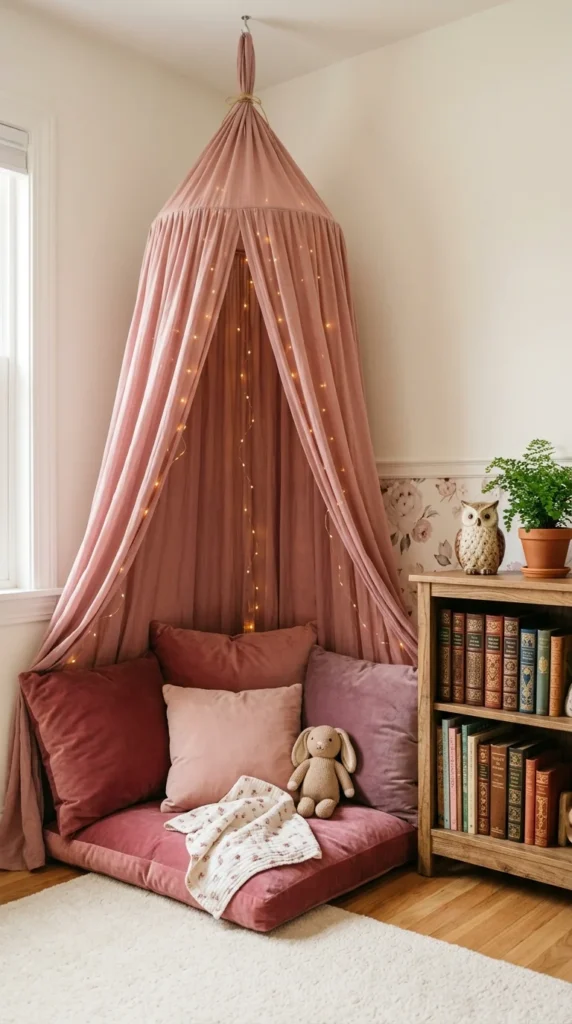
The canopy is a timeless addition that instantly transforms a standard bed or a corner of the room into a magical hideaway. Beyond its visual appeal, a canopy provides a sense of security and intimacy. To achieve a high-end look, opt for heavy linens or organic cotton gauze rather than cheap synthetic mesh. Draping the fabric from a high point creates the illusion of height in the room, while adding string lights inside the folds creates a “starry night” effect that makes bedtime something to look forward to.
2. Woodland Murals
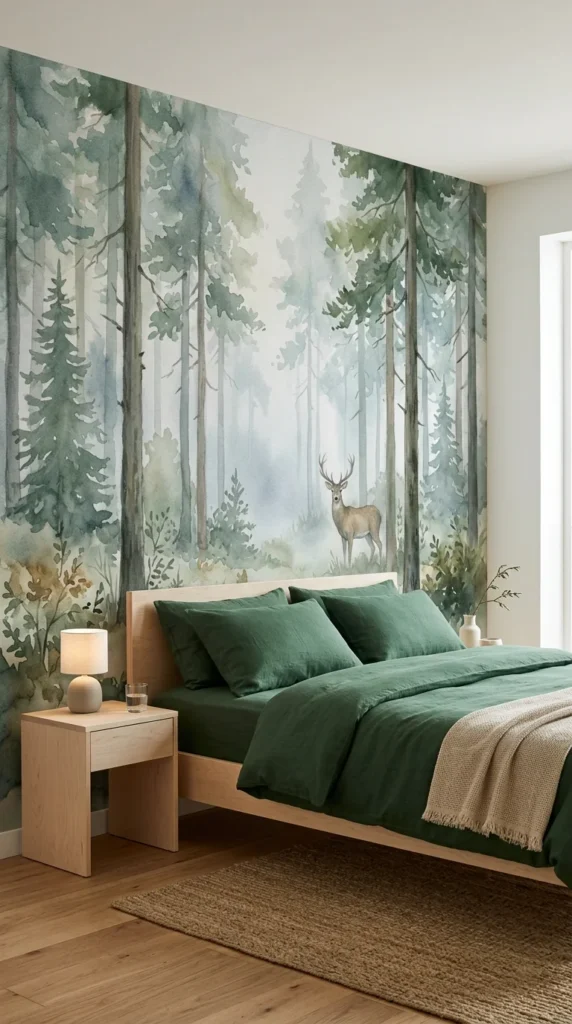
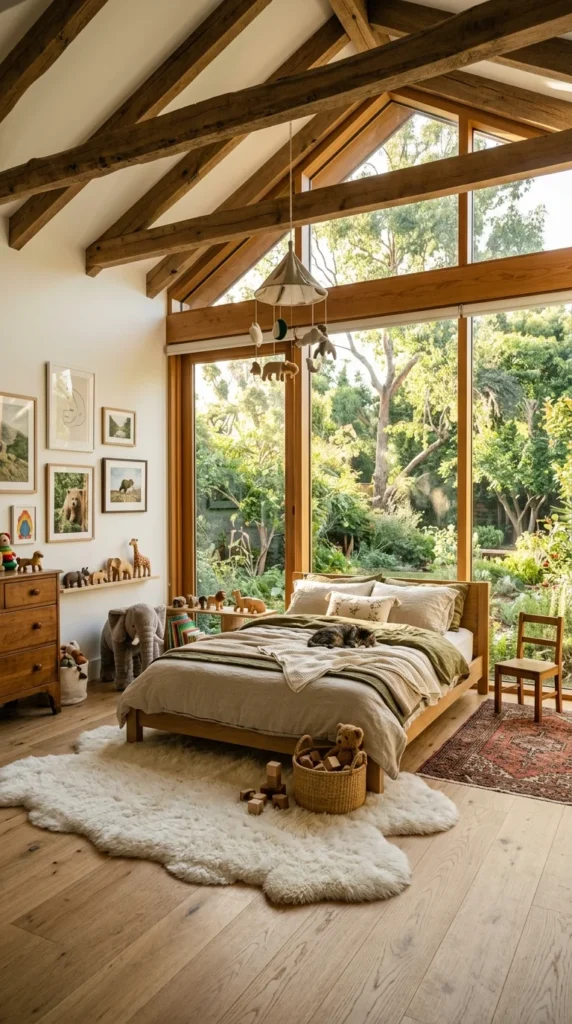
Wall decals are out; hand-painted or high-quality wallpaper murals are in. A woodland theme brings the calming influence of nature indoors. Instead of cartoonish illustrations, look for “etched” or watercolor styles that feel like illustrations from a classic storybook. This approach ensures the room remains sophisticated as the child grows. Pairing the mural with natural wood furniture and organic textures like jute and wool anchors the theme without making it feel overwhelming.
3. Modern Minimalism
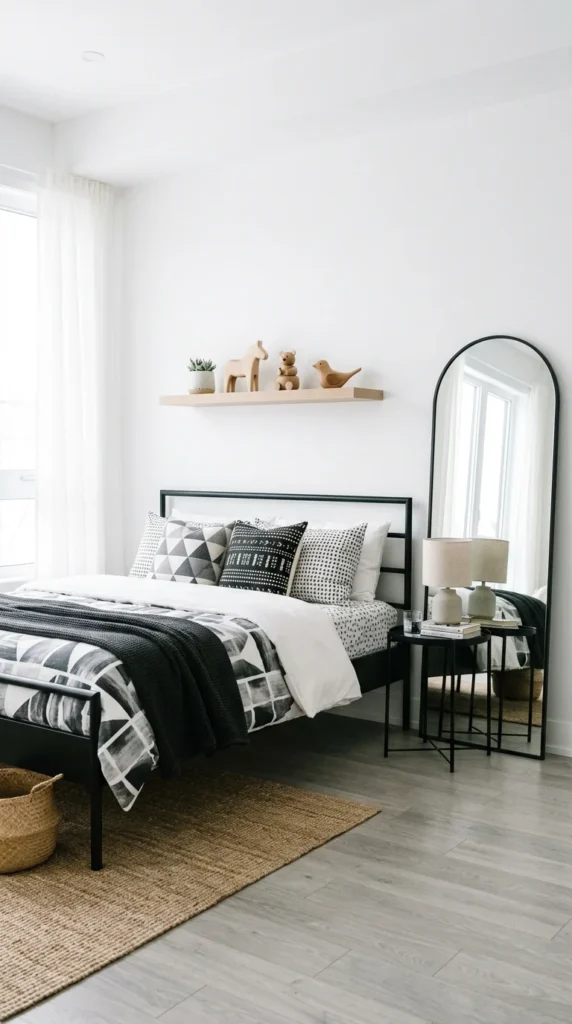
Minimalism isn’t just for adults. A minimalist kids’ room focuses on quality over quantity, featuring “breathable” space that allows a child’s mind to focus and create. Use a neutral palette—think whites, greys, and warm wood tones—and choose furniture with clean lines. The key to making this work for a child is hidden storage. Custom cabinetry or sleek under-bed drawers keep the clutter at bay, ensuring the room remains a serene environment rather than a chaotic playroom.
4. Bold Color-Blocking
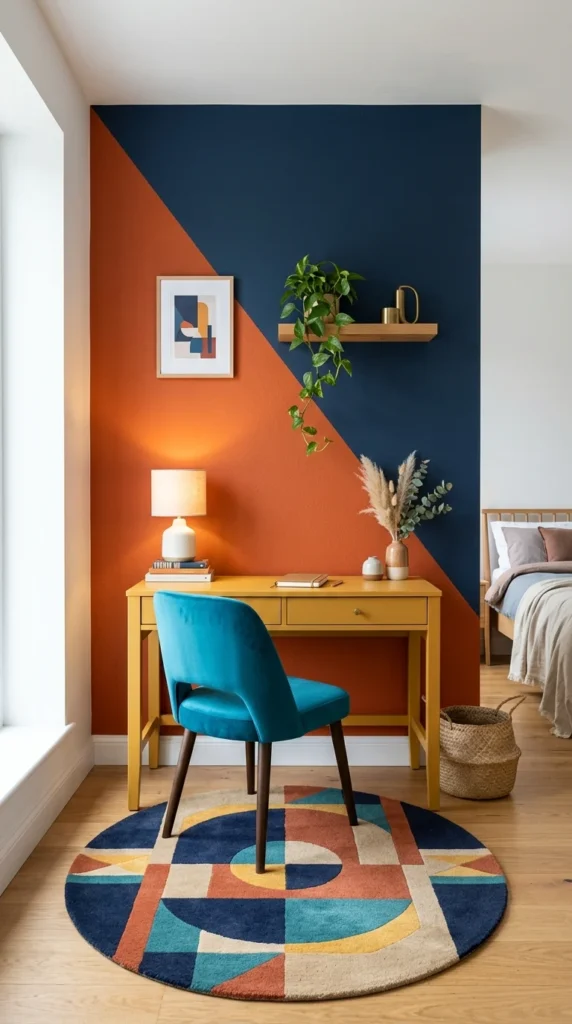
If neutrals aren’t your style, color-blocking offers a high-impact way to introduce vibrancy without clutter. By painting large geometric shapes or dividing the room horizontally with two contrasting colors, you create an architectural interest that feels intentional and modern. This technique is particularly effective for defining different zones in a shared room—give each child their own color “zone” to personalize their space while maintaining a cohesive overall design.
5. Space Explorer
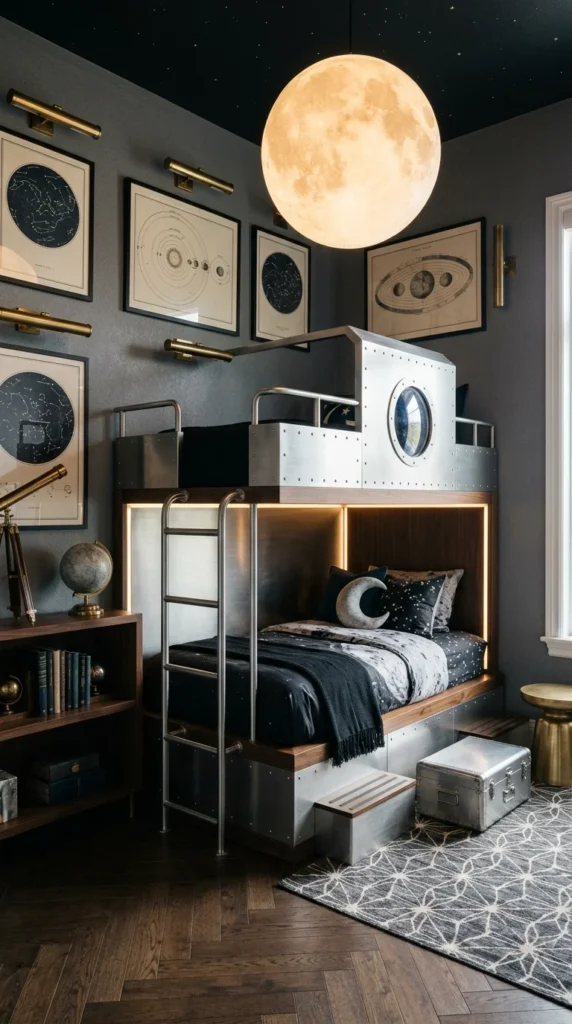
The “space” theme has received a major glow-up. Move away from neon greens and aliens, and toward a sophisticated “celestial” aesthetic. Dark, moody walls in midnight blue or charcoal provide the perfect backdrop for metallic accents in brass or silver. Incorporate educational elements like framed vintage maps of the constellations or a high-quality telescope. This look is moody, atmospheric, and perfect for the budding scientist who wants a room that feels “cool” rather than “cute.”
6. Vintage Bohemian
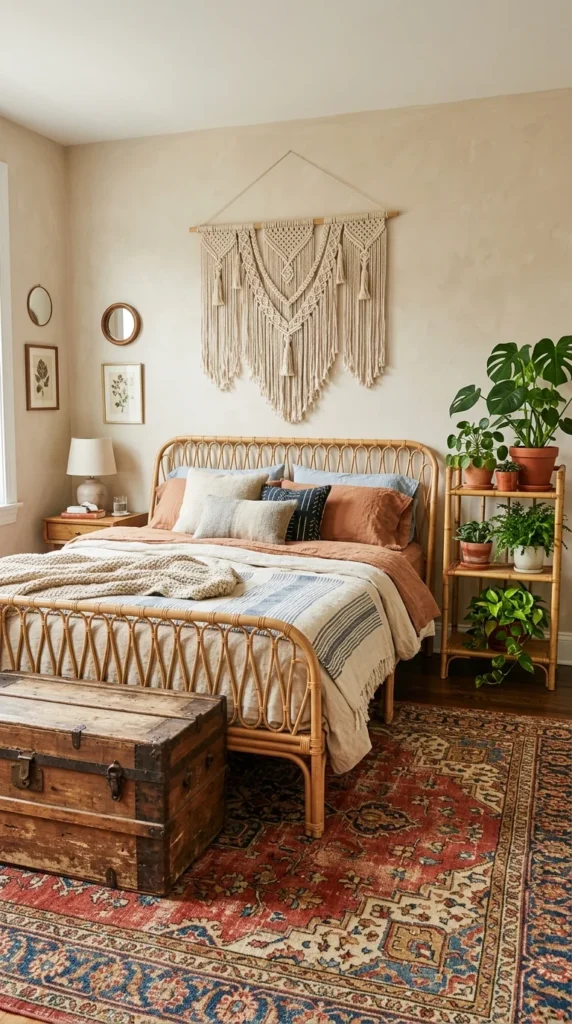
The boho-chic aesthetic is perfect for kids because it thrives on imperfection and layers. Start with a foundation of natural materials like rattan, wicker, and reclaimed wood. Add warmth through textiles: a Moroccan rug, fringed pillows, and knit throws. The beauty of this style is its longevity; a vintage-inspired room feels curated over time. It’s also incredibly easy to update—simply swap out a few pillows or a piece of wall art to change the vibe as the child’s tastes evolve.
7. Industrial Loft
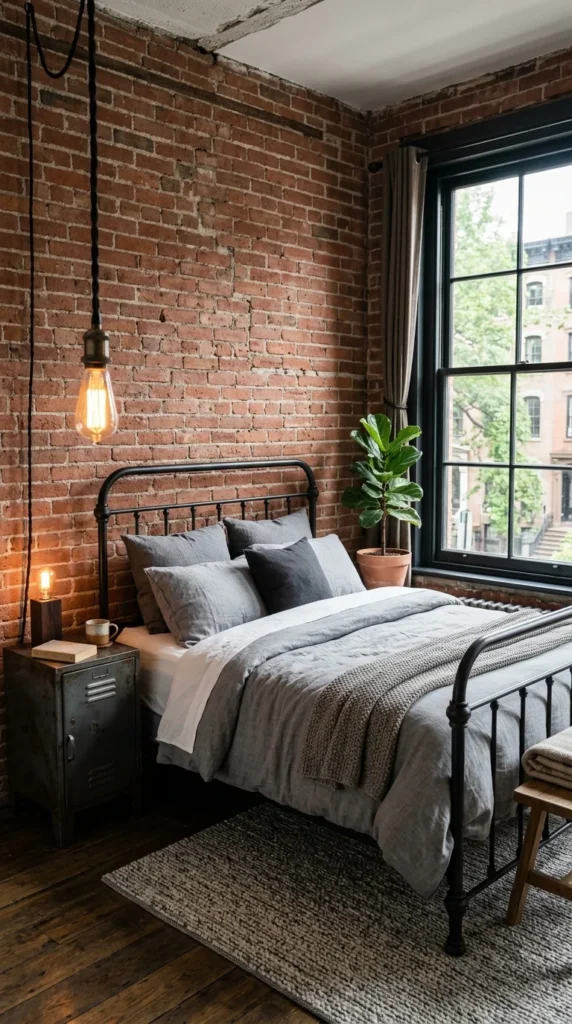
For a room that feels edgy and urban, the industrial look is an excellent choice, especially for older children. Focus on raw materials: brick, metal, and weathered wood. Use “locker-style” metal cabinets for storage and heavy-duty shelving for books and trophies. To keep the space from feeling too cold, soften the industrial edges with oversized bean bags, thick area rugs, and personalized wall art like vintage license plates or neon signs.
8. Secret Nook
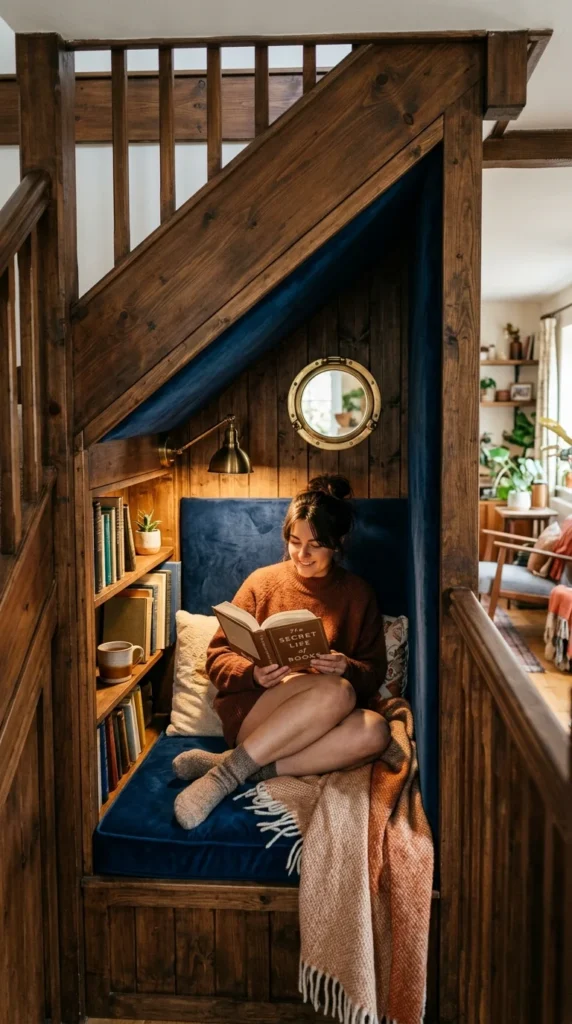
Every child dreams of a secret hideout. Transforming a closet or an awkward corner into a dedicated reading nook or “secret base” adds an element of architectural wonder to the room. Use custom carpentry to build a raised platform with storage underneath, or simply use heavy curtains to cordoned off a corner. Inside, focus on comfort: plush floor pillows, a dimmable light source, and easy-access shelving for their favorite stories.
9. Scandinavian Pastel
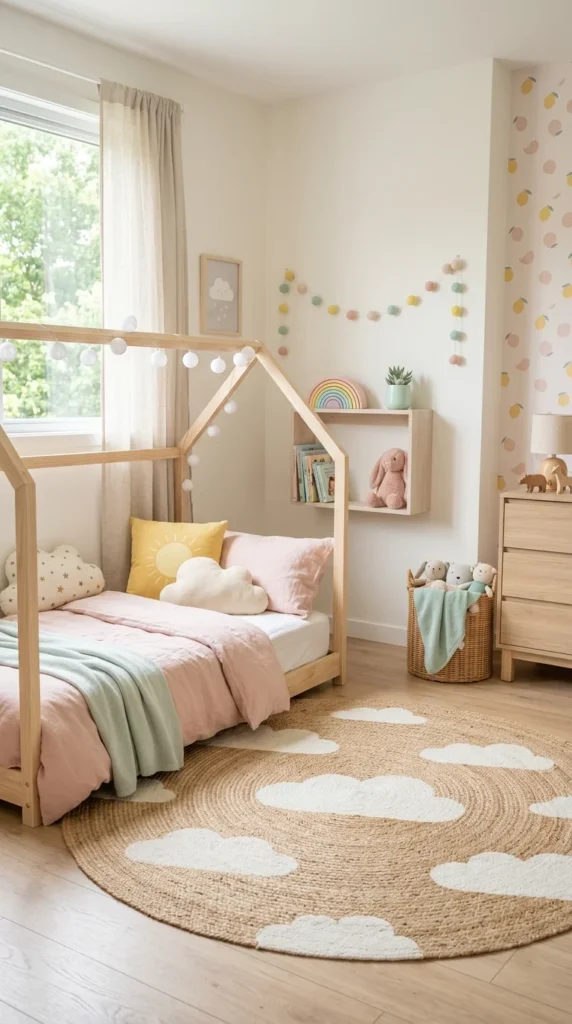
Scandinavian design is world-renowned for its ability to make small spaces feel large and functional. In a kid’s room, this translates to light-colored woods, “house-frame” beds, and a soft pastel palette. The goal is to create a bright, airy sanctuary. Use functional decor like pegboards for organizing art supplies and modular shelving that can be rearranged as needed. This style is particularly effective for small rooms, as the light colors and minimalist furniture prevent the space from feeling cramped.
10. Interactive Play Wall
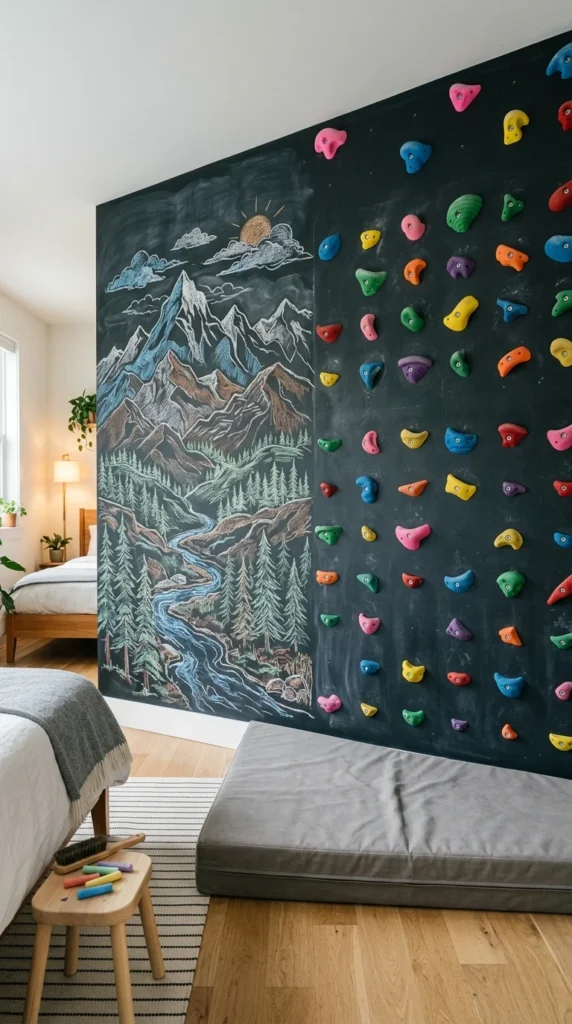
Why should walls just be for looking at? An interactive wall turns the room into a playground without taking up floor space. Chalkboard paint allows for endless artistic expression, while a dedicated rock-climbing wall or a set of Swedish ladders encourages physical activity. The key to making an interactive wall look “beautiful” is to keep the rest of the room relatively simple. Let the wall be the focal point and use a cohesive color palette for the climbing holds or the chalk art to ensure it integrates with the overall design.