
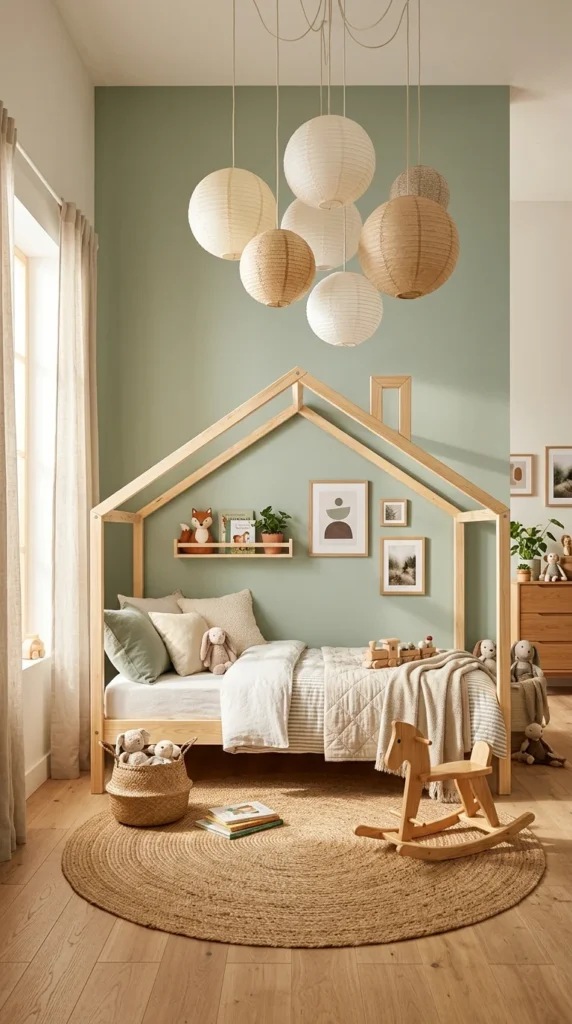
Creating a space for children that is both functional and aesthetically pleasing used to be a challenge. Gone are the days of bright, neon primary colors and plastic-heavy furniture that kids quickly outgrow. Today, the trend in children’s interior design focuses on “longevity style”—spaces that spark imagination while remaining sophisticated enough to evolve with the child. From serene earth tones to clever architectural hacks, the modern kids’ room is a sanctuary of creativity and calm.
1. Earthy Neutrals
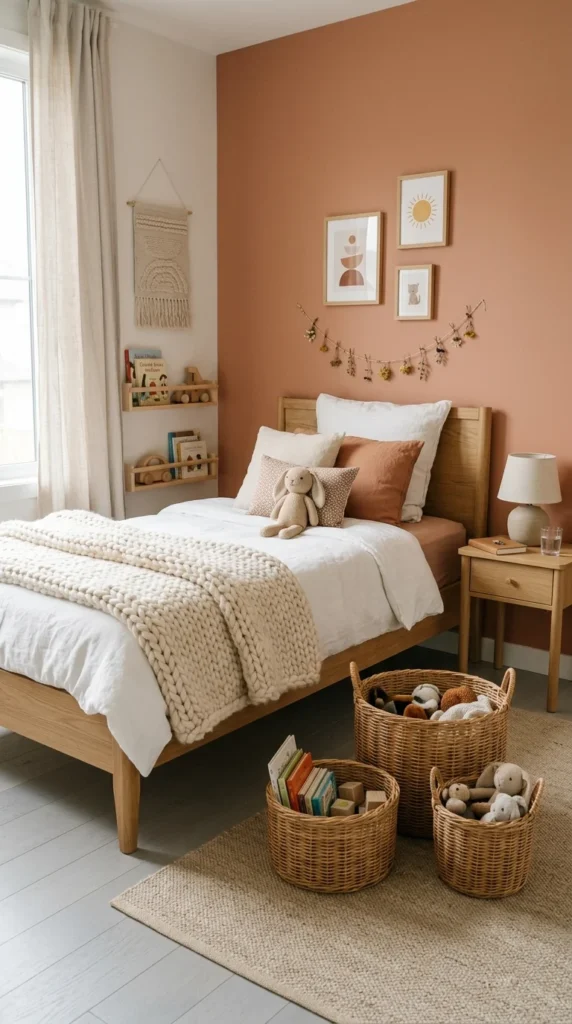
The shift toward earthy neutrals is perhaps the most significant trend in modern kids’ room decor. Moving away from the traditional “blue for boys, pink for girls” mentality, designers are opting for a palette of terracotta, sage green, sandy beige, and warm ochre. These colors are scientifically proven to have a calming effect on a child’s nervous system, making the bedroom a better environment for sleep and focused play. Neutral backgrounds also allow for easy updates; as a child’s interests change, you can swap out accessories without needing to repaint the entire room.
2. Reading Nooks
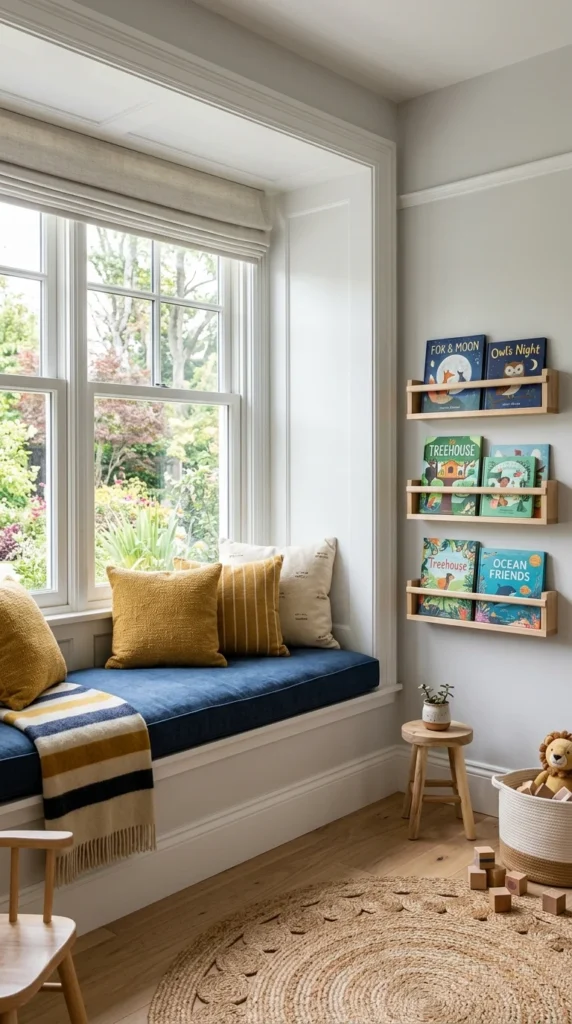
Encouraging a love for literacy starts with a dedicated space. The modern reading nook is more than just a chair in a corner; it is a curated “destination” within the room. Designers are using floor-to-ceiling book ledges to turn book covers into wall art, making it easier for toddlers to select their favorite stories. To recreate this at home, focus on comfort. Layering sheepskin rugs, oversized floor cushions, and dimmable sconce lighting creates a cozy “burrow” feel that makes reading the highlight of the day.
3. Arched Accents
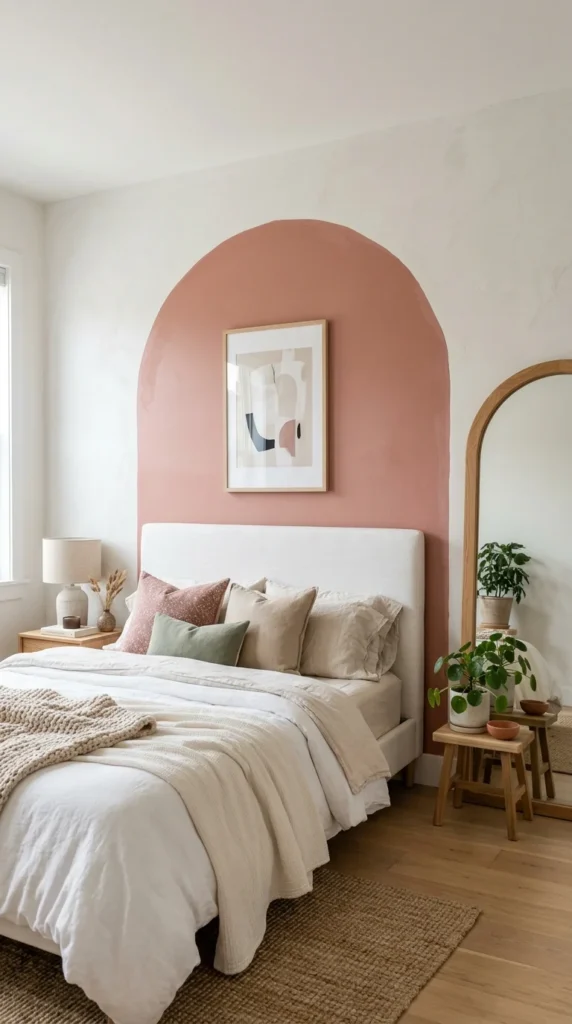
Soft curves are replacing sharp angles in the modern nursery and playroom. The “arch” trend is appearing in everything from painted wall murals to custom-built wardrobes and headboards. This architectural detail adds a sense of whimsy and softness to the room. If you aren’t ready for a structural renovation, a simple “painted arch” behind a bed or a desk is one of the most saved DIY projects on social media. It creates a focal point and adds depth to a flat wall without the commitment of wallpaper.
4. Modular Furniture
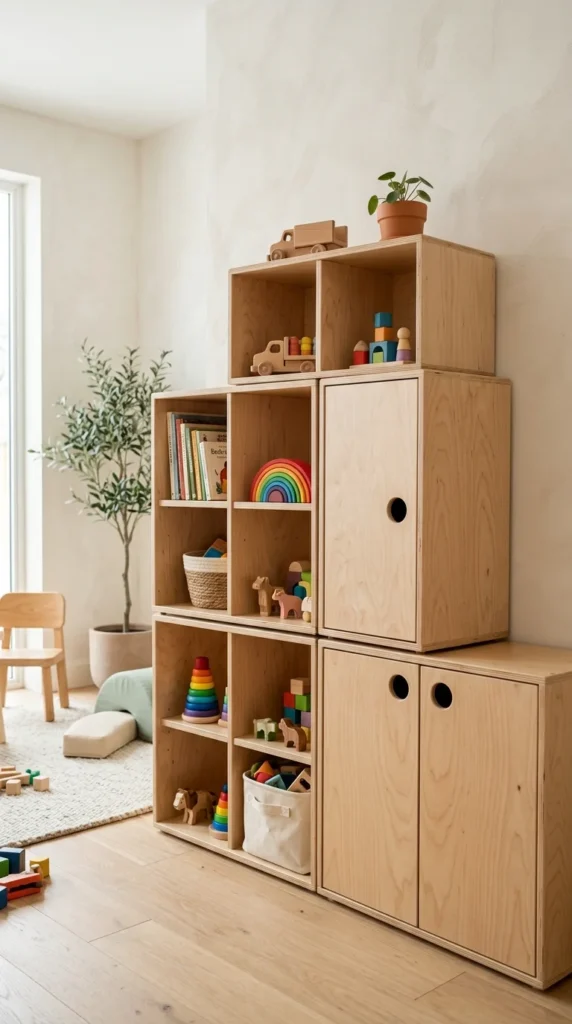
Flexibility is the hallmark of modern design. Modular furniture systems that can be rearranged, stacked, or expanded are highly sought after by parents looking for a long-term investment. These systems often feature desks that can be raised as the child grows or storage cubes that can transition from holding stuffed animals to housing textbooks and electronics. The aesthetic is usually minimalist and “Scandi-inspired,” utilizing light woods and clean lines that prevent the room from feeling cluttered.
5. Statement Ceilings
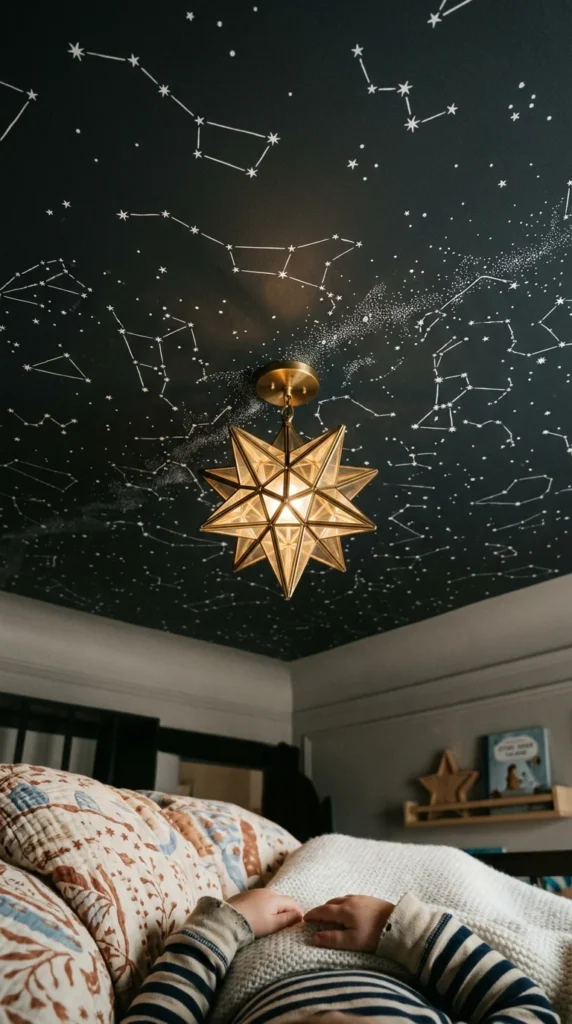
The ceiling is often referred to as the “fifth wall,” and in kids’ rooms, it is finally getting the attention it deserves. Since children spend a significant amount of time looking up—especially when falling asleep—decorating the ceiling provides a unique opportunity for immersion. Whether it is a bold coat of paint that contrasts with the walls, a whimsical wallpaper featuring clouds or stars, or even a collection of hanging mobiles, a statement ceiling adds a layer of magic that makes the room feel like a secret world.
6. Sustainable Materials
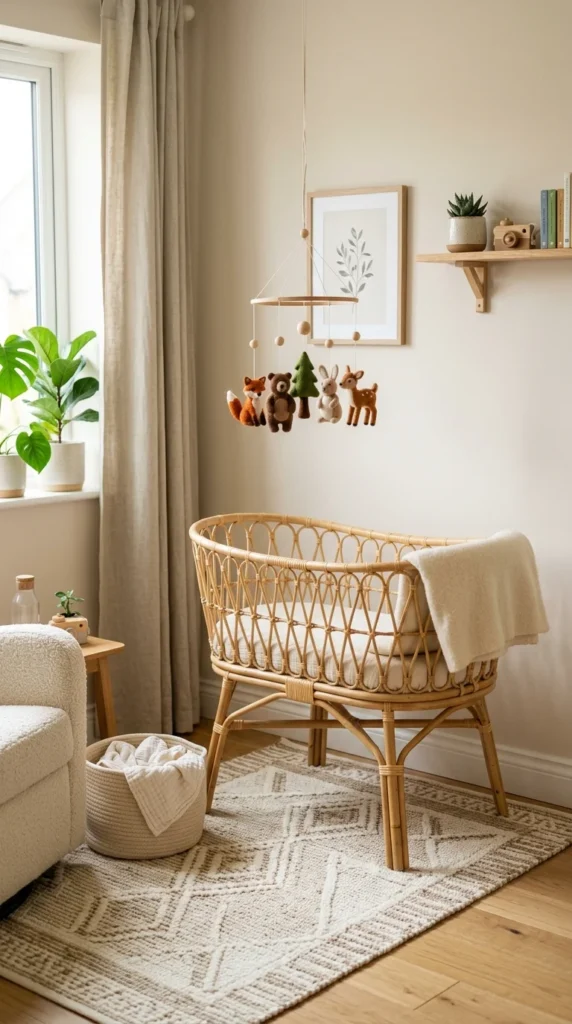
Modern parents are increasingly conscious of the environmental impact of their decor choices. This has led to a surge in furniture made from sustainable materials like rattan, bamboo, cork, and FSC-certified wood. These materials bring a beautiful, organic texture to the room that plastic simply cannot replicate. Beyond the aesthetics, choosing organic cotton bedding and non-toxic, low-VOC paints ensures that the indoor air quality is safe for growing lungs.
7. Gallery Walls
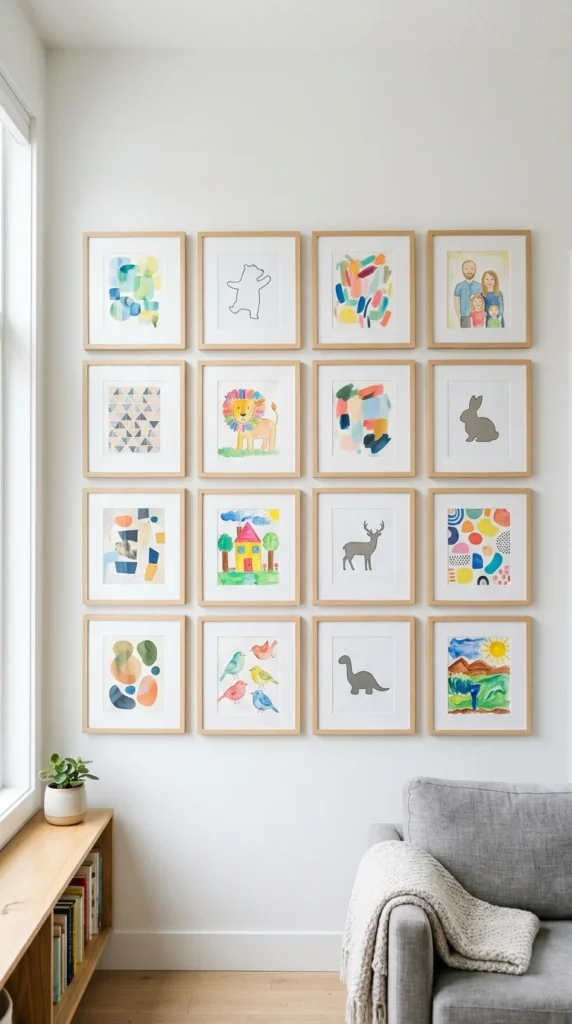
The modern gallery wall is a sophisticated way to display a child’s personality. Instead of taping drawings to the fridge, parents are choosing cohesive frames to create a professional-looking art installation. The secret to a successful kids’ gallery wall is “curated chaos.” Mix professional prints with your child’s own masterpieces. This not only elevates the room’s design but also boosts the child’s self-esteem by showing that their work is valued enough to be framed and displayed prominently.
8. Indoor Swings
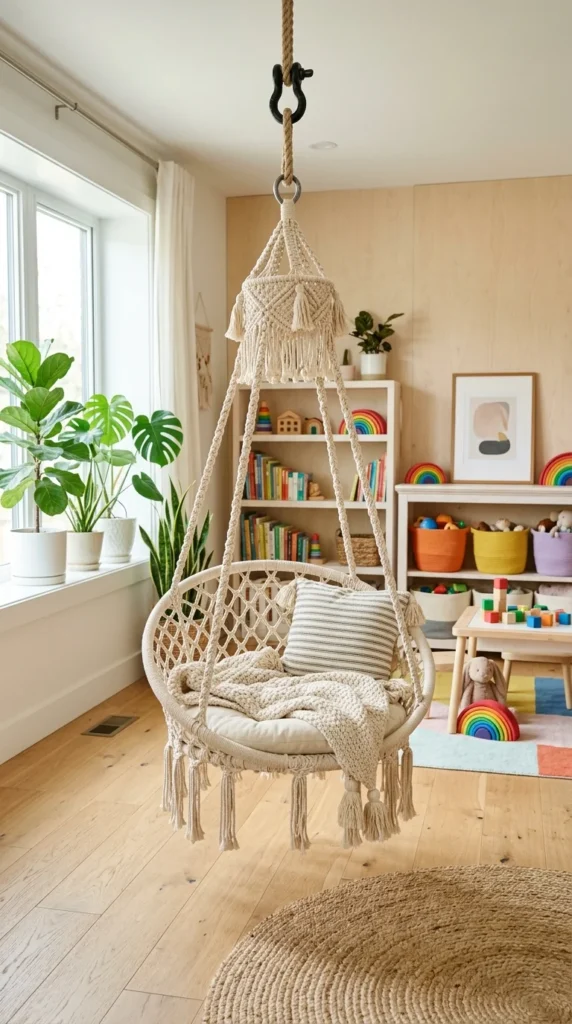
Integrating play into the furniture is a major trend for 2024. Indoor swings, hammocks, and “pod” chairs are being saved by thousands of homeowners looking to add a touch of movement to a child’s space. Beyond being fun, these elements serve a sensory purpose, providing a calming rhythmic motion that can help children decompress after a long day at school. When installed safely into a ceiling joist, a swing becomes the ultimate statement piece that defines the room’s playful spirit.
9. Hidden Storage
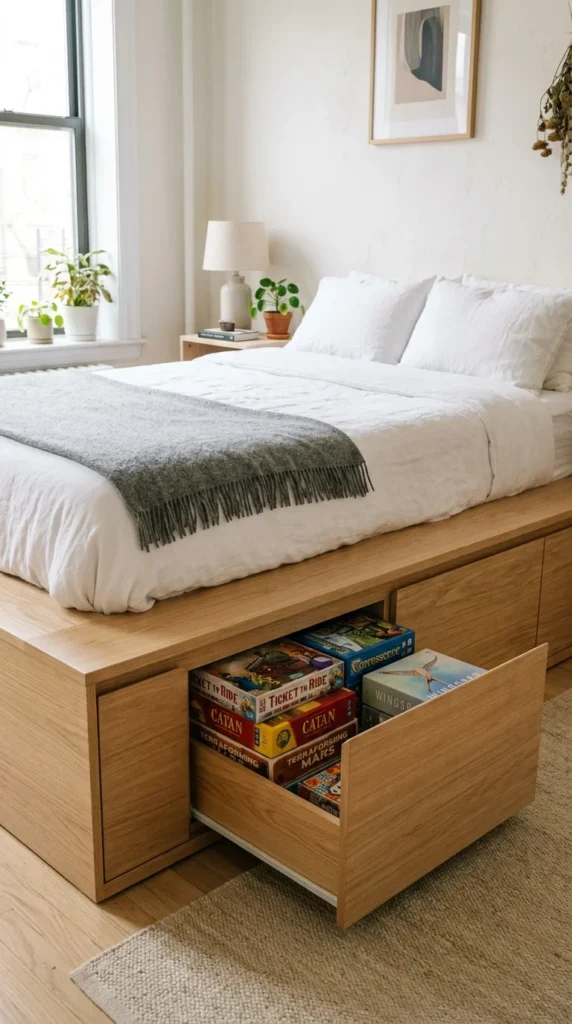
The “clutter-core” look is out; minimalist organization is in. Modern kids’ rooms utilize every square inch of space through clever hidden storage. This includes beds with built-in drawers, window seats that flip open to reveal toy chests, and floor-to-ceiling cabinetry that blends into the walls. By keeping the majority of toys tucked away, the room remains a peaceful environment for sleep, while the items that are on display—like a few favorite books or a special toy—can truly shine.
10. Botanical Murals
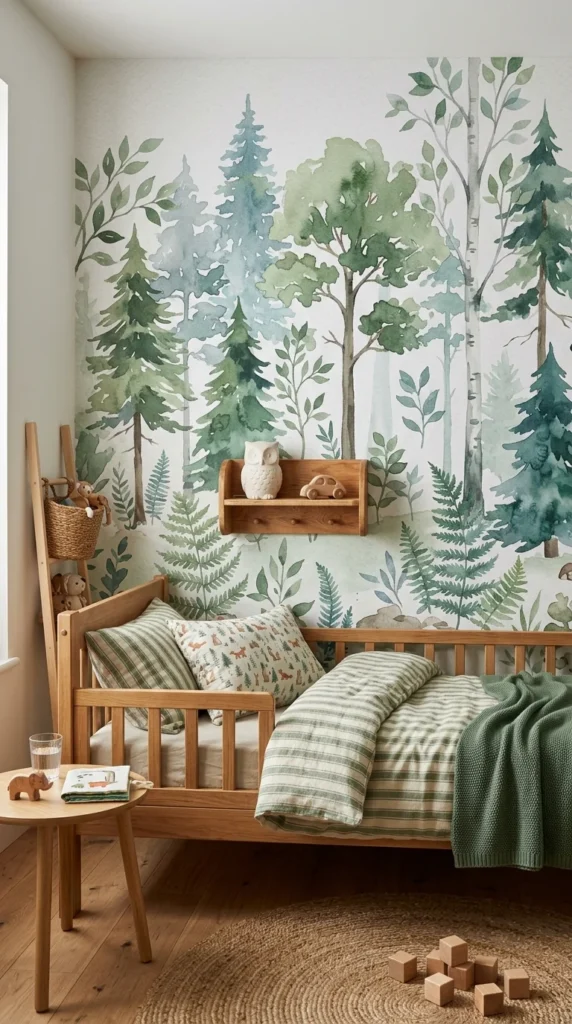
Bringing the outdoors in is a timeless design principle that works exceptionally well for children. Large-scale botanical murals—featuring forests, wildflowers, or oversized leaves—create an immersive, “enchanted garden” feel. Unlike traditional repetitive wallpaper patterns, these murals act as a single piece of art that covers an entire wall. They provide a lush, textured backdrop that feels sophisticated enough to transition from a nursery into a teenager’s room.
11. Loft Beds
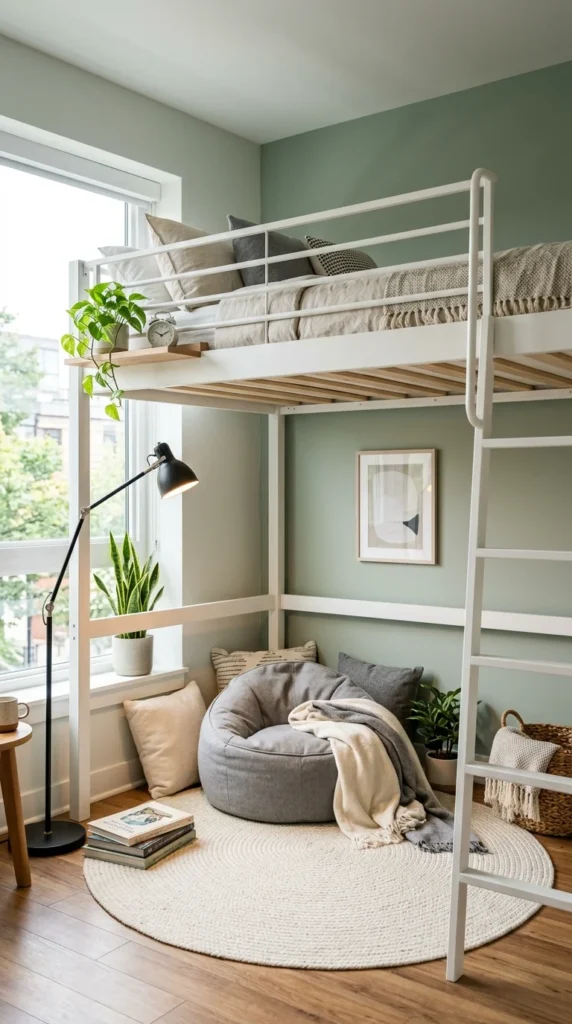
Loft beds have evolved from the clunky metal frames of the past into architectural masterpieces. In modern rooms, the loft bed is used to maximize vertical space, especially in smaller urban homes. The “under-bed” area is no longer just for storage; it is being transformed into “secret” playrooms, homework stations, or even a second guest bed for sleepovers. By elevating the sleeping area, you effectively double the usable square footage of the room.
12. Sensory Zones
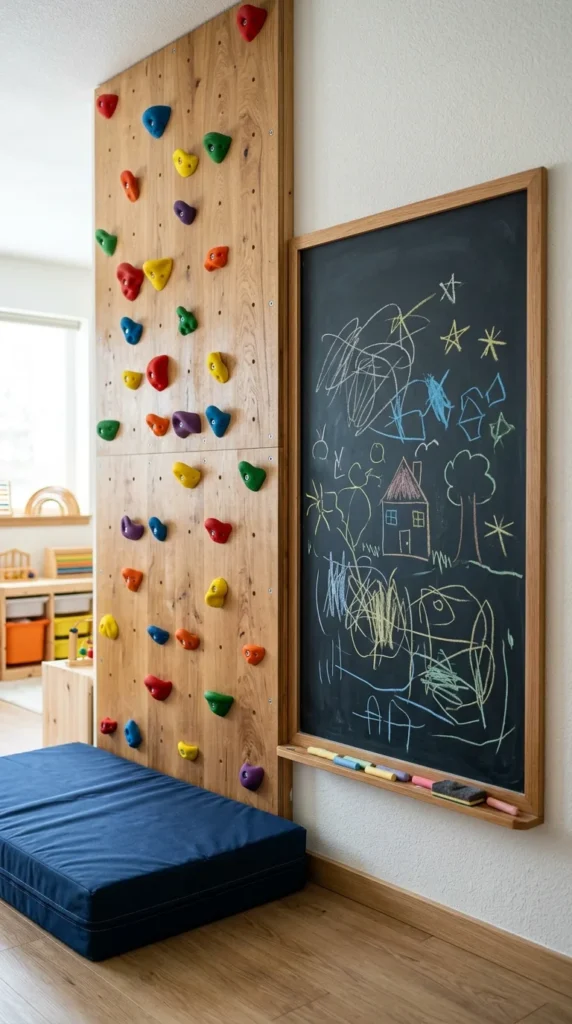
The most innovative kids’ rooms now incorporate “sensory zones” designed to stimulate different senses and encourage physical activity. This might include a climbing wall, a chalkboard-painted section for creative expression, or a “tactile wall” featuring different fabric textures. These zones acknowledge that a child’s room is not just a place to sleep, but a place for development. By integrating these features into the decor—using high-quality woods and curated colors—they become a stylish part of the room’s DNA rather than an eyesore.