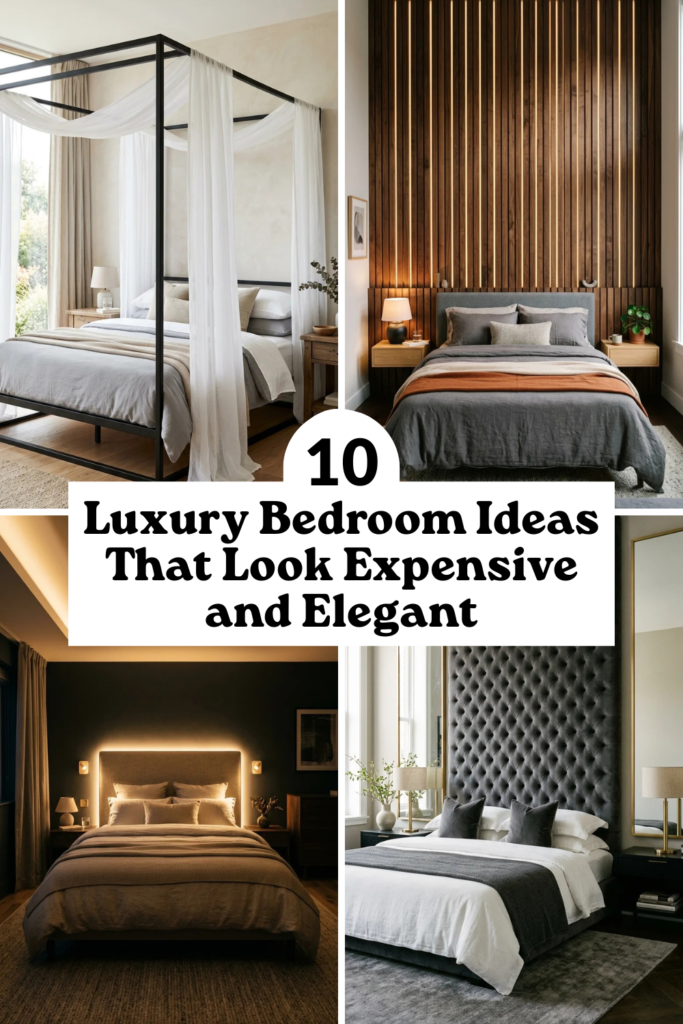

Creating a bedroom that exudes luxury isn’t just about spending a fortune; it’s about the deliberate selection of textures, scales, and details that evoke a sense of serenity and grandeur. A truly expensive-looking room appeals to all the senses, combining tactile fabrics with visual symmetry and sophisticated lighting. Whether you are starting from scratch or looking to elevate your current space, these ten design strategies will help you achieve a high-end, five-star hotel aesthetic at home.
1. Statement Headboards
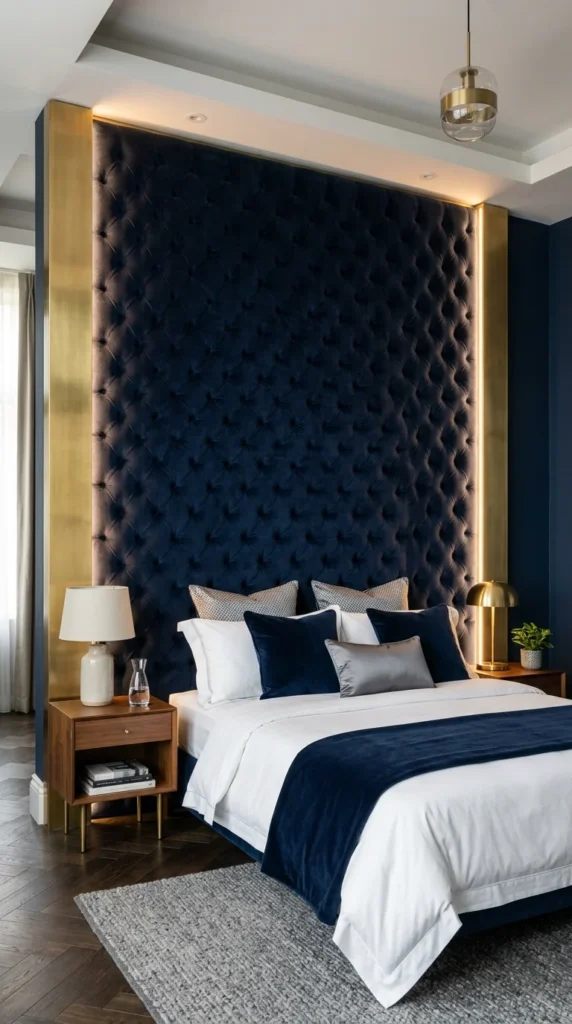
The bed is the undisputed focal point of any bedroom, and a statement headboard is the fastest way to signal luxury. Forget standard sizes; high-end designers often opt for oversized or floor-to-ceiling headboards that command attention.
- Material Matters: Choose rich fabrics like velvet, mohair, or high-quality leather. These materials catch the light and add a layer of depth that flat cotton cannot achieve.
- Architectural Integration: Consider a “winged” headboard that wraps around the sides of the bed for a cozy, cocoon-like feeling.
- Custom Details: Adding deep button tufting or vertical channeling creates a bespoke, tailored look that feels much more expensive than a flat-packed alternative.
2. Layered Bedding
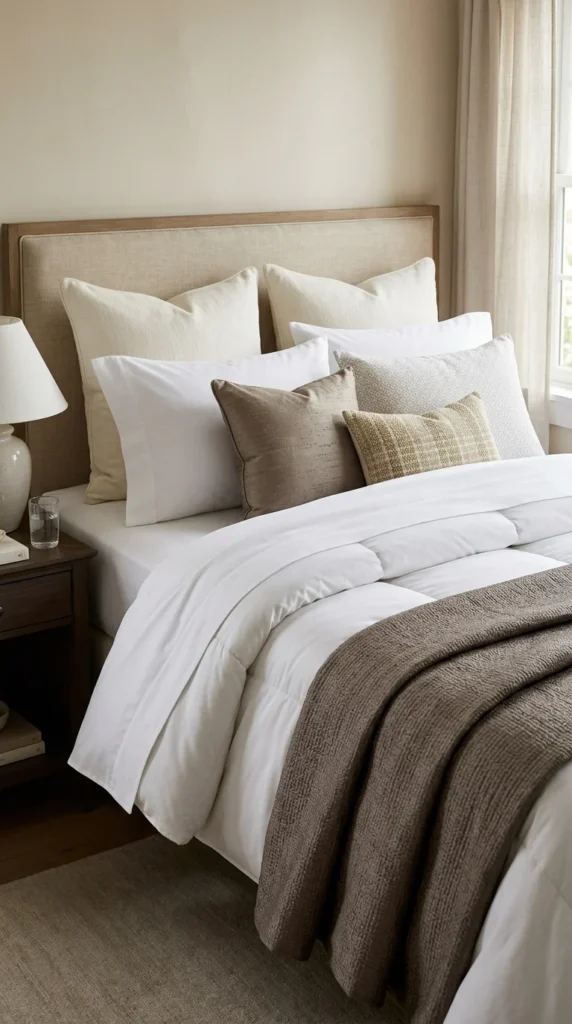
Luxury is often defined by “the fluff factor.” An expensive-looking bed should look like a cloud you can sink into. Achieving this requires more than just a single comforter; it requires strategic layering.
- The Base: Start with high-thread-count Egyptian or Pima cotton sheets in a crisp white or soft cream.
- The Volume: Use a heavy down (or high-quality alternative) duvet insert that is slightly larger than your duvet cover to give it a stuffed, plump appearance.
- The Finishing Touches: Layer a weighted throw or a silk coverlet at the foot of the bed. Use a mix of “Euro shams” (the large square pillows), standard pillows, and smaller decorative “lumbar” pillows to create height and dimension.
3. Dramatic Lighting
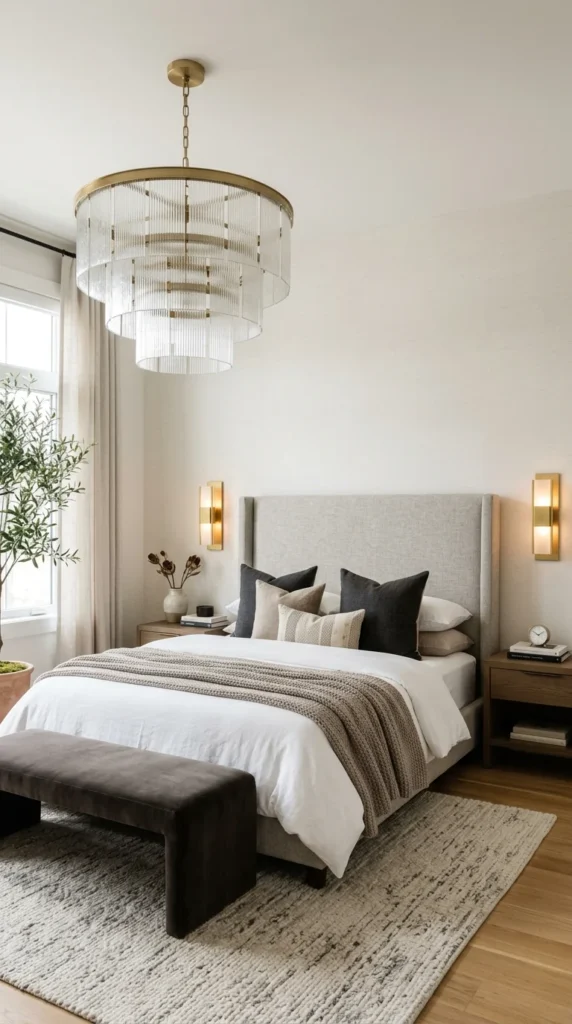
Nothing kills a luxury vibe faster than a single, harsh overhead light. Elegant bedrooms utilize a “layered lighting” scheme that allows for different moods throughout the day.
- The Centerpiece: A statement chandelier or a large-scale pendant light acts as jewelry for the room. Look for materials like crystal, frosted glass, or brushed brass.
- The Perimeter: Install wall sconces next to the bed instead of traditional table lamps to save space and create a clean, hotel-inspired aesthetic.
- The Glow: Use LED strip lighting behind headboards, under bed frames, or inside crown molding to create a soft, ambient glow that hides the source of the light while highlighting the architecture.
4. Neutral Palettes
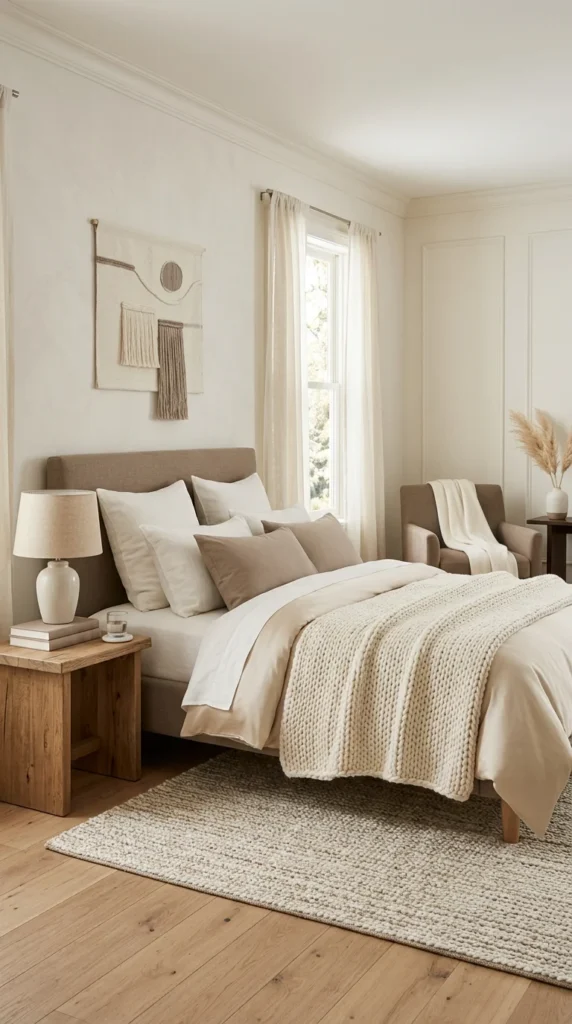
While bold colors can be striking, a neutral color palette is the hallmark of classic elegance. Shades of white, cream, greige, and soft gold create a timeless, airy feel that mimics the atmosphere of an elite spa.
- Tone-on-Tone: Instead of contrasting colors, use different shades of the same hue. For example, pair oatmeal-colored walls with cream curtains and a tan rug.
- Texture Over Color: When the colors are muted, textures must do the heavy lifting. Mix a chunky knit throw with smooth silk pillows and a matte-painted wall to keep the room from feeling flat.
- Metallic Accents: A neutral room comes to life when paired with subtle metallic hints in the hardware, furniture legs, or picture frames.
5. Metallic Accents
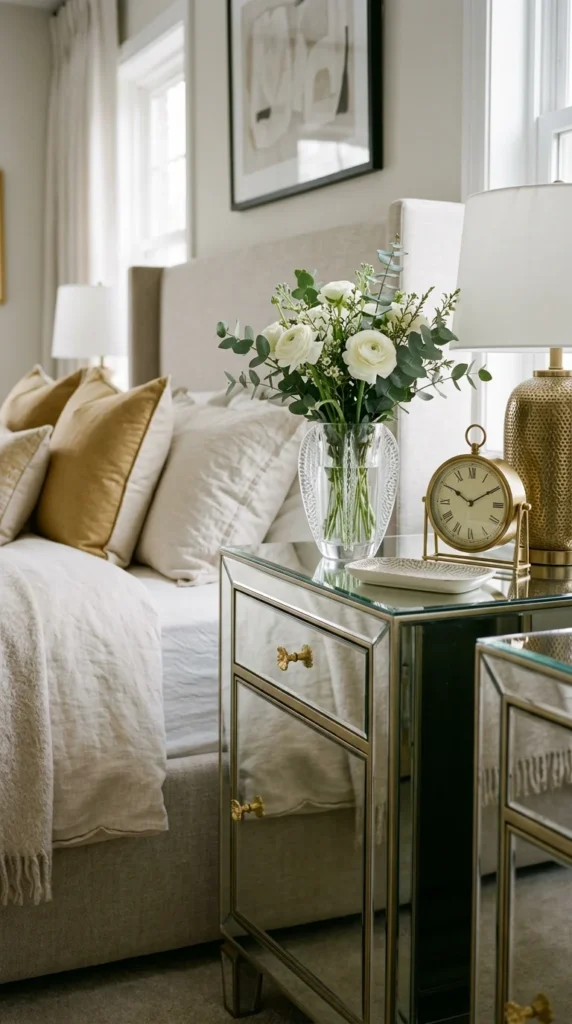
The subtle glint of metal suggests a level of refinement and craftsmanship. Incorporating gold, silver, or brass elements can instantly elevate the perceived value of your furniture.
- Furniture Trim: Look for nightstands or dressers with metallic “socks” on the legs or thin metal inlays.
- Hardware Upgrades: You don’t need new furniture to look expensive; simply replacing standard drawer pulls with heavy, knurled brass or polished nickel handles can transform a piece.
- Reflective Surfaces: Mirrors with ornate metallic frames not only look luxurious but also bounce light around the room, making it feel larger and more opulent.
6. Plush Rugs
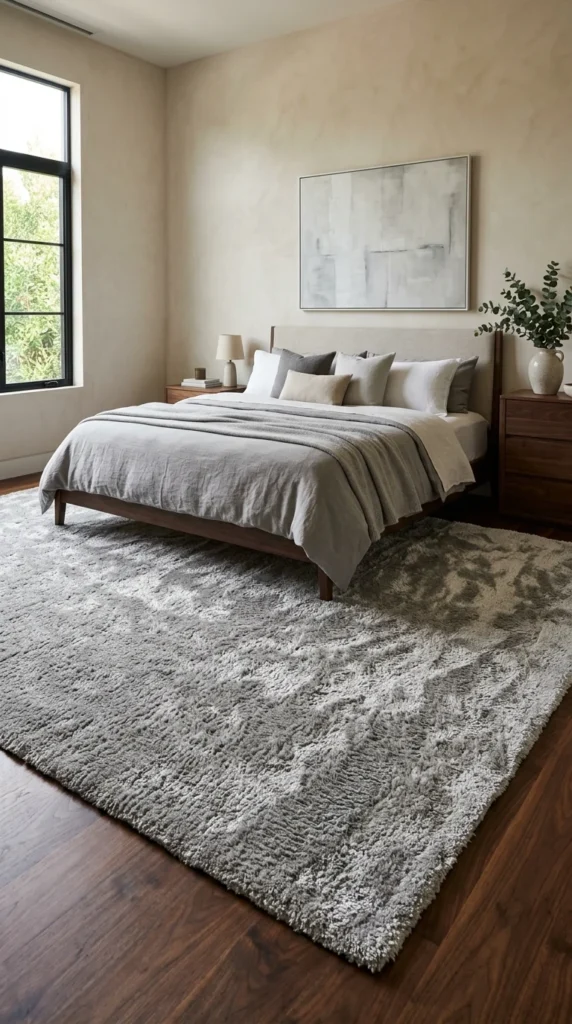
In a luxury bedroom, the floor should never be an afterthought. A thin, small rug can make a room look cheap and disjointed. To achieve an elegant look, the rug should be an anchor.
- Size is Key: The rug should be large enough that at least two-thirds of the bed sits on top of it, with at least 24 inches of rug visible on all sides.
- The Feel: Look for materials like New Zealand wool, silk blends, or high-quality faux fur. The goal is a soft, cushioned feel underfoot the moment you step out of bed.
- Wall-to-Wall Elegance: In some high-end designs, a very high-quality, low-pile wall-to-wall carpet in a sophisticated color like charcoal or champagne can feel incredibly lush.
7. Elegant Seating
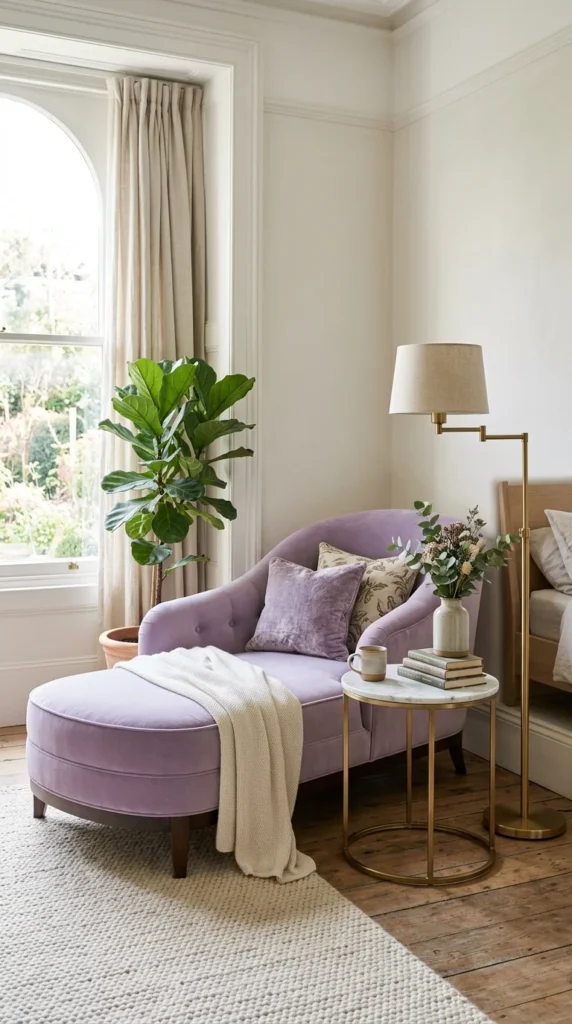
If space allows, adding a dedicated seating area transforms a bedroom from just a place to sleep into a private suite. It adds a layer of functionality found in the world’s most expensive homes.
- The Bench: A long, upholstered bench at the foot of the bed is a classic choice that adds symmetry and a place to set decorative pillows at night.
- The Reading Nook: A pair of velvet armchairs with a small marble-topped table creates a cozy spot for morning coffee.
- The Chaise: For the ultimate “old Hollywood” glamour, a chaise lounge offers a dramatic silhouette that screams sophistication.
8. Window Treatments
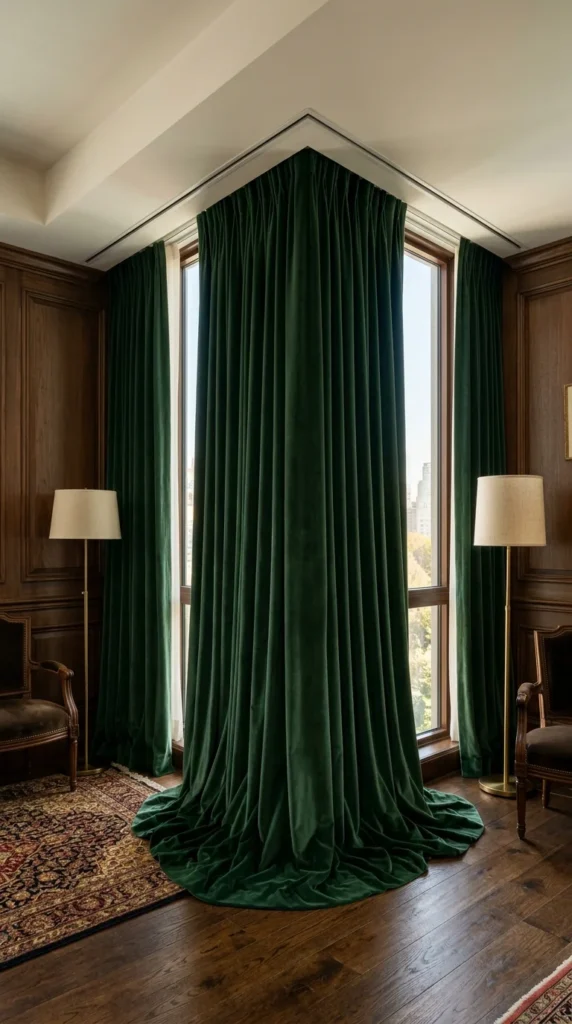
Skimping on curtains is a common mistake. Luxury window treatments are characterized by their height, volume, and the way they interact with the floor.
- Floor-to-Ceiling: Always hang your curtain rods as high as possible—ideally just below the ceiling—to make the room feel taller.
- The “Puddle” Effect: Ensure your curtains are long enough to touch the floor. For a more formal look, let them “puddle” by an inch or two for an opulent, romantic vibe.
- Double Layering: Use a combination of sheer drapes for daytime privacy and heavy blackout drapes in a rich fabric like velvet or linen for a layered, high-end look.
9. Architectural Details
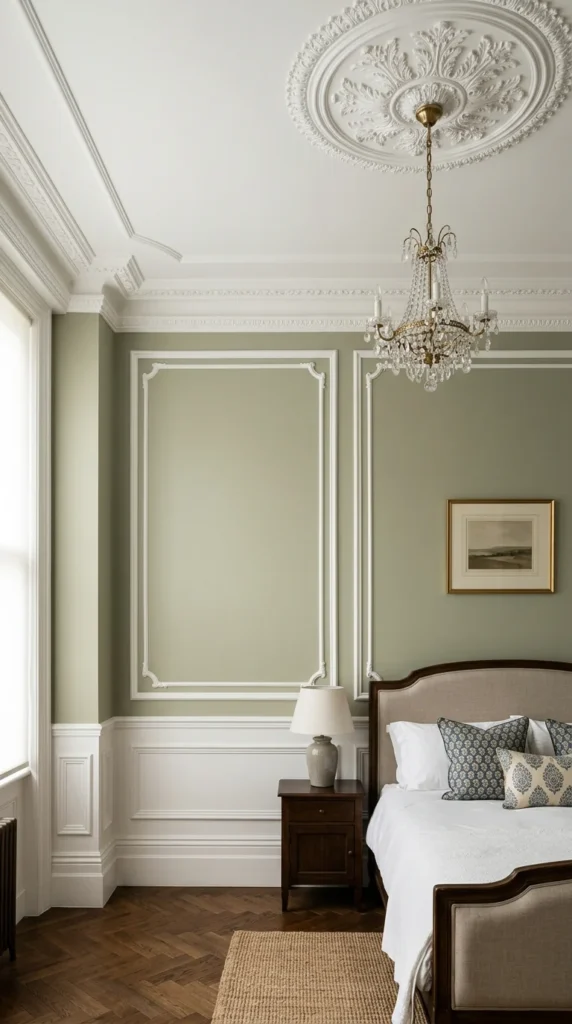
Expensive-looking rooms often have “good bones.” You can add these architectural features to a standard room to give it a historic, custom-built feel.
- Wainscoting and Molding: Adding picture frame molding or shiplap to the walls creates depth and shadow. Even simple crown molding can finish a room and make it look polished.
- Ceiling Interest: Don’t ignore the “fifth wall.” A coffered ceiling or a simple ceiling rose around a chandelier adds an unexpected layer of detail.
- Built-ins: Custom shelving or a built-in wardrobe that reaches the ceiling provides a seamless, integrated look that free-standing furniture rarely achieves.
10. Statement Art
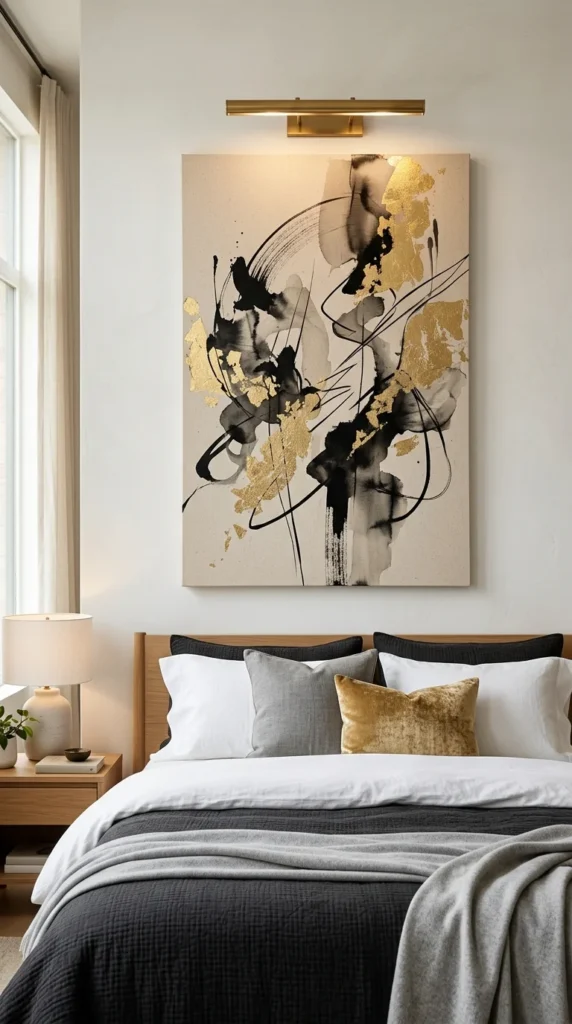
Luxury is often defined by a “less is more” approach to decor. Rather than a gallery wall of small items, choose one or two large, high-quality pieces of art to ground the space.
- Scale: A single, massive canvas above the headboard creates a powerful visual impact. It should be roughly two-thirds the width of the bed.
- The Frame: A high-end frame can make even a simple print look like a museum piece. Opt for deep shadows boxes or heavy wooden frames with wide matting.
- Lighting the Art: Use a dedicated “picture light” mounted above the frame. This highlights the work and adds another layer of sophisticated ambient lighting to the room.