
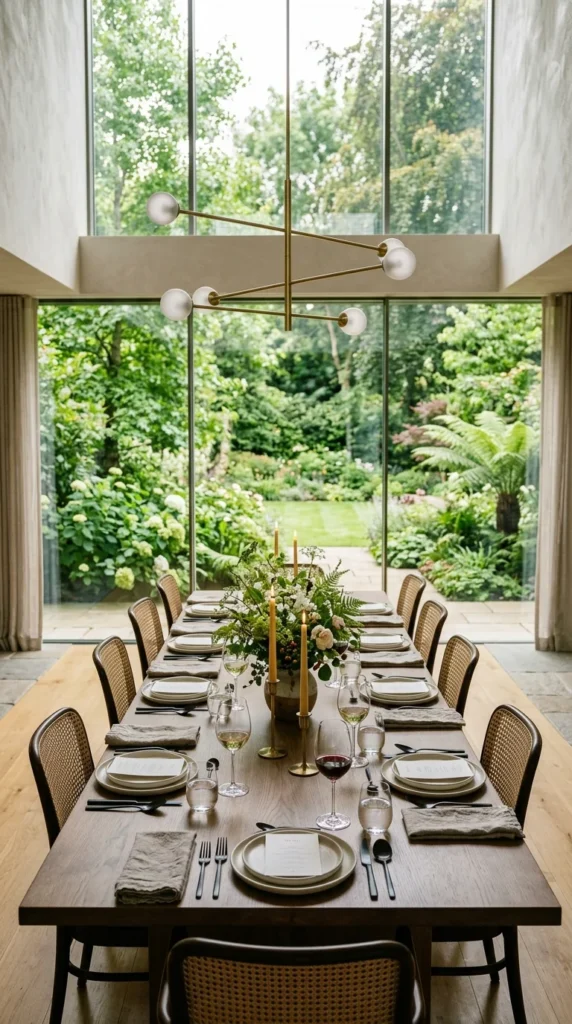
The dining table is more than just a piece of furniture; it is the heartbeat of the home. It is where morning coffees are sipped in quiet reflection, where homework is conquered, and where festive feasts turn into lifelong memories. In the world of modern interior design, the dining table has evolved from a purely functional object into a sculptural statement piece that defines the aesthetic of an entire room.
Whether you are working with a cozy breakfast nook or a grand open-concept living area, the right table can bridge the gap between comfort and high-end style. From the raw beauty of natural wood to the clinical precision of tempered glass, these ten modern dining table ideas are designed to inspire a complete transformation of your living space.
1. Scandi Minimalism
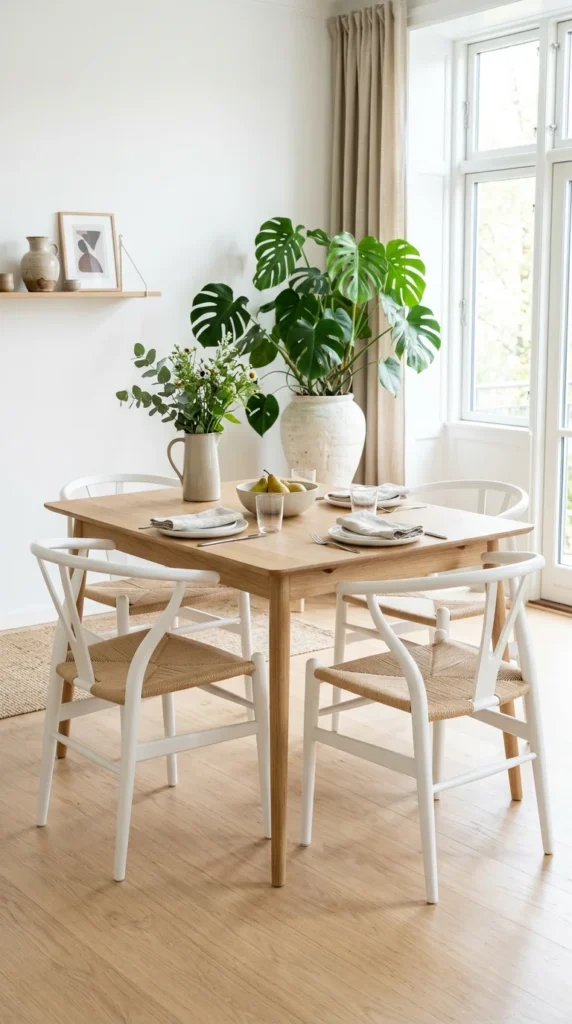
Scandinavian design remains a titan in the world of modern interiors because of its commitment to “hygge”—a sense of cozy contentment. A Scandi-style dining table typically features light-colored woods like ash, beech, or oak. The hallmark of this style is simplicity: thin, tapered legs and a smooth, unadorned tabletop.
This style is perfect for smaller spaces or apartments where you want to maintain a sense of openness. Because the wood tones are neutral, these tables act as a blank canvas, allowing you to experiment with colorful dinnerware or vibrant seat cushions without clashing with the furniture.
2. Industrial Edge
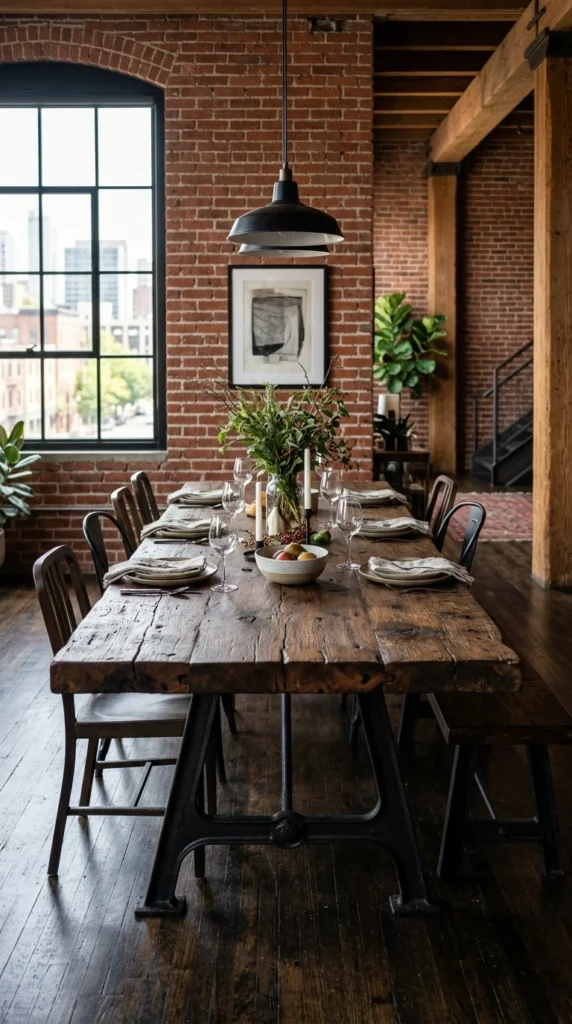
For those who prefer a more rugged, urban aesthetic, the industrial dining table is a top-tier choice. This style thrives on the contrast between warm, organic materials and cold, hard metals. Look for tables that pair thick, reclaimed wood tops with matte black steel legs in “X” or “U” shapes.
The industrial look is exceptionally durable, making it a fantastic choice for busy families. The “imperfections” in the wood—cracks, knots, and variations in color—only add to the character of the piece over time. Pair it with leather-upholstered chairs to soften the look and add a touch of luxury.
3. Marble Elegance
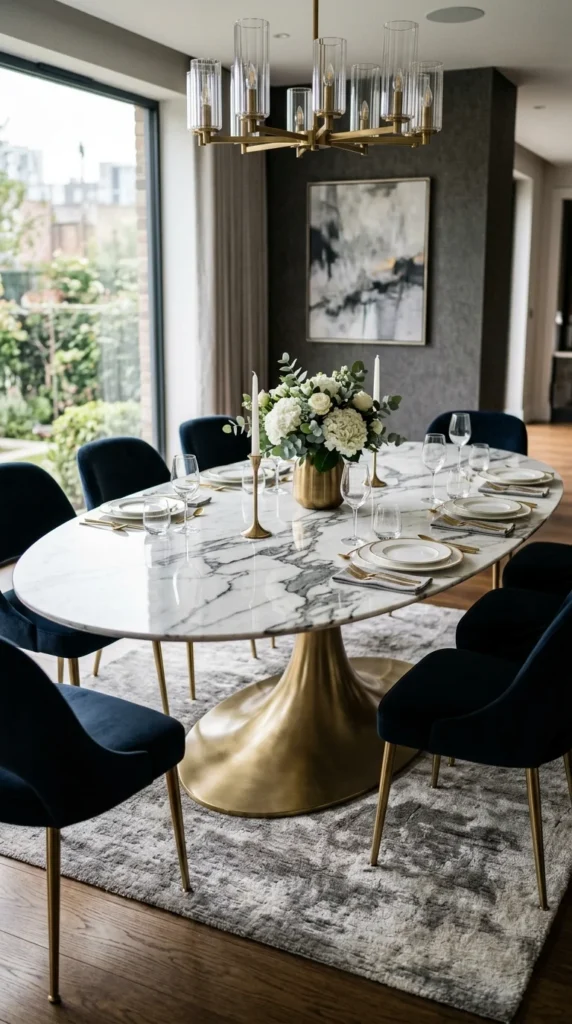
Nothing says “sophistication” quite like marble. A marble dining table serves as an instant focal point, exuding an air of timeless luxury. While traditional marble tables can feel heavy, modern iterations often feature slim profiles and innovative base designs, such as pedestal cones or geometric metal frames.
While marble requires a bit more maintenance—specifically regarding spills and acidic foods—its visual impact is unparalleled. If you are worried about staining, many modern manufacturers offer “marble-look” sintered stone or high-quality quartz that provides the same aesthetic with much higher durability.
4. Organic Live-Edge
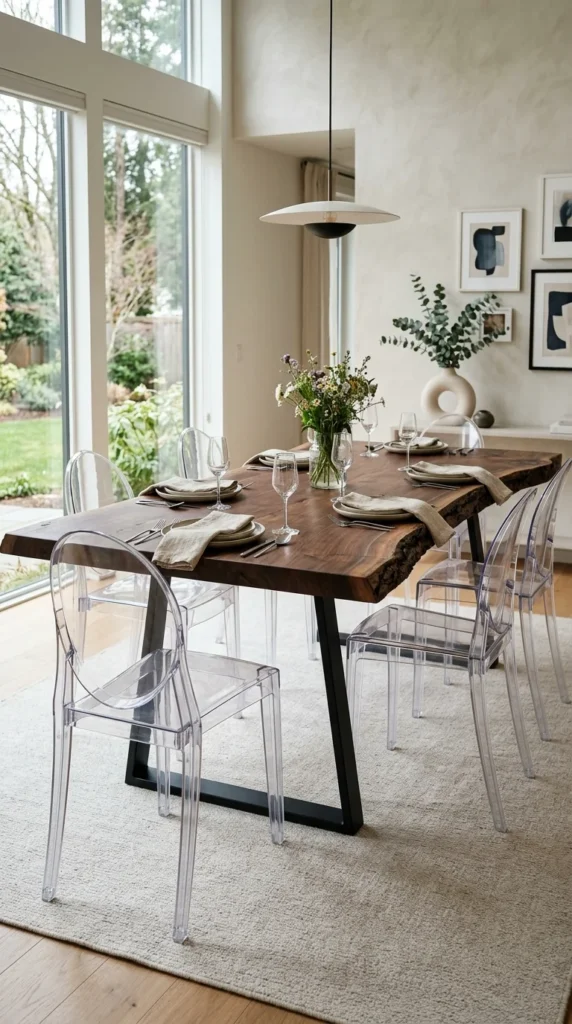
A live-edge table is a piece of functional art. Unlike standard lumber, which is cut into straight lines, a live-edge slab retains the natural contours of the tree from which it was harvested. This results in a one-of-a-kind shape that brings the raw beauty of the outdoors inside.
To keep the look modern rather than “rustic cabin,” pair a live-edge top with contemporary legs. Thin steel hairpin legs or a glass base can make the heavy wooden slab look as though it is floating, creating a striking visual tension that works beautifully in modern homes.
5. Mid-Century Walnut
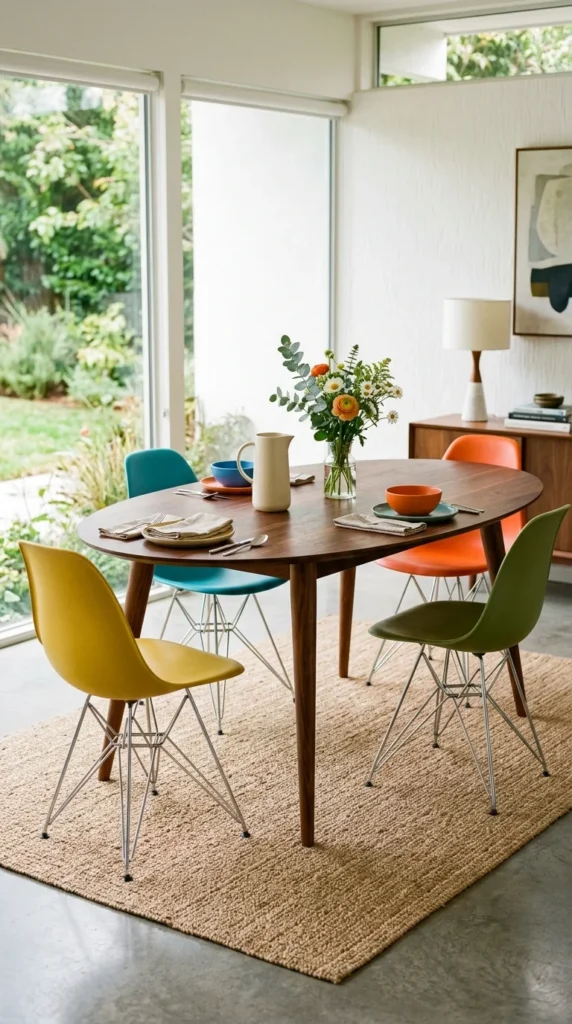
Mid-century modern (MCM) design has seen a massive resurgence, and for good reason. These tables are characterized by their “atomic” shapes—think ellipses, soft rectangles, and rounded corners—and their use of rich, warm woods like walnut.
The beauty of an MCM table lies in its proportions. They are often designed to be slender and low-profile, which helps a dining room feel larger. This style pairs exceptionally well with bold, geometric rugs and pendant lighting from the same era, creating a cohesive, retro-modern vibe that feels curated and intentional.
6. Round Pedestal
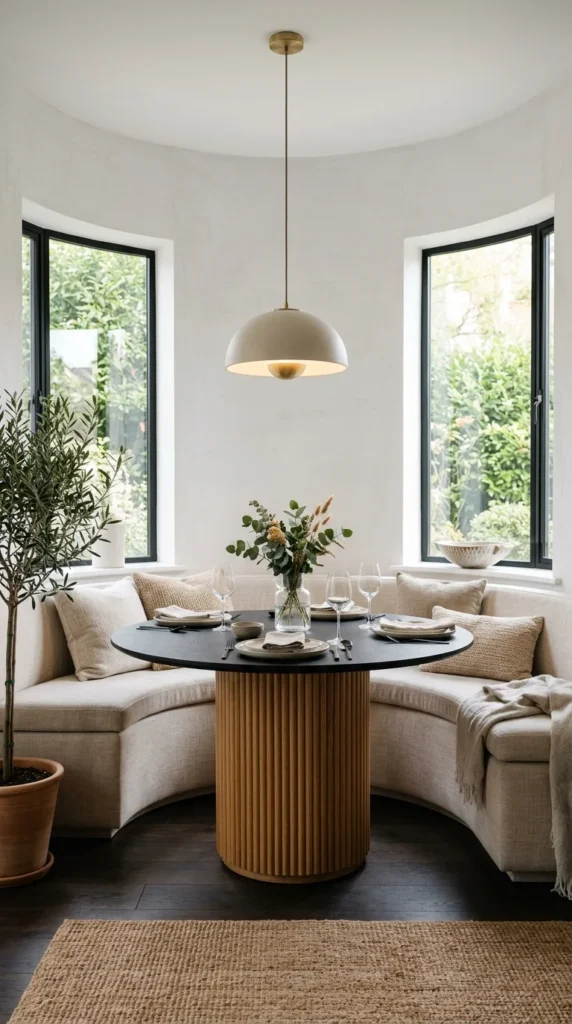
The round pedestal table is the ultimate choice for social interaction. Without corners, everyone at the table is equidistant from one another, making conversation flow much more easily. Furthermore, the absence of legs at the corners allows you to squeeze in an extra guest without anyone having to straddle a table leg.
Modern versions of the pedestal table often feature “tambour” or fluted details on the base, adding texture and architectural interest. Whether in a matte black finish for a moody look or a natural white oak for a coastal feel, the round pedestal table is a space-saving powerhouse.
7. Glass Transparency
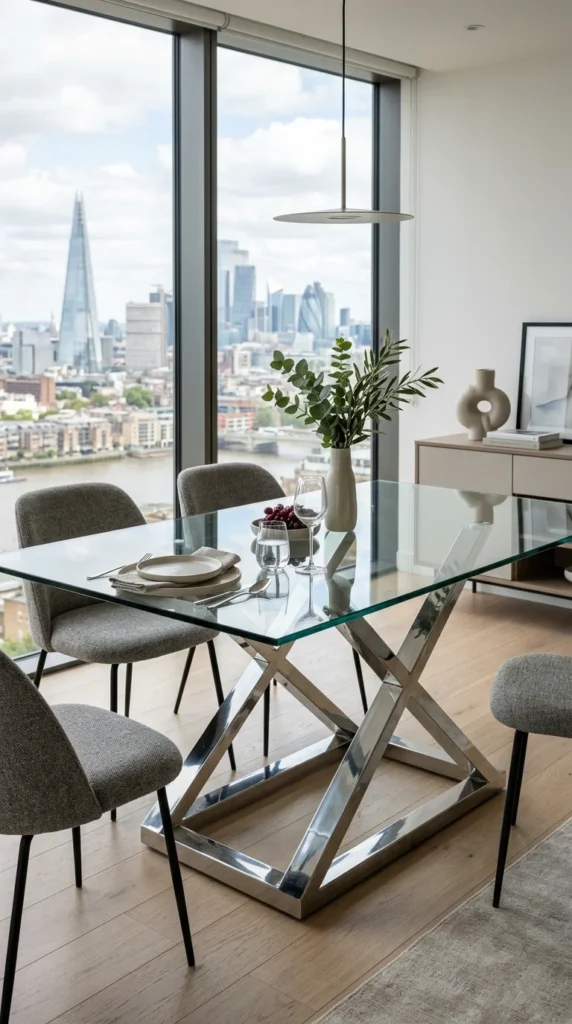
If you have a small dining area or a stunning view that you don’t want to obstruct, a glass-top table is your best friend. Because glass is transparent, it has zero “visual weight,” allowing the eye to travel through the furniture rather than stopping at it.
Modern glass tables focus heavily on the base. Since the top is clear, the legs become the star of the show. Look for sculptural bases made of polished chrome, brushed brass, or even stained wood. Glass tables are also incredibly easy to clean and sanitize, making them a practical choice for the modern minimalist.
8. Terrazzo Texture
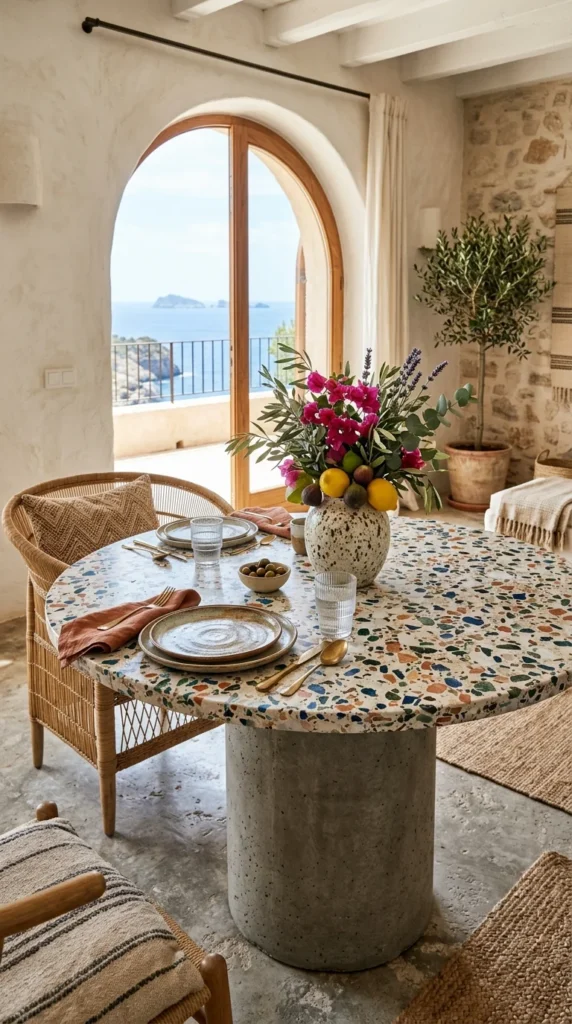
Terrazzo is no longer just for flooring; it has made a huge comeback in furniture design. A terrazzo dining table offers a playful, textured look that breaks away from the monotony of solid colors. These tables feature chips of marble, quartz, granite, or glass set in cement or resin.
The variety of colors found within the terrazzo flecks allows you to pull different accents for your chairs and decor. It’s a bold choice that feels both artisanal and avant-garde, perfect for a homeowner who wants their dining space to have a distinct personality.
9. Brutalist Concrete
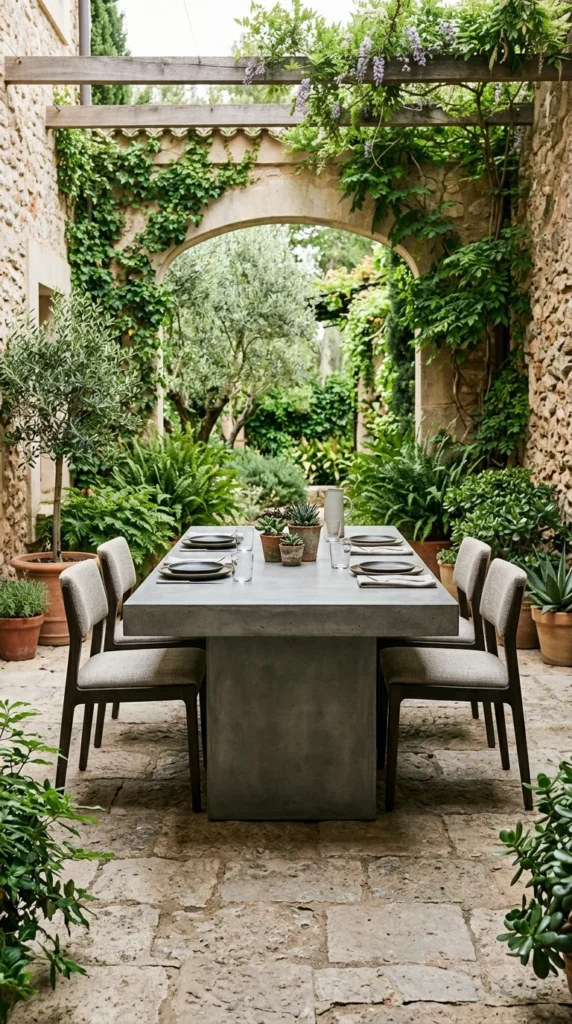
For a look that is both grounded and cutting-edge, consider a concrete dining table. Borrowing from the “Brutalist” architectural movement, these tables emphasize raw materials and massive forms. A polished concrete top feels incredibly smooth to the touch but looks indestructible.
Concrete tables work exceptionally well in “indoor-outdoor” spaces. They can withstand the elements if needed, but in an indoor setting, they provide a cool, neutral grey tone that balances out warm textiles like wool rugs or linen curtains. Despite their “heavy” appearance, they can be styled with slim metal chairs to create a balanced, modern look.
10. Sculptural Geometry
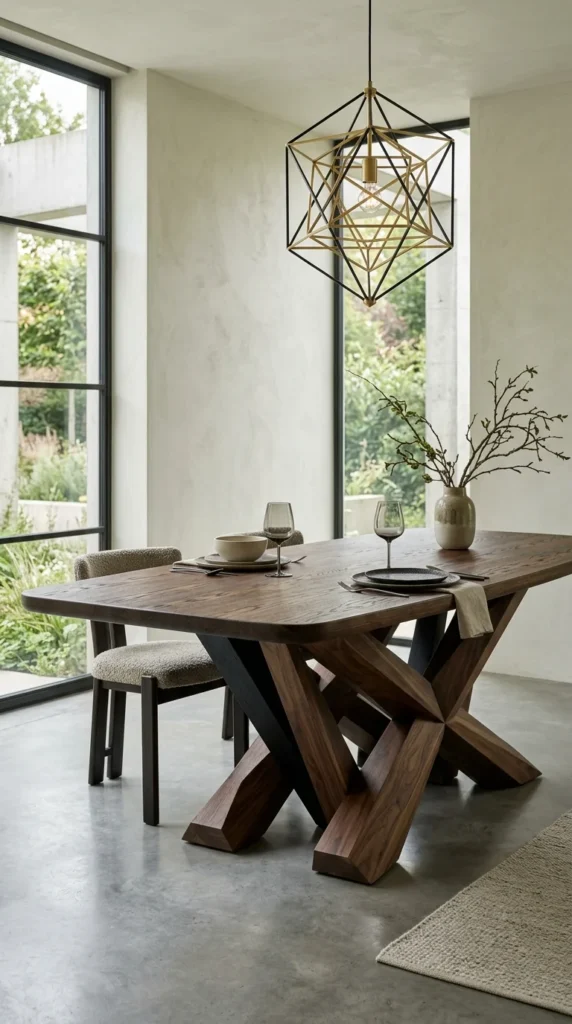
Sometimes, the dining table should be a conversation starter even before the food is served. Sculptural dining tables abandon traditional four-leg structures in favor of geometric experimentation. This could mean a base made of interlocking triangles, a cantilevered top, or asymmetrical supports.
These tables are best suited for open-concept homes where the dining area is visible from multiple angles. When choosing a sculptural table, keep the rest of the room’s decor relatively simple. Let the table’s unique silhouette do the heavy lifting, and choose lighting that highlights the shadows and shapes of the base.
Conclusion: Choosing Your Centerpiece
When selecting your modern dining table, consider the “three S’s”: Shape, Scale, and Substance.
- Shape: Rectangular tables are best for long rooms and large families, while round tables excel in square rooms and promote better conversation.
- Scale: Ensure there is at least 36 inches between the edge of the table and the walls or other furniture to allow for comfortable movement.
- Substance: Think about your lifestyle. A glass table might not be ideal for a house with toddlers, just as a massive concrete table might be difficult if you plan on moving frequently.
By choosing a table that reflects your personal style while meeting your functional needs, you can transform your dining space from a simple eating area into the most captivating room in your home.