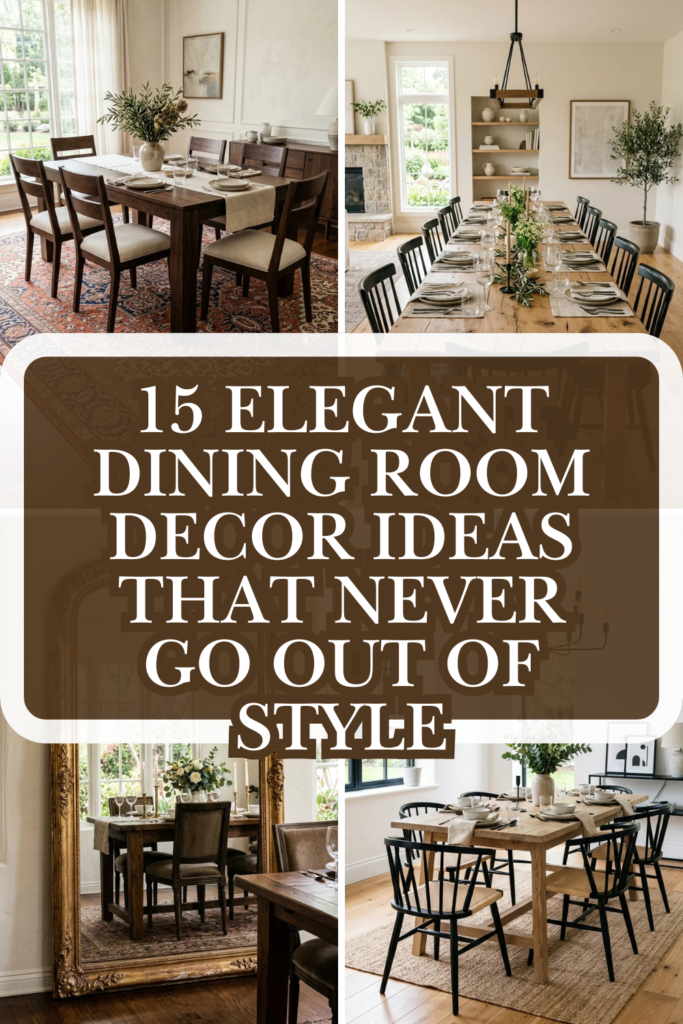

The dining room is more than just a place to consume meals; it is the heart of social gatherings, the stage for holiday feasts, and a sanctuary for intimate conversations. While interior design trends come and go with the seasons, certain elements possess a timeless quality that transcends decades. Achieving an elegant dining room that never feels dated requires a balance of classic architecture, high-quality materials, and a thoughtful approach to symmetry and light. Whether you are starting from scratch or looking to refine your current space, these fifteen decor ideas provide a roadmap to a sophisticated aesthetic that will remain stylish for years to come.
1. Statement Chandeliers
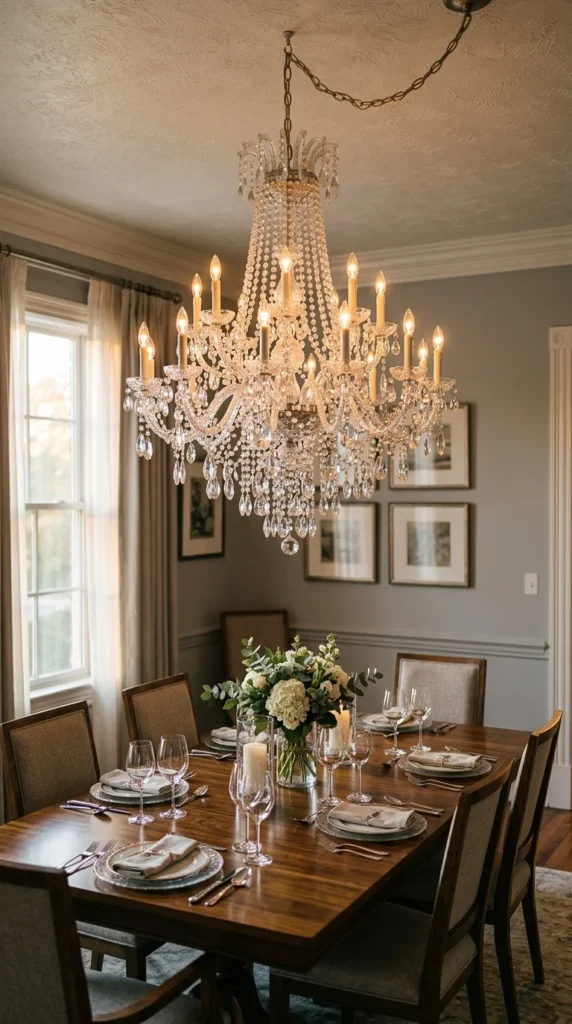
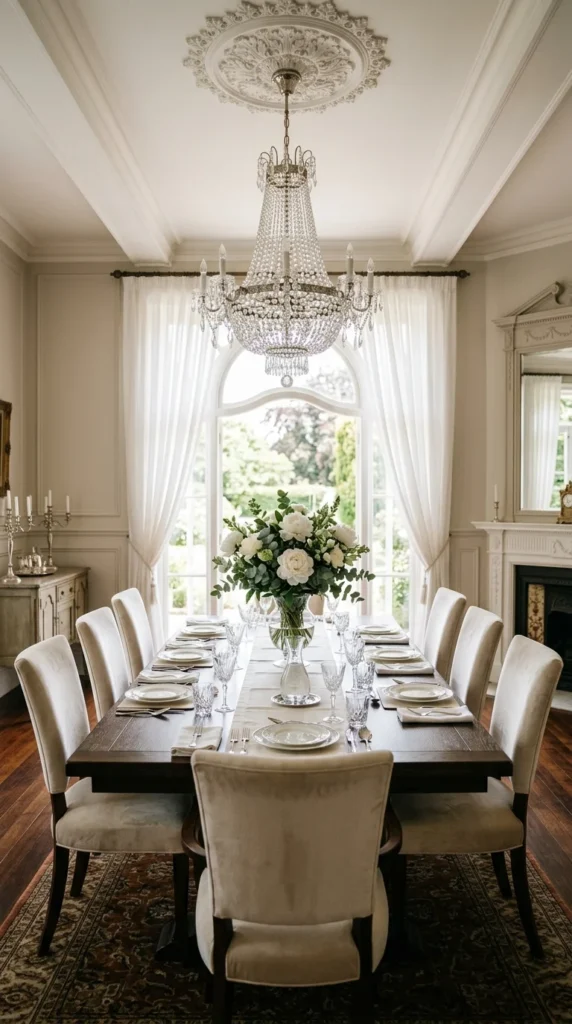
Lighting is the jewelry of a room, and nothing says elegance quite like a statement chandelier. Whether you opt for a traditional crystal design that refracts light across the walls or a more modern sculptural piece, the chandelier serves as the focal point of the dining area. To ensure it remains timeless, choose materials like brass, wrought iron, or glass. The key to successful lighting is the height; hanging the fixture approximately 30 to 36 inches above the table surface ensures it commands attention without obstructing the view of your guests.
2. Neutral Palettes
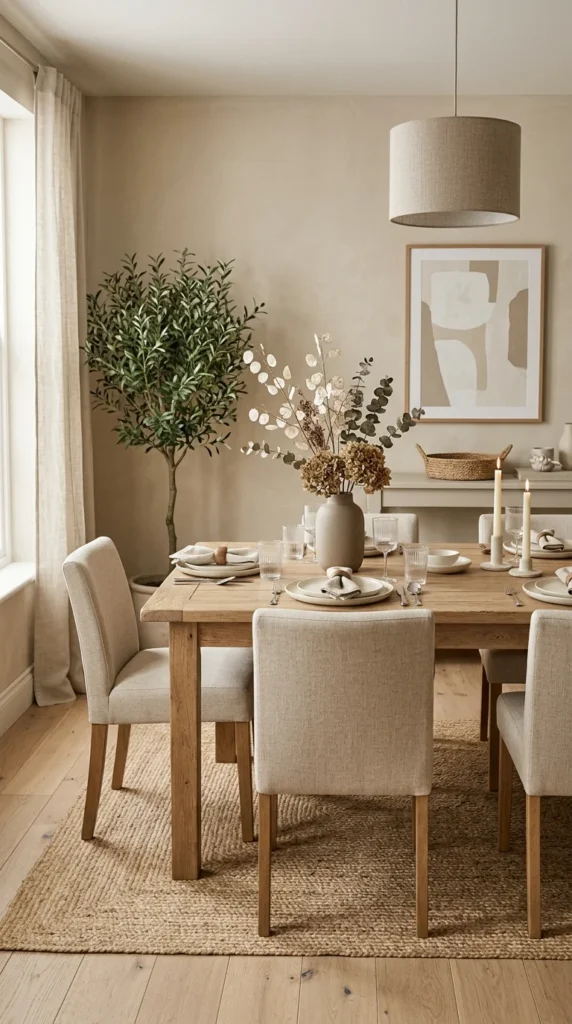
A neutral color palette is the foundation of enduring design. Shades of white, cream, beige, and gray provide a sophisticated backdrop that allows your furniture and artwork to shine. Beyond being visually calming, neutral tones make a room feel larger and airier. To prevent a neutral space from feeling flat, incorporate various textures—think a linen table runner, velvet chair cushions, and a smooth marble tabletop. This layering adds depth and richness that keeps the “quiet luxury” aesthetic alive.
3. Round Tables
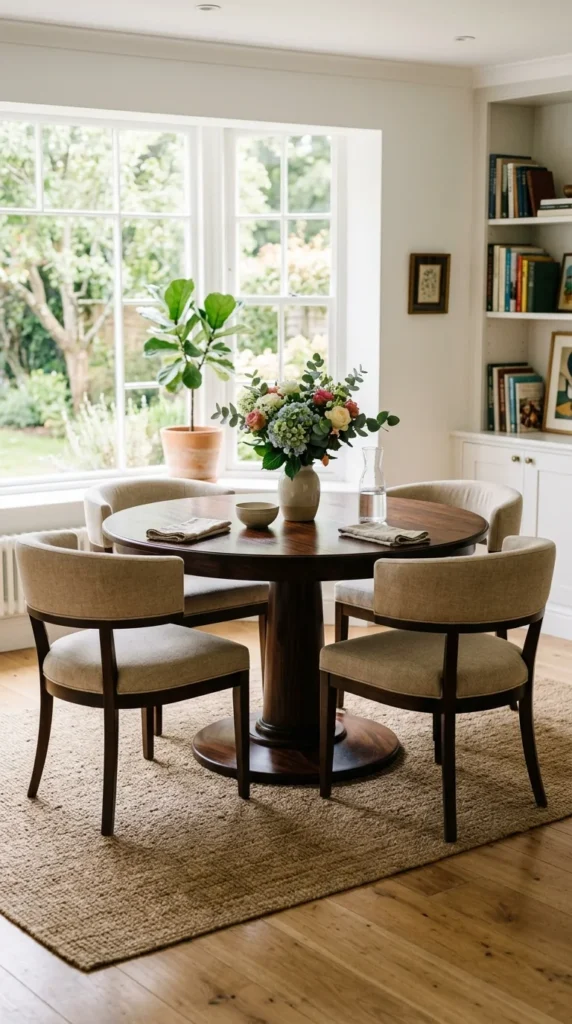
While rectangular tables are traditional for large gatherings, the round dining table is a classic choice for fostering conversation. Without sharp corners or a “head” of the table, round designs create an egalitarian atmosphere where everyone can see and speak to each other easily. A pedestal-style round table is particularly elegant, offering more legroom and a clean, architectural silhouette that fits beautifully in both small breakfast nooks and grand formal dining halls.
4. Velvet Upholstery
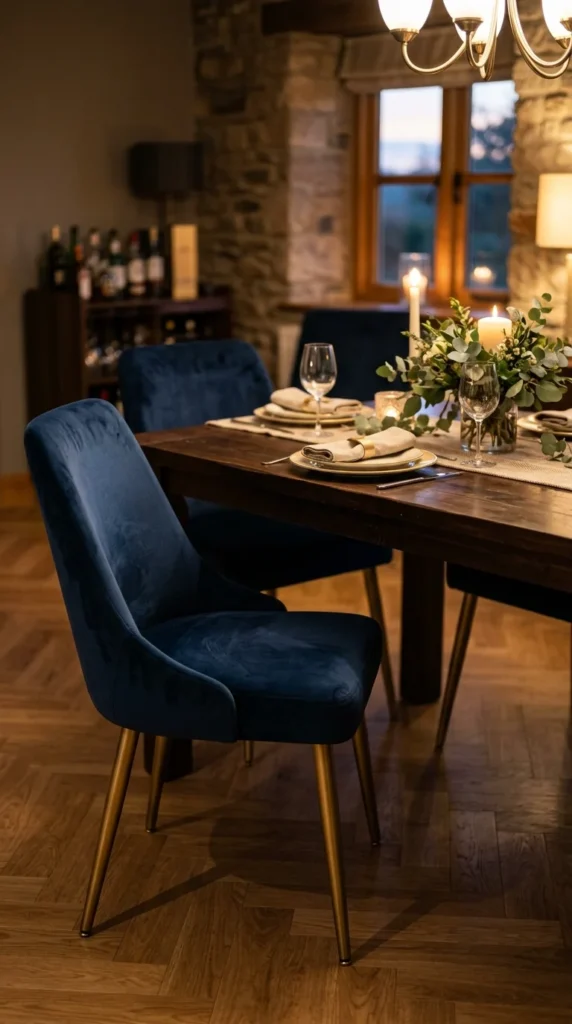
Velvet has been a symbol of luxury for centuries, and its appeal hasn’t waned. Incorporating velvet upholstery into your dining chairs instantly elevates the room’s tactile quality. The fabric’s slight sheen adds a layer of glamour, while its durability makes it surprisingly practical for frequent use. Rich jewel tones like emerald green, sapphire blue, or burgundy can provide a stunning pop of color against a neutral room, while champagne or silver velvet offers a more subtle, shimmering elegance.
5. Natural Wood
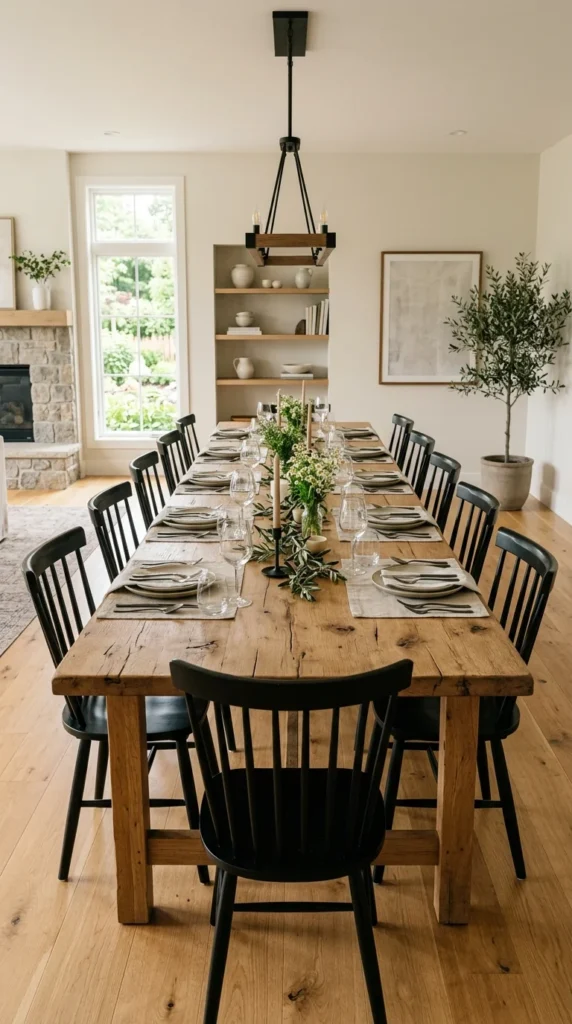
There is a grounded, permanent feel to high-quality natural wood. Eschewing high-gloss veneers in favor of solid oak, walnut, or cherry ensures that your furniture will age gracefully, developing a beautiful patina over time. Natural wood brings warmth to a dining room, preventing it from feeling too cold or clinical. A thick, trestle-style wooden table is a farmhouse classic that works just as well in a modern setting, proving that organic materials are the ultimate investment in longevity.
6. Large Mirrors
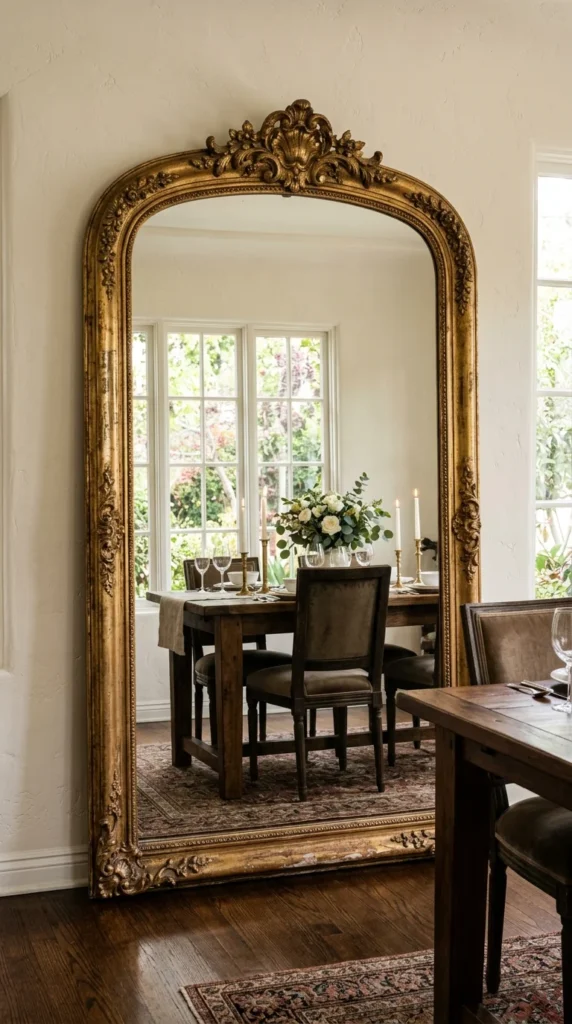
Mirrors are a designer’s secret weapon for adding elegance and light. An oversized mirror placed on a primary wall or above a sideboard can make a cramped dining room feel expansive. By reflecting the light from your chandelier and windows, mirrors create a bright, inviting atmosphere. For a truly timeless look, choose a mirror with a classic frame—perhaps an ornate gilded leaf pattern or a sleek, thin black metal frame for a more contemporary take on elegance.
7. Wainscoting
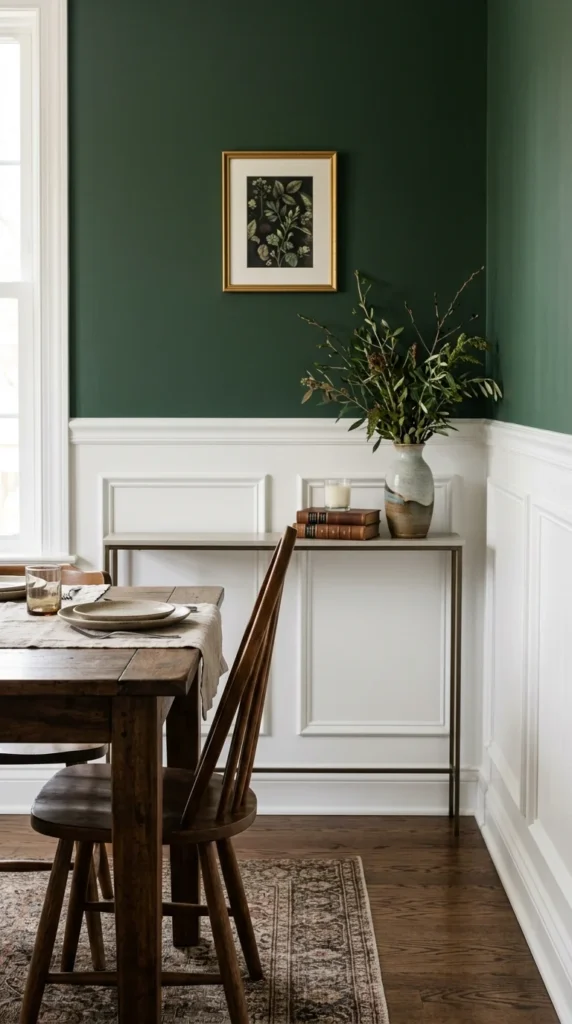
Wainscoting and wall paneling provide an architectural “bone structure” that makes any room feel more established. This classic wall treatment adds texture and interest without the need for excessive decor. Traditional raised panels evoke a sense of historical grandeur, while simple Shaker-style boxes offer a cleaner, more transitional look. Painting the wainscoting in a crisp white against a darker wall color creates a high-contrast look that is both dramatic and deeply sophisticated.
8. Area Rugs
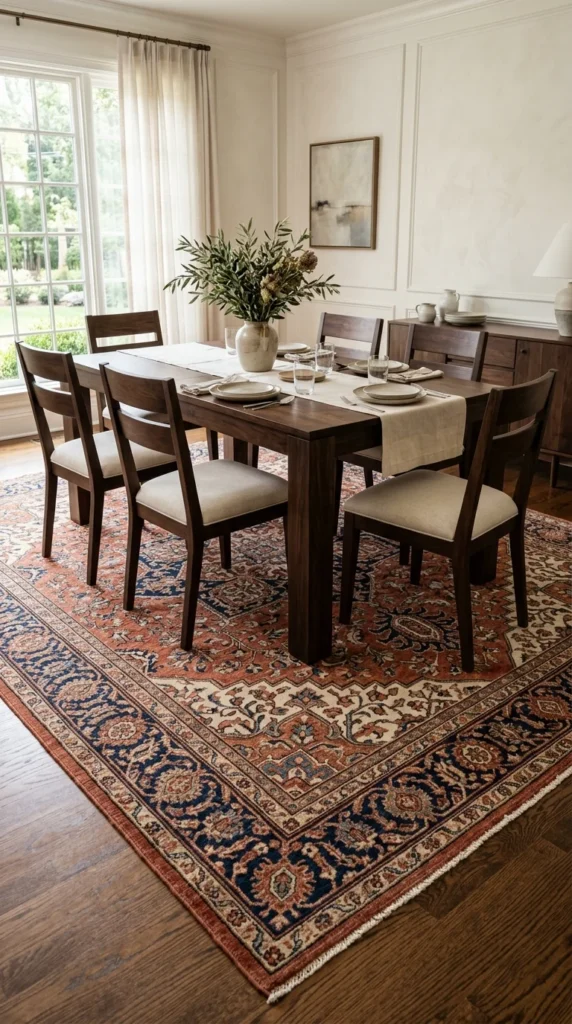
A high-quality area rug anchors the dining space and defines the “zone” for eating within an open-concept home. To keep the look elegant, choose a rug with a low pile—this makes it easier to slide chairs and clean up crumbs. Traditional patterns, such as Oriental or Persian designs, never go out of style and are excellent at disguising the occasional spill. Ensure the rug is large enough to extend at least 24 inches beyond the table on all sides to maintain proper proportions.
9. Fresh Florals
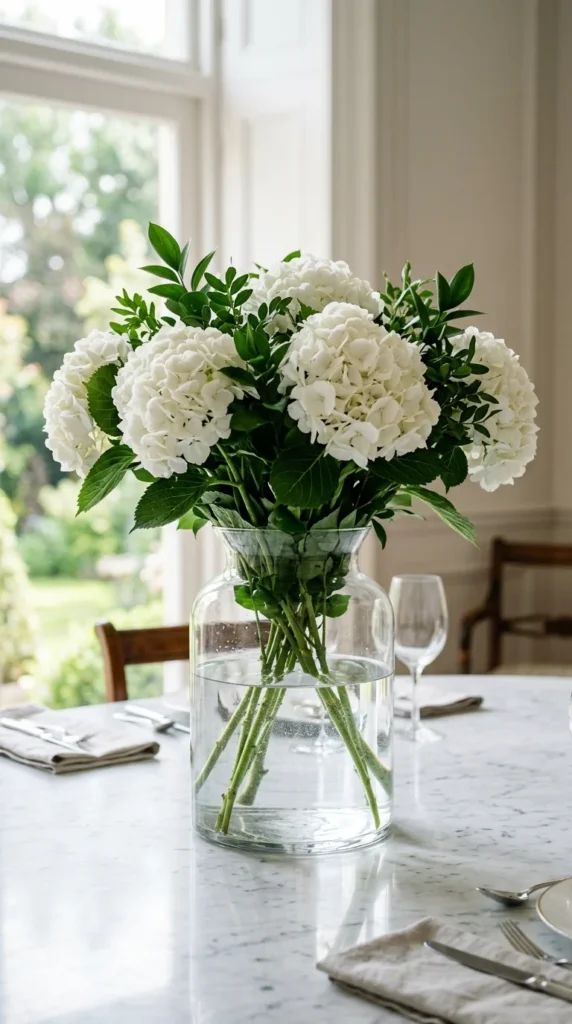
No dining room is complete without a touch of nature. Fresh flowers bring life, color, and fragrance to the table. While elaborate arrangements are lovely for events, a simple glass vase filled with a single type of flower—such as lilies, roses, or hydrangeas—is the height of understated elegance. Keeping a rotating selection of seasonal blooms on your table ensures the room always feels cared for and vibrant.
10. Mixed Metals
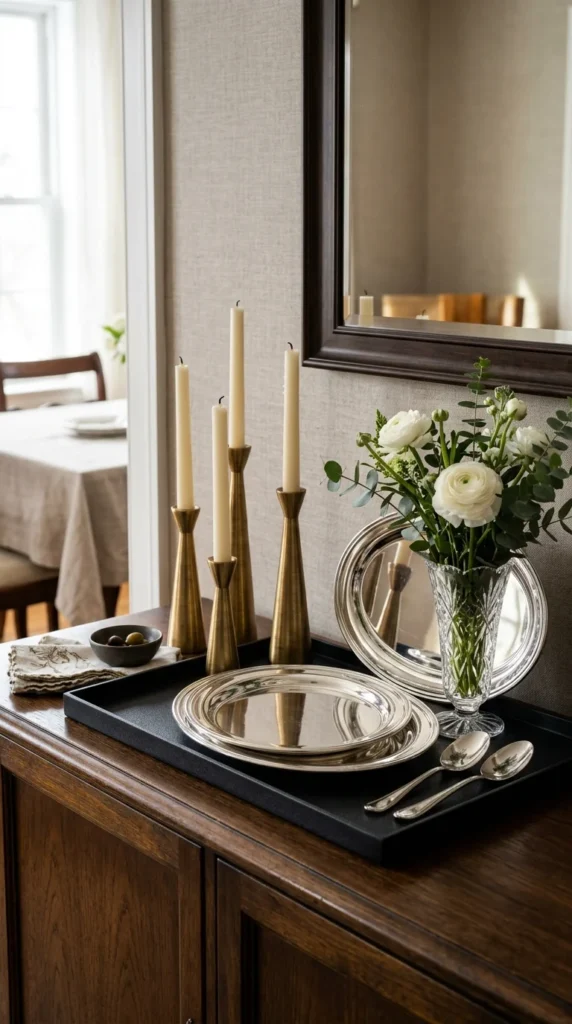
The days of matching every metal finish in a room are over. To achieve an elegant, curated look that feels like it evolved over time, mix your metals. Pairing a brass light fixture with silver serving pieces or black iron chair legs creates a sophisticated, multi-dimensional aesthetic. The key is to have a “dominant” metal (e.g., brass) and an “accent” metal (e.g., silver or black) to keep the look cohesive rather than cluttered.
11. Minimalist Buffet
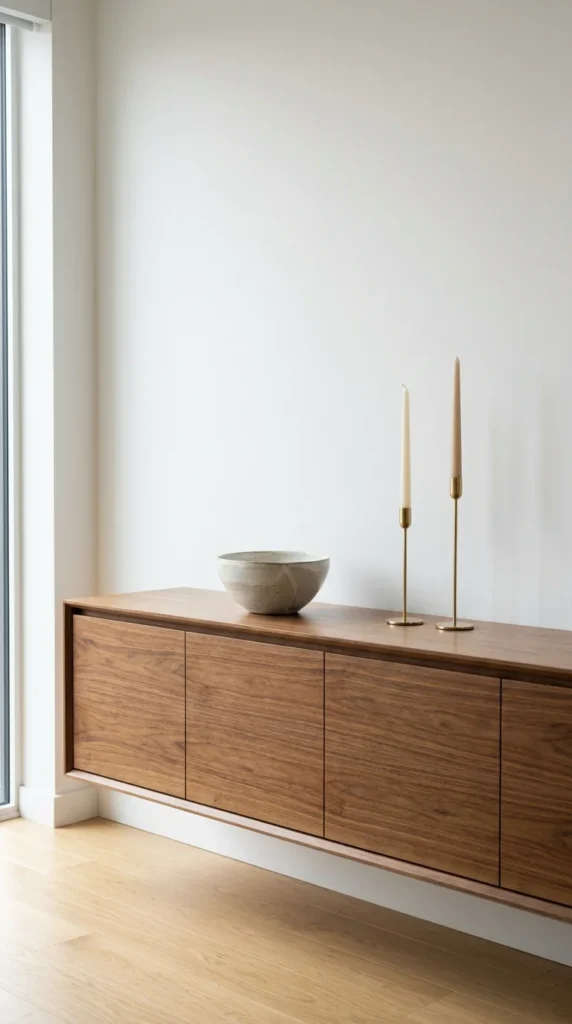
Storage is essential in a dining room for housing linens, cutlery, and serving platters. A minimalist buffet or sideboard offers a clean, uncluttered surface that acts as a staging area for food during dinner parties. By choosing a piece with simple lines and high-quality craftsmanship, you ensure the furniture remains relevant as your personal style evolves. A dark wood or matte lacquer finish provides a sleek look that balances the more decorative elements of the room.
12. Symmetrical Layouts
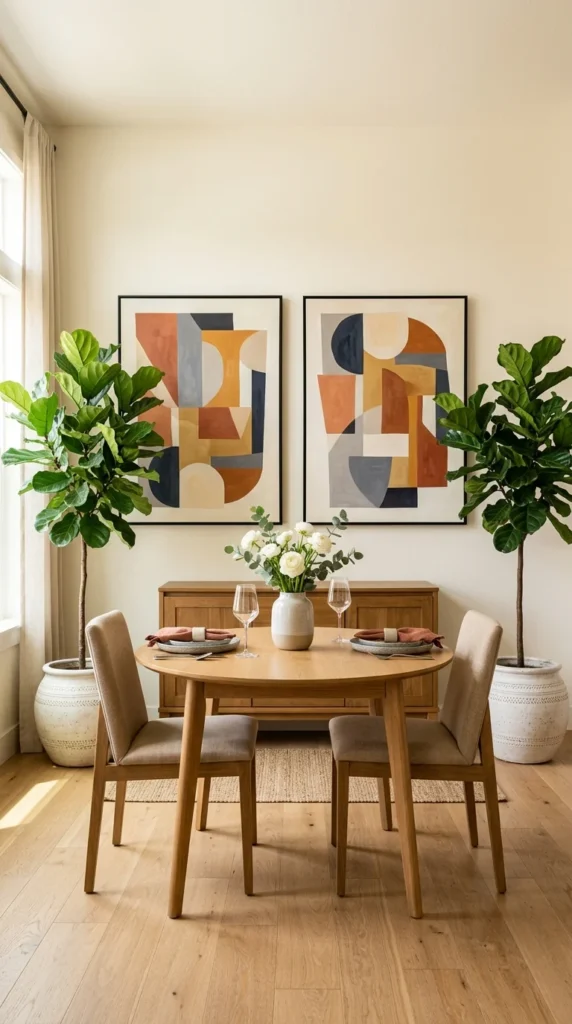
Symmetry is a hallmark of classical design because it creates a sense of order and calm. In an elegant dining room, symmetry might look like a pair of identical lamps on a sideboard, a centered piece of art, or an even number of chairs neatly arranged. This balance is naturally pleasing to the eye and gives the room a formal, “finished” feel that is characteristic of high-end interior design.
13. Black Accents
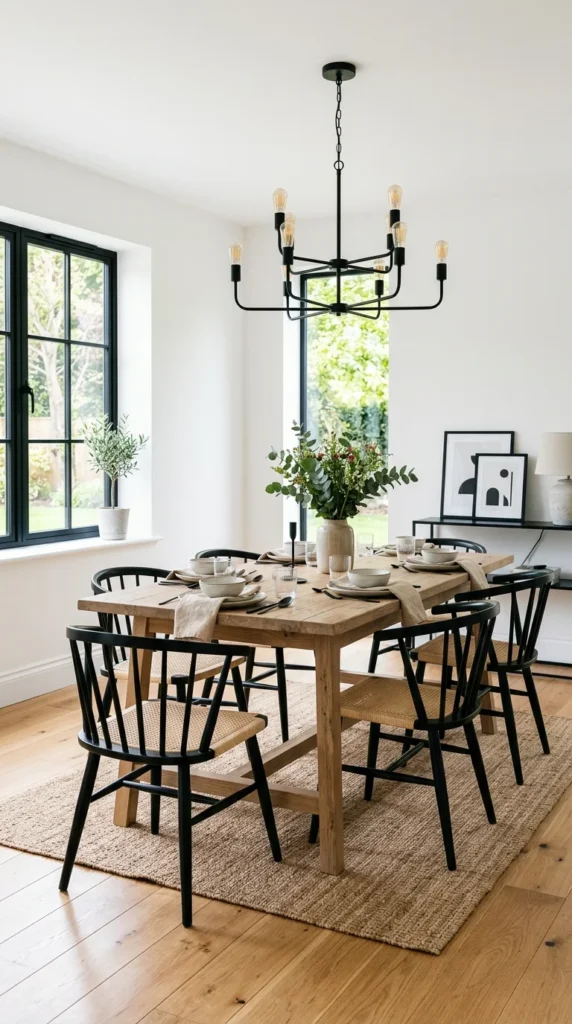
Every elegant room needs a touch of black to ground the space. Black accents provide a visual anchor and a sense of modern sophistication. This could be as subtle as black picture frames on the wall, black hardware on a cabinet, or black-tapered candles in a holder. The contrast between black elements and a lighter room creates a “sharp” look that feels intentional and timeless.
14. Floor-to-Ceiling Drapes
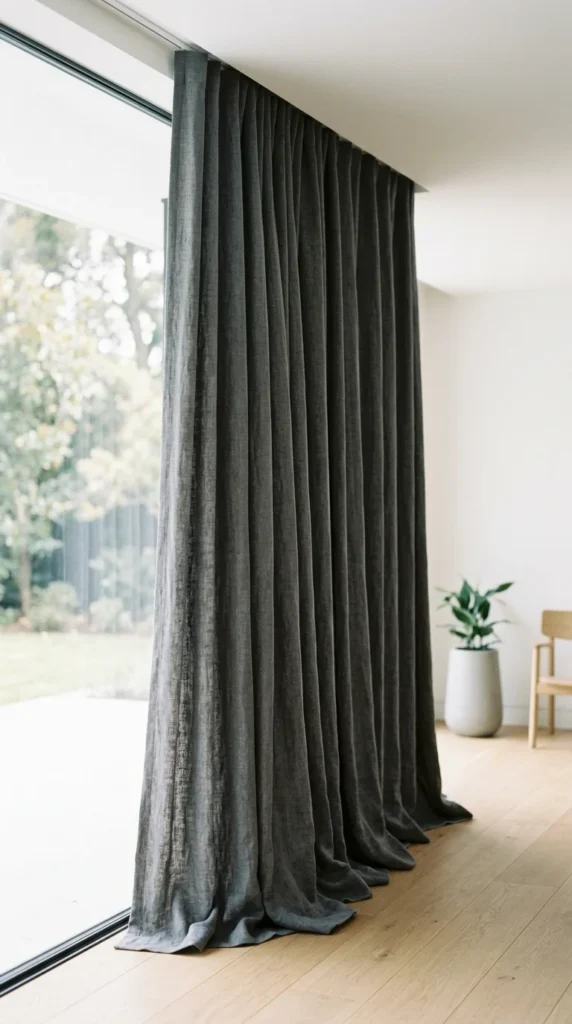
Window treatments can make or break the elegance of a dining room. Floor-to-ceiling drapes add height to the room and a sense of soft luxury. Opt for high-quality fabrics like linen, silk, or heavy cotton. Hanging the curtain rod higher and wider than the actual window frame creates the illusion of larger windows and allows more light to enter during the day. Solid colors or very subtle textures are preferred over busy patterns to maintain a timeless appeal.
15. Fine China Displays
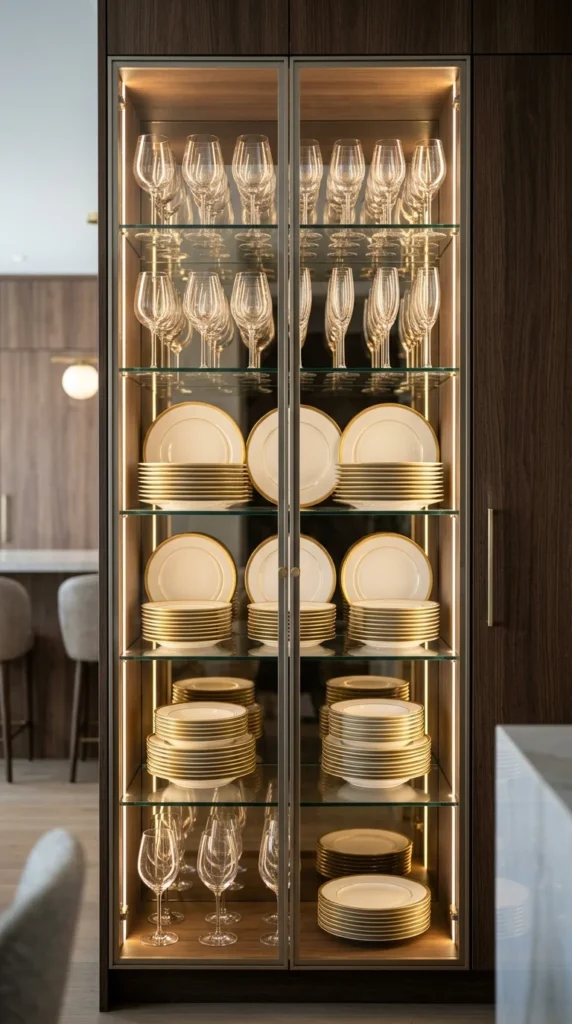
Displaying your finest dinnerware is a tradition that remains a staple of elegant home decor. A glass-fronted hutch or a built-in cabinet allows you to turn your functional items into a decorative feature. Organizing plates, bowls, and glassware with care adds a layer of personal history and refinement to the room. Even if the “good china” is only used once a year, its presence serves as a constant reminder of the room’s purpose: to celebrate life’s most meaningful moments through the art of the shared meal.