
The farmhouse aesthetic has undergone a massive evolution. Moving away from the “shabby chic” and literal barn-style motifs of the early 2010s, 2026 marks the era of the Elevated Farmhouse. This new iteration focuses on “Quiet Luxury”—a blend of organic textures, historical architectural details, and a minimalist approach that feels both grounded and incredibly high-end.
Achieving an expensive farmhouse look isn’t about spending the most money; it’s about choosing materials that age gracefully and prioritizing craftsmanship over mass-produced decor. Here are 12 dream farmhouse decor ideas to transform your home into a high-end sanctuary.
1. Reclaimed Wood
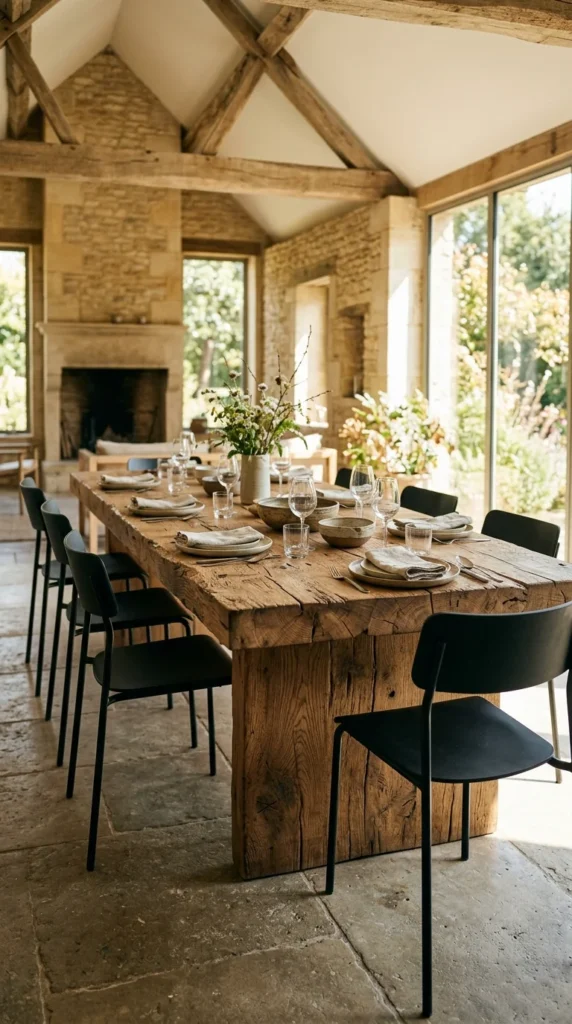
In 2026, reclaimed wood is the ultimate “flex” in farmhouse design. Rather than using faux-distressed lumber from a big-box store, designers are sourcing authentic heritage timber. Whether it is a kitchen island topped with a four-inch thick slab of reclaimed elm or a focal wall made of weathered barn siding, the key is the history. The weight and texture of real, aged wood provide a sense of permanence and “old money” charm that new materials simply cannot replicate.
- Why it looks expensive: Authentic patina and unique wood grains create a one-of-a-kind custom feel.
- Pro-tip: Keep the finish matte or oiled rather than glossy to emphasize the natural texture.
2. Limewash Walls
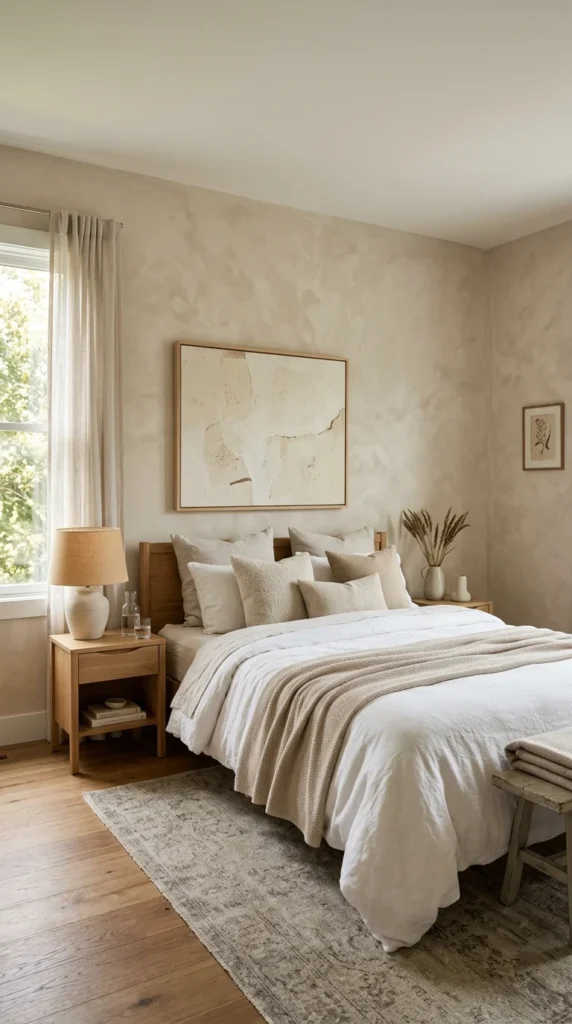
Flat white paint is being replaced by the depth and soul of limewash. This ancient technique creates a breathable, matte finish with a subtle mottled effect. In a farmhouse setting, it mimics the look of old European estates. It adds architectural interest to even the simplest rooms, making walls look like they are made of stone or plaster rather than drywall.
- Why it looks expensive: It adds a “bespoke” layer of texture that feels curated and artisanal.
- Trend Note: Warm taupes, mushroom, and “dirty” whites are the go-to colors for 2026.
3. Statement Lighting
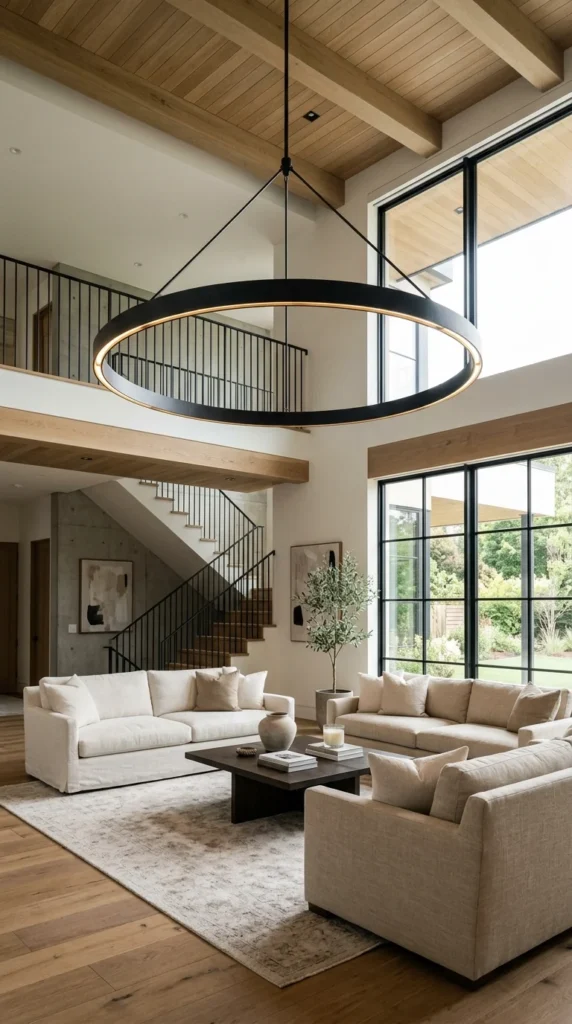
Scale is the secret weapon of expensive-looking homes. Small, dainty light fixtures can make a room feel cheap. For 2026, the trend is toward oversized, sculptural lighting that acts as a piece of art. Think massive iron wheels, hand-blown glass lanterns, or oversized ceramic domes. These fixtures ground the room and create a “wow” factor that defines the entire space.
- Why it looks expensive: It creates a focal point that suggests the home was professionally designed for specific proportions.
4. Natural Stone
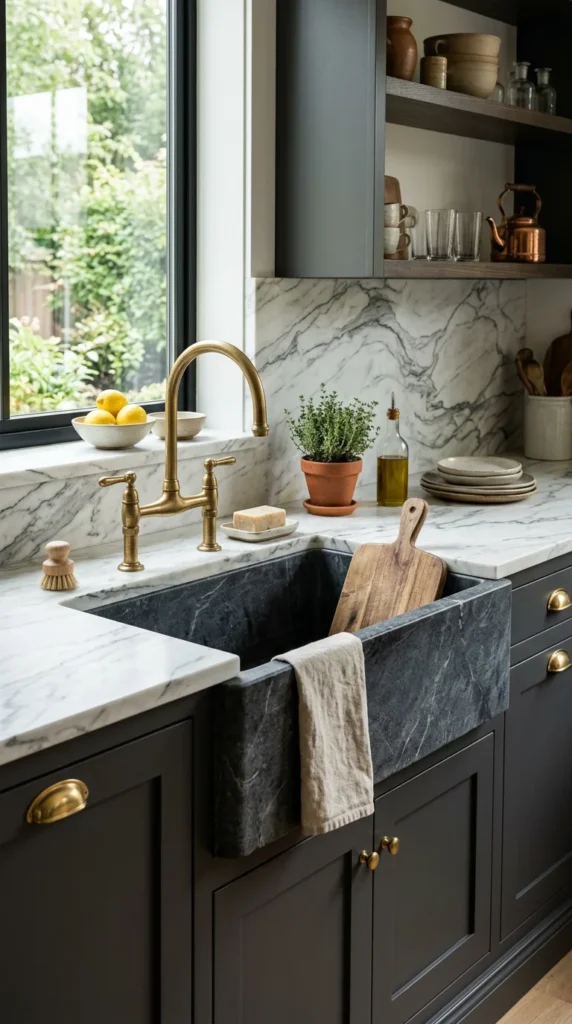
While quartz dominated for a decade, 2026 is seeing a return to natural, porous stones like marble, soapstone, and travertine. A “luxury” farmhouse kitchen utilizes these materials not just for counters, but for integrated sinks and full-height backsplashes. The natural veining and the way the stone cools to the touch provide a sensory experience that feels undeniably premium.
- Key Detail: Opt for “honed” (matte) finishes rather than polished to keep the look sophisticated and organic.
5. Earthy Palettes
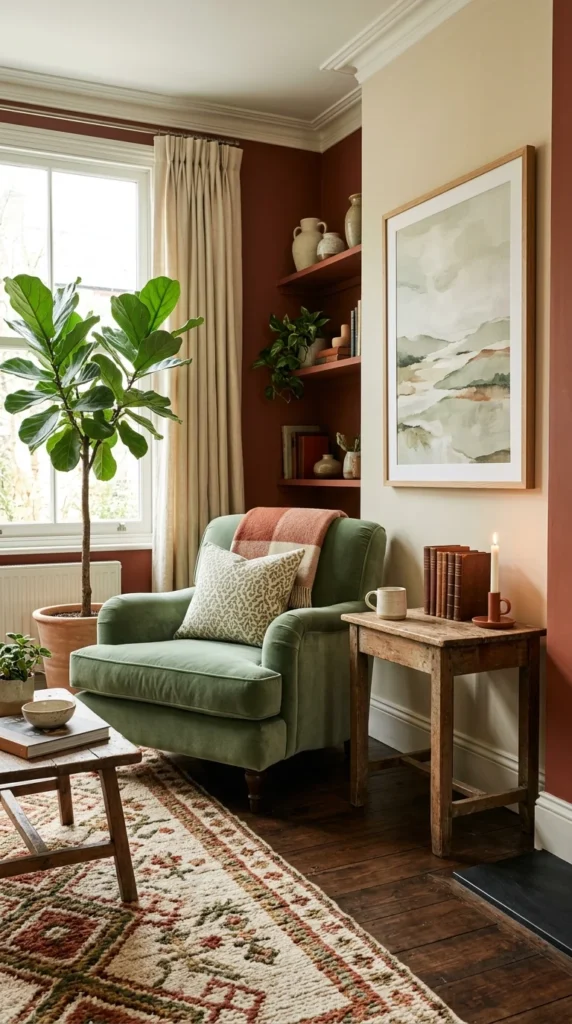
The “all-white” farmhouse is officially evolving. To look expensive in 2026, you need a palette that feels “found in nature.” We are seeing a shift toward moody greens, clay-like terracottas, and deep ochres. These colors, when paired with natural wood and stone, create a rich, layered environment that feels much more expensive than a stark, monochromatic white room.
- Style Hack: Use the “60-30-10” rule with earthy tones to ensure the room remains balanced and airy.
6. Unlacquered Brass
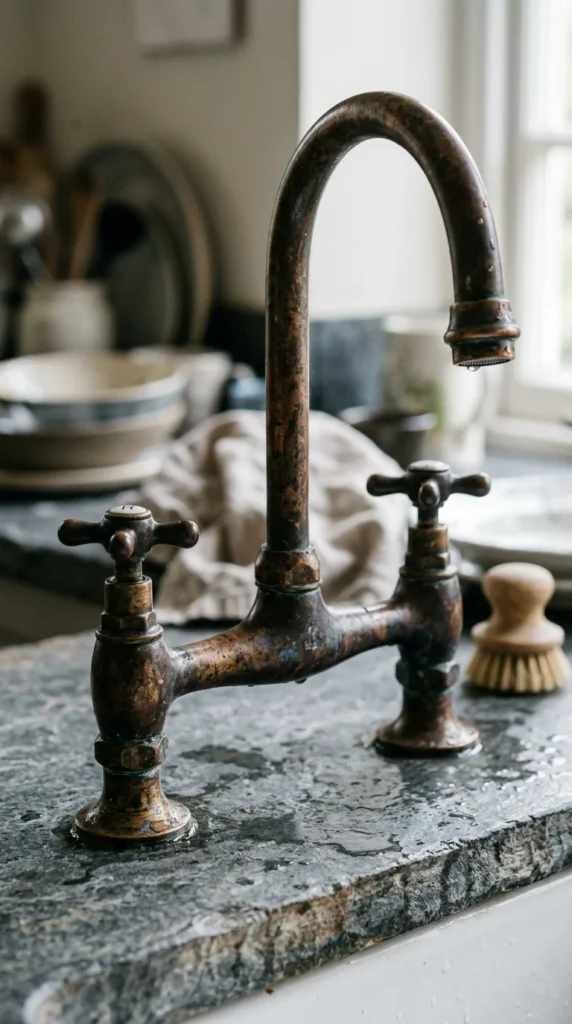
Hardware is the “jewelry” of the home. Shiny, chrome-plated fixtures can look generic. Unlacquered brass, however, is a “living finish.” It changes over time, developing a dark, rich patina that looks like it has been there for generations. This sense of age and authenticity is a hallmark of high-end farmhouse design.
- Where to use it: Kitchen faucets, cabinet latches, and door handles.
7. Custom Mudrooms
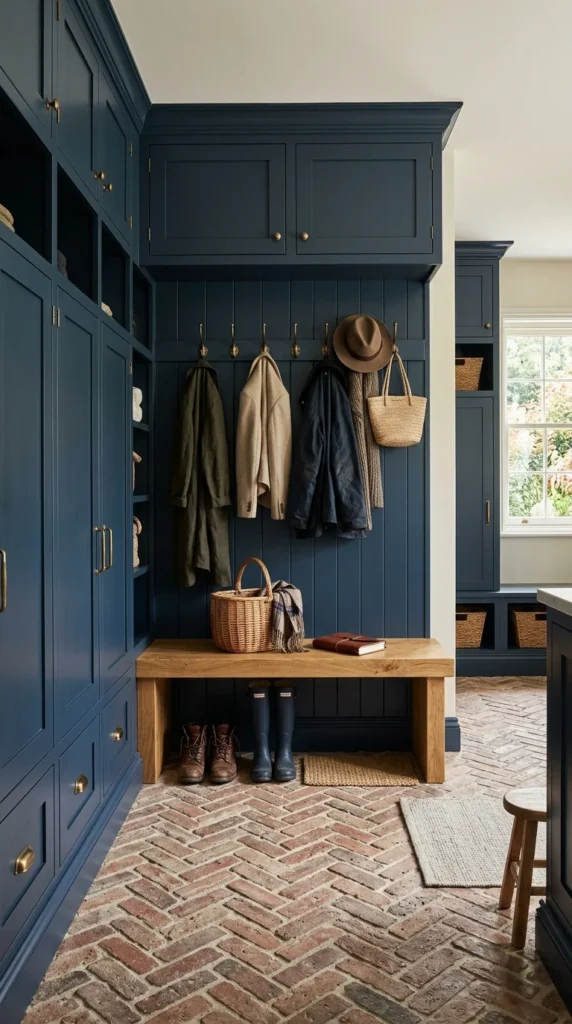
An expensive home is an organized home. The “dream” farmhouse mudroom has moved beyond a simple row of hooks. In 2026, these spaces are fully integrated with custom cabinetry, specialized storage for boots and hats, and durable, high-end flooring like brick or slate. It signals a lifestyle that is both active and meticulously curated.
- The Look: Combine closed cabinetry (to hide clutter) with open shelving for aesthetic baskets.
8. Exposed Beams
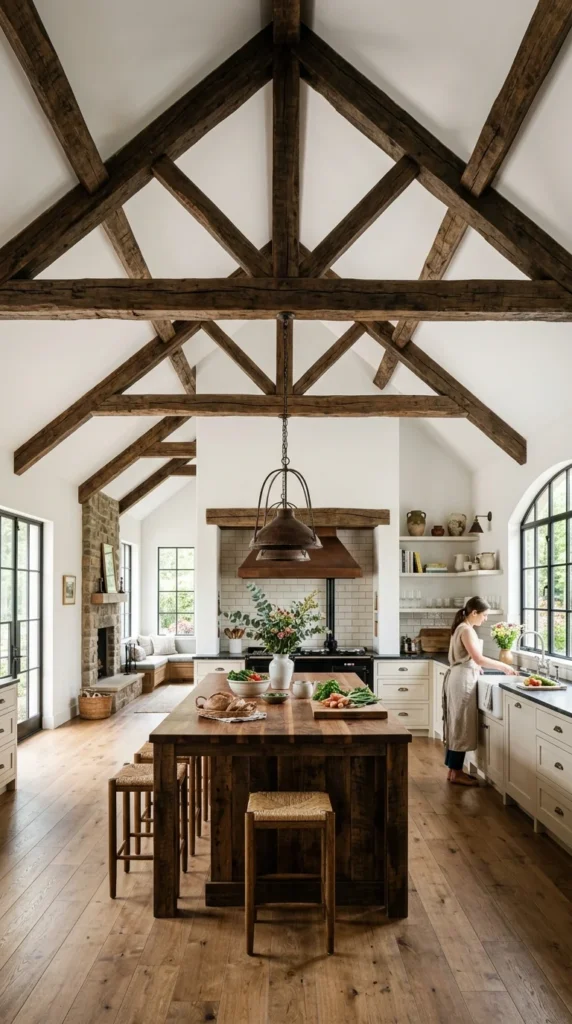
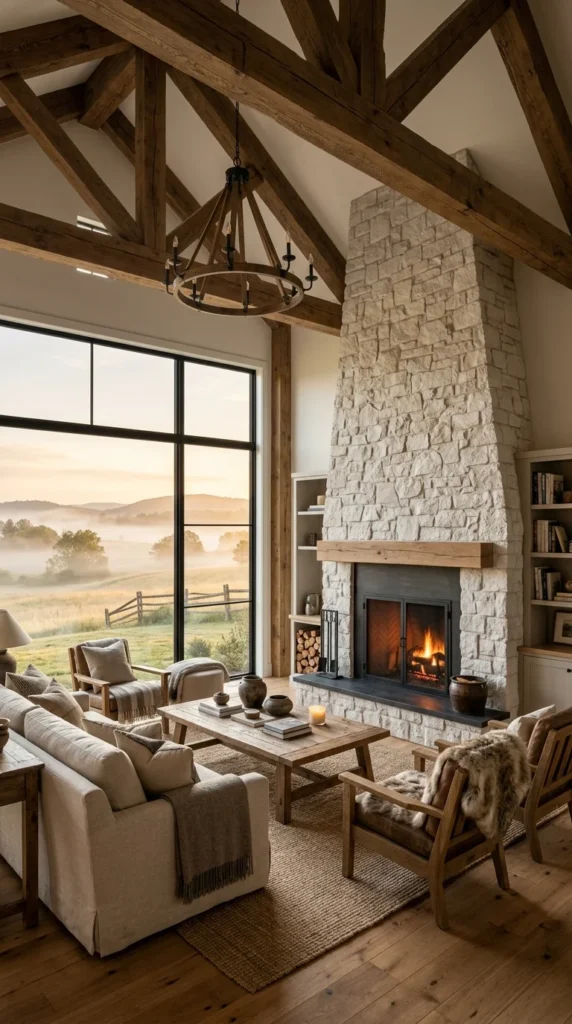
Architectural “bones” are what separate a farmhouse-style house from a true dream farmhouse. Exposed ceiling beams—especially those that are hand-hewn or reclaimed—add a sense of structural honesty. They draw the eye upward and make a room feel larger and more historic. Even in new builds, adding high-quality decorative beams can instantly increase the perceived value of the home.
- Installation Tip: Ensure the beams look structural (running wall to wall) rather than just floating in the middle of the ceiling.
9. Organic Textures
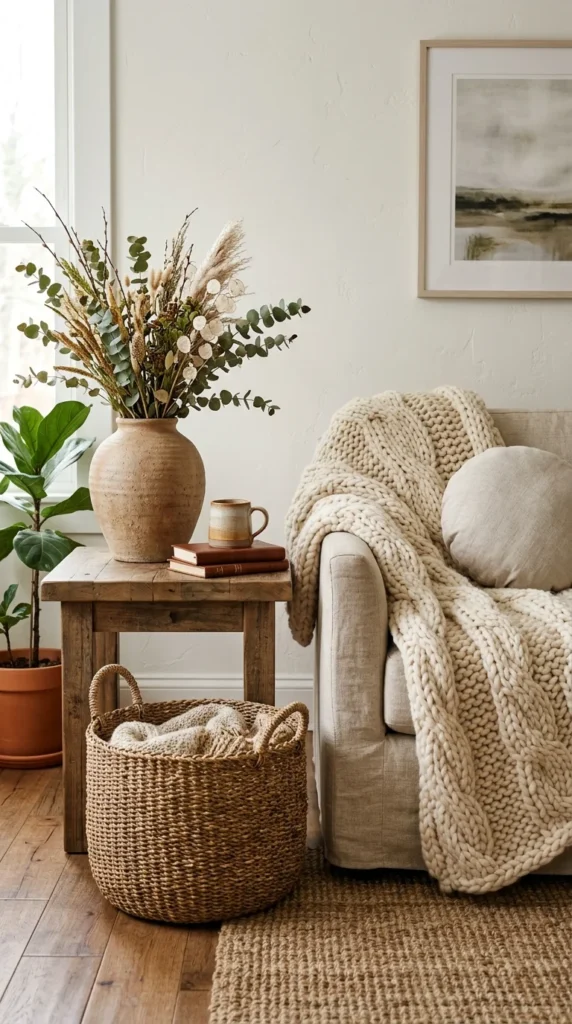
Luxury in 2026 is tactile. To make a farmhouse look expensive, you must layer different natural textures. A room should have a mix of linen, wool, jute, leather, and wood. This “texture-on-texture” approach creates a sensory richness that feels sophisticated. It avoids the “flat” look of synthetic fabrics and brings warmth to the minimalist aesthetic.
- Must-have: 100% linen curtains that puddle slightly on the floor.
10. Black Steel
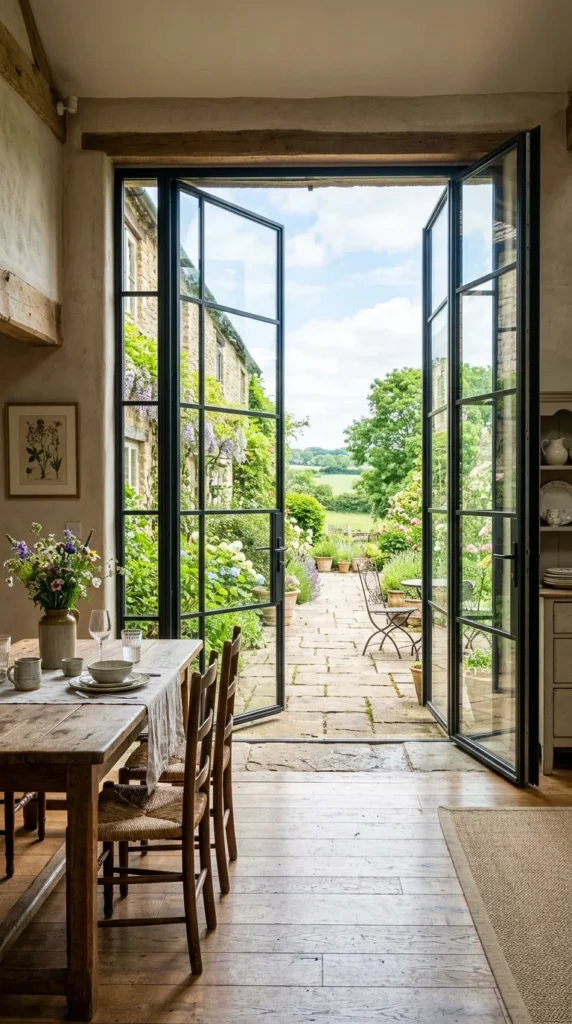
For a “modern” expensive farmhouse look, black steel windows and doors are the gold standard. They provide a sharp, industrial contrast to the soft textures of wood and plaster. The thin profiles allow for maximum glass and light, creating a seamless connection between the interior and the landscape outside—a key luxury feature in 2026.
- Budget Tip: If replacing windows isn’t an option, use black steel hardware and light fixtures to mimic the aesthetic.
11. Indoor Trees
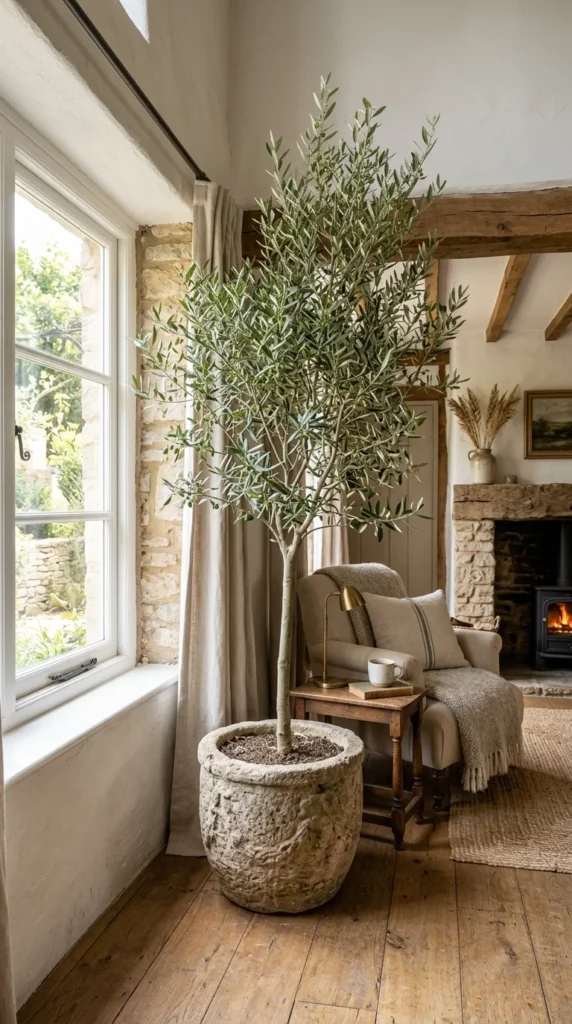
Faux plants are out; “statement” greenery is in. A large, live indoor tree, such as an Olive or an Oak-leaf Fig, brings a sense of life and grandeur to a room. Placing a 7-foot tree in an aged terracotta pot makes a space feel like a high-end conservatory. It connects the home to the land, which is the core philosophy of farmhouse living.
- Placement: Place them in corners that receive bright, indirect light to ensure they thrive.
12. Heritage Art
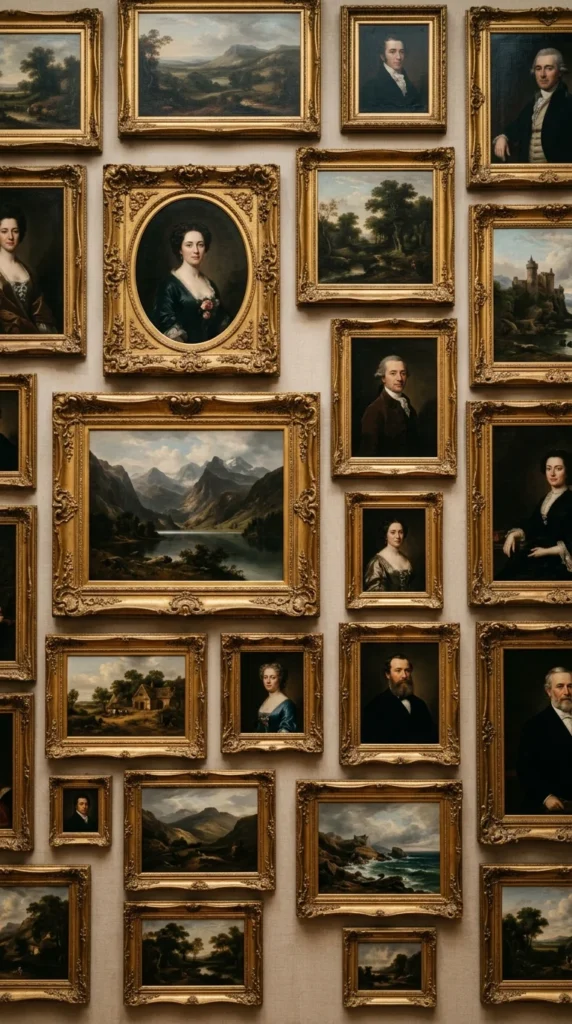
The final touch to an expensive farmhouse is the art. In 2026, homeowners are shying away from generic “farmhouse” signs and moving toward heritage art. This includes original oil landscapes, vintage sketches, and moody portraits sourced from antique markets. Framing these in high-quality, heavy wood or gold frames gives the home a “collected over time” feel that is synonymous with luxury.
- The Secret: Don’t match the art to the furniture; match it to the soul of the house. Mix styles and eras for a more authentic, high-end look.