
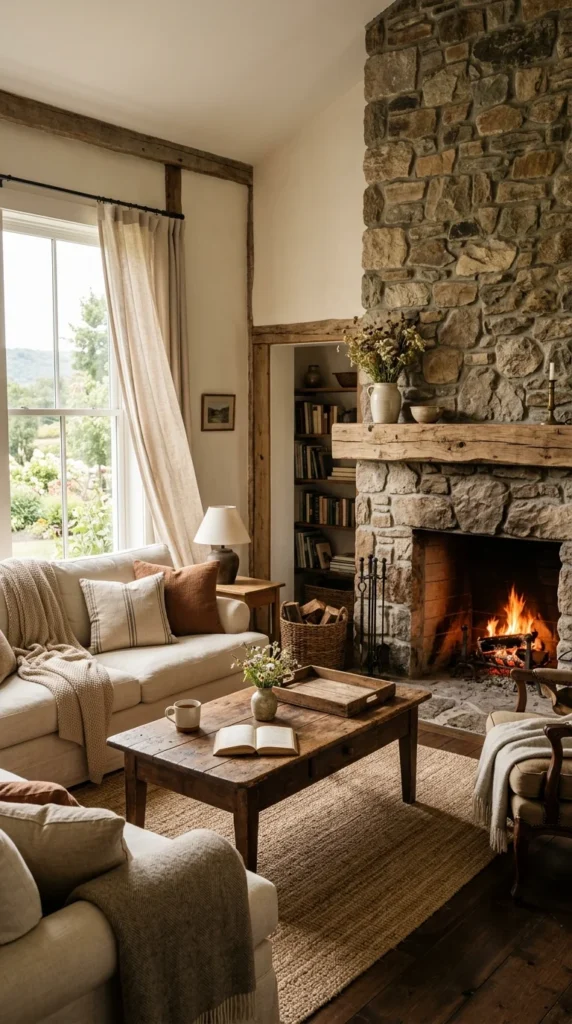
The rustic farmhouse aesthetic is more than just a passing trend; it is a celebration of simplicity, history, and the comforting embrace of home. Born from the practical needs of rural life, this style has evolved into a sophisticated design movement that prioritizes warmth, texture, and a “lived-in” feel. Whether you live in a sprawling country estate or a modern city apartment, the farmhouse look offers a timeless way to create an environment that feels both grounded and inviting.
What makes farmhouse decor so enduring is its versatility. It doesn’t demand perfection; in fact, it celebrates the imperfections of weathered wood, chipped paint, and hand-woven fabrics. It is a style that tells a story. Here are ten classic rustic farmhouse decor ideas that have stood the test of time and will continue to inspire homeowners for generations to come.
1. Shiplap Walls
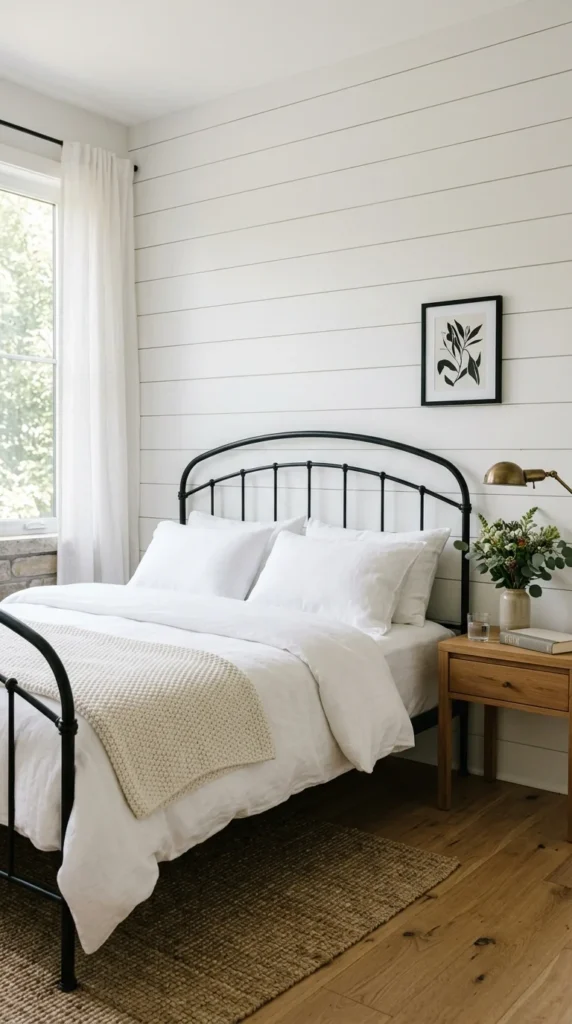
Few elements are as synonymous with the farmhouse look as shiplap. Originally used as a functional way to weather-proof homes, these overlapping wooden planks have become a decorative staple. Shiplap adds instant architectural interest and texture to a room without overwhelming the space with color.
While bright white shiplap is the most traditional choice—reflecting light and making a room feel airy—modern interpretations include dark charcoal, navy, or even natural wood finishes. It can be installed horizontally to make a room feel wider or vertically to draw the eye upward, making it a versatile tool for any interior designer.
2. Reclaimed Wood
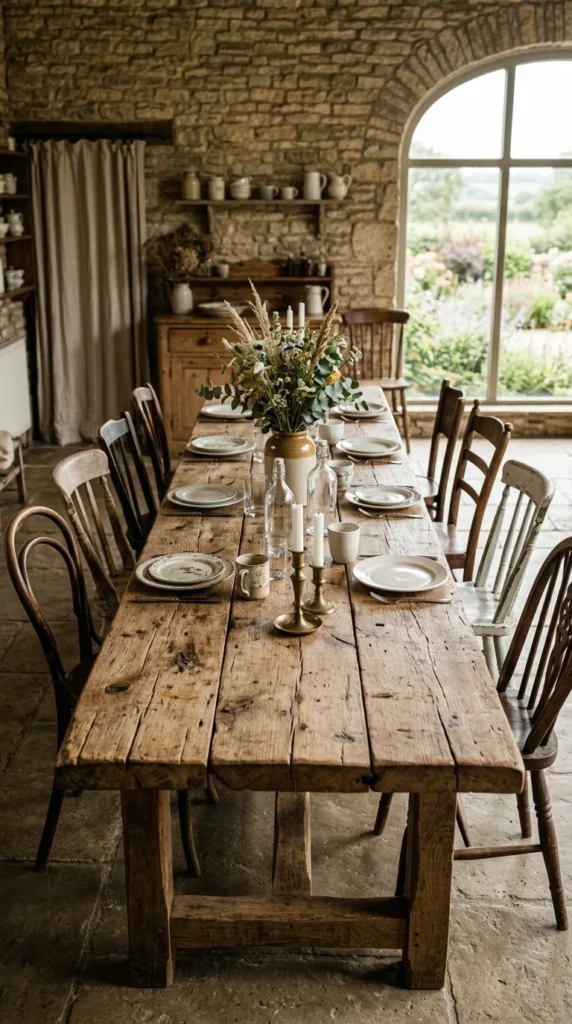
The soul of the rustic farmhouse style lies in the materials, and nothing carries more soul than reclaimed wood. Whether it’s sourced from an old barn, a decommissioned factory, or a vintage ship, reclaimed wood brings a sense of history and environmental consciousness into the home.
Using reclaimed wood for dining tables, floating shelves, or even flooring introduces a rugged, organic element that contrasts beautifully with modern finishes. The natural patina, nail holes, and variations in grain ensure that every piece is entirely unique, serving as a conversation starter while providing a sturdy, timeless foundation for your decor.
3. Apron-Front Sinks
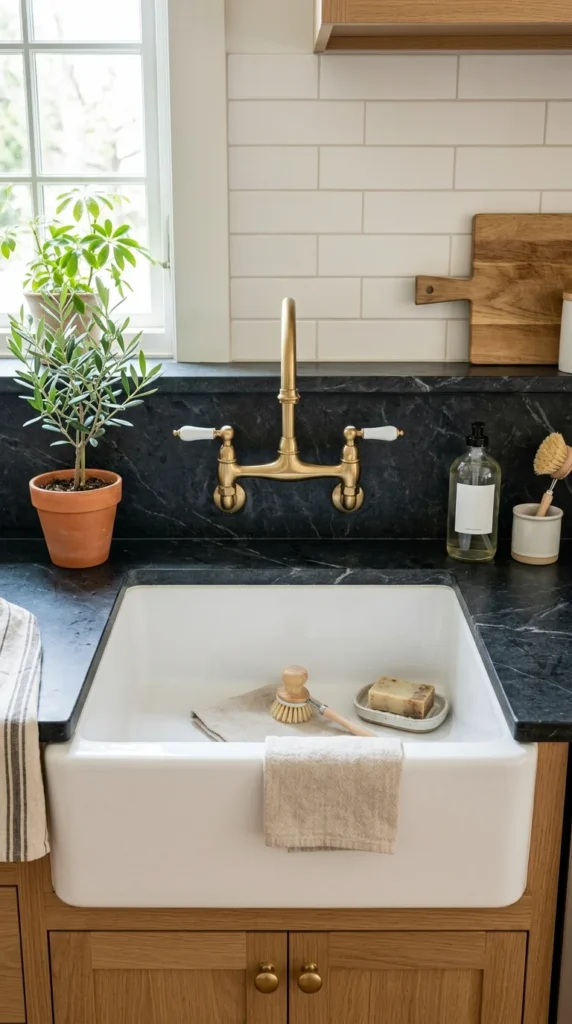
In a farmhouse-style kitchen, the sink isn’t just a utility—it’s a centerpiece. The apron-front sink, often referred to as a “farmhouse sink,” features a deep basin and a front panel that sits slightly forward from the cabinetry. Originally designed to hold large amounts of water for heavy-duty kitchen tasks, its scale and presence are unmatched.
While white fireclay or porcelain are the classic choices, homeowners today are experimenting with hammered copper, stainless steel, or even natural stone. Regardless of the material, the generous size and iconic silhouette provide a perfect blend of old-world charm and modern functionality.
4. Barn Doors
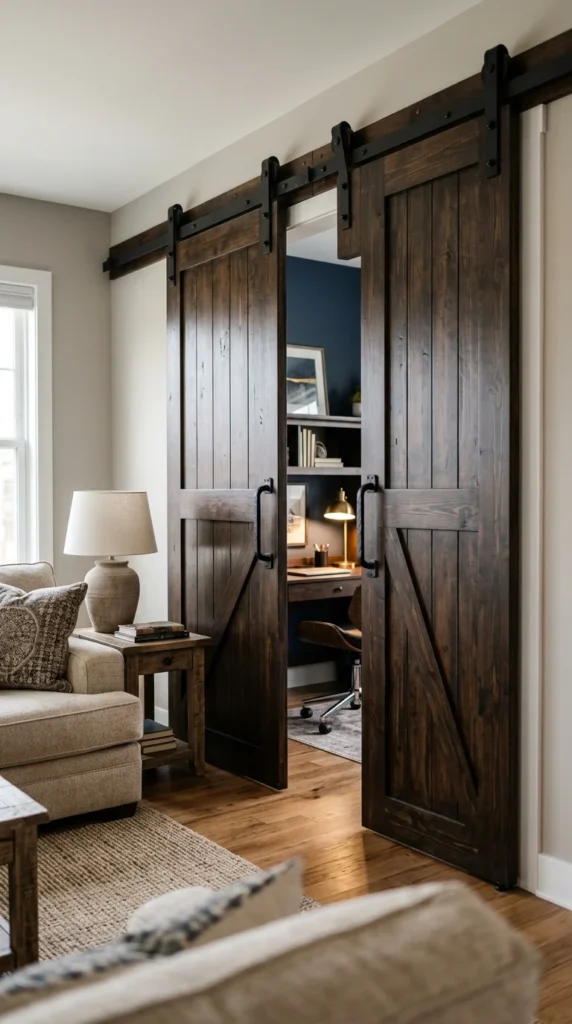
The sliding barn door is perhaps one of the most functional exports from rural architecture to the modern home. In tight spaces where a swinging door would be cumbersome, a sliding barn door offers a stylish solution. They serve as functional pieces of art, adding a massive dose of character to hallways, pantries, or primary suites.
The beauty of the barn door lies in the hardware. The heavy-duty black iron tracks and rollers provide a touch of industrial grit that balances the warmth of the wood. Whether left in its natural state or painted a bold color, a barn door creates a focal point that is both practical and aesthetically striking.
5. Neutral Palettes
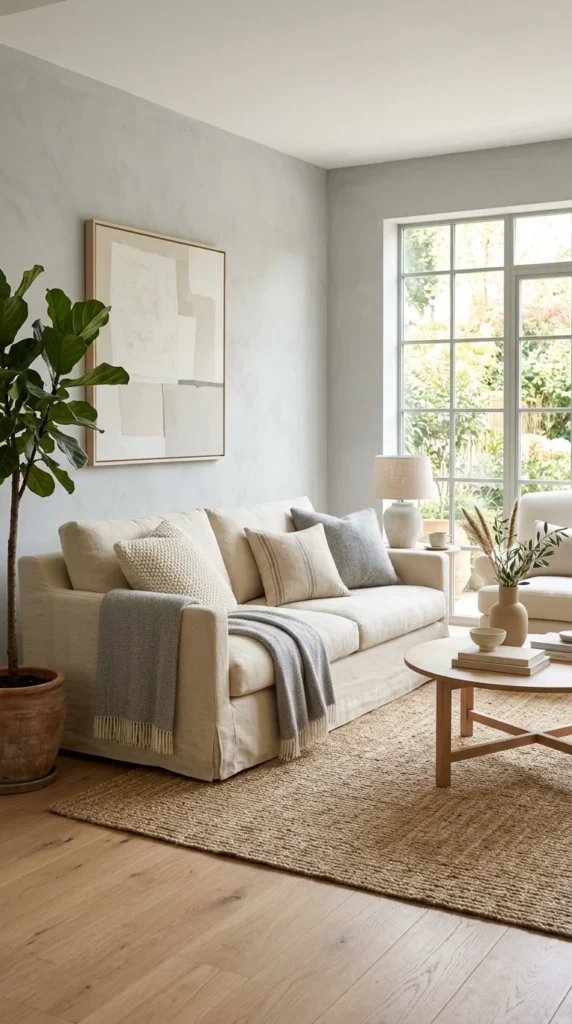
The farmhouse color palette is rooted in the earth. To achieve a look that never goes out of style, stick to a foundation of neutrals: whites, creams, beiges, and soft grays. These tones provide a clean, calm backdrop that allows the textures of the room—like wood grain and woven fabrics—to take center stage.
Using a neutral palette doesn’t mean a room has to be boring. The key is layering. By mixing different shades of white and cream and incorporating various textures, you create a space that feels rich and multidimensional. This approach also makes it incredibly easy to swap out seasonal accents, like pillows or throws, without needing to repaint.
6. Open Shelving
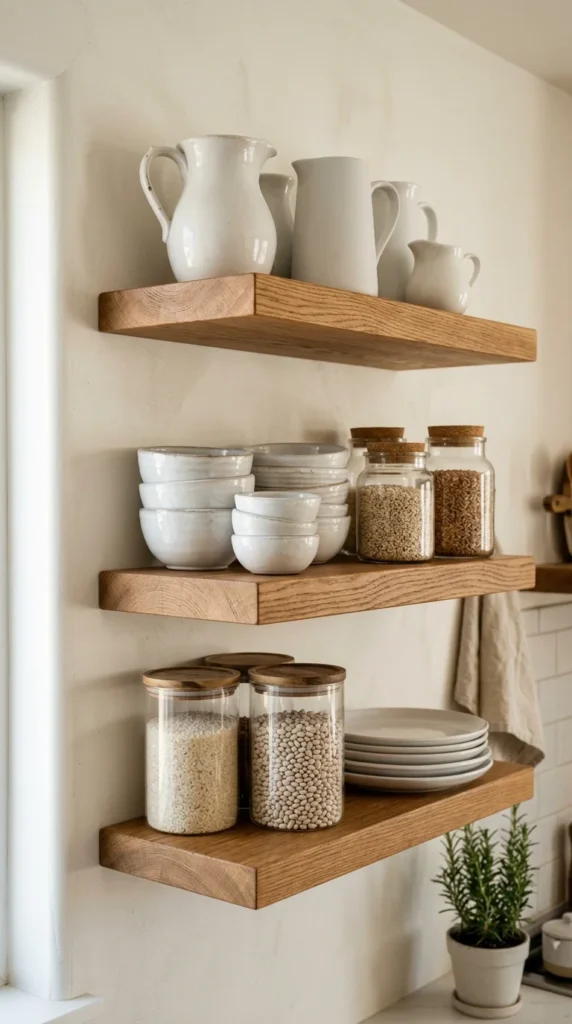
Farmhouse kitchens are designed for use, and open shelving embodies the “workhorse” spirit of the style. By replacing upper cabinets with thick wooden shelves, you create an open, airy feel that makes even the smallest kitchen seem larger.
Open shelving allows you to display your most beautiful and functional items—think heirloom dishware, vintage crocks, and copper pots. It encourages a curated yet accessible lifestyle. To keep it from looking cluttered, stick to a cohesive color scheme for the items on display, such as all-white ceramic or clear glass.
7. Galvanized Metal
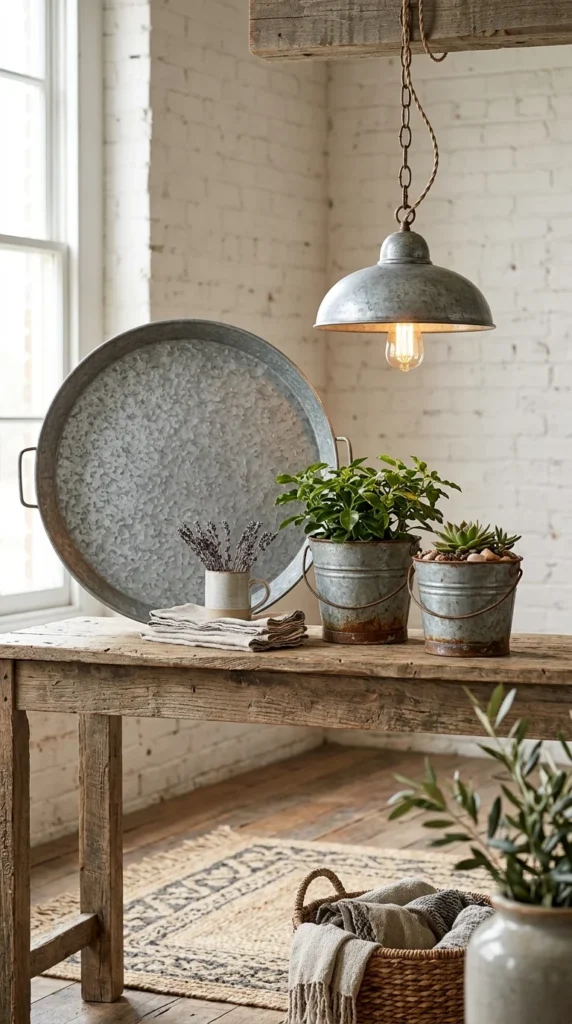
Incorporating galvanized metal is a nod to the industrial side of farm life. This material is prized for its durability and its muted, matte gray finish. It introduces a cool, metallic element that prevents a room from feeling too “soft” or “preppy.”
From oversized wall clocks and lighting fixtures to simple storage bins and planters, galvanized metal is a versatile accent. It pairs beautifully with the warmth of wood and the softness of natural textiles, providing a balanced look that feels authentically “farmhouse.”
8. Natural Textiles
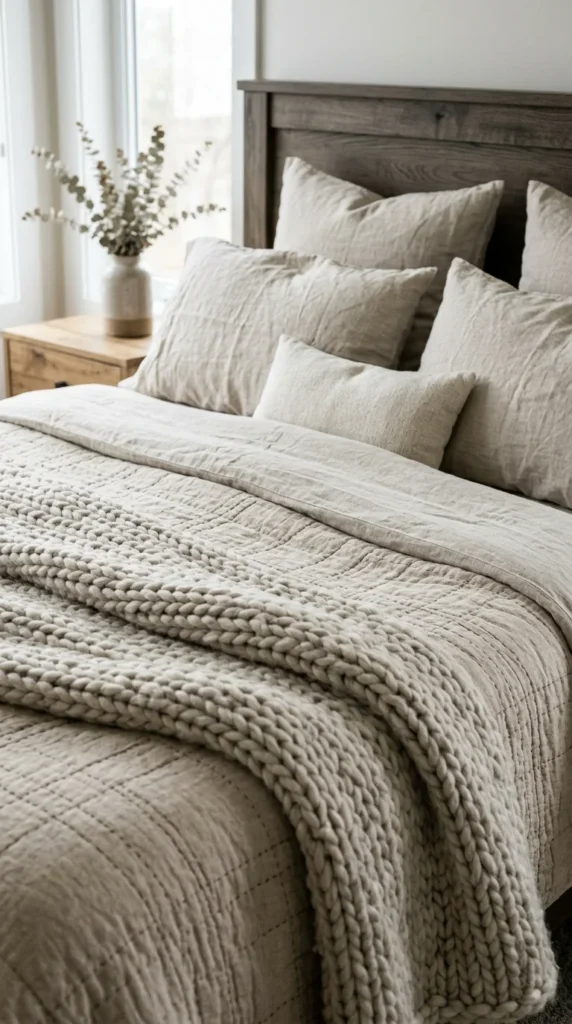
Comfort is the ultimate goal of farmhouse decor, and textiles play the most important role in achieving it. Natural fibers like linen, cotton, wool, and burlap are the staples of this style. They are breathable, durable, and possess a tactile quality that synthetic fabrics simply cannot replicate.
Consider a linen-slipcovered sofa for an effortlessly elegant look, or a chunky wool rug to add warmth to a hardwood floor. Burlap table runners or cotton grain-sack pillows add a touch of rustic utility. The key is to choose fabrics that look better with age and use, reinforcing the “lived-in” philosophy.
9. Antique Accents
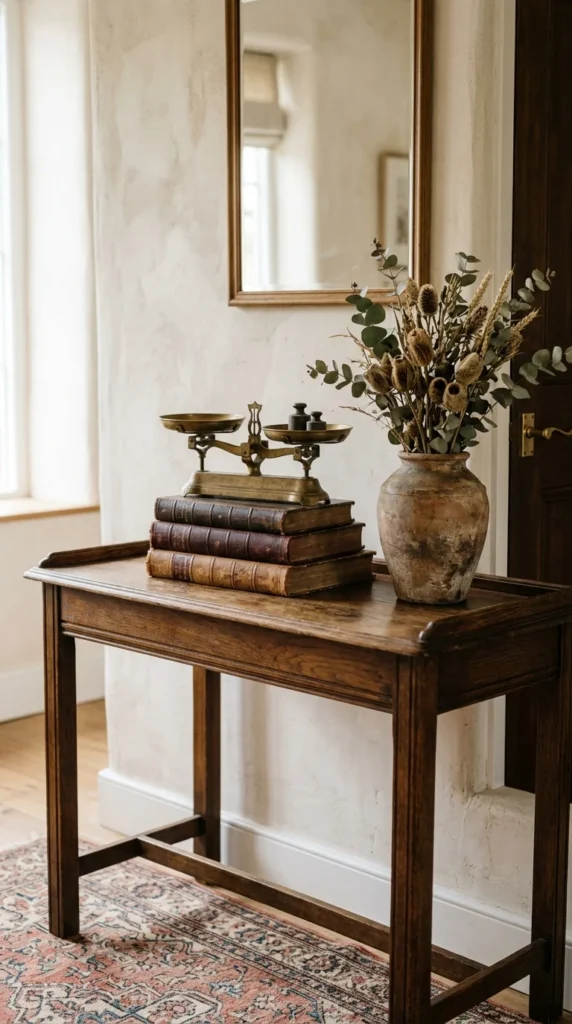
A farmhouse home should feel like it was assembled over time, not bought all at once from a catalog. Integrating antique and vintage pieces is essential for adding personality and “soul” to your space. An old wooden ladder used as a towel rack, a weathered milk crate for storage, or a collection of vintage oil paintings can make a room feel curated and storied.
When shopping for antiques, look for items with a “patina”—the natural wear and tear that comes with age. These imperfections are what give the farmhouse style its charm. Each vintage piece brings a sense of nostalgia and a connection to the past that modern reproductions often lack.
10. Exposed Beams
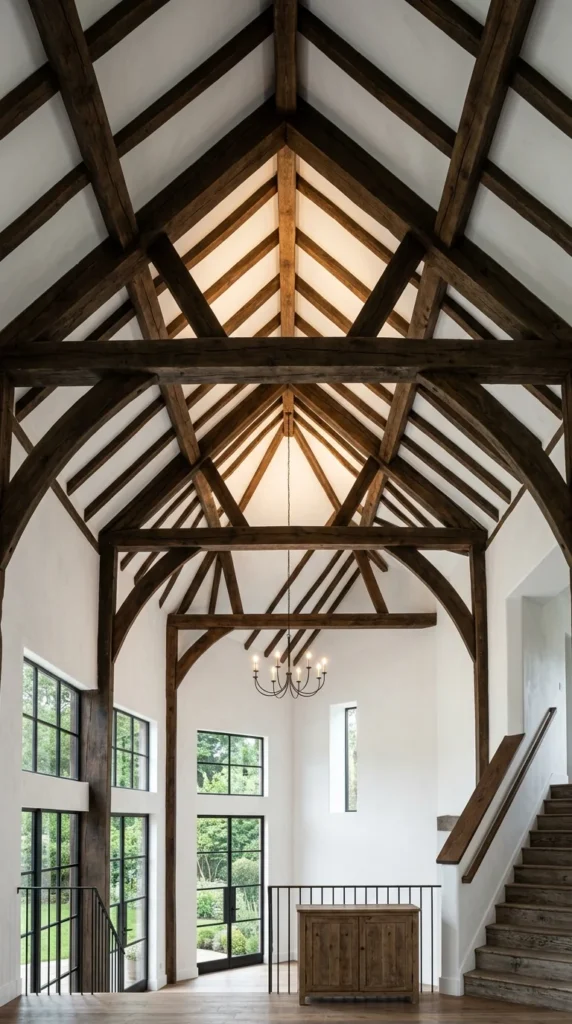
If you are lucky enough to have them, exposed ceiling beams are the crown jewel of farmhouse architecture. They provide a sense of structure and scale that defines the entire room. If your home doesn’t have original beams, “faux” beams made from reclaimed wood can be installed to achieve the same effect.
Exposed beams draw the eye upward, highlighting the height of a room and adding a sense of grandeur. They bridge the gap between the rugged outdoors and the cozy indoors, providing an architectural framework that feels both ancient and incredibly modern.
By focusing on these ten timeless elements, you can create a home that transcends fleeting trends. The rustic farmhouse style is a celebration of the home as a sanctuary—a place of comfort, history, and enduring beauty.