
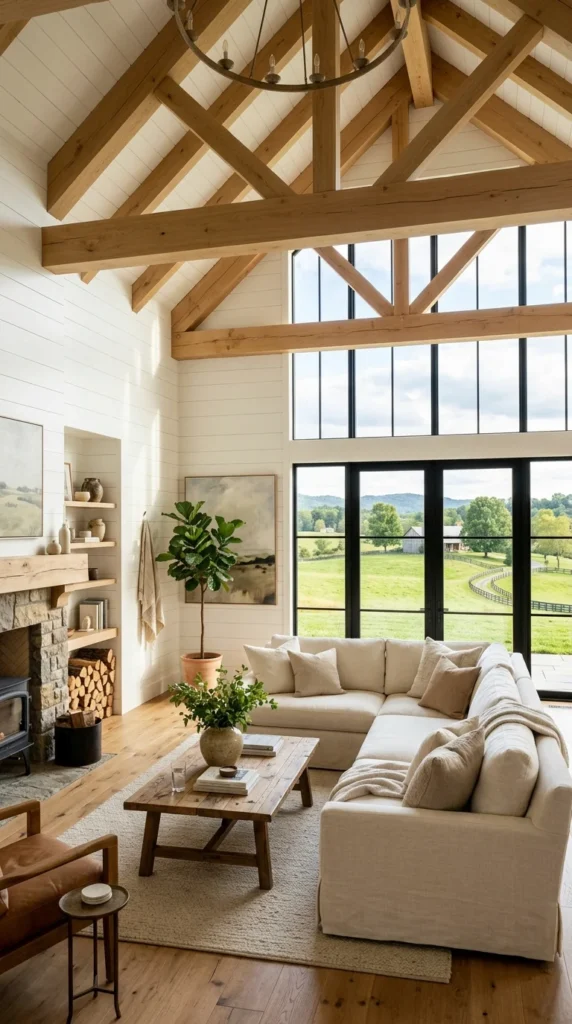
The farmhouse aesthetic has evolved significantly over the last decade. Moving away from the stark “Modern Farmhouse” look characterized by high-contrast black and white, the 2026 trend focuses on “Rustic Organic.” This evolution embraces warmth, history, and a deep connection to nature. As we look toward the future of home design, the goal is to create spaces that feel curated over time rather than purchased from a showroom.
1. Organic Stone
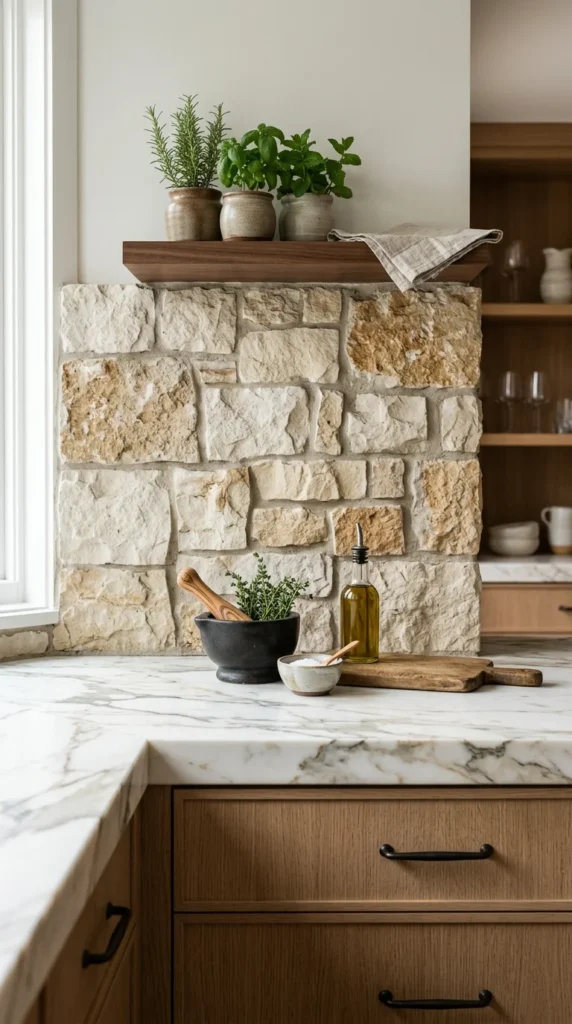
In 2026, the obsession with subway tile is officially being replaced by the raw beauty of natural stone. Incorporating organic stone—whether it’s a full-height kitchen backsplash, a floor-to-ceiling fireplace, or even a stone-clad accent wall—adds an immediate sense of permanence and history to a home. The key is to use unpolished, tumbled, or “over-grouted” stone to achieve a look that feels centuries old. This texture provides a tactile contrast to smooth cabinetry and modern appliances, grounding the room in earthy heritage.
2. Muted Tones
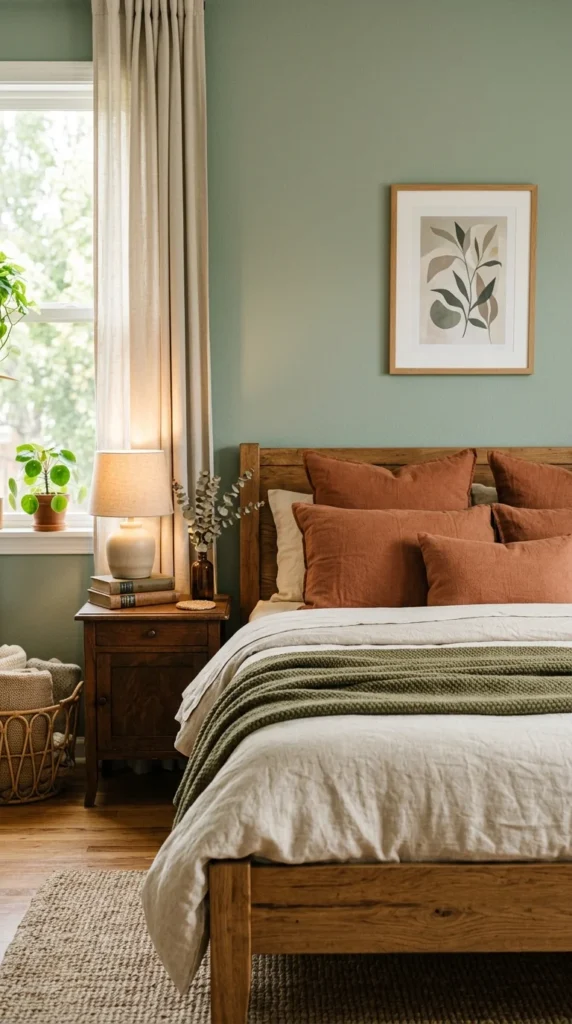
While white-on-white was the hallmark of the 2010s farmhouse, 2026 is all about “New Neutrals.” We are seeing a shift toward muted, nature-inspired tones like sage green, dusty ochre, terracotta, and mushroom grey. These colors provide a soft backdrop that feels warmer and more inviting than clinical white. Painting your cabinetry or a small powder room in these earthy shades adds depth and a “lived-in” sophisticated vibe that pairs beautifully with natural wood finishes.
3. Reclaimed Wood
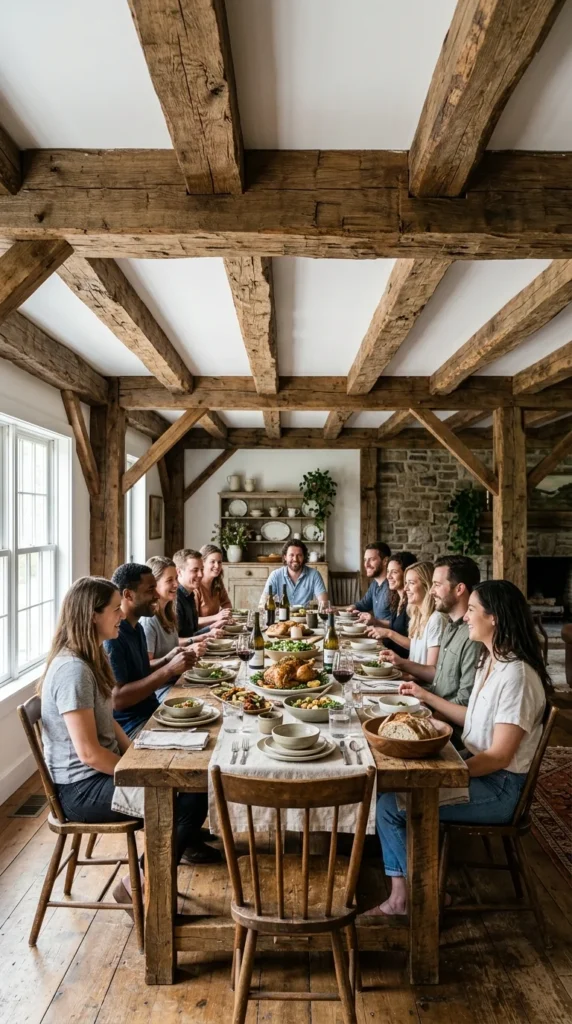
Architectural interest is a priority in 2026, and nothing achieves this better than reclaimed wood. Rather than just using it for small accessories, homeowners are integrating heavy timbers into the structural feel of the home. Think massive ceiling beams, thick floating mantels, or even sliding pantry doors made from weathered barn wood. The imperfections—the nail holes, the knots, and the silvered grain—are what make these pieces valuable. They tell a story and prevent a new build from feeling too “perfect.”
4. Apron Sinks
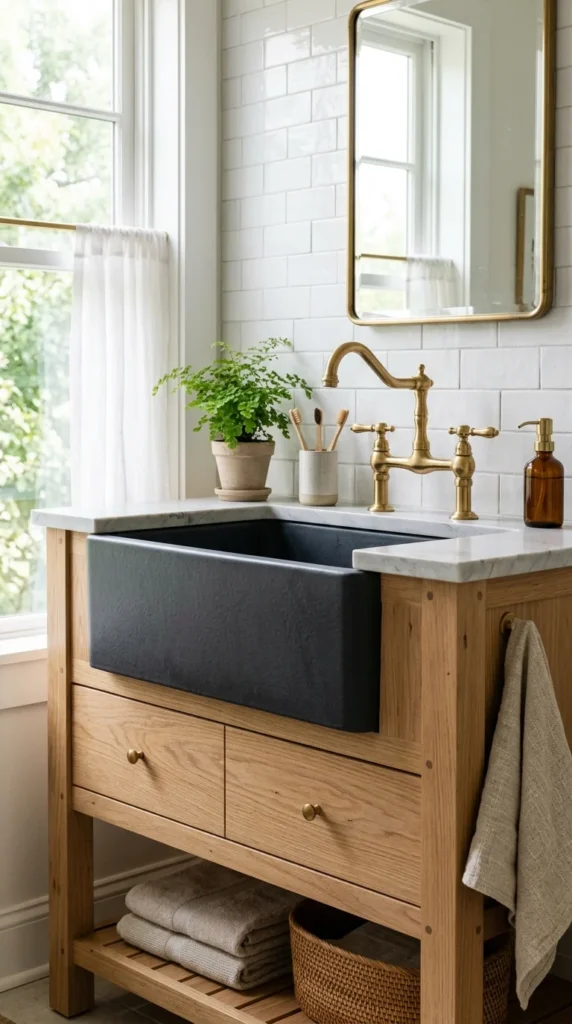
The farmhouse sink remains a staple, but the 2026 version is moving beyond the classic white porcelain. Expect to see apron-front sinks made from hammered copper, matte black granite, or even carved soapstone. These materials are incredibly durable and develop a beautiful patina over time. A dark or metallic sink creates a stunning focal point in the kitchen or laundry room, especially when paired with a high-end bridge faucet that leans into the “vintage-utility” aesthetic.
5. Mixed Metals
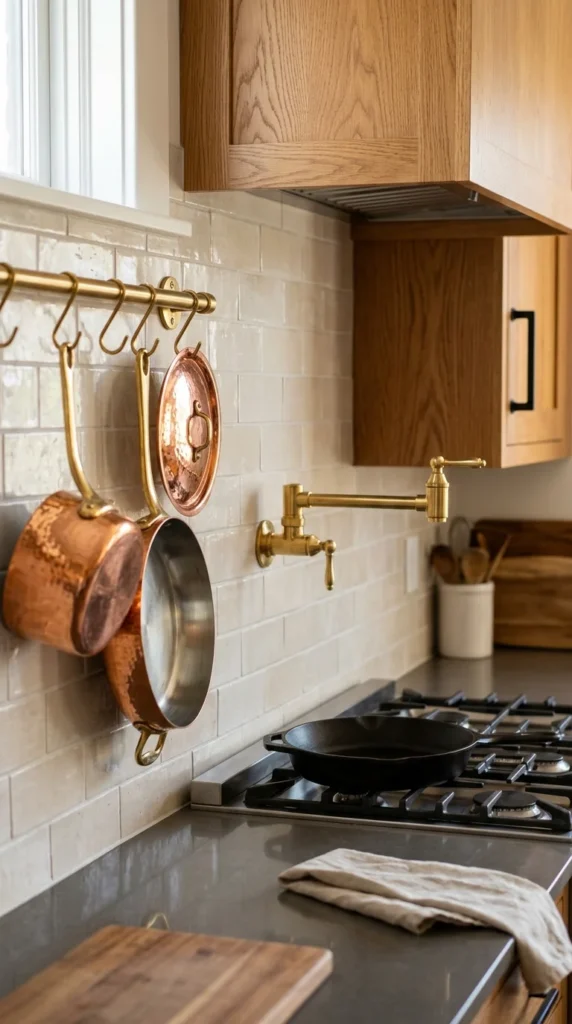
Gone are the days of matching every faucet, handle, and light fixture in the same finish. The most sophisticated farmhouse interiors in 2026 utilize a “collected” approach to metals. Mixing warm tones like unlacquered brass and copper with cooler or industrial tones like matte black or oil-rubbed bronze creates a space that feels intentional and layered. The secret to success is to keep one metal as the “dominant” finish while using the others as accents to provide visual variety.
6. Statement Lanterns
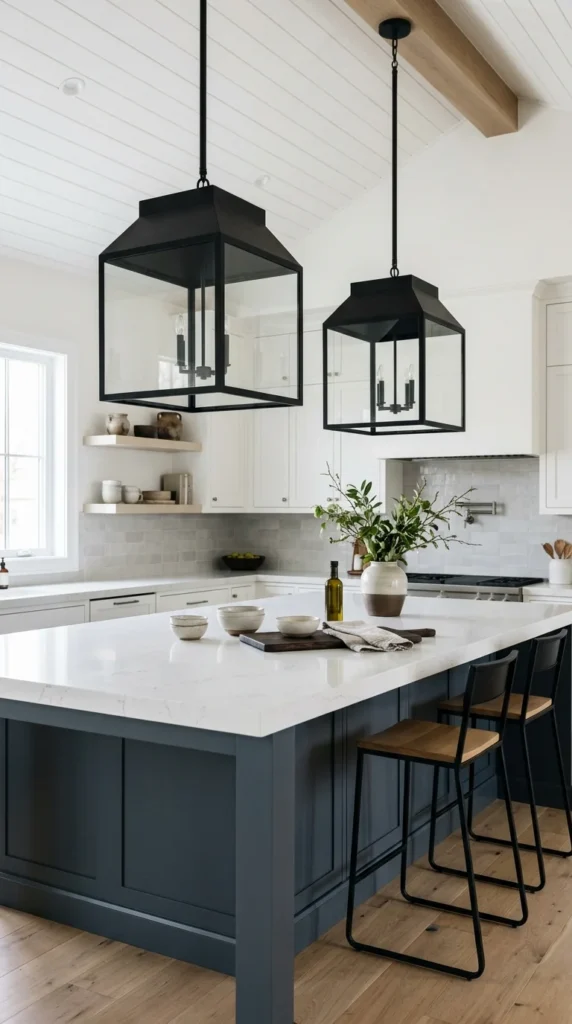
Lighting is the jewelry of the home, and in farmhouse decor, scale is everything. In 2026, we are seeing a move toward oversized, minimalist lanterns. These fixtures use clean lines and glass panes to provide a nod to traditional gas lanterns while maintaining a modern silhouette. Placing two or three large lanterns over a kitchen island or a single massive one in an entryway creates a dramatic sense of height and luxury without overwhelming the room with ornate details.
7. Indoor Olives
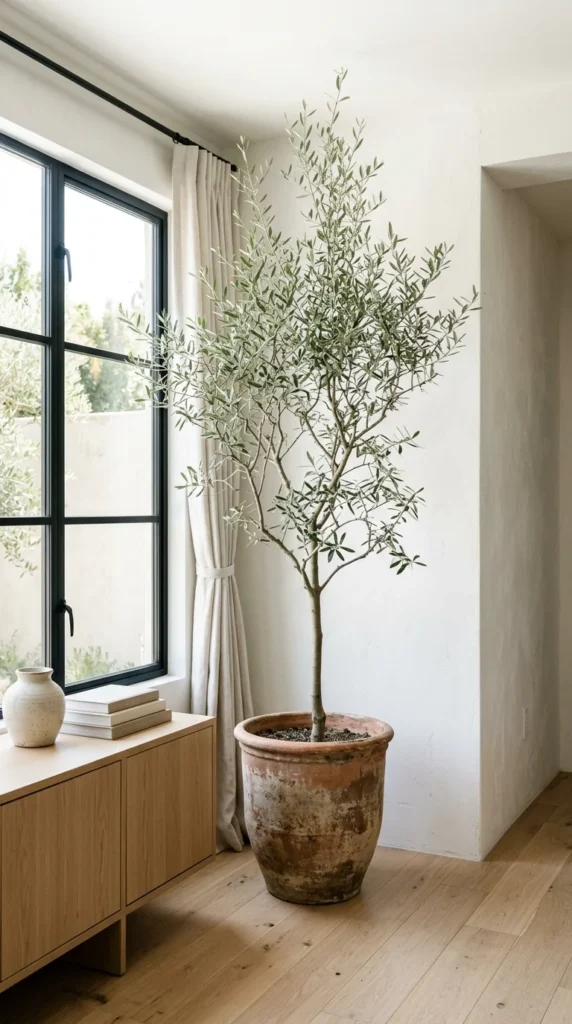
Greenery is essential for the “organic” part of the farmhouse trend. While fiddle-leaf figs had their moment, the olive tree is the reigning champion for 2026. With its silvery-green leaves and delicate structure, the olive tree perfectly complements the muted color palettes and natural materials of the modern farmhouse. Whether it’s a large potted tree in the corner of the living room or small olive branches arranged in a stoneware crock on the dining table, this plant brings a Mediterranean rusticity that feels fresh and timeless.
8. Layered Linens
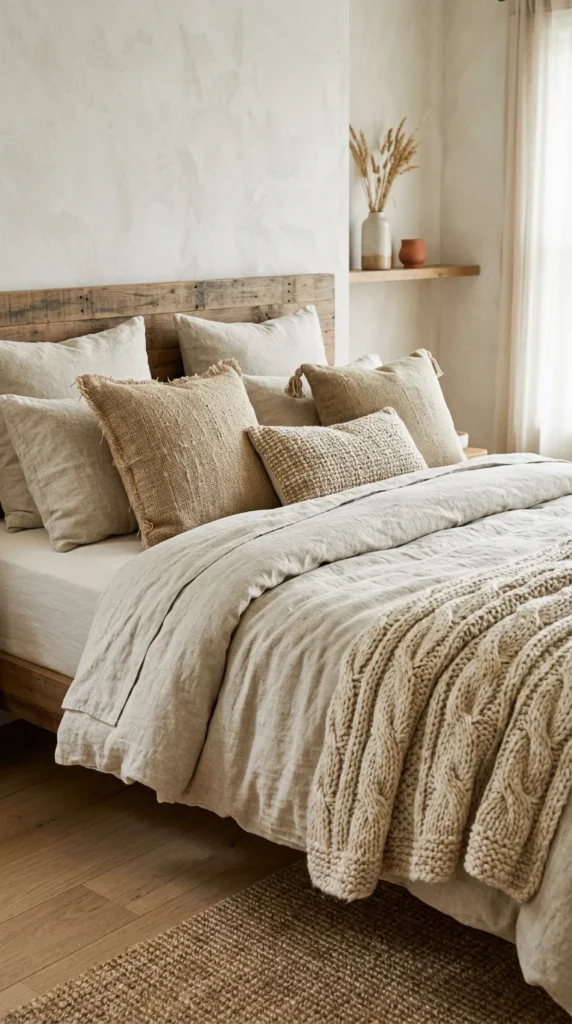
Comfort is king in 2026. To achieve the “lived-in” farmhouse look, textiles should be layered generously. Focus on natural fabrics like linen, hemp, and wool. Instead of a perfectly tucked-in bed, go for a more relaxed, rumpled look with a linen duvet and a chunky knit throw tossed over the foot of the bed. This layering adds physical and visual warmth, making the home feel like a sanctuary. Stick to a monochromatic palette of creams, beiges, and soft greys to keep the layers looking cohesive rather than cluttered.
9. Open Shelving
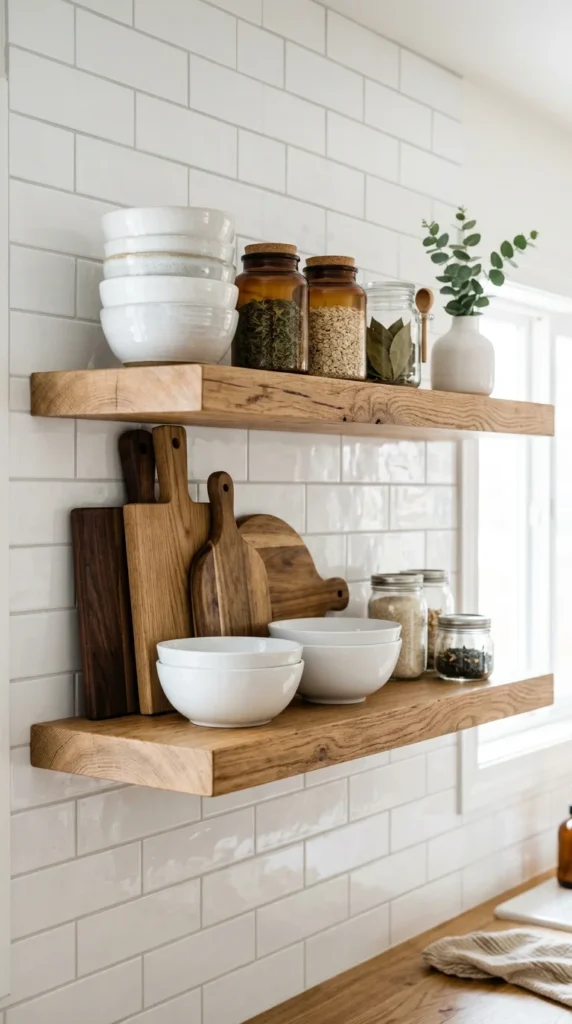
Open shelving continues to be a favorite because it allows you to display functional art. In 2026, the trend is toward thicker, more substantial wood shelves—often with live edges. The key to making this look “copy-worthy” is the curation. Instead of crowding the shelves with plastic containers, use them to showcase handmade ceramics, vintage glassware, and wooden kitchen tools. This turns everyday items into part of the decor, emphasizing the “slow living” philosophy central to farmhouse style.
10. Vintage Landscapes
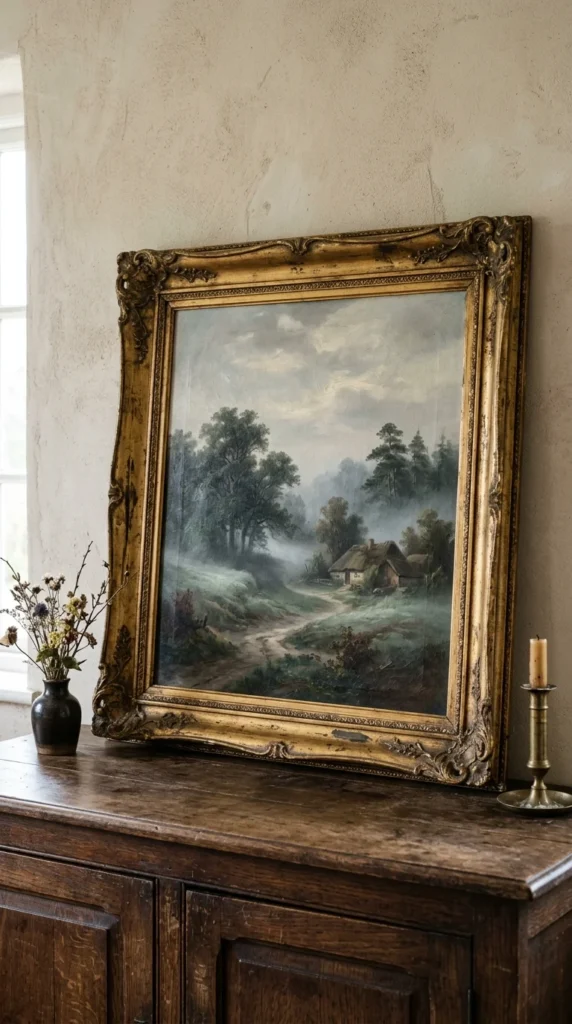
Art in the 2026 farmhouse is moving away from typography-based signs (no more “Gather” or “Market” signs) and toward moody, vintage-inspired landscapes. These paintings—whether original oil works or high-quality prints—bring a sense of soul and mystery to a room. Placing a framed landscape above a bed or leaning one on a kitchen counter adds a touch of traditional elegance that balances the more rugged elements of the farmhouse style.
11. Glass Barn Doors
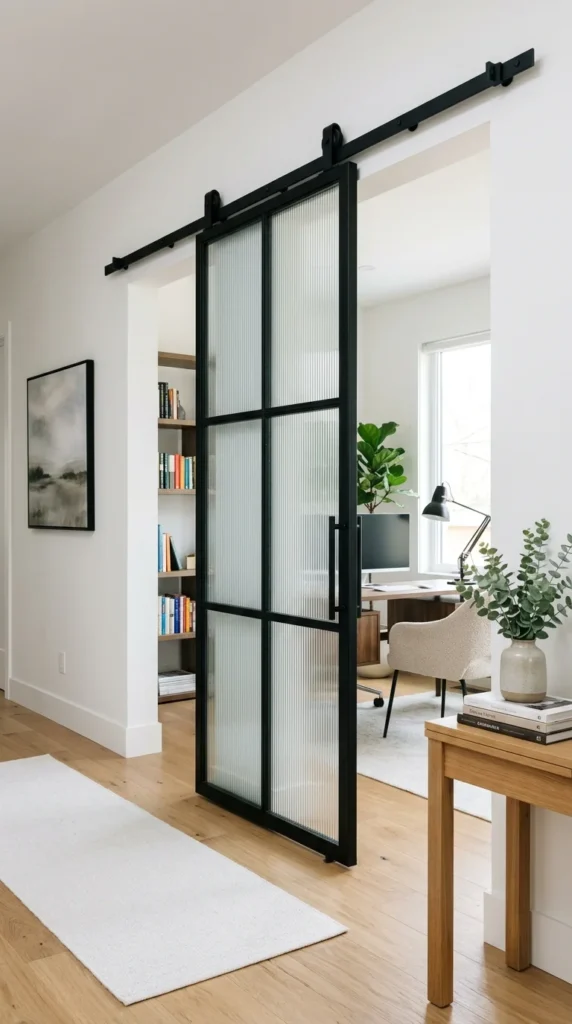
The classic wooden X-brace barn door is being reimagined for 2026. The new “it” door is the industrial glass barn door. Featuring black metal frames and often using fluted or frosted glass, these doors provide the space-saving benefits of a slider while allowing light to flow between rooms. This update feels significantly more high-end and “modern-metropolitan” while still paying homage to the farmhouse’s functional roots.
12. Functional Mudrooms
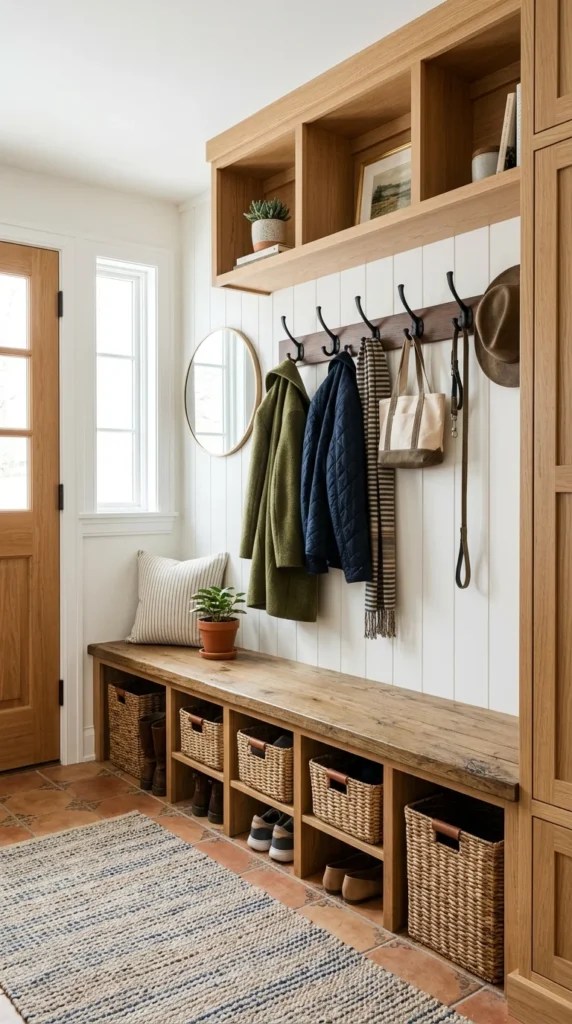
A farmhouse is, at its heart, a working home. Therefore, the mudroom is one of the most important spaces to design correctly. In 2026, the trend is toward “Beautiful Utility.” This means custom cabinetry that hides the mess but leaves room for beautiful accents. Incorporate a brick herringbone floor for durability, a sturdy wooden bench for putting on boots, and plenty of woven baskets to categorize outdoor gear. It’s about creating a transition space that is as aesthetically pleasing as the rest of the house.
13. Woven Textures
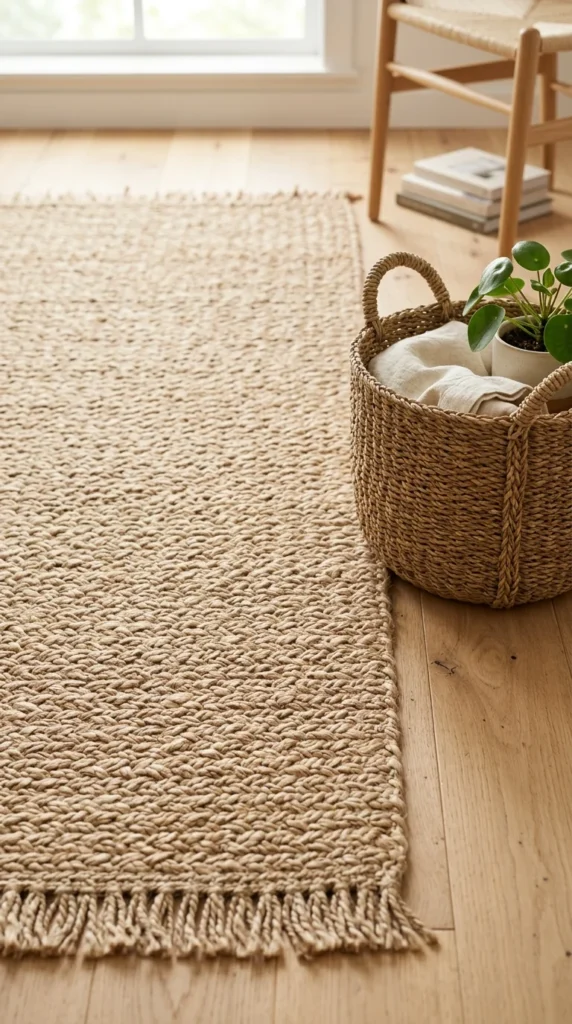
To prevent a farmhouse interior from feeling flat, you must introduce various textures. Woven materials like jute, seagrass, and rattan are the perfect solution. A large jute rug provides a durable, earthy foundation for a living room, while rattan dining chairs or seagrass storage baskets add a “hand-crafted” element. These materials bring a hint of coastal influence to the farmhouse look, making the entire home feel airy, light, and connected to the natural world.