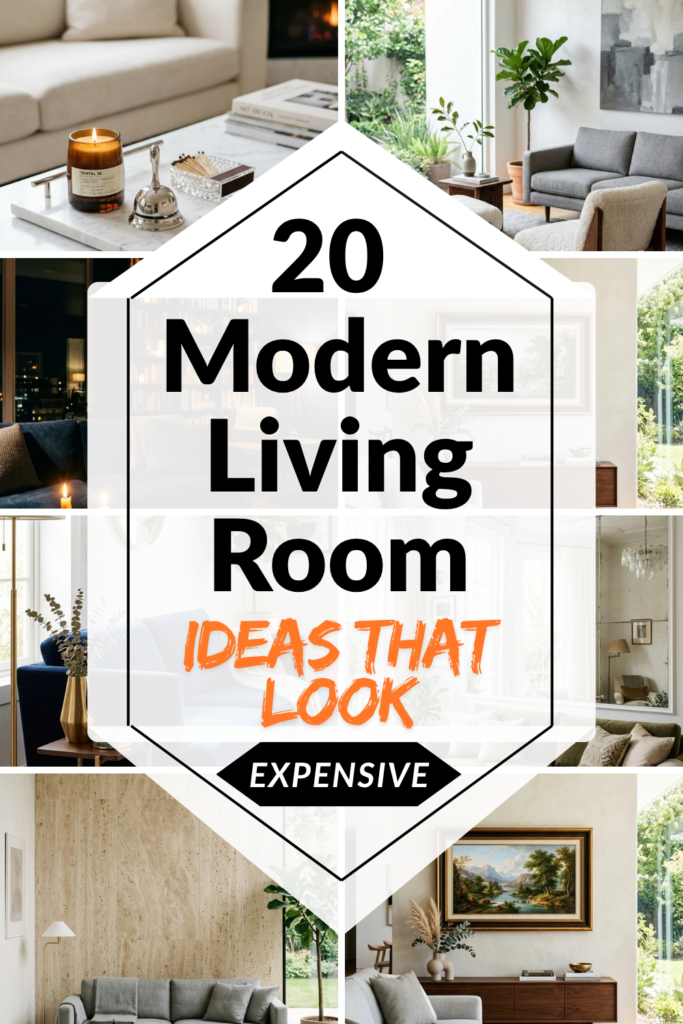

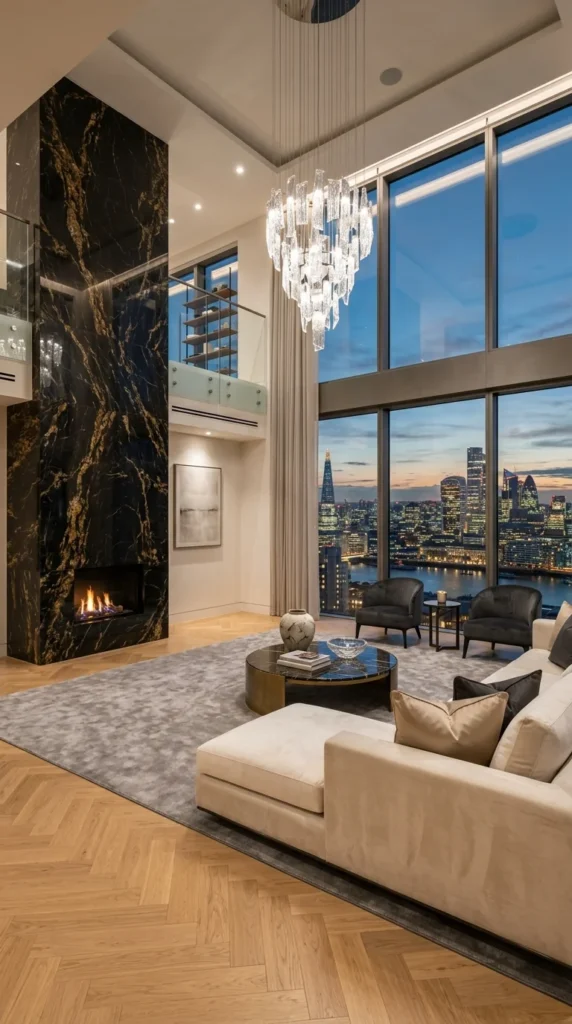
Creating a living room that exudes luxury doesn’t always require a multi-million dollar budget. Often, “expensive” is a feeling curated through deliberate choices in texture, scale, and architectural detail. Modern luxury is moving away from gaudy displays of wealth and toward “quiet luxury”—a style defined by high-quality materials, minimalist silhouettes, and a sense of effortless cohesion. Whether you are starting from scratch or looking to elevate your current space, these twenty ideas will help you achieve a high-end, designer aesthetic.
1. Monochromatic Palettes
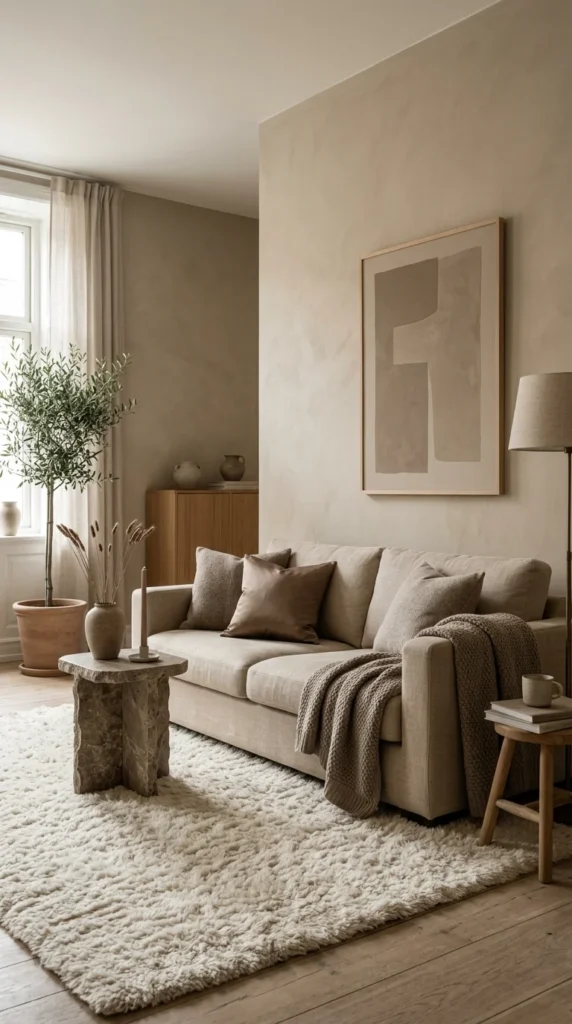
A monochromatic color scheme is one of the oldest tricks in a designer’s book to make a room feel instantly more expensive. By sticking to varying shades of a single hue—like soft greys, warm beiges, or even deep navies—you create a seamless visual flow that feels intentional and calm. The key to mastering this look is texture; combine matte walls with velvet upholstery, silk cushions, and a wool rug to prevent the room from feeling flat.
2. Statement Lighting
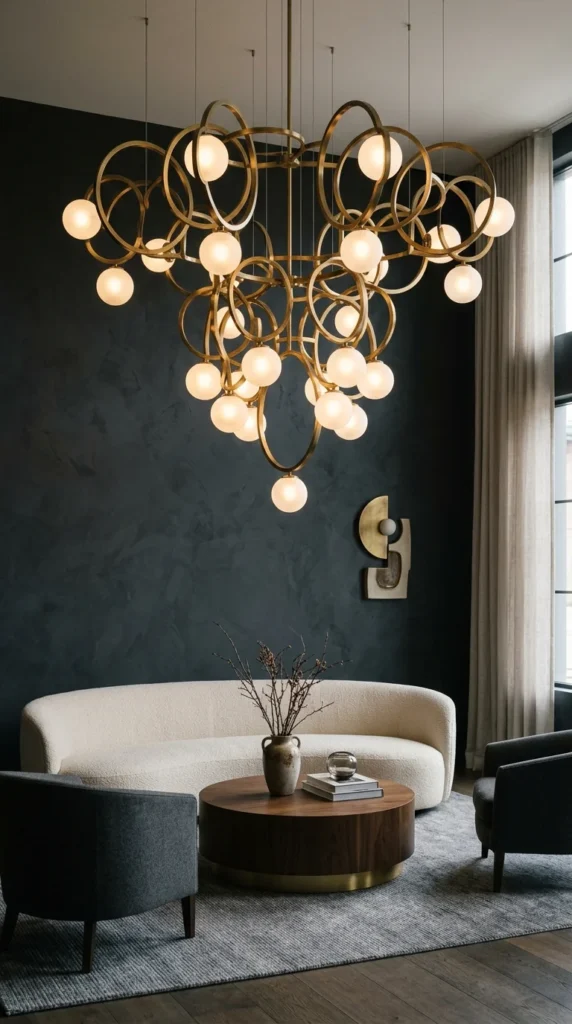
In a luxury living room, the lighting is never an afterthought. Replacing a standard ceiling fan or builder-grade light fixture with a sculptural, oversized statement piece can transform the entire volume of the room. Think of your light fixture as the “jewelry” of the space. Look for materials like brushed brass, hand-blown glass, or matte black steel to add a contemporary, high-end edge.
3. Floor-to-Ceiling Drapes
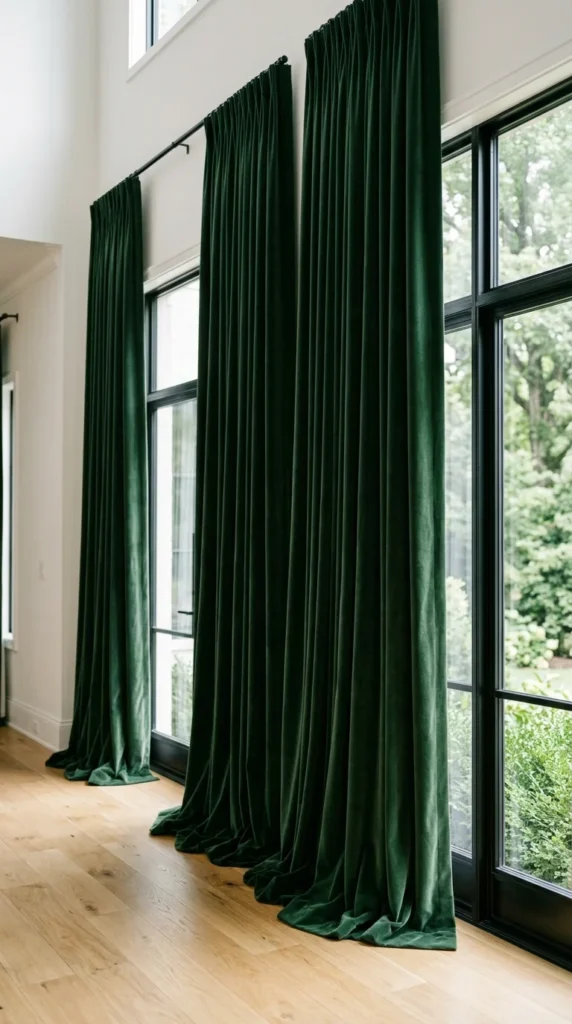
Nothing says “custom” like floor-to-ceiling drapery. When curtains are hung just above the window frame, they can make a room feel cramped. By mounting the rod at the ceiling line and letting the fabric hit the floor, you draw the eye upward, creating the illusion of soaring height. Opt for heavy, high-quality fabrics like linen, velvet, or heavy-weight cotton to ensure they hang beautifully.
4. Marble Accents
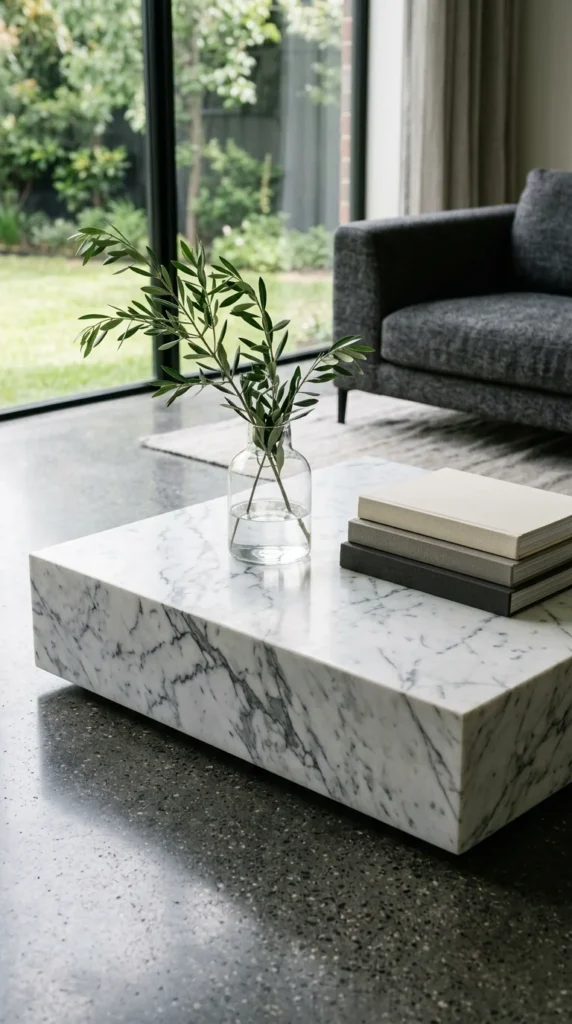
Marble has been a symbol of luxury for centuries. In a modern living room, you can incorporate this material through coffee tables, side tables, or even a fireplace surround. You don’t need a lot of it to make an impact; a single, well-placed piece of natural stone with unique veining acts as a natural work of art that elevates everything around it.
5. Architectural Molding
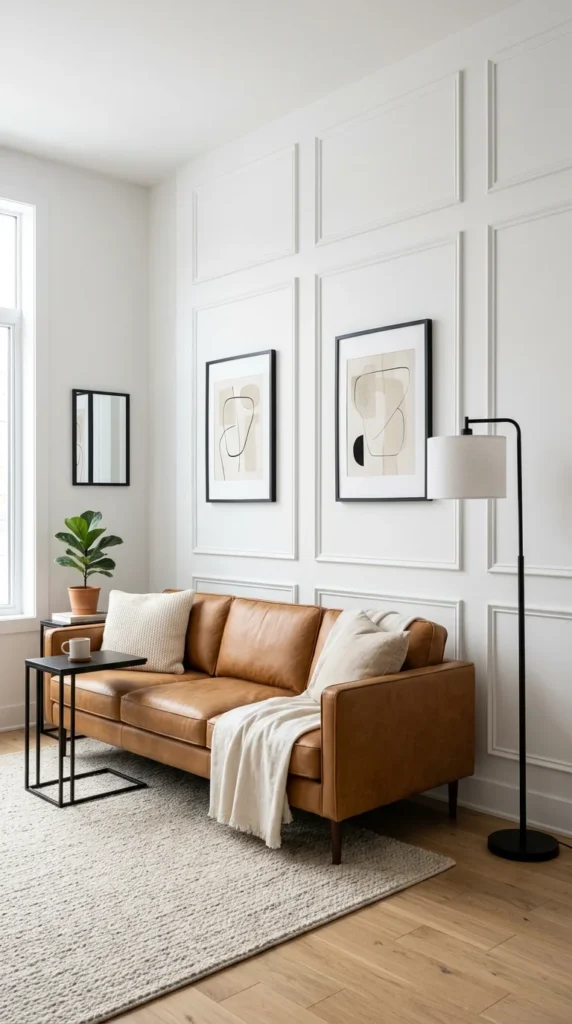
Adding architectural detail to plain “drywall boxes” is a surefire way to increase the perceived value of a home. Modern molding—such as simple picture frame wainscoting or thin vertical slats—adds depth and character. It provides a sense of history and craftsmanship that is often missing in modern builds, making the space feel like a custom-designed estate.
6. Oversized Art
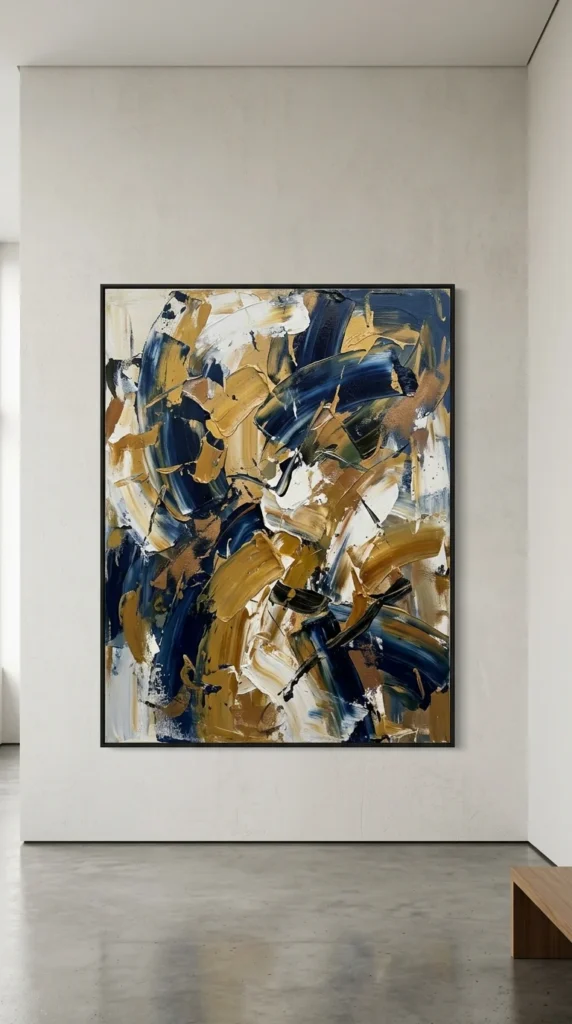
Scale is a major factor in luxury design. Instead of a gallery wall with many small frames—which can often look cluttered—opt for one massive, oversized piece of art. Large-scale art creates a focal point and gives the room a gallery-like atmosphere. It suggests that the homeowner is a collector who values bold, impactful design.
7. Velvet Textures
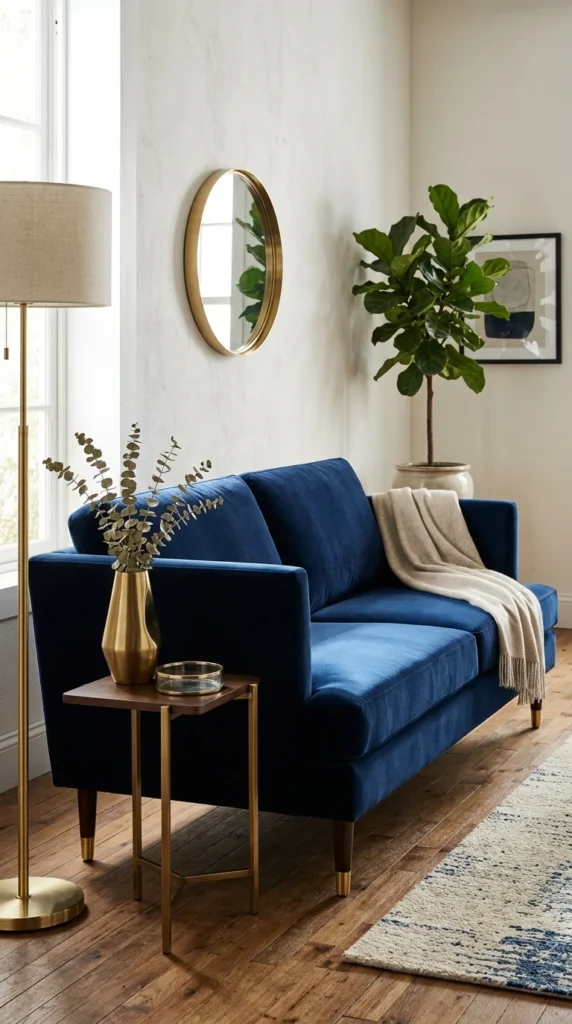
Velvet is the ultimate luxury fabric. Its ability to catch and reflect light gives it a depth that flat fabrics lack. A velvet sofa or a pair of velvet swivel chairs adds an immediate sense of opulence and comfort. In a modern setting, stick to clean lines and rich, jewel tones or sophisticated neutrals to keep the look contemporary rather than Victorian.
8. Built-in Shelving
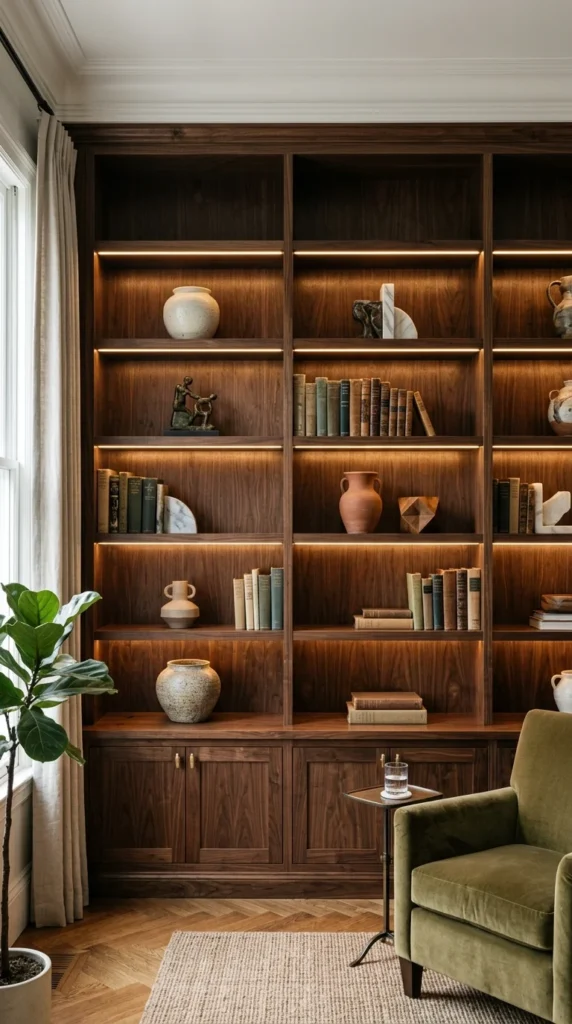
Custom cabinetry is a hallmark of high-end homes. Built-in bookshelves that span from wall to wall or floor to ceiling look integrated and permanent. To make them look even more expensive, add “library lighting” or integrated LED strips to highlight the objects on the shelves. Remember: the key to expensive-looking shelves is to avoid overcrowding them; leave plenty of “white space” between items.
9. Metallic Accents
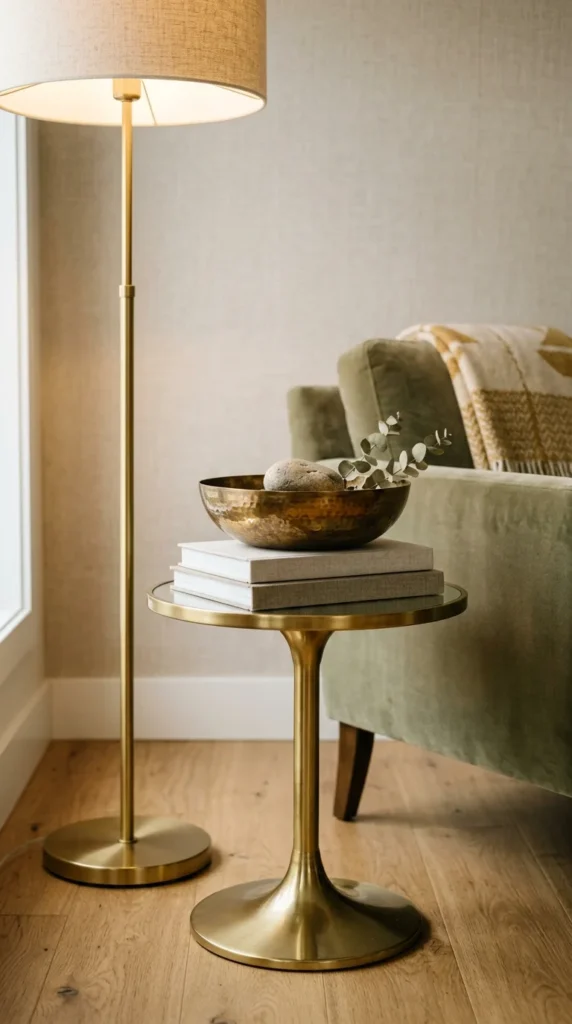
A touch of metal can make a room feel more polished—literally. Whether it’s gold, brass, silver, or matte black, consistent metallic accents tie a room together. Avoid mixing too many different metal finishes; instead, pick one dominant metal and perhaps one secondary metal to keep the look cohesive and sophisticated.
10. Large-Scale Rugs
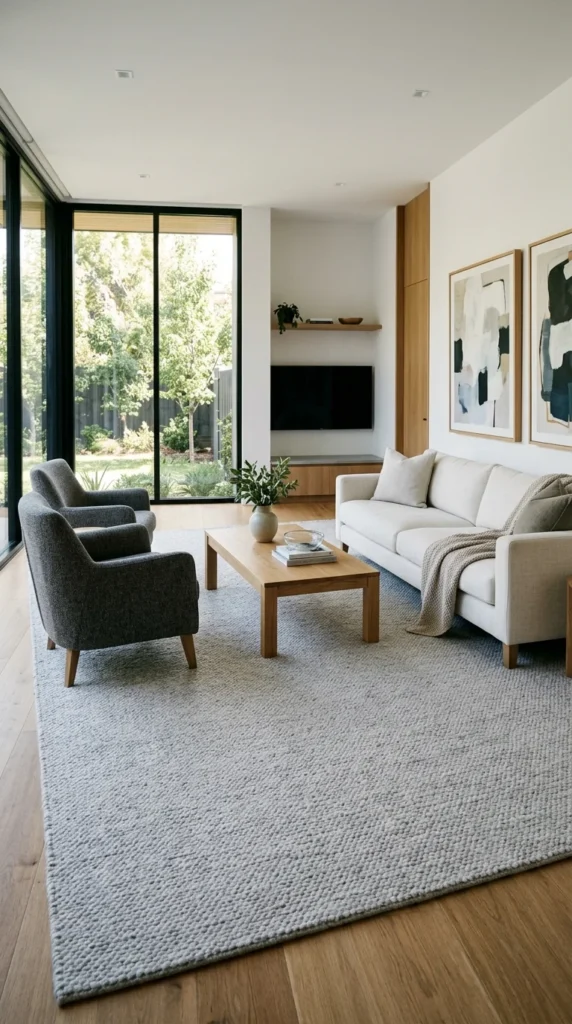
A common mistake that cheapens a room is a rug that is too small. In a luxury living room, the rug should be large enough that all furniture legs sit on it. A large-scale rug anchors the seating area and makes the room feel expansive. Choose natural fibers like wool, silk, or jute for a look that lasts and feels high-quality underfoot.
11. Curved Furniture
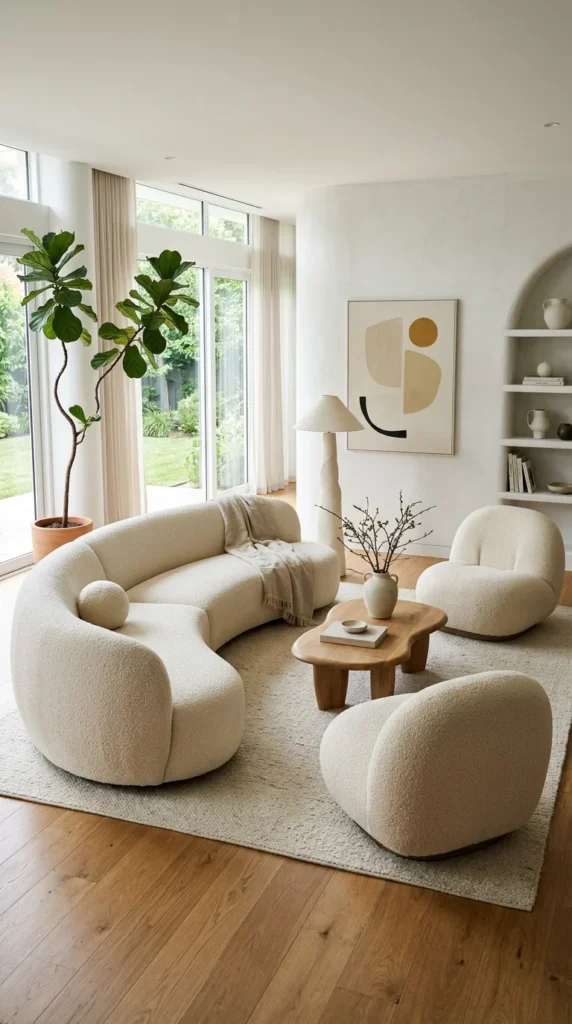
While modern design is often associated with sharp lines, the current trend in high-end interiors is “biomorphic” or curved furniture. A curved sofa or a rounded coffee table breaks up the “boxy” feel of a room, making it feel more custom and designed. These shapes feel organic and inviting, adding a layer of sophisticated comfort.
12. Minimalist Clutter
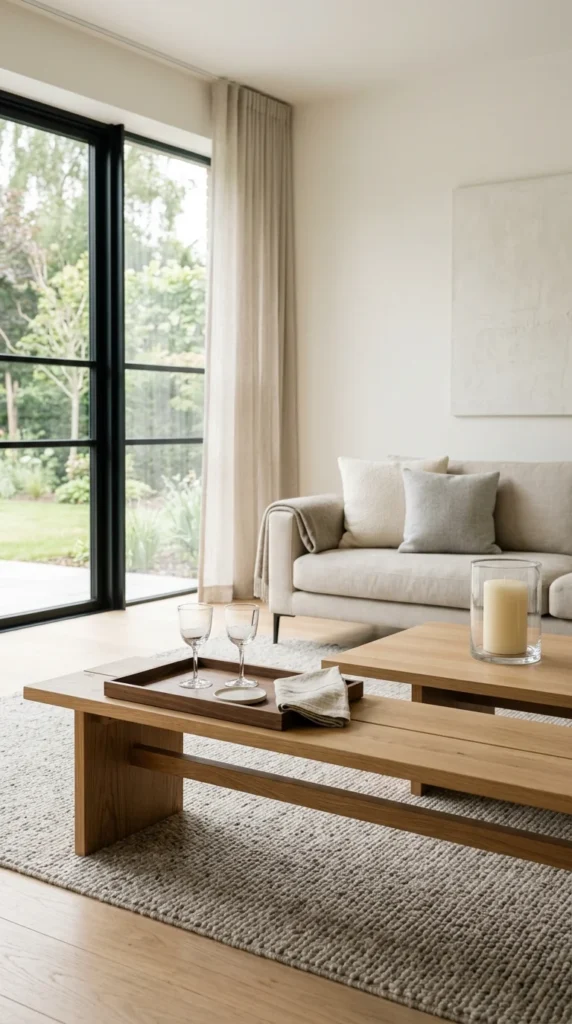
Luxury is often defined by what isn’t there. Clutter is the enemy of an expensive-looking home. By practicing extreme curation—choosing only a few high-quality decorative items and hiding away the daily mess—you allow the architecture and the main furniture pieces to shine. Invest in smart storage solutions to keep remotes, magazines, and electronics out of sight.
13. Indoor Greenery
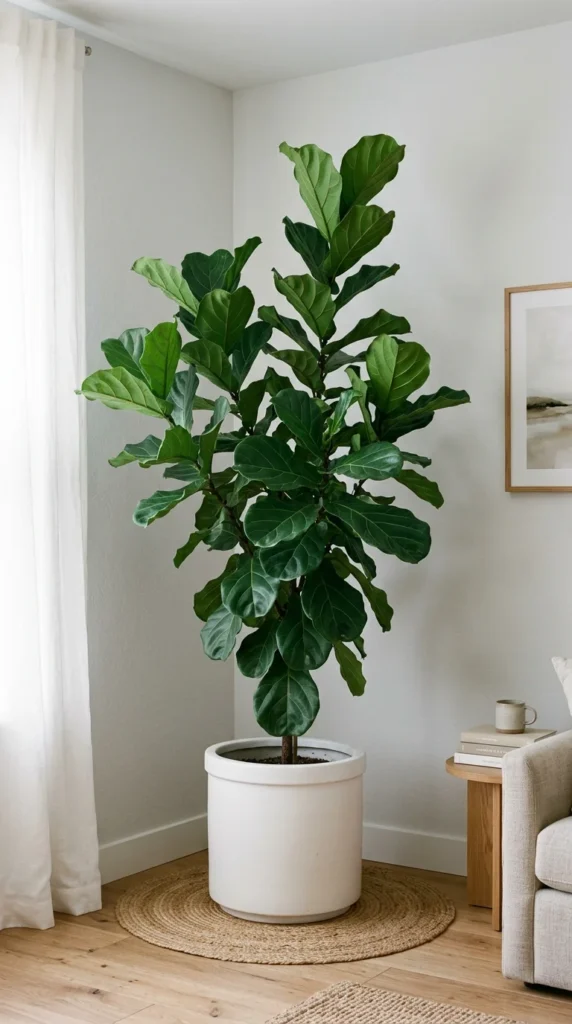
Nature is the ultimate luxury. A large, well-maintained indoor tree—like a Fiddle Leaf Fig, an Olive Tree, or a Strelitzia—adds height, color, and a sense of freshness. Plants soften the hard edges of modern furniture and make a space feel “lived-in” in the best possible way. The key is to use large-scale plants rather than many small ones, which can look cluttered.
14. Mirrored Surfaces
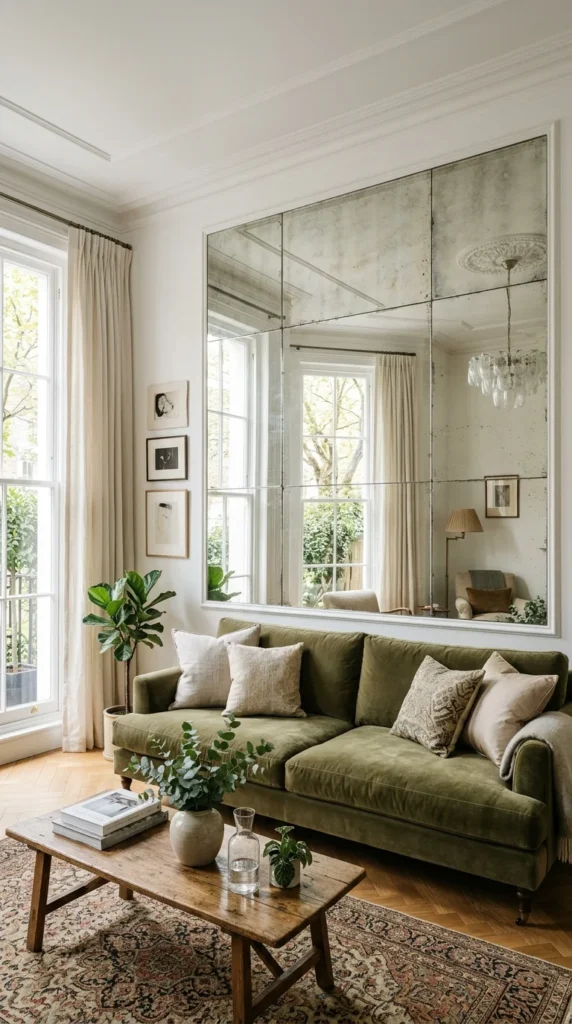
Mirrors are a classic tool for creating the illusion of space and light. To make it look modern and expensive, consider a large, floor-leaning mirror with a thin frame, or even a mirrored wall with an “antique” or “smoked” finish. This adds a layer of glamour and brightens the room by bouncing natural light into the darker corners.
15. Natural Stone
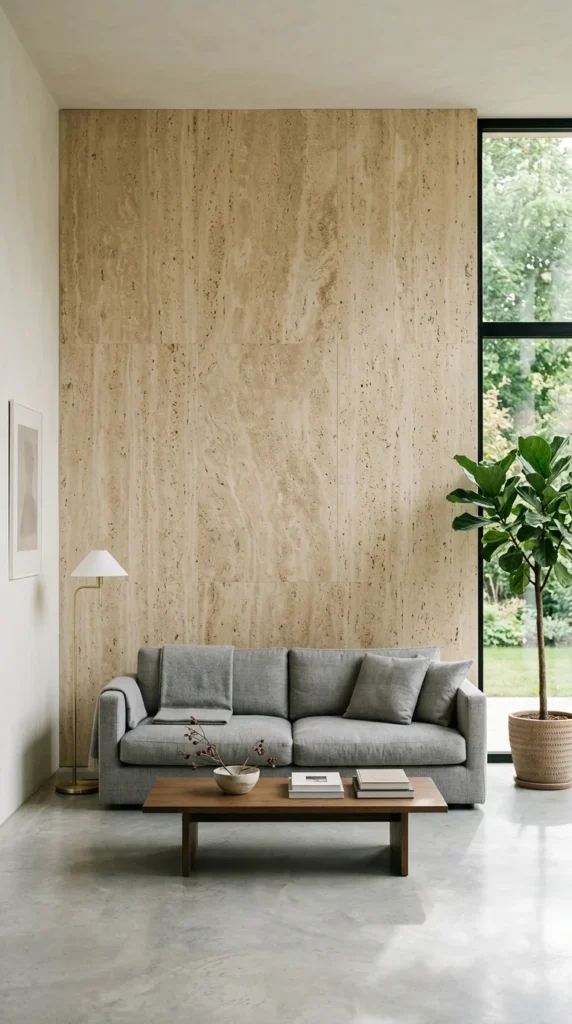
Beyond just marble, natural stones like travertine, limestone, or slate are being used in high-end modern design. Using these materials on a feature wall or as a custom-built plinth for art adds an elemental, grounded feel to the room. The raw, tactile nature of stone provides a beautiful contrast to soft fabrics.
16. Layered Lighting
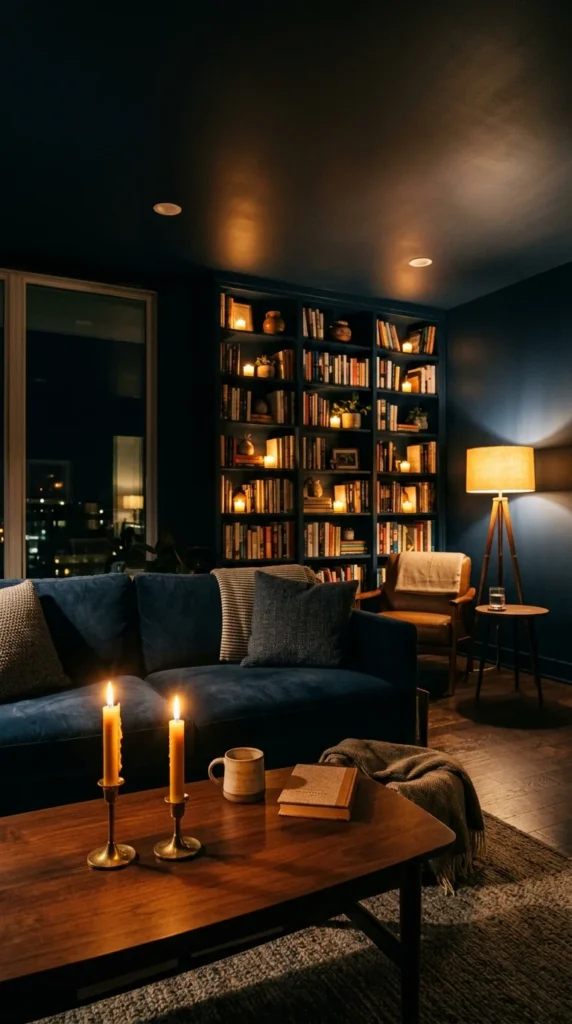
Expensive rooms are never lit by a single, harsh overhead source. Instead, they utilize “layered lighting.” This includes ambient lighting (the general glow), task lighting (reading lamps), and accent lighting (lights that highlight art or architecture). By having multiple light sources at different heights, you can control the mood and create a warm, inviting atmosphere.
17. Hidden Technology
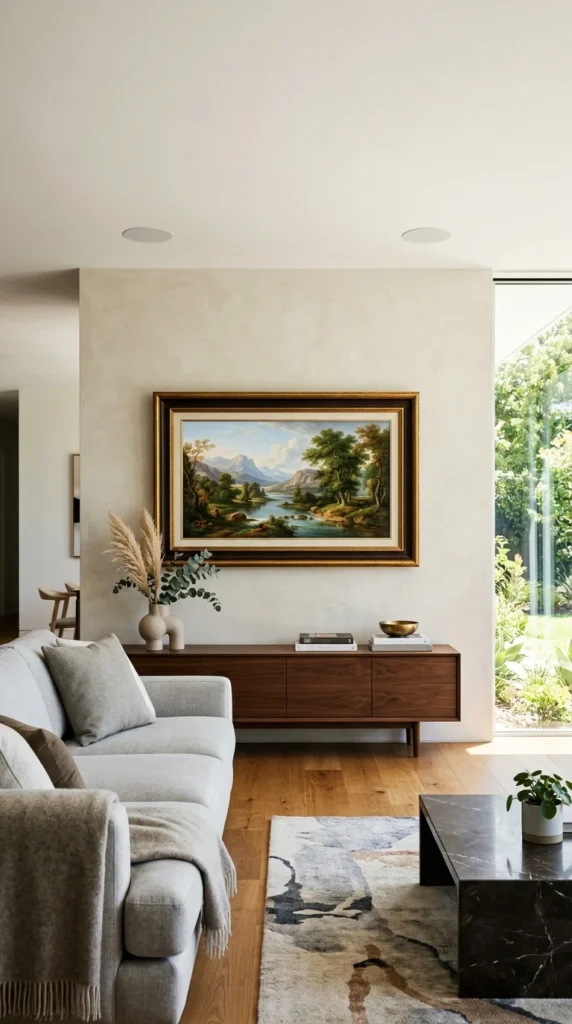
Expensive rooms are never lit by a single, harsh overhead source. Instead, they utilize “layered lighting.” This includes ambient lighting (the general glow), task lighting (reading lamps), and accent lighting (lights that highlight art or architecture). By having multiple light sources at different heights, you can control the mood and create a warm, inviting atmosphere.
17. Hidden Technology
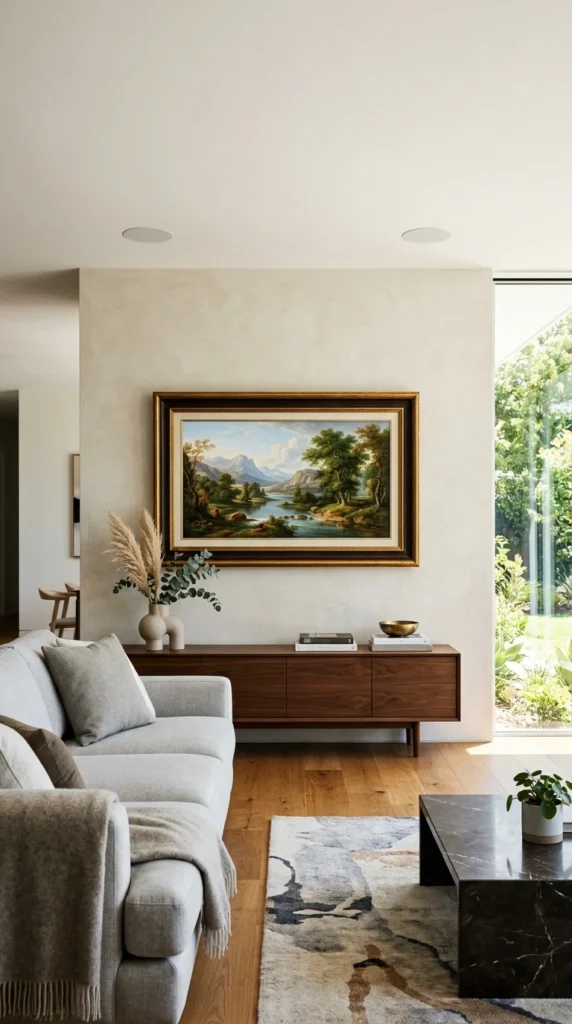
Nothing ruins a high-end aesthetic like a tangle of black wires or a massive, dominating black TV screen. Modern luxury homes integrate technology seamlessly. This might mean using a “Frame TV” that displays art when off, hiding speakers in the ceiling, or using a media console that allows infrared signals to pass through closed doors, keeping all the “boxes” out of sight.
18. Designer Hardwood
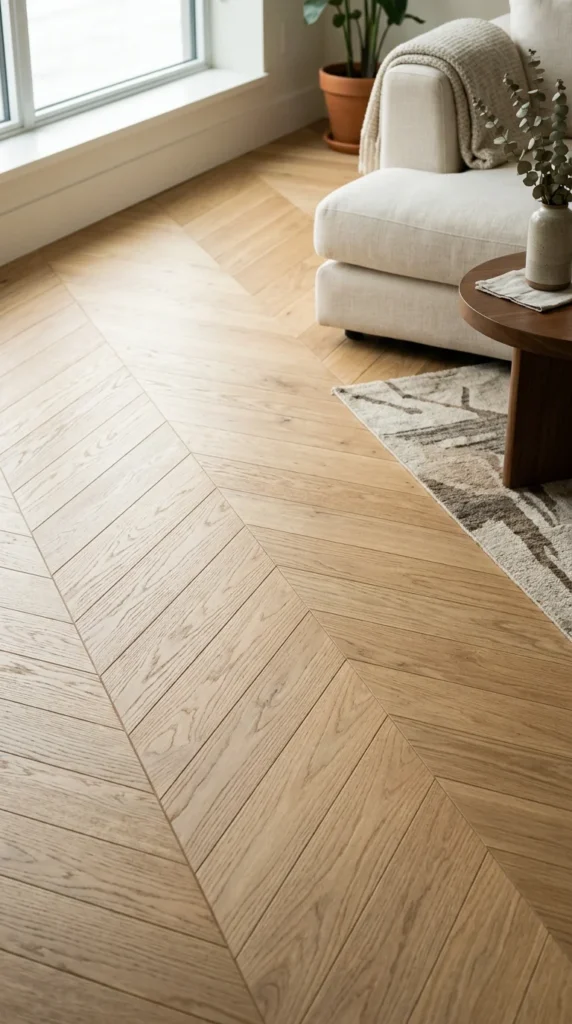
The floor is the foundation of your design. While standard horizontal planks are common, high-end homes often feature “patterned” wood floors, such as herringbone or chevron. These patterns require more skill to install and more material, which is why they are synonymous with luxury. Even a high-quality laminate or LVP in these patterns can significantly elevate the look.
19. Sculptural Seating
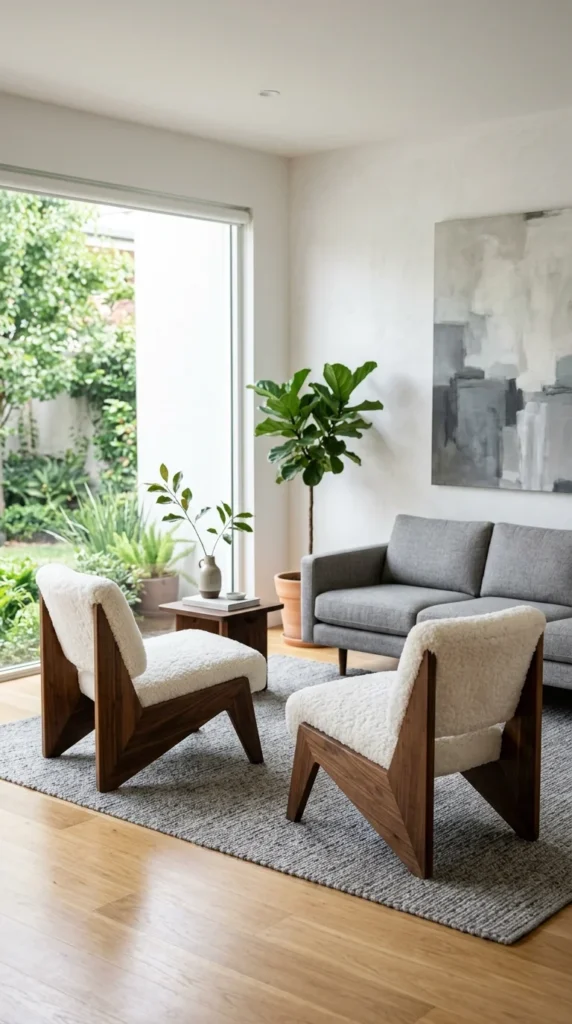
In an expensive living room, not every piece of furniture is designed solely for comfort—some are designed for impact. Incorporating a “sculptural” accent chair—one with an unusual shape, interesting materials, or a famous designer silhouette—adds a layer of sophistication. It shows a commitment to design as an art form.
20. Sensory Luxury
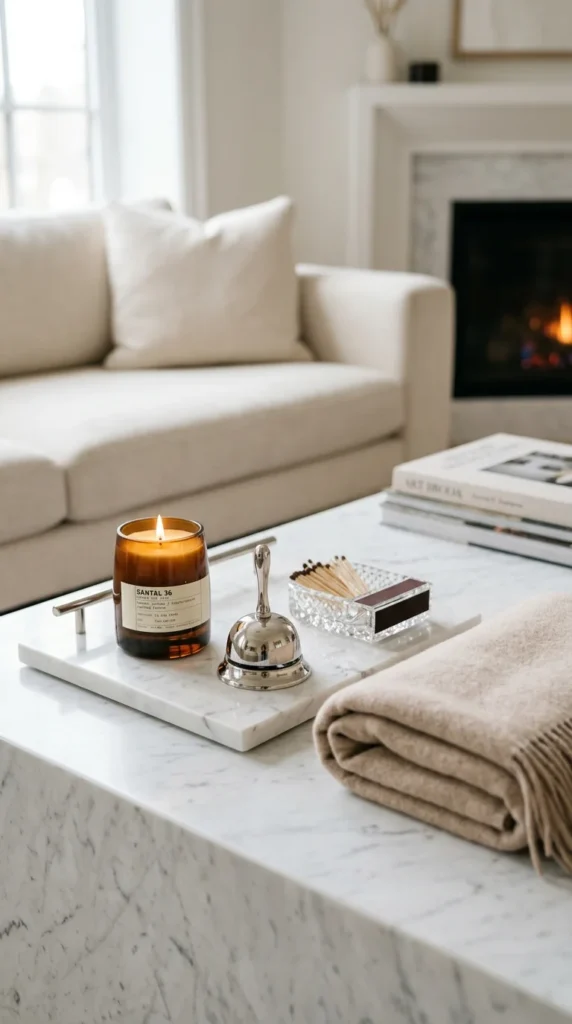
Finally, a room that looks expensive should also feel and smell expensive. This is about the details that don’t show up in a photo but define the experience of the room. High-end scented candles, high-quality “coffee table books” that people actually want to flip through, and incredibly soft cashmere or alpaca throws add the final touch of luxury that makes a house feel like a home.