

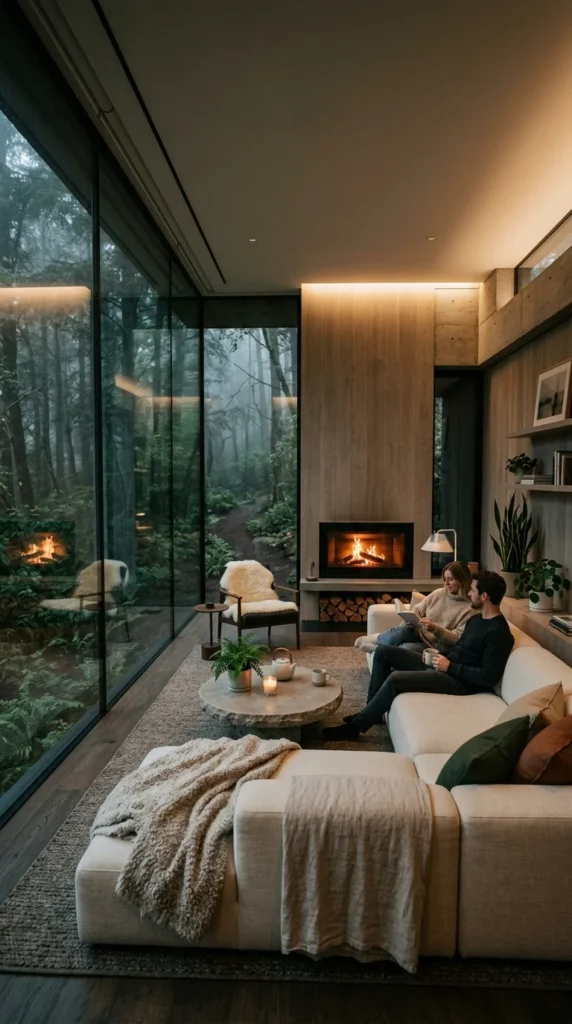
As we look toward 2026, the concept of the “home sanctuary” has evolved far beyond simple comfort. Today’s living rooms are an intentional blend of high-tech convenience and raw, organic elements. We are moving away from the stark, cold minimalism of previous years and embracing a “Cozy Futurism”—a style that prioritizes sensory experiences, emotional well-being, and sustainable luxury. Whether you’re planning a full renovation or just looking to refresh your space, these ten trends will define the most comfortable homes of 2026.
1. Biophilic Oasis
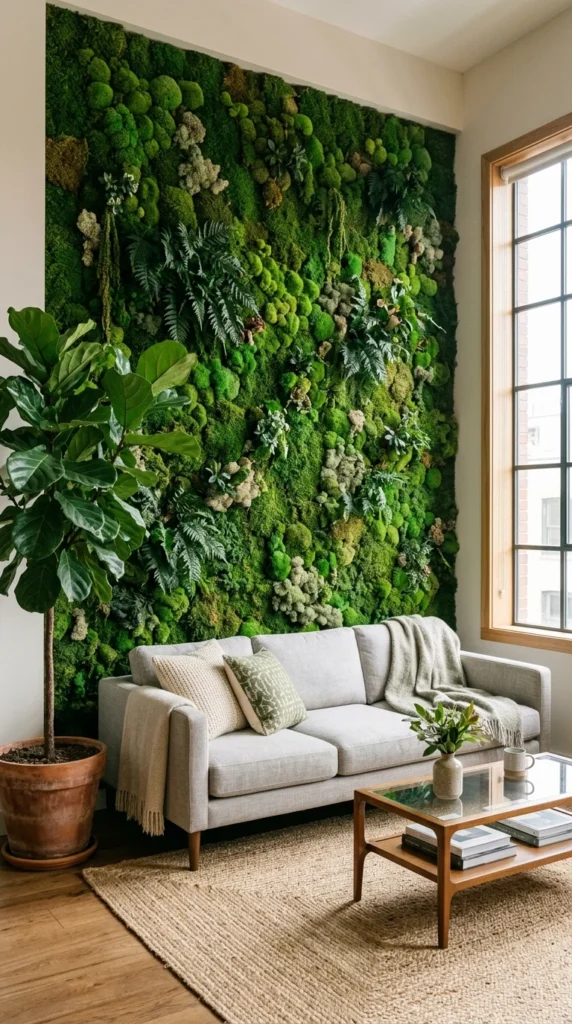
The connection to nature remains the strongest pillar of cozy design in 2026. The “Biophilic Oasis” isn’t just about adding a few potted plants; it’s about integrating nature into the architecture of the room. We are seeing living walls that act as natural air purifiers and indoor gardens that blur the line between the interior and the exterior.
The psychological benefits of being surrounded by greenery are well-documented, reducing cortisol levels and boosting mood. To achieve this look, focus on varying shades of green and textures—think waxy leaves against soft moss. Use natural materials like slate and unpolished stone for flooring or accent walls to ground the space in an earthy, outdoor feel.
2. Sunken Lounges
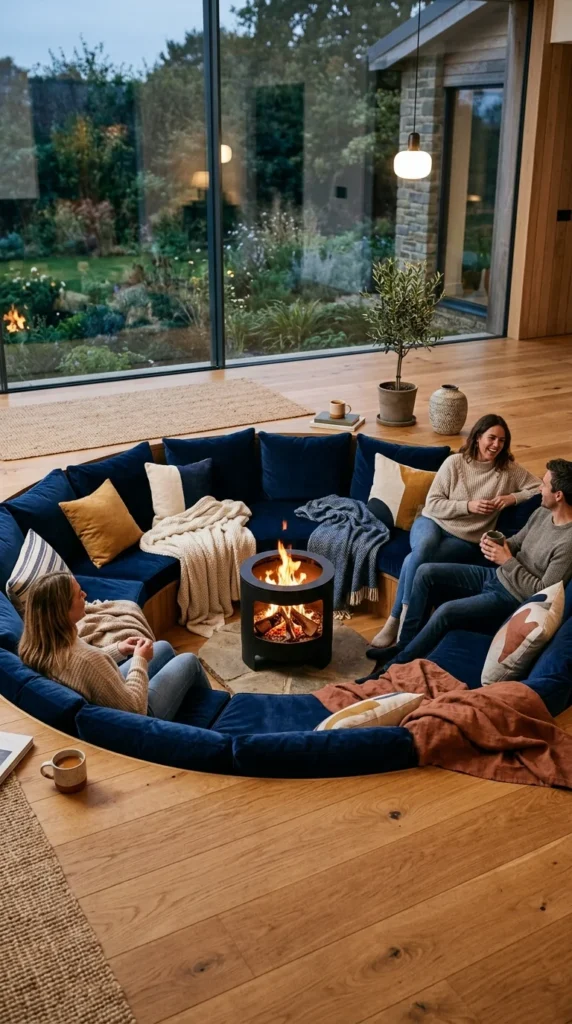
Everything old is new again, and the conversation pit is making a massive comeback in 2026. The “Sunken Lounge” creates a dedicated “analog zone” where screens are discouraged, and face-to-face interaction is prioritized. By lowering the seating area, you create a physical boundary that feels like a warm hug.
Modern versions of the sunken lounge utilize high-performance, stain-resistant fabrics and integrated floor heating. This architectural choice makes a large living room feel more intimate without the need for additional walls. If you can’t renovate your floors, you can mimic this feeling with “pit sofas”—extra-deep modular sectionals that sit extremely low to the ground and take up the majority of the room’s footprint.
3. Sculptural Curves
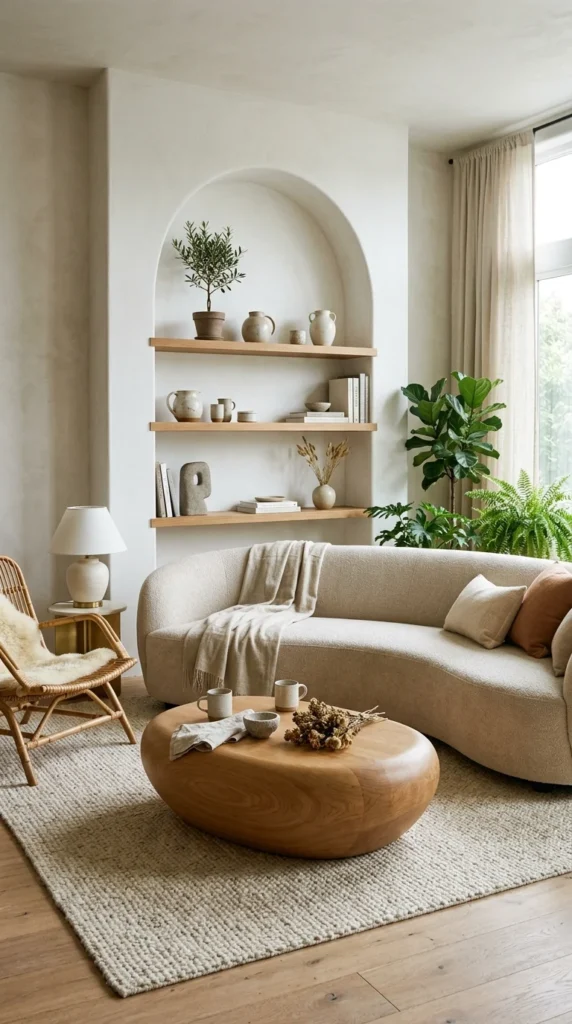
Sharp angles are officially out. In 2026, the trend is “Sculptural Curves.” Inspired by organic shapes found in nature, furniture is becoming softer and more fluid. A curved sofa doesn’t just look elegant; it encourages a more social seating arrangement where people naturally turn toward one another.
Look for arched doorways, circular rugs, and “bean-shaped” coffee tables. These shapes soften the visual landscape of a room, making it feel less rigid and more inviting. The lack of sharp corners also provides a sense of safety and flow, allowing the eye to move smoothly across the space.
4. Tactile Fabrics
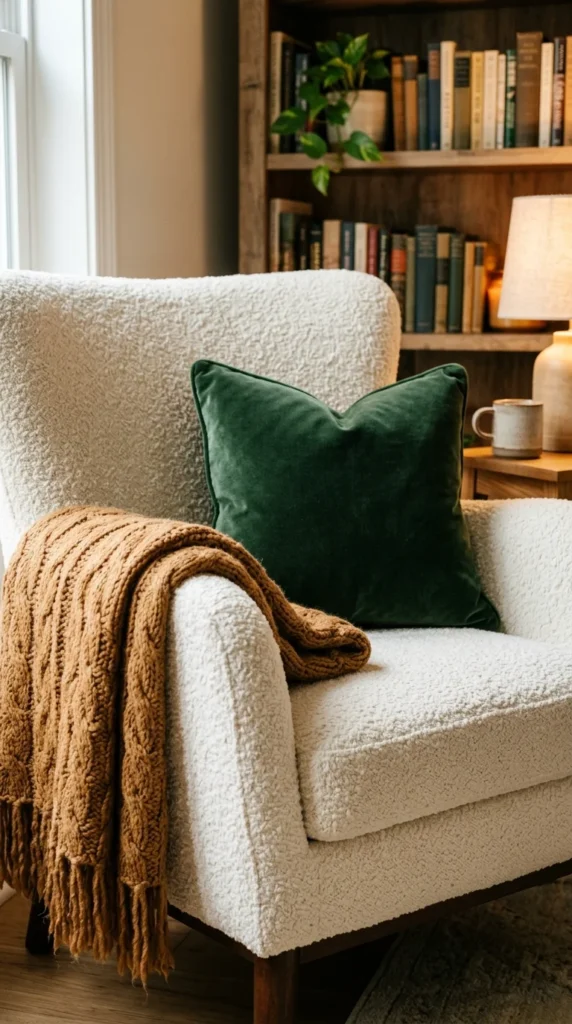
In 2026, “cozy” is a feeling you can touch. We are seeing a move toward hyper-tactile environments where every surface begs to be felt. The star of the show is still bouclé, but it’s being joined by even more exaggerated textures like long-pile “shag” accents, ribbed velvets, and heavy-gauge knits.
The key to mastering this trend is layering. Don’t stick to just one material; mix a smooth leather armchair with a chunky wool rug and silk-blend curtains. This variety of textures adds “visual weight” to a room, making it look finished and lived-in. The color palette for these fabrics remains neutral—whites, creams, and tans—allowing the texture itself to be the primary focus.
5. Earthy Tones
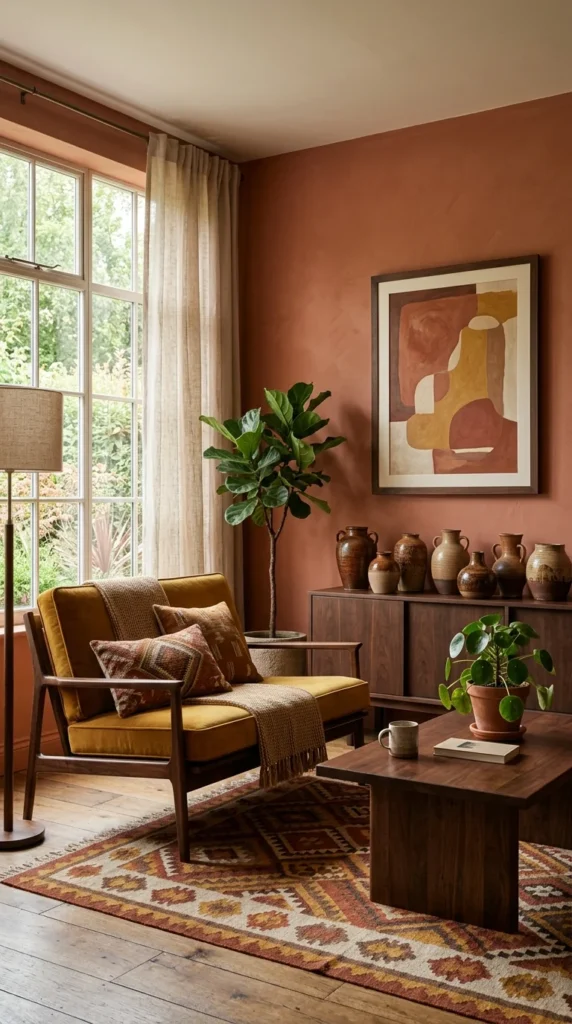
While cool grays dominated the 2010s, 2026 is all about warmth. The color palette is shifting toward “Earthy Tones” inspired by the desert and the forest. Think terracotta, burnt orange, sage green, and deep ochre. These colors provide an instant sense of coziness and stability.
To keep these colors from feeling dated, pair them with modern silhouettes and metallic accents like brushed bronze or matte black. Using “color drenching”—where the walls, trim, and even the ceiling are painted in the same warm hue—can create a “jewel box” effect that feels incredibly high-end and snug.
6. Smart Ambience
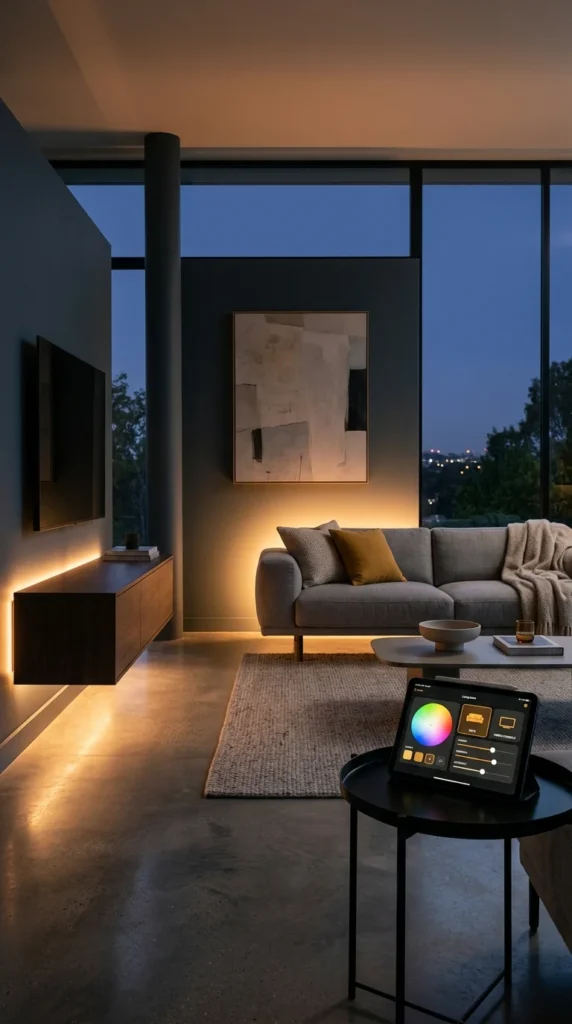
Cozy doesn’t have to mean low-tech. In 2026, smart home technology is invisible and used exclusively to enhance the mood. “Smart Ambience” refers to lighting systems that automatically adjust their color temperature based on the time of day—mimicking the natural progression of sunlight.
In the evening, the house transitions into “Circadian Mode,” where blue light is eliminated in favor of warm, flickering amber tones that resemble candlelight. Smart fireplaces that use water vapor and LEDs to create realistic, heat-free flames allow for the “fireplace feel” in any room, regardless of ventilation or climate.
7. Raw Timbers
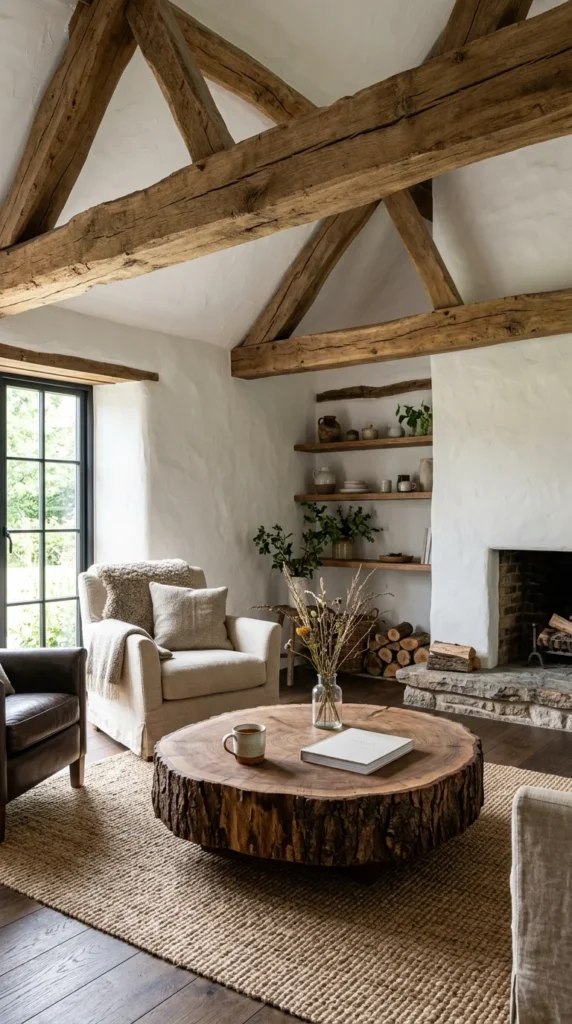
Sustainability is a major driver of 2026 design, leading to a resurgence of “Raw Timbers.” Rather than highly polished, stained woods, designers are opting for timber in its most natural state. Visible knots, cracks, and varied grain patterns are celebrated as “perfect imperfections.”
Reclaimed wood is being used for everything from accent walls to custom-built shelving. This adds an element of history and “soul” to the living room. The scent of natural wood also contributes to the sensory experience, making the room feel like a mountain cabin even if it’s in the middle of a bustling city.
8. Vapor Fireplaces
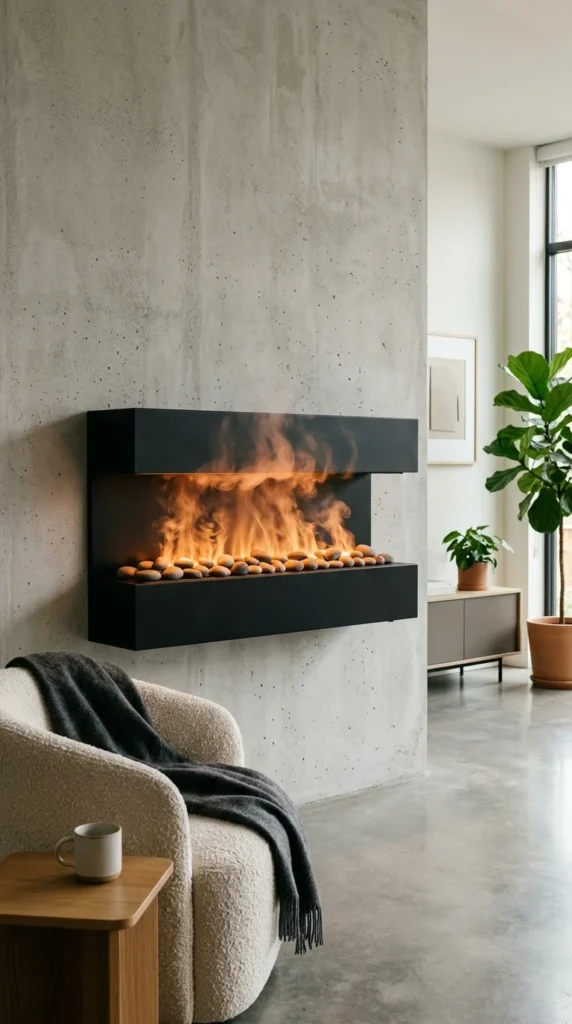
Traditional wood-burning fireplaces are beautiful but high-maintenance. In 2026, the “Vapor Fireplace” has become the must-have feature for cozy living. These units use ultrasonic technology to turn water into a fine mist, which is then illuminated by LED lights to create a 3D flame effect that is indistinguishable from the real thing.
The beauty of these fireplaces is that they are cool to the touch, making them safe for homes with pets or children, and they don’t produce any smoke or ash. They add necessary moisture to the air (acting as a humidifier) while providing the hypnotic, rhythmic visual of a flickering fire that is central to a cozy atmosphere.
9. Library Corners
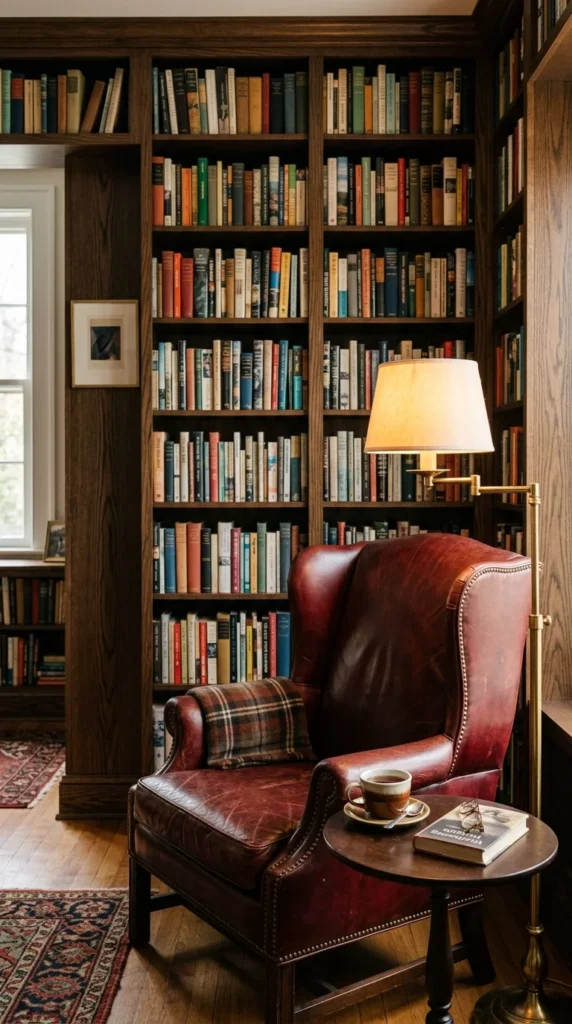
As the digital world becomes more overwhelming, the “Library Corner” has become a vital escape. This trend sees the return of physical media as a decor element. Large, floor-to-ceiling bookshelves are used not just for storage, but as a backdrop that adds color and personality to the room.
To copy this in 2026, create a dedicated “reading nook” within your living room. It should have its own lighting (a task lamp) and the most comfortable chair in the house. Integrating a small rolling ladder or a built-in bench under a window can turn a simple bookshelf into a magical architectural feature.
10. Layered Rugs
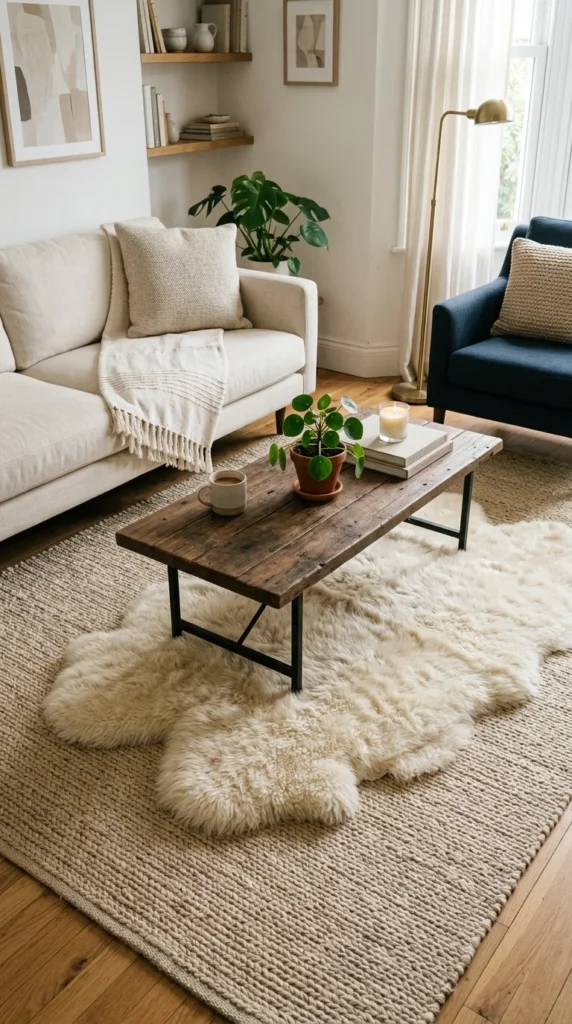
In 2026, one rug is never enough. “Layering” is the secret technique designers use to make a room feel professional yet cozy. This usually involves a large, neutral base rug (like jute or sisal) that covers most of the floor, topped with a smaller, more decorative rug to define the seating area.
The top rug is often a vintage Persian, a plush Moroccan Berber, or a faux-fur hide. This layering technique provides extra cushioning underfoot and helps with sound absorption—a key factor in making a room feel “quiet” and peaceful. It also allows you to swap out the top rug seasonally to change the look of the room without a major investment.