
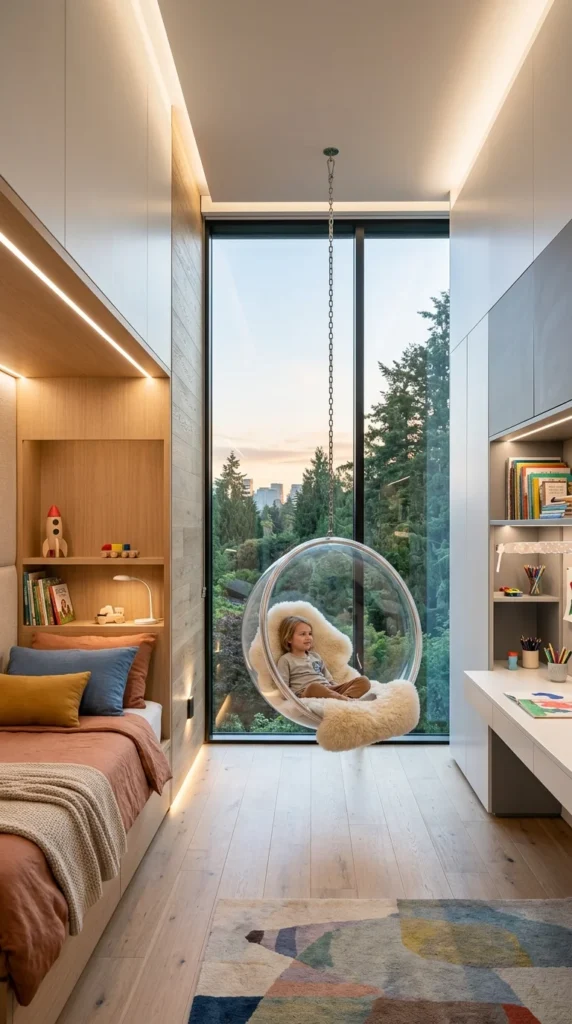
As we look toward 2026, the philosophy behind kids’ room design has undergone a radical transformation. No longer are these spaces merely places to sleep; they have become multi-sensory environments that prioritize mental well-being, technological integration, and extreme sustainability. The “Pinterest-perfect” rooms of the past are giving way to spaces that are deeply personalized and adaptable to a child’s rapid developmental changes.
Whether you are designing a nursery for a new arrival or upgrading a teenager’s sanctuary, these 15 trends represent the cutting edge of interior design. From interactive surfaces to biophilic sanctuaries, here is how you can create a space that feels like a glimpse into the future.
1. Smart Walls
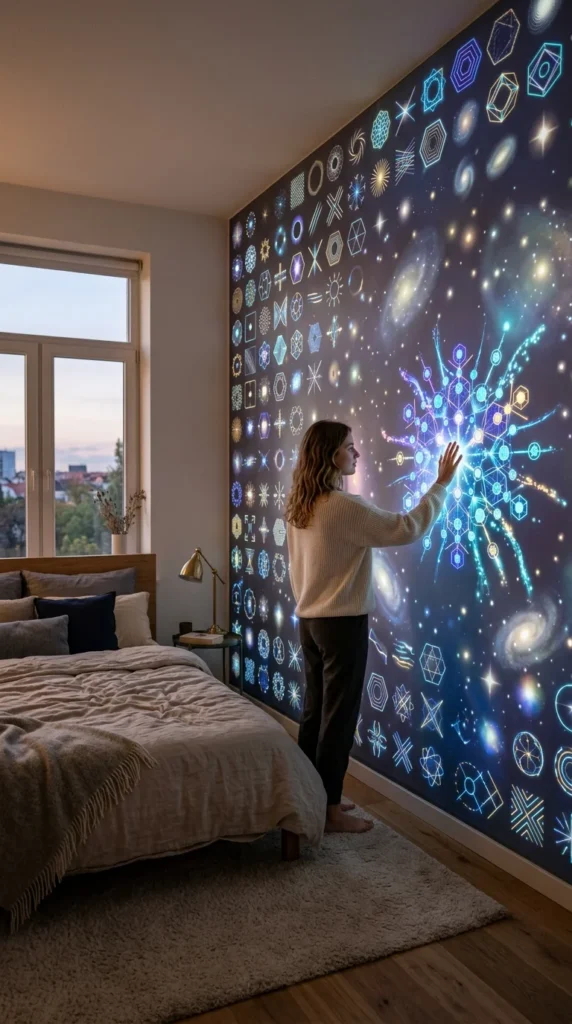
The wallpaper of 2026 does more than just sit there. Smart walls are the ultimate fusion of decor and play. These interactive surfaces use conductive ink and low-profile projectors to turn a bedroom wall into a giant canvas. Children can change the patterns with a swipe of a hand, or the wall can transition from an educational star map during the day to a soothing, pulsating “breathing” light at night to help with sleep hygiene. It’s an immersive experience that eliminates the need for bulky plastic toys by making the room itself the toy.
2. Biophilic Havens
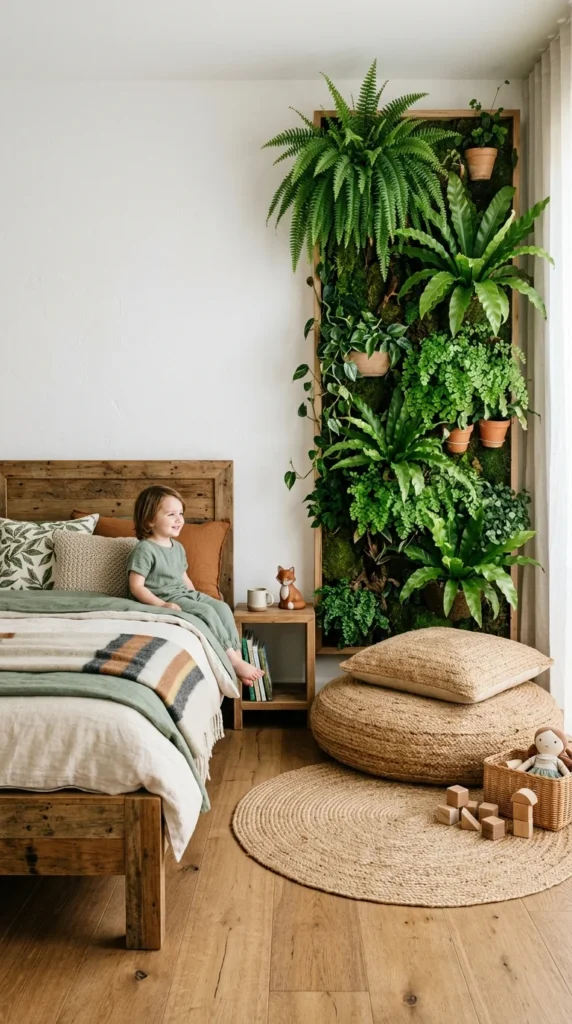
Biophilic design is moving beyond a few potted plants. In 2026, the trend is about creating a living ecosystem within the home. This includes built-in planters that use hydroponic systems, natural clay wall finishes that regulate humidity, and furniture made from “living” materials like mycelium (mushroom leather). Bringing the outdoors in has been proven to reduce cortisol levels in children, making the bedroom a true sanctuary for focus and relaxation in an increasingly digital world.
3. Modular Units
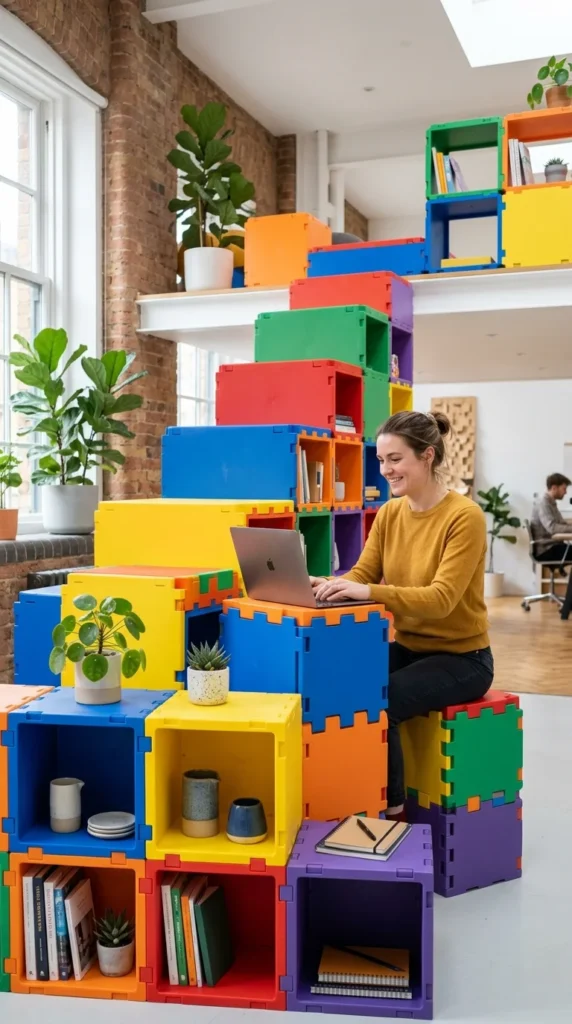
Fixed furniture is a relic of the past. Today’s parents are looking for longevity. Modular furniture systems allow the room to grow with the child. These pieces function like life-sized building blocks. A toddler’s floor bed can be reconfigured into a lofted bed with a desk underneath as they reach school age. The focus is on high-quality materials like birch plywood and recycled aluminum that can withstand multiple reconfigurations over a decade or more.
4. Sensory Nooks
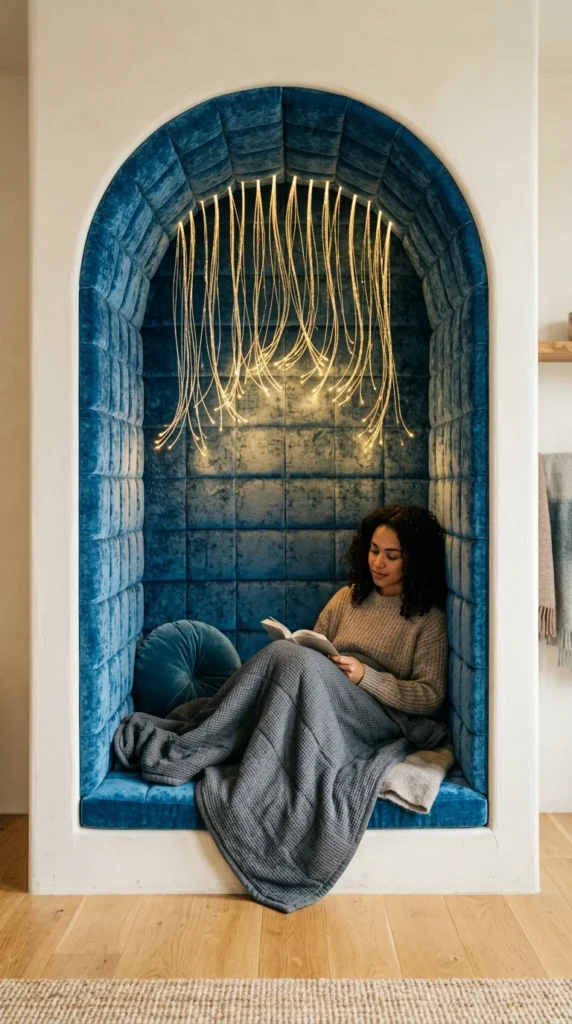
In an age of high stimulation, the “sensory nook” has become a staple. These are small, semi-enclosed spaces designed specifically for “decompressing.” Unlike a traditional play tent, these nooks are integrated into the architecture of the room. They use varying textures—from smooth silks to rugged bouclé—and adjustable acoustic panels to dampen sound. It is a dedicated “quiet zone” where a child can escape for reading or mindfulness.
5. Retro-Futurism
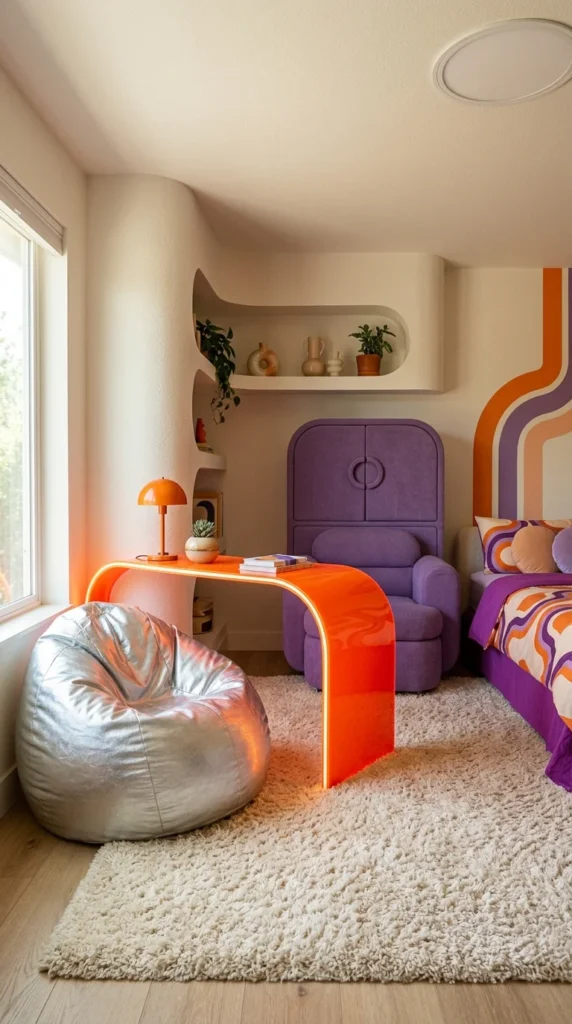
Designers in 2026 are looking back to the 1960s and 70s visions of the future to create a playful, energetic aesthetic. Think “The Jetsons” meets high-end modernism. This trend features bold, saturated colors like electric lime and sunset orange, paired with chrome accents and rounded, organic shapes. It’s a departure from the muted earth tones of previous years, injecting a sense of optimism and adventure into the child’s personal space.
6. Eco-Textiles
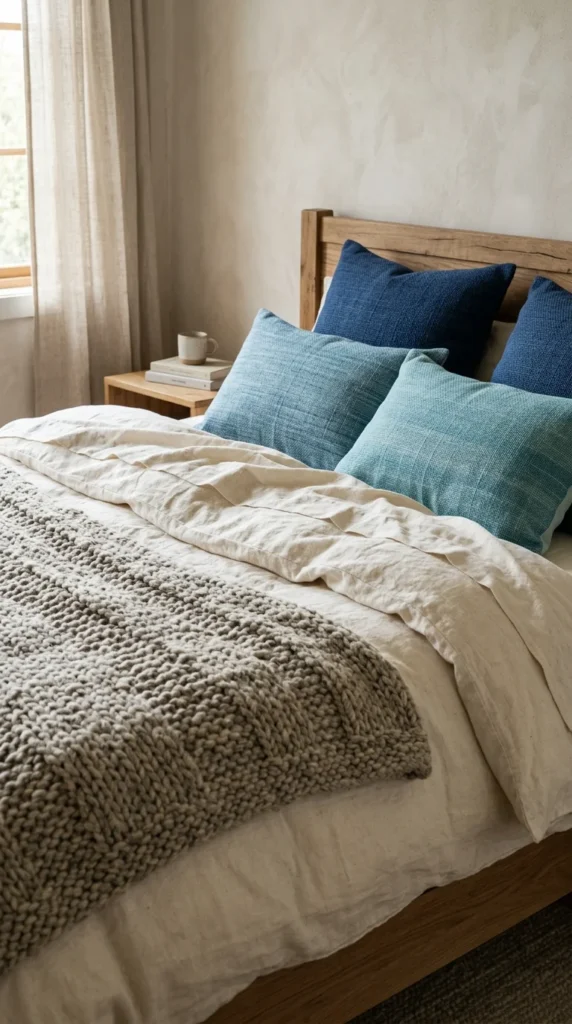
Sustainability is no longer an optional add-on; it is the foundation of 2026 decor. Eco-textiles focus on raw, unprocessed fibers that are free from toxic dyes and fire retardants. We are seeing a surge in “closed-loop” fabrics, where old garments are shredded and spun into high-end bedding and curtains. These materials are not only better for the planet but are also hypoallergenic and incredibly soft on a child’s sensitive skin.
7. Ceiling Murals
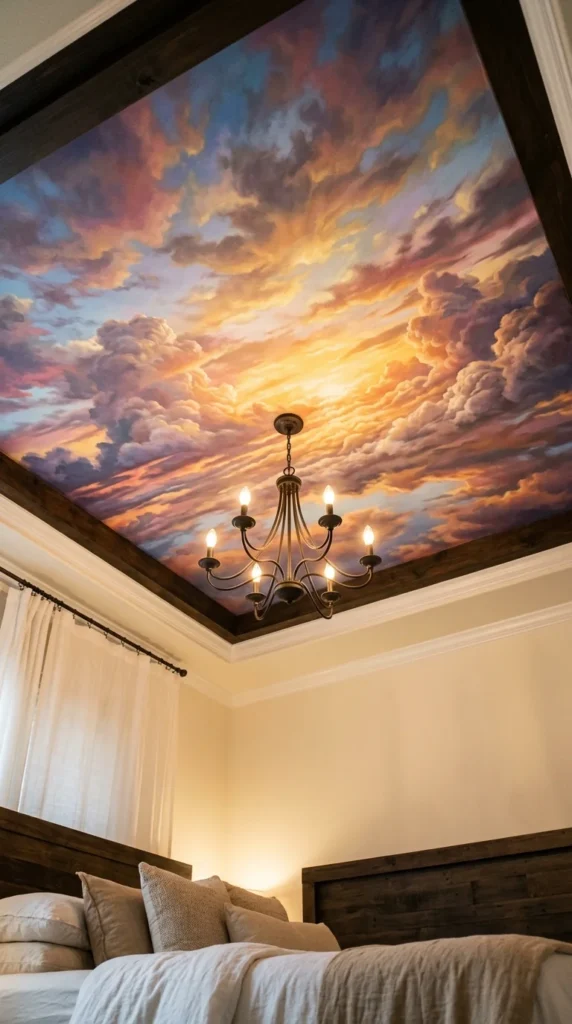
The “fifth wall” is finally getting the attention it deserves. Instead of plain white paint, ceilings are being treated as the primary focal point of the room. This could be a hand-painted mural, high-definition wallpaper, or even a digital projection. By placing the most complex visual elements on the ceiling, the floor space remains uncluttered, creating a sense of height and openness in smaller rooms.
8. Secret Lofts
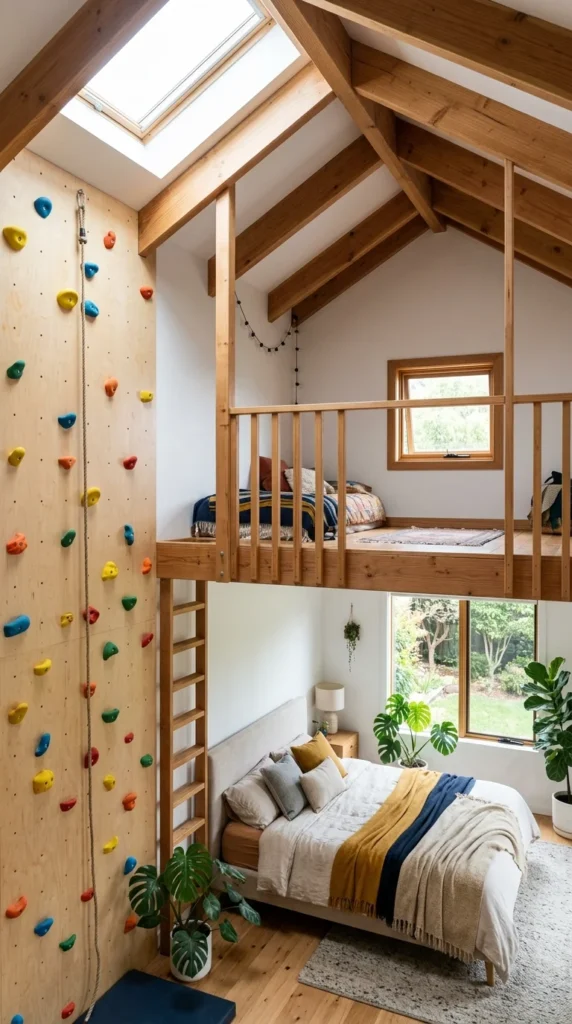
Vertical space is the new frontier in kids’ room design. Secret lofts built into high ceilings provide a sense of mystery and ownership. These aren’t just bunk beds; they are secondary “rooms within a room.” Whether used as a secret clubhouse, a library, or a guest space for sleepovers, the loft utilizes the volume of the room to provide extra square footage for play without taking up floor space.
9. Monochrome Palettes
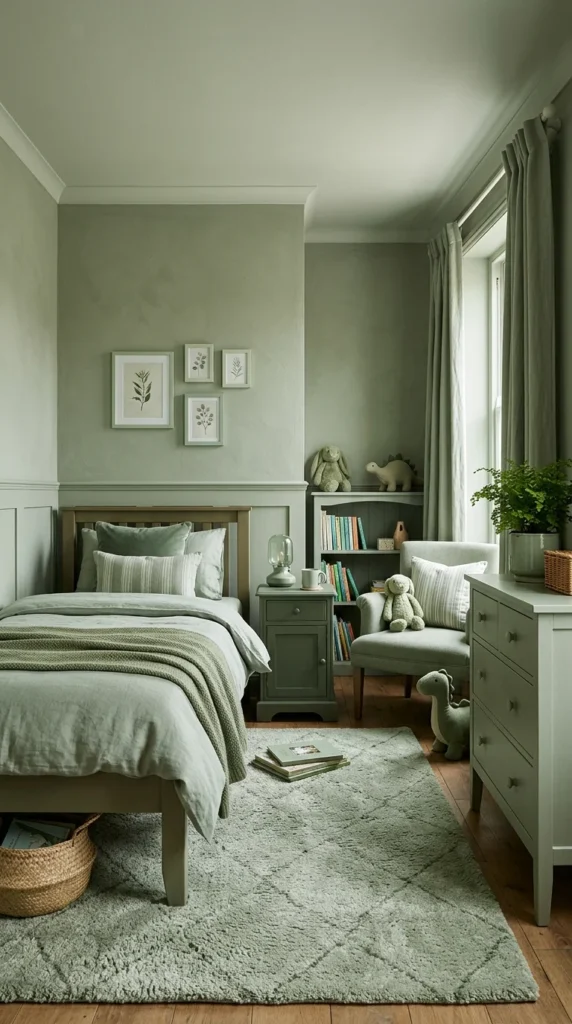
The “all-over” color look is a sophisticated way to handle color in 2026. By choosing one hue—such as a dusty rose, a deep navy, or a soft sage—and applying it in varying textures and tones throughout the entire room, you create a cohesive and calming environment. This approach reduces visual clutter and makes the room feel more like a high-end designer suite while still remaining playful.
10. Floor Play
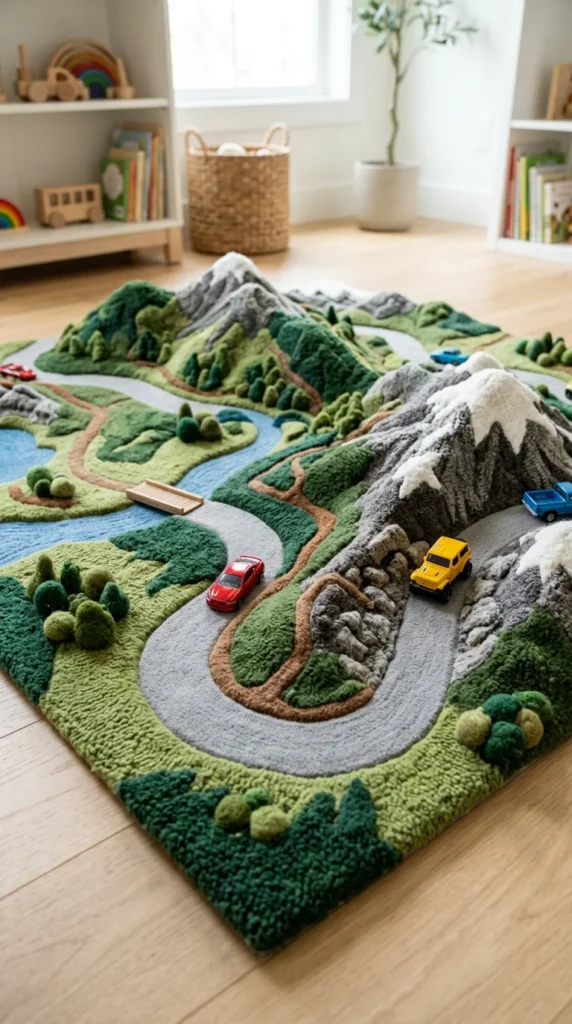
In 2026, the rug is more than just a floor covering; it’s a topographical map. 3D rugs use varying pile heights and fiber types to create tactile landscapes. Some areas might be flat and firm (perfect for building blocks), while others are long and shaggy (simulating grass). This encourages children to spend more time on the floor, engaging in imaginative, tactile play rather than screen time.
11. Digital Galleries
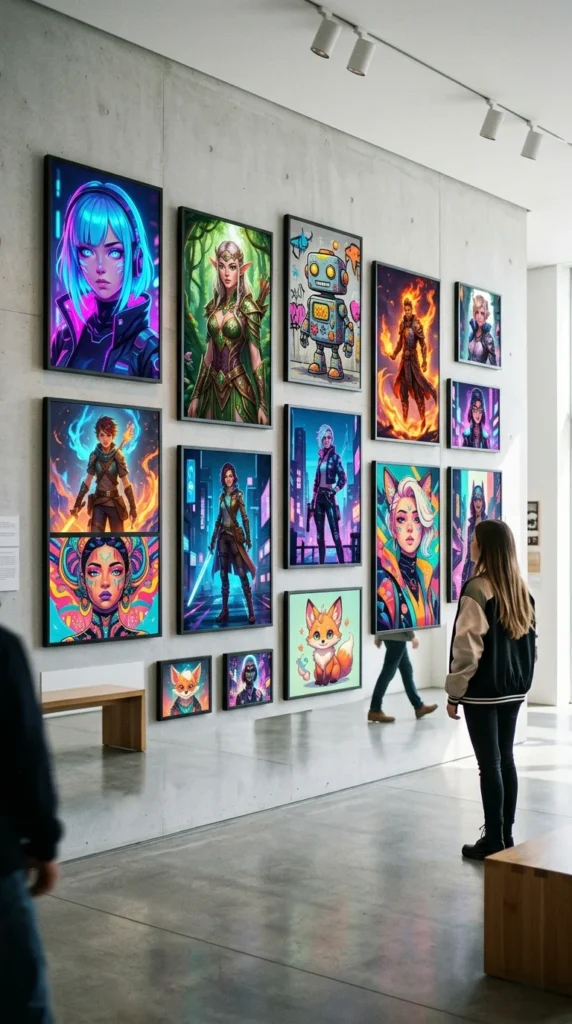
As children move more of their creative output to digital tablets, the traditional “fridge door” for art is evolving. Digital galleries consist of ultra-thin, e-ink or OLED frames that allow children to “upload” their latest drawings directly from their devices to the wall. This keeps the room looking organized while ensuring that every masterpiece gets its moment in the spotlight.
12. Kinetic Sculptures
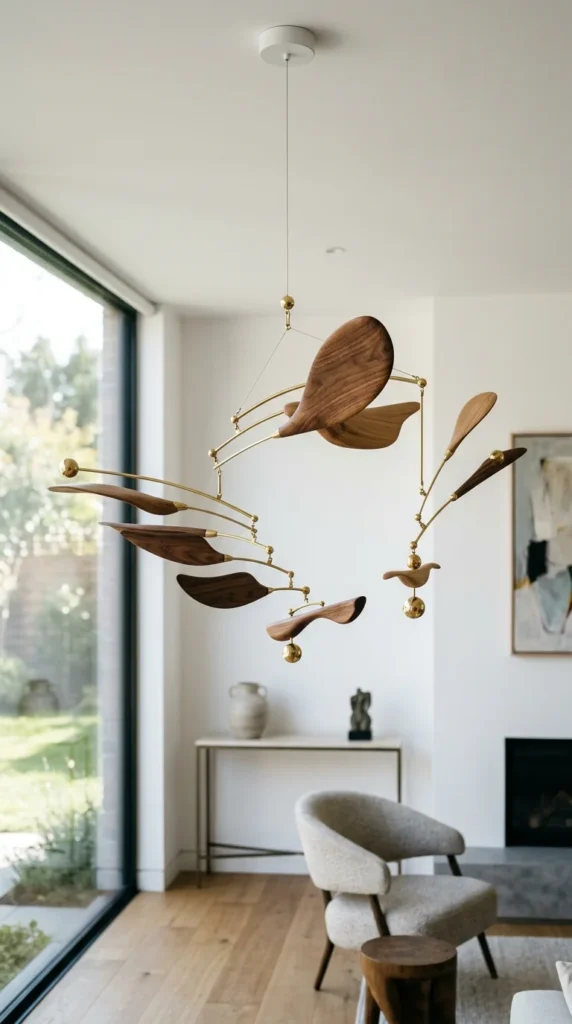
Moving decor adds a layer of sophistication and calm. Kinetic sculptures and oversized mobiles are being used to create “visual white noise.” These pieces move gently with the room’s airflow, providing a focal point for “soft fascination”—a state of mind that allows the brain to rest and recover from focused tasks like schoolwork. It’s art that moves with the rhythm of the home.
13. 3D-Printed Accents
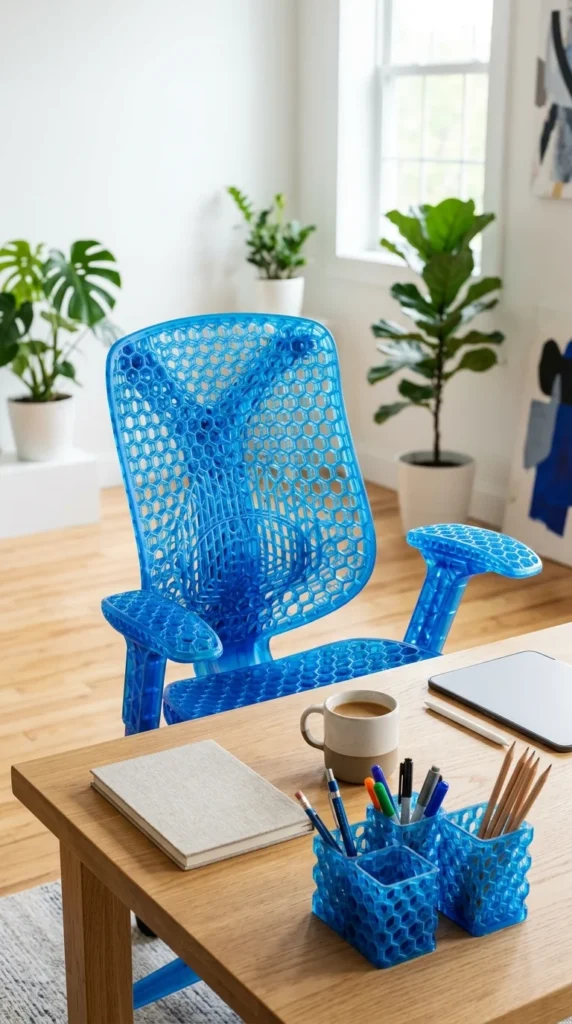
Customization reaches its peak with 3D-printed furniture and accents. In 2026, parents can order pieces that are printed to the exact ergonomic specifications of their child. These items often feature complex, “algorithmic” designs that would be impossible to manufacture traditionally. Because they are printed on demand, there is zero waste, and the materials used are often recycled bio-plastics.
14. Vertical Storage
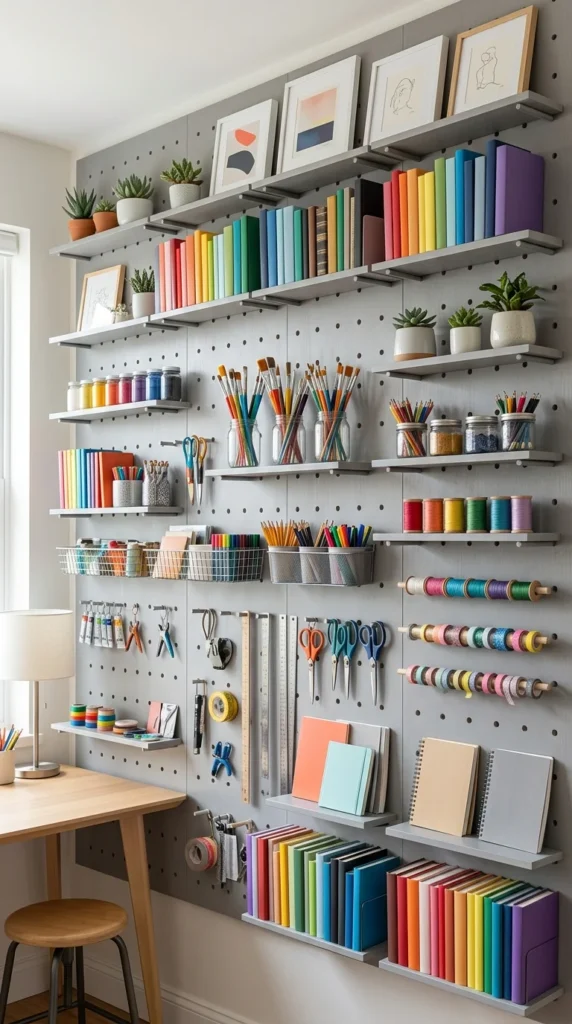
Clutter is the enemy of a peaceful room. Vertical storage systems in 2026 are designed to be “open yet organized.” Giant pegboard walls allow the storage layout to change as the child’s hobbies evolve. One year it might hold sports equipment; the next, it might be organized with bins for robotic parts. By keeping everything off the floor and visible, it encourages children to take responsibility for their own organization.
15. Cosmic Themes
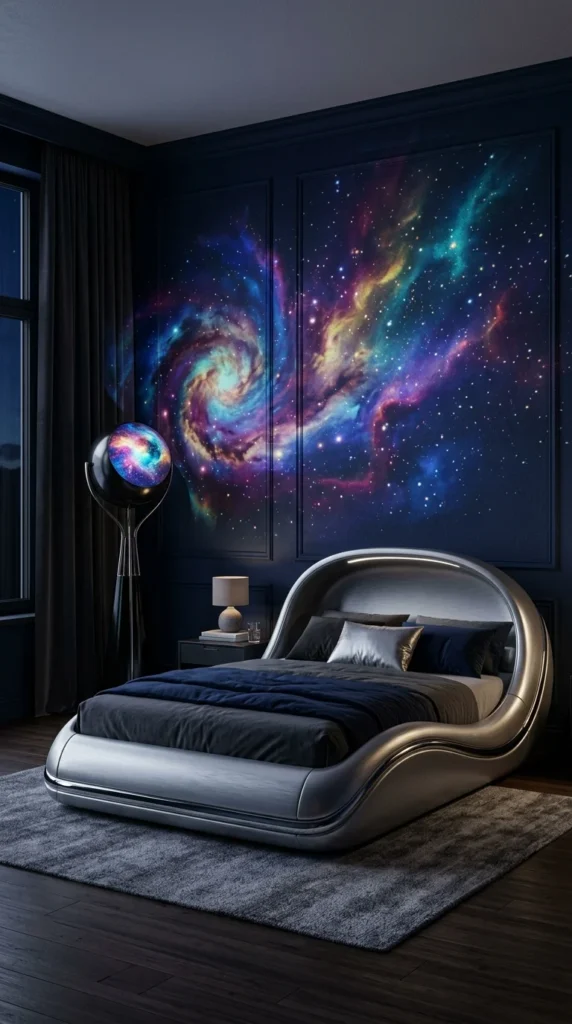
The space theme is a classic, but in 2026, it has a high-tech, “New Space” makeover. Gone are the cartoonish rockets; in their place are sleek, realistic interpretations of Mars colonies and futuristic space travel. This includes NASA-inspired textiles, metallic finishes, and lighting that mimics the shifting colors of a Martian sunset. It’s a theme that inspires curiosity, science, and the ultimate sense of wonder.