

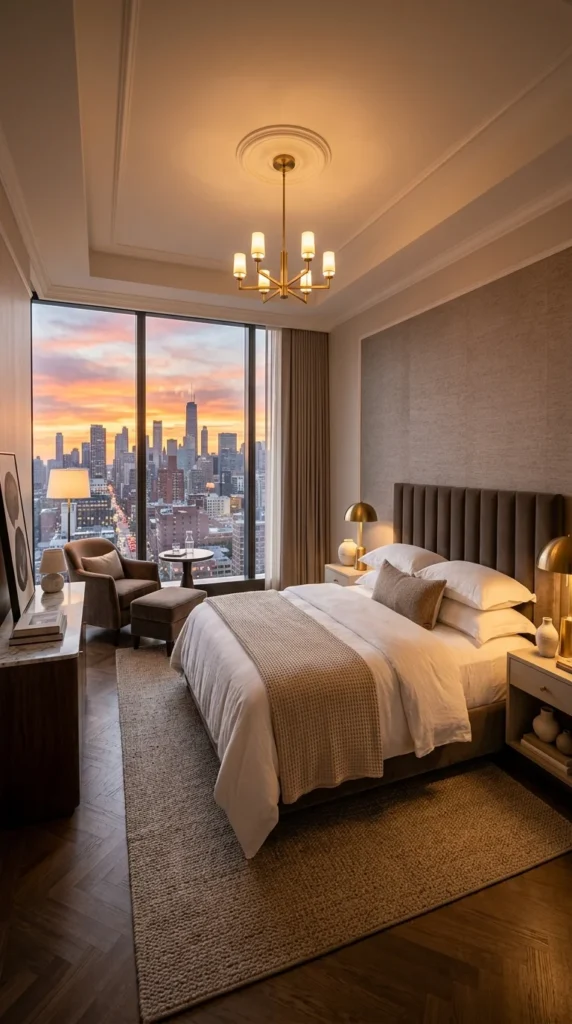
There is a specific feeling that washes over you when you step into a five-star hotel room. It is a mixture of immediate relaxation, a sense of order, and the undeniable hum of luxury. The air feels cooler, the fabrics feel softer, and the world outside seems to vanish. But you don’t need a room key or a concierge to experience that level of comfort.
By deconstructing the elements that make luxury suites so inviting, you can recreate that high-end experience in your own home. It’s about more than just expensive furniture; it’s about sensory details, thoughtful layouts, and a commitment to comfort. Here are 10 hotel-inspired bedroom ideas to transform your space into a permanent five-star retreat.
1. Crisp Linens
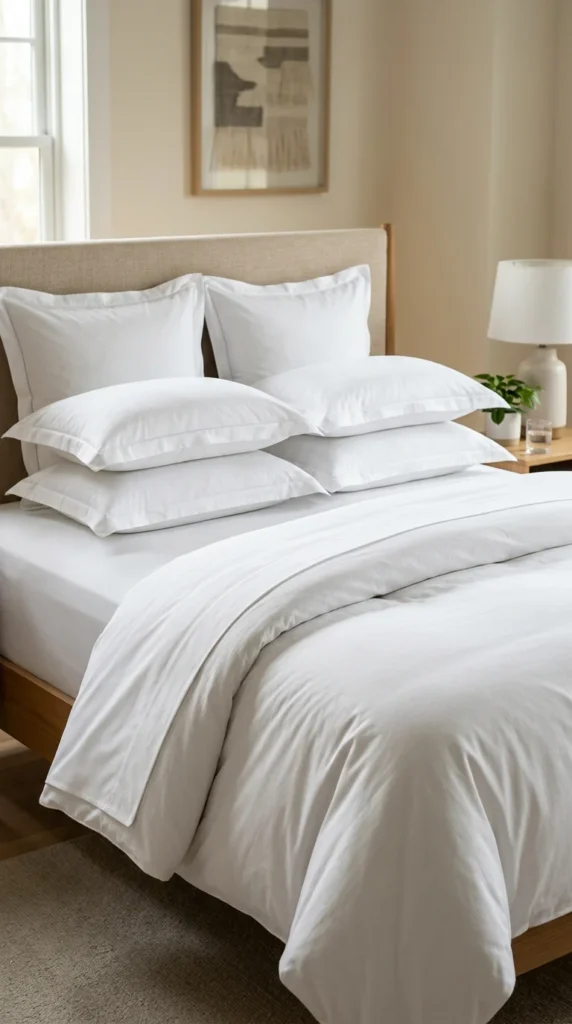
The cornerstone of any luxury hotel room is the bed, and the secret lies in the linens. Most high-end hotels opt for 100% long-staple cotton—specifically percale or sateen—with a thread count between 300 and 600. The color choice is almost always stark white. Why? White conveys a sense of cleanliness, freshness, and “newness” that colored sheets simply cannot match. To get the look, invest in a high-quality duvet cover and ensure your sheets are ironed or steamed. The “triple sheeting” method—placing a thin blanket between two starched sheets—is a classic hospitality trick that adds weight and a crisp feel to your sleep experience.
2. Layered Lighting
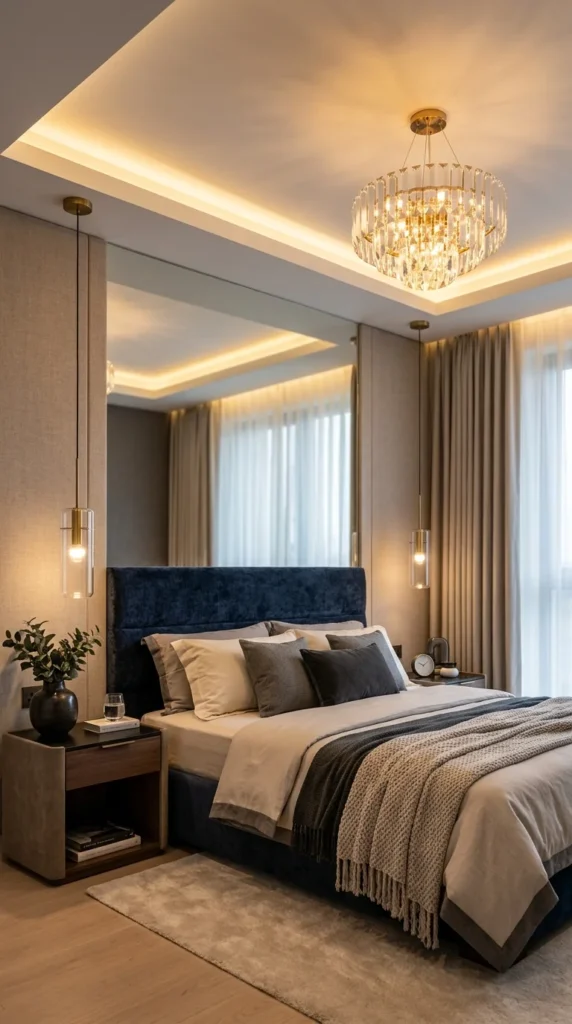
Luxury hotels never rely on a single overhead light. Instead, they use “light layering” to create mood and functionality. To achieve this, you need three types of light: ambient (general overhead), task (reading lamps or bedside pendants), and accent (LED strips under the bed or inside wardrobes). Dimmers are essential; they allow you to transition the room from a bright morning space to a moody, relaxing evening sanctuary. Swap out standard switches for smart dimmers to control the intensity of your lights from your phone or by voice, mimicking the high-tech systems found in modern luxury suites.
3. Symmetric Design
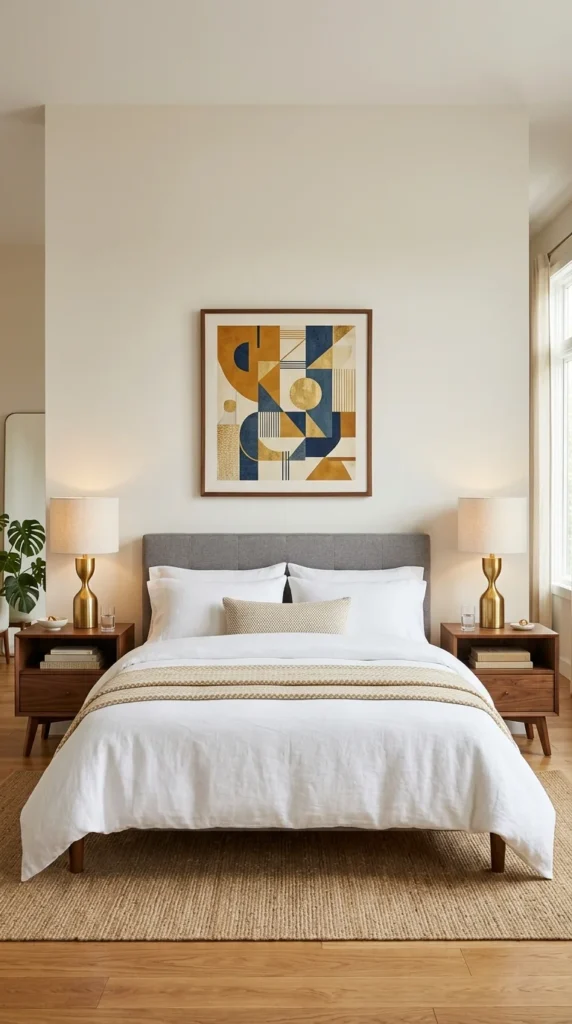
Symmetry is a psychological shorthand for order and tranquility. When you walk into a hotel room, the bed is usually flanked by identical nightstands and lamps. This balance creates a visual anchor for the room. You can replicate this by mirroring your bedside setup. If your space is small, you don’t need massive furniture; even two matching floating shelves with identical sconces can create that curated, professional look. Symmetry helps the brain relax because the environment becomes predictable and harmonious.
4. Statement Headboard
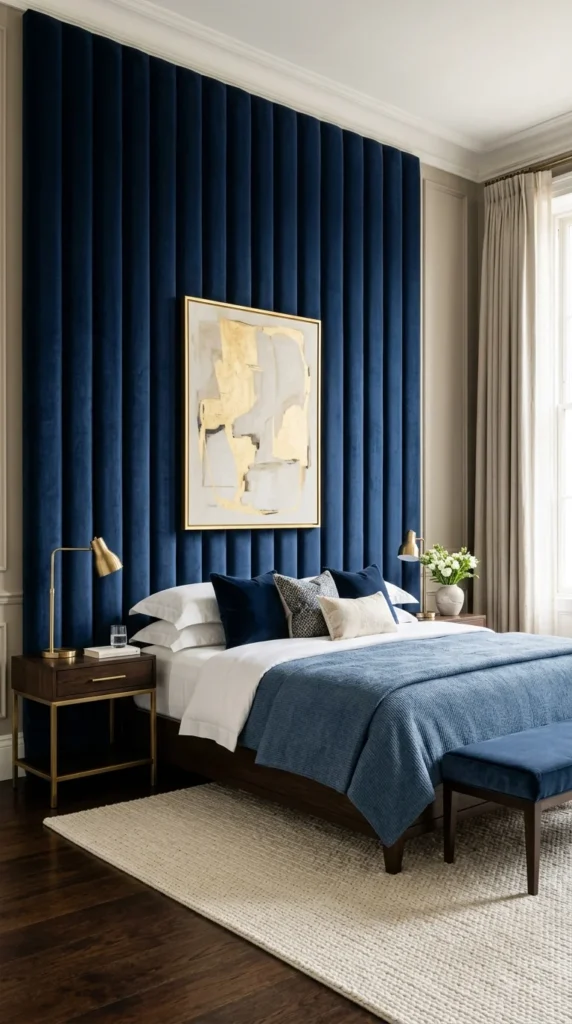
In a hotel, the bed is the star of the show, and the headboard is its crown. Most luxury hotels use oversized, upholstered headboards to add texture and height to the room. A tall headboard—sometimes reaching all the way to the ceiling—creates a sense of grandeur and helps dampen sound, making the room feel quieter and more private. Whether it’s button-tufted velvet, sleek leather, or a modern wooden slat design, making the headboard a focal point instantly elevates the room’s perceived value.
5. Plush Seating
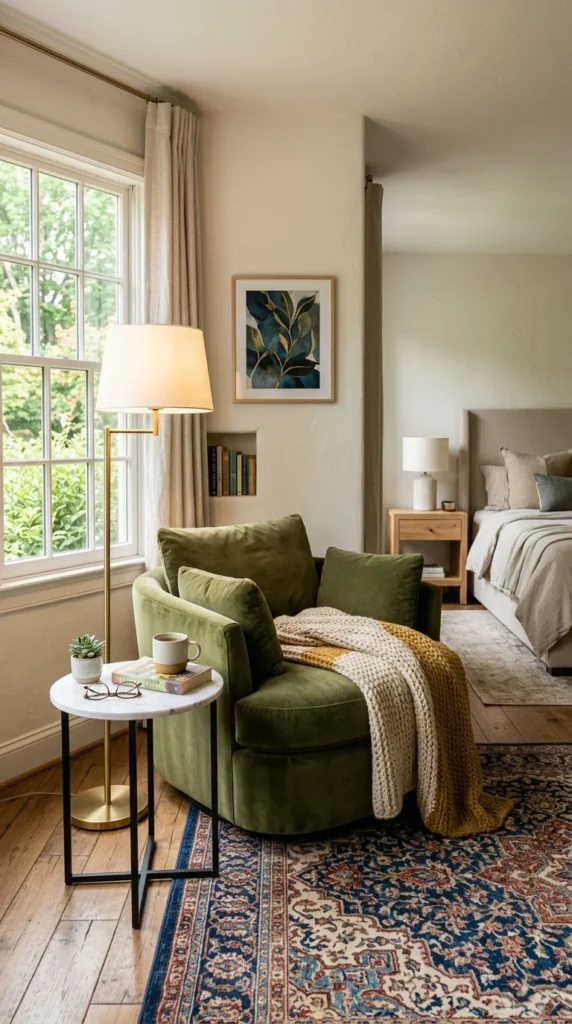
If space allows, a luxury bedroom should always have a place to sit other than the bed. This is a hallmark of “suite” living. A pair of armchairs with a small bistro table, or even a simple upholstered bench at the foot of the bed, adds a layer of functionality. It transforms the bedroom from just a place to sleep into a multi-purpose living space. Choose fabrics that contrast with your bedding—like a textured bouclé or a soft suede—to add depth to the room’s design.
6. Neutral Palette
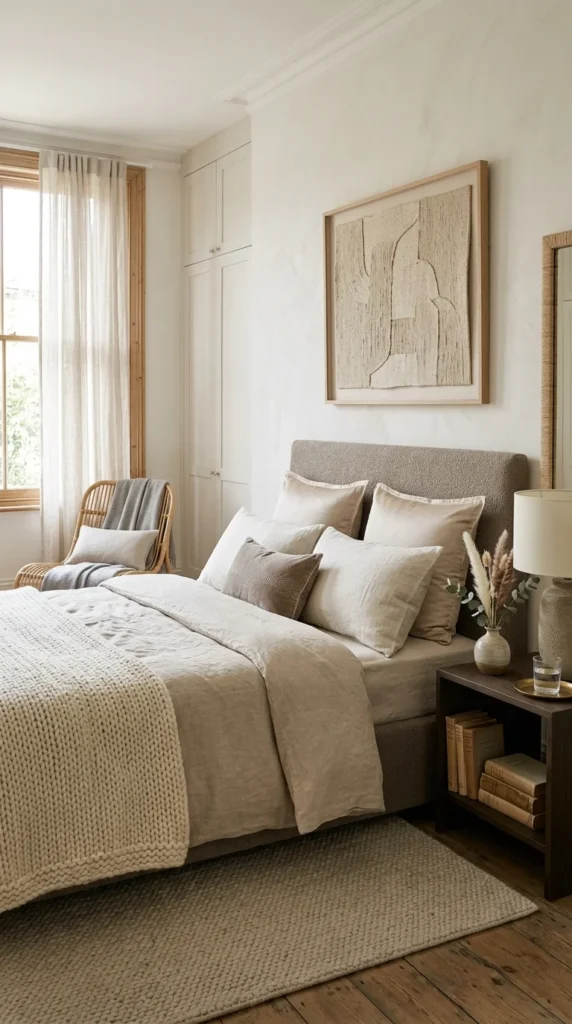
While bold colors can be fun, luxury hotels typically stick to a neutral, monochromatic color palette to ensure universal appeal and a calming atmosphere. Shades of mushroom, champagne, greige, and soft white create a “cloud-like” environment. The key to making a neutral room feel expensive rather than boring is texture. Mix a chunky wool throw with silk pillows and a jute wall covering. Keeping the colors muted allows the quality of the materials to stand out and makes the space feel much larger and airier.
7. Blackout Drapes
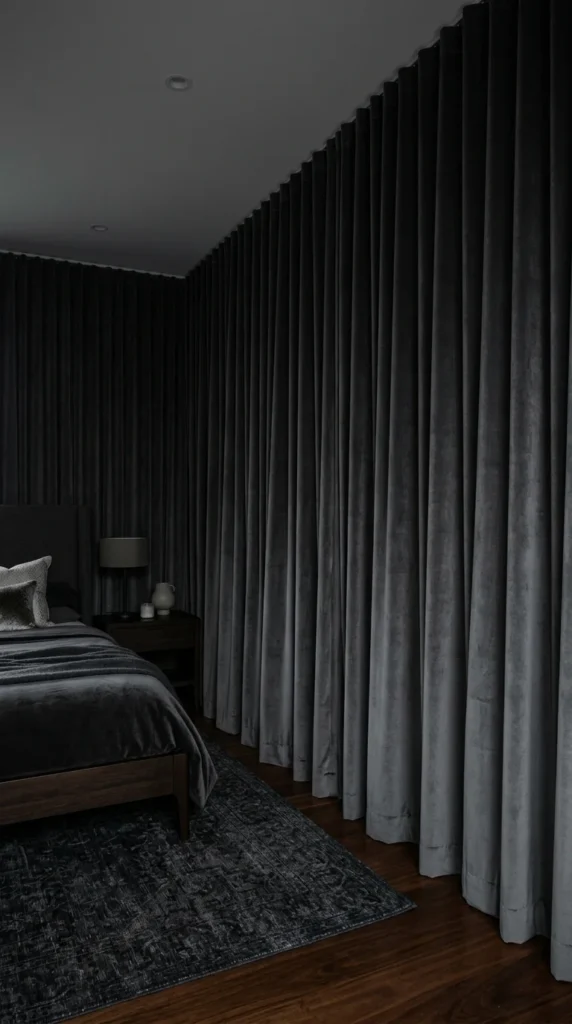
The ability to control light is a non-negotiable feature of luxury hospitality. To get that “cocoon” feeling, install floor-to-ceiling blackout curtains. For a true hotel look, use a double-track system: one track for sheer curtains that let in soft, filtered light during the day, and a second track for heavy, lined drapes that provide total darkness at night. Extending the curtains beyond the width of the window frame makes the windows look larger and prevents light leaks at the edges, ensuring you get the best sleep of your life.
8. Decluttered Surfaces
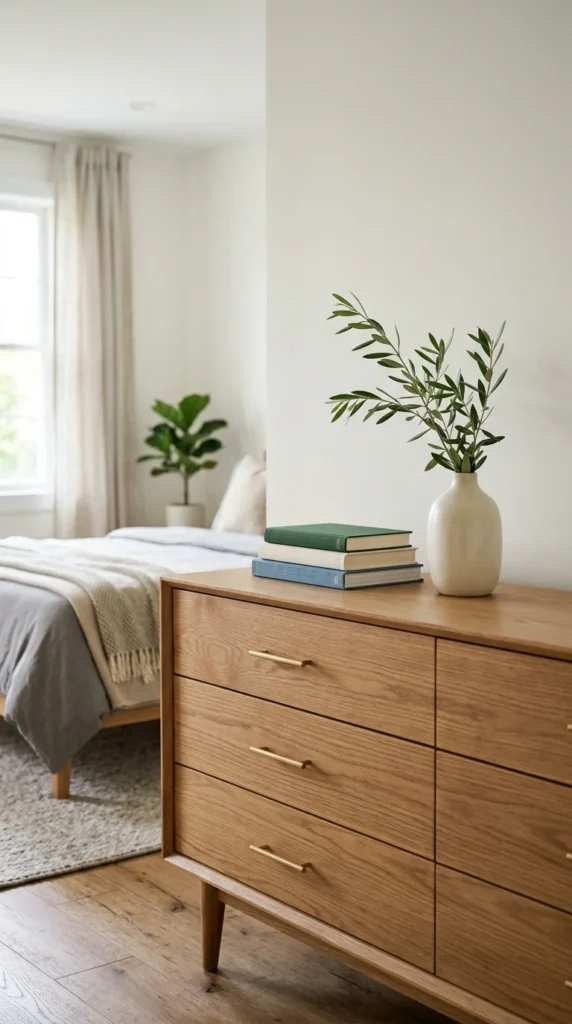
One reason hotel rooms feel so relaxing is the absence of clutter. There are no stacks of mail, charging cables, or miscellaneous knick-knacks. To maintain a luxury feel, embrace a “less is more” philosophy. Use decorative trays to coral small items like jewelry or watches, and choose nightstands with drawers to hide away electronics and books. Every object on display should be intentional—a beautiful candle, a fresh orchid, or a single sculptural bowl. When your surfaces are clear, your mind follows suit.
9. Scent Scaping
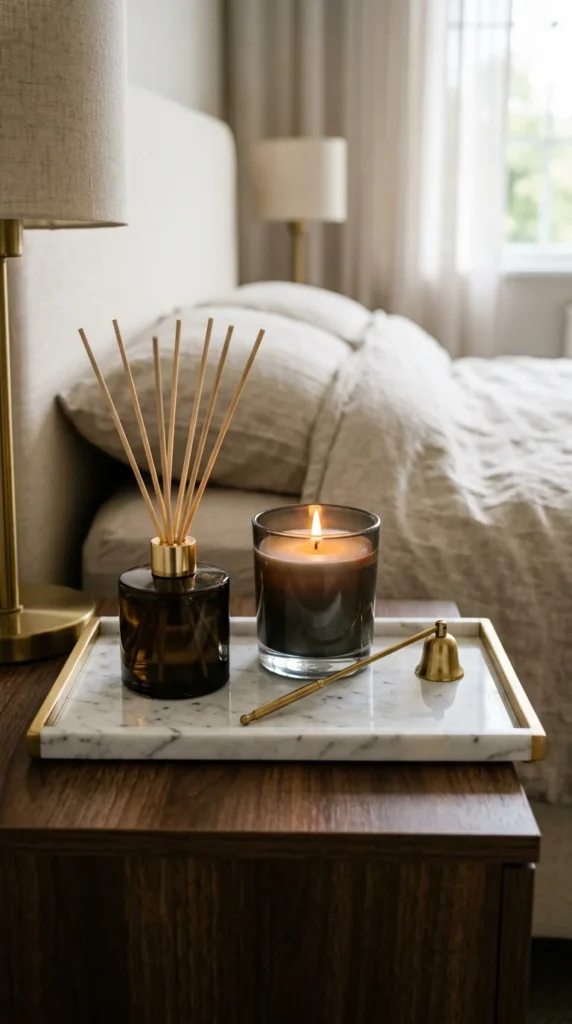
Luxury is a multi-sensory experience. Hotels often have a “signature scent” that is pumped through the ventilation system to create an immediate brand association. You can do the same at home. Choose a sophisticated scent profile—think sandalwood, bergamot, or white tea—and use a combination of reed diffusers, candles, and linen mists. The goal is a subtle, consistent fragrance that signals to your brain that it’s time to unwind. Avoid overly sweet or “cheap” synthetic smells; instead, look for essential-oil-based products that feel organic and high-end.
10. Area Rugs
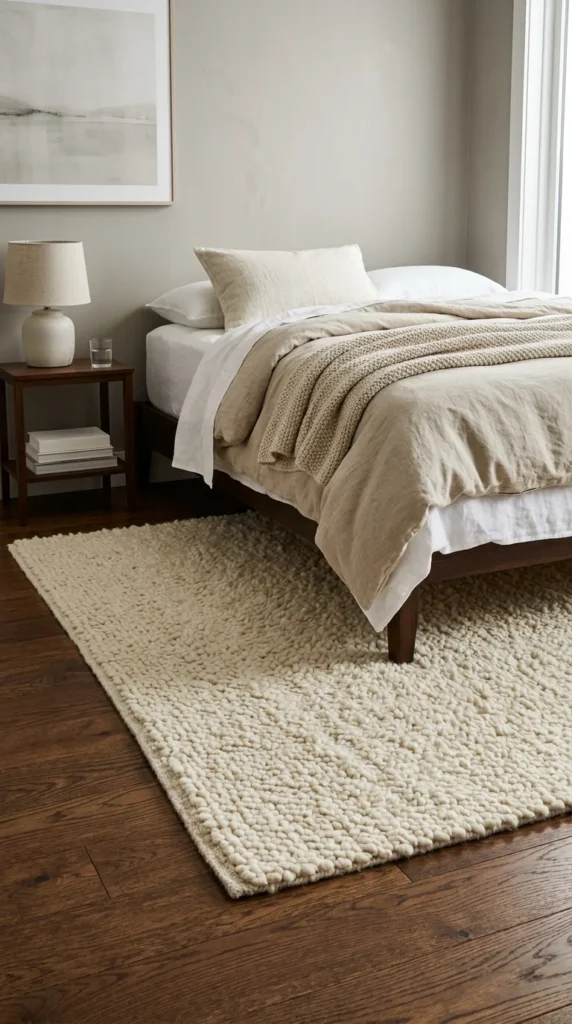
Nothing kills a luxury vibe faster than stepping out of bed onto a cold, hard floor. Even if you have wall-to-wall carpeting, adding a large, plush area rug under the bed adds a layer of sophisticated comfort. The rug should be large enough to extend at least 24 to 36 inches beyond the sides and foot of the bed. Opt for materials like wool or silk blends for a soft, underfoot feel. A high-quality rug acts as an acoustic muffler, absorbing echoes and making the bedroom feel intimate and tucked away from the rest of the house